A Nippon Sangoku Locations Guide: The Seii Arc & The Snowy Path Ohga Walked
A travel guide to the real-world locations of Seii, the northern nation in the manga and anime Nippon Sangoku. It tours the actual spots in Niigata and Ishikawa that became settings in the Seii arc, from Shibata Castle and Bandai Bridge to the old teahouse streets of Kanazawa, with the scenes they inspired, what to see on site, and how to get there.
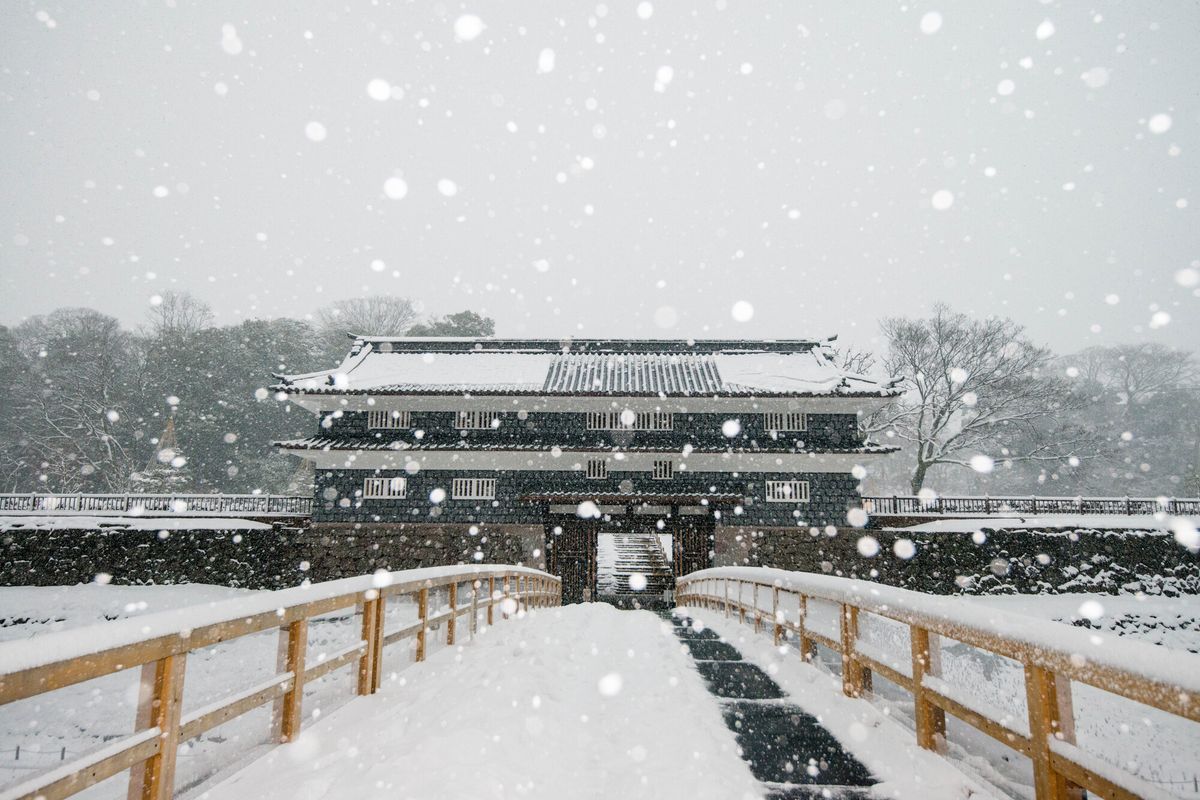
Nippon Sangoku is a manga built on the idea of playing out the Three Kingdoms, the classic Chinese story, in Japan. The anime started in the spring of 2026, and its lavish visuals and strong direction have made it popular.
The first season of the anime centers on the war between Yamato, the great power, and Seii, the nation trying to bring it down. This guide walks through the real pilgrimage sites within Seii's borders; the actual Japanese places that became settings in the series.
The setting of the series and its story are covered in detail in a separate article.
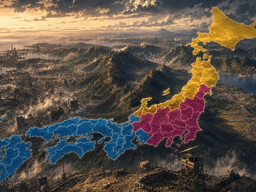
What Is Seii in Nippon Sangoku?
Seii is the enemy of Yamato, the nation the protagonist Aoteru Misumi serves. It sits farthest north of the three nations, holding the Sea of Japan coast north of the old Ishikawa Prefecture, along with Iwate and Hokkaido.
Where Yamato is a monarchy, Seii is a republic led by a president. In the story, one faction argues for surrendering to Yamato while another wants to fight to the end. The pro-war faction eventually stages a coup, and once a young supreme commander named Ohga Wajima takes control, the full war with Yamato gets underway.
The Main Characters of Seii
Below are the main characters who appear in the Seii Western Campaign.
Ohga Wajima
The young supreme commander who leads Seii's pro-war faction. Born in Noto, she lost her father and her older brother and became head of her family at just 14. In the series she is a woman whose gentle nature and dignified bearing win over the people.
She pulls together a country torn between surrender and resistance and drives it into war with Yamato, which makes her the key figure of the story.
Her own people call her "toutoi!" (precious), and it is striking how strong her support is among men.
Yayakichi Hei
The strategist Ohga trusts most. He is an older man with round glasses and a mustache who has served the Wajima family for a long time.
He supports the young supreme commander and could be called the brains of Seii. His family and Ohga's have been close for years, and he is like family to her.
Muuton Nagao
He is a young captain who leads a unit of the Seii army. Fiercely loyal to Ohga, he shows remarkable strength in battle. He is one of the more memorable fighters in the Seii arc.
Aterui Kura
He also serves as a captain in the Seii army. He excels in combat, and Ohga, counting on those skills, places deep trust in him.
Yamato Characters Who First Appear in the Seii Arc
- Goh Sugoh
A Middle Captain of the Right serving in Yamato's Frontier General Corps. A fierce commander with a soft spot for sugar cubes, he stands at the front line of the war against Seii. - Tonotsugu Taira
He is the eldest son of Denki Taira, the lord of home affairs who holds great power in Yamato. As Grand Librarian, the official in charge of books, he leads the army that invades Seii.
Where Is Seii?
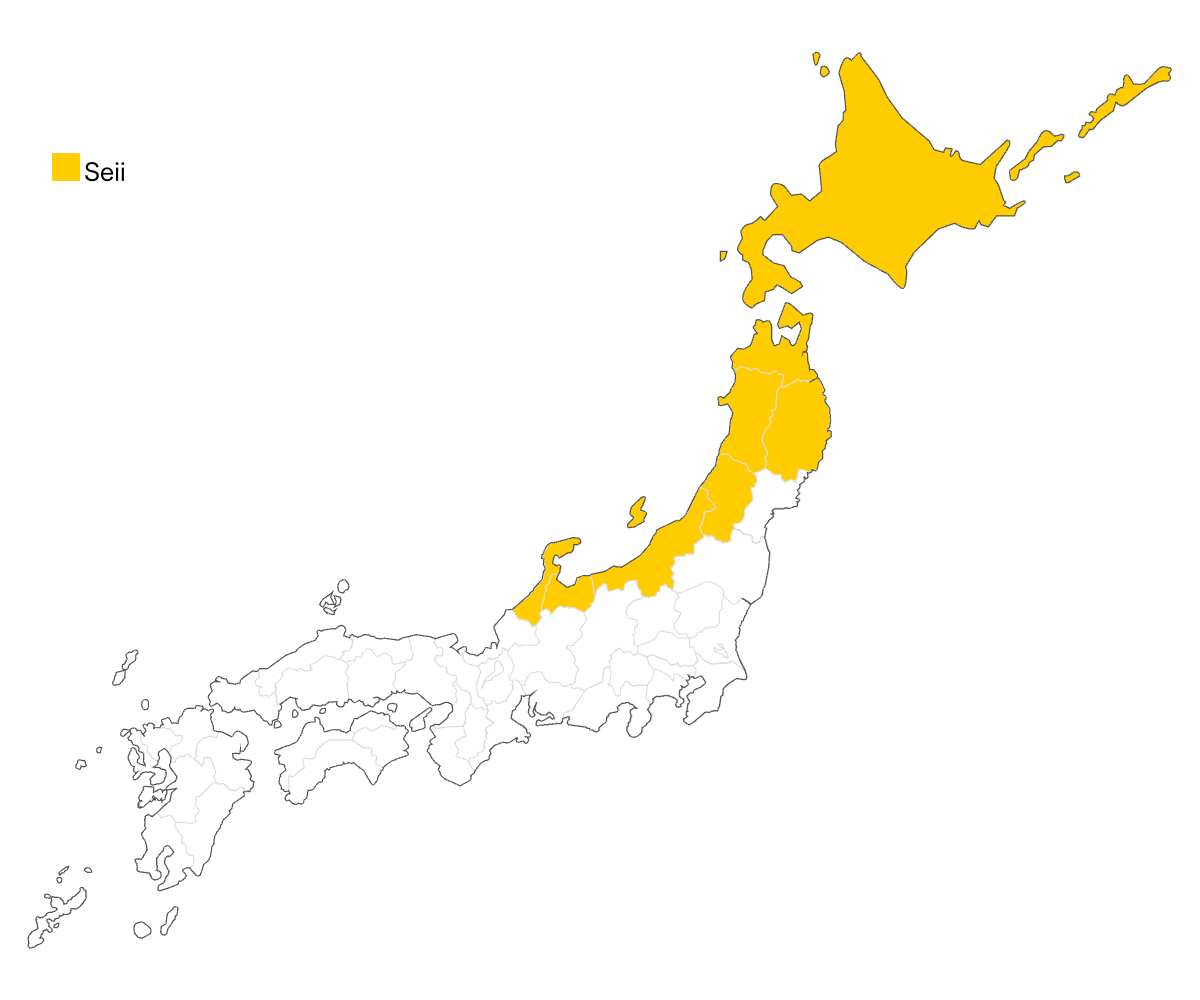
Note: the details of the islands around Hokkaido, at the upper right of the map, are unknown
The yellow area on the map is Seii's territory. At first glance it looks like a vast stretch of land, but Hokkaido and the northern reaches of the Sea of Japan coast get heavy snow. Even now, with modern machinery and technology, getting through winter there is not easy. In the series, where civilization has slid backward, it would be harder still.
One of the main reasons Seii struggles with poverty seems to lie in this harsh location.
The Real Locations Behind Seii
Here are the real places in Japan today that appear in the series as Seii's territory.
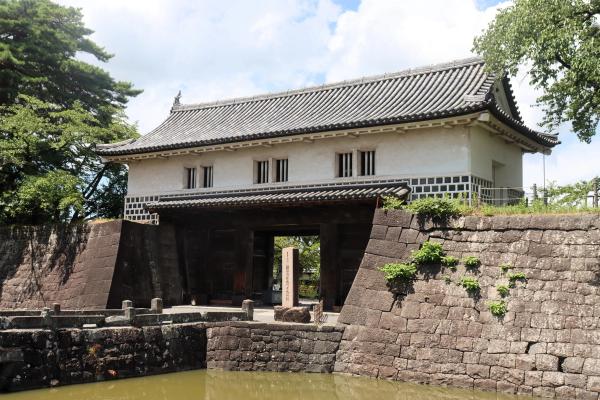
Shibata Castle, the Home Base of Seii
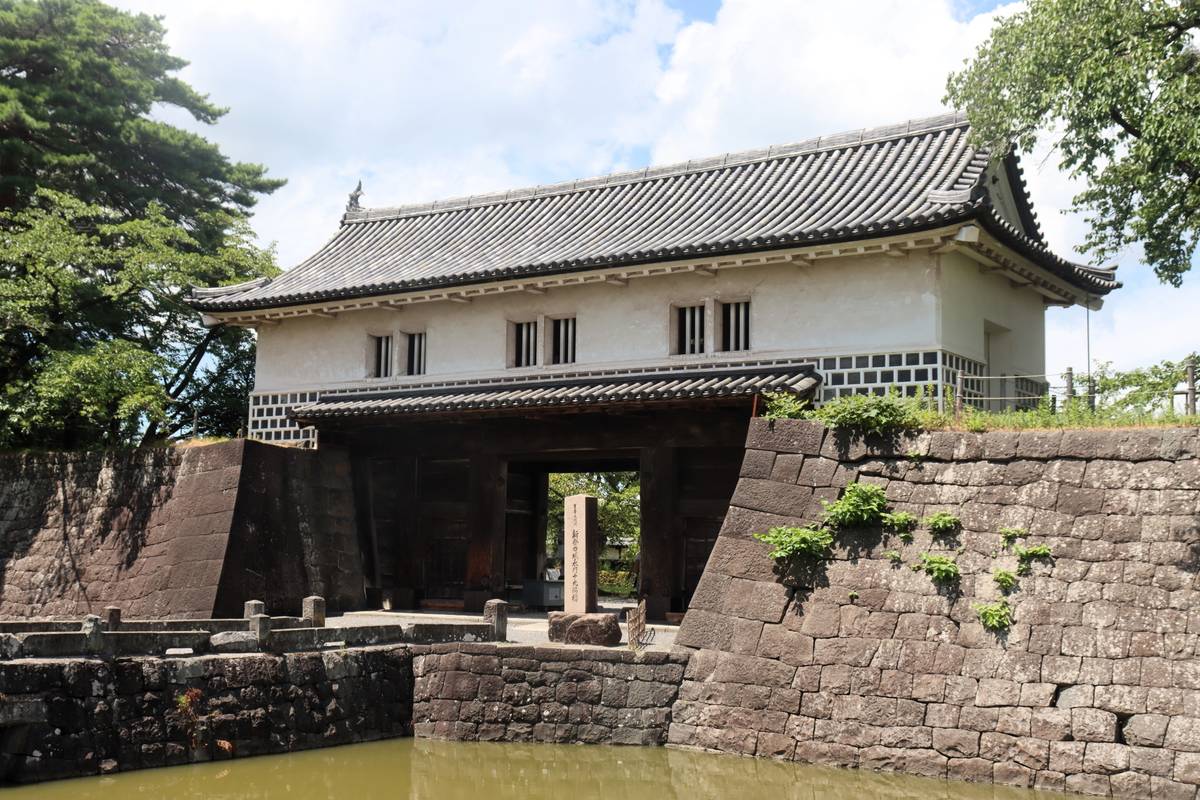
The Omote-mon main gate of the Honmaru at Shibata Castle, an Important Cultural Property
Northern Niigata Prefecture is the heart of Seii. Seiro, the town right next to Shibata, is said to be the model for Seiro-to, the capital of Seii.
Seii's castle appears in the anime. Shibata Castle in Niigata Prefecture is said to be the model for it. In the series it is drawn under the name Shibata Military Training Castle.
Shibata Castle is a castle site that remains in Shibata City. The Sangai-yagura, the three-story turret that took the place of a main keep, has a T-shaped roof carrying three shachihoko, the imaginary fish set on castle roofs, and no other castle in Japan has one like it. The turret was reconstructed in 2004, while the Omote-mon main gate and the Sumi-yagura corner turret have survived from the Edo period and are designated national Important Cultural Properties.
Admission is free, and the grounds are open from April through November. The nearest station is JR Shibata Station, about a 20-minute walk away. The Sangai-yagura, though, sits inside a Self-Defense Force compound, so unfortunately you cannot go inside it.
Bandai Bridge
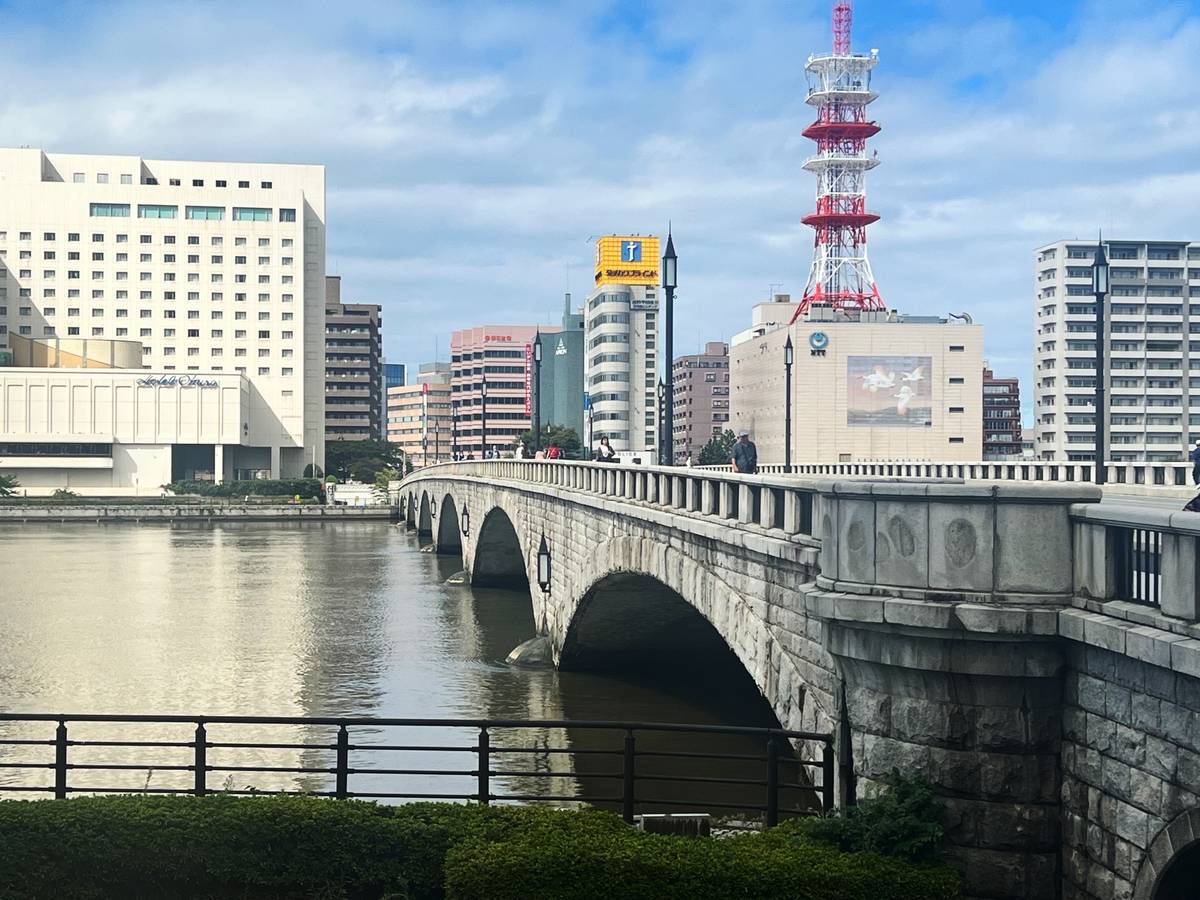
Bandai Bridge, or Bandaibashi, crosses the Shinano River as it runs through Niigata City. It appears in the series as scenery inside Seii's territory.
The present Bandai Bridge is the third on the site, built in 1929, and it became a national Important Cultural Property in 2004. It has a handsome line of granite arches and runs about 307 meters (1,007 feet). It came through the 1964 Niigata earthquake and has served the people of the city ever since. From JR Niigata Station it is about a 15-minute walk, or you can take a bus and get off at Bandai City, right beside it.
Kanazawa, Ishikawa Prefecture: Seii's Kaga-shō
In the series, the area around Ishikawa Prefecture is drawn as Seii's Kaga-shō on the Hokurikudō. It is the main battlefield of the western campaign the Yamato army pushes into, and the city of Kanazawa serves as the Seii army's base.
Kanazawa Castle Park
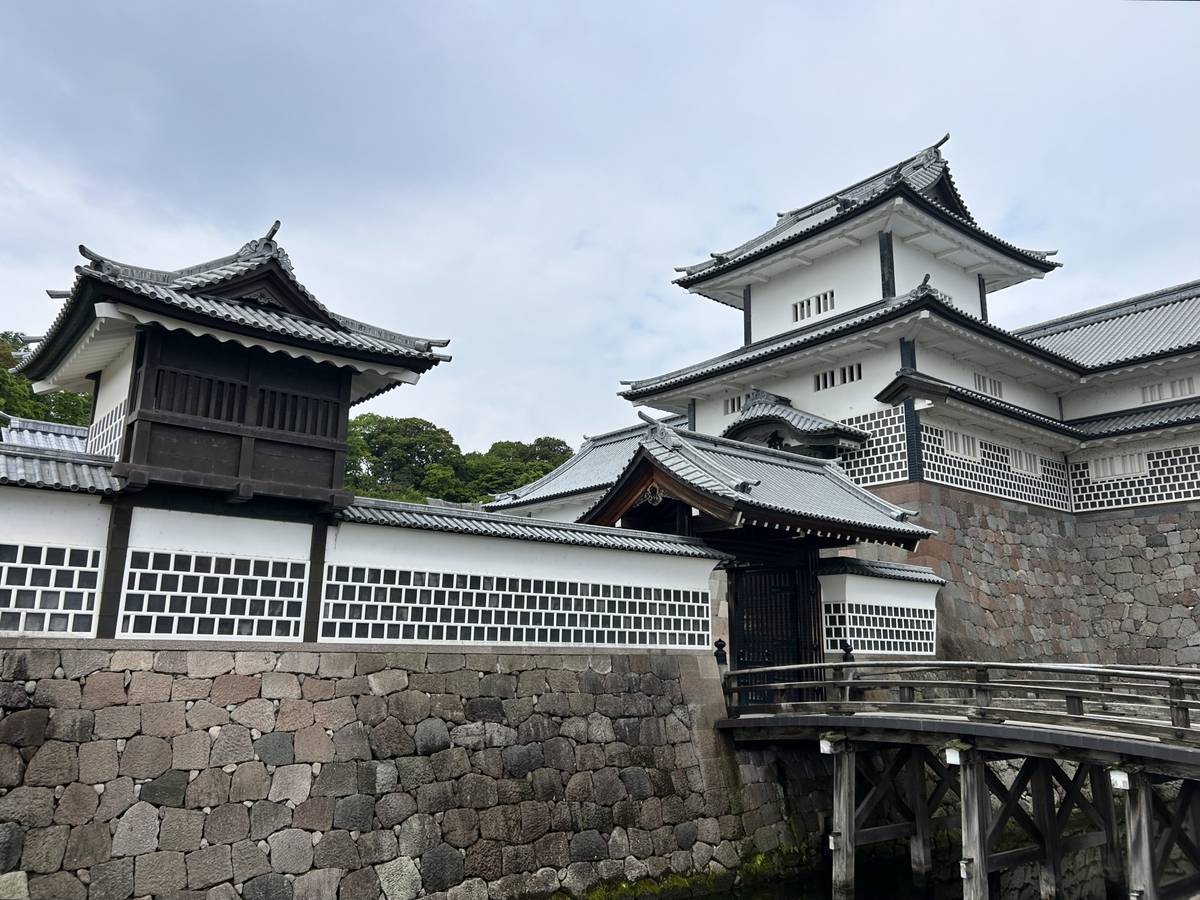
In the series, it's depicted as the stronghold where the Seii forces hole up.
The real Kanazawa Castle has been laid out as Kanazawa Castle Park. Highlights include the Gojikken-nagaya Storehouse running from the Hishi-yagura Turret to the Hashizume-mon Tsuzuki-yagura Turret, and the Nezumita-mon Gate, reconstructed in 2020. Going inside the storehouse and the other buildings costs 320 yen for adults, while the park itself is free to walk through. From Kanazawa Station, it's about 18 minutes on the clockwise Kanazawa Loop Bus, and it's right there when you get off at Kenrokuen-shita. One thing to keep in mind: parts of the grounds are sometimes closed off due to damage from the 2024 Noto Peninsula earthquake, so it's worth checking the official website before you go.
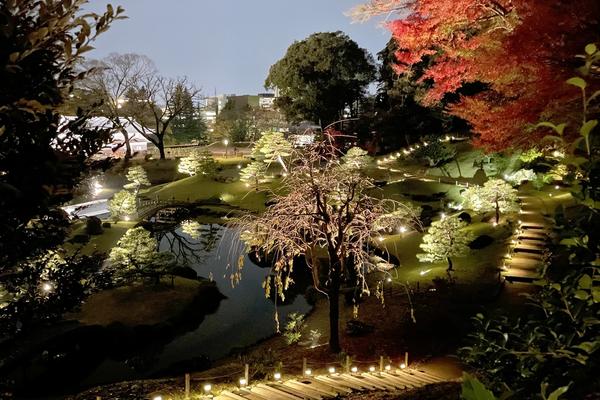
Higashi Chaya District (Higashiyama Inn District in the Series)
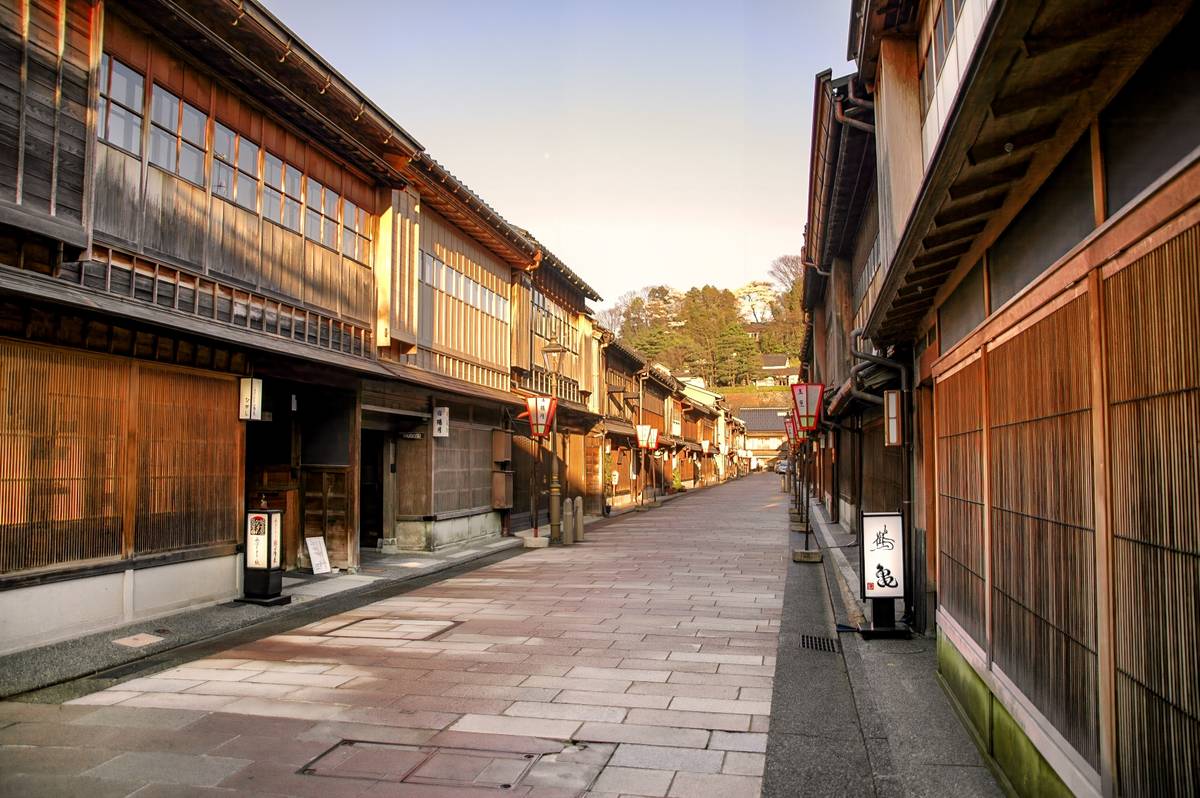
In the series it is called the Higashiyama Inn District and appears as the place where Yamato's officers take lodgings.
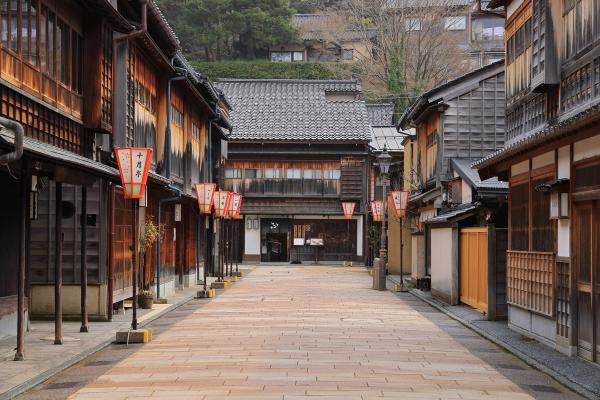
Higashi Chaya District is one of the best-known old streetscapes in Kanazawa and is a nationally designated Important Preservation District for Groups of Traditional Buildings. Teahouses fronted with bengara lattices, painted in a red pigment of the same name, line both sides of the stone-paved street. From Kanazawa Station, the easiest way there is by bus to the Hashiba-cho stop.
Asano River
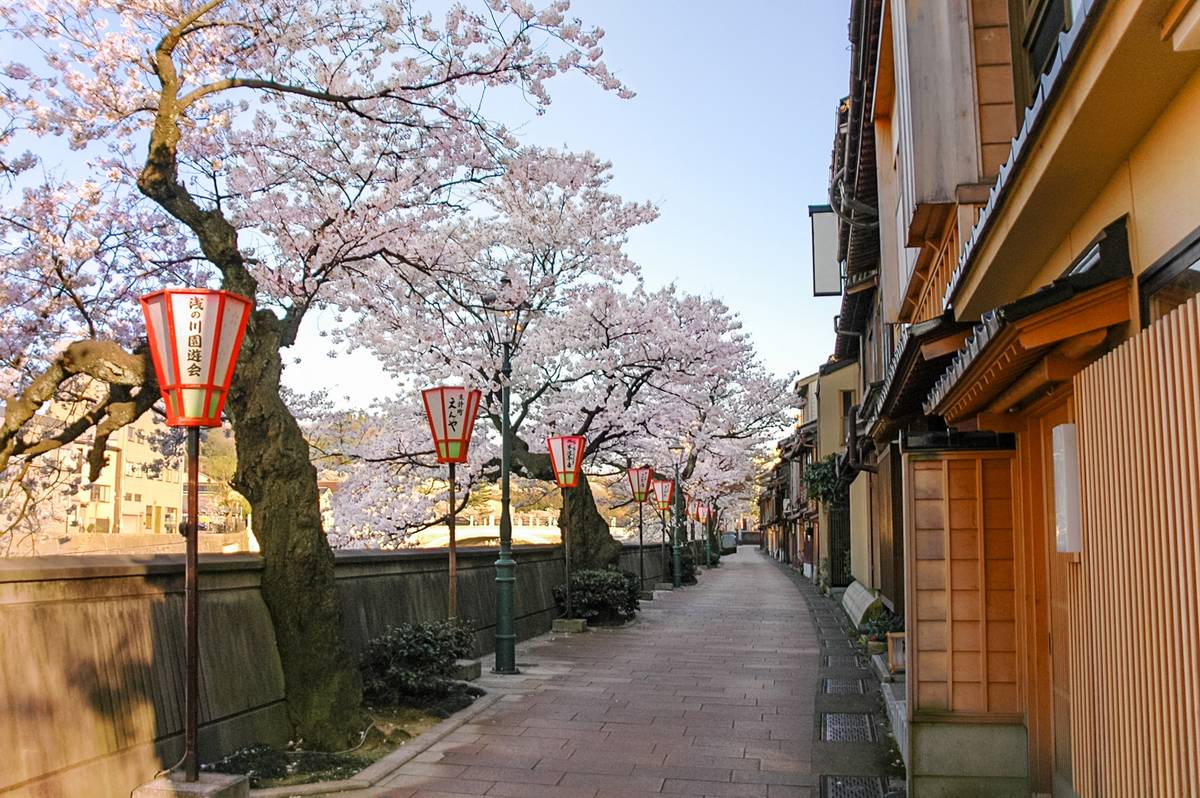
The Asano River, which runs beside the teahouse district, also appears in the series. It is along this river that Muuton Nagao and his men set out to strike down Yamato's officers.
Two bridges cross the Asano River here: Asanogawa Ohashi Bridge, a triple arch built in 1922, and Umenohashi Bridge, built in a wooden style. Asanogawa Ohashi Bridge is a nationally Registered Tangible Cultural Property. Both are a short walk from Higashi Chaya District, so you can see them on the same outing.
Sai River
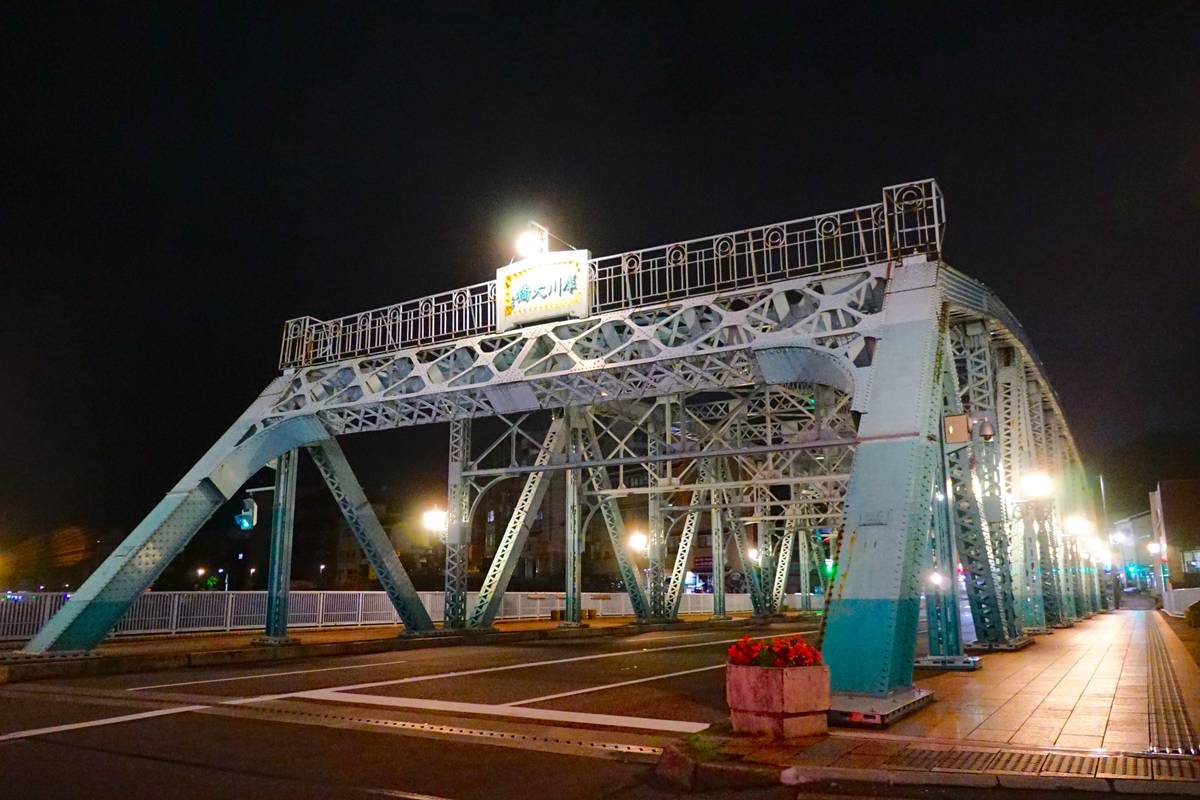
Saigawa Ohashi Bridge
Kanazawa also has the Sai River, which pairs with the Asano. The Kanazawa Film Commission lists this river as a location too.
Saigawa Ohashi Bridge, which spans the river, is a steel truss bridge completed in 1924 and a nationally Registered Tangible Cultural Property. Asanogawa Ohashi Bridge and Saigawa Ohashi Bridge, the two old bridges over the two rivers, make good landmarks when you walk the castle town of Kanazawa.
Kanazawa Station
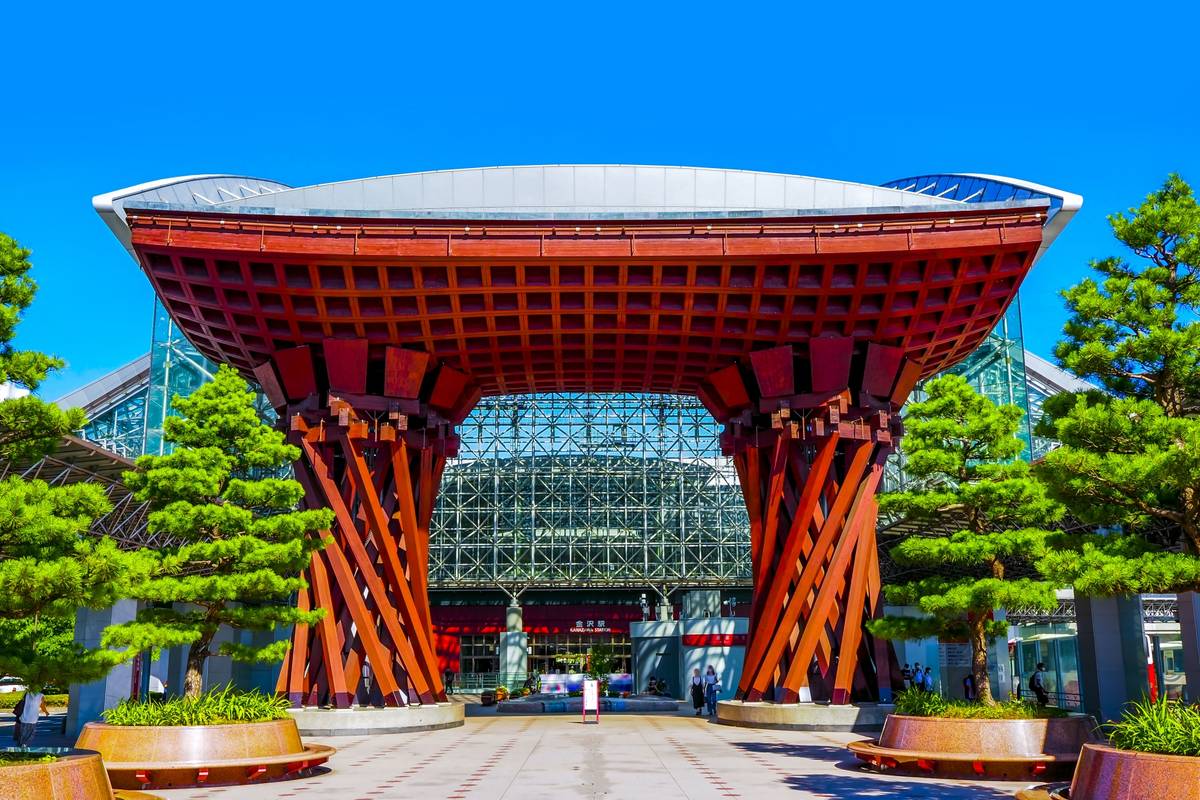
Kanazawa Station also appears in the series.
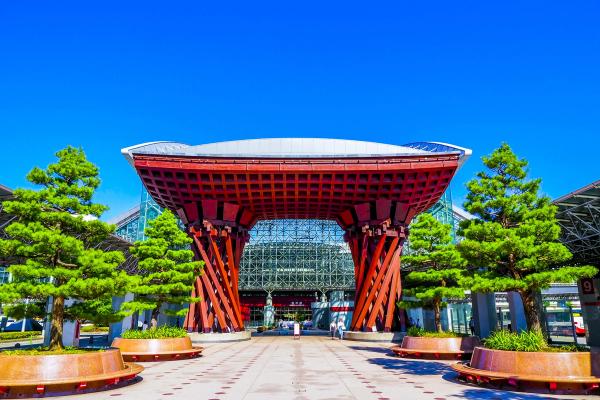
At the station's Kenrokuen exit stands a large gate called the Tsuzumi-mon Gate, shaped after the tsuzumi drum of Noh. Built up from interlocking timbers, the imposing gate is known as the view that represents Kanazawa.
Komatsu Airport
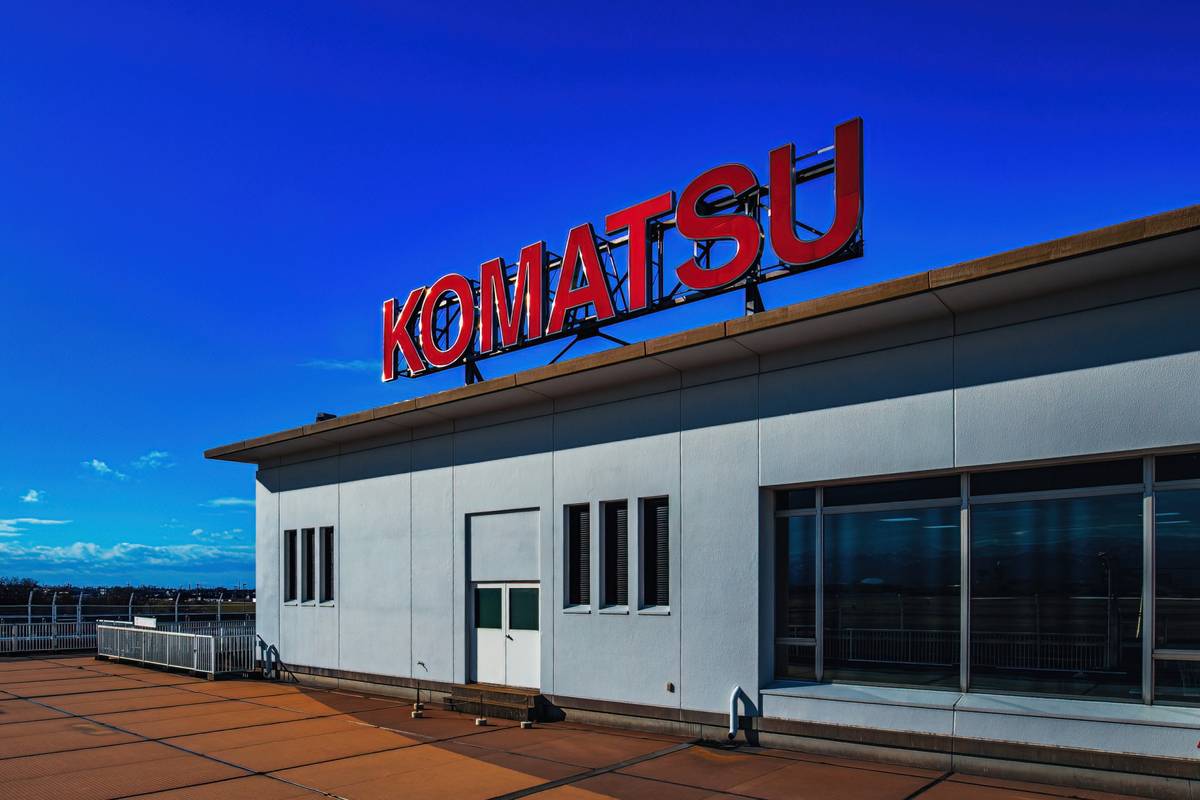
In the series it appears as the place where Mitsuhide Ryumon's Yamato force makes camp.
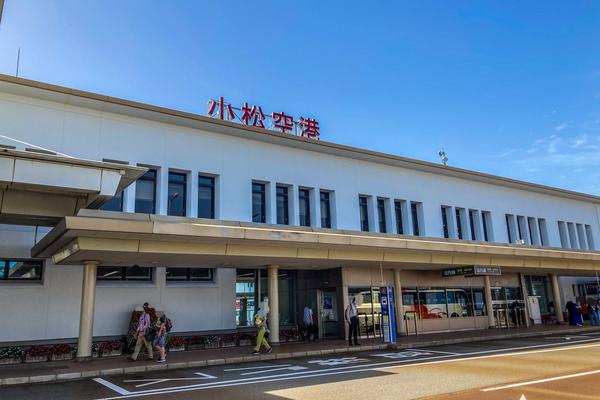
The real Komatsu Airport is one of Ishikawa Prefecture's main transport links. In front of the terminal stand statues of Benkei and Togashi, the two figures known from the kabuki play Kanjinchō.
From the observation deck you can get a close look at the neighboring Japan Air Self-Defense Force base, and the airport is shared by civilian and military flights that use the same runway.
The limousine bus to Kanazawa Station takes about 40 minutes, and buses also run to the Kaga Onsen hot spring resorts.
Tedori River
In the series, the Yamato army heading for Kanazawa crosses Tedorigawa Ohashi Bridge over the Tedori River. The force led by Goh Sugoh and Tonotsugu Taira cross the river here.
The Tedori River, one of the largest rivers in Ishikawa Prefecture, rises on Mount Hakusan and flows into the Sea of Japan. It is about 72 kilometers (45 miles) long. The Kaga Plain spreading out downstream is an alluvial fan built from the sediment the river carried down. Upstream, the water has cut into the rock to form Tedori Gorge, known for its scenery.
Shiramine Ohashi Bridge
In the series it is drawn as the route the Seii army takes under Ohga Wajima.
Shiramine Ohashi Bridge carries the road that leads to Shiramine in the city of Hakusan. Shiramine is a mountain village at the foot of Mount Hakusan, buried in deep snow through the winter. The old rows of houses there match the world of Seii. The streetscape of houses built in ōkabe construction, with the timber frame plastered over against the snow, is a nationally designated Important Preservation District for Groups of Traditional Buildings. In February the village fills up for the Snowman Festival.
Tedori Fish Land
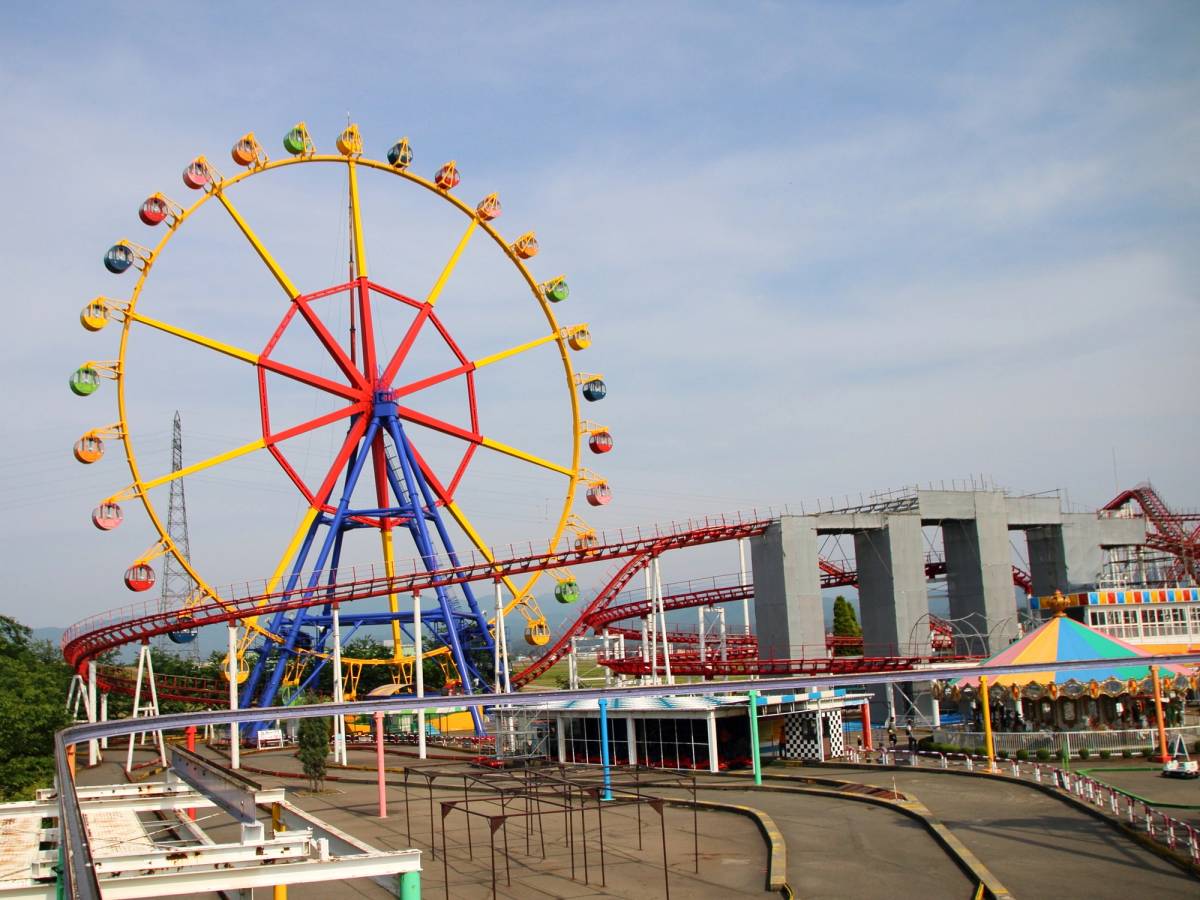
Tedori Fish Land also appears on the Kanazawa Film Commission's list of locations.
Tedori Fish Land, in Nomi, is the only amusement park in Ishikawa Prefecture. It has a carousel and go-karts, and the Ferris wheel painted in the five colors of Kutani ware, Ishikawa's porcelain, marks the spot. The name comes from the fishing pond on the grounds.
Entry and parking are free, and you pay for each ride.
The Prefectures That Make Up Seii
Seii's territory runs from the Sea of Japan coast north of the old Ishikawa Prefecture up through Iwate and Hokkaido. The administrative units named in the series are the following five shō in Hokuriku. They come into the story as the lands later ceded to Yamato.
- Kaga-shō (southern Ishikawa Prefecture, the old Kaga Province)
- Noto-shō (northern Ishikawa Prefecture, the Noto Peninsula)
- Etchū-shō (Toyama Prefecture, the old Etchū Province)
- Seiro-shō (Niigata Prefecture, including the capital Seiro-to)
- Sado-shō (Sado Island in Niigata Prefecture)
Where Yamato uses shū with the old province names, Seii uses shō. The names of the divisions covering Iwate and Hokkaido have not been revealed in the series so far. As the story goes on, new place names may come to light.
A second season of the Nippon Sangoku anime was announced recently, so there is plenty more to look forward to!
Published Last Updated
Related Articles
Explore more articles on similar topics and deepen your knowledge of Japan.


Related Titles
Everything we have on this title: real life locations, stories, and where to get it.