Chiikawa's Island Arc and its Origins Explained & Pilgrimage Sites to Visit
Chiikawa's first film arrives summer 2026. Its Island Arc echoes Japan's Yaobikuni legend, with parallels and fan pilgrimage spots across Aichi and Fukui.
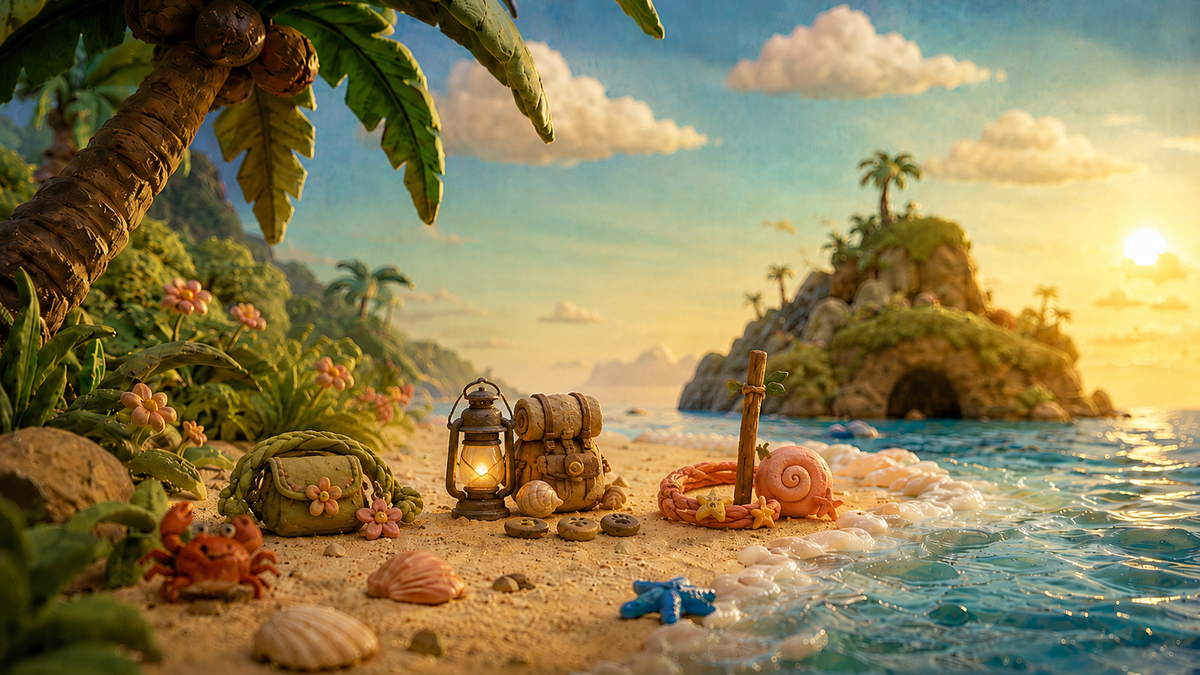
Chiikawa is fast becoming one of Japan's most beloved characters, with a quirky little world and warm exchanges between its adorable cast. In summer 2026, the series gets its first feature film, based on the Island Arc (also called the Siren Arc), the longest single storyline in the manga's history. And this mermaid-centered story shares striking parallels with one of Japan's oldest folk tales, the legend of Yaobikuni.
This article will trace those parallels and walk through places connected to the Yaobikuni legend, and real spots and foods that resemble scenes from the manga. To be clear, Nagano-sensei (the author) hasn't publicly confirmed any link to the legend; this is a reading drawn from the shared elements alone.
If you'd like a broader introduction to Chiikawa first, see the overview article below.

About The Chiikawa Movie
Chiikawa is a webmanga by the illustrator Nagano-sensei, serialized on X (formerly Twitter). Its full title is Chiikawa: Nanka Chiisakute Kawaii Yatsu (Something Small and Cute). The story follows adorable little characters as they navigate a world that can be surprisingly harsh, and the series has built a strong following both in Japan and across Asia, with a growing audience overseas.
On July 24, 2026, the theatrical adaptation Chiikawa the Movie: The Secret of Mermaid Island (Eiga Chiikawa: Ningyo no Shima no Himitsu) will premiere. Kei Oikawa is directing, with Cygames Pictures producing, and Nagano-sensei is credited as both original creator and screenwriter.
The Island Arc, the source material for the film, ran on X from March to November 2023 and became the longest storyline ever published in Chiikawa. Lured by a suspicious flyer, Chiikawa and friends head to a remote island, where they encounter giant mermaid-like creatures known as Sirens.
Island Arc Synopsis
Spoilers for the manga and film ahead. I'll be touching on major story points, so if you'd rather come in fresh, please catch up first.
A Trip to a "Southern Island" for One Hundred Times The Pay
A suspicious flyer promises an easy little extermination job for one hundred times the usual fee, plus free limited-edition ramen and bottomless sweet and spicy snacks. Tempted, Chiikawa, Hachiware, and Usagi rope in their extermination instructor, Rakko, for the trip.
Almost the entire cast eventually shows up. Momonga, Shisa, Kurimanju and the rest. The locals welcome them with open arms, and the early days unfold peacefully around food stalls and a beach bonfire.
The Sirens Attack
While exploring an off-limits cave, the group is ambushed by a giant creature called a Siren. The Sirens believe one of their three sisters has been eaten by an islander, and they have been attacking locals indiscriminately in search of the culprit.
Deep in the jungle, Chiikawa and the others stumble onto a strange curry & clam-soup stand called Shima Jiro, whose owner offers help. And in a book found at one islander's home, an old saying surfaces. Anyone who eats the flesh of a mermaid will gain eternal life.
Find Out The Truth in The Full Story!
I won’t go into the story leading up to the ending here. It’s worth noting, however, that both the developments and the finale were quite controversial among fans when it was originally serialized.
It’s a story that leaves a faint, lingering shadow in someone’s heart; a perfect example of Nagano’s World.
The Yaobikuni legend
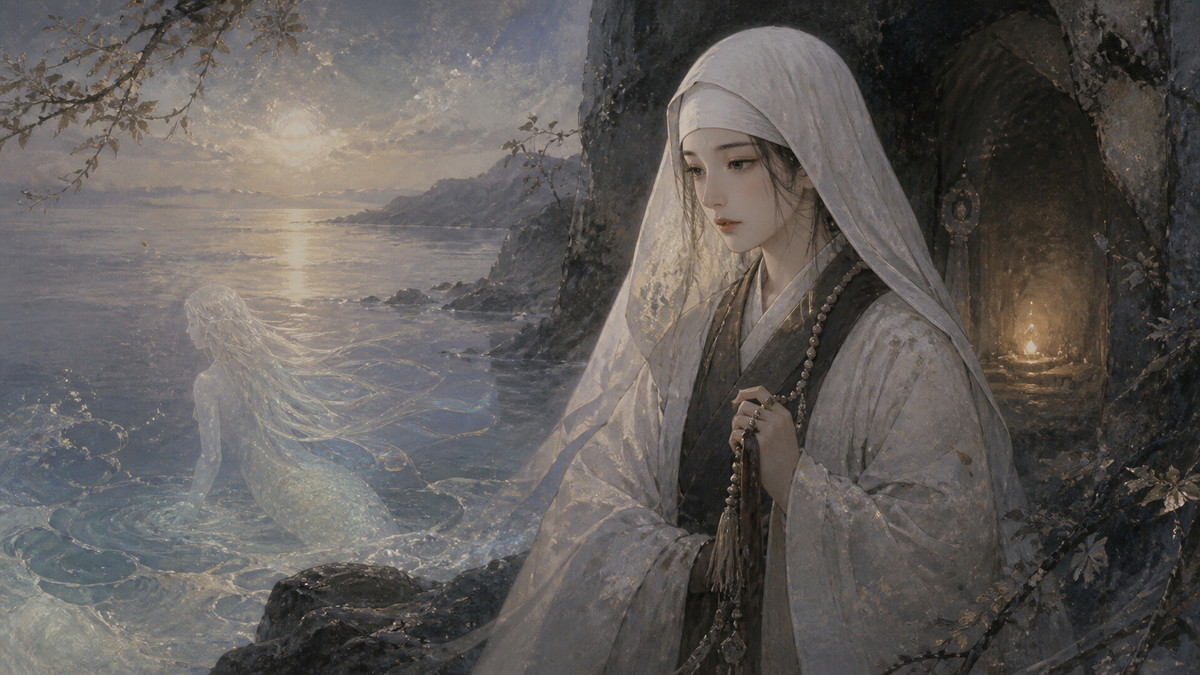
Image of Yaobikuni
Now, the Yaobikuni legend itself.
Yaobikuni is a legendary figure in Japanese folklore. The name is written 八百比丘尼 and translates literally as the eight-hundred-year-old nun.
As the story goes, a wealthy man known as Takahashi Choja held a banquet and served his guests an unusual meat. When the guests realized it was the flesh of a mermaid, they were horrified and refused to touch it. But Takahashi's daughter ate hers without knowing what it was.
After consuming the mermaid's flesh, the daughter stopped aging. Her husband died, her children and grandchildren grew old, and only she remained in her youthful form. Eventually she took Buddhist vows as a bikuni (a nun) and is said to have wandered the country for eight hundred years.
Versions of The Legend Across Japan
This is not a single regional folktale. Variations of the story appear in twenty-eight prefectures (everywhere except Hokkaido and southern Kyushu), across eighty-nine municipalities and at least one hundred and twenty-one specific sites.
The best-known version places Yaobikuni's final years in Obama, in Fukui Prefecture, which is treated as the heart of the legend. But Kasugai, in Aichi Prefecture, has its own tradition that names it as her birthplace. Even within Japan, the legend has more than one origin.
Specific Parallels With The Island Arc
The parallels between the Yaobikuni legend and Chiikawa’s Island Arc is apparent. Again, Nagano hasn't said anything publicly about the connection, so the content below is educated speculation.
I'll also be touching lightly on parts of the story the plot summary above avoided, so consider yourself warned.
Eating The Flesh of a Mermaid
Most notable is that the story centers on mermaids and the act of eating mermaid flesh. However, the dynamic is reversed. In the legend of Yaobikuni, it is the girl who eats the mermaid’s flesh, whereas in the Island Arc, it is the mermaid’s kin who are depicted as having been eaten, and their desire for revenge drives the story forward.
In the latter half, the perspective of those who consumed the flesh is also explored. Driven to the brink by their circumstances, they end up eating mermaid flesh almost out of necessity; a development that calls to mind the Japanese horror game SIREN.
Gaining Eternal Life
Yaobikuni eats mermaid flesh and, against her wishes, gains immortality. Characters in the Island Arc end up consuming mermaid flesh the same way, without realizing what it is, and lose the ability to age or die.
In neither case does the recipient want the gift. Far from a blessing, eternal life lands on them as something closer to a quiet, ongoing curse.
Connections to Aichi Prefecture
Yaobikuni's birthplace, in one telling, is Kasugai in Aichi. And the Island Arc is full of small details that point straight back to the same prefecture.
The Sirens’ Appearance
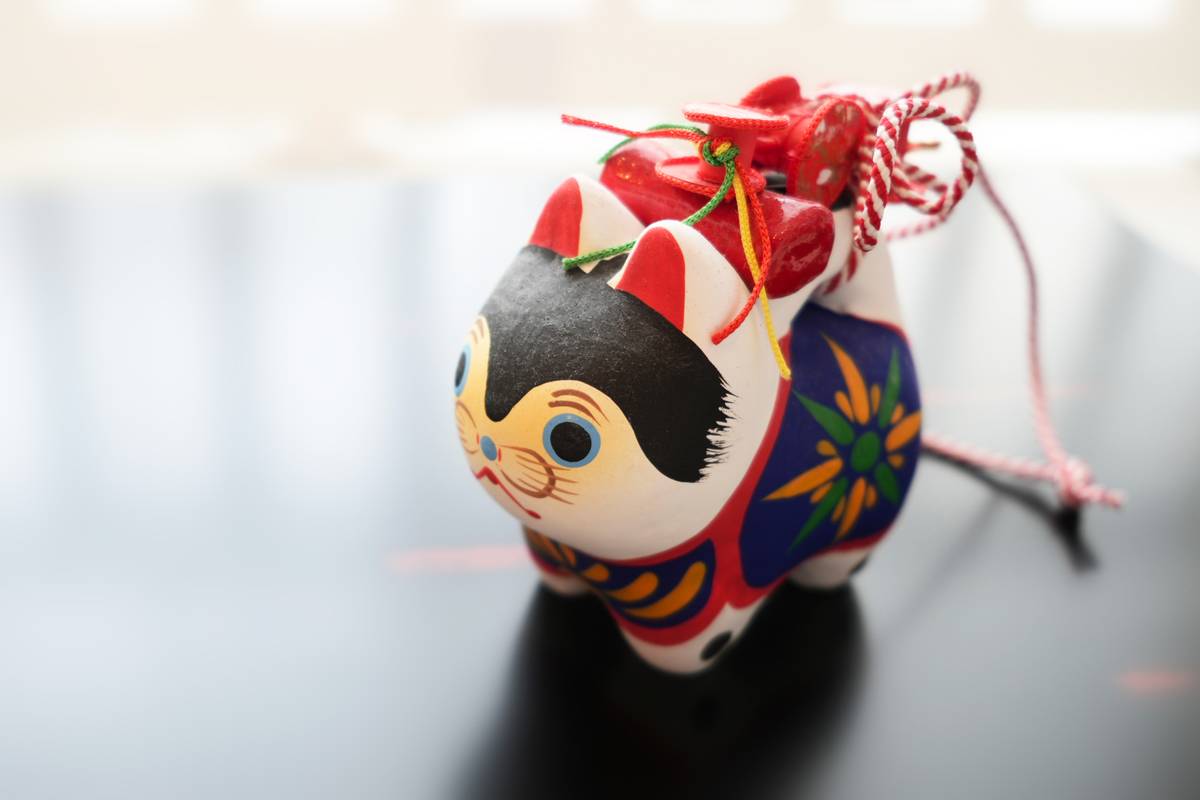
The Sirens, who appear on the film's key visual, look strikingly similar to inu-hariko, a traditional papier-mâché dog charm whose origin is said to lie at Atsuta Jingu, one of Aichi's most important shrines.
Komeda's Coffee
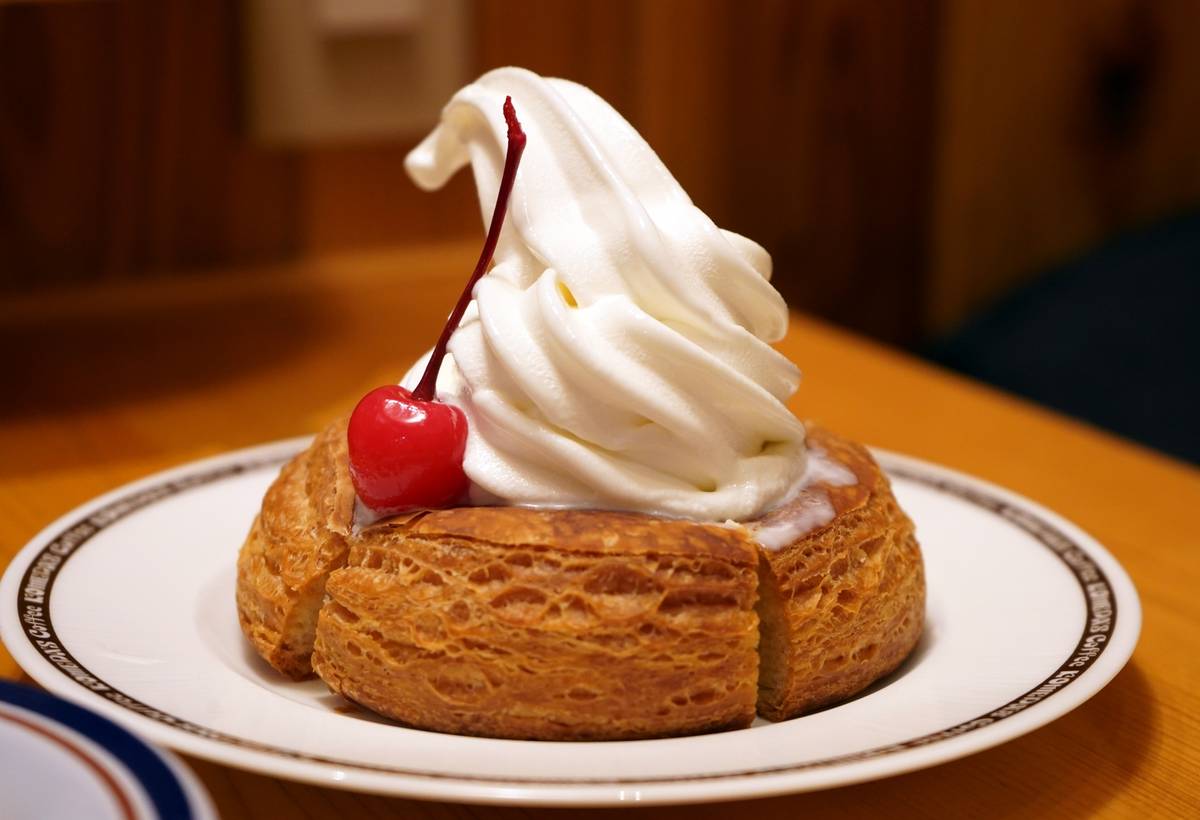
Komeda's signature dessert, Shironoir
Komeda's Coffee is a café chain that opened in Nagoya in 1968. It now has stores nationwide, but its roots are in Aichi.
The dessert sketched on the in-story looks like Shiro Noir, Komeda's signature menu item. It has a particular reputation among Japanese internet users for being startlingly larger in person than the menu photo suggests.
The chain also serves Nagoya specialties such as miso katsu sandwiches (deep-fried pork glazed with sweet-savory red miso) and ogura toast (white bread topped with sweet azuki-bean paste). They have stores in Tokyo too, so it is worth dropping by if you are ever in Japan.
Shiruko Sando
What Chiikawa and the others use to lure the mermaids is a Shiruko Sandwich, a snack that shows up as a key plot item in the manga.
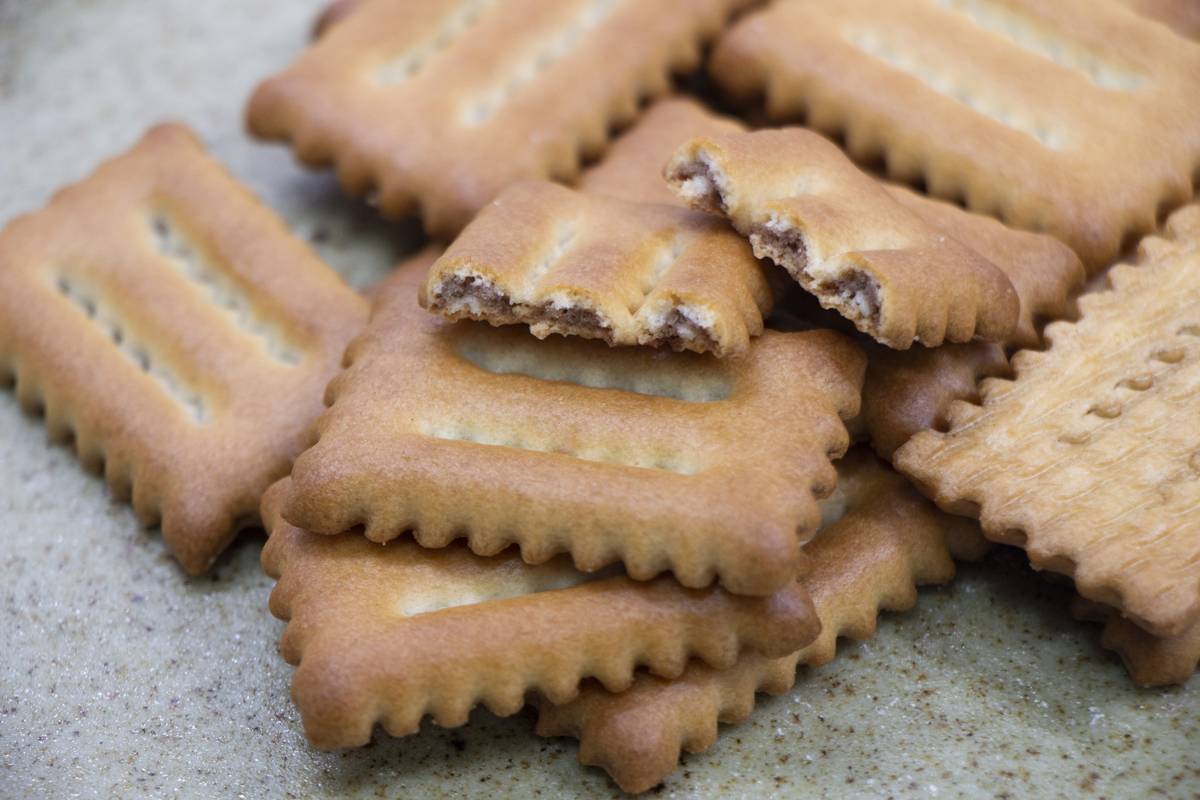
It is a beloved everyday treat in Aichi, with thin scalloped biscuits sandwiching a sweet azuki-bean cream. It has been made by Matsunaga Confectionery in Komaki, Aichi since 1966, with the filling using azuki beans grown in Hokkaido.
Miso Pickles
There is a scene where a Siren is preparing miso-zuke, food cured in red miso.
Aichi is the heartland of Japan's mame-miso (soybean miso) tradition, best represented by Hatcho miso, and miso pickles and miso-based dishes are local specialties.
Watching that same local cooking technique used to miso-pickle the islanders themselves is the kind of image that left readers shaken.
Soy Sauce
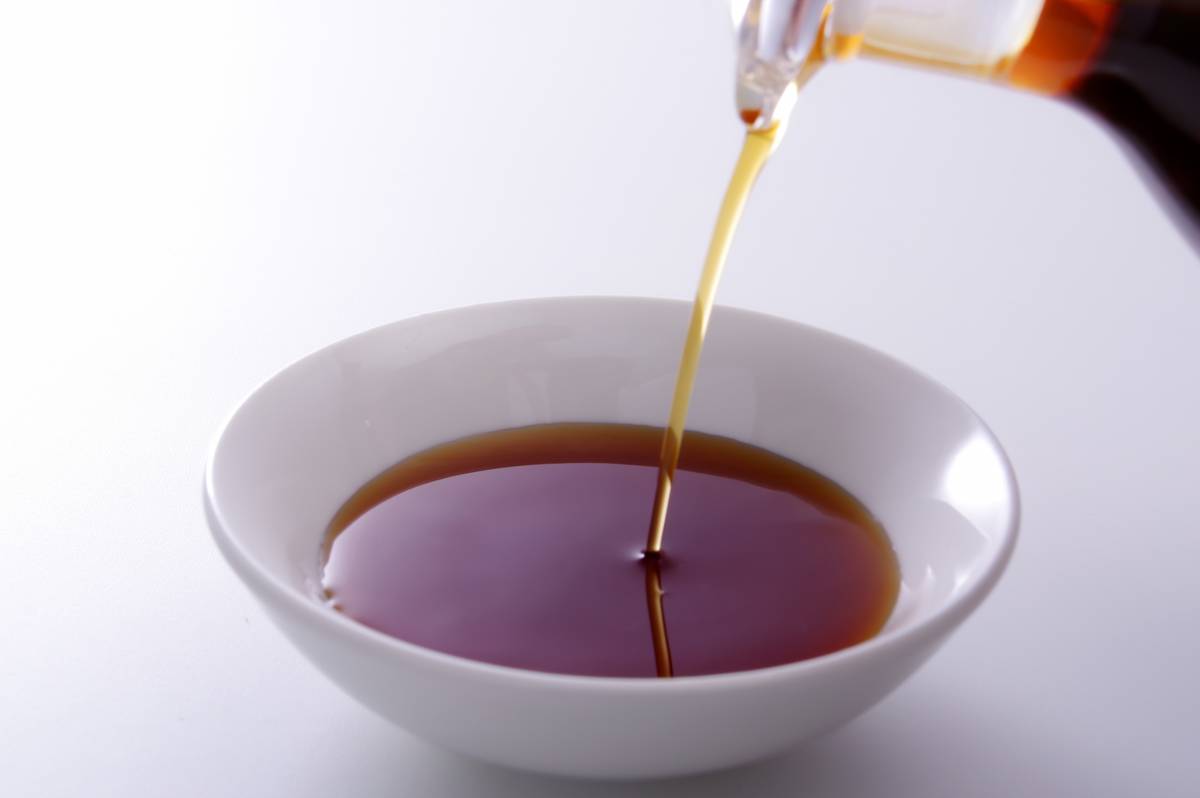
In the bundle of regional specialties handed out as the extermination job's reward, soy sauce makes Hachiware exclaim, "Whoa… they put soy sauce in here…" That, too, is a Nagoya specialty.
Nagoya is especially known for tamari soy sauce, which traces its origins to the liquid that seeps out of mame-miso during fermentation. With a thick, rich umami and slightly viscous, it is very good with sashimi and sushi.
Clam Soup
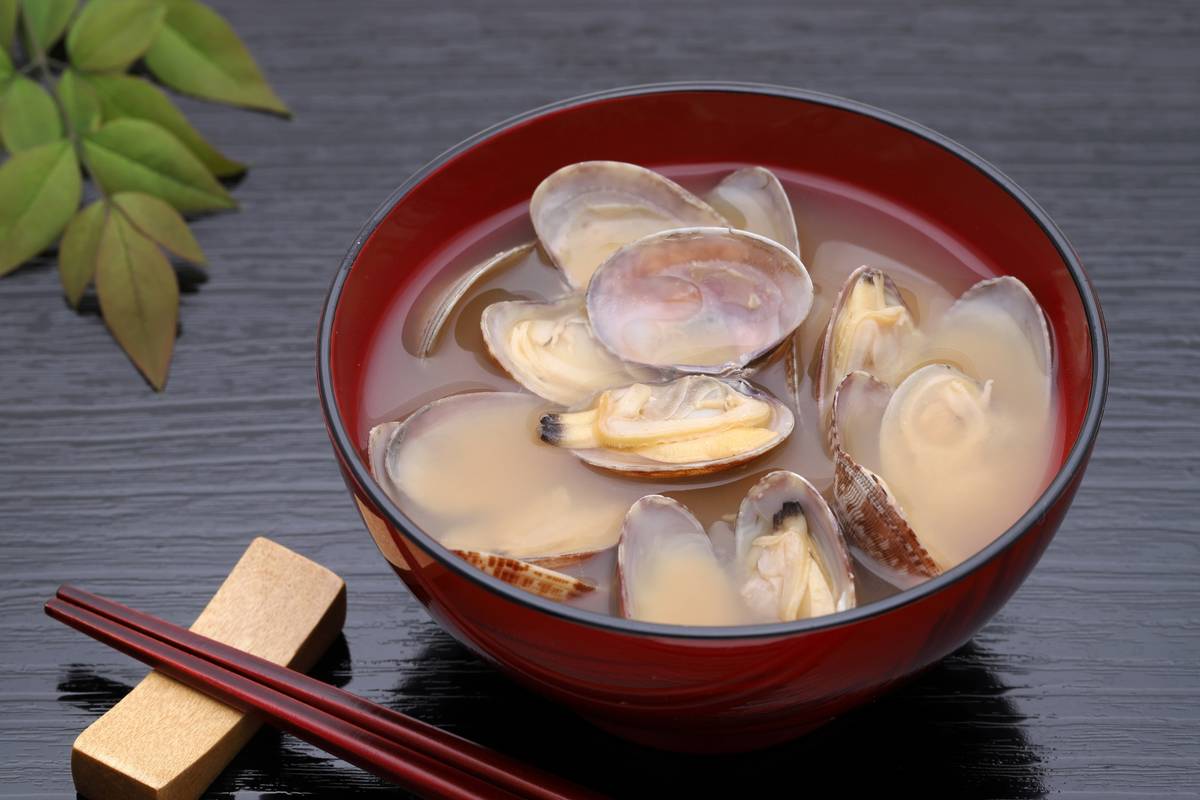
One of the highlighted dishes at Shima Jiro, the food stall Chiikawa wanders into, is clam soup.
Mikawa Bay and the Atsumi Peninsula in Aichi are famous for big clams, oysters, and other shellfish. The coastline has yielded so much shellfish over the centuries that it is dotted with shell mounds left by ancient peoples.
Other Aichi-Flavored Dishes
The Siren’s preference for food that’s ‘rich and oily’ is also a hallmark of Nagoya cuisine.
All of which makes me suspect the island in the story is itself a place stitched together from the food and customs of Aichi and Nagoya.
Pilgrimage Sites for the Island Arc
Taking the analysis of the Island Arc a step further, you begin to notice that many elements of the setting and props are connected to Aichi Prefecture. Among them, the most noteworthy is the theory that it is modeled after Kasugai City in Aichi.
This hinges on Kasugai being one of Yaobikuni's birthplaces and on the food and scenery in the arc lining up neatly with Aichi. None of it has been confirmed officially. It is an unofficial reading drawn from the story's background.
What follows is a list of places connected to the Yaobikuni legend and Aichi that together become pilgrimage spots for fans of the Island Arc.
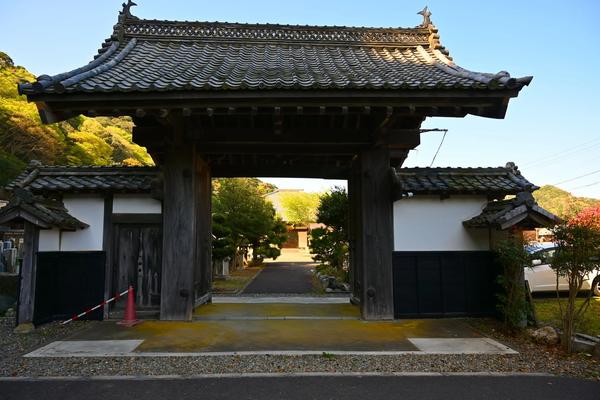
Kuinji Temple, Fukui
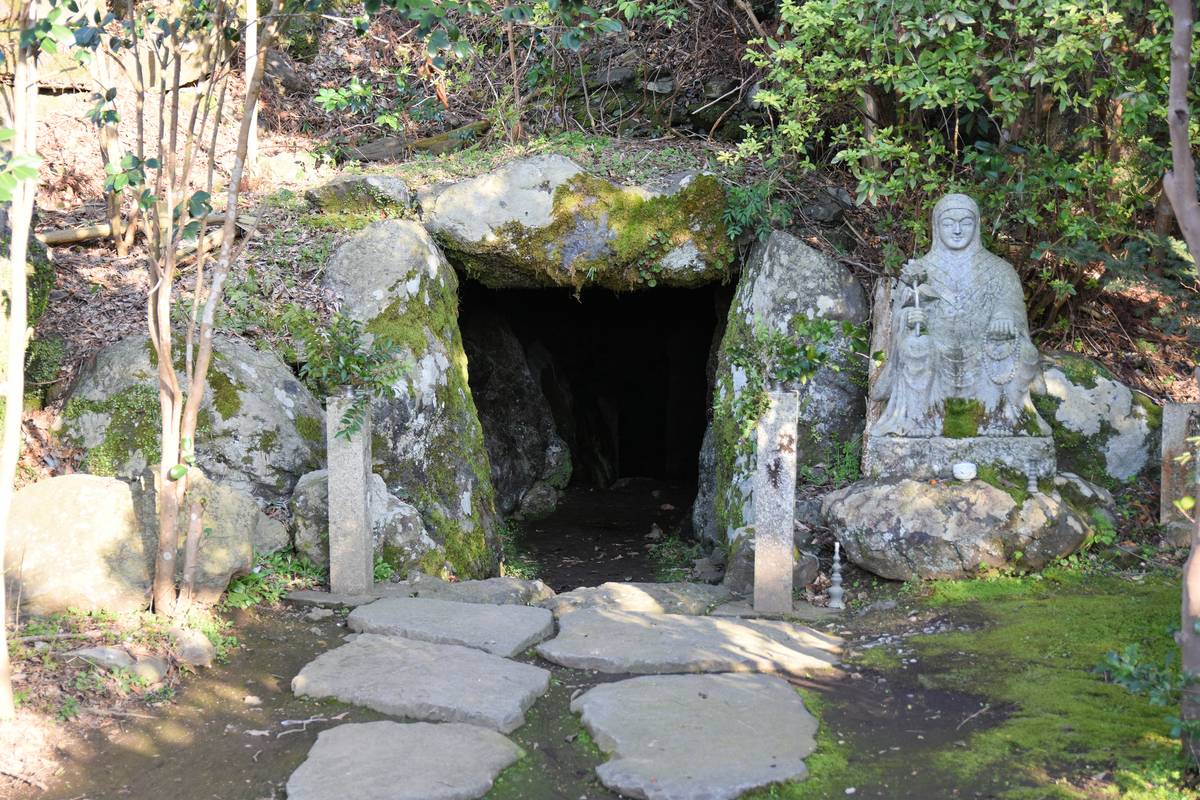
This is the article's only spot in Fukui Prefecture. On the grounds of Kuinji Temple in Otokoyama, Obama City, there is a cave said to be the place where Yaobikuni entered her final meditation. As you stand at the entrance of the shadowy cave, the overwhelming weight of eight hundred years seems to close in around you. The temple is a fifteen-minute walk from JR Obama Station, and a steady stream of visitors come to feel the legend in person.
Starting to look a lot like that cave from late in Chiikawa, isn't it...?
Loading map...
Enpukuji Temple: Yaobikuni Hall
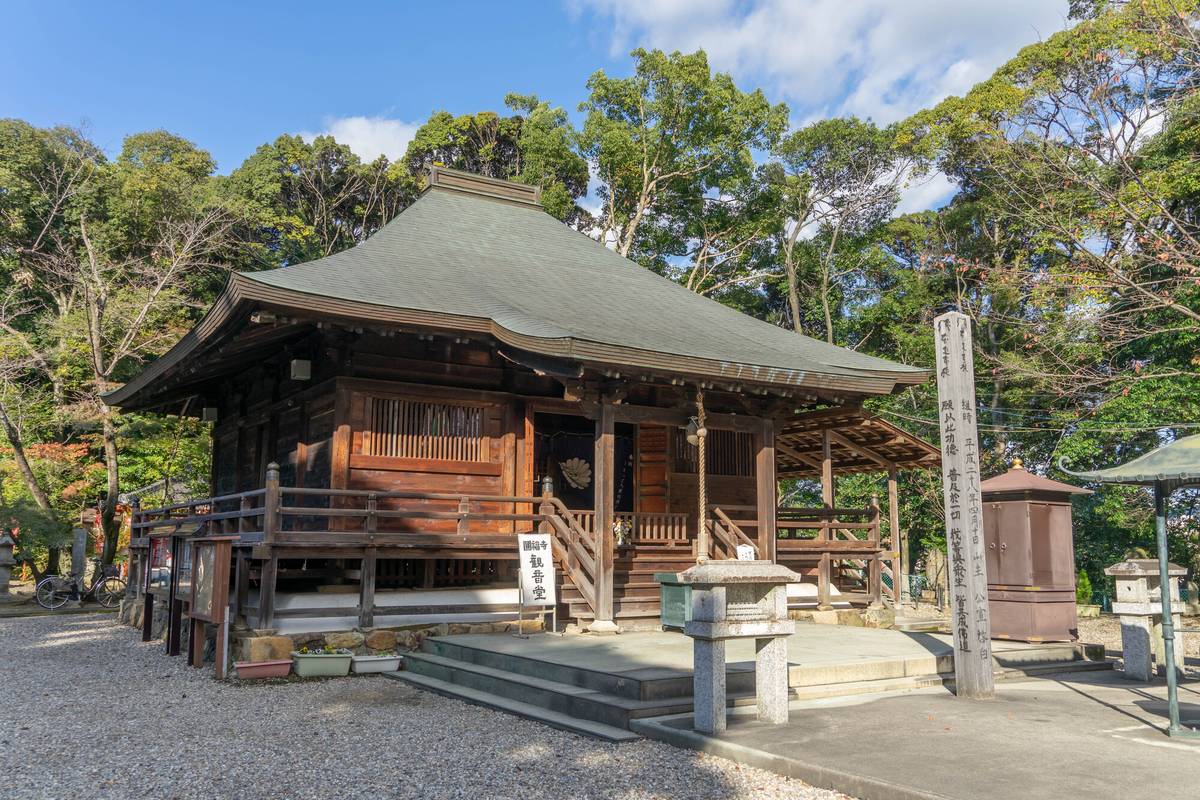
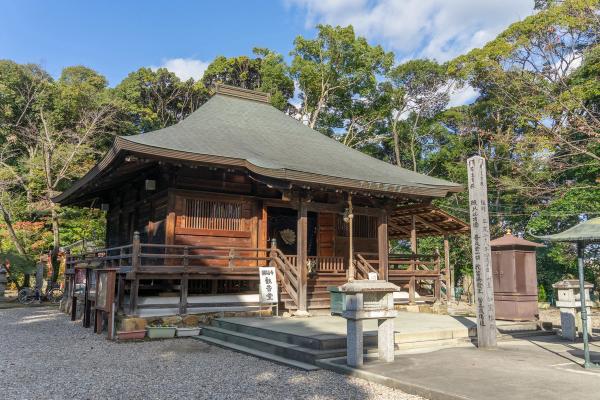
From here we move from Fukui to Aichi. Enpukuji, a Tendai Buddhist temple in Hakusan-cho in Kasugai city, carries the tradition that Yaobikuni was born here. The Yaobikuni Hall houses materials and Buddhist statues connected to her.
If Obama in Fukui is where the legend ends, Kasugai is where it begins.
Atsuta Jingu, Aichi
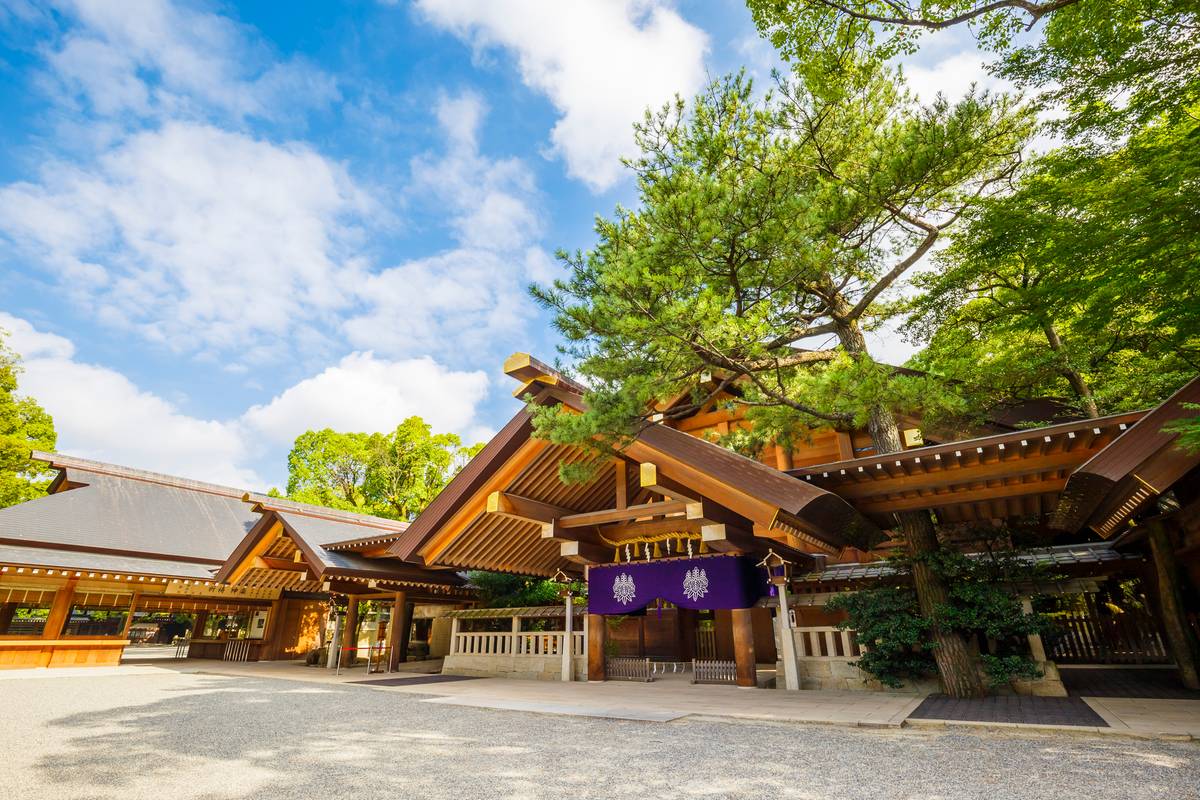
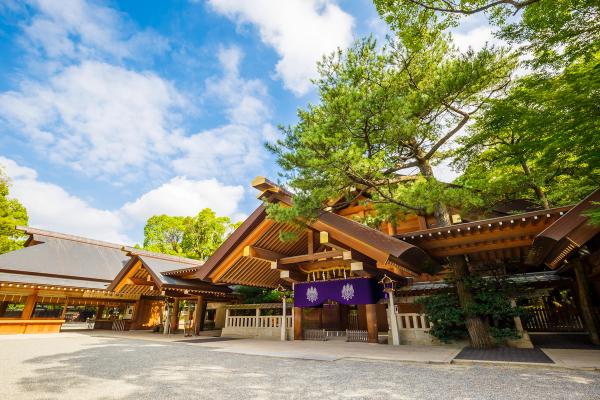
Atsuta Jingu, in Nagoya, enshrines the Kusanagi-no-Tsurugi, one of Japan's three Imperial Regalia. Around seven million people visit each year, making it one of Aichi's most important spiritual sites.
The inu-hariko, the papier-mâché dog charm the Island Arc's Sirens resemble, is said to have originated here at Atsuta.
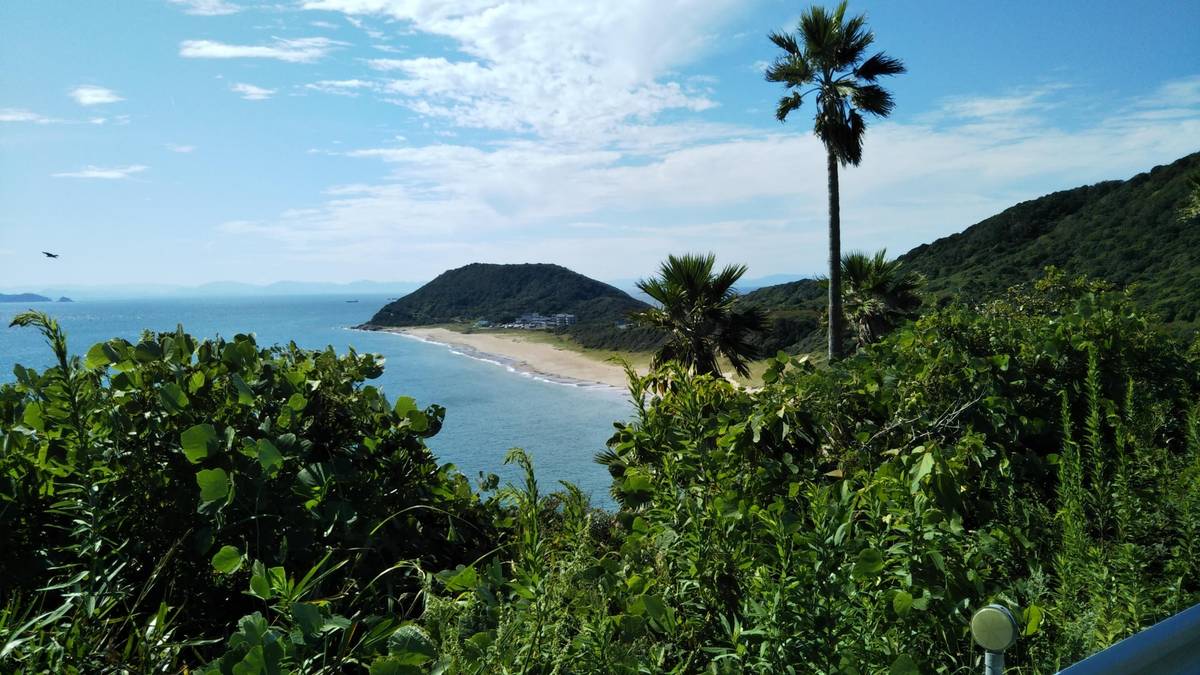
Mikawa Bay and the Atsumi Peninsula
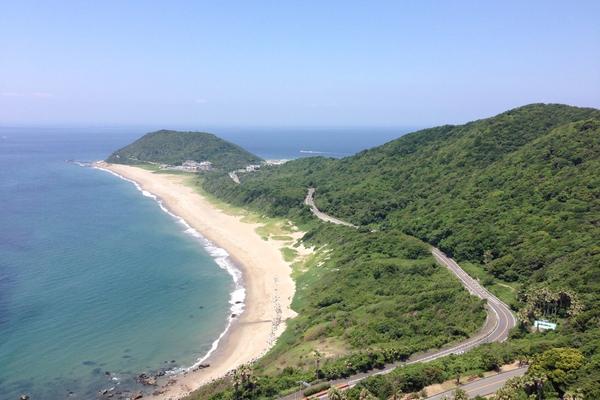
Cape Irago has the same wild, jungle-like feel as the Island Arc setting
Tucked between the Chita and Atsumi peninsulas, Mikawa Bay has been a productive fishing ground for shellfish and other seafood since ancient times.
Look at the natural scenery here alongside the islandscape in the manga, and the small islands floating in the bay's calm waters do start to evoke the world of the story.
If you want to get a feel for the world of the Chiikawa movie while in Aichi, this is a great place to check out.
The "Sea God" Statue on Sakushima Island
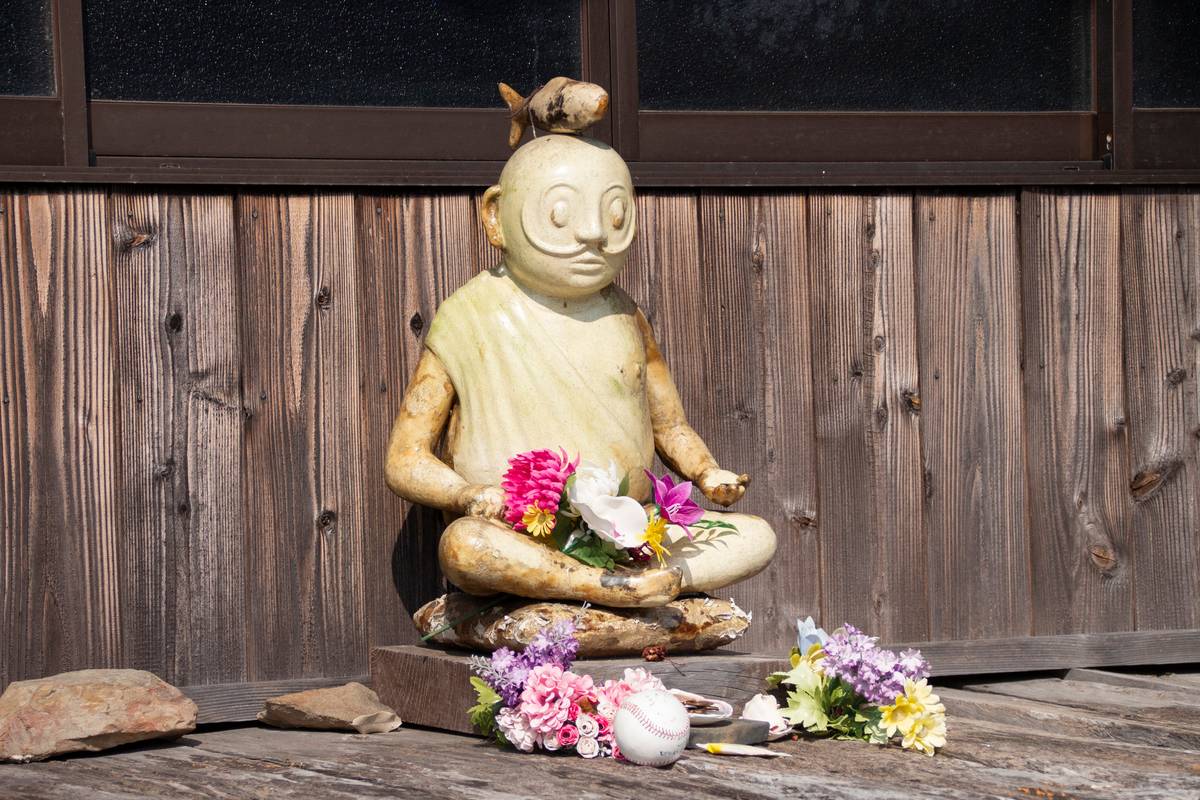
A round, yellowish silhouette
Sakushima, an island floating in Mikawa Bay, is part of Nishio City in Aichi.
The island is dotted with contemporary art installations, one of which is a sculpture called Kaijin-sama, the Sea God. Fans have noticed its silhouette resembles Shima Jiro.
Shinko Pier Landing, Yokohama
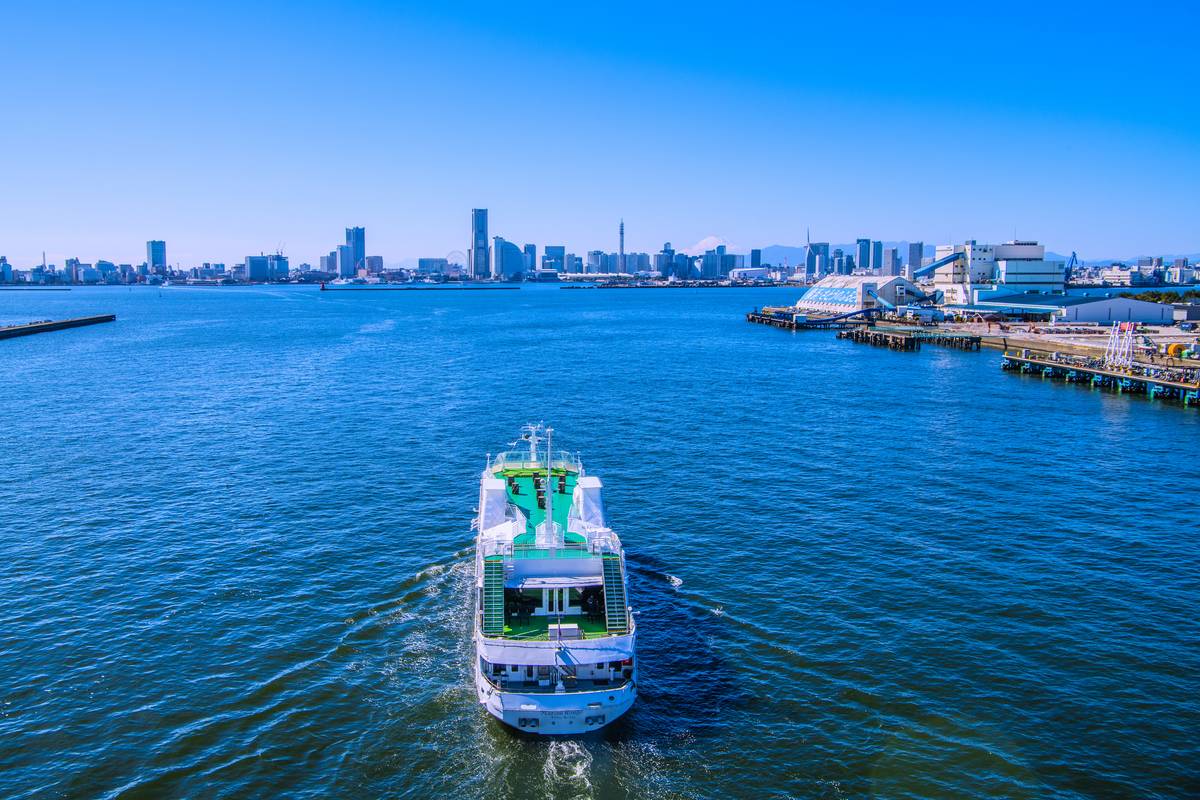
This is where Nagano came to do research before drawing the ship scenes. Things may look a little different now than they did at the time of that visit, but as of September 2026 the SEA BASS water bus is still running.
You can reach it on foot, though it is a bit of a walk. Bashamichi Station on the Minatomirai Line is about eight minutes away, and Sakuragicho Station on the JR and municipal subway lines is about fifteen minutes if you go by way of the Kishamichi promenade.
The area has the polished look of a port town, and with the Yokohama Red Brick Warehouse, the CUPNOODLES MUSEUM, and plenty else close by, it is a great stretch to cover on foot.
Closing Thoughts
The Yaobikuni legend has been a recurring motif in Japanese pop culture. Tezuka Osamu's classic Phoenix (Hi no Tori) dwells on the suffering of eternal life in its "Strange Beings" arc. The Yo-kai Watch video games also feature a mermaid-related yokai drawn from the same tradition.
Mermaid flesh, eternal life, and the line between human and inhuman. These are themes that have been retold in different forms across centuries.
Chiikawa the Movie: The Secret of Mermaid Island arrives in theaters this summer. One rewarding way to deepen the experience might be to spend time with the ancient legend that seems to live underneath it, and to visit the related places.
Published Last Updated
Related Articles
Explore more articles on similar topics and deepen your knowledge of Japan.



Related Titles
Everything we have on this title: real life locations, stories, and where to get it.