Demon Slayer Real Life Locations Guide: Visit the Places Connected to the Characters
Demon Slayer: Kimetsu no Yaiba is a manga by Koyoharu Gotouge that was serialized in Weekly Shōnen Jump from 2016 to 2020. It was adapted into an anime in 2019, with both a TV series and theatrical films released.
The 2020 theatrical release Demon Slayer: Kimetsu no Yaiba The Movie: Mugen Train became Japan's highest-grossing film with 40.43 billion yen in box office revenue, and the 2025 release Demon Slayer: Kimetsu no Yaiba the Movie: Infinity Castle Arc Chapter 1 - Akaza Returns won the Japan Academy Prize for Excellence in Animation. Chapters 2 and 3 are scheduled for future release.
In this article we will introduce pilgrimage sites for Demon Slayer, which continues to attract passionate attention even after the manga's conclusion, in the order in which they appear in the story.
Tanjiro Kamado: Unwavering Resolve Arc (Anime S1)
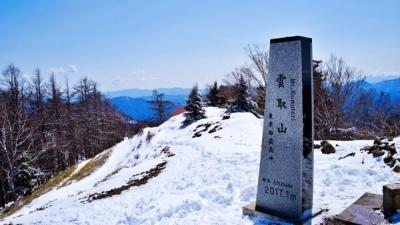
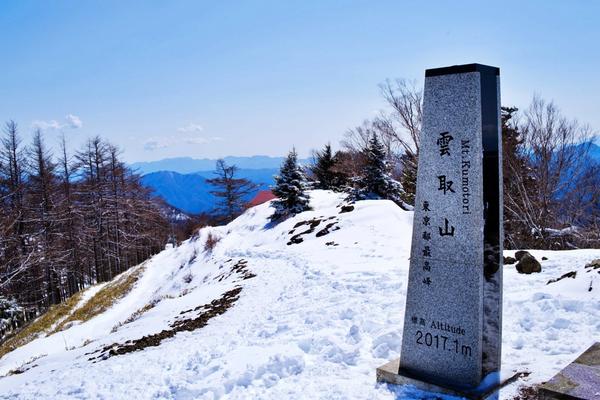
Mt. Kumotori: Saitama Prefecture
Mt. Kumotori / Photo AC
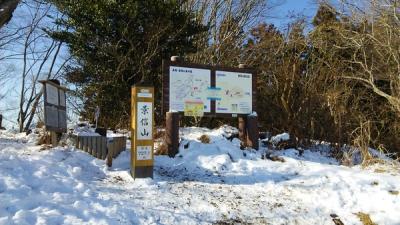
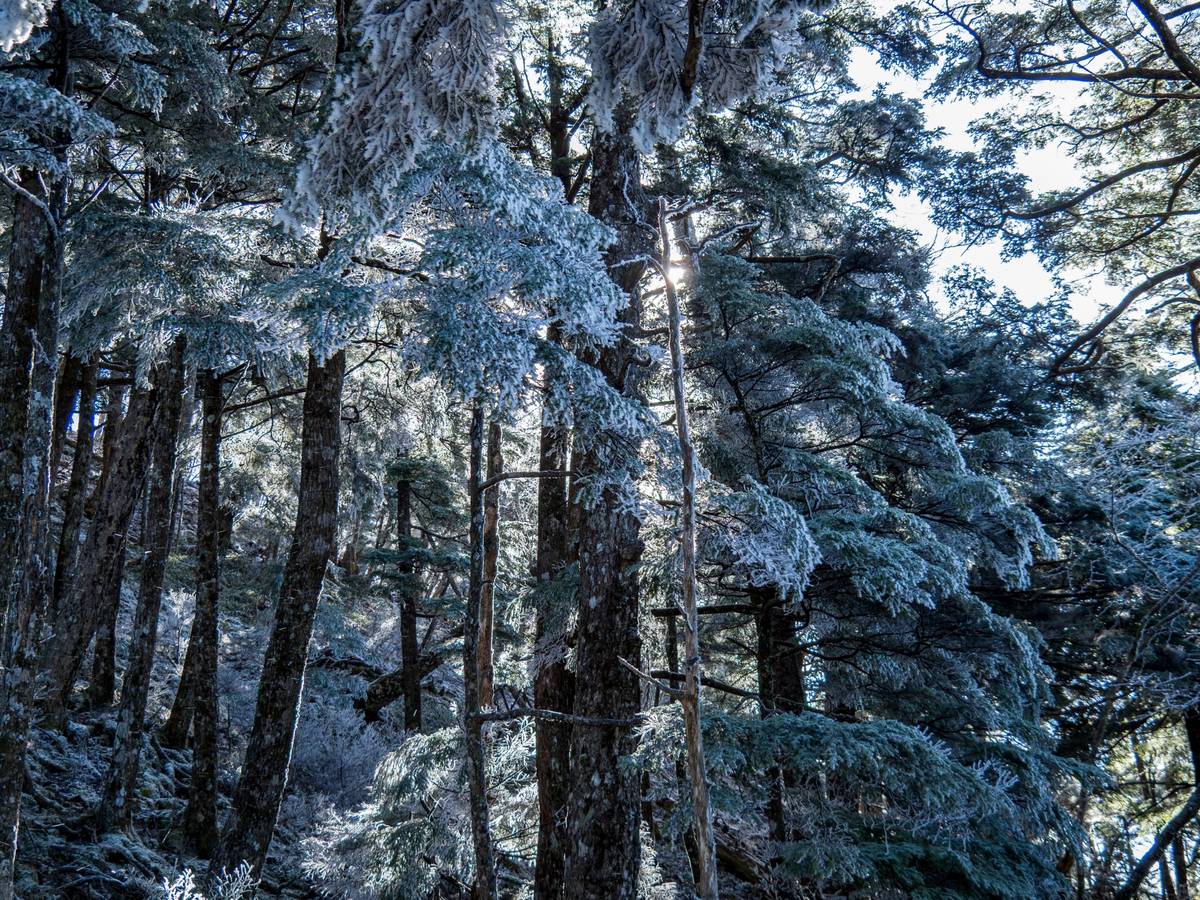
This is considered the model for the hometown of the protagonist Tanjiro Kamado and his sister Nezuko. It's the highest mountain in the Kanto region with an elevation of 2,017 meters (approx. 6600 feet). Since ancient times, it has been a sacred site for mountain worship where ascetic training has been practiced. This is not a mountain that can be climbed casually, so if you plan to visit, gather thorough information, prepare properly, and go with full mountaineering equipment.
Ama-no-Iwatate Shrine: Nara Prefecture
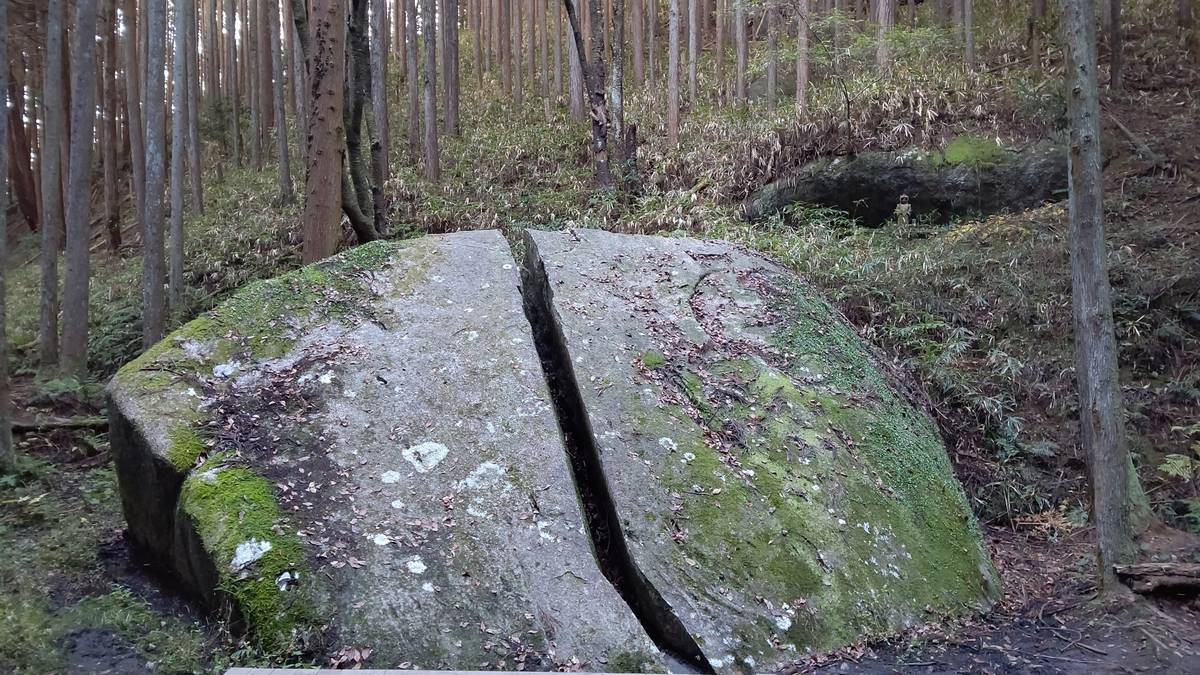
Ittoseki / Photo AC
This shrine has the Ittō-seki, which closely resembles the giant boulder that Tanjiro cut while training to join the Demon Slayer Corps. Legend has it that when a certain samurai fought a tengu, a massive stone split in two.
Ittō-seki: Ittō = 一刀 (One slash), Seki = 石 (Stone).
Ashikaga Flower Park: Tochigi Prefecture
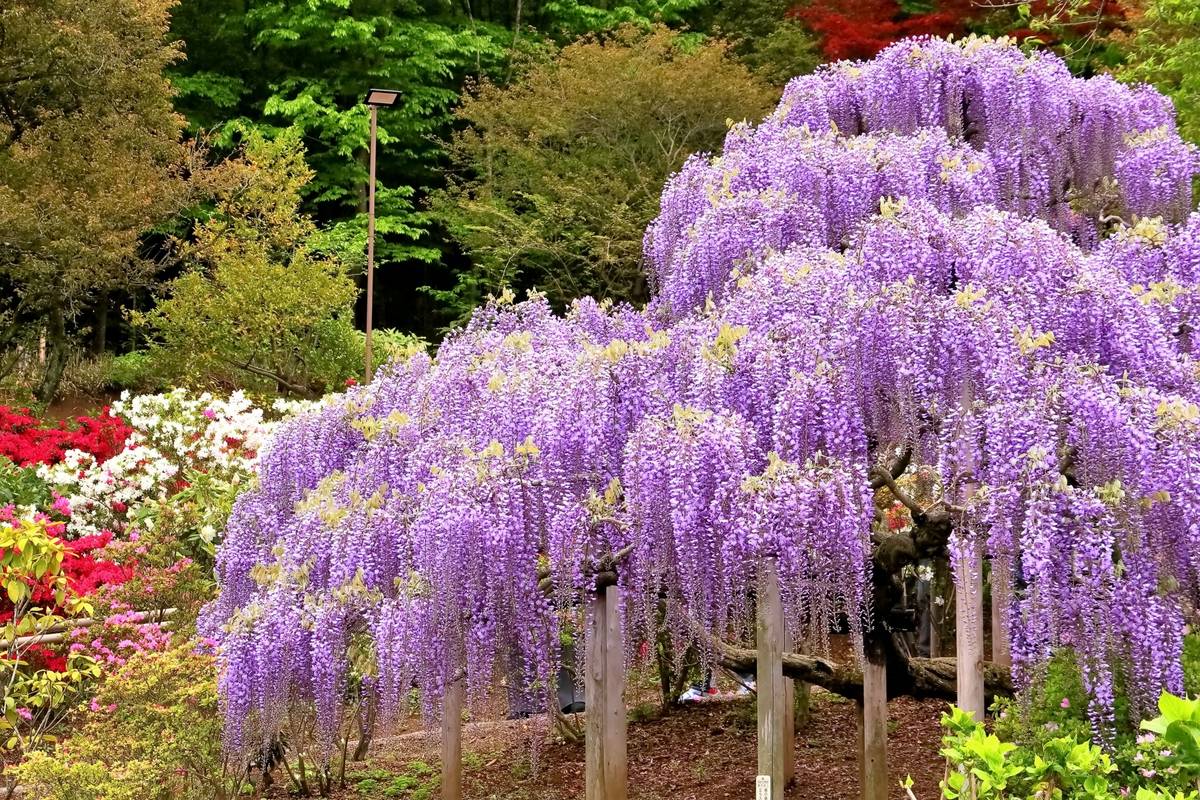
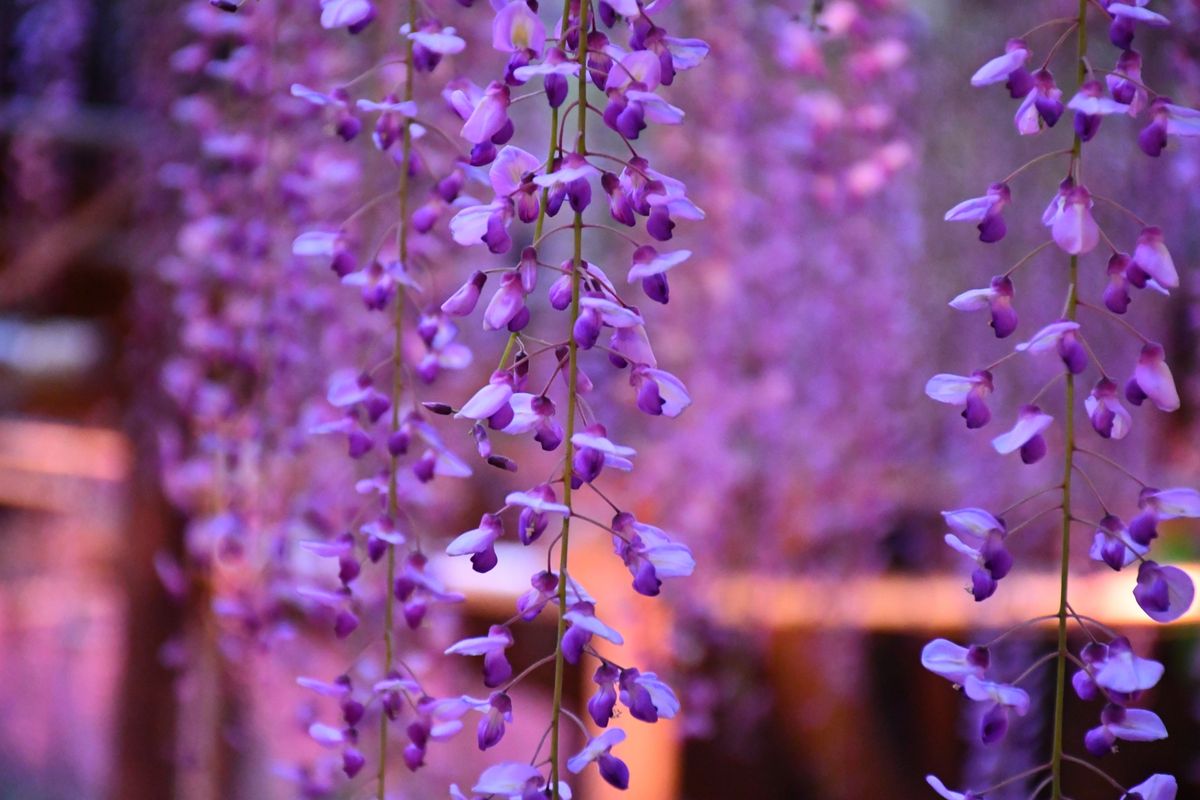
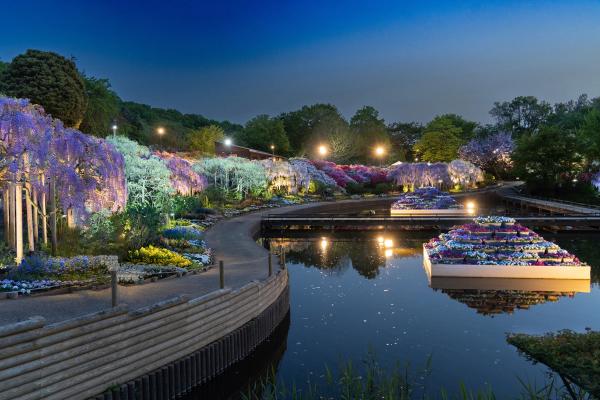
This theme park is famous for its wisteria trellis, over 160 years old and is called the Miracle Great Wisteria. It's said to be the model for Mt. Fujikasane, where the Final Selection for joining the Demon Slayer Corps takes place. In the story, wisteria flowers are poisonous to demons and serve as an important element. It is recommended to visit during April to May when the wisteria blooms, or in autumn and winter when wisteria-inspired illuminations are held.
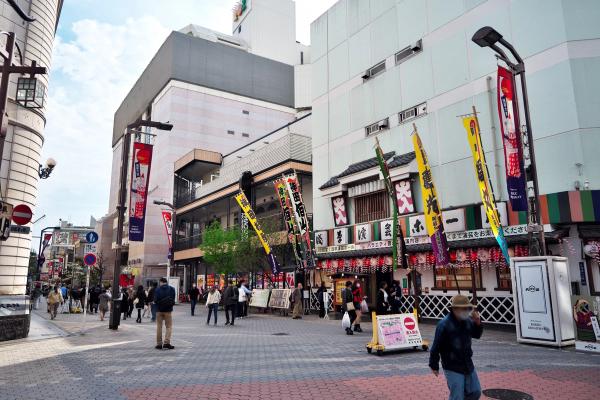
Asakusa: Tokyo
This is where Tanjiro, after joining the Demon Slayer Corps, first encounters the story's main antagonist, Muzan Kibutsuji, and meets the demons Tamayo and Yushiro who seek to defeat Muzan. Since Demon Slayer is set in the Taisho era, the scenery differs greatly from today, but the area retains the atmosphere of a charming old downtown district and is popular as a tourist destination.
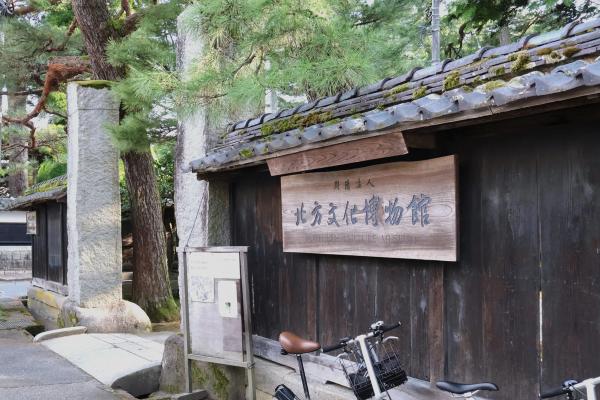
Northern Culture Museum: Niigata Prefecture
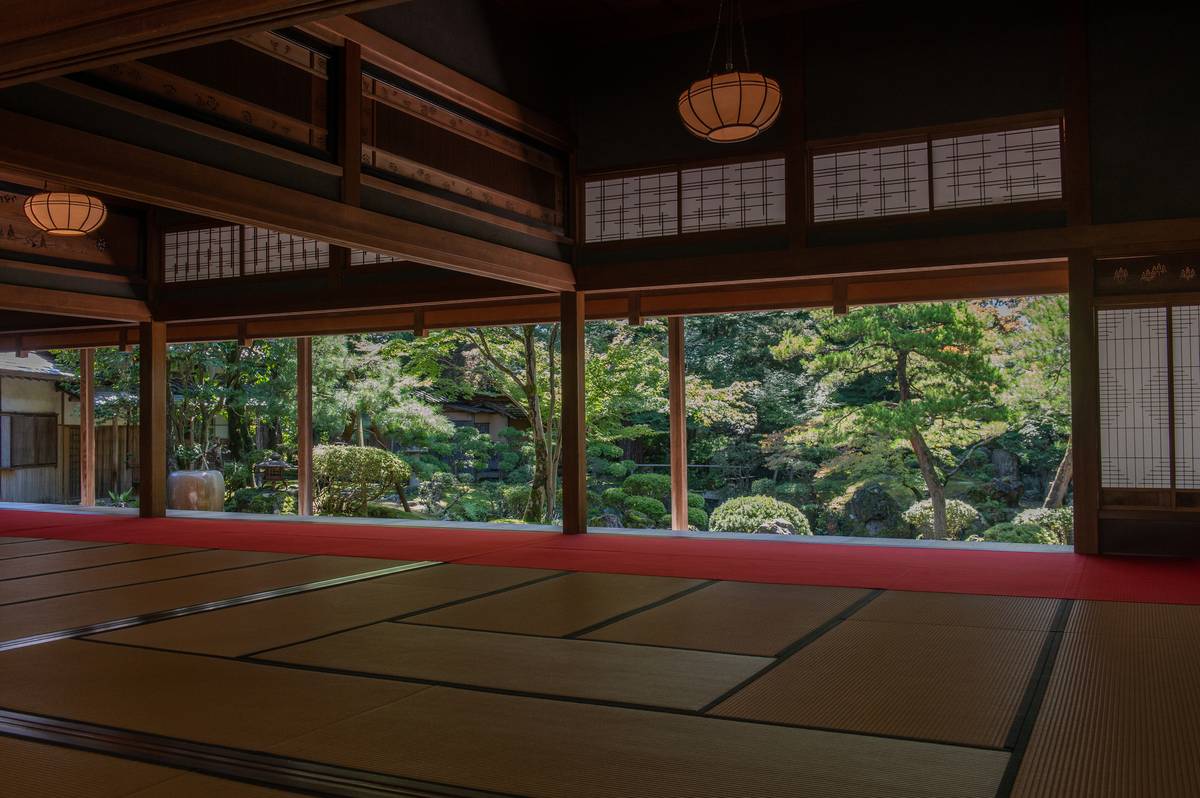
The grand hall of the Ito Residence within the museum is an impressive 100 tatami mats in size and is said to resemble the Ubuyashiki estate where the Hashira meeting took place. The Japanese garden visible from the grand hall also has a wisteria trellis that is in full bloom from early to mid-May.
Meiji Mura Museum: Aichi Prefecture
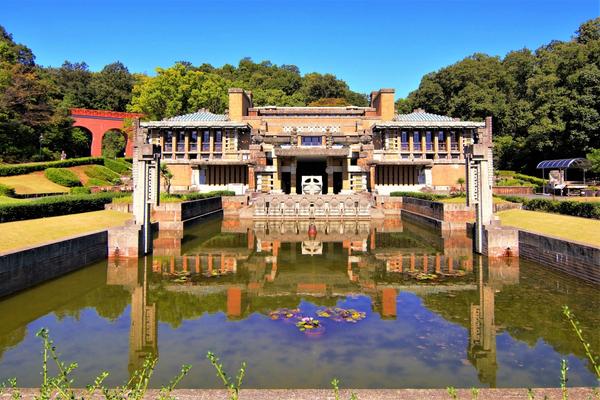
This is a massive outdoor museum featuring over 60 historic buildings, including 11 Important Cultural Properties. It's a large theme park frequently used as a location for films and dramas and as a model for manga and anime. The Japanese Red Cross Society Central Hospital Ward became a hot topic for its resemblance to the Butterfly Mansion and hospital rooms, and the Fourth High School Martial Arts Hall: Museido for its similarity to the rehabilitation training room. The museum also offers a service where visitors can wear Meiji-era hakama for photos and strolling, giving you the feeling of having traveled back in time.
Loading map...
Mugen Train Arc (The Movie: Mugen Train)
Kyoto Railway Museum: Kyoto Prefecture
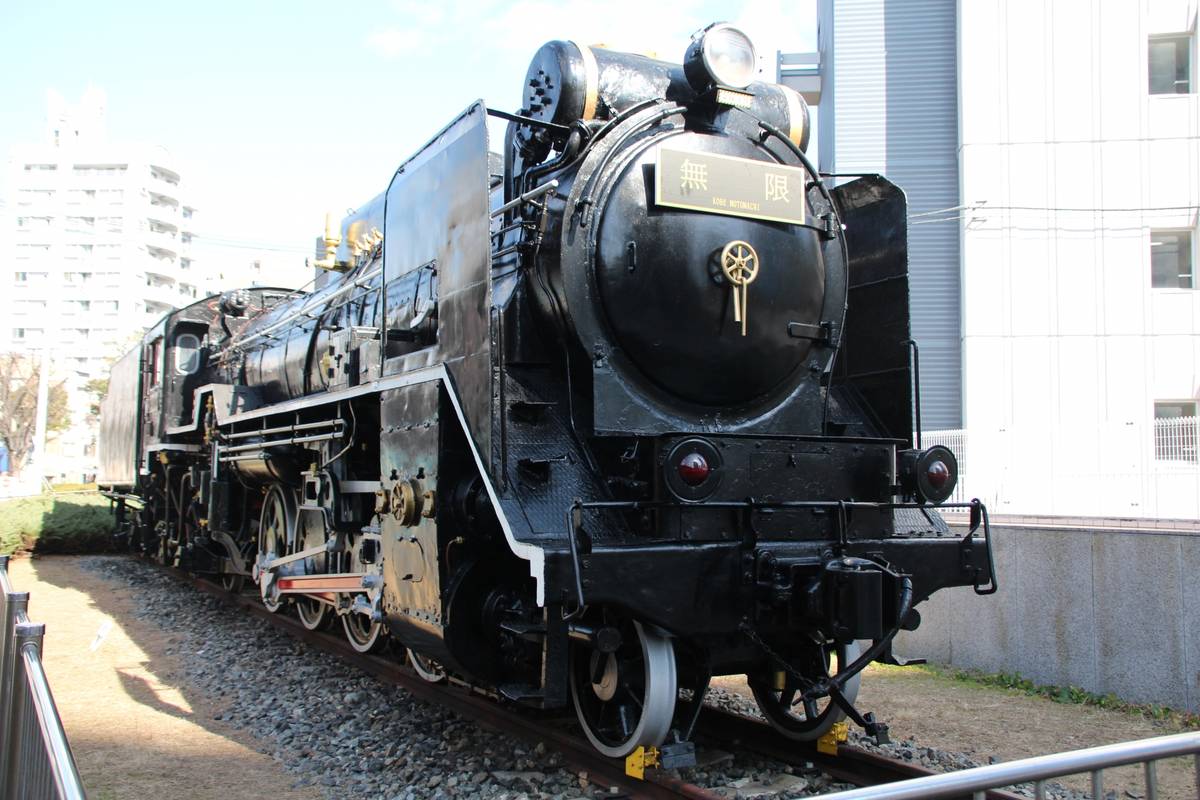
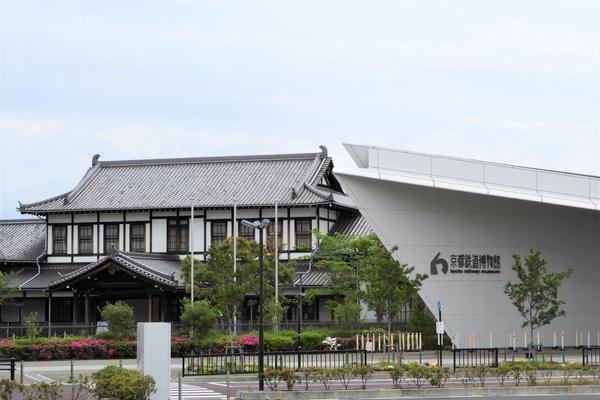
The museum preserves the 8620-series steam locomotive No. 8630, which resembles the Mugen Train featured in Demon Slayer: Kimetsu no Yaiba the Movie: Mugen Train. Following the film's success, locomotive No. 58654 (which ceased operation in 2024) and No. 8630 operated as "SL Demon Slayer" from 2020 to 2021.
Swordsmith Village Arc (Anime S3)
Ginzan Onsen: Yamagata Prefecture
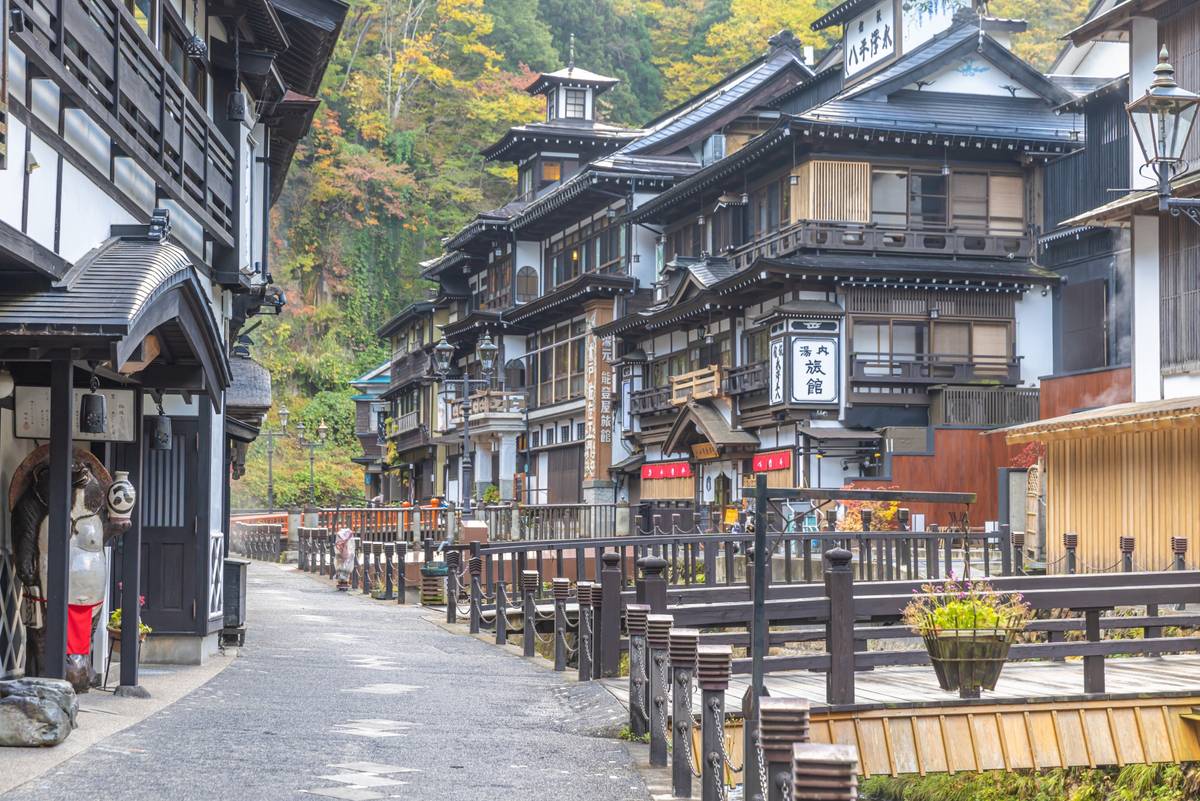
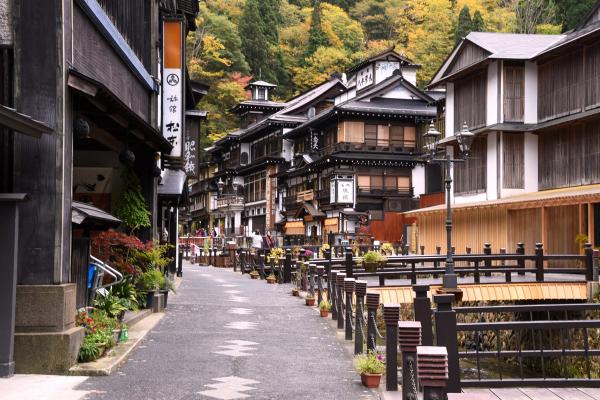
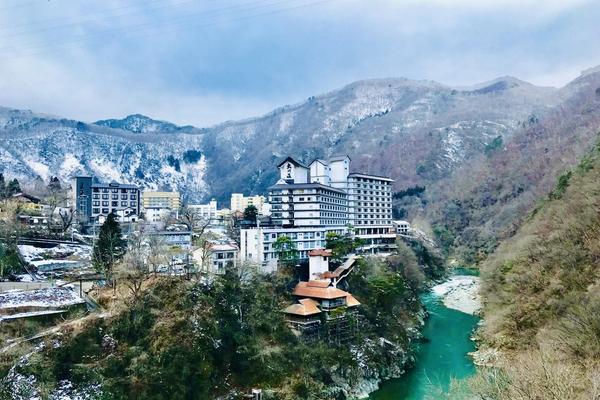
The village featured in the Swordsmith Village Arc, where characters such as the Love Hashira Mitsuri Kanroji, Mist Hashira Muichiro Tokito, and Genya Shinazugawa appear is said to closely resemble Ginzan Onsen.
Infinity Castle Arc (The Movie: Infinity Castle Arc)
Okawaso: Fukushima Prefecture
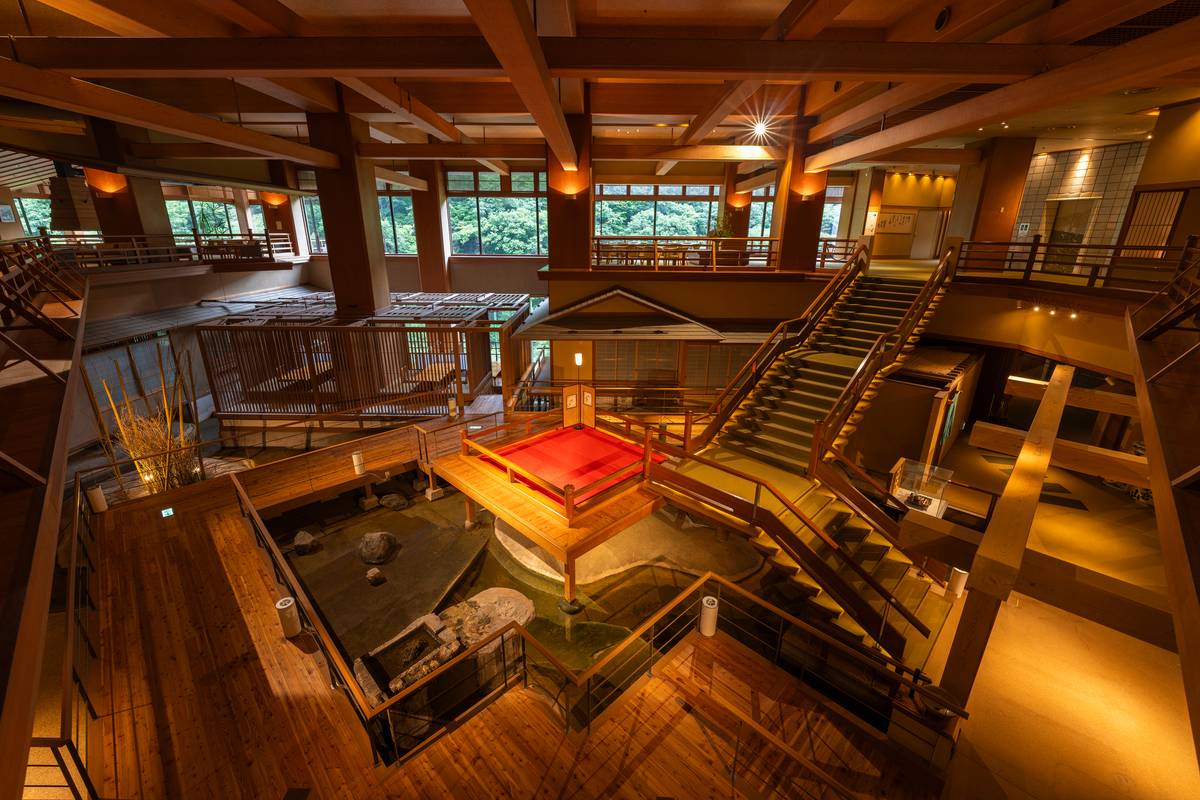
Okawaso / PIXTA
The location that became a topic for its resemblance to the Infinity Castle, the lair of Muzan Kibutsuji, is Okawaso in Ashinomaki Onsen, Fukushima Prefecture. The open atrium lobby from the basement to the first floor can be accessed by stairs, with a vermillion floating stage in the center. On this stage, shamisen performances welcome guests, drawing fan attention as they evoke the demon Nakime, who manipulates the Infinity Castle with the sound of her biwa.
Hometowns Revealed in the Official Demon Slayer Fanbook
Mt. Otake: Tokyo
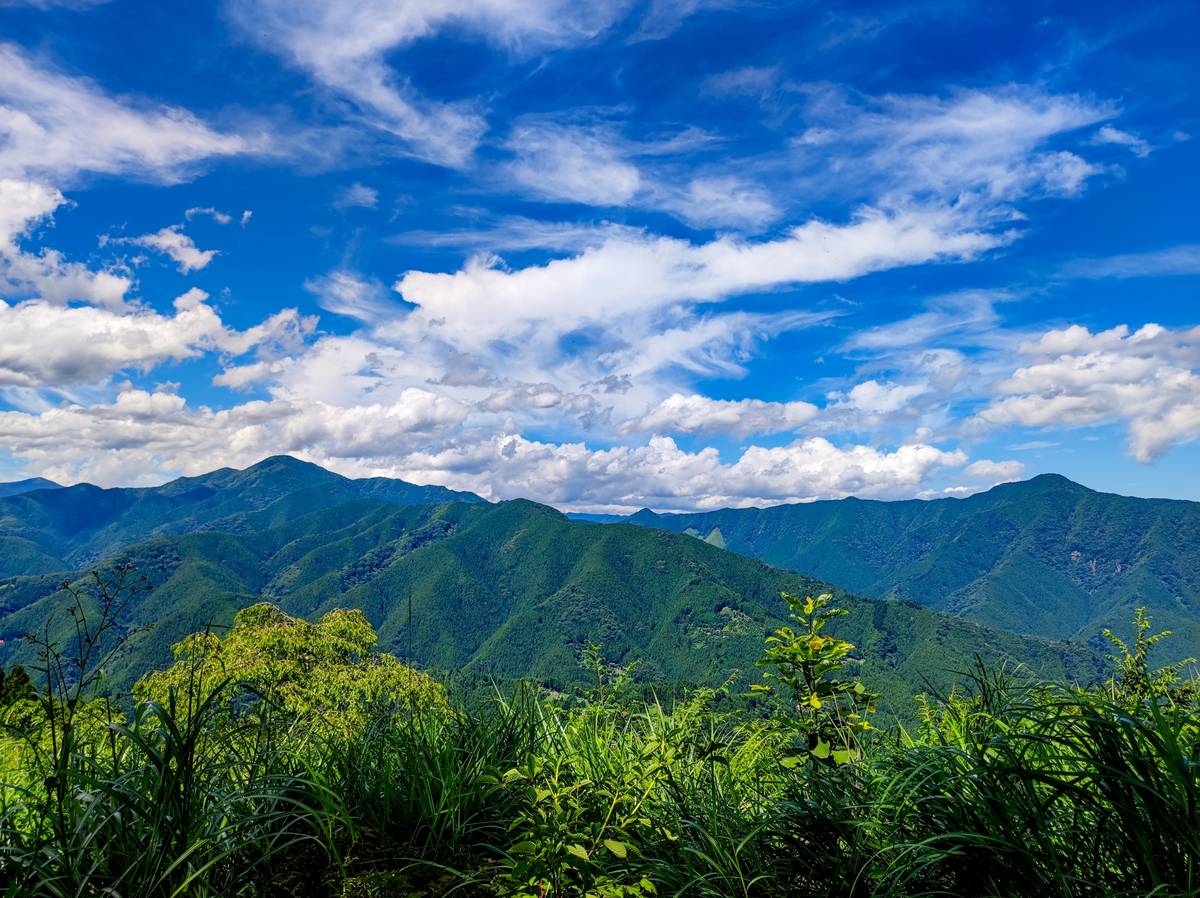
The hometown of Demon Slayer Corps member Inosuke Hashibira has been revealed as Mt. Otake in Okutama District, Tokyo Prefecture (present-day Okutama). With an elevation of approximately 1,266 meters, it can be climbed as a day trip with proper mountaineering equipment. On clear days, you can even see Mt. Fuji from the summit.
Mt. Hinode: Tokyo
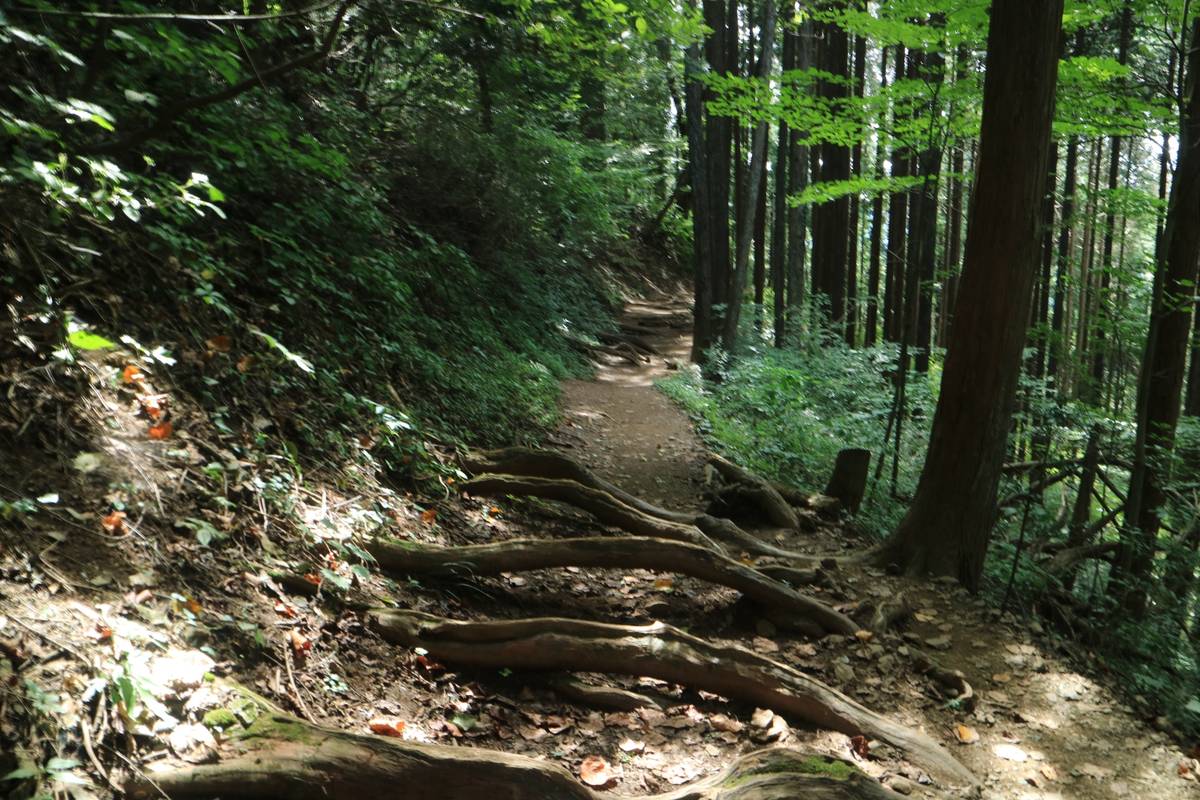
Mt. Hinode in Okutama District, Tokyo Prefecture (present-day Ome City) is the hometown of the strongest member of the Demon Slayer Corps, the Stone Hashira Gyomei Himejima. With an elevation of 902 meters, it's a mountain accessible even for beginners.
Mt. Kagenobu: Tokyo
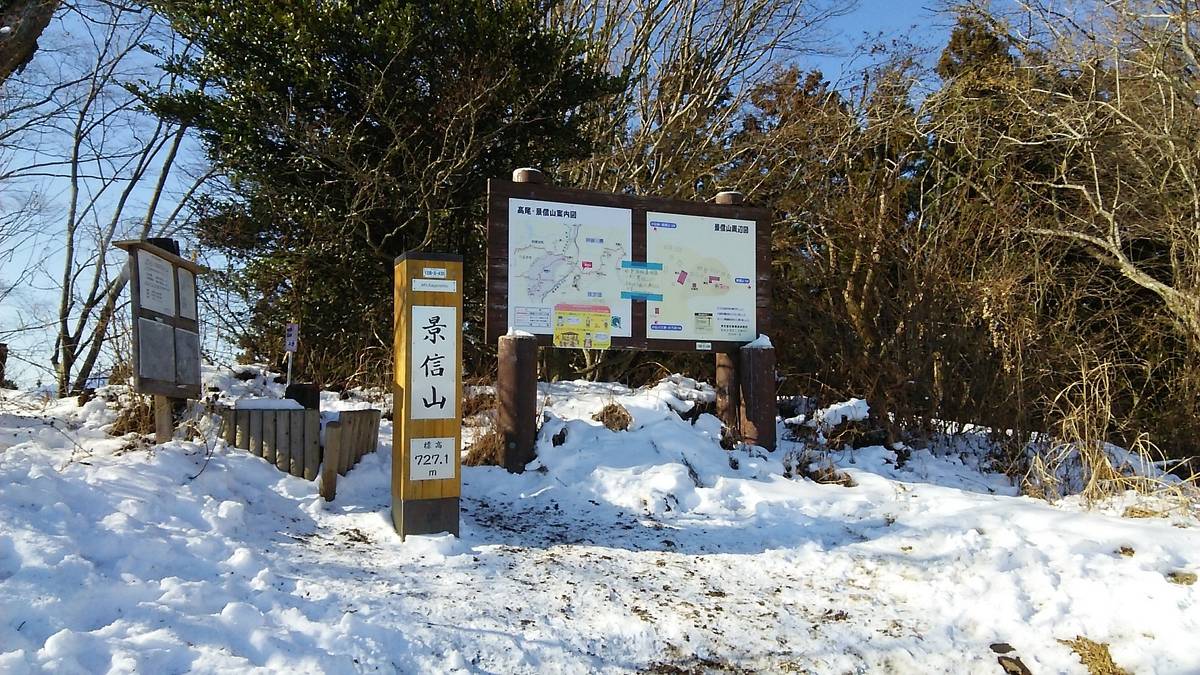
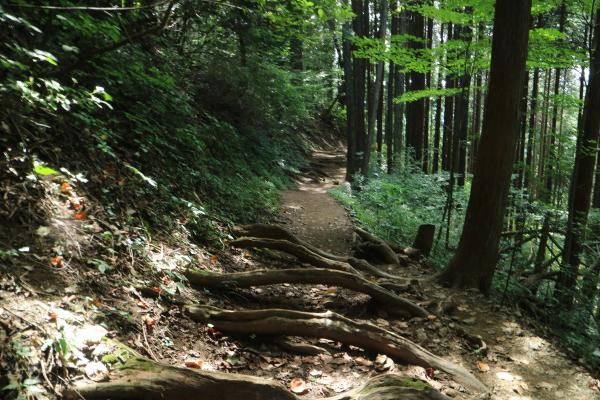
The youngest of the Hashira, Muichiro Tokito, hails from Mt. Kagenobu in Minami-Tama District, Tokyo Prefecture (present-day Hachioji). With an elevation of 727 meters, it takes about one hour on foot from the trailhead to the summit. Kasumi-zakura (mist cherry blossoms) bloom at the summit, reaching their peak in late April.
Other characters' home areas have also been revealed, mostly centered in Tokyo, making pilgrimage sites easy to visit.
Places That Gained Attention as Related Locations
Homangu Kamado Shrine: Fukuoka Prefecture
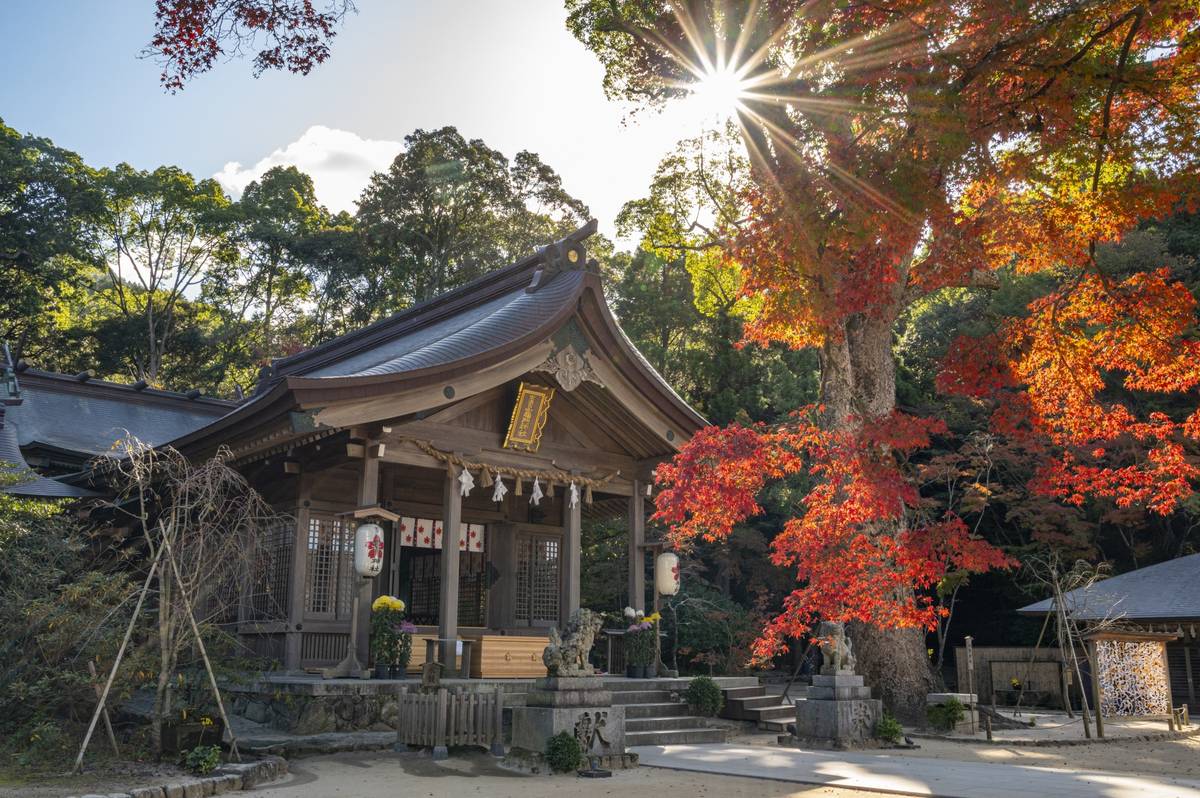
Though it doesn't appear in the story, this shrine is called the birthplace of Demon Slayer among fans because the protagonist Tanjiro's surname is included in the shrine's name, Fukuoka is the hometown of the author Koyoharu Gotouge, and the yamabushi who train at Homangu Kamado Shrine wear checkered-pattern attire like Tanjiro's.
Hachiman Kamado Shrine: Oita Prefecture
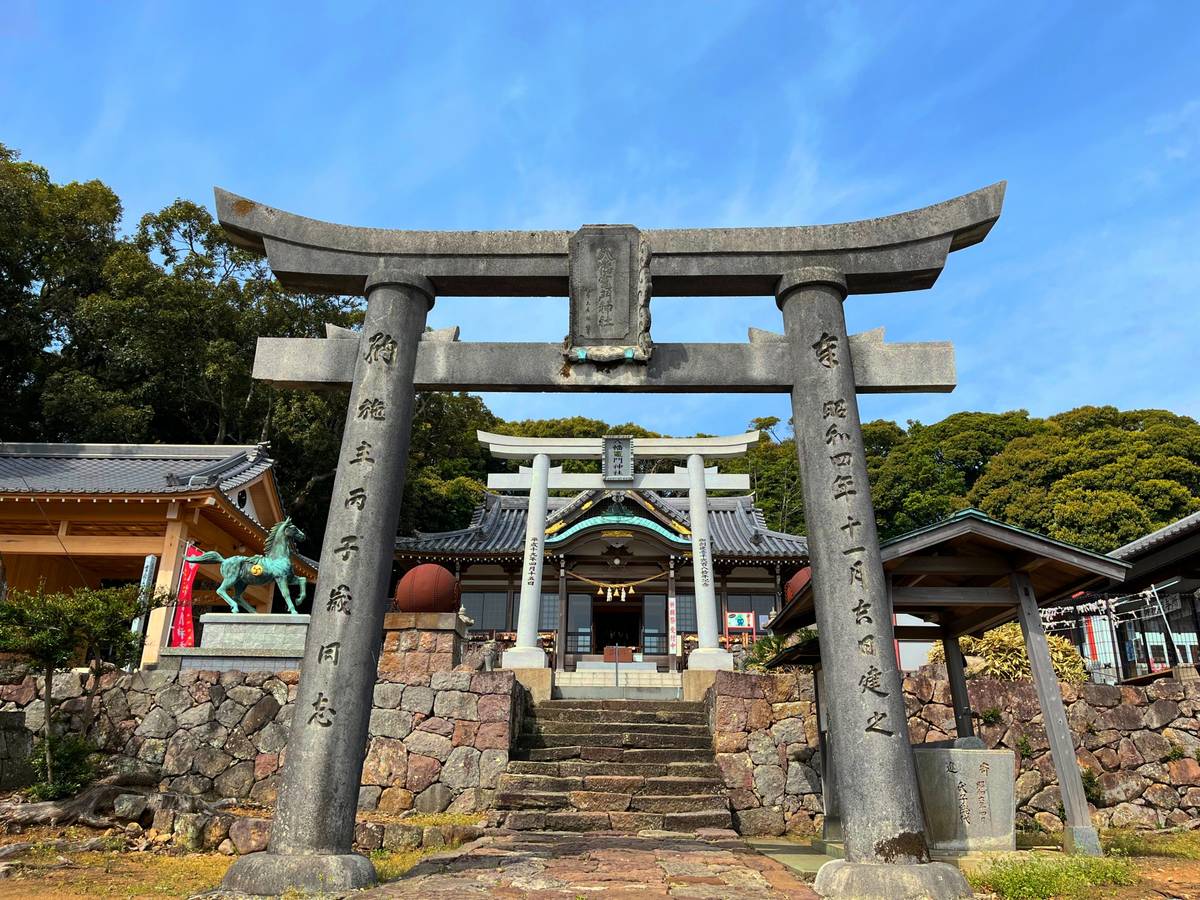
Though this also doesn't appear in the story, it's known as another Demon Slayer pilgrimage site among fans because the protagonist Tanjiro's surname is included in the shrine's name and there are legends related to demons.
Published Last Updated
Related Articles
Explore more articles on similar topics and deepen your knowledge of Japan.


Related Titles
Everything we have on this title: real life locations, stories, and where to get it.