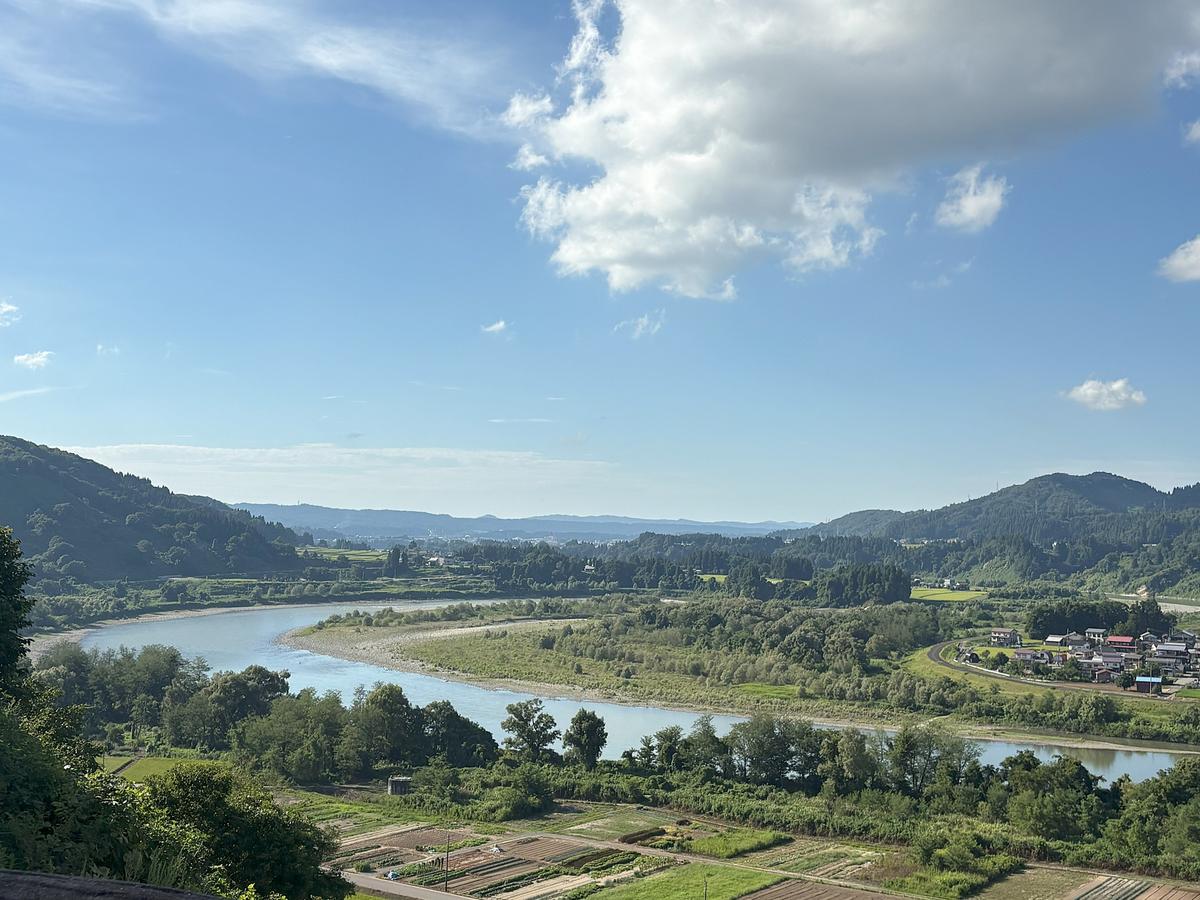
Niigata
新潟県
Start here
What to know about Niigata
Niigata Prefecture, blessed with snow and water, is a land of fresh seafood from the Sea of Japan, fine sake, hot springs, and natural scenery that transforms with the seasons. From winter ski resorts to summer island escapes, the prefecture reveals an entirely different character depending on when you visit. Tracing the footsteps of the legendary warrior Uesugi Kenshin, exploring the history of the Sado Gold Mine, and savoring local sake along the way would make for an exceptional journey.
Sado Island
Sado Island, reached by ferry from Niigata Port, is the largest island in the Sea of Japan, with an area roughly 1.4 times that of Tokyo's 23 central wards. The Sado Gold Mine, inscribed as a UNESCO World Cultural Heritage site in 2024, was one of the world's most prolific gold mines during the Edo period. In the hand-dug Sōdayū Shaft, lifelike figures recreate the mining conditions of that era.
The island's natural environment is equally compelling. The Japanese crested ibis, a Special Natural Monument, was once on the brink of extinction, but breeding programs at the Sado Japanese Crested Ibis Conservation Center have enabled the species to return to the wild. The sight of ibis gliding over rice paddies is a scene unique to Sado. Every August, the island hosts the Earth Celebration, an international music festival organized by Kodō, a taiko drumming ensemble based on Sado, drawing artists and audiences from around the world.
Echigo-Yuzawa and Snow Country Hot Springs
Echigo-Yuzawa, famous as the setting of Yasunari Kawabata's novel Snow Country, is a hot spring town just about 70 minutes from Tokyo by bullet train. Many facilities are directly connected to the station, making it easy to enjoy a day trip of hot spring bathing and sake tasting.
In winter, more than 20 ski resorts cluster in the surrounding area, attracting skiers from Japan and abroad with high-quality powder snow. Yuzawa Kōgen and Naeba Ski Resort are among the best known, and warming up in a hot spring after a day on the slopes is one of the great pleasures of this area. From spring through autumn, the surrounding mountains offer trekking and autumn foliage viewing.
Yahiko Shrine and Teradomari
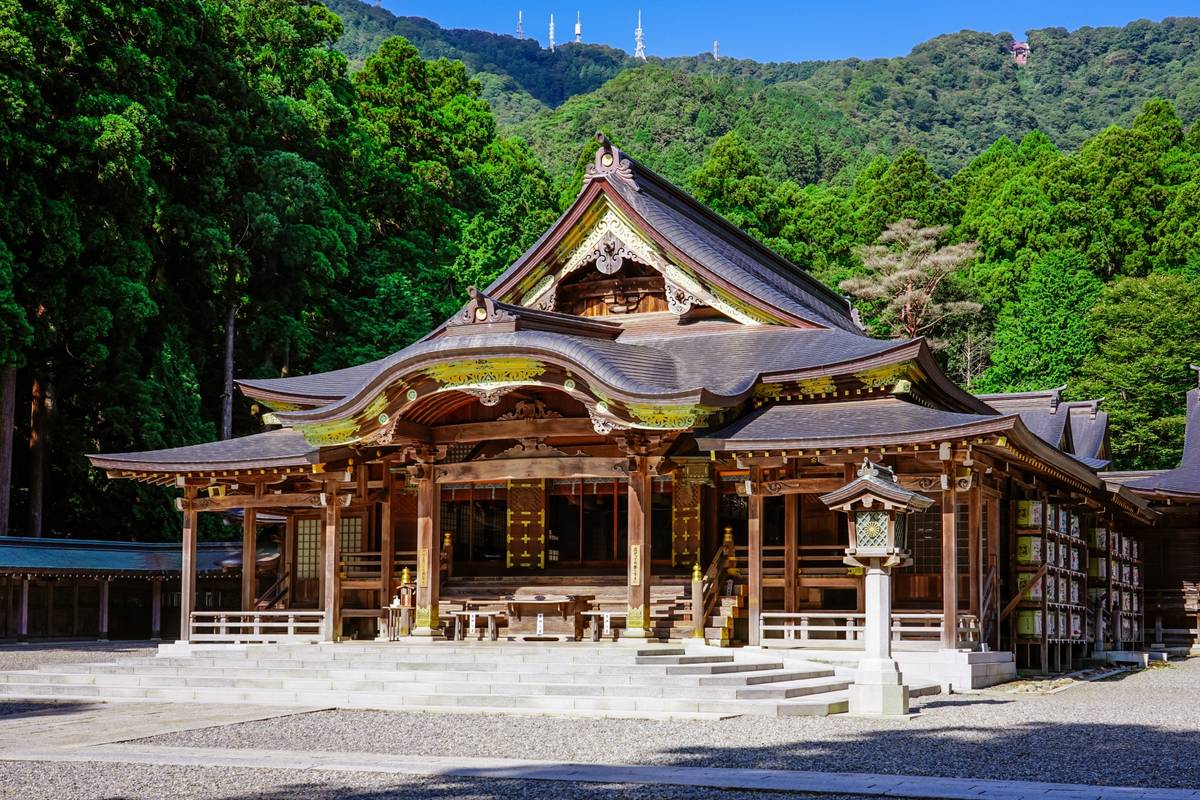
Yahiko Shrine (Yahiko Jinja), the ichinomiya of Echigo, meaning the highest-ranking shrine in the former province, has a history spanning more than 1,300 years and is known as Niigata's premier spiritual site. Nestled at the foot of Mt. Yahiko, the shrine grounds are enveloped in towering cedar trees and carry an atmosphere of deep serenity. A ropeway takes visitors to the summit, where on clear days a sweeping panorama of the Sea of Japan and the Echigo Plain unfolds.
About a 20-minute drive from Yahiko Shrine, Teradomari is a port town where fresh seafood shops line the coast. Visitors can enjoy crab, squid, yellowtail, and other seafood grilled on the spot and eaten while strolling. Locals affectionately call the area the Ameyoko of fish, a nod to Tokyo's famous Ameyoko market street.
Nagaoka Grand Fireworks Festival
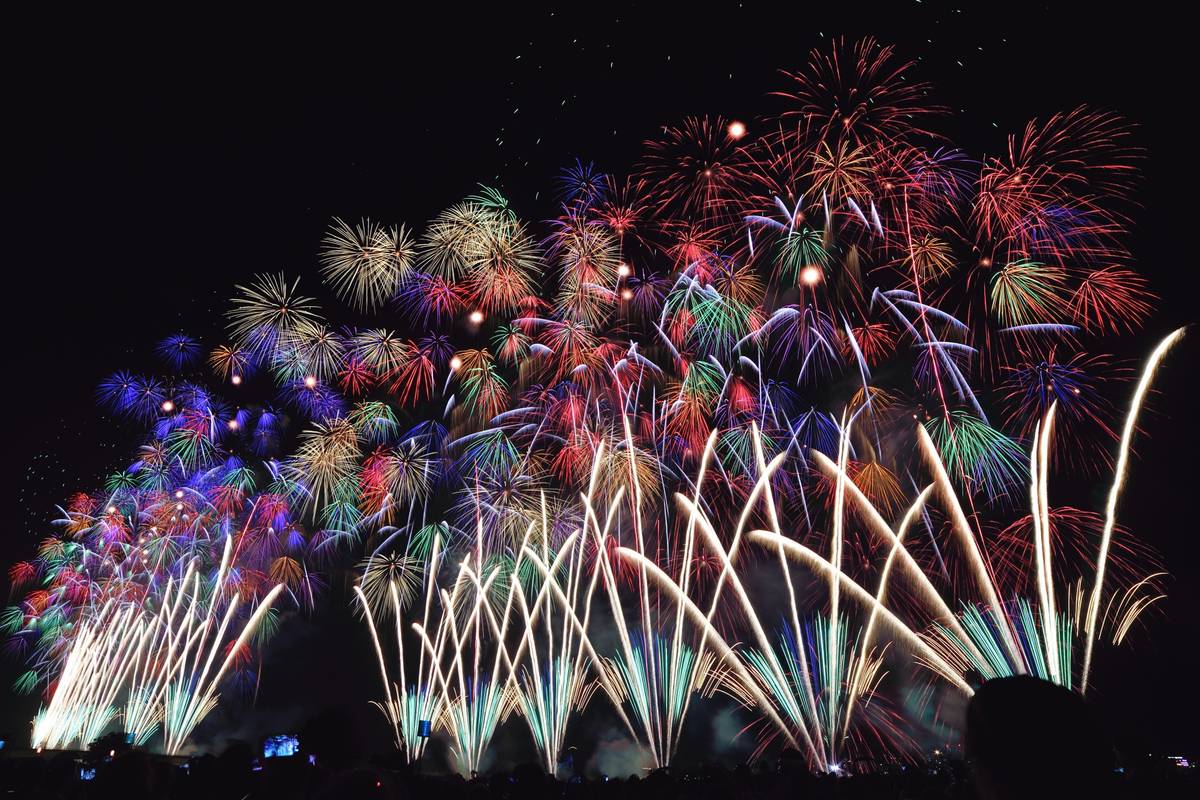
Held every year on August 2 and 3 along the riverbanks of the Shinano River, the Nagaoka Festival Grand Fireworks (Nagaoka Matsuri Dai-Hanabi Taikai) is counted among Japan's three great fireworks festivals. Roughly 20,000 fireworks light up the night sky, and the highlights include the Shō-Sanjakudama, a single shell that bursts to a diameter of about 650 meters, and the Phoenix fireworks display, dedicated to recovery and renewal. The Phoenix spans approximately two kilometers in width as fireworks launch in sequence to the strains of Ayaka Hirahara's Jupiter, filling the sky in a display that leaves a powerful impression on all who witness it.
Zoom in
Areas in Niigata
Neighborhoods and districts to explore

Location
Where is Niigata?
Niigata Prefecture is located on the Sea of Japan side of Honshū and belongs to the Chūbu region, though it is sometimes grouped with the Hokuriku region. The prefectural capital is Niigata City, with a population of approximately 2.13 million as of October 2024. Covering about 12,584 square kilometers, it ranks fifth largest among Japan's prefectures and stretches roughly 250 kilometers from north to south in a long, narrow shape.
To the west lies the Sea of Japan, and to the east runs the Echigo Mountain Range. Between them spreads the Echigo Plain, one of Japan's most productive agricultural regions. Two major rivers, the Shinano River and the Agano River, nourish the plain, forming the foundation of what has long been Japan's top rice-producing area. Off the coast, Sado Island floats in the Sea of Japan, connected to the mainland by ferry.
Heavy snowfall in winter is characteristic of the Sea of Japan coast. Seasonal winds blowing from the northwest carry moisture from the sea, and mountainous areas record some of the heaviest snowfall in the world. In parts of the Jōetsu area, accumulations exceeding three meters are not uncommon. Summers, on the other hand, are hot and humid much like the Pacific side, and some years bring extreme heat due to the Foehn effect.
Loading map...
Access
Getting to Niigata
The Jōetsu Shinkansen is the most convenient way to reach Niigata from Tokyo. The fastest trains cover the distance from Tokyo Station to Niigata Station in about one hour and 40 minutes, with roughly two departures per hour, making even a day trip feasible. From the Osaka area, the standard route is to take the Tōkaidō Shinkansen to Tokyo Station and transfer to the Jōetsu Shinkansen, with a total travel time of about four and a half hours. Another option is to take the Hokuriku Shinkansen and transfer at Jōetsu-Myōkō Station.
By air, direct flights operate to Niigata Airport from Narita Airport and Itami Airport. A local bus connects Niigata Airport to Niigata Station in about 25 minutes. To reach Sado Island, car ferries from Niigata Port take about two and a half hours, while a jetfoil makes the crossing in roughly one hour.
The area around Niigata Station is well served by local buses, and public transportation is sufficient for sightseeing within the city center. However, when venturing further afield to destinations like Echigo-Yuzawa, Murakami, or Sado Island, combining JR local lines and highway buses will make your trip more efficient. During peak tourist seasons, sightseeing loop buses sometimes operate between major attractions, so it is worth checking schedules in advance.
In winter, heavy snowfall in mountainous areas can disrupt train and bus schedules. If you plan to visit during the winter months, build extra time into your itinerary and make sure you are well equipped with warm, snow-ready clothing and gear.
Local pride
Specialty Products
Blessed with abundant snowmelt and fertile plains, Niigata Prefecture is renowned as one of Japan's foremost rice-producing regions. Agriculture centered on rice cultivation thrives here, and the brewing industry, which draws on the prefecture's rice and pure water, also has a long history.
The prefecture's location along the Sea of Japan supports a thriving fishing industry. Fish and shellfish caught in the rough winter seas are prized for their rich fat content. In the mountainous interior, the harsh winters gave rise to a distinctive food preservation culture, producing a wide variety of local specialties including fermented foods and dried goods.
On the industrial side, the metalworking techniques of Tsubame and Sanjō are recognized worldwide. From cutlery and Western-style tableware to advanced industrial components, the area is a hub of highly skilled manufacturing. The textile traditions shaped by life in snow country also endure as one of the region's local industries.
Food
Crafts & Others
Through the ages
History of Niigata
The land of present-day Niigata Prefecture was known in ancient times as Echigo Province, and by the Nara period it was already under the authority of the imperial court. Its position on the Sea of Japan coast fostered active exchange with the Asian continent from early on, and ports such as Izumozaki and Naoetsu prospered as key nodes of maritime trade. A provincial government was established on Sado Island during the Nara period, and the island served as a place of exile for political offenders and cultural figures. The Buddhist monk Nichiren in the Kamakura period and Zeami, who perfected the art of Noh theater in the Muromachi period, were both banished to the island. Ironically, these exiled figures brought a rich cultural legacy to Sado.
During the Warring States period, it was Uesugi Kenshin who rose to prominence from Echigo. Revered as the "God of War," Kenshin is best remembered for his legendary battles against Takeda Shingen at Kawanakajima and for his deep sense of honor and righteousness. The famous tale that he sent salt to the Takeda domain during a blockade gave rise to the Japanese proverb meaning "to aid an enemy in need." After Kenshin's death, the Uesugi clan was transferred to Aizu, and Echigo passed through the Hori clan's hands before being divided among several feudal domains. During the Edo period, domains such as Nagaoka, Shibata, and Murakami were established, each castle town nurturing its own culture. The Nagaoka domain fiercely resisted the new imperial army during the Boshin War, the civil conflict that marked the Meiji Restoration, and the attempt at "armed neutrality" by senior retainer Kawai Tsuginosuke is remembered as a defining episode in the dawn of modern Japan.
In 1871, Niigata Prefecture was established following the nationwide abolition of feudal domains and creation of prefectures. The name "Niigata" is said to derive from a "new lagoon" that formed at the mouth of the Shinano River, a lake created among the sandy terrain. The Sado Gold Mine was one of the world's most productive gold mines, sustaining the finances of the Tokugawa shōgunate throughout the Edo period and yielding gold and silver for roughly 400 years. In 2024, it was inscribed as a UNESCO World Cultural Heritage site, and the preserved mine shafts and remnants of historical extraction techniques are open to visitors. From the modern era onward, agriculture flourished thanks to abundant water resources and snowmelt, and Niigata long held the top position in Japan for rice production. Along the Sea of Japan coast, maritime commerce thrived through kitamaebune trading vessels, and this history of seaborne trade laid the foundations for Niigata's commercial culture.
Continue exploring
Discover other areas and hidden gems across Chubu Region.