Setsubun, One of Japan's Seasonal Events: The Meaning Behind Oni & Bean Throwing
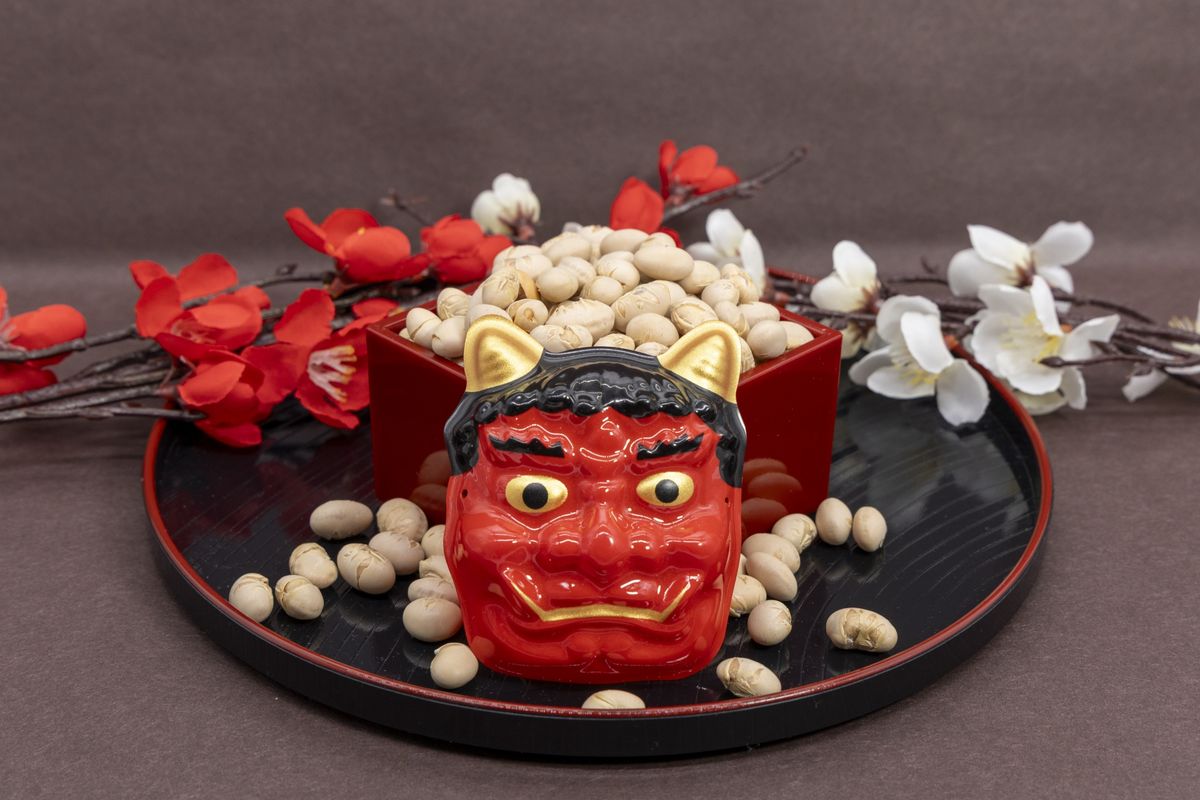
Setsubun refers to the day before the beginning of each season, specifically the day preceding Risshun (Spring), Rikka (Summer), Rishū (Autumn), and Rittō (Winter). Since the Edo period, however, the term has come to primarily designate the day before the start of spring, which usually falls around February 4th. This day is marked by traditional rituals such as bean-throwing (mame-maki) and various practices to ward off bad luck.
What Do People Do on Setsubun?
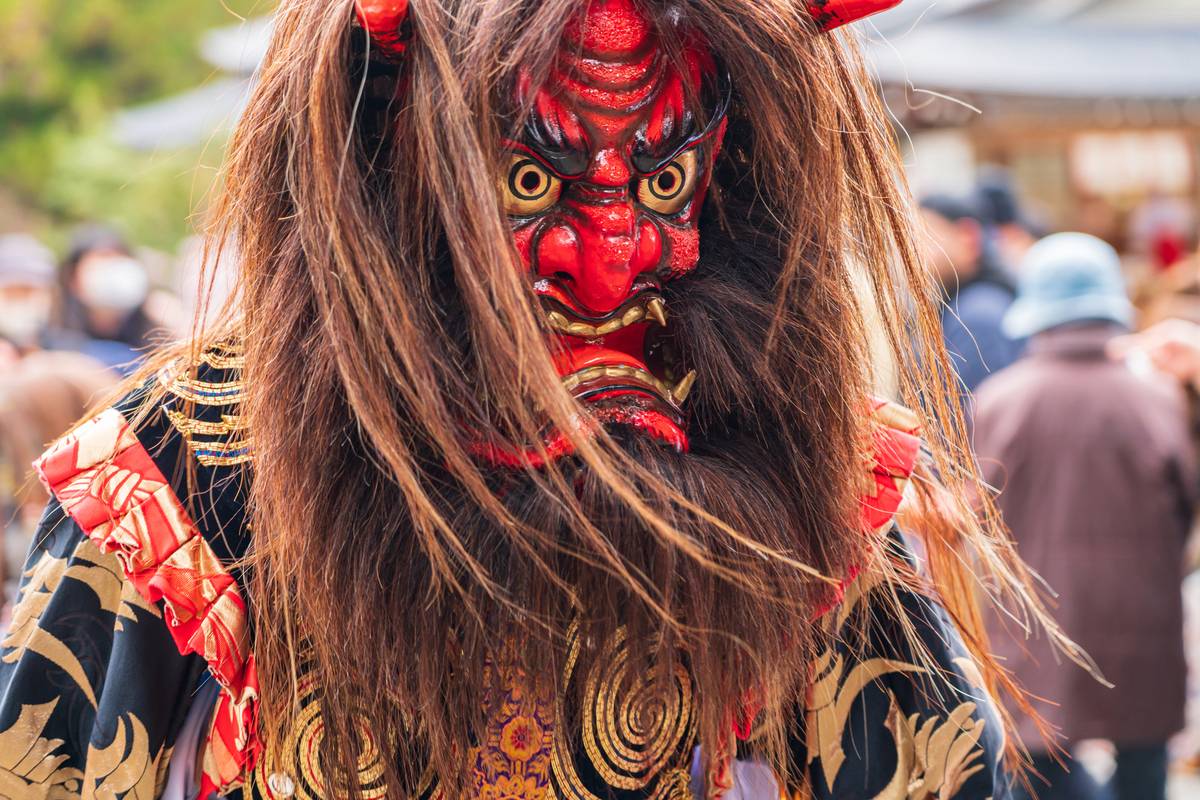
Oni at Setsubun Matsuri / PIXTA
Depending on the region or shrine, Setsubun events can vary in many different ways.
Since ancient times, it has been believed that "evil energy" or Oni (demons/ogres) emerge during the transitions between seasons, leading to various rituals performed to exorcise these spirits. The modern version of Setsubun is said to have evolved from a combination of New Year's Eve rituals from the old lunar calendar and exorcism ceremonies once held in the Imperial Court, which eventually integrated into the daily lives of the common people.
While specific activities vary by region, the standard practices include throwing beans and placing a holly branch skewered with a sardine head (hiiragi-iwashi) at the entrance of the home. Interestingly, families with the surnames Watanabe or Sakata are said to be exempt from bean-throwing. This is because these names are associated with the legendary heroes Watanabe no Tsuna and Sakata no Kintoki, who were famous for defeating Oni; it is believed that demons are so afraid of these names that they will not even approach their homes.
Popular Setsubun Dishes
Fuku-mame (Lucky Beans)
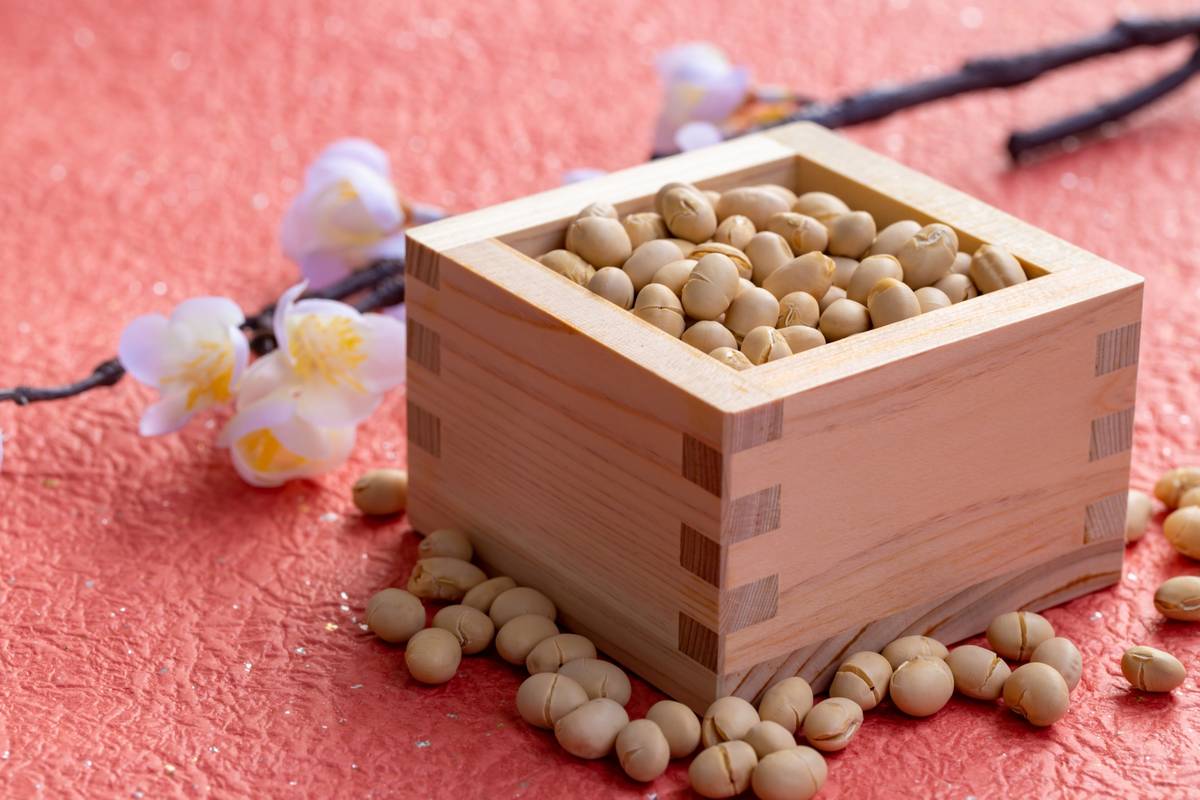
Fuku mame (Lucky beans) / Photo AC
As Setsubun is a time to pray for health and longevity, there is a long-standing custom of throwing beans to drive out demons. The word for bean (mame) sounds like "demon eyes" (ma-me), and it is believed they have the power to vanquish evil. Generally, people throw roasted soybeans or peanuts in their shells while chanting "Oni wa soto! Fuku wa uchi!" (Demons out! Fortune in!). It is also believed that eating the same number of beans as your age will ward off misfortune for the coming year.
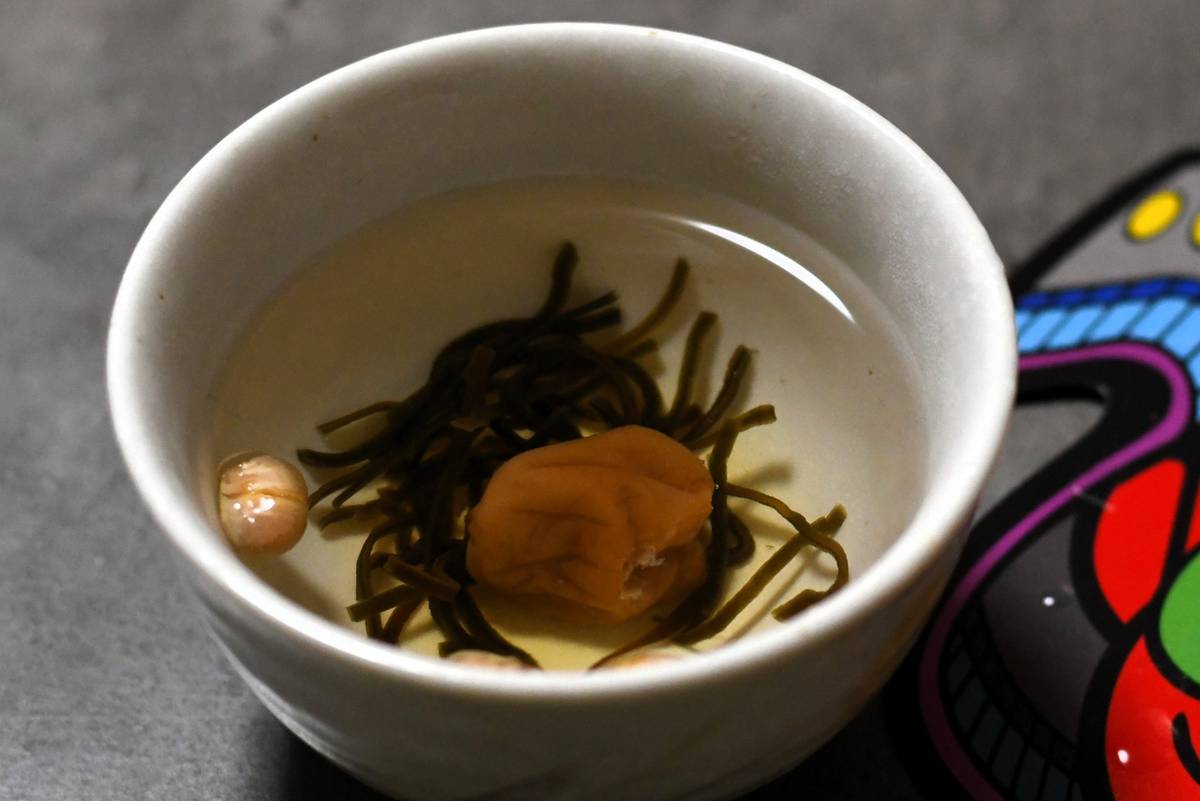
Fuku Cha (Lucky Tea) / Photo AC
In the Kansai and Hokuriku regions, some people enjoy Fuku-cha (Lucky tea) - hot water poured over roasted beans, salted kelp, and pickled plum, which is a great alternative if eating a large number of beans is difficult.
Eho-maki
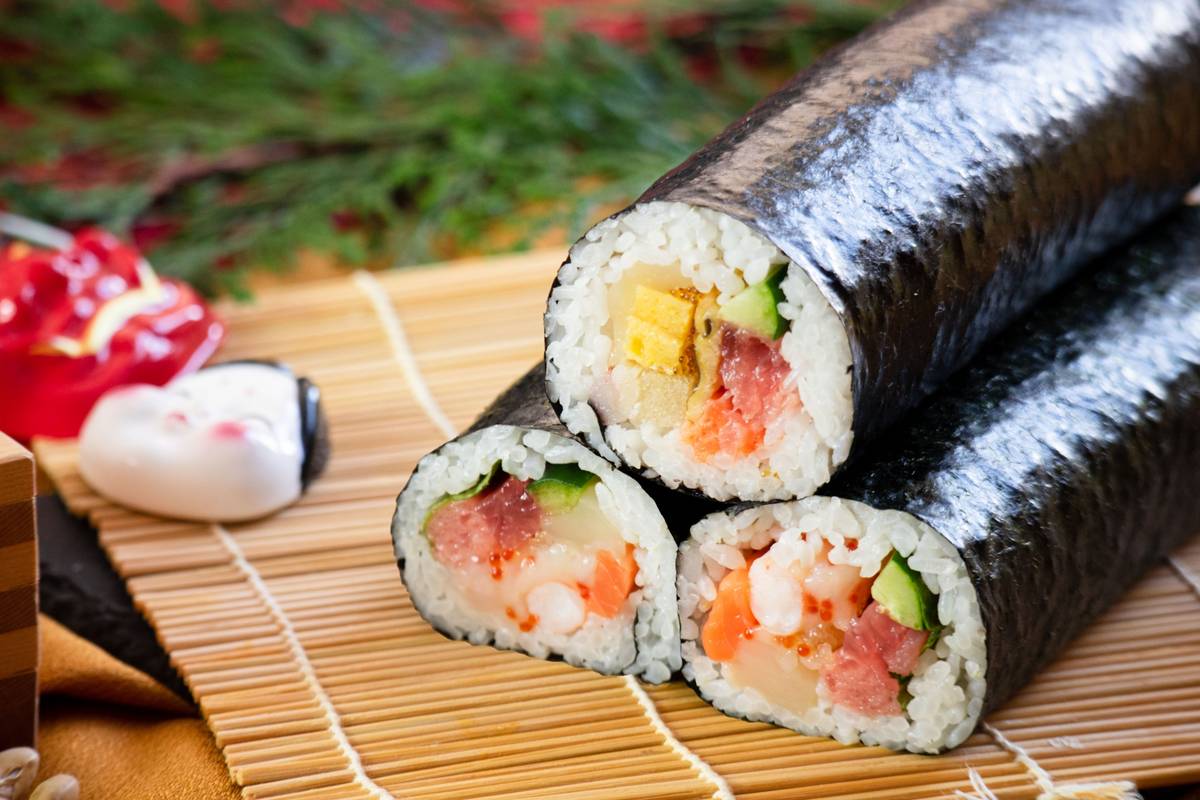
Ehō Maki (Ehō Roll) / Photo AC
A relatively recent staple that has gained immense popularity is the Eho-maki, a thick sushi roll originating from the Kansai region. It is said that if you face the "lucky direction" (eho) for that year and eat the entire roll in total silence, you will invite good fortune. While it was once strictly believed that you must bite into the roll whole so as not to "cut" your luck, it has recently become acceptable to slice it into pieces to eat.
These sushi rolls often contain seven types of ingredients—such as kanpyo (dried gourd), cucumber, rolled omelet, eel, pink fish flakes, simmered shiitake mushrooms, and Koya-tofu—in honor of the Seven Lucky Gods. Modern variations have emerged, including seafood rolls with tuna and salmon roe, or meat-based rolls featuring pork cutlets or grilled beef. The trend has even spread to desserts, with roll cakes designed to look like Eho-maki.
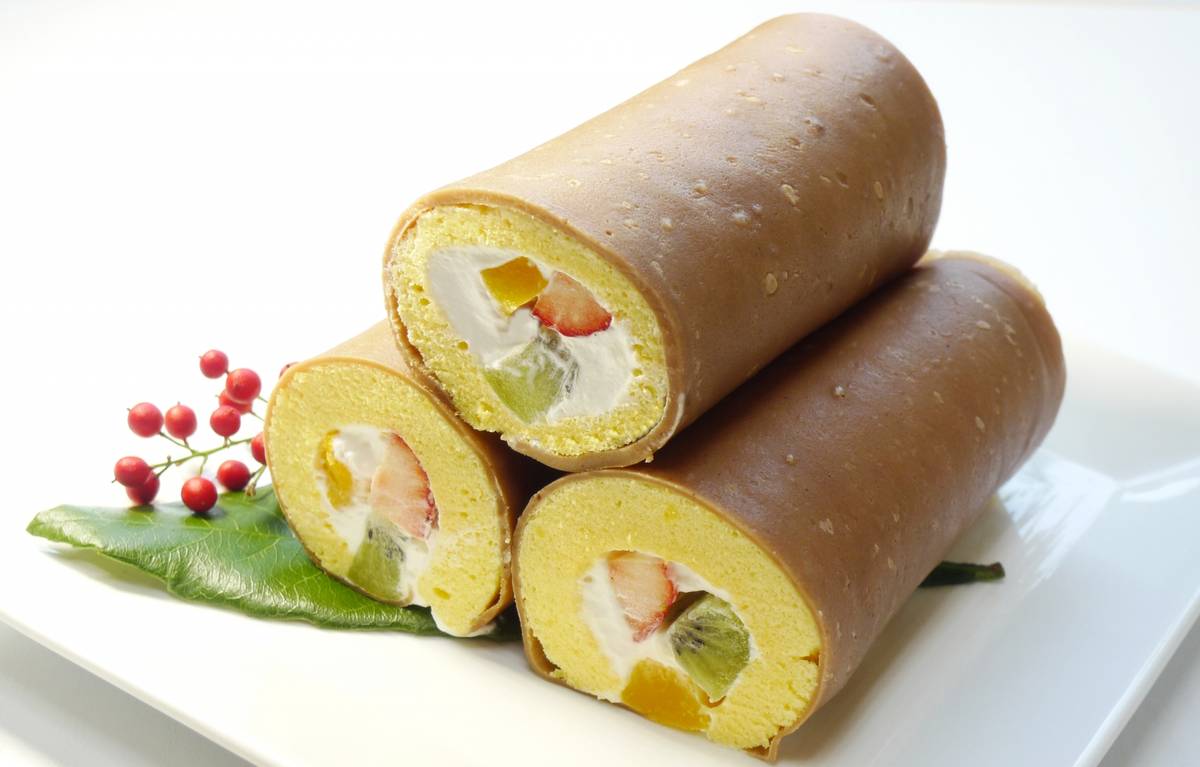
Ehō Roll Cakes / Photo AC
Other traditional foods include sardine soup (tsumire-jiru), sardines simmered with plum, Kenchin-jiru (a hearty vegetable soup), and Setsubun Soba, a tradition stemming from the fact that Setsubun was once considered the "New Year's Eve" of the old calendar, and eating soba noodles on New Year’s Eve is a longstanding tradition.
Seasonal Event Where Oni Characters Are in The Spotlight
While Oni often appear as monsters in folklore and children's stories, they are sometimes depicted as god-like beings, and their roles vary significantly depending on the anime/manga work. Generally, they can be categorized into five types: spirits of the dead or the earth; deities or monsters of mountain religions (like Tengu); demons or spirits in Buddhism (like Yasha); bandits or heinous criminals; and humans who have transformed into monsters due to grudges or rage. This makes them not only objects of fear but also figures of worship or even beloved, relatable characters.
Visually, the stereotypical Oni is a muscular humanoid with one or two horns. They are often depicted wearing tiger-skin loincloths, carrying iron clubs (kanabō), and having red or blue skin. In the world of anime and manga, creators often release special Setsubun illustrations featuring characters cosplaying as Oni with horns and clubs, or enjoying bean-throwing and Eho-maki.
Examples of Oni Characters
Some examples of Oni characters include Lum from Rumiko Takahashi’s Urusei Yatsura, Nezuko Kamado from Koyoharu Gotouge’s Demon Slayer, the Ongeki Warriors from Kamen Rider Hibiki, and the Aka-Oni and Ao-Oni from Yo-kai Watch. Other notable examples include Shuten-douji from the Fate series and Suika Ibuki from the Touhou Project series. Often, they appear as enemies with overwhelming power, such as Muzan Kibutsuji from Demon Slayer.
Characters That Are Called “Oni” Metaphorically
Characters with a terrifying appearance, extraordinary strength, or an incredibly strict attitude are often described as being "like an Oni." Examples include Chi-Chi from Dragon Ball and Misae from Crayon Shin-chan, who are sometimes jokingly called "Oni-yome" (demon wives). Then there is Yujiro Hanma from the Grappler Baki series, known as "The Ogre" because the muscles on his back resemble a demon's face. The term is also used for strict "Oni-gunso" (demon sergeant) archetypes and characters feared by friend and foe alike as "Kishin" (Demon God) due to their overwhelming skill.
Even some historical figures are called Oni. The warring states general Shibata Katsuie was known as "Oni no Shibata" for his military prowess, and Hijikata Toshizo of the Shinsengumi was called "The Oni Vice-Commander" for his strictness. Both have inspired numerous popular manga and dramas.
Famous Oni of Kabuki and Noh
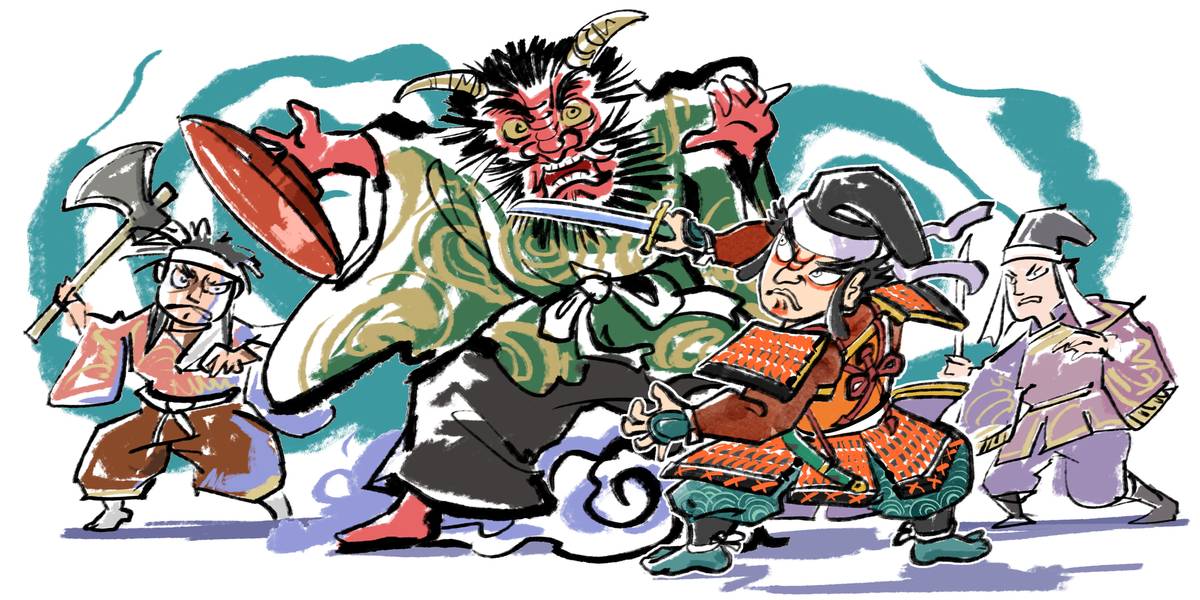
Demon vs Samurai (Shutendoji vs Yorimitsu) / PIXTA
Shuten-douji and Ibaraki-douji
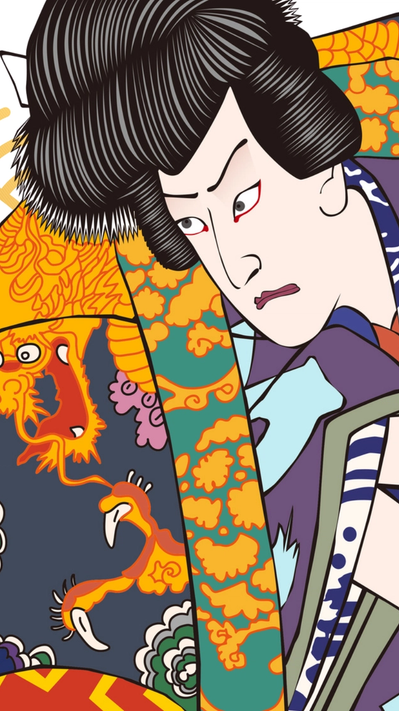
During the Heian period, the leader of the Oni based on Mt. Oe in Kyoto was Shuten-douji, and his right-hand man was Ibaraki-douji. Legend says both were remarkably handsome when they were humans. The story of their defeat by Minamoto no Yorimitsu and his Four Heavenly Kings (Watanabe no Tsuna, Sakata no Kintoki, Usui Sadamitsu, and Urabe no Suetake) has been a recurring motif in Kabuki, Noh, and traditional picture scrolls.
Onibaba
Legends of the Onibaba, or demon hag, exist across Japan. Usually depicted as an old woman living deep in the mountains, she pretends to kindly welcome lost travelers only to eat them once they let their guard down. The most famous story is the Adachigahara Onibaba Legend, linked to Kurozuka in Fukushima Prefecture; an eerie tale of a woman who was once human, but after a heartbreaking tragedy, lost her sanity and eventually transformed into an oni.
Hashihime
At Kifune Shrine, she prayed to become a living demon to kill a woman she envied, and after carrying out the ritual exactly as the gods instructed, she transformed into an oni. She proceeded to kill the rival woman, her relatives, and her former lover, eventually slaughtering any human she laid eyes on and plunging Kyoto into terror. She is said to be the origin of Ushi no Koku Mairi, a notorious curse ritual in which a straw doll is nailed to a shrine’s sacred tree during the “Ox Hour” (around 1:00–3:00 a.m.) for seven consecutive nights to place a curse on someone you hate.
Hannya
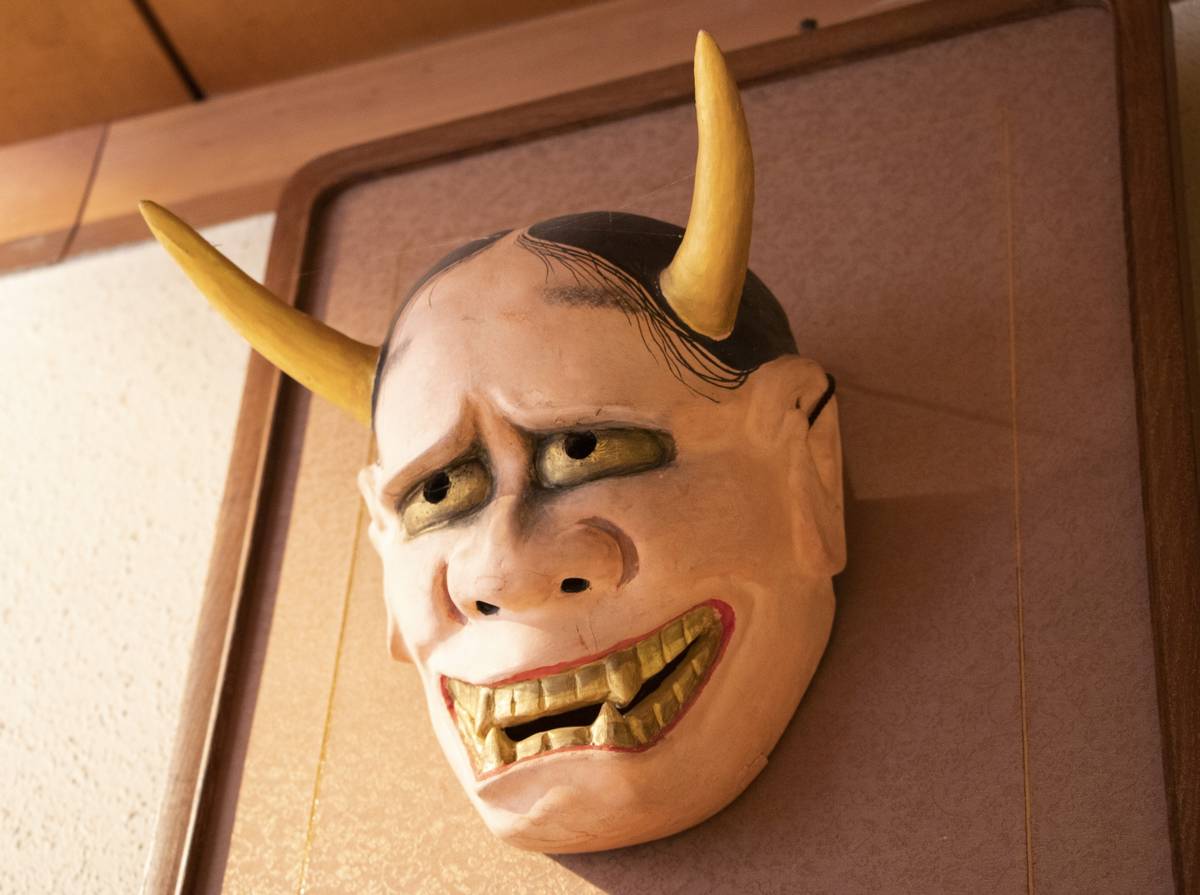
Hannya / Photo AC
Among the masks used in Noh theater, the Hannya mask is perhaps the most iconic. In Noh, this mask represents a woman consumed by jealousy. It is characterized by two horns, a wide-open mouth revealing fangs, and disheveled hair. In Noh performances, different masks are used to show the intensity of a woman’s anger or resentment; the Hannya specifically represents the state of a woman in the middle of transforming into a demon.
This mask is used in plays such as Aoi no ue (where the spirit of Lady Rokujo turns into an Oni out of resentment for Genji’s wife), Dojoji (where a woman betrayed by a monk turns into a giant serpent), and Kurozuka (Adachigahara), which depicts a group of yamabushi (mountain ascetics) traveling through the Adachigahara region.
Published Last Updated
Related Articles
Explore more articles on similar topics and deepen your knowledge of Japan.