Kanagawa
神奈川県
Start here
What to know about Kanagawa
Just next door to Tokyo, Kanagawa Prefecture packs coastline, mountains, history, and hot springs into one compact package. Kamakura carries the traces of a medieval warrior government, Yokohama is a cosmopolitan port city, Hakone offers volcanic landscapes and thermal baths, and the Shōnan coast brings ocean breezes and laid-back seaside scenery. Each area has a character all its own, and at roughly an hour by train from central Tokyo, it is close enough for a full day of sightseeing.
Kamakura / The Ancient Warrior Capital
Kamakura Daibutsu
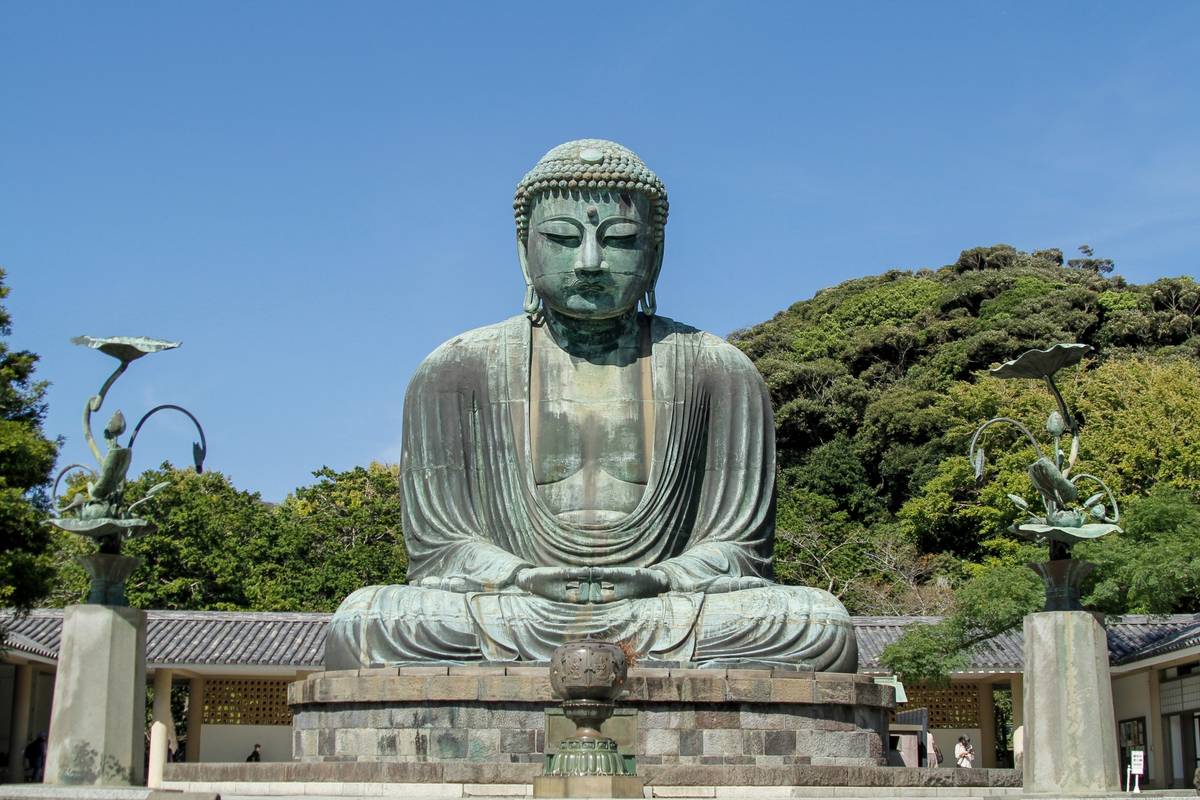
Kamakura, where Minamoto no Yoritomo established his shōgunate at the end of the twelfth century, is a town where traces of warrior culture from some 800 years ago remain vividly present. The Great Buddha at Kōtoku-in is a seated bronze statue standing approximately 11.3 meters tall and weighing around 121 tons — Kamakura's only National Treasure Buddha. Construction began in 1252, and the statue was originally housed inside a great hall, but after a tsunami swept the building away in the fifteenth century, the Buddha has sat in the open air, weathering more than 700 years of wind and rain.
Zen Temples of Kita-Kamakura
Kenchoji Temple
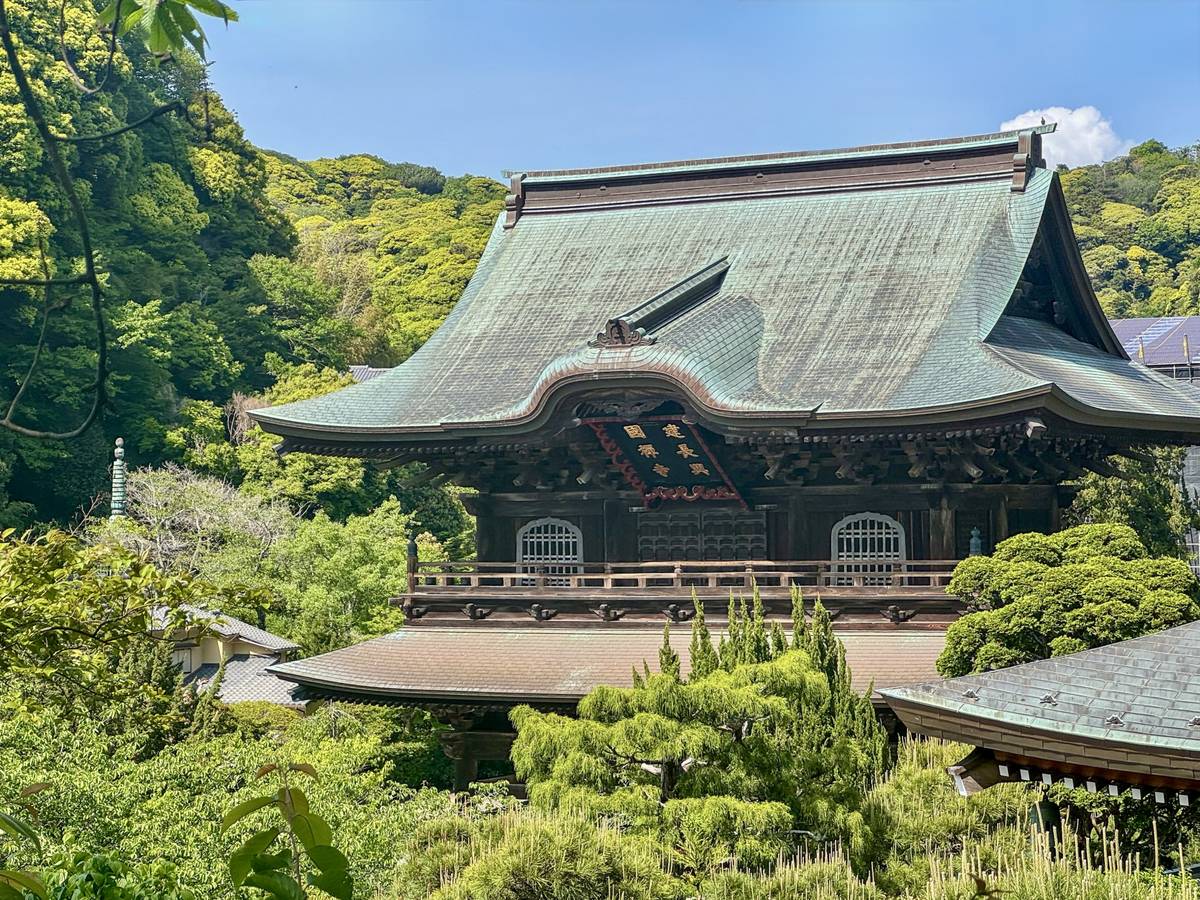
Kenchō-ji, ranked first among Kamakura's Five Great Zen Temples, and Engaku-ji, ranked second, are both within walking distance of Kita-Kamakura Station. Kenchō-ji was founded in 1253 as Japan's first full-fledged Zen training monastery, and its expansive grounds feature a main gate designated an Important Cultural Property of Japan.
Engakuji Temple
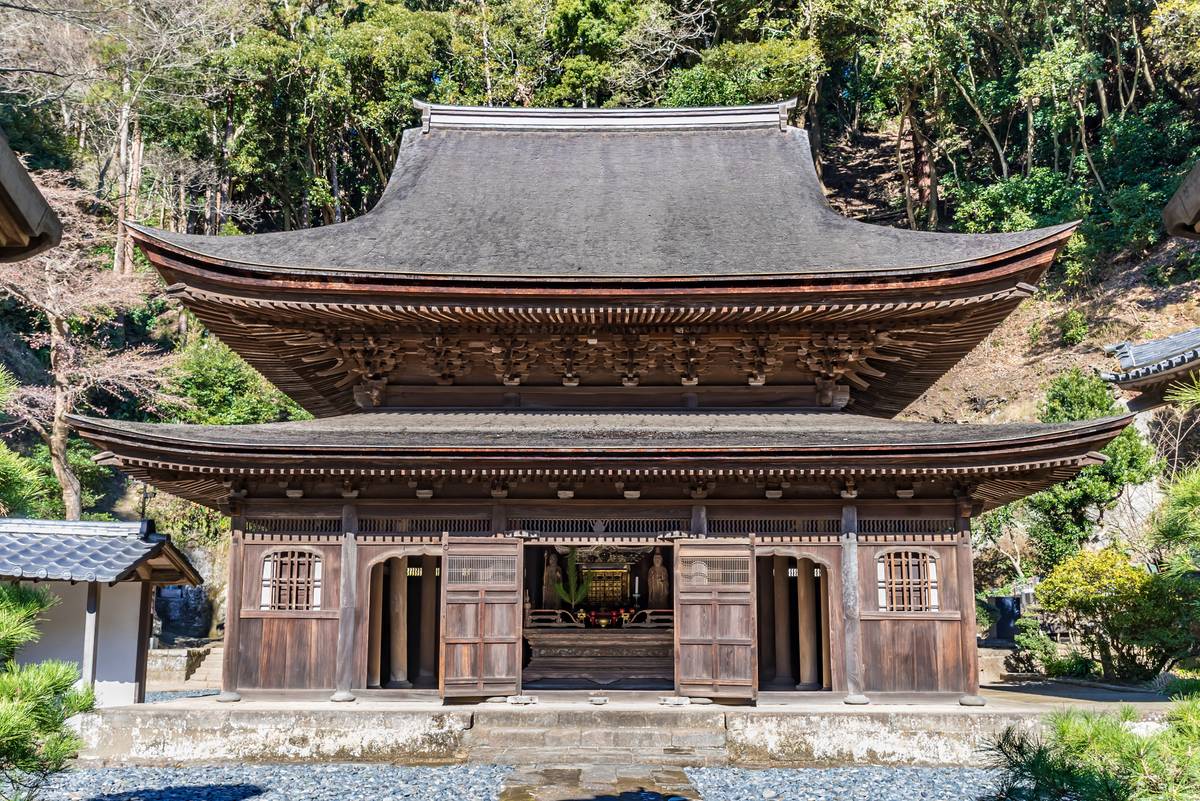
Engaku-ji was built in 1282 by Hōjō Tokimune to console the souls of those who fell during the Mongol invasions. Its shariden (reliquary hall), a National Treasure, is an invaluable surviving example of Kamakura-period Zen architecture.
Strolling Through Kamakura
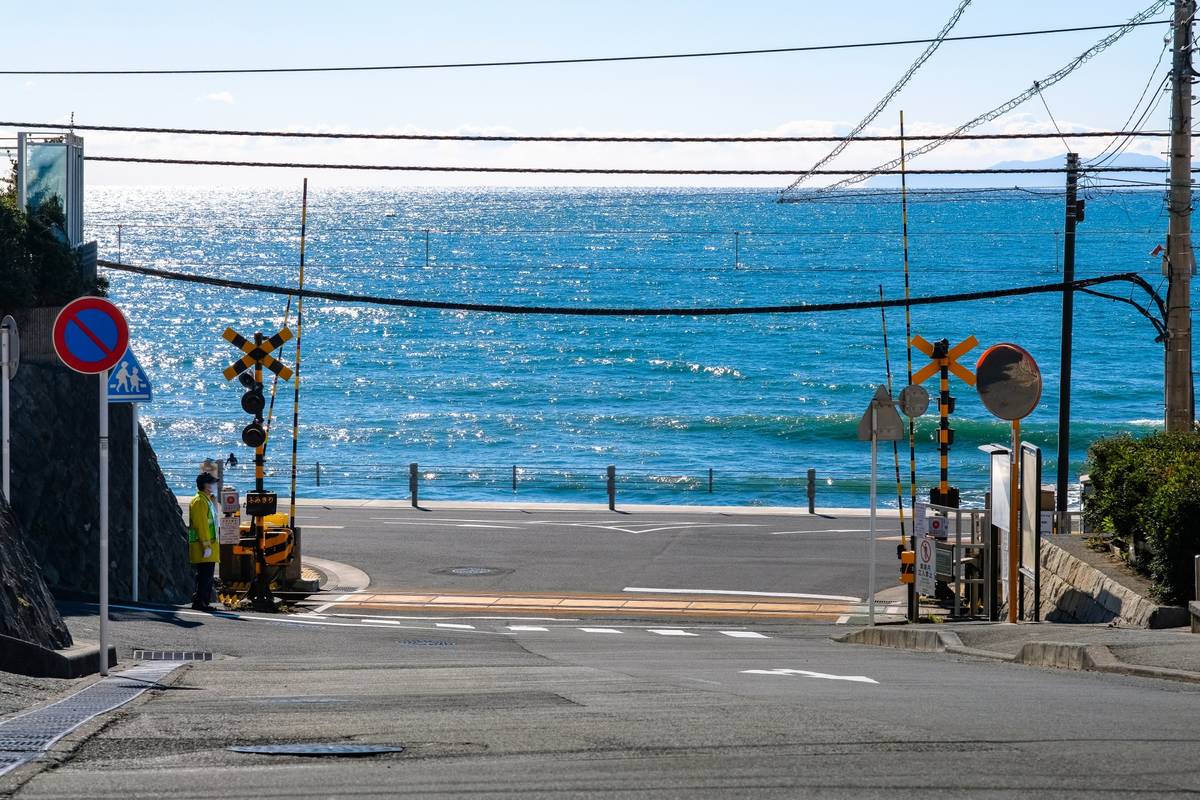
A classic route begins with a walk along Wakamiya Ōji, the ceremonial approach leading to Tsurugaoka Hachiman-gū, followed by snacking your way through Komachi-dōri. Hop on the Enoden and you can easily reach seaside spots like the Great Buddha in Hase, Yuigahama Beach, and Shichirigahama. The railroad crossing near Kamakura-kōkōmae Station is widely known among fans overseas as the location featured in the opening of the popular basketball manga SLAM DUNK, and it has become a popular photo spot. In June, hydrangeas come into full bloom, blanketing the grounds of Hase-dera Temple and Meigetsu-in in waves of color.
Yokohama / A Port City with International Flair
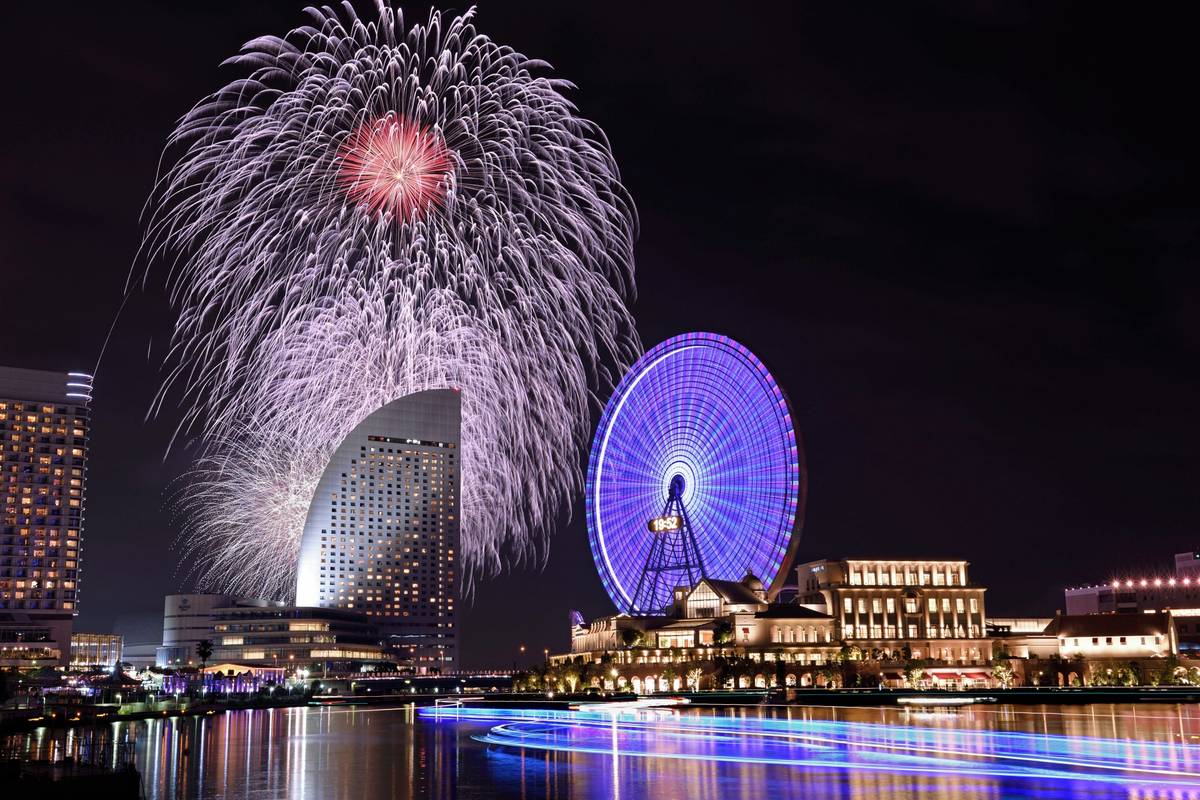
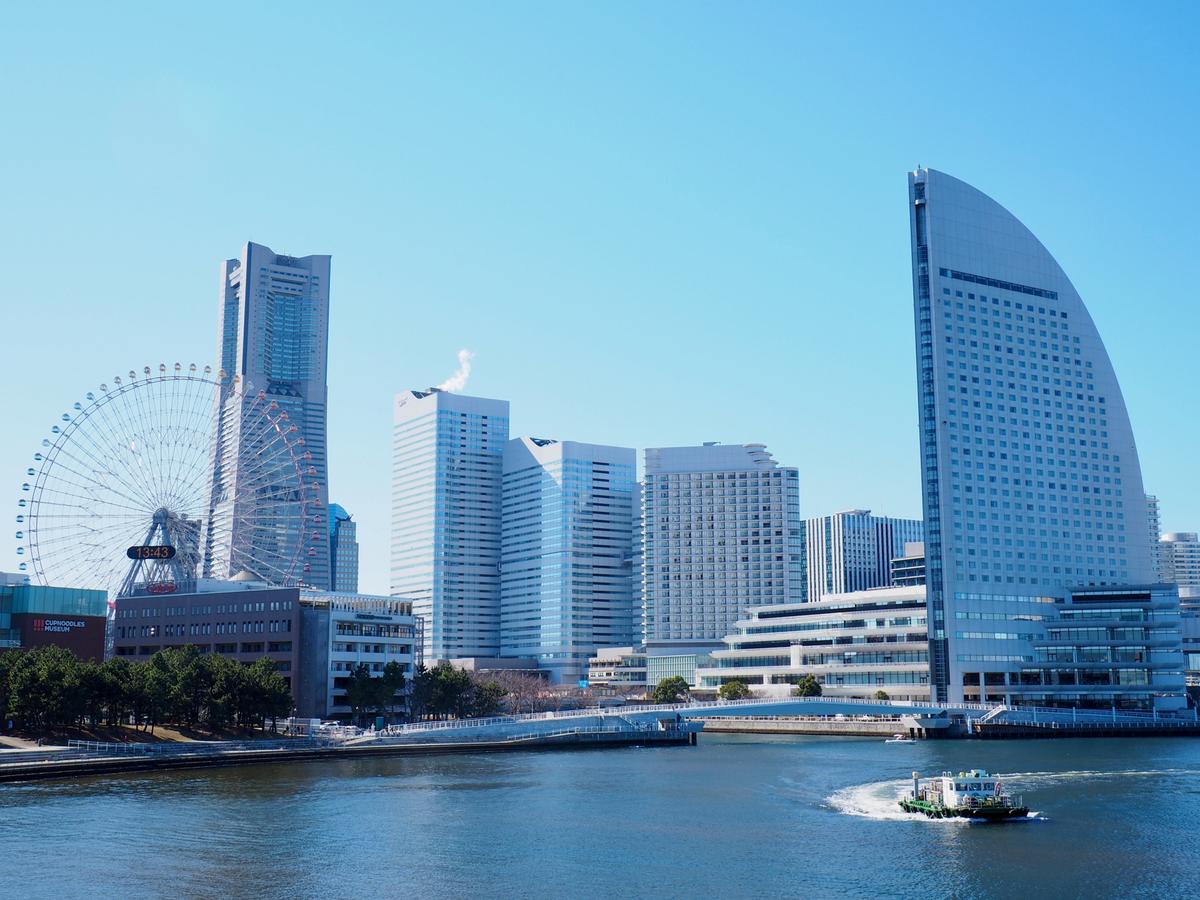
One of the first ports in Japan opened to foreign trade in 1859, Yokohama still carries the cosmopolitan atmosphere of its origins. The Minato Mirai 21 district is home to the 296-meter Yokohama Landmark Tower and the Red Brick Warehouses, and the waterfront lit up at night is one of the city’s defining views.
Yokohama Chinatown
With roughly 500 shops packed into its streets, Yokohama Chinatown is the largest Chinatown in East Asia. It traces its roots to the Chinese merchants who settled here alongside Western traders after the port opened in 1859, and it carries more than 150 years of history. Cantonese cuisine anchors the dining scene, complemented by Sichuan, Shanghai, and Beijing fare, while specialty shops selling Chinese tea and sundries are scattered throughout. Chinese-style temples such as the Kantei-byō (Guan Di Temple) and the Maso-byō (Mazu Temple) add to the district’s distinctive atmosphere.
Hakone / A Hot Spring Region Born of Volcanoes
Hakone, about an hour and a half from Tokyo, has long been one of Japan’s premier hot spring resort areas. More than twenty distinct hot spring villages are scattered through the mountains, all fed by the Hakone volcano, and the range of water types is broad — sulfur springs, simple thermal springs, chloride springs, and more.
Ōwakudani
At an elevation of roughly 1,044 meters, Ōwakudani is where you can experience Hakone’s volcanic activity up close. The stark, barren volcanic landscape, with white plumes of steam rising from the earth, was formed by a steam explosion around 3,000 years ago. Amid the lingering smell of sulfur, visitors eat the famous black eggs while taking in views of Mount Fuji on clear days. The scenery is equally dramatic from above, viewed through the windows of the ropeway.
Lake Ashi and Hakone’s Transport
The other face of Hakone is Lake Ashi, a caldera lake. A sightseeing cruise across the water opens up to a panorama with Mount Fuji towering in the background. The Golden Course, a loop that connects the Hakone Tozan Railway, cable car, ropeway, and cruise ship, is a route that will appeal to anyone who loves riding different modes of transport. In autumn, the mountainsides blaze with fall foliage, reaching peak color from early to late November.
Enoshima / A Spiritual Island in the Sea
Enoshima is a small island with a circumference of about four kilometers, connected to the Shōnan coast by a bridge. It has been known since ancient times as a sacred site devoted to Benzaiten, the goddess of fortune, and Enoshima Shrine on the island is said to have been founded in the year 552. A pilgrimage through its three sub-shrines — Hetsu-miya, Nakatsu-miya, and Okutsu-miya, each enshrining one of three sister goddesses — leads deeper into the island until you reach the sea caves carved by waves over countless centuries. This is considered the birthplace of Enoshima’s spiritual traditions, a place where the monk Kōbō Daishi and the Buddhist priest Nichiren are also said to have practiced.
From the Sea Candle observation lighthouse at the island’s summit, the full sweep of Sagami Bay spreads out before you, and on fine days the silhouette of Mount Fuji rises against the evening sky. Because the island is within walking distance from Katase-Enoshima Station on the Odakyū Line, it is easy to fold into a day trip combined with sightseeing in Kamakura.
Where to go
Places to visit in Kanagawa
Curated spots and experiences across Kanagawa.
Shopping
2 places-

Yokohama Hammerhead
A guide to Yokohama Hammerhead, the complex on Shinko Pier in the Minato Mirai area of Yokohama. It brings together the Hammerhead Crane installed in 1914, 25 shops built around food, and a cruise terminal with a hotel. The page also covers the visit that Nagano, the creator of Chiikawa, made before drawing the ship scenes for Chiikawa the Movie: The Secret of the Mermaid Island.
-

Komachi Dori Street
Komachi-dōri runs 360 meters from Kamakura Station toward Tsurugaoka Hachimangū, lined with some 250 shops for street food, sweets, and Kamakura souvenirs.
Nature
1 place
Zoom in
Areas in Kanagawa
Neighborhoods and districts to explore


Location
Where is Kanagawa?
Kanagawa Prefecture sits in the southwestern corner of the Kantō region, directly south of Tokyo. Its capital is Yokohama, the largest municipality in Japan with a population of roughly 3.76 million. The prefecture as a whole had approximately 9.22 million residents as of January 2025, making it the second most populous in the country after Tokyo.
Relatively compact at about 80 kilometers east to west and 60 kilometers north to south, the terrain is remarkably varied. The Tanzawa Mountains rise to around 1,500 meters in the northwest, with mountain land accounting for roughly one-sixth of the prefecture's total area. To the south, coastline stretching some 430 kilometers faces both Sagami Bay and Tokyo Bay. The Sagami River runs through the center, opening into flatlands along its banks. The Miura Peninsula juts out to the southeast, wedged between the two bays in a distinctive geographic position.
The climate falls under the Pacific side pattern, with hot, humid summers and dry winters that tend to bring clear skies. Coastal areas stay relatively mild thanks to the Kuroshio Current, though the mountainous zones around Tanzawa and Hakone do see snowfall in winter. Rainfall picks up between June and October during the rainy season and typhoon period, and sudden heavy downpours are not uncommon.
Loading map...
Access
Getting to Kanagawa
Kanagawa Prefecture borders Tokyo, so the main gateways by air are Haneda Airport and Narita Airport. From Haneda, Yokohama Station is about 30 minutes away on the Keikyū Line, or roughly the same by bus. From Narita, the Narita Express takes approximately one and a half hours, and the limousine bus runs on a similar schedule.
By Train
For Shinkansen travelers, Shin-Yokohama Station is the bullet train stop within the prefecture. It is about 18 minutes from Tokyo Station, and around 2 hours and 6 minutes from Shin-Ōsaka Station on the Nozomi service. From Shin-Yokohama, you can reach Yokohama Station in about 10 minutes via the JR Yokohama Line or the Subway Blue Line. On conventional lines, Yokohama Station is roughly 25 minutes from Tokyo Station on the JR Tōkaidō Line, and Kamakura Station is about 55 minutes on the JR Yokosuka Line, making day trips from central Tokyo entirely feasible. For Odawara and Hakone, the Odakyū Line from Shinjuku Station takes about an hour and a half, and the limited express Romancecar runs directly to Hakone-Yumoto Station with no transfers.
Getting Around the Prefecture
The Yokohama and Kawasaki area is well served by JR lines, private railways, and subways, so you can reach the main sights using public transit alone. In the Kamakura and Shōnan area, the JR Yokosuka Line and the Enoshima Electric Railway, affectionately known as the Enoden, are convenient for sightseeing. In the Hakone area, a popular loop route called the Golden Course connects the mountain railway, cable car, ropeway, and sightseeing cruise on Lake Ashi, all accessible with a single free pass. For the Miura Peninsula, the Keikyū Line and local buses are the primary means of transport.
During summer in the Shōnan area and autumn in Hakone, visitors concentrate heavily, so expect road congestion and crowded stations on weekends and holidays. In Hakone's mountain areas during winter, icy roads can cause bus cancellations or delays, so it is worth checking the latest service information before you head out.
Local pride
Specialty Products
Kanagawa Prefecture faces two bodies of water, Sagami Bay and Tokyo Bay, and benefits from productive fishing grounds influenced by the Kuroshio Current. Inshore fisheries along the coast bring in catches such as whitebait and horse mackerel, while the port at the tip of the Miura Peninsula is also known as a base for deep-sea fishing. On the Miura Peninsula in the southeastern part of the prefecture, the mild maritime climate supports open-field vegetable farming, with root vegetables and leafy greens like daikon radish and cabbage among the primary crops. In the west, the cool climate and abundant water resources of the Tanzawa and Hakone mountain foothills create ideal conditions for producing quality tea and processed seafood products such as kamaboko (fish cake). In the traditional crafts sphere, woodworking that makes use of the plentiful timber around Hakone and Odawara has a long history of development.
Food
Crafts & Others
Through the ages
History of Kanagawa
Under the ancient ritsuryō administrative system, most of present-day Kanagawa belonged to Sagami Province, while the eastern portions around Yokohama and Kawasaki were part of Musashi Province. The provincial capital of Sagami was located near what is now the town of Ōiso, and communities have thrived along the Sagami Bay coast since early times. The region's history took a dramatic turn at the end of the twelfth century, when Minamoto no Yoritomo established a warrior government in Kamakura that served as the political center of Japan for roughly 150 years. Under the Hōjō clan, who effectively ran the Kamakura shōgunate, great Zen temples such as Kenchō-ji and Engaku-ji were founded, giving rise to a distinctive Kamakura culture that fused warrior traditions with Buddhist practice. The shariden (reliquary hall) at Engaku-ji, designated a National Treasure, stands as one of the defining architectural works of that era.
During the Sengoku (Warring States) period, the Later Hōjō clan extended their power across the Kantō region from their stronghold at Odawara Castle, and Sagami Province once again became a regional center of political gravity. The Later Hōjō ruled Odawara for about a century before surrendering in 1590, when Toyotomi Hideyoshi besieged the castle with an overwhelming force. In the Edo period that followed, Kanagawa prospered as a vital stretch of the Tōkaidō, the great road linking Edo and Kyoto. Eight post towns were established within the prefecture: Kanagawa-juku, Hodogaya-juku, Totsuka-juku, Fujisawa-juku, Hiratsuka-juku, Ōiso-juku, Odawara-juku, and Hakone-juku. The spectacle of daimyō processions and travelers passing through these stations was immortalized in the ukiyo-e prints of Utagawa Hiroshige.
The modern chapter began in 1859 with the opening of Yokohama Port. Established under the late-Edo trade treaties, the port transformed Yokohama from a small fishing village into a gateway for Western goods and ideas. Gas lamps, railways, daily newspapers — a long list of firsts in Japan originated in Yokohama. The prefecture's name itself comes from Kanagawa-juku, the old Tōkaidō post town. The Great Kantō Earthquake of 1923 devastated central Yokohama, but the city rebuilt, and today it has grown into one of the core cities of the greater Tokyo metropolitan area, standing alongside the capital.
Continue exploring
Discover other areas and hidden gems across Kanto Region.