The History of Japanese Idols by Decade

Today, the Japanese idol industry is a massive market with agencies and groups of all sizes competing fiercely for fans. Here is a brief look at how this cultural phenomenon grew into what it is today.
1960s: The Birth of Johnnys and Legendary Stars

The 1960s saw Western music pouring into Japan, and after a rockabilly craze, cover pop, group sounds, and youth ballads grew in popularity. The decade also laid the groundwork for idol culture, with the group Johnnys produced by Johnny Kitagawa releasing their debut single in 1964.
Stars like Misora Hibari and Yoshinaga Sayuri captivated audiences throughout the era. Sakamoto Kyu’s 1961 song “Ue wo Muite Aruko” was introduced to European audiences in 1962 and became a huge hit. Retitled “SUKIYAKI,” it charted in the UK and reached number one on the US Billboard Hot 100.
Events of the 1960s
Color television broadcasting began in 1960, followed by the launch of NHK’s long-running morning drama series the next year. The decade also saw Japan’s first TV anime, Astro Boy (Tetsuwan Atomu), and its first color anime, Jungle Emperor Leo (Janguru Taitei).
The 1964 Tokyo Olympics brought the world’s attention to Japan, and in 1966, the Beatles’ visit to the country became a hot topic.
1970s: The Formation of Idol Culture
As actors increasingly crossed into music during the late 1960s, a new kind of multi-talented entertainer began to emerge. The 1970s brought a defining shift with the launch of the audition show Star Tanjo!, which produced talents like Yamaguchi Momoe and Pink Lady. Together with Candies, Amachi Mari, and Agnes Chan, they cemented the concept of “idol” as a distinct cultural category. Pink Lady in particular set an unprecedented record of nine consecutive number-one singles on the Oricon charts, becoming one of the biggest phenomena in Japanese entertainment history.
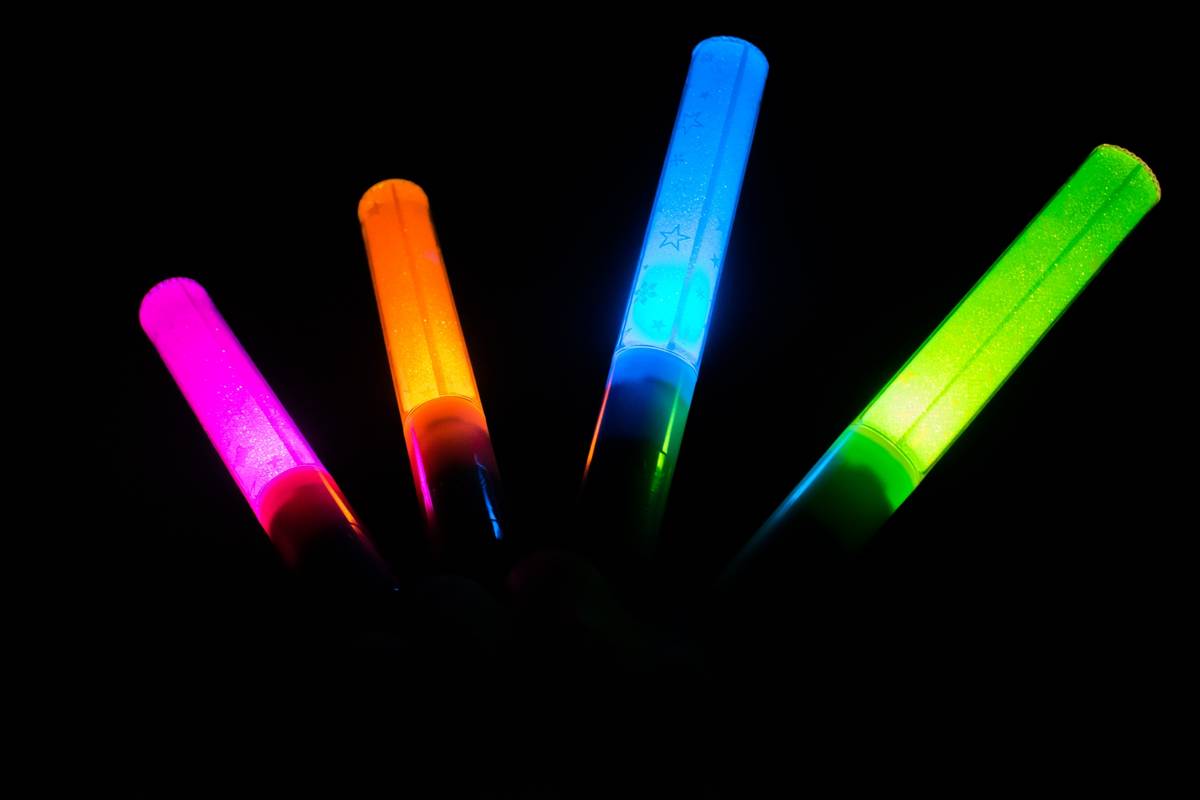
Glow sticks / Photo AC
Male idols drew fierce devotion too. Saijo Hideki attracted a dedicated following known as the Shineitai (literally “bodyguards”), and it was around this time that fan call culture took shape (the practice of chanting an idol’s name or participating in call-and-response cheers like “Oi!” between lyrics), along with the glow stick traditions that remain a staple of Japanese idol concerts today.
Events of the 1970s
The Japan World Exposition (Osaka Expo) opened in 1970, drawing crowds to attractions like Okamoto Taro’s Tower of the Sun and lunar rocks brought back by Apollo 12. The idol boom kicked off seriously in 1973, with female idols generating particularly strong fan followings. In 1975, Sanrio began selling merchandise featuring Hello Kitty, a character that remains hugely popular to this day.
1980s: The Rise of Solo Idols
Solo idols dominated the 1980s: Matsuda Seiko, Nakamori Akina, Yakushimaru Hiroko, and Koizumi Kyoko each carved out distinct identities, ranging from the classic to the unconventional. The year 1982 proved especially prolific; Nakamori Akina, Koizumi Kyoko, Hayami Yu, Hori Chiemi, Ishikawa Hidemi, and Matsumoto Iyo came to be known as “Hana no 82-nen Gumi” (lit. The Brilliant Group of ‘82). City pop swept through the mainstream, and idol music shifted with it, moving from traditional kayokyoku ballads toward a brighter pop sound.
On the male side, Johnny & Associates, Inc. (now STARTO ENTERTAINMENT Inc.) produced Shonentai and Hikaru Genji, winning fans with acrobatic, high-energy stage performances. Comedy duo Tunnels also crossed over into music, becoming unlikely pop stars in their own right.
Events of the 1980s
Kuroyanagi Tetsuko’s autobiographical novel Totto-chan: The Little Girl at the Window became a bestseller after its 1981 release. The lunchtime variety show Waratte Iitomo! started airing in 1982, running until 2014. And in 1983, Tokyo Disneyland opened its gates — part of a wave of entertainment and leisure that captivated the public throughout the decade.
1990s: The Age of Idol Groups
Singer-songwriters and polished pop acts produced by Komuro Tetsuya dominated the charts in the early 1990s, and idol popularity took a sharp dip. Against that backdrop, Morning Musume., produced by Tsunku♂ debuted in 1988, bursting into the spotlight with “LOVE Machine”. The song sparked a social phenomenon and propelled the group to massive success.
Male idols from Johnny’s rolled out one major group after another: SMAP, TOKIO, V6, KinKi Kids, and Arashi all debuted during this decade and achieved nationwide popularity. Groups like DA PUMP and Saruganseki also emerged. While music TV programs declined in number, SMAP’s pivot into variety television opened up new possibilities for what idols could be and do.
Events of the 1990s
TV dramas like Tokyo Love Story, 101-kai Me no Propose, and Ie Naki Ko became full-blown social phenomena. Personal computers, pagers, and mobile phones spread rapidly through everyday life, and the digital pet Tamagotchi became a national craze; a sign of how quickly digital technology was entering the mainstream.
The decade also saw its share of collective anxieties: the Y2K problem (fears that computers would malfunction when the calendar turned to the year 2000), and Nostradamusu no Daiyogen (The Great Prophecy of Nostradamus), which predicted humanity’s end in 1999, both captured widespread public attention.
2000s: TV-Born Idol Groups Take The Stage
Idols from Hello! Project, produced by Tsunku♂, emerged one after another, including W, Melon Kinenbi, S/mileage (now Angerme), Berryz Kobo, and ℃-ute. In addition to these main groups, a number of popular sub-units were also formed, such as Petitmoni, Minimoni, and Buono!, further expanding the project’s dynamic lineup.
In the latter half of the decade, Perfume produced hit songs like Chocolate Disco and Polyrhythm, becoming the first techno artists to reach number one on the singles chart.
Male idols W-inds. and WaT made their debuts, while the Yoshimoto talent agency, home to many of Japan’s top comedians, launched the male group RUN&GUN. TV and media tie-up units also proliferated, including TEAM NACS, Shuji to Akira, and Kisarazu Cat’s Eye feat. MCU. Johnny & Associates kept pace with new groups: Tackey & Tsubasa, NEWS, KAT-TUN, and Hey! Say! JUMP all debuted to strong followings.
Events of the 2000s
Japan issued a new 2,000-yen banknote in 2000. The following year, Tokyo DisneySea and Universal Studios Japan both opened. The M-1 Grand Prix, a manzai comedy competition that has since become a beloved year-end tradition, also launched during this period. Blogging took off as a form of personal expression, and social media platforms — including what is now X (formerly Twitter) — began working their way into daily life.
2010s: The Rise of Performance-Focused Idol Groups and Regional Idols
With so many groups emerging from successive idol booms, the era earned the nickname “Idol Warring States Period” (Aidoru Sengoku Jidai). The field diversified dramatically: BABYMETAL and BiSH pushed into metal, punk, and rock territory, operating more like bands than traditional idol groups. Kamen Joshi performed in hockey masks, Fudanjuku was a cross-dressing female idol group, and regional groups like BOYS AND MEN — made up of members from the Tokai area — brought a local taste to the scene, part of a broader surge in hometown idols across Japan.
The male idol space diversified in equal measure. Former Johnny’s groups Kis-My-Ft2, Sexy Zone, and King & Prince continued the agency’s legacy, as well as groups produced by Stardust Promotion Inc. like DISH// and Chotokkyu, and performance-driven groups like Da-iCE, showed that compelling idol entertainment could come from many directions.
Events of the 2010s
The Great East Japan Earthquake struck in 2011, causing devastating damage across the Tohoku region, particularly in Fukushima and Miyagi. Amid the grief, moments of national pride offered relief, notably the Nadeshiko Japan women’s football team winning the FIFA Women’s World Cup. The decade saw many more sporting triumphs: Nishikori Kei reached the US Open final after recovering from injury, Japan’s rugby team achieved a historic run at the Rugby World Cup after years of group-stage exits, sprinter Kiryu Yoshihide became the first Japanese athlete to break the 10-second barrier in the 100 meter race, Osaka Naomi won the US Open, and Shibuno Hinako claimed victory at the Women’s British Open.
The 2020s and Now
The COVID-19 pandemic made traditional live concerts and fan events difficult to hold, prompting a shift toward social media and streaming as new ways to connect with fans. Alongside established names like Perfume, Momoiro Clover Z, Hello! Project groups, and Akimoto-produced groups, KAWAII LAB. acts FRUITS ZIPPER and CANDY TUNE gained significant followings. The underground idol scene has continued to grow as well, building on trends from the previous decade.
On the male side, former Johnny’s Snow Man and SixTONES made a simultaneous debut, while audition-born groups JO1 and BE:FIRST drew large audiences. OWV, which also emerged from an audition program, has been building momentum as well.
VTubers — entertainers who perform using 2D or 3D virtual avatars — have increasingly taken on idol-style activities, opening up an entirely new segment of the market.
Events of the 2020s
The COVID-19 pandemic reshaped daily life in 2020, with widespread calls to stay home. As people spent more time indoors, games like Animal Crossing: New Horizons for Nintendo Switch became massive hits. Online platforms — from games to video streaming services — became the primary way people stayed connected with friends, distant family members, and their favorite performers/characters.
Published Last Updated
Related Articles
Explore more articles on similar topics and deepen your knowledge of Japan.