
Chiikawa's Island Arc and its Origins Explained & Pilgrimage Sites to Visit
Chiikawa's first film arrives summer 2026. Its Island Arc echoes Japan's Yaobikuni legend, with parallels and fan pilgrimage spots across Aichi and Fukui.
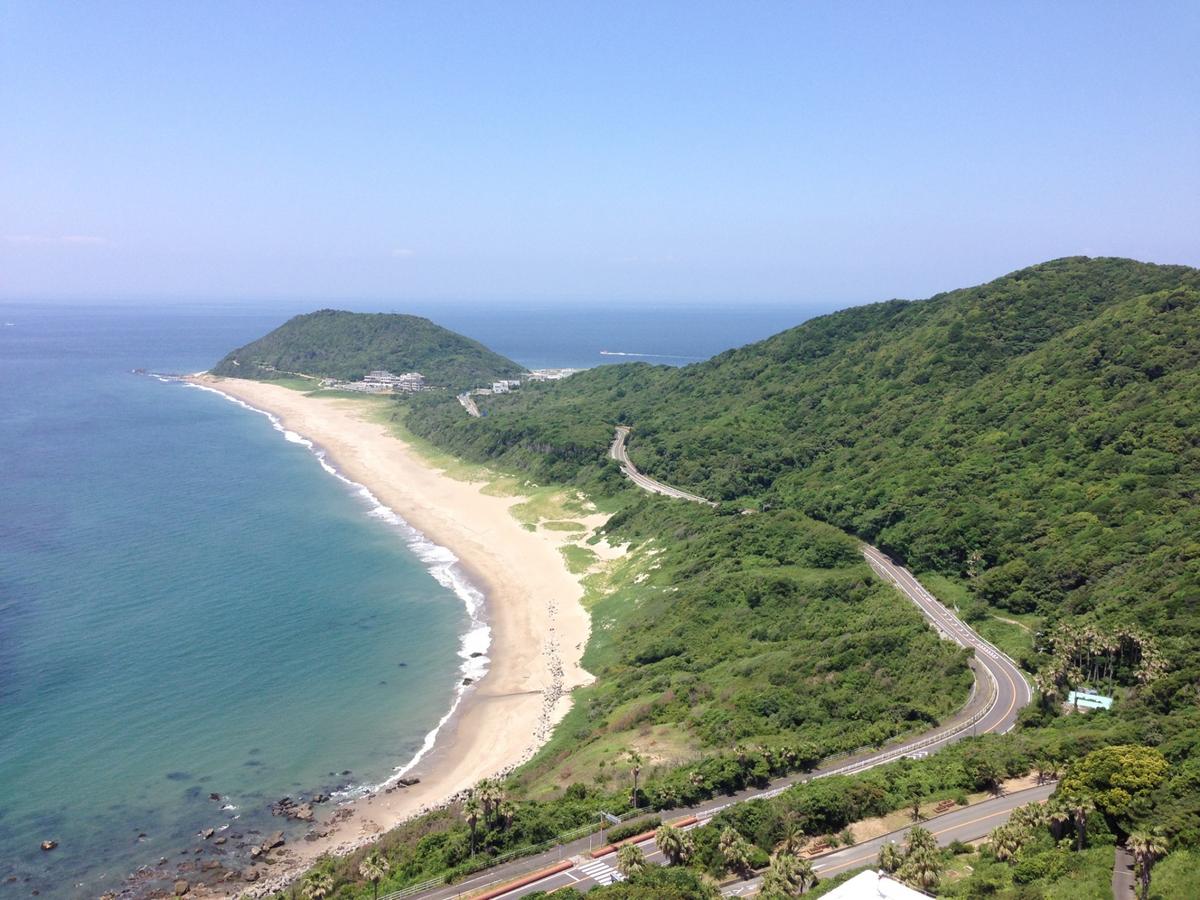
渥美半島
Things to Do in and Around Atsumi Peninsula
Atsumi Peninsula stretches west from southern Aichi out toward the Pacific, a narrow strip of land roughly 40 kilometers long. With the sea on three sides, the mild year-round climate has earned the peninsula the nickname tokoharu, or 'eternal spring,' and farms, fishing villages, and surf spots are strung along its length. From Toyohashi Station, it takes about 90 minutes by train and bus to reach Cape Irago at the western tip. The peninsula is just the right size to explore in a single day.
Anime and manga set in and around Atsumi Peninsula, and where to find their real-life locations.
Chiikawa's first film arrives summer 2026. Its Island Arc echoes Japan's Yaobikuni legend, with parallels and fan pilgrimage spots across Aichi and Fukui.
Atsumi Peninsula sits in the southern part of Aichi Prefecture and stretches east to west for about 40 kilometers. Most of the peninsula falls within Tahara City, with a width of 5 to 9 kilometers from north to south. Mikawa Bay borders the north, the Pacific lies to the south, and Ise Bay separates the western edge from the islands of Mie Prefecture, leaving sea on three sides.
A range of low hills, 200 to 300 meters high, runs east to west through the center of the peninsula. The Kuroshio Current keeps the climate mild year-round, and the area has long been called Tokoharu no Chi, the 'land of eternal spring.' Loggerhead sea turtles come ashore on the sandy beaches to lay their eggs, and in autumn, flocks of hawks pass through the skies overhead.
The gateway to Atsumi Peninsula is Toyohashi Station, served by the JR Tōkaidō Shinkansen and the Tōkaidō Main Line. From the east exit, it is about a 10-minute walk to Shin-Toyohashi Station, where you can transfer to the Toyohashi Railroad Atsumi Line. The ride to Mikawa-Tahara Station, near the middle of the peninsula, takes about 35 minutes.
From Mikawa-Tahara Station, Toyotetsu buses connect the peninsula's main destinations. Cape Irago at the western tip is about 50 minutes by bus from Mikawa-Tahara Station, or roughly an hour and a half from Toyohashi Station including the train. Since the peninsula stretches east to west, an early bus is wiser for visiting several places in one day. Even without a rental car, the rapeseed fields and Cape Irago are reachable by local bus.
Loading map...
A white lighthouse and a curved sandy beach lie at the tip of this long peninsula reaching into the Pacific. Quiet Mikawa Bay fishing villages dot the north, and surf spots that have hosted world championships sit along the south. Spring fills the fields with rapeseed flowers, and in summer the scent of melons drifts from the greenhouses. Atsumi Peninsula packs ocean views and farm landscapes into a single stretch of land. A trip that ends with sunset at Cape Irago lets you take in the full range of these contrasts.
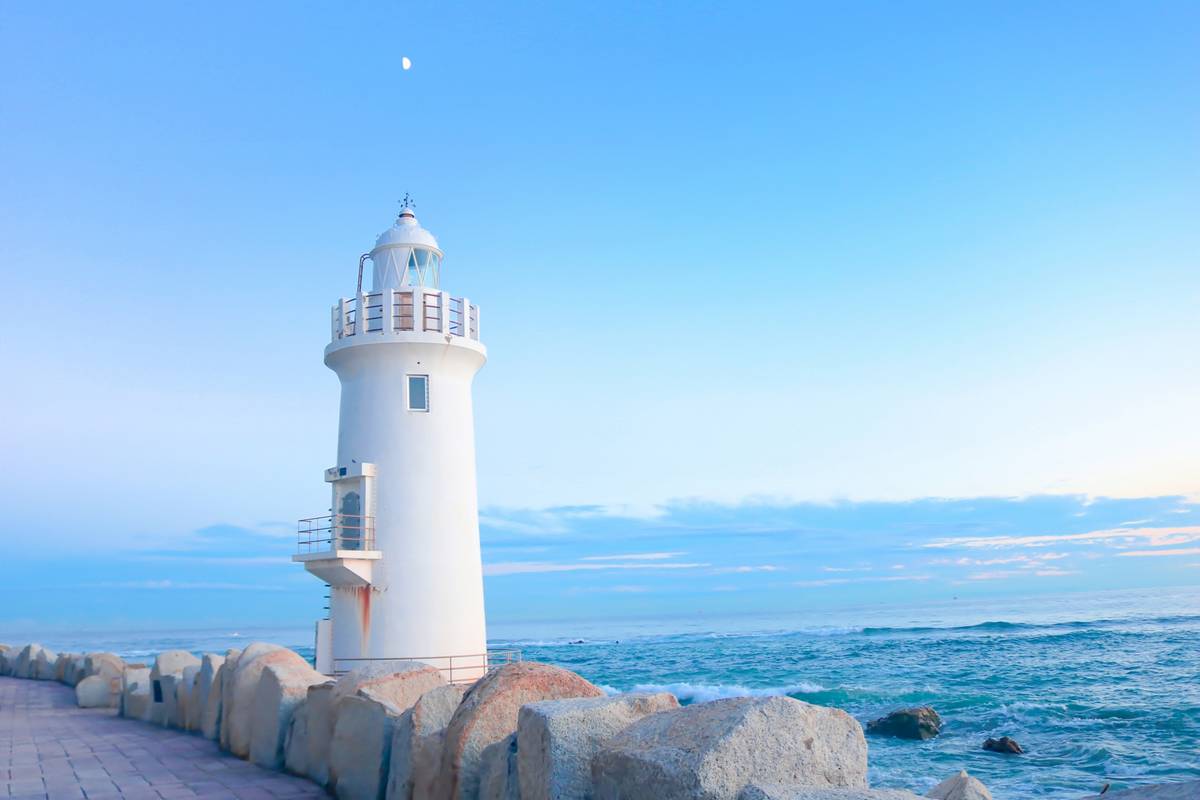
At the western tip of the peninsula stands Cape Irago. Its white lighthouse, built in 1929, is counted among Japan's 50 best lighthouses.
Just below the lighthouse stretches Koijigahama Beach, a one-kilometer crescent of sand. Many visitors time their trip for late afternoon, when the sound of waves and the setting sun sinking into the Pacific arrive together.
From the cape, Kamishima Island in Mie Prefecture is visible across Ise Bay. The island is the setting of Yukio Mishima's novel The Sound of Waves (Shiosai).
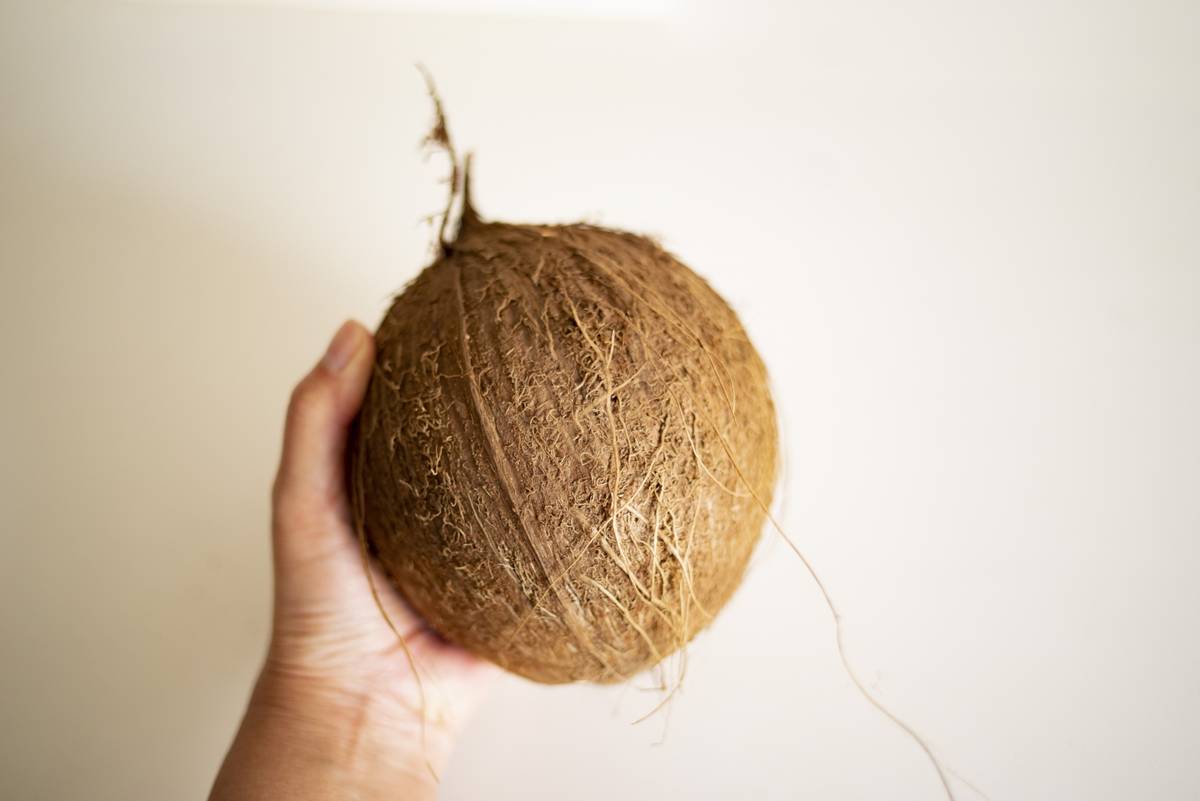
Cape Irago carries another story worth remembering. In the summer of 1898, the folklorist Yanagita Kunio reportedly saw coconuts drift up onto Koijigahama Beach from far southern seas three separate times.
The poet Shimazaki Tōson heard this story and turned it into a poem titled 'Yashi no Mi' (The Coconut). In 1936, Ōnaka Toraji set the poem to music. Its opening line, 'From an unknown island far away, a single coconut comes drifting,' remains widely known across Japan today. Stone monuments to both the poem and the song stand near the cape, inviting visitors to look out at the ocean and find themselves humming the words.
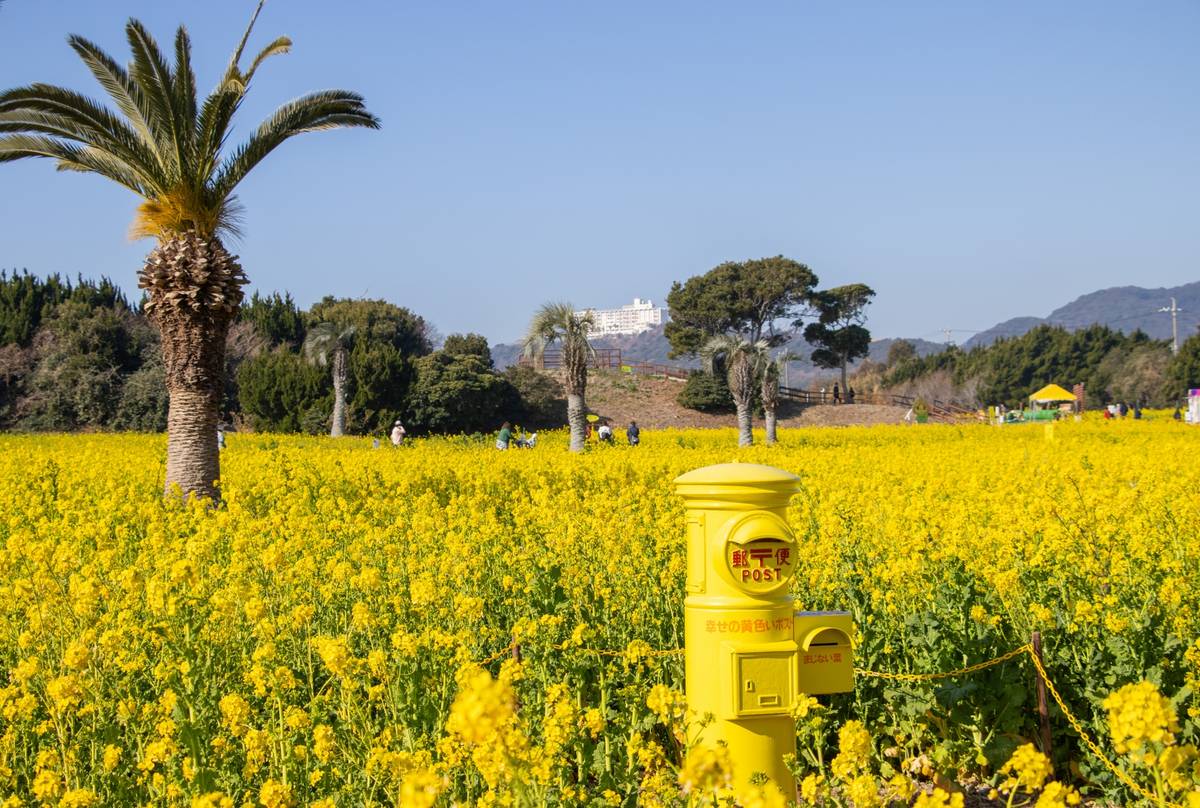
Spring on Atsumi Peninsula opens with a yellow carpet of rapeseed flowers. Across Tahara City, farmlands and footpaths burst into bloom, and a stretch of road running north to south through the peninsula is known as the Atsumi Peninsula Rapeseed Romance Road for its sweeping views. Peak bloom runs from late January through March, when cameras come out and weekend drivers crowd the road.
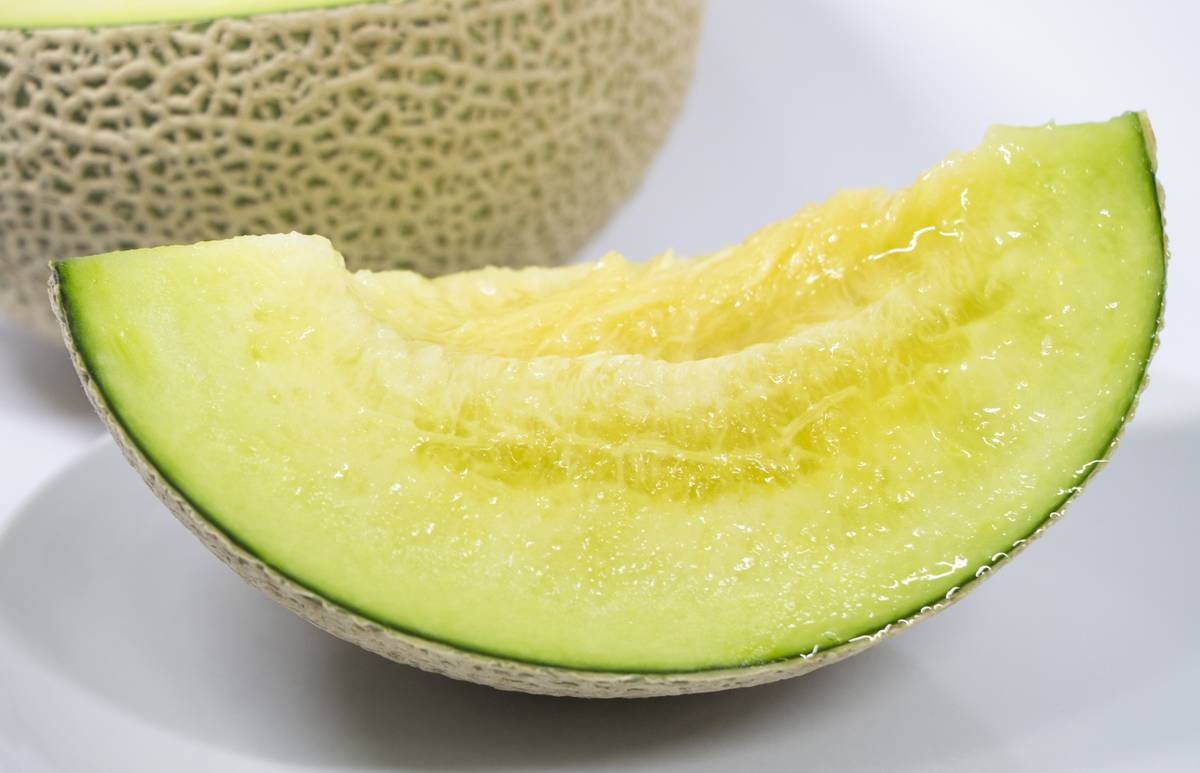
Earl's Melon
Summer is melon season on the peninsula. Greenhouse cultivation of Earl's Melon, also known locally as musk melon, began around 1932, and the harvest reaches its peak from mid-June to late August. Some farms offer melon-picking experiences, and slicing a freshly cut melon to share with others is a flavor unique to summer here.
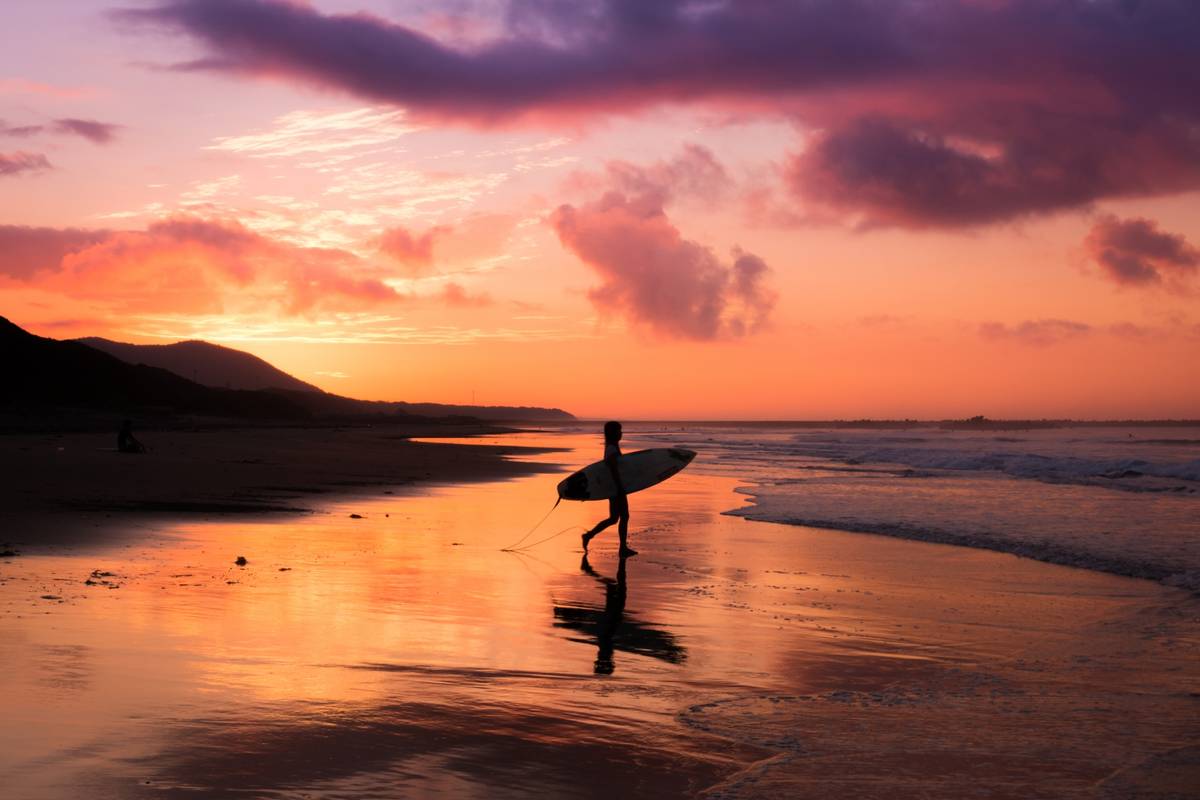
Pacific Long Beach lies along the southern coastline that faces the open ocean. The long stretch of sand is one of Japan's leading surf spots and has hosted World Surfing Championship events.
On mornings with good waves, surfers line up offshore before daybreak with their boards. Even visitors who don't surf can enjoy walking the wide beach with the sound of the waves close at hand.
New articles and updates, delivered occasionally.
No spam. Unsubscribe anytime.