Rakugo Classic 'Kohome' in Akane-banashi: How Akane Learns Tact and Masters the Piece
The classic rakugo piece Kohome, which Akane performs in the anime Akane-banashi. A man tries to flatter people with lines he has been taught and keeps blundering in absurd ways. We walk through the Kamigata and Edo versions, the meaning of the sage, and the story's highlights.
Kohome is a classic piece of rakugo, the traditional Japanese storytelling art in which a single performer plays many roles using only gestures and speech. It also goes by the alternate titles Akago-bome and Toshi-home.
It was originally performed in Kamigata, the region centered on Osaka and Kyoto, and is said to have been brought to Edo, today's Tokyo, by the third San'yūtei Enba. It is one of the zenza-banashi (the opening pieces a novice rakugo performer learns first), and it also appears in Akane-banashi, a manga and anime about a girl who dreams of becoming a rakugo performer.
We also introduce rakugo in a separate article, so do take a look if you would like to know more.
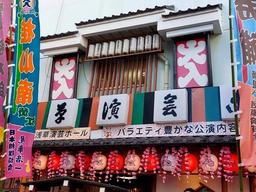
The Plot of Kohome
This story has a Kamigata version and an Edo version. The broad outline is the same, but the setting and the wording of the sage (the punchline of a rakugo story) differ a little.
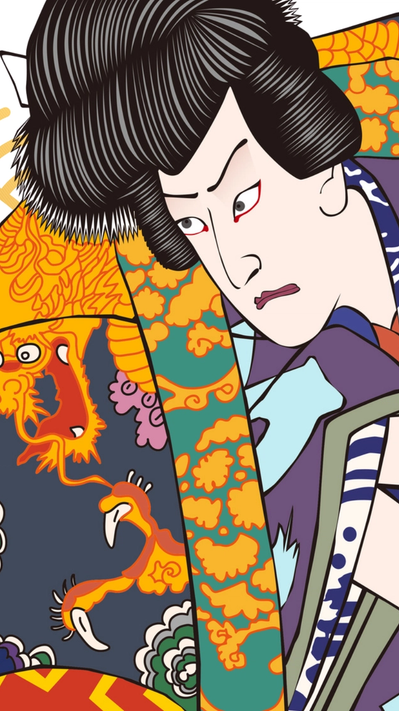
In Akane-banashi, the heroine Akane takes on Kohome. At first she struggles, unable to tailor her performance to the audience. With the help of her senior apprentice Kyōji, she goes off to train at an izakaya pub and picks up kibataraki, the knack of reading the other person and the mood of the room. She then performs it beautifully at a rakugo show in a retirement home.
The Kamigata Version (Osaka and Kyoto)
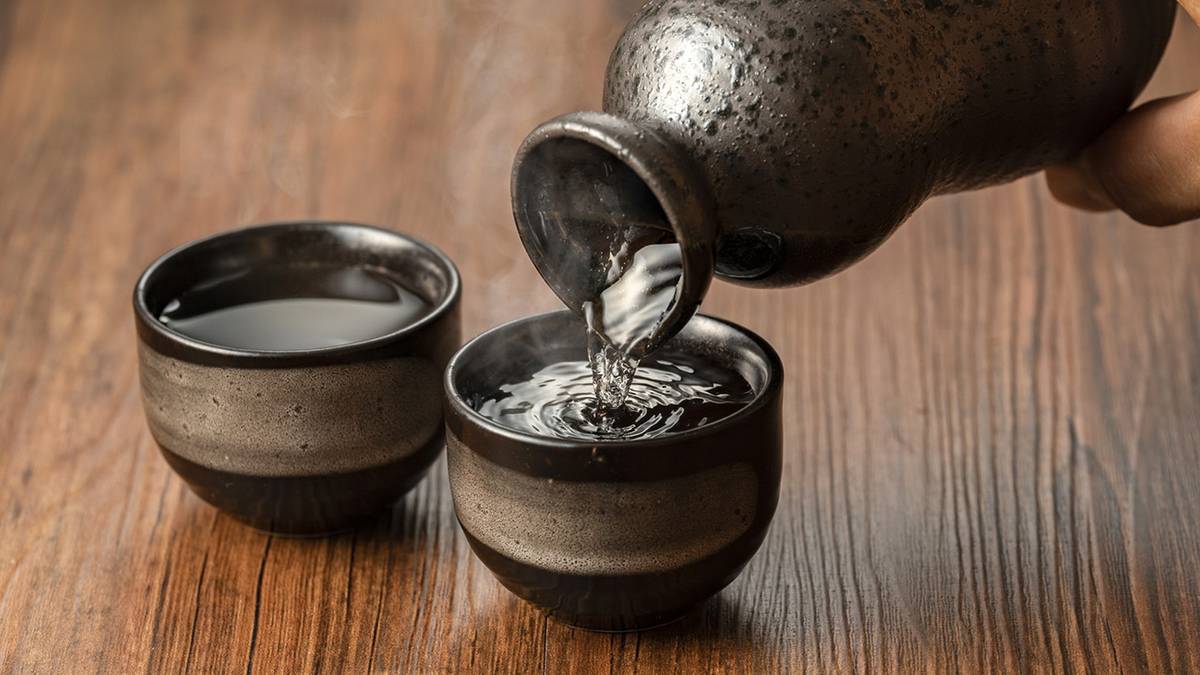
The main character is Hachigorō, a cheerful, scatterbrained townsman who turns up again and again in rakugo. He visits a goinkyo, a retired and knowledgeable elder, and asks him to "pour me a drink." Even when scolded for his rudeness, he won't back down: "I heard there's free sake at your place, so hurry up and pour me some."
Learning the Secret to Being Treated to a Drink, Thanks to a Misunderstanding
The goinkyo answers, "There's no free sake here. I have relatives in Nada, in Kamigata, who send me their sake. You must have misheard Nada as tada (the word for free)."
Nada is a stretch of coast running from Kobe to Nishinomiya, a sake-brewing district that flourished in the Edo period. Known as the Nada Gogō, the five sake villages of Nada, it is still famous as one of Japan's leading sake-producing regions.
Even once he realizes his mistake, Hachigorō presses on: "I don't care, just pour me something." Exasperated, the goinkyo lectures him that if he wants to be treated for free, he ought to manage at least a compliment or two. When you visit someone's home, for instance, you praise how spotless the place is, or admire the fine hanging scroll in the tokonoma alcove. Make the other person feel good, the thinking goes, and you’re more likely to get a treat.
Saying things he doesn't mean feels unpleasant, Hachigorō grumbles. So the goinkyo teaches him a handy compliment. Ask people their age, then tell them they look younger than that, and no one takes it badly. With a child, praise how grown-up they seem for their age; with a baby, praise its facial features to delight the parents. Eager to try it out, Hachigorō heads into town.
Trying to Put the Lesson Into Practice….
But Hachigorō fails at every turn. He greets total strangers with "Long time no see," or asks someone's age and then freezes, blurting out something rude because he "never heard what to say for that particular age." A free meal stays well out of reach.
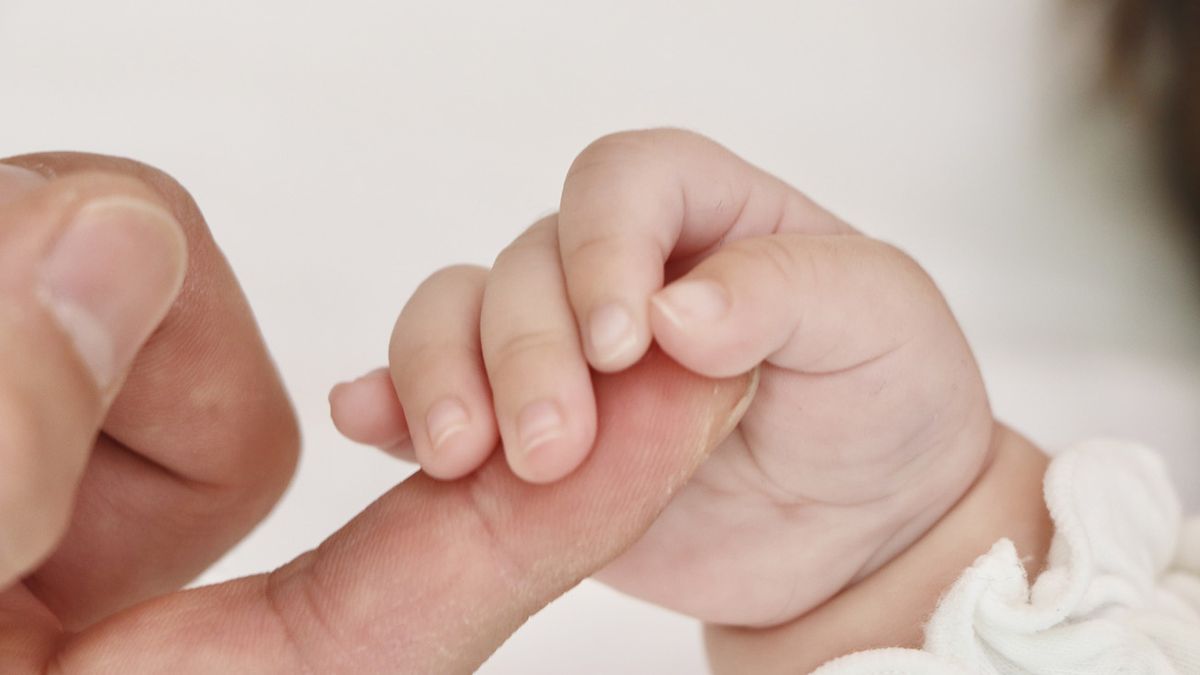
At the home of an acquaintance whose baby has just been born, his efforts keep misfiring too. He mistakes the grandfather napping for the baby and praises him, and he looks at the baby's face and calls it "insolent." Finally he asks the baby's age. When told "It was just born this morning," he replies, "It looks so young. By the look of things, it won't be born until tonight." That is the sage.
The sage varies a little from performer to performer. When told "The baby is one year old," one replies, "It looks more like half that." When told "It's seven days old," they say, "It looks more like three." When told "It was born this morning," they answer, "It looks more like the day after tomorrow." Even in the same story, these little differences are part of the fun.
A baby born this morning and a one-year-old baby might seem worlds apart. But the "one year old" here refers to kazoedoshi, the old way of counting age. You are one at the moment you are born, and everyone adds a year together on New Year's Day, January 1. So in every version of the sage, the baby is a newborn only a few days old.
The Edo Version (Tokyo)
The broad outline is the same as the Kamigata version. When Hachigorō visits the goinkyo and opens with "Pour me a drink," the goinkyo explains how much a compliment matters. Meet an acquaintance on the street, ask their age, and flatter them that they look young. Do that, he says, and they will happily treat you.
Delighted to have learned something useful, Hachigorō hears that his friend Take has had a child. He decides to drop by with congratulations and get himself treated to a drink. First, though, he goes to the goinkyo to learn how to compliment a baby.
After a careful lesson, he heads out and runs into a bantō, the head clerk who runs a merchant's shop, whom he is acquainted with. He tries a compliment right away, but because he recites what he was taught without considering the bantō's age, the conversation goes nowhere. No luck on being treated to a drink.
Next he visits Take's house, but his attempts to praise the baby fall flat all the same. At last he asks the baby's age. Told "One," he replies, "Looks awfully young for a one-year-old. By the look of it, it’s tada." That is the sage.
Here tada is a play on words, meaning free, and so zero. As in the Kamigata version, the baby is "one" by the old count, so the punchline is an absurd comment, that this newborn looks as though it hasn't even been born yet.
Comparing the two versions, the clear difference is the setting, Kansai or Edo. The sage differs too; the Kamigata version teases the baby about when it will be born, while the Edo version makes a play on words with tada, with its double meaning of free and zero. Even so, both share the same joke, twisting kazoedoshi to praise a brand-new baby for looking "young."
Highlights of Kohome & Why It’s a Fun Piece
The comedy of this story lies in the figure of a none-too-bright man, with no quick wits, failing over and over. Adults are happy to be told they look young. But almost no parent is pleased to hear that their newborn looks younger than it really is.
He means to flatter people into a good mood and earn himself a drink, yet his overly scripted lines only make them angry. He is saying exactly what he was taught to no avail, leaving an awkward silence in the air. It may be a classic piece, but it is relatable enough for us today to make us laugh and sympathize. Watch the other person and read the situation; when you fail, think about why and try again. The story slips quiet lessons like these in among the laughs.
See Kohome Performed
Because Kohome is a zenza-banashi, many performers choose it for their hatsu-kōza, their first time on a professional stage. Rakugo performers rise from zenza to futatsume and then to shin'uchi, the top rank. Even among these top-ranking shin'uchi, some made their debut with Kohome, including Shunpūtei Ichinosuke and Katsura Miyaji, both still active in 2026.
This is the Kohome that Akane performs in the anime Akane-banashi.
This is Kohome as performed by the rakugo storyteller Yanagiya Kotarō at the Third “Akane-banashi no Kai," an event held to mark the anime adaptation of Akane-banashi.
This is Kohome performed by San'yūtei Hōshi, a shin'uchi of the Godaime Enraku Ichimonkai.
We explain other rakugo pieces that appear in Akane-banashi as well. Try Shibahama from episode 1, and Manjū Kowai, the story Akane performed for her stage debut. Sanbō Ichiryō Zon, told by her senior apprentice Kyōji, and Keikoya, performed by Arakawa Kaisei, are also worth a look.
FAQ
Published Last Updated
Related Articles
Explore more articles on similar topics and deepen your knowledge of Japan.