Shibahama Explained: The Rakugo Classic from Akane-banashi Episode 1
Shibahama, the classic rakugo tale from Episode 1 of the Akane-banashi anime. A walkthrough of the story, the weight behind its famous punchline, and how each storyteller makes the piece their own.
Akane-banashi, written by Yuki Suenaga and illustrated by Takamasa Moue, has been serialized in Weekly Shonen Jump since 2022. The story follows a young girl who looks up to her rakugo storyteller father and is on her way to becoming a storyteller herself. The TV anime adaptation began airing in April 2026.
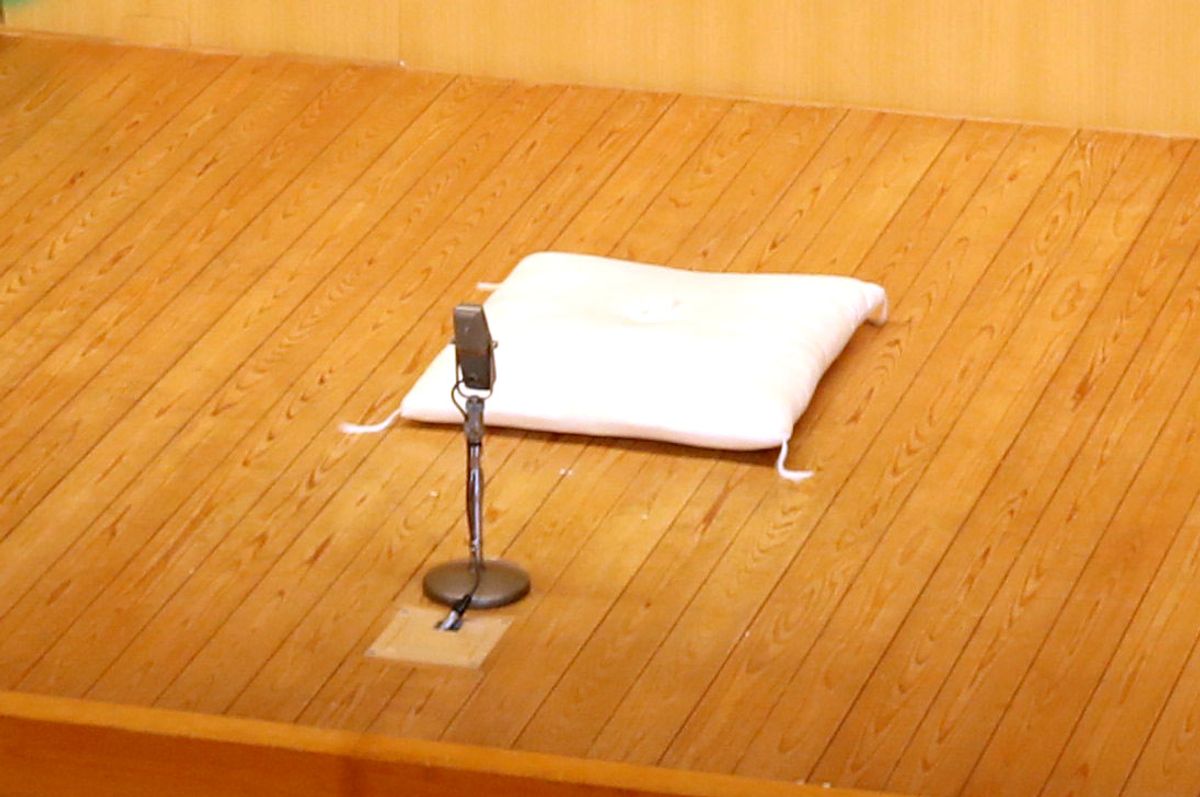
The series builds itself around rakugo, Japan's traditional one-person storytelling art. The voice cast trained under a professional rakugo storyteller and even performed on a real koza, the raised platform used in live shows. For the studio recording, a koza was set up in the booth so that the performance scenes could be dubbed in conditions as close to a live show as possible.
A Classic Masterpiece: Shibahama
In the first episode of the anime, Akane's father, Shinta, performs a piece called Shibahama.
Shibahama is one of the most famous ninjo-banashi in rakugo, the genre of sentimental tales about the emotional bonds between family members or married couples.
A single rakugoka/hanashika (storyteller) plays every role in the tale: the narrator, the fishmonger Katsugoro, and his wife.
Many ninjo-banashi are long pieces known as oneta, and they test the full range of a hanashika’s skill. Rather than going for cheap sentimentality, the best ones move you to tears and laughter in equal measure with clean, well-built scenes. A related genre, kokkei-banashi, leans entirely toward comedy and quick pacing.
The Story of Shibahama
First, we will introduce the story of Shibahama.
A Fishmonger Who Lost Himself to Alcohol
In the Edo period, there lived a fishmonger named Katsugoro.
Calling him a fishmonger is a bit generous, since he had no shop of his own. He sold fish on the move, walking the streets with a tenbin-bo, a long carrying pole with tubs, baskets, and other containers tied to each end, wearing a tenugui in a mameshibori pattern around his head.
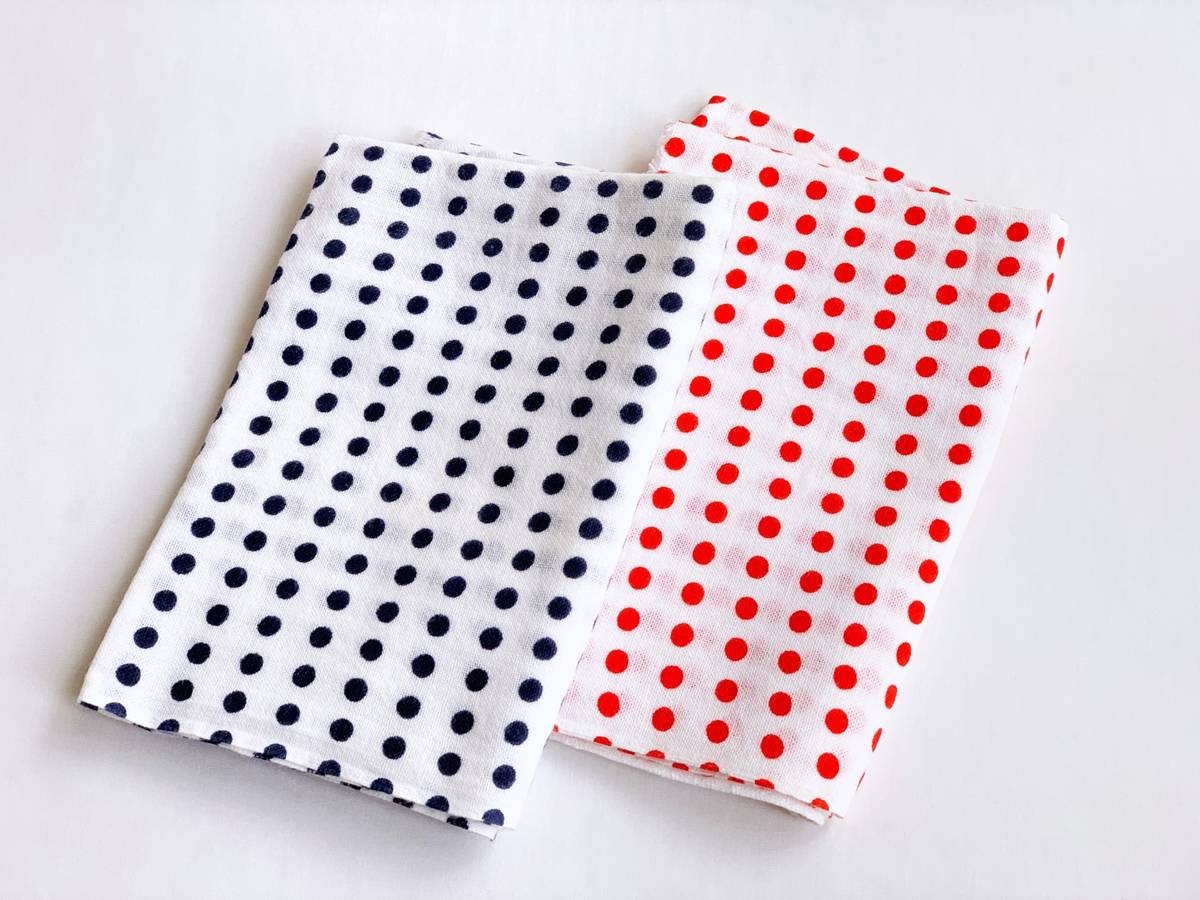
A tenugui with the mameshibori pattern
Katsugoro had a good eye for fish, but he loved drinking even more. He would drink between sales, botch his work, get scolded by regulars, drown his shame in more drinks, and get scolded all over again. Caught in this spiral, he eventually stopped working altogether and entered the year-end season idling away his days over sake.
One early morning, his wife shook him awake. He grumbled about being up before sunrise, but she paid no mind and told him to head out to the kashi, the riverside fish market.
Katsugoro balked, but his wife held firm. "You said last night you'd go back to work today. I even prepared sake last night because you promised."
Katsugoro made up excuses. "It's been so long, my tools are probably ruined." "The knife I use to clean fish is probably rusty." "My sandals must be out somewhere I can't find." His wife, however, had a counter foreverything in advance, and in the end he had no choice but to head out.
At first he groused that the only people working this early were fishmongers and thieves. But once the smell of the sea reached him, he caught himself thinking, "It's been a while, but this is a good smell," and remembered why he had loved the work.
When he reached the market, though, every wholesaler's stall was still closed. The bell that marked the hours told him he had arrived far too early. Annoyed, he made his way down to the beach to smoke a pipe and wait for dawn.

A beach at dawn
An Unexpected Stroke of Luck
Sitting on the beach with his pipe, watching the sunrise, Katsugoro pressed his palms together and told the rising sun that he would begin working again that day.
Just then, he noticed something bobbing on the surface of the water. He fished it out and found a worn leather wallet. Assuming the weight inside was sand, he tipped out the contents and was stunned to see a small fortune. He ran straight home.
Once home, he had his wife check that no one had followed him, then told her what had happened. Together they counted out the wallet's contents and found 42 ryo (roughly 5 million yen in today's value). The two of them sat down to talk about what to do with it.
Throwing a Party With the Found Money
Katsugoro insisted that what he had picked up was his to keep. His wife, unsettled by the sheer amount, hesitated. With his confidence puffed up, Katsugoro declared he would drink a celebratory cup and fell asleep without going to work.
That evening, his wife woke him and told him to head to the market, but he refused and went to the public bathhouse instead. He then ordered piles of sake, tempura, and sashimi and gathered his usual friends for a feast.
After drifting off to sleep in high spirits, Katsugoro was once again shaken awake at dawn by his wife, who told him to get to the market.
"It Was Only a Dream"
Katsugoro said he didn't need to work anymore now that he had yesterday's fortune, but his wife only looked at him strangely. "Yesterday I picked up a wallet with 42 ryō at Shibahama," he insisted. "When in the world did you go to Shibahama?" she replied.
Katsugoro tried to retrace his memory. As he listened to her account, he began to wonder whether the morning before had been only a dream.
Day after day, he had refused to work and thought only of money. So a dream of finding a fortune had felt real, and he had spent on a feast that never existed. Crushed by the shame of it, he thought of taking his own life. But his wife told him, "This much money? If you put your back into your work, you'll earn it back." Encouraged, he promised her he would change his ways.
Three Years Later...
From that day on, he worked diligently as if he were a new man. The story now jumps three years ahead to New Year's Eve.
Katsugoro had built up a small shop of his own and now had live-in apprentices working under him. He was surprised that, even on this New Year's Eve, no creditors had come knocking. Looking back over his years of hard work, he told his wife how much he had come to love his trade, and thanked her for everything she had done for him.
Then his wife asked him to look at something.
On the promise that he would not get angry, she brought out a worn leather wallet that he remembered all too well, along with 42 ryō inside. Realizing that what he had picked up three years earlier had been no dream, Katsugoro pressed her on why she had lied.
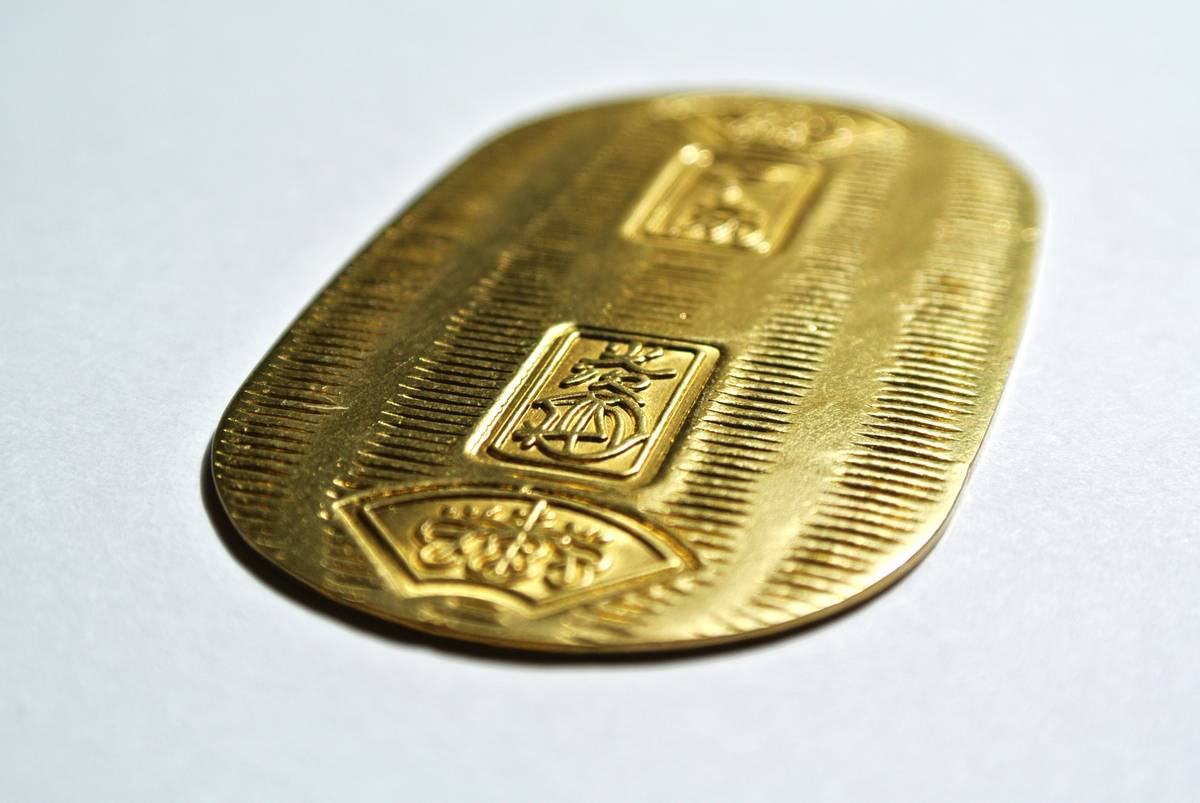
One ryō was a coin of roughly 18 g of gold, said to be worth about a month's living expenses for a commoner in the Edo period.
His Wife's Quick Thinking, Revealed
His wife told him how, at first, finding the money had been a relief, but how that relief had quickly turned to fear. Watching Katsugoro declare that he would never need to work again had filled her with dread. While he slept, she had gone to their landlord for advice, and he had told her: "Even a found purse is not yours. Taking another person's money is a crime. I will register it with the authorities for you. As for your husband Katsugoro, convince him it was a dream."
A year later, the authorities had reported back that, since no owner could be found, the money was now hers to keep. But she had been too afraid to tell him. If showing him the money sent him back to his old drinking habits, all of his progress would be undone. Hearing him say how much he now loved his work had finally reassured her. With her mind at ease, she said, she had decided this was the moment to come clean and apologize. She bowed her head and told him to strike her as many times as he wished.
When Katsugoro had heard her out, he said that he should be the one apologizing. He bowed and thanked her for making the best possible choice for both of them.
The Punchline: "I'd Hate for It to Be a Dream Again"
Relieved, his wife held out a cup of sake. "How about a drink, to mark our making up?" she said. Katsugoro agreed, calling it a celebration cup. But just before the sake touched his lips, his hand stopped.
His wife looked puzzled. Katsugoro's reply, "I'd hate for this to turn into a dream again," is the sage, the punchline of the story.
What Makes This Piece Worth Watching
For a performer, Shibahama offers many places to show off their craft. The dynamic between husband and wife, the wide swings of Katsugoro's emotions, and the timing of the final sage all shape the overall impression of the performance.
The Opening Exchange Between Husband and Wife
How a storyteller handles the opening exchange between the couple can completely change the balance of power and the atmosphere between them. Whether the audience is drawn in by the rhythm of a long-married couple's give-and-take is one of the things that decides how well the whole piece lands.
The Dichotomy of Sudden Luck and a Worried Wife
From the moment Katsugoro finds the wallet to the end of the feast, the highlight is the contrast between a man riding high on unexpected luck and a wife watching him with growing concern.
The Twist and the Echo of the Opening Scene
The moment when his wife tells him the money was just a dream, and he turns his life around, is striking both for its sudden reversal and for the way it echoes the opening scene.
Katsugoro's earlier excuses resurface here. "It's been so long, my tools are probably ruined." "The knife I use to clean fish is probably rusty." "My waraji sandals must be out somewhere I can't find." And once again his wife pushes him forward with strong encouragement. The scene brings out her steadiness and her love.
The Weight of Three Years in the Final Punchline
In the final line, "I'd hate for this to turn into a dream again," you can feel the weight of Katsugoro's three years of effort. Believing the fortune had been a dream, he sealed away his beloved sake and rebuilt his life. So when his wife offered him a celebration cup now that things had turned around, the temptation must have been palpable.
But what if, with one sip, he was pulled back into his love of drinking? What if he fell asleep over sake and woke to hear his wife say, "It was only a dream," all over again? In that brief hesitation, you can sense the weight he places on the happiness he has built with his own hands. The fact that the climax falls on the night of New Year's Eve, gives the whole scene a quiet, solemn atmosphere, and that is part of why the piece is so beloved.
From the texture of Edo culture and the lives of ordinary people, through a sharp dramatic twist, the story finds its way to the love and mutual respect between husband and wife, and ends with clever phrasing. And one rakugo storyteller carries all of that, alone, with nothing but voice and presence. Shibahama is a piece that lets you taste the full appeal of rakugo.
The Differing Styles of Storytellers is Part of The Fun
In Akane-banashi, Shinta cuts a portion of the story to suit his own strengths as a performer. This is the same approach taken by the Kokontei school of rakugo.
The anime also shows senior storytellers criticizing or admiring Shinta's performances. This mirrors the real rakugo world, where the very fact that the same classic story is performed by many storytellers is what pushes each one to find a delivery that fits their own strengths and style. It is not unusual for fans to celebrate a performance that fellow storytellers find divisive, or for the opposite to happen. That freedom, and the difficulty that comes with it, is part of rakugo's appeal.
Watching Different Versions of Shibahama
Below are two versions: the Shibahama from the official Akane-banashi anime channel, and a performance by Tatekawa Danshi, who was known from his early career as one of the "Young Four Heavenly Kings" of Edo rakugo.
You can watch with auto-translated English subtitles as well. The main appeal of rakugo lies in the rhythm of the Japanese language itself.
For learners of Japanese, the bar is high, but listening along can be a rewarding form of practice.
- External resources
Akane-banashi Anime
Published Last Updated
Related Articles
Explore more articles on similar topics and deepen your knowledge of Japan.