A Beginner's Guide to Rakugo and the Yose Theater
Rakugo, as depicted in anime such as Showa Genroku Rakugo Shinju and Akane-banashi. This article covers the basics of rakugo, including the structure of a performance: koza, makura, the honpen, and the sage, as well as common types of punchlines such as kangae-ochi and jiguchi-ochi, and ways to enjoy rakugo through yose theaters, solo performances, and even YouTube.

Anime like Showa Genroku Rakugo Shinju and Akane-banashi have pulled rakugo, one of Japan's traditional storytelling arts, into the spotlight. Voice actors and animation give the art form a rendering that feels both delicate and dramatic, piquing the interest of those who saw the works.
This article covers how a rakugo story is built, how the punchline works, and how to catch a live show at a yose theater.
The Art of the Solo Storyteller
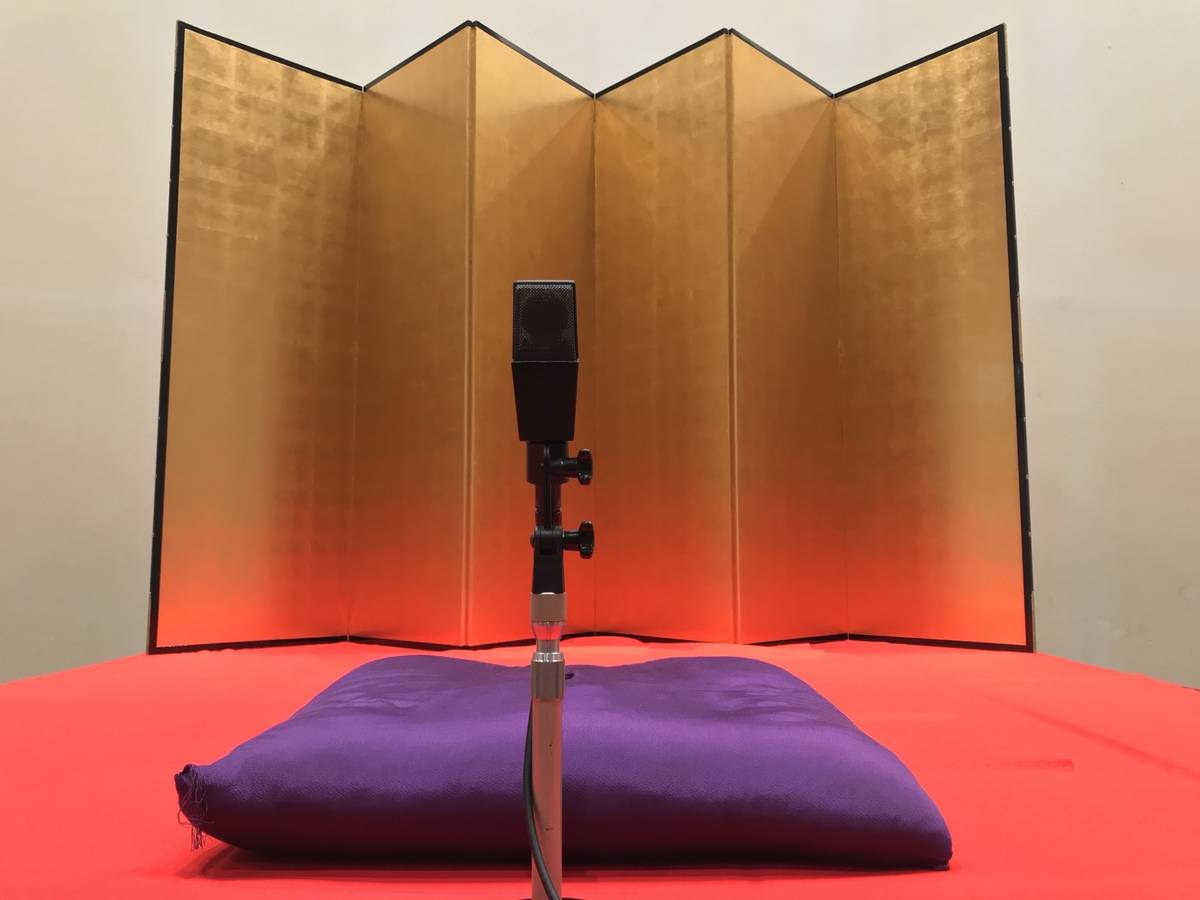
The kōza, a rakugo performer's stage
Rakugo is a traditional storytelling art born in the Edo period (1603–1868). A rakugoka, also called a hanashika, takes the stage in a kimono and sits on a raised platform called a koza. Originally the koza was the elevated seat Buddhist monks used when giving sermons, said to close the psychological distance between speaker and audience and pull the listener in. The platform is built so that when the performer sits in seiza on a cushion, the eyes meet the audience at the same level. It measures about 1.8 meters each side, is draped in red cloth, has a microphone in place, and a zabuton cushion at the center.
The hanashika steps onto this small stage alone and plays every character and scene with only two props, a folding fan called a sensu and a hand towel called a tenugui. Voice, expression, and hand gestures do all the work, stirring the audience's imagination, drawing out laughter, sometimes a quiet tear, and closing the story with a punchline called a sage.
How a Rakugo Story Is Built
Rakugo has been shaped by generations of storytellers, and knowing the standard structure makes each performance easier to follow.
A rakugo piece is generally built from three parts, an opening called the makura, the main story (honpen), and lastly the sage.
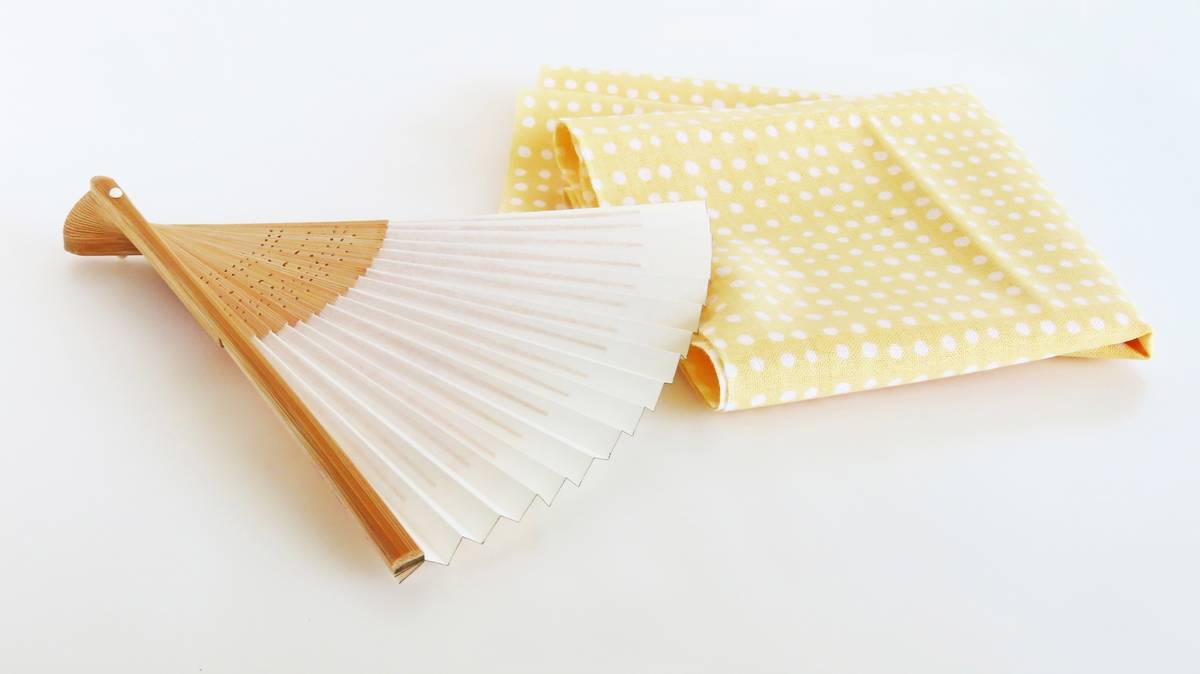
A sensu folding fan and tenugui hand towel
Makura, the Storyteller's Warm-Up
What a performer chooses for the makura varies. It might be a short anecdote tied to the main story, a riff on current events, or something else entirely. Some rakugoka even banter with the audience, and when the crowd gets going the main story can take a while to start. Master storytellers known as shin’uchi captivate the audience with their makura skillfully taking control of the atmosphere and drawing everyone into their own rhythm, making for a truly compelling performance.
The Honpen, Classical Rakugo & Modern Rakugo
Pieces created between the Edo period and the Meiji era are classified as classical rakugo, or koten rakugo. Anything written in the Taisho era (1912–1926) or later is shinsaku rakugo, modern rakugo. This is the heart of the performance, and where the storyteller pours in the most care.
Sage, the Line That Seals the Story
Most rakugo stories are comic, and they close with a punchline called a sage. A well-crafted sage lands with a laugh, a surprise, or a sense of understanding, and how cleanly it lands can make or break the performance.
That said, not every sage is comedic. Some pieces have no clear punchline at all.
Performers often close with the set phrase o-ato ga yoroshii yō de. It originated at variety-programmed yose theaters, where it literally meant the next performer was ready to come on. Over time it took on a gentler second meaning as well, a way of asking the audience whether they enjoyed themselves now that the show is drawing to a close.
Types of Sage
New rakugo keeps being written, and new flavors of sage keep appearing, so no list can cover every type. Here are the classic patterns worth knowing as a starting point.
Note: Many pieces contain more than one of these elements, and there is often disagreement about which category a given story belongs to.
Kangae-ochi, the Punchline You Have to Think About
A slightly clever punchline that makes the listener pause before realizing, ‘Ah, I see.’
One example is Chihayafuru, where a self-proclaimed know-it-all retiree offers far-fetched, pseudo-intellectual interpretations of poems from the Hyakunin Isshu, answering questions with careless, offhand remarks. The tale blends playful wordplay with satire and criticism of pretentious intellectualism.
Jiguchi-ochi, the Pun Ending
A pun ending. Wordplay is commonly used in Japanese humor, and these endings leave you with a small, wry smile.
One story that uses this kind of punchline is Nishiki no Kesa. A man borrows a kesa (robes worn by Buddhist monks) made from luxurious brocade known as nishiki, only to use it as a loincloth and visit a pleasure quarter, with the story ending on a pun.
Sakasa-ochi, the Reversal Ending
A punchline where a last-minute twist overturns everything, reversing the characters’ positions.
One example is Hatsutenjin, which humorously depicts the banter between a father and son visiting a shrine for the New Year’s first Tenjin pilgrimage. Frustrated by his son’s constant begging and clever excuses, the father attempts to cheat a dumpling vendor by making a baseless complaint, only for the son to copy him, leading to a comedic turn of events.
Totan-ochi, the Sudden Drop
This type of punchline wraps up the story with a final phrase; because it ‘drops instantly,’ it is known as a totan-ochi (‘sudden drop’ ending).
In Hyakunenme (‘The Hundredth Year’), a head clerk, known for his strictness and integrity, has his love of leisure exposed to the master of the house (akin to a modern-day company president). Believing everything is over, his despairing words serve as the punchline.
Shigusa-ochi, the Gesture Ending
An unusual type of ochi that lands the ending through a gesture or a look on the performer's face rather than a spoken line.
The classic example is Shinigami, or The God of Death. Instead of a closing line, the final image is a man holding the candle of his own life as it is about to disappear. Different performers shape the ending very differently, so it is a piece worth watching and comparing by the hands of several storytellers.
Shikomi-ochi, the Setup Ending
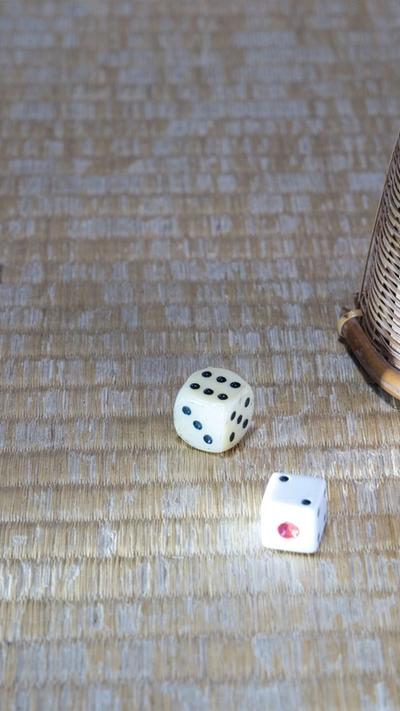
This is a type of punchline where the setup is carefully planted beforehand, much like a payoff that ties everything together. One example is Imado no Kitsune, about a rakugo performer who secretly earns extra money by painting ceramic fox figurines without his master’s knowledge. When a group of yakuza bursts in, having mistaken it for a dice game called ‘kitsune,’ the story unfolds into a clever mix of wordplay between kitsune (fox) and kitsune (the dice game) and period detail.
Manuke-ochi, the Foolish Ending
This type of story ends with an absurd or foolish remark or incident as the punchline; Aona is a well-known example. In Aona, a man is impressed by the witty wordplay of a retired gentleman and his wife, but when he tries to imitate them, he fails, resulting in a humorous tale of blunder.
Where to Experience Rakugo
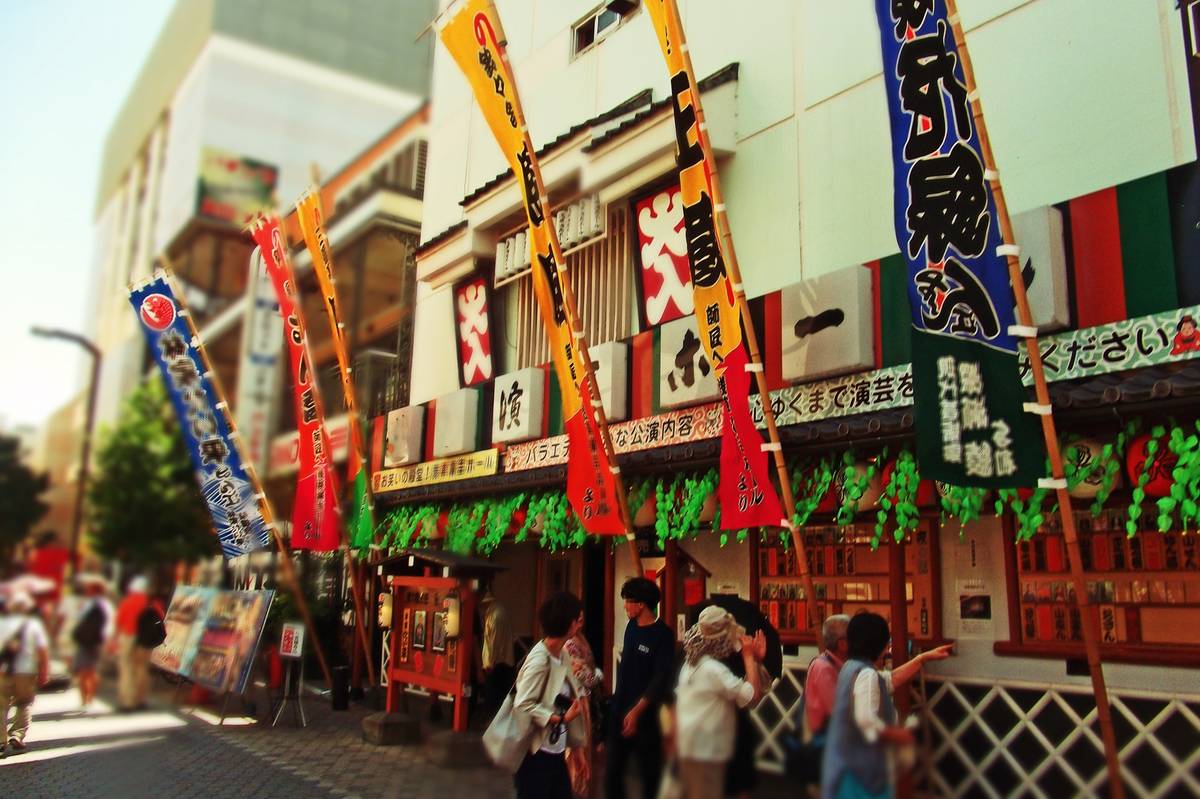
A yose variety theater in Asakusa, Tokyo
The Yose: Casual Venues for Entertainment
Yose theaters; venues for performances such as rakugo, manzai, and magic performances, can be found throughout Japan, including in areas like Asakusa and Ueno in Tokyo, as well as Tenma Tenjin Hanjotei in Osaka. Major yose theaters host performances every day.
The daytime program typically begins around noon, while the evening program starts at around 5 p.m. In most cases, there are no reservations or advance tickets, making it easy to drop in on a whim. Food and drinks are allowed, and there is no dress code, so you can enjoy the experience in a very relaxed atmosphere. Some venues even offer discounts for visitors wearing kimono, making it a great option if you’d like to immerse yourself in Japanese culture.
Yose Performances and Program Structure
A yose show usually starts with a young rakugo performer known as a zenza. The program then features a mix of acts such as manzai and magic, along with performances by futatsume (the next rank after zenza), before concluding with a veteran rakugo master known as a shin’uchi. As schedules are posted on the websites of yose theaters, it’s best to check ahead if there’s a specific act or performer you’d like to catch.
For Rakugo Only: Dokuenkai
If you want to see one particular performer, a dokuenkai, a solo rakugo performance, is the better bet. Many shin'uchi hold dokuenkai on a regular schedule, and the atmosphere sits closer to a theater show or a concert, giving you room to settle into each piece.
Rakugo on Video
A growing number of rakugo performers now run official YouTube channels to share their work. Searching YouTube for rakugo or the name of a specific piece is an easy way to bring a professional koza into your living room.
A stream from a currently active shin'uchi. It was broadcast from an empty Asakusa Engei Hall during the pandemic closures, so there is no audience response, but the atmosphere of a real yose is still present.
Another popular shin'uchi, this time performing for a room of primary-school students. The children's open laughter gives a clear read of how skillfully the storyteller works the room.
Shinigami performed by Tatekawa Shiraku, a veteran storyteller who reached shin'uchi in 1995. It is a chance to see one of the classic shigusa-ochi pieces brought to life.
Published Last Updated
Related Articles
Explore more articles on similar topics and deepen your knowledge of Japan.