What to Know About Manjū Kowai in Akane-banashi, Akane's Debut Rakugo
The rakugo classic Manjū Kowai is Akane's debut piece in Akane-banashi. A look at the story, its famous punchline, and the differing interpretations by storytellers.
Akane-banashi, written by Suenaga Yuki and illustrated by Moue Takamasa, has been running in Weekly Shonen Jump since 2022.
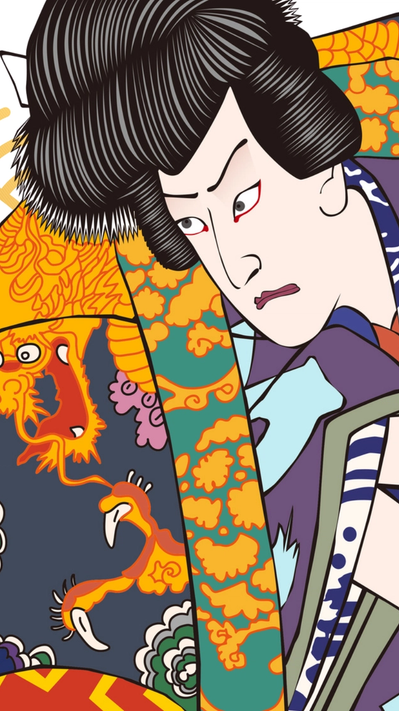
In episode two of the anime, the heroine Akane steps onto the stage for the first time. After six years of training under her father's master, Arakawa Shiguma, she fills in as a zenza (entry-level apprentice performer) opening act and gets her first real taste of the professional world.
The piece she performs is Manjū Kowai (“Scary Manjū”), a classic rakugo story that is often used in the real-world rakugo scene as a training piece for young performers. It is considered an ideal story for a zenza to present, and it is also one of the pieces Akane was taught by Shiguma.
A Story Familiar to Japanese People
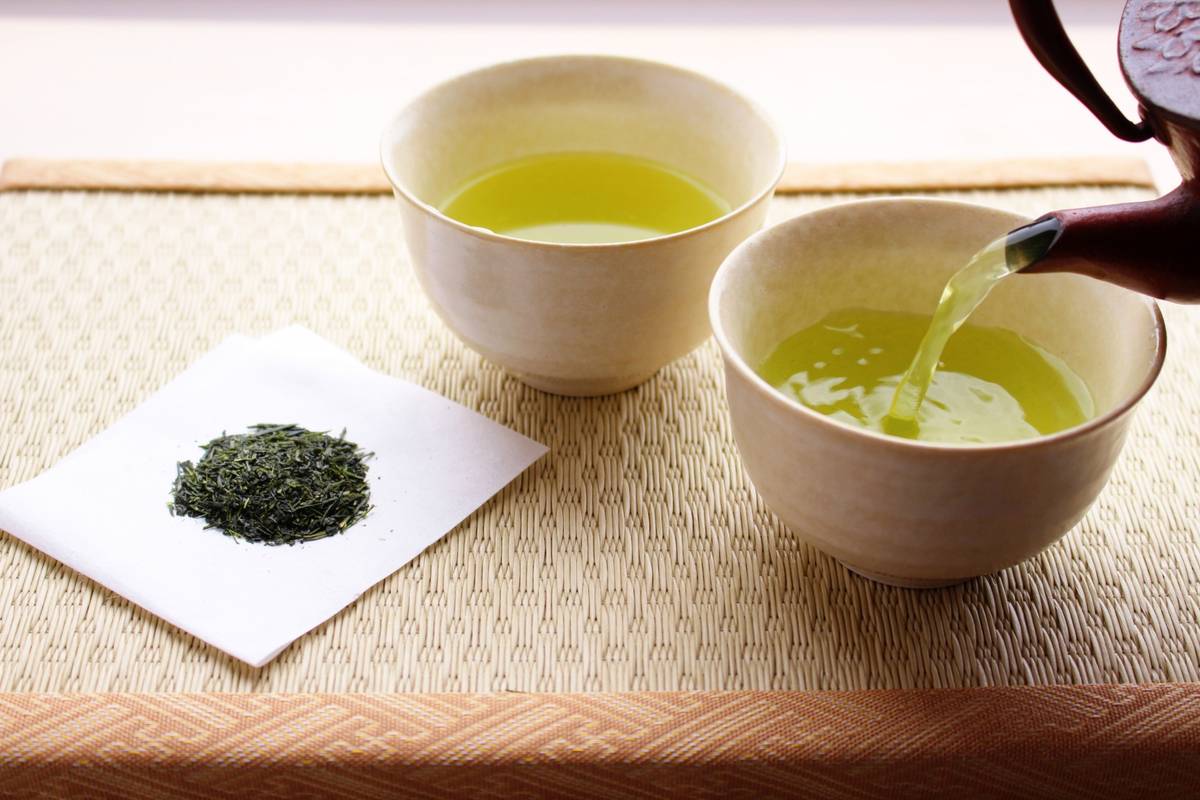
Green tea. The closing line of Manjū Kowai, "What I'd really be scared of right now is a hot cup of tea," is famous enough that even people who never listen to rakugo recognize it.
The punchline of this story, “A hot cup of tea would scare me right now”, comes from one of the most famous pieces in the classical rakugo repertoire, so well known that even people who have never listened to rakugo are likely to recognize it.
This is a story where a man pretends to hate the very thing he loves, lets his tormentors fall for the bait, and walks away with exactly what he wanted. The tale has even been adapted into picture books for children.
The likely source is a tale from the Chinese jokebook Xiaofu (笑府), which was translated and published in Japan in 1768, though similar stories also appear in earlier Chinese essays and Japanese collections of short comic tales.
Zenza-banashi: Training Pieces for Young Rakugo Performers
Rakugo has three ranks, zenza (the apprentice rank), futatsume (the mid-rank), and shin'uchi (the master rank). The zenza period is a training stretch where young performers run errands and handle chores between rehearsals. Because their slots are short, the stories they perform are short too. During this time they practice what are called zenza-banashi, apprentice-level stories, under their master. That is how they pick up the basics. How to sit, how to project their voice, how to handle the folding fan and the tenugui (hand towel).
A zenza-banashi is built to be simple in structure and easy to follow. There are no tangled relationships, just everyday scenes and the kind of small failures anyone can relate to. For someone watching rakugo for the first time, these are the perfect pieces to start with.
Which zenza-banashi an apprentice trains on depends on the master and the school. Common ones include Manjū Kowai, Jugemu (in which a child is given a ridiculously long name), Momotaro (a rakugo take on the famous Japanese folktale), and Hatsutenjin (a lively parent-child back and forth).
The Story of Manjū Kowai
The plot is remarkably simple. A group of young men gather and take turns naming the thing they fear most. What counts as scary varies by performer and by region, with caterpillars, snakes, and centipedes among the usual answers. There are countless ways to describe what makes each thing frightening, and performers often act out the insect or animal with gestures, which is where their skill shows.
"Nothing Scares Me"
In the middle of all this, one man pipes up. "You're young men, this is pathetic. There's nothing in this world that scares me." The others try to trip him up. "What about this one? Surely this would scare you." They name the most despised bugs and animals they can think of, but he doesn't flinch. "Stuff like that? I'd eat it."
By the time the group starts getting irritated with his attitude, the man suddenly remembers something. "Actually, there is one thing."
What the Man Fears
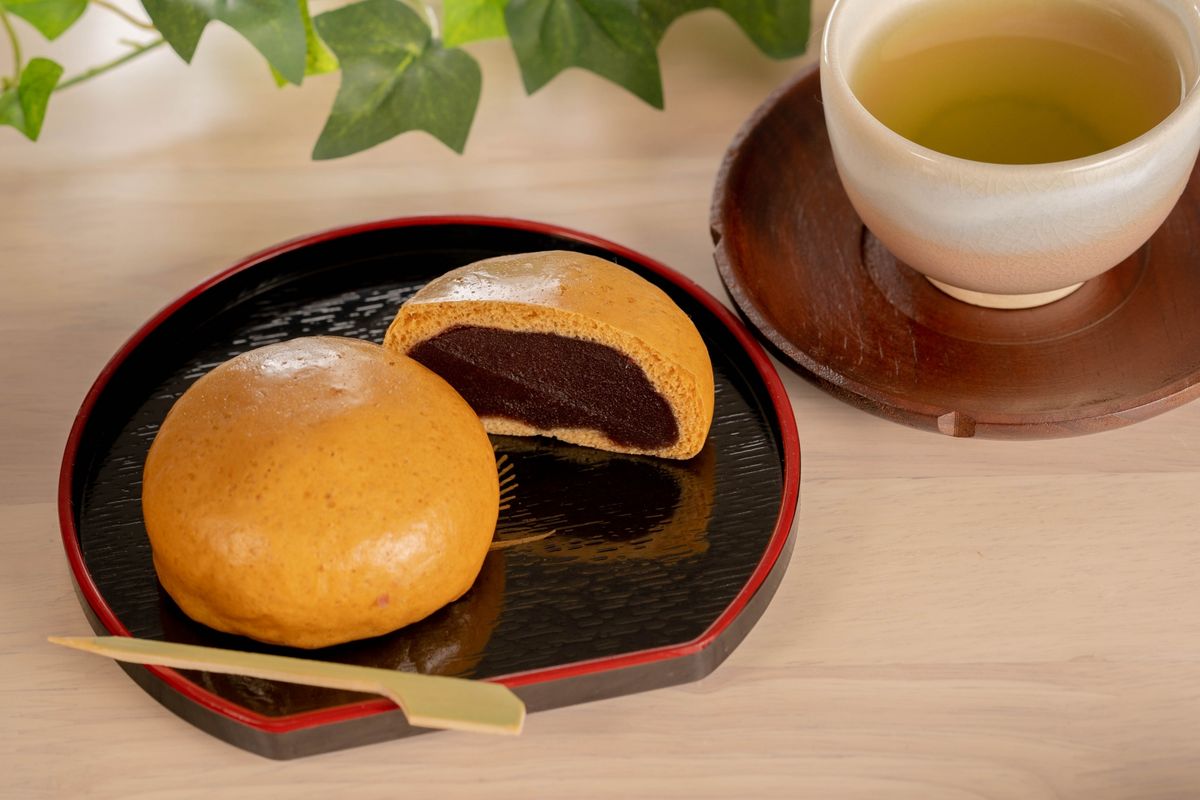
That one thing turns out to be manjū, a steamed sweet bun made by wrapping sweet bean paste inside a dough of flour and other ingredients. The others can't fathom what is scary about a soft sweet snack, but the man trembles and says, "Just thinking about it terrifies me. Talking about it is making me sick." He dives under his futon.
The young men, sick of being made fools of and now seeing him under the weather by the mere mention of manjū, decide to give him a real fright. While he is in bed, they go out to buy manjū. Chestnut manjū, kuzu manjū, Chinese-style ones, even mame-daifuku, they pile them all up by his pillow. They even call in a doctor, just in case the shock kills him.
When the young men come back to check on their revenge, the man is awake and working his way through the pile. "Such a frightening thing, I'd better eat it all and make it disappear," he says. "So delicious it's terrifying." The young men are, predictably, furious. "What are you actually afraid of?" they demand.
At which point the man answers, perfectly calm, "A hot cup of tea would scare me right now" That is the sage, the punchline that closes the story.
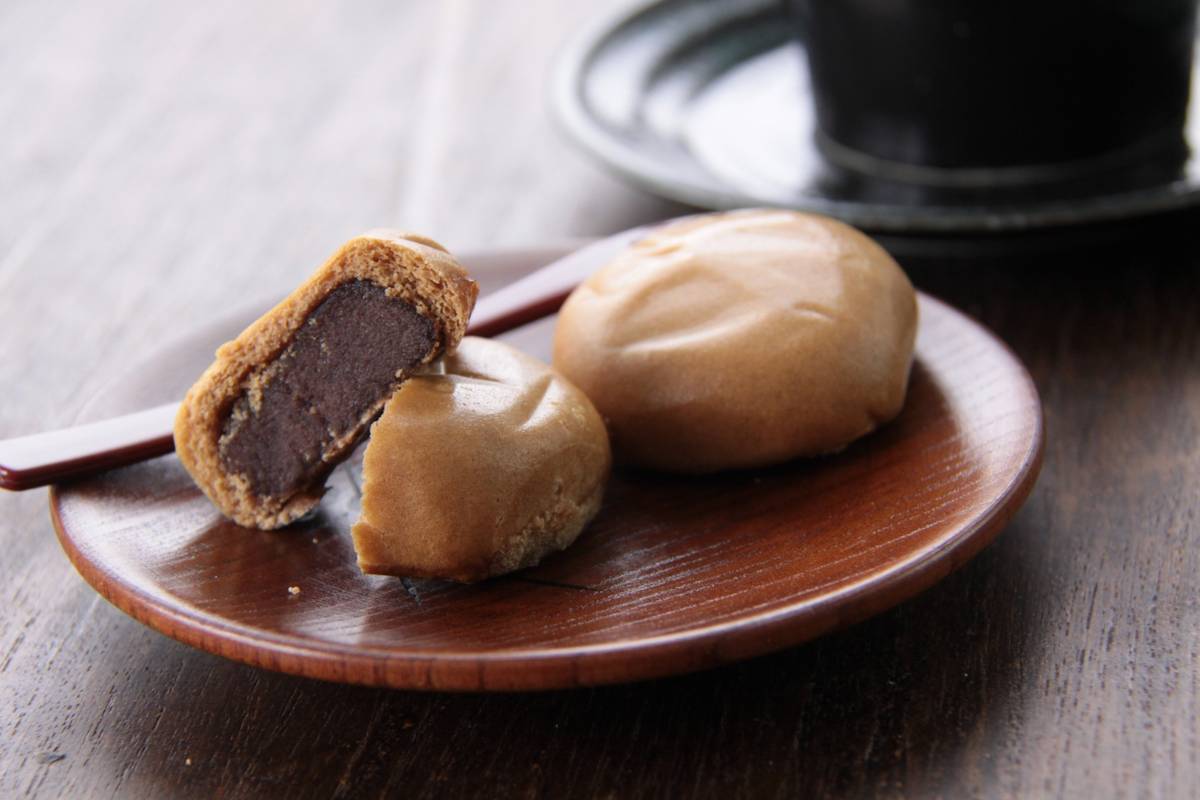
Manjū
What to Watch For in Manjū Kowai
Because the story is so simple, it puts the performer's skill and interpretation on full display.
Take the scene where the young men compare what scares them. Whether the audience actually feels that creep of fear and revulsion comes down to the storyteller's expression. And the more convincing the man is when he claims to fear manjū, the more it makes sense that the others would decide to teach him a lesson by going out to buy a pile of them.
Then there is the scene where he eats them. Is he keeping up the act of being terrified as he gulps them down, or grinning openly between bites while claiming to be afraid? The impression on the audience shifts dramatically depending on the choice.
The first half lets you enjoy the everyday banter of the young men, and the second half lets you enjoy the cleverness and humor of the man at the center.
Watch a Performance
Out of the many recorded versions of Manjū Kowai, here are a few available on official channels.
On YouTube you can also turn on auto-generated English subtitles.
From the Anime Akane-banashi
This is the scene in Akane-banashi where Akane steps onto the rakugo stage for the first time.
Performed by Sanyūtei Ōraku
A performance by Sanyūtei Ōraku, who has since taken the name 7th Sanyūtei Enraku. His master was the 5th Sanyūtei Enraku, who served the longest stretch as host of Japan's famous comedy variety show Shōten. Ōraku was his final disciple.
Performed by Tatekawa Danshi
This one is by Tatekawa Danshi. His makura, the warm-up bit before the main story, often weaves in current events, and his personality shines through. Watching it back-to-back with Sanyūtei Ōraku's version makes the differences between performers easy to see.
FAQ
Published Last Updated
Related Articles
Explore more articles on similar topics and deepen your knowledge of Japan.