A Guide to Dōjinshi Conventions: From Comiket's Origins to Today's Diverse Events
Dōjinshi conventions is a uniquely Japanese scene where fans bring their own work to swap and share. This article explores aspects from the history of Comiket to the many kinds of dōjin events and how they differ from Comic-Con.
The word otaku is part of everyday Japanese conversation today. It started out as a second-person pronoun for the other person or their home, but in the 1980s anime and science-fiction fans began calling one another otaku, and it grew into a catch-all term for people who love subcultures such as anime and manga.
Some otaku in Japan make their own manga, novels, reviews, music, and merchandise, then distribute them at dōjinshi conventions. The Japanese word for this is hanpu, which means handing works out rather than selling them. It points back to the scene's origins, when fans simply traded their creations within the community.
Dōjinshi are manga, novels, illustration collections, poetry books, criticism, and similar works that individuals or groups produce at their own expense. When the result leans more toward art, such as a design book or an art book, it is sometimes called a ZINE.
The dōjinshi convention is both a pastime and, for many creators, the doorway to turning professional. This article traces its history.
Comiket Was Born When Creators Had Limited Outlets
Comic Market, the convention that pioneered the dōjinshi format and is now universally shortened to Comiket, was first held in 1975.
Today there are countless social networks and creative platforms, but back then there was almost nowhere outside commercial publishing to show your manga or illustrations. With few options around, a manga-criticism group called Meikyū '75 took the lead and ran a handmade convention, the future Comic Market, around two guiding ideas: protecting freedom of expression and accepting every genre.
As Comiket grew, dōjinshi culture spread with it. Smaller dōjin events appeared, along with only events that gather works tied to a single genre, and online events that run entirely on the web.
Dōjinshi Conventions Come in Many Forms
The best known is Comic Market, run by the Comic Market Preparatory Committee. As mentioned, it puts no limits on genre. Alongside circles (the individuals or groups who make dōjinshi, dōjin games, and music), official companies from the anime and game industries take part too.
If you want a festival-sized event, or you just want to see what Comiket is about, a good first step is to attend as a general visitor, someone who comes to browse rather than to run a circle booth or cosplay.
Comic Market (Comiket)
Held in August and December, this is the largest dōjinshi convention in Japan. The summer round is called Natsu-Comi and the winter one Fuyu-Comi, and each runs for two to three days.
What sets Comiket apart is the sheer range of circles that attend. Anything from niji sōsaku, derivative work in which fans of an anime, manga, or film build stories, art, and music around existing characters, to wholly original creations and academic pieces like reviews and papers. Even circles from the companies that own the rights to those anime and games attend.
The days are split by genre. At the 2026 summer Comiket, the first day consists of game, manga, and anime circles aimed mainly at women, while the second day centers on genres aimed mainly at men, including original work, gal games (dating-sim style games), music, dōjin software, and cosplay.
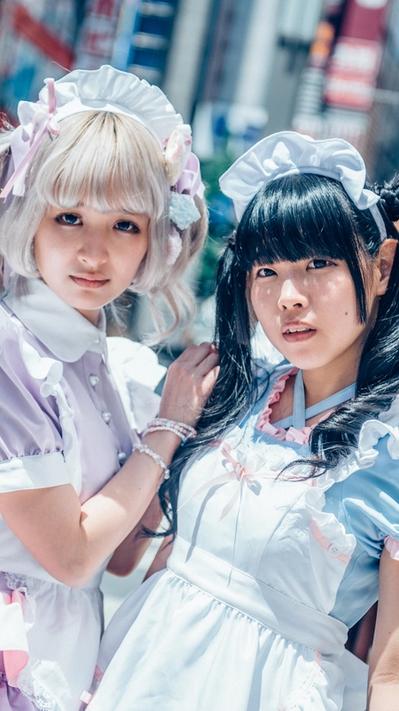
As the country's largest dōjinshi convention and a fixture of the summer and winter calendar, it regularly draws press coverage. Cosplay is one of the main draws. Polished cosplays are everywhere, and so are joke costumes built around current events or a single clever idea.
Because the event is so big and so many people want in, exhibiting circles are picked by lottery. General visitors also need to buy an entry ticket ahead of time, so keep that in mind. Tickets go on sale about a month before each event through the official Comiket website, the Animate goods chain, and bookshops.
A catalog with the list of participating circles and a floor map is sold online and in print, so it may be a good idea to look it over in advance. Summer is a battle with the heat and winter a battle with the cold. Popular circles often draw long lines, and there is a genuine test of stamina to it. Newcomers can absolutely enjoy themselves, but for anyone hoping to grab every item on their list, Comiket is a demanding event best suited to the more experienced.
On the other hand, the welcome-every-genre spirit means plenty of chances to come across niche and strikingly original work. It is worth wandering past the genre you came for and enjoying whatever turns up.
Beyond Comiket, there are company-run events from organizers like Akaboo and Studio YOU, events from production groups such as Ketto.com, and privately run gatherings. Each has its own quirks, so here is a closer look.
Company-Run Events
Events like COMIC CITY, run by Akaboo, and the Only Events run by Studio YOU are dominated by genres aimed at women, and more than ninety percent of attendees are said to be women. Many circles work in derivative territory, BL (Boys' Love) most of all, and there are frequent Petit Only events that bring together circles devoted to one particular CP (coupling), a romantic pairing of two characters.
Events From Production Groups
Groups like Ketto.com run not only dōjinshi conventions but also cosplay events, kigurumi mascot-costume events, and events for doll-related goods. Many are run by volunteers, so even at a decent size they hold on to a handmade, flexible feel.
Privately Run Events
These are put on by volunteers and vary widely in scale. They often take place in rented rooms and similar spaces, with a homemade, easygoing atmosphere. Fans of the same work, character, or pairing mingle and talk freely.
Online Conventions and Web-Only Events
This newer format took off during the COVID-19 pandemic and ranges from company-run to private. Works are displayed and sold on the web for the length of the event, and message boards let participants talk to one another. You can enjoy a dōjin event without leaving the house.
Original-Work Events
Most dōjin activity is derivative, and the dōjin creators the media tends to spotlight are usually working in that vein. Even so, plenty of people put out original work, and there are events devoted to fields like manga, literature and poetry, and art.
The best known include COMITIA, which takes original work exclusively; Design Festa, a sprawling showcase for art of every kind; and Bungaku Furima, a flea market for self-published writing.
How Comiket and Dōjin Events Differ From Comic-Con
In the United States, one of the most well-known events centered on manga, anime, films, and other forms of pop culture is the comic convention, commonly known as Comic Con. This event mainly focuses on companies, publishers, and film studios, where Hollywood celebrities, voice actors, creators, and industry professionals often appear as guests, creating a large-scale festival atmosphere. Because official organizations are heavily involved, Comic Cons frequently feature exclusive panels, premiere screenings, and major announcements about upcoming projects.
A dōjin event, by contrast, is at heart a place for fans to gather and connect. It runs on a non-profit footing, and when works are sold the price is usually set just high enough to cover printing.
Published Last Updated
Related Articles
Explore more articles on similar topics and deepen your knowledge of Japan.