Shikokuchūō City sits at the eastern edge of Ehime Prefecture, bordering Kagawa and Tokushima prefectures, and serves as a transport hub at the heart of Shikoku. Its industrial center, built up by papermaking, sits right beside the natural scenery of the mountains rising behind it. With pilgrimage temples and cherry blossom spots as well, the city has two faces, one as a center of industry and one where you can enjoy nature and history.
Japan's Leading Paper Town
Shikokuchūō has grown up together with paper. It ranks first in all of Japan for the shipment value of paper, pulp, and processed paper products, a position it has held for two decades. From newsprint and printing paper to sanitary papers such as tissue, a wide range of paper that supports daily life is made here. The city is also one of the country's leading producers of calligraphy paper, and the Kami-no-Machi Paper Museum lets visitors learn about the history and making of paper.
Suiha Highlands
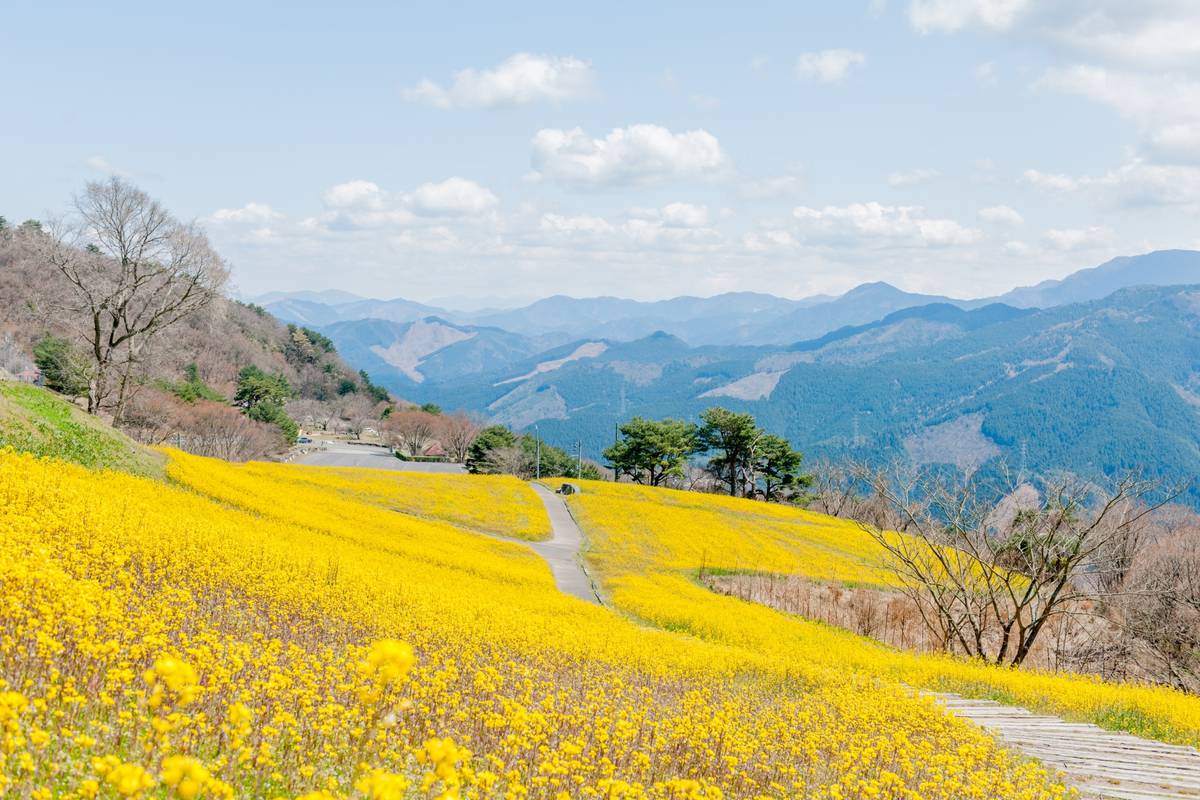
Rapeseed flowers in full bloom
The Suiha Highlands spread across about 100 hectares around the 892-meter summit of Mt. Suiha. In spring, golden rapeseed flowers blanket the slopes, and from summer into early autumn, early-blooming cosmos take their place. On clear days the view reaches all the way to the Seto Inland Sea, drawing many visitors who come for the seasonal flowers.
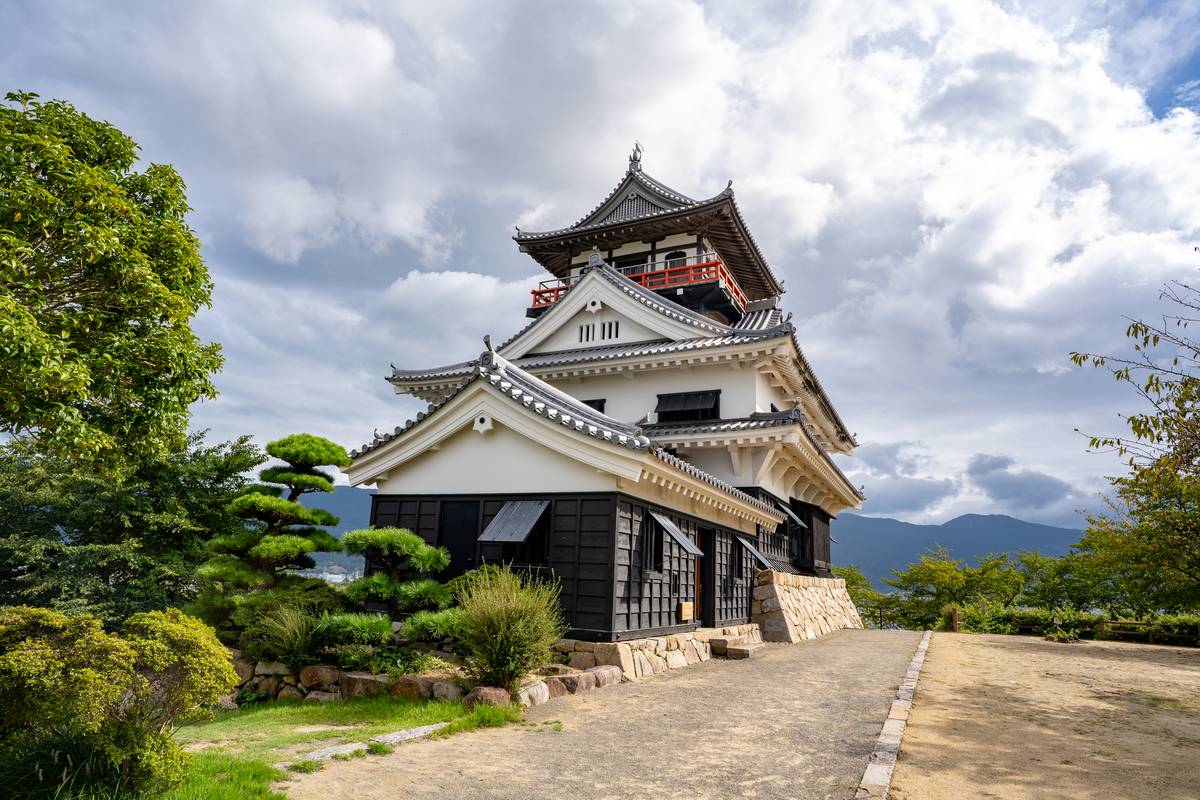
Kawanoe Castle
Kawanoe Castle stands on Mt. Washinoo in the eastern part of the city and is also known as Butsuden Castle. Long recognized as a stronghold overlooking the Seto Inland Sea, its current keep is a reconstruction.
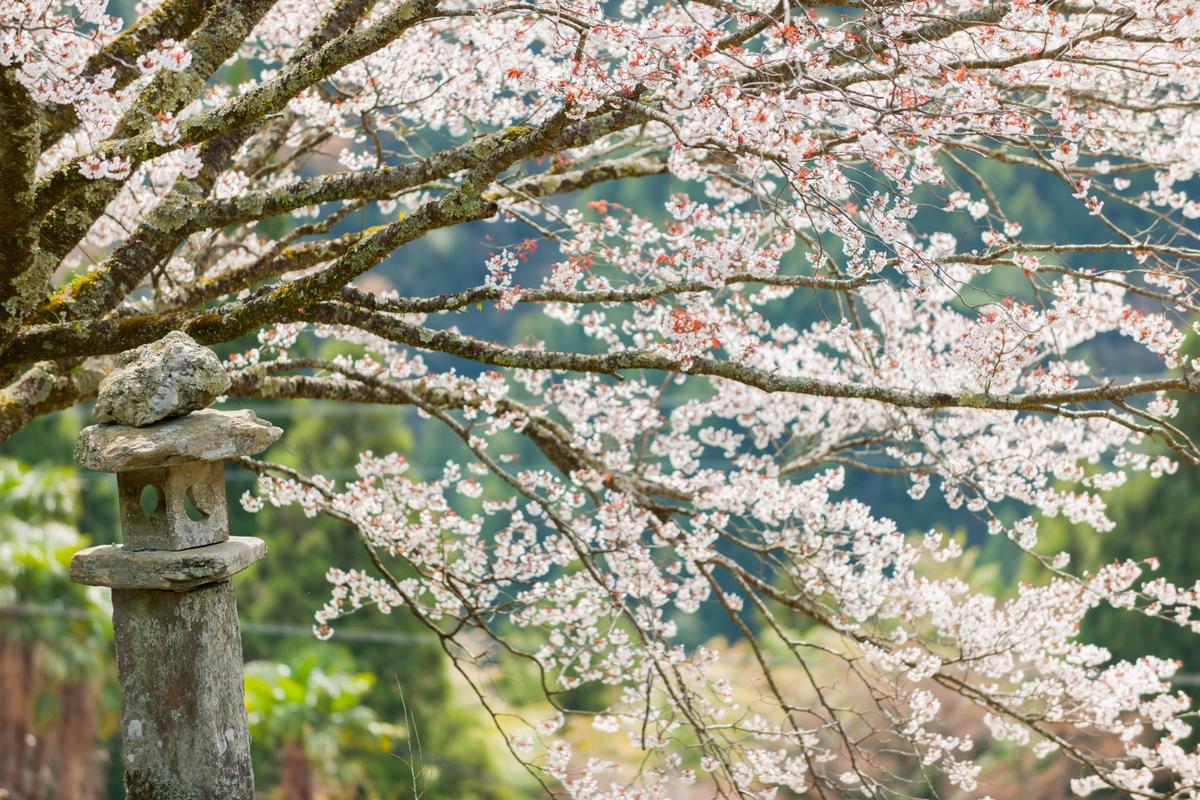
About 900 cherry trees are planted on Shiroyama, the hill where the castle stands, and it fills with blossom viewers in spring. Because it sits on high ground close to the sea, the keep offers fine views over the Seto Inland Sea.
Sankakuji Temple
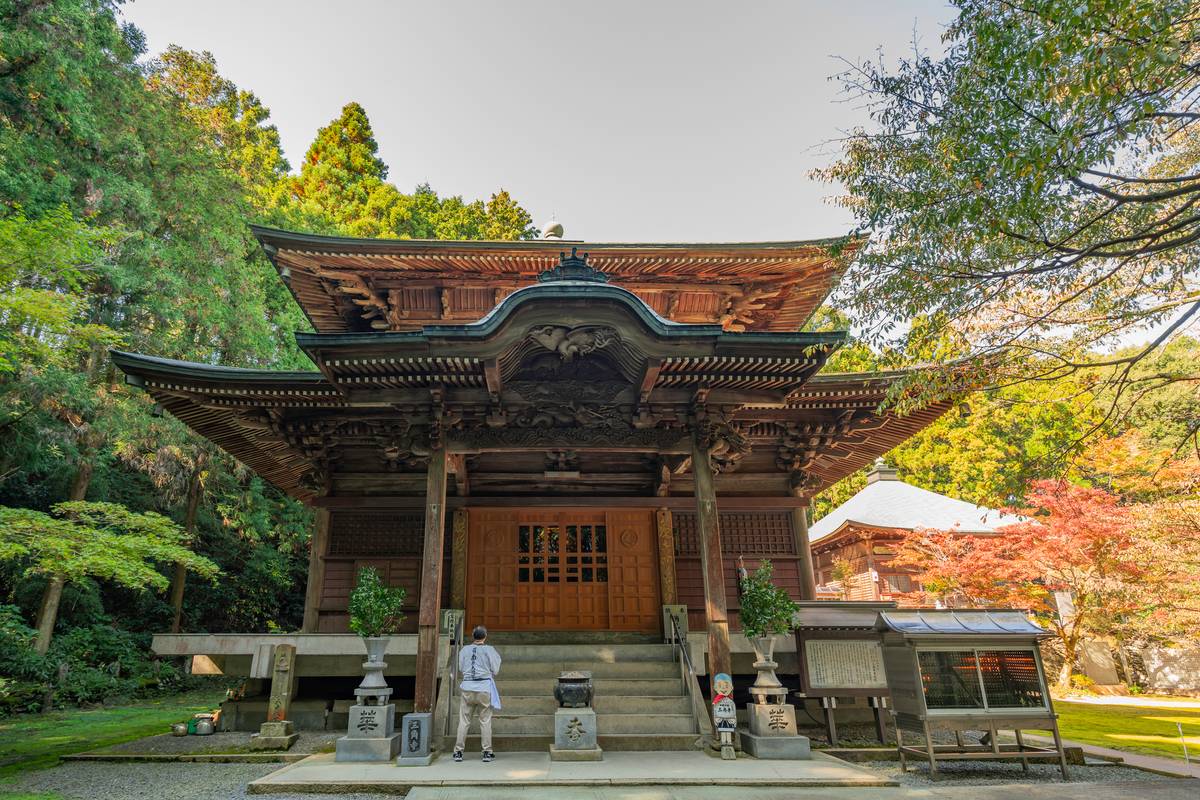
Sankakuji is the 65th temple on the pilgrimage of the 88 Sacred Sites of Shikoku. It is said that the great monk Kōbō Daishi visited here and carved and enshrined the temple's principal image, an Eleven-faced Kannon. The temple sits halfway up a mountain, and climbing the stone steps of the approach brings you to the main hall. Pilgrims still visit today, making it a quiet temple tucked into the hills.
The Taiko Festival
When autumn arrives, Shikokuchūō City turns its full attention to the taiko festival. Ornate floats called taikodai parade through the streets while teams of bearers compete to hoist their weight. The Kawanoe and Doi festivals take place in mid-October, and the Iyo-Mishima festival in late October. The kakikurabe, in which taikodai decorated with gold-thread embroidery clash against one another, is a sight worth seeing.