What Is Oshikatsu? Activities & Experiences You Can Try in Japan
Oshikatsu is Japan's culture of supporting your favorite idol, character, or creator. Learn what fans actually do and discover the best oshikatsu experiences to enjoy during a trip to Japan, from collaboration cafés and merchandise shops to sacred site pilgrimages.
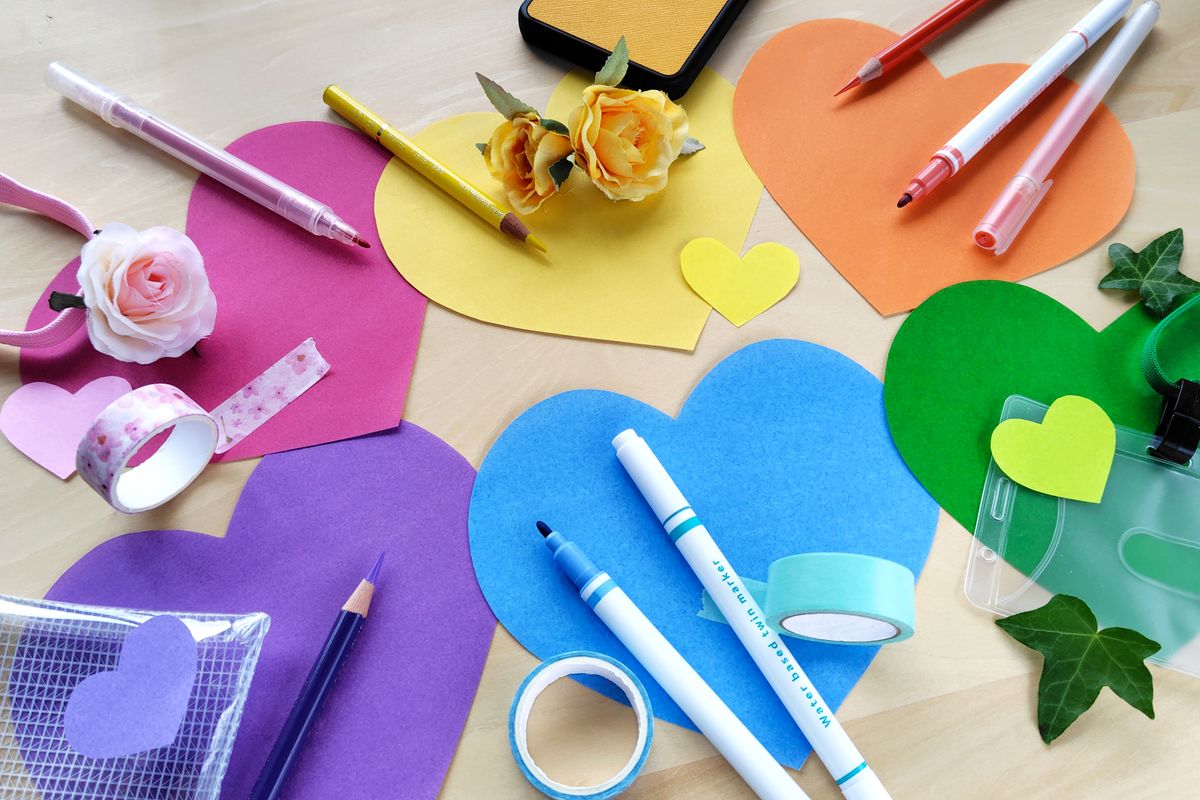
People cheering at idol concerts, fans filling rooms with anime character merchandise, viewers glued to VTuber streams every night. In Japan today, many people regularly enjoy what's known as oshikatsu.
We’ll take a look at what oshikatsu means, what it entails, and how you can experience it firsthand during a trip to Japan.
What Is Oshikatsu?
Oshikatsu combines the words "oshi" (favorite, to support) and "katsu" (activity). It describes spending money and time on someone or something you support, and all the forms of activities that come with them. While it shares similarities with Western stan culture and fandom, the nuance differs significantly.
Stan culture often carries connotations of intense fervor, sometimes bordering on exclusivity. Oshikatsu carries a distinctly positive undertone, enriching your daily life by supporting your oshi.
What Does "Oshi" Mean?
An oshi is anyone or anything you genuinely want to support or recommend to others.
The term originated among idol fans, who used it to describe their most-supported member in a group, calling them oshimen (oshi member) for short.
Today it extends far beyond idols to include real people like actors, voice actors, VTubers, and athletes. It also covers fictional characters from anime, manga, and games. In an even broader sense, people use it for a favorite ramen shop or film, making "oshi" part of everyday life in Japan.
This article focuses on oshikatsu related to specific people and characters.
What Does Oshikatsu Actually Entail?
At its core, oshikatsu means supporting your oshi, whether directly or indirectly. The way people do this varies widely, though. Some spend considerable money. Others contribute through time and passion. There are no strict rules, and oshikatsu thrives on people enjoying it at their own pace.
Here are some of the most common oshikatsu activities.
Social Media Reactions and Sharing

The easiest way to start is through social media engagement.
- Like and repost your oshi's posts
- Draw and share fan art
- Talk about your oshi's appeal to introduce them to new audiences
X (formerly Twitter), Instagram, and TikTok have all become spaces for oshikatsu.
When an oshi's birthday arrives, fans post celebratory messages and illustrations with dedicated hashtags, collectively pushing the topic into trending. Some want to celebrate, others hope their oshi notices them. Whatever the motivation, it all contributes to raising their oshi's profile.
Buying Official Merchandise
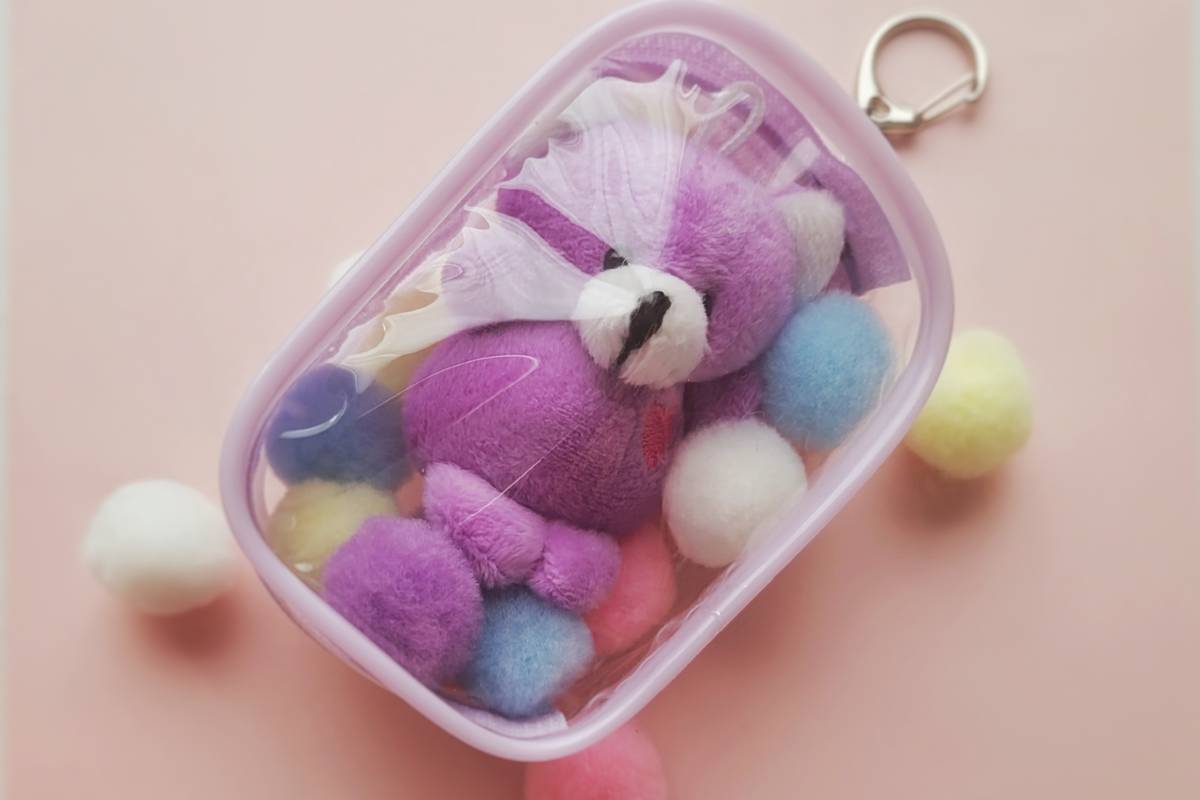
Purchasing official goods is the classic oshikatsu activity. Acrylic stands, badges, photo cards, plushies, towels. The variety of oshi merchandise seems endless, and every new release puts fans' wallets to the test.
Spending money on official products isn't mere consumption. Sales metrics for CDs, Blu-rays, and merchandise serve as indicators of an oshi's popularity. Every purchase is a form of direct support.
Opinions are divided, but many items are sold as random "blind" merchandise where you don't know what you'll get. This has given rise to a lively trading culture, with fans swapping duplicates and hunting for the items they want.
Making Your Own Items
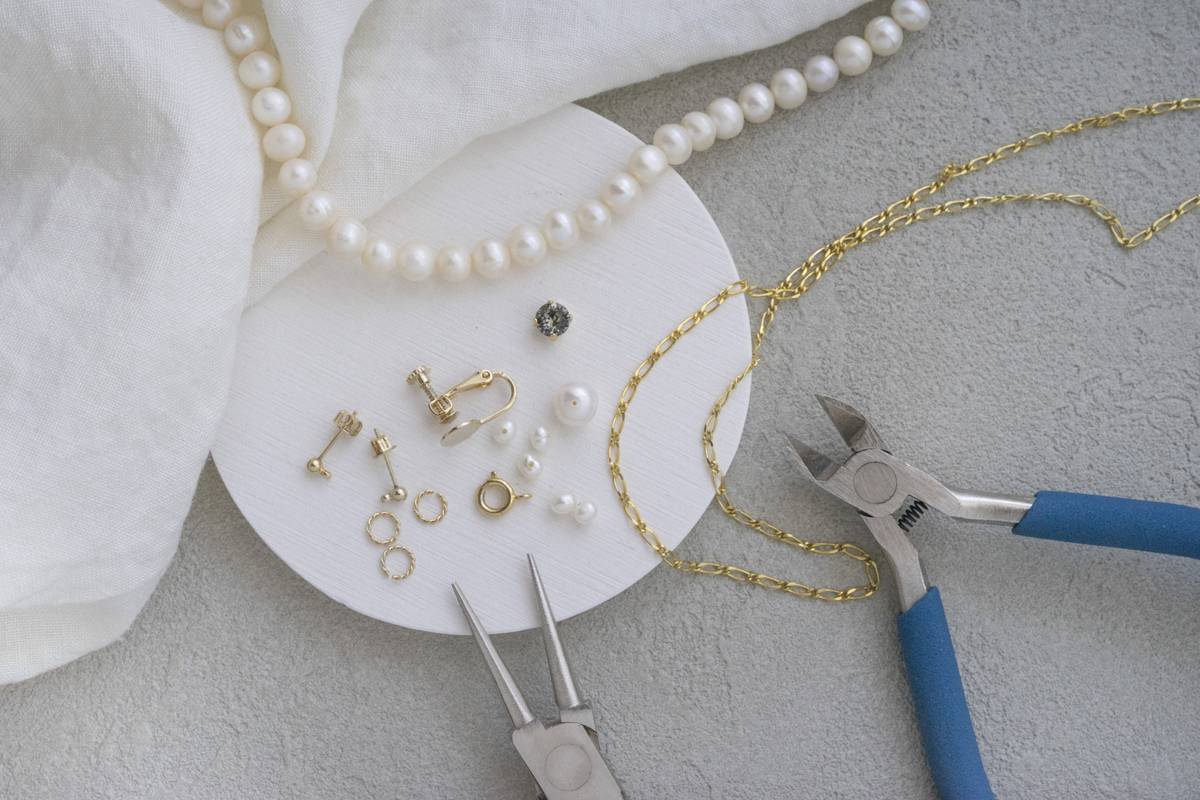
Official goods alone aren't always enough. That desire drives fans to become creators themselves.
The most iconic example is the itabag (decorated bag). Fans densely pack the surface with badges and acrylic stands, making a bold visual statement about which oshi they support.
Others craft what fans call concept accessories, pieces subtly inspired by their oshi's image colors and aesthetic. To outsiders, they look like ordinary stylish jewelry. To the maker, their oshi's presence shines through unmistakably. It's a quiet, personal form of support.
In niche fandoms with limited official merchandise, fans craft their own plushies and figures. If official products don't exist, they make their own.
Attending Events
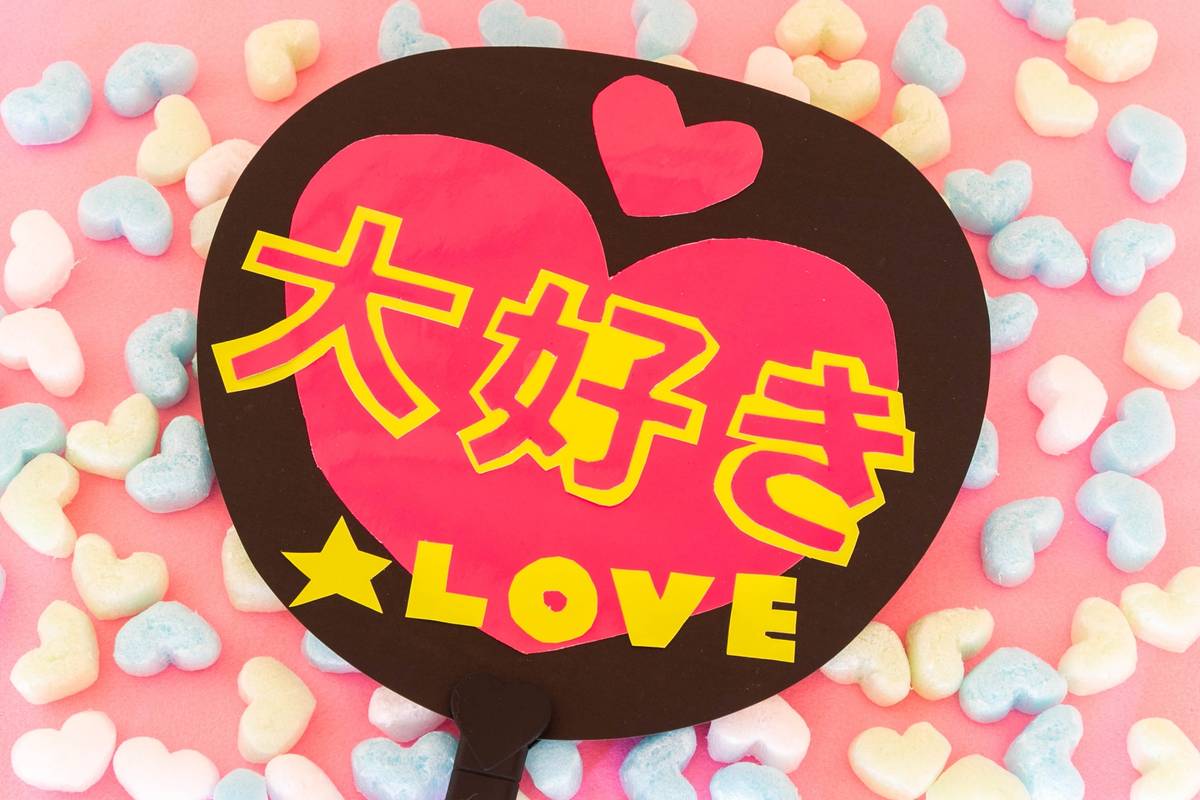
Another oshikatsu staple is showing up in person. Idol concerts, meet-and-greet sessions, voice actor talk events, anime exhibitions, and 2.5-dimensional stage adaptations of anime and games all draw dedicated fans.
In the audience, fans cheer with glow sticks and decorated uchiwa fans. Picture a sea of signs bearing an oshi's name while glow sticks in their signature color flood the venue. It's a sight unique to the world of oshikatsu.
Traveling far to attend events is known as ensei (expedition). From Hokkaido to Kyushu, or from overseas to Japan. Distance is no obstacle when seeing your oshi. The journey itself becomes part of the appeal.
Watching Streams and Content

Midnight. The screen floods with comments and super chat notifications. For VTuber fans, live streams are where they connect with their oshi. They comment in real time and send donations through the super chat feature. Then their oshi reads their name aloud...
This form of oshikatsu extends beyond streamers. If an anime character is your oshi, rewatching the series counts as genuine support. Some follow voice actors' radio shows and event footage. Watching and engaging with content directly boosts its visibility and expands your oshi's opportunities.
Creating Fan Works
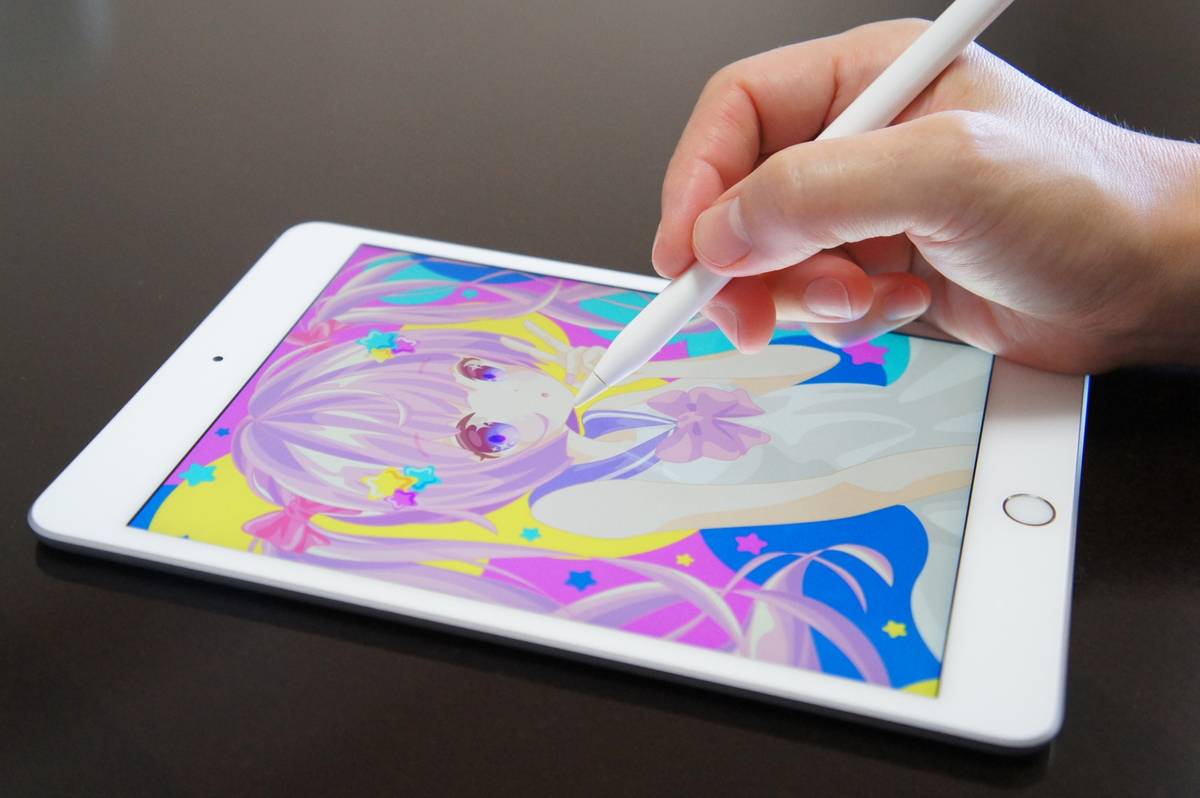
Many fans channel their devotion into creation. Fan art, fan fiction, cosplay, video editing, doujinshi. The forms of expression vary widely.
As mentioned later in this article, Comic Market (Comiket), Japan's largest convention for fan-made self-published works, draws hundreds of thousands of visitors each event. Fans share their love through original creations, spreading the appeal and building community. All of this contributes to the broader cultural momentum around their oshi.
Not everyone thinks of these activities as oshikatsu, but they certainly qualify.
Experiencing Oshikatsu During a Japan Trip
If you love Japanese artists or anime, Japan offers oshikatsu opportunities at every turn. Knowing Japanese does deepen the experience, but we’ll take a look at some activities that can be enjoyed without it.
Collaboration Cafés

Limited-time collaboration cafés featuring characters or specific works are a cornerstone of oshikatsu.
Drinks and desserts in character image colors, interiors recreating the world of the series. These cafés welcome you into your oshi's universe. Tokyo, Osaka, and other major cities always have at least one collab café running.
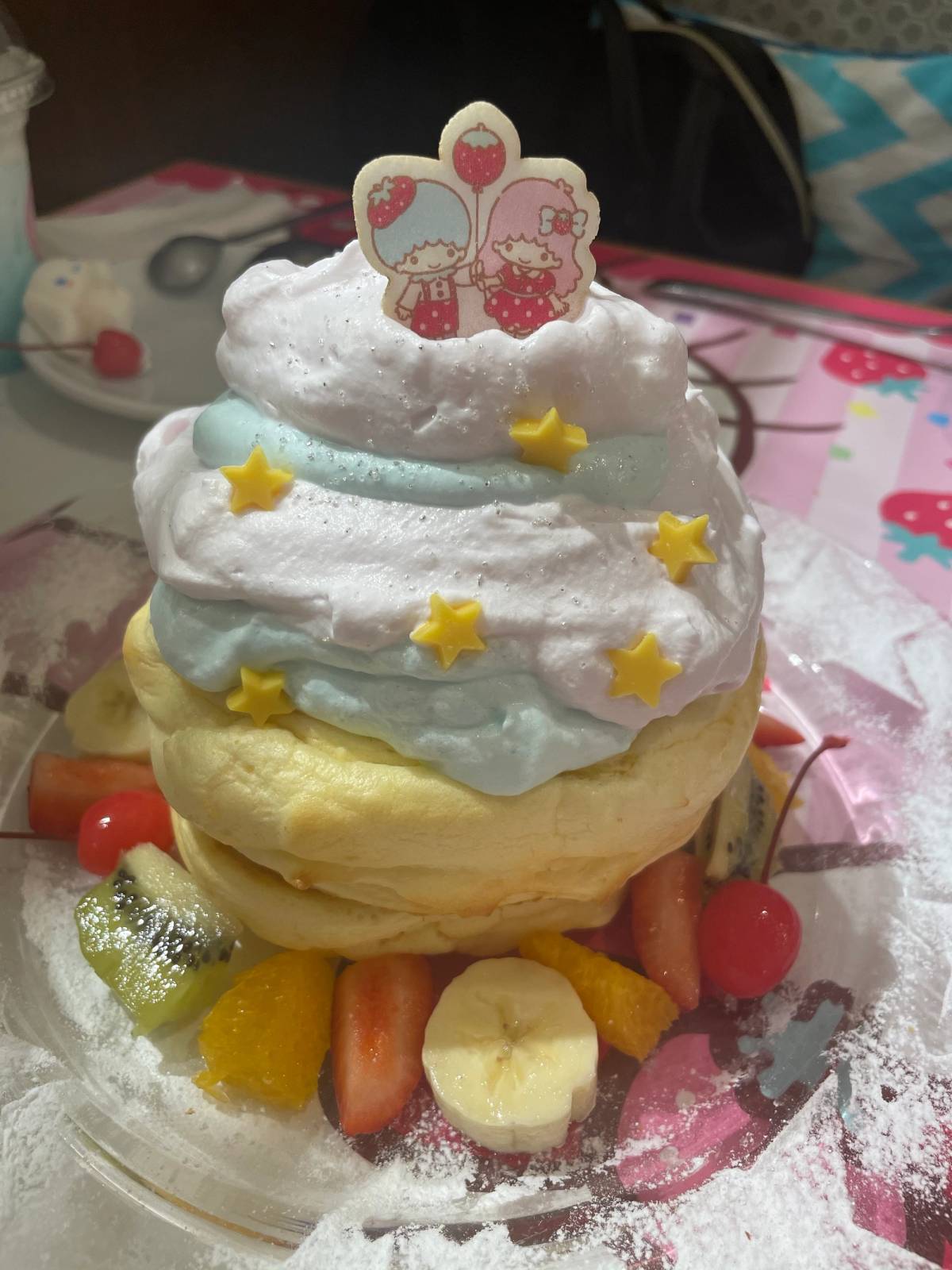
This is my OSHI <3 / Photo by Japaniche
Coasters and stickers exclusive to orders there are classic collab café keepsakes. Beyond the food itself, you take home items that become lasting mementos.
Most cafés let you order by pointing at the menu, so Japanese isn't essential. Having a translation app handy adds peace of mind. Photography rules vary by venue, though some set up dedicated photo booths.
Merchandise Shops
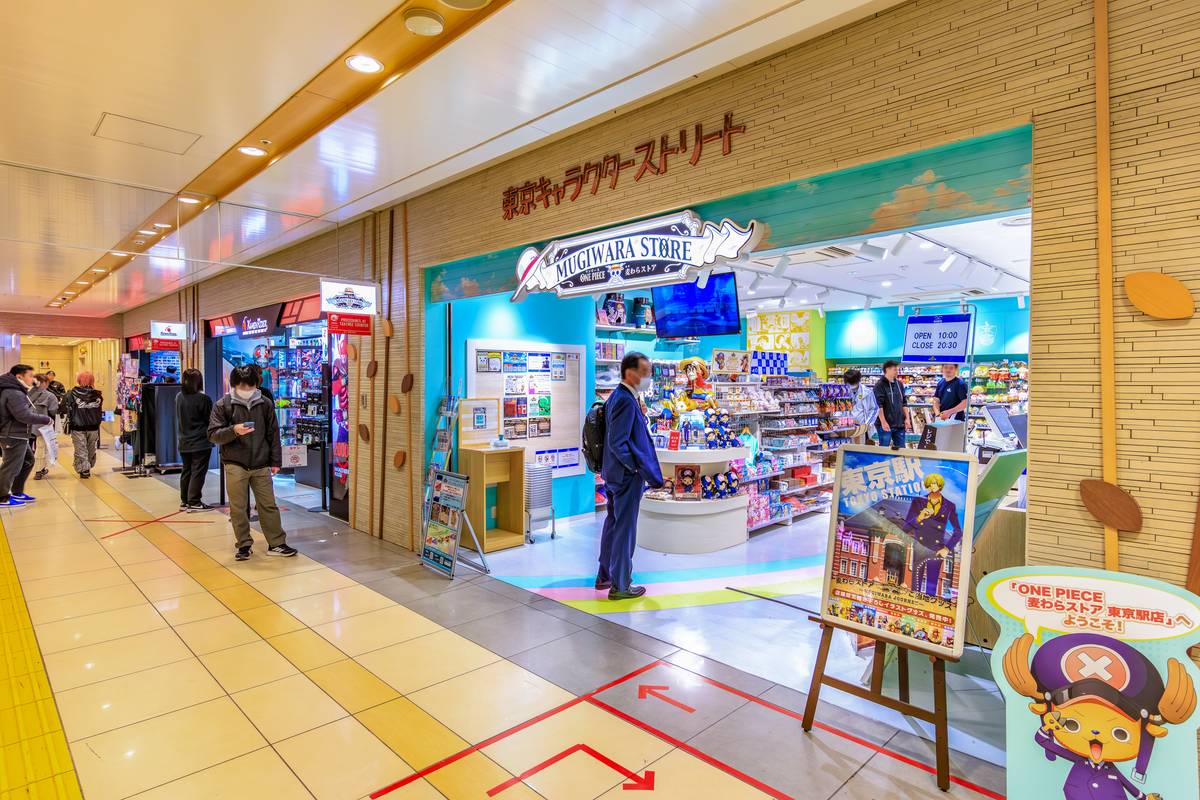
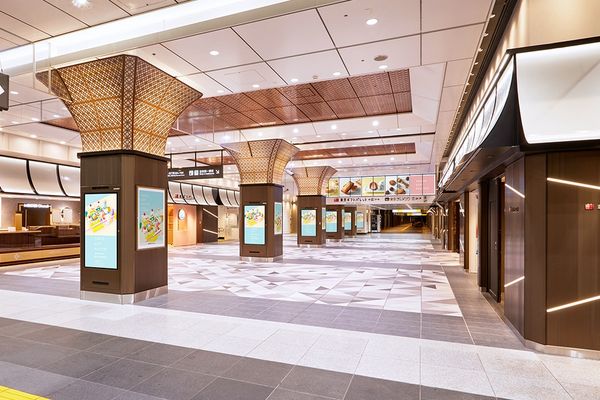
Tokyo Character Street in Tokyo Station
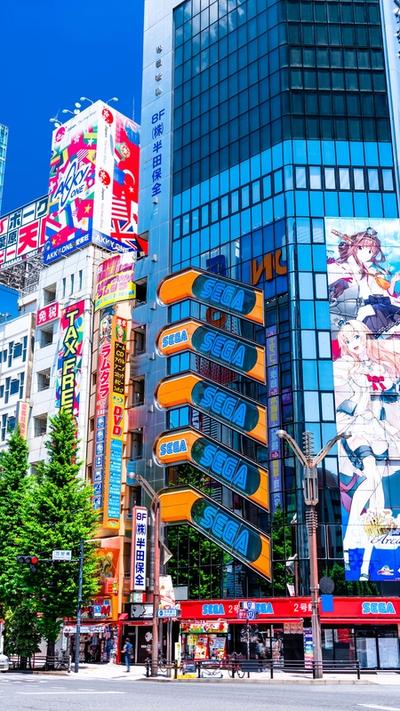
Akihabara is where anime and game culture converges. Specialty stores like Animate and Mandarake cluster here, offering nearly every oshikatsu item imaginable.
Ikebukuro's Otome Road is lined with shops selling BL manga, otome game merchandise, and actor-related goods, making it a hub for female fans' oshikatsu culture. Nakano Broadway holds surprises, with rare secondhand goods waiting to be discovered.
Tokyo Station is also stocked with character merchandise. If One Piece or Pokémon is your oshi series, it's worth a visit.
Since most shops let you browse and pick items freely, language barriers rarely pose problems.
Visiting Sacred Sites (Seichi junrei)

Chichibu Bridge featured in Ano Hana
In Japanese fandom, visiting locations connected to your oshi or series is called seichi junrei, or pilgrimage to the sacred site. The train station featured in an anime, the shopping street, the town set as a character's hometown. Seeing real scenery from a beloved work unfold before your eyes is an extraordinary moment for any fan.
A popular way to enjoy these visits is photographing your oshi's plushie or acrylic stand against the real scenery, as if traveling together. Some spots also welcome cosplay photography.
As pilgrimage has grown in popularity, more municipalities now offer multilingual signage. The experience is becoming increasingly accessible to international visitors.

Event Participation
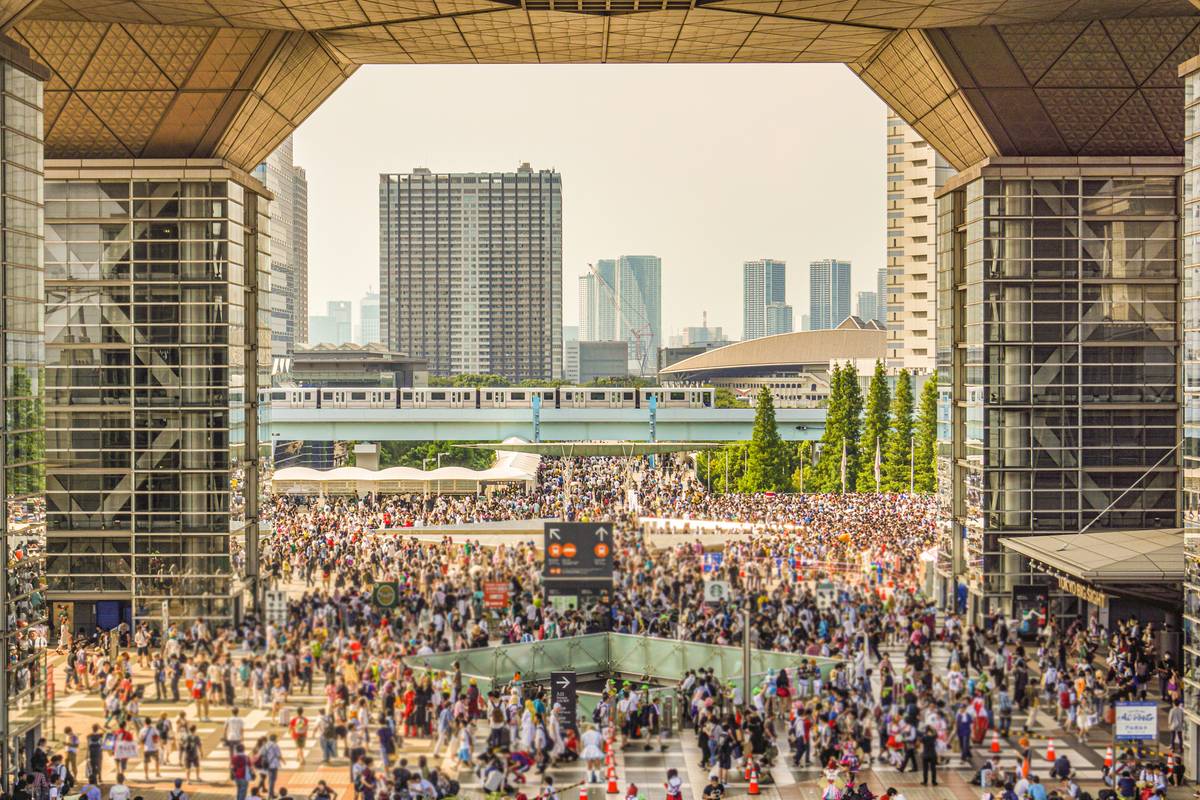
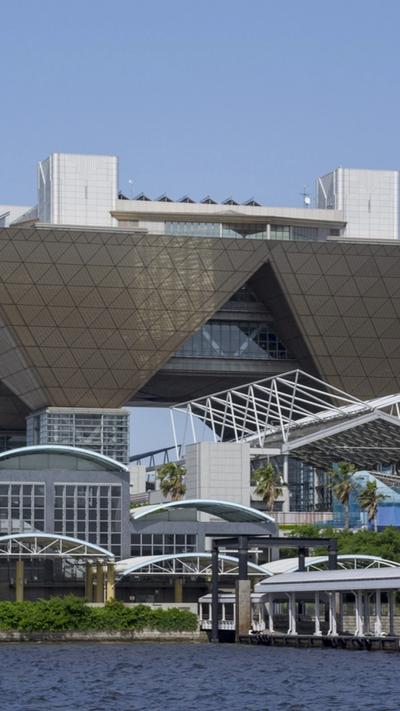
Comiket at Tokyo Big Sight
If timing allows, major events like Comic Market (Comiket) or AnimeJapan are well worth attending. Comiket features official merchandise booths where limited items go on sale, and the energy of hundreds of thousands of fans gathered in one venue is incomparable.
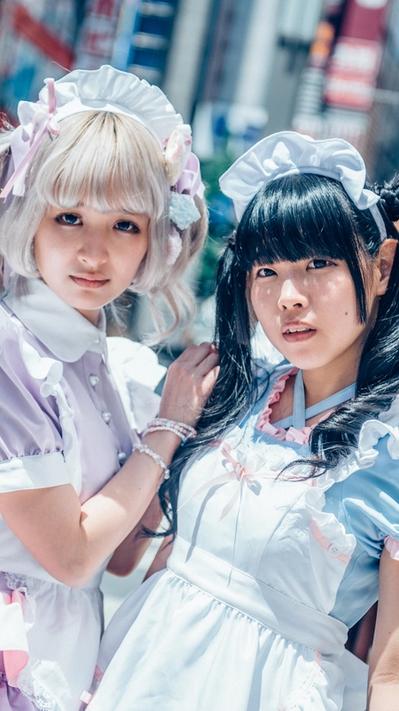
If cosplay interests you, participating yourself is an option. Japanese events foster a culture where cosplayers interact and photograph each other freely.
Some visitors wonder whether cosplaying a character of a different ethnicity is acceptable. In Japan, the emphasis is on having fun. If your love for the character comes through, no one will object.
And if someone does complain, they're probably the type to find fault no matter what. Best not to worry about it.
In Closing
Oshikatsu is a culture where supporting others enriches your own life. Social media, merchandise, events, creative expression. There's no single correct way to do it, and what matters most is enjoying it at your own pace.
If you visit Japan, experience oshikatsu firsthand through collaboration cafés, merchandise shops, and pilgrimages to sacred sites.
The world of your oshi, once glimpsed only through a screen, is right there waiting for you!
Published Last Updated
Related Articles
Explore more articles on similar topics and deepen your knowledge of Japan.