What is Seichi Junrei (Pilgrimage)? Explaining a Key Term in Japanese Otaku Culture
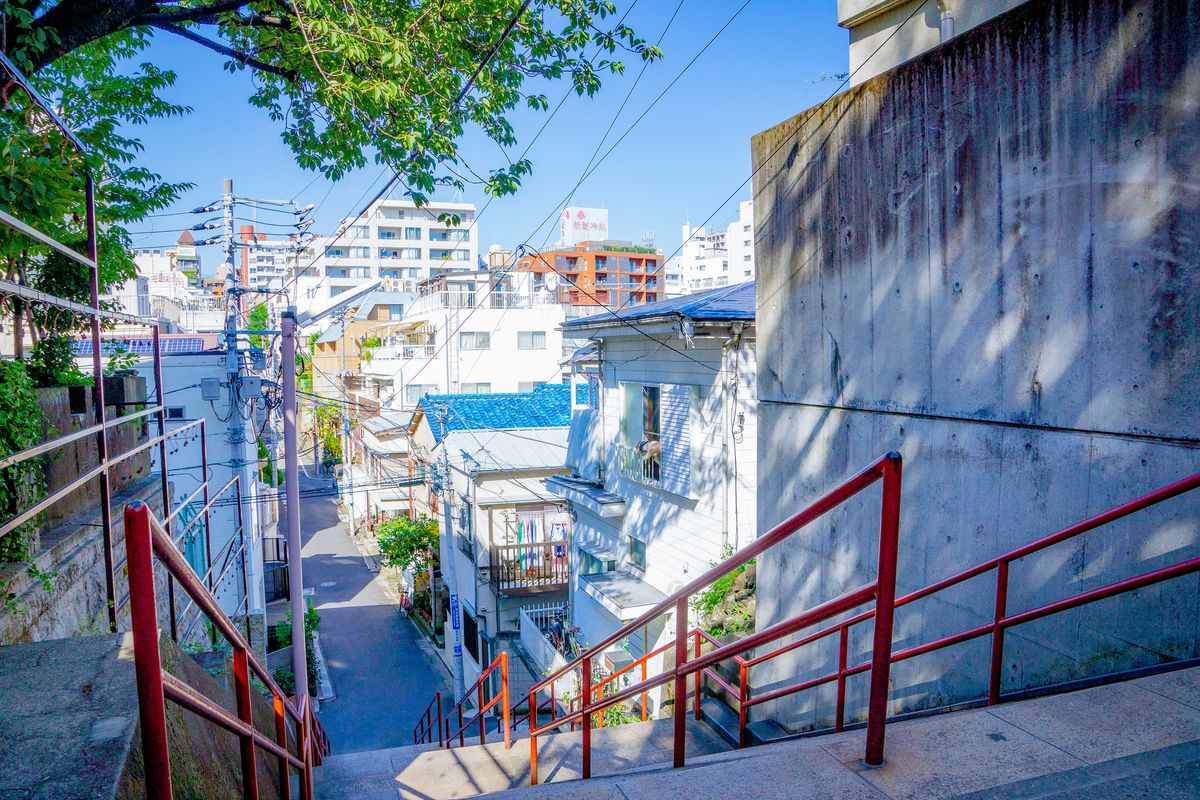
In recent years, the act of fans visiting locations that served as the setting for anime, manga, games, dramas, and other works has come to be called "Seichi Junrei" (literally: sacred site pilgrimage). It is enjoyed as a part of "Oshikatsu" (activities supporting one’s favorite) in Japan and as part of anime tourism for international travelers.
In this article, we will provide a detailed explanation of "Seichi" and Seichi Junrei in the context of otaku terminology in Japan.
What is "Seichi Junrei"?
The term "Seichi Junrei" translates directly to "Pilgrimage" in English.
- Seichi (聖地) = Sacred Site / Holy Land
- Junrei (巡礼) = Pilgrimage
It is fair to understand the term as being used with a quasi-religious connotation. In this context, it refers to Japanese otaku traveling to places regarded as “sacred sites” within otaku culture, framing these visits as a form of pilgrimage.
With risk of oversimplification, it could be said that anime works and admired figures function as a kind of “second religion” for them.
The Definition of a Seichi in Otaku Culture
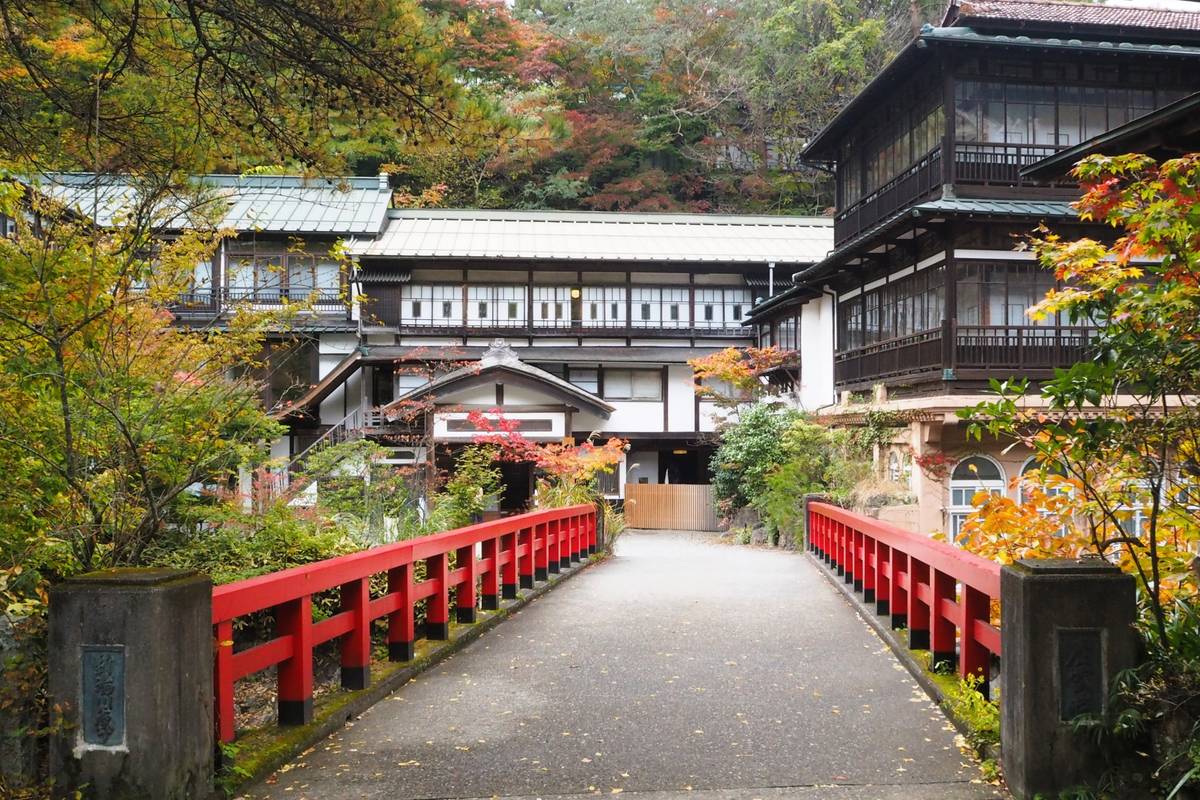
Sekizenkan in Shima Onsen, which served as the model for the ryokan (inn) appearing in Spirited Away / Photo AC
As mentioned at the beginning, a Seichi typically refers to the locations where the stories of anime, manga, games, novels, dramas, movies, etc., took place—in other words, what is often called "Anime Real Life Locations" in English.
However, it is not limited to that; in a broad sense, places with deep connections to the work or the people involved are also sometimes treated as Seichi. For example, the following types of places apply:
- The hometown, home, or related sites of the author or artist.
- Locations, stations, or shops that share the same name as a character, the title of the work, or places appearing in the story, or those that served as the original inspiration.
- Locations visited by idols, actors, or comedians for TV programs or magazine shoots.
- Castles or homes where Sengoku-period warlords lived, or the ruins of such sites.
As you can see, the variety of places considered Seichi by fans is extensive.
Since becoming a Seichi can turn a location into a tourist destination and lead to the revitalization of the area, an increasing number of local governments and businesses are actively pursuing collaborations.
In fact, there are local municipalities and facilities where the number of tourists skyrocketed because they were the setting for an anime, and traditional crafts that saw a flood of orders after being introduced by an idol. These success stories are garnering significant attention.
The Origins of the Term "Seichi Junrei"
As mentioned above, the term began as a way for fans to describe the act of actually visiting places deeply connected to their favorite works, describing them as Seichi (sacred sites).
The original meaning of the word is visiting places of religious importance and every religion has its pilgrimage sites. Globally famous examples include Bethlehem, Jerusalem, Santiago de Compostela, Mecca, and Sedona. In Japan, examples include the "Shikoku 88 Temple Pilgrimage," "O-Ise-mairi" (pilgrimage to Ise Grand Shrine), and pilgrimages to Mount Fuji.
There may be many devout religious people overseas who feel some resistance to using such expressions. It could be said that this term spread specifically because of Japan’s roots in Shinto—a polytheistic religion with a relatively flexible philosophy.
How to Enjoy Seichi Junrei
Beyond just visiting the settings or related sites, part of the fun is taking photos with the same composition or poses as seen in the work, or placing character acrylic stands and plushies to recreate scenes.
Additionally, some fans visit restaurants to sit in the same seats as the characters and order the same menu items, or purchase local specialties and souvenirs that are known to be a character's favorite. Many fans enjoy their travels while simultaneously contributing to the local economy of the Seichi.
Furthermore, it is a fundamental rule to show respect to the place and visit with good manners. When going on a Seichi Junrei, it is essential to never enter private property and to avoid causing any nuisance to local residents.
Examples of Famous Seichi
Here are some popular Seichi locations among Japanese anime otaku.
Oarai Town, Ibaraki Prefecture: Girls und Panzer
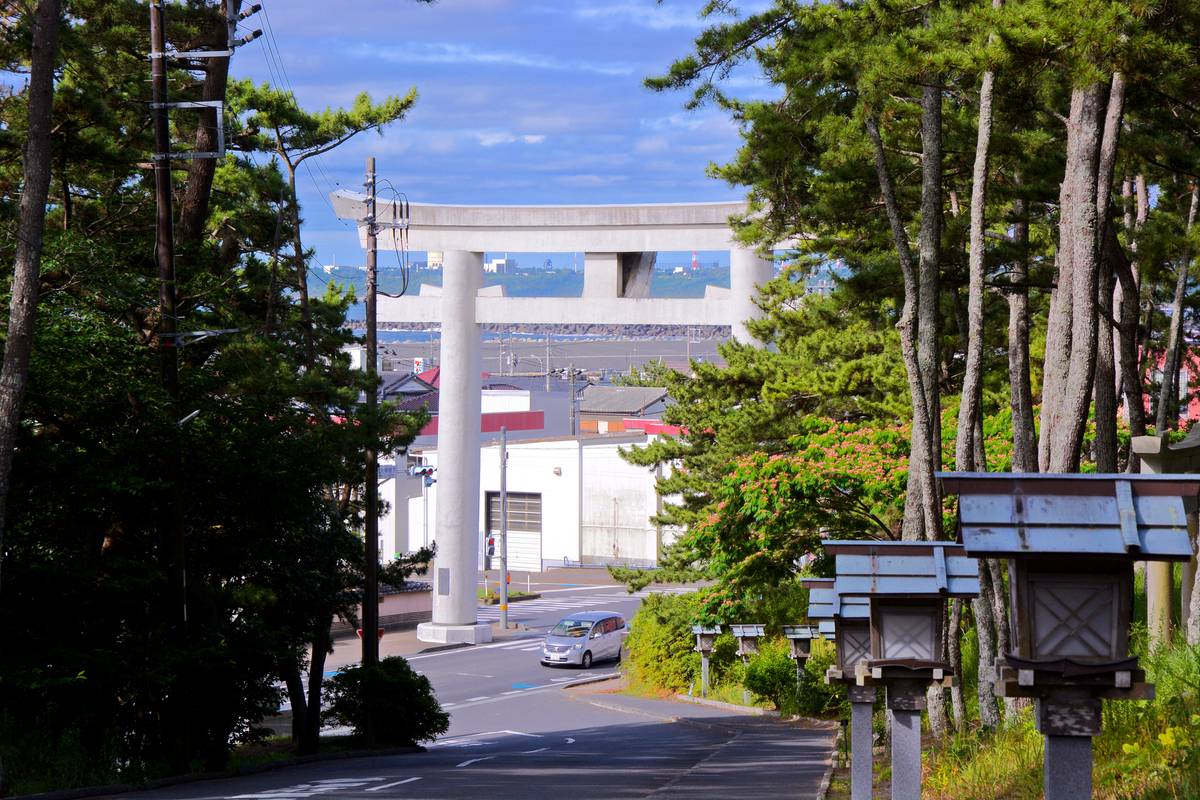
Oarai Isosaki Shrine Torii / PIXTA
The photo shows the same torii gate of Oarai Isosaki Shrine that appeared in the fourth episode of Girls und Panzer.
Although the anime aired in 2012, even more than 10 years later, collaboration events are still held and the area remains highly active. The town’s facilities, shops, and streets are depicted as the home base high school for the protagonists, making the entire town a Seichi.
Local restaurants and facilities offer products, menus, and travel plans inspired by the work, making it immensely popular as fans can actually experience the world of the anime. The local residents have welcomed anime fans warmly, and it is considered a model case for successful regional revitalization through anime.
Hida City, Gifu Prefecture: Your Name.
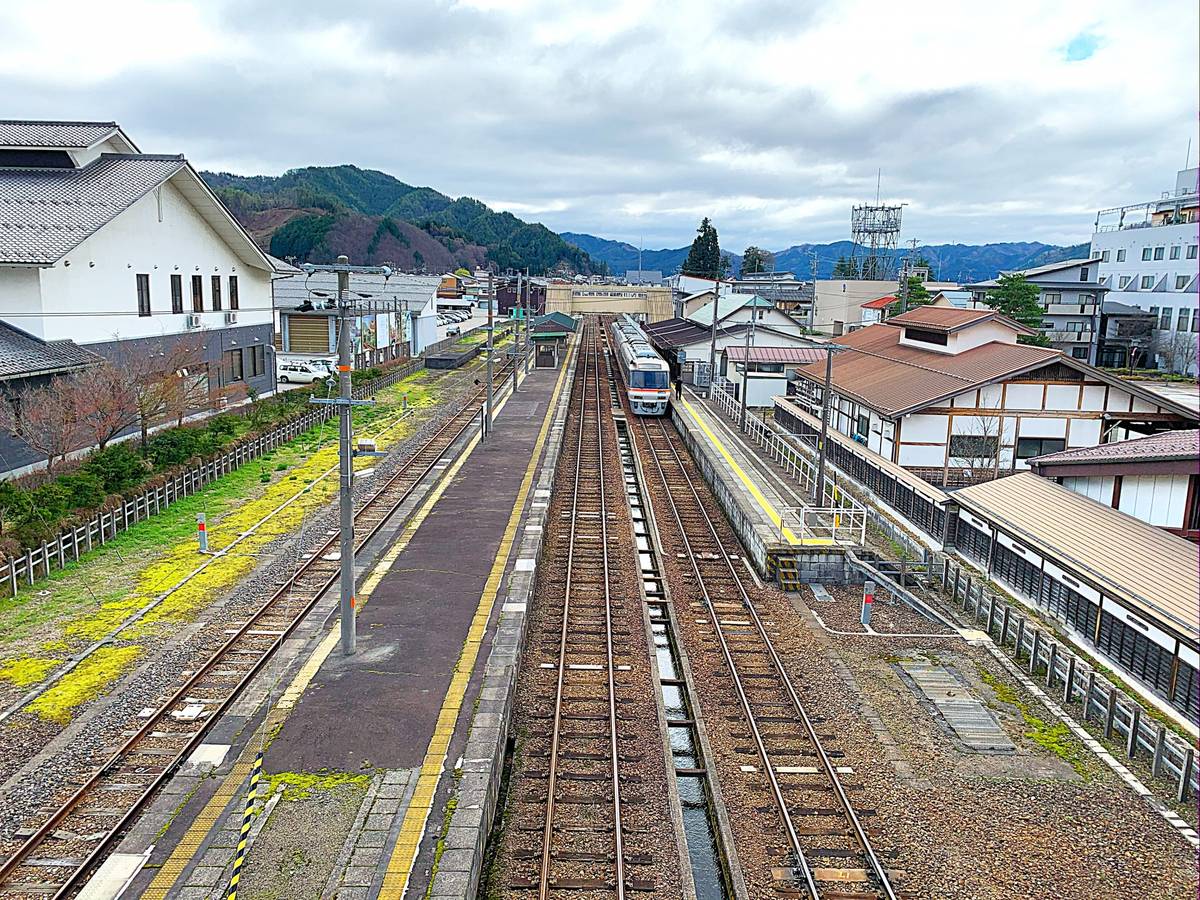
Hida Furukawa Station / Photo AC
In the 2016 animated film Your Name. directed by Makoto Shinkai, various facilities, landscapes, and local characters from Hida City appeared.
In response, the local government and residents cooperated to set up the bus stop seen in the film and offer traditional craft experiences, creating a welcoming environment for visiting fans. Many fans shared photos on social media recreating scenes from the movie, which generated huge buzz.
Akihabara, Tokyo: STEINS;GATE
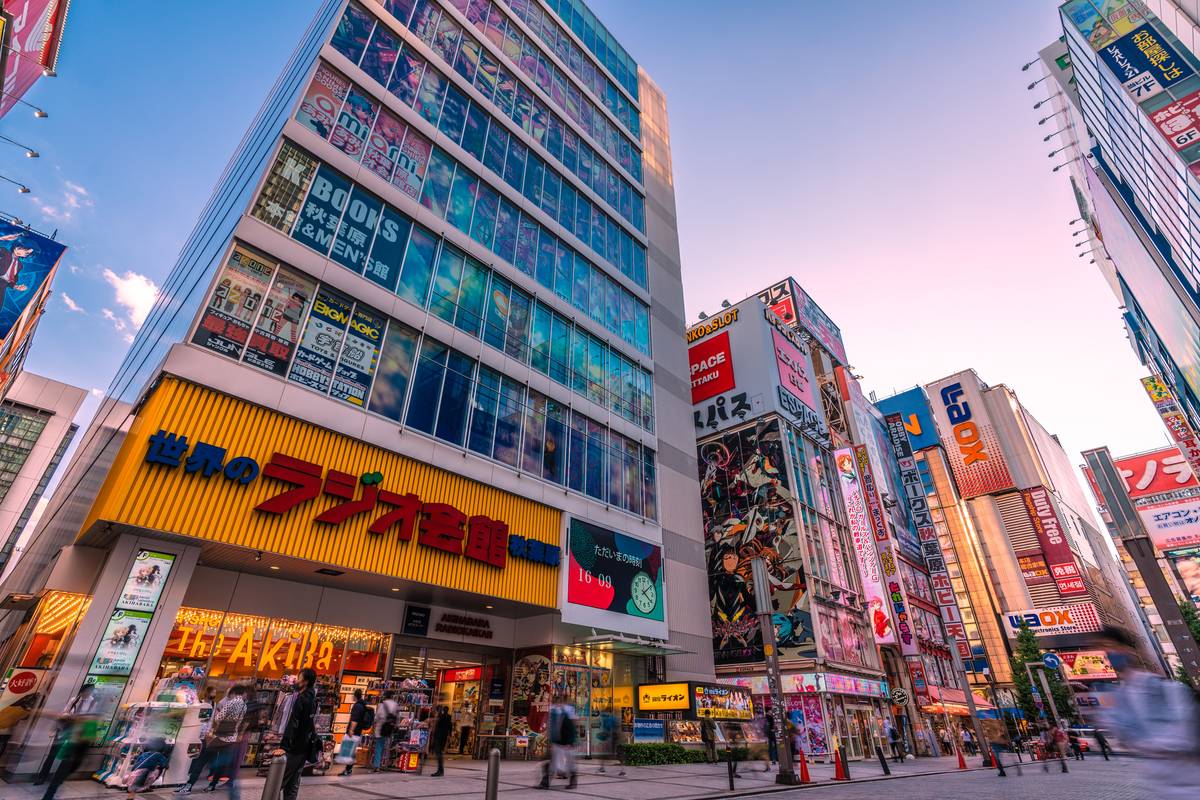
Radio Kaikan / PIXTA
Akihabara is known as the "City of Otaku" and serves as the setting for many manga, anime, games, and novels.
In STEINS;GATE, the streets of Akihabara, including the "Radio Kaikan" building (pictured left), are depicted as the setting. There are many collaboration events for anime and games, and the area is particularly crowded on weekends.
In the story, an artificial satellite crashes into the Radio Kaikan building, causing much chaos. In a striking parallel, the real-life Radio Kaikan also attracted attention when, ahead of its reconstruction, a special collaboration recreated the scene of a satellite crashing into the building just before its demolition.
Tottori Prefecture: Detective Conan
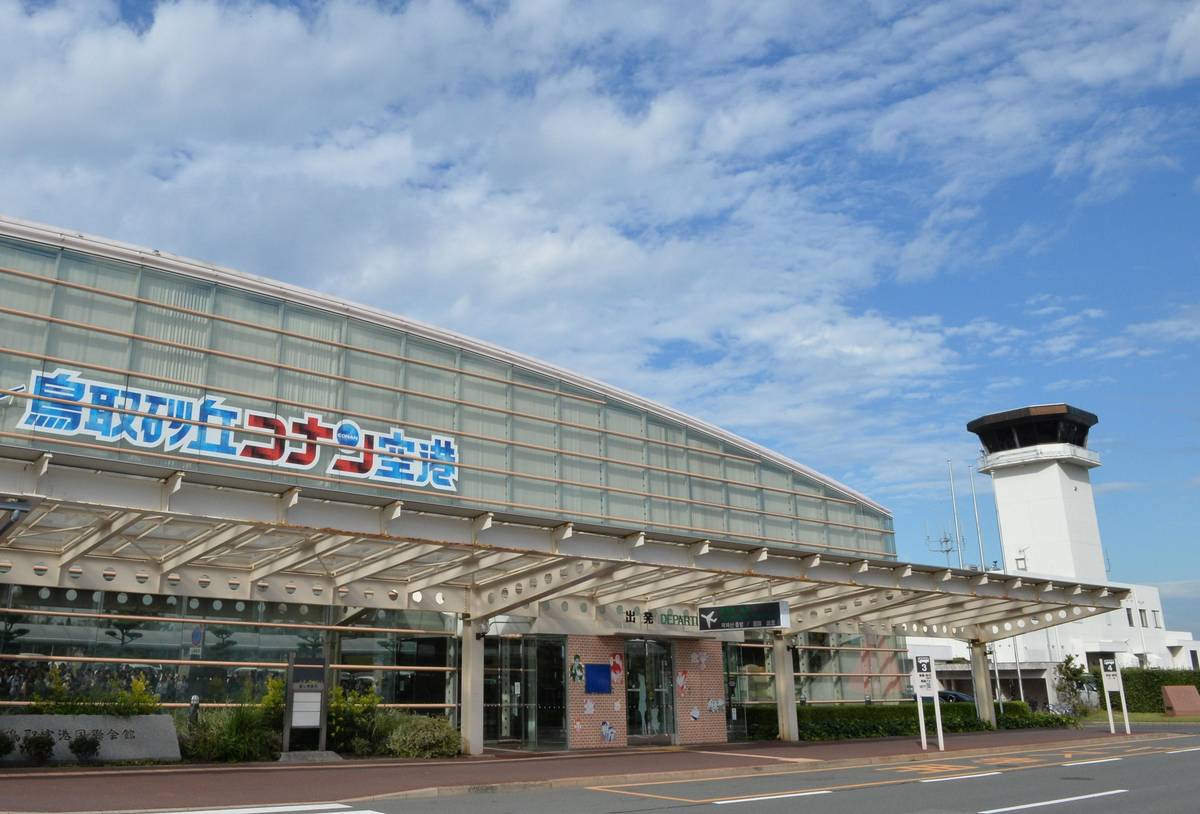
Tottori Sand Dunes Conan Airport / Photo AC
This is a place treated as a Seichi because it is the birthplace of the author.
As part of a campaign to promote the use of Tottori Airport, it was given the nickname Tottori Sand Dunes Conan Airport, named after the national hit manga Detective Conan by Gosho Aoyama, a Tottori native.
Characters can be found throughout the airport, and the location hosts Conan-related events, merchandise sales, and even "Mystery Tours" in collaboration with Japan Railways.
Hokkaido: Golden Kamuy
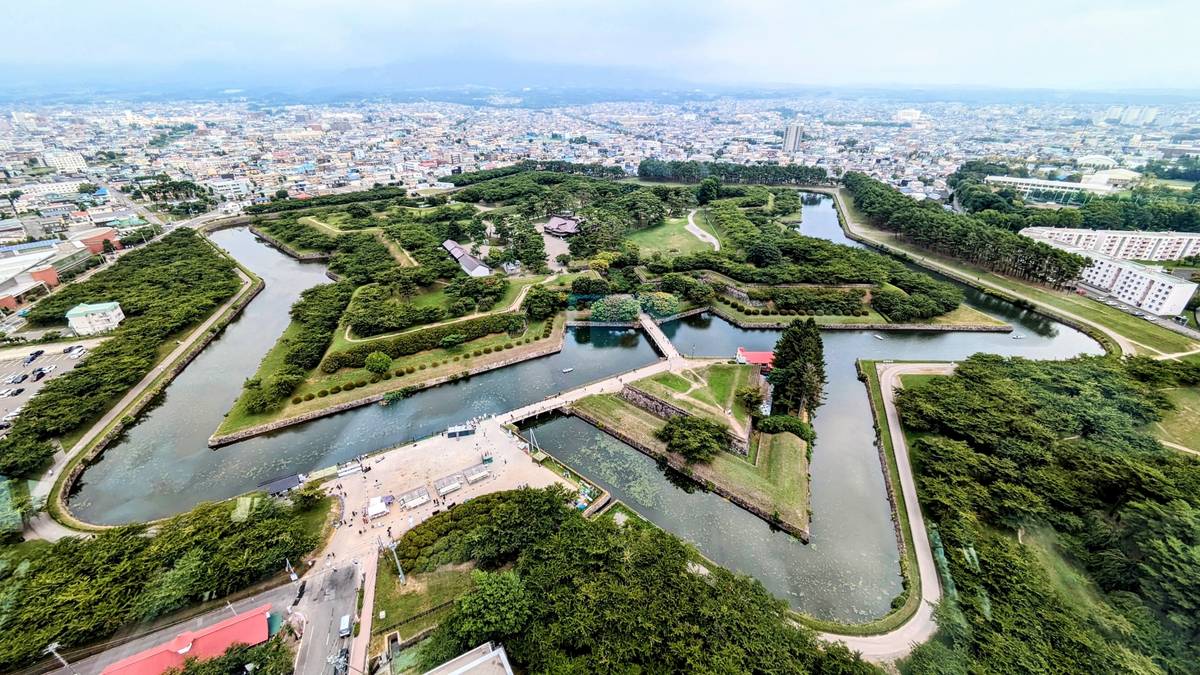
Goryokaku / Photo AC
Set in Meiji-era Hokkaido and Karafuto (Southern Sakhalin), there are locations across Hokkaido that the characters visited. In the past, a massive stamp rally was held covering over 1,000 km, spanning all major areas of Hokkaido including Hakodate, Sapporo, Kushiro, Abashiri, Wakkanai, and Nemuro.
Many fans enjoyed large-scale trips taking about five days using rental cars to follow in the characters' footsteps.
The photo shows Goryokaku, which played a major role in the story. Hokkaido is also an extremely popular general tourist destination.
The History of Seichi Junrei in Otaku Culture
While the exact origins are unclear, there has always been a certain number of fans who visited the locations of dramas, movies, and anime.
For example, it is not uncommon for fans of Sherlock Holmes to visit 221B Baker Street in London, or for fans of The Rose of Versailles to visit the Palace of Versailles. Visiting the settings of beloved works during overseas travel is by no means rare.
Events that Spread Seichi Junrei Within Japan

Seichi Junrei within Japan saw a massive surge in the 2000s.
In 2002, the anime Please Teacher! featured Lake Kizaki in Omachi City, Nagano Prefecture, which became a topic of conversation among fans, leading to community beautification efforts such as cleaning activities conducted by both fans and local stakeholders.
Economic Impact of the Lucky Star Phenomenon
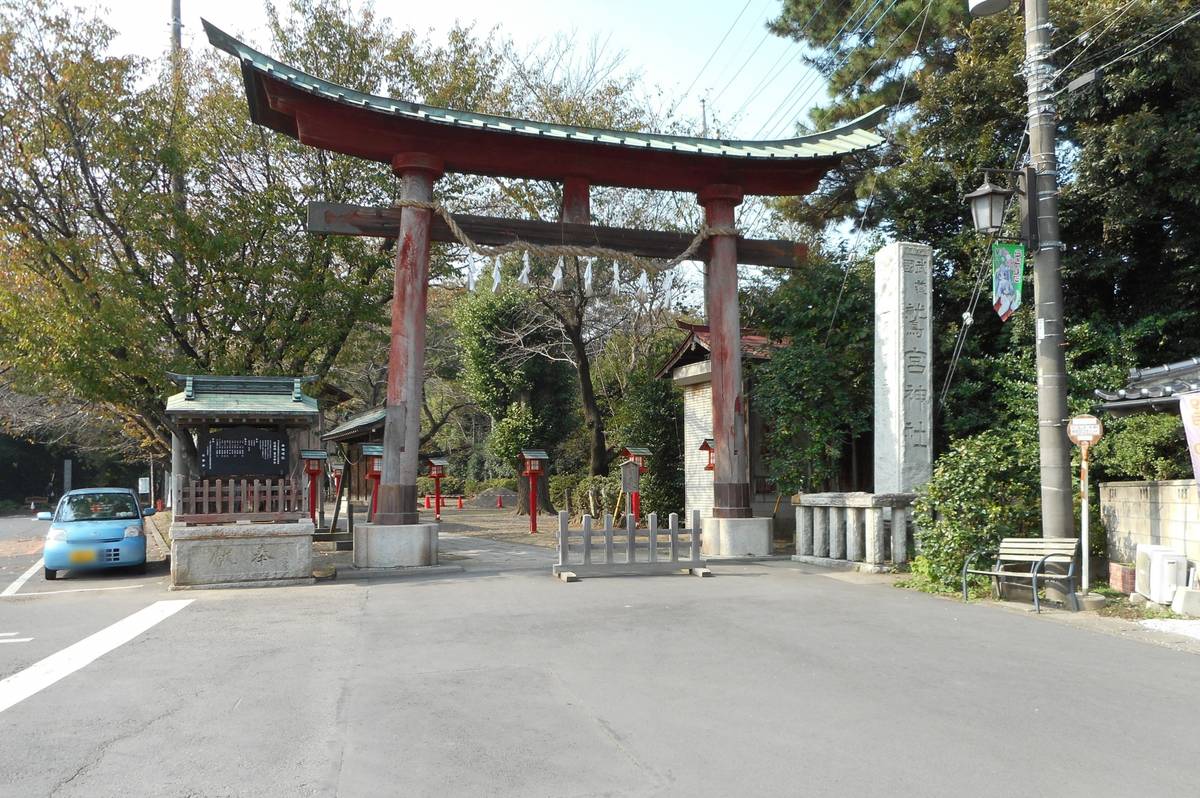
Washinomiya Shrine / Photo AC
In 2007, the anime adaptation of the four-panel manga Lucky Star became a massive hit, leading to a sudden surge in visitors to Washinomiya Shrine in Saitama Prefecture. In response, the local government and Chamber of Commerce led efforts to create merchandise and events, generating a significant economic impact.
Regional Revitalization Through Subculture
Amidst situations like these, various local governments began working on event planning and town development aimed at fans performing Seichi Junrei. Today, Seichi Junrei occurs for many manga, anime, novels, and games, and projects are sometimes launched by local governments specifically for the purpose of town revitalization.
It is deeply connected to regional revitalization and serves as an opportunity to rediscover the charm of various regions throughout Japan.
Published Last Updated
Related Articles
Explore more articles on similar topics and deepen your knowledge of Japan.