Toyosu Market and Tsukiji Guide: Where to Eat Breakfast in the New Year
A breakfast guide to Tokyo's two iconic market districts: Toyosu Market and Tsukiji. Discover popular dining spots open from early morning, including Sushi Dai, Torimeshi Toritō, Maguroya Kurogin, and Tsukiji Hongan-ji Cafe Tsumugi. Also covers market schedules and the lively year-end shopping tradition.
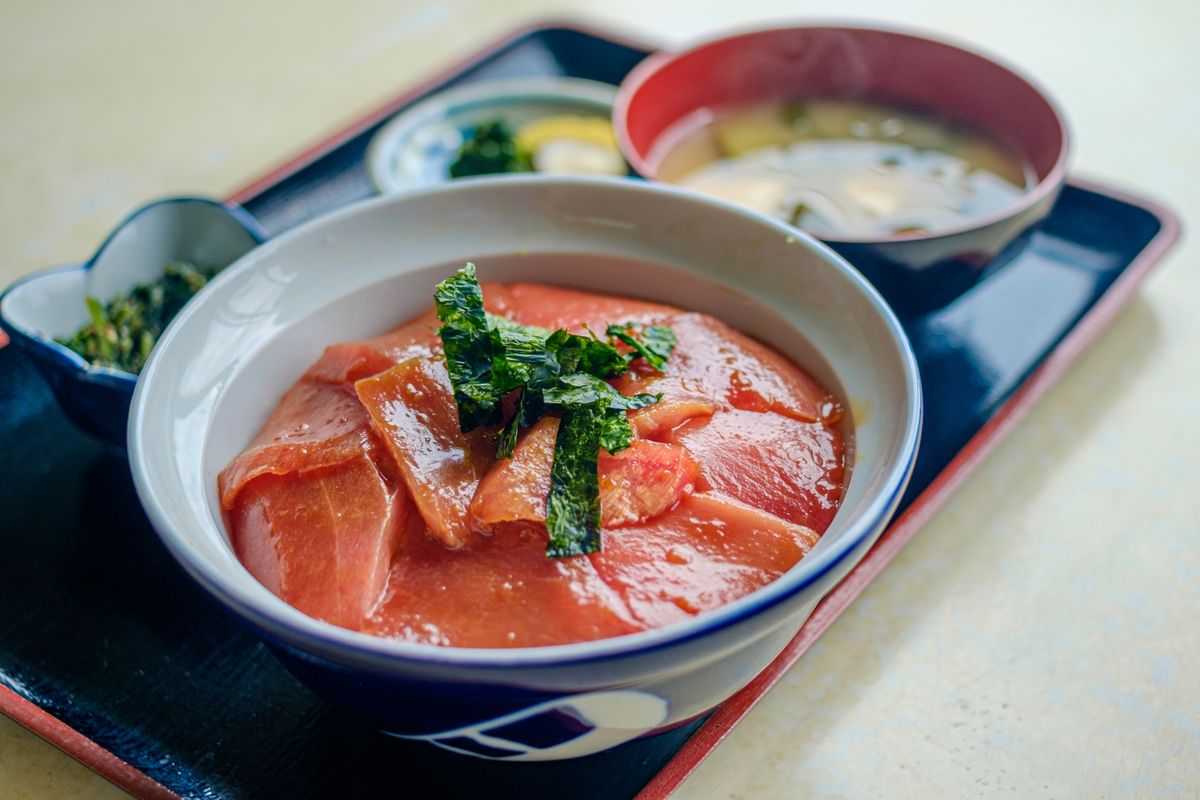
Tokyo is home to eleven wholesale markets where retailers and other businesses source products from producers and traders nationwide.
Among these, Toyosu Market, which specializes in seafood products, and Tsukiji, the neighborhood where the predecessor Tsukiji Market once stood, are at the top in transaction volume and recognition. Both draw substantial tourism throughout the year. The areas surrounding these markets host numerous restaurants where visitors enjoy fresh seafood bowls and sushi.
Early Morning Lines at Popular Dining Spots
Wholesale markets bustle with activity from early morning, from intermediary wholesalers and chefs shopping for ingredients to general visitors observing the auctions. This is why many nearby restaurants open as early as 5 a.m., attracting those seeking breakfast. Beyond freshly sourced seafood, you’ll find cuisine spanning Japanese, Western, and Chinese styles.
Note that Toyosu Market is generally closed on Mondays and Fridays, while the Tsukiji outer market is closed on Wednesdays, Sundays, and holidays. Both areas also close during the New Years holidays, Golden Week, and the Obon period. Many nearby restaurants follow the same schedule, so if you have a specific shop in mind, check the market calendar beforehand.
Popular Shops in Toyosu Market
Auctions and wholesale sales begin early, so some shops open around 5 a.m. However, in these early hours, many shops primarily serve wholesale buyers, so aim to visit around 6 to 8 a.m. to ensure a full dining experience. You’ll find plenty of establishments serving seafood bowls, sushi, tempura, and other dishes in a relaxed setting. Since the market opened in 2018, the buildings and facilities are also notably clean and modern.
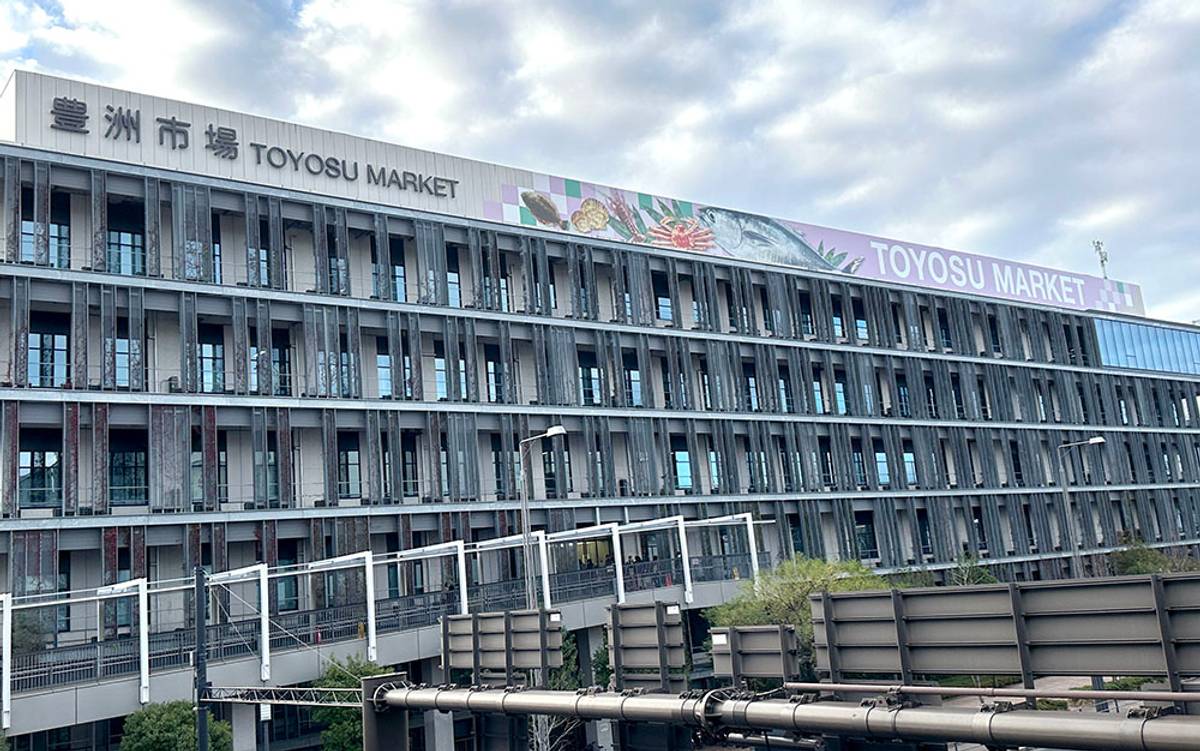
Toyosu Market exterior
Sushi Dai
Drawing on its roots in the former Tsukiji Market, this establishment sources the freshest, most seasonal ingredients available. The signature “Omakase Set” is their most popular offering. This satisfying menu includes ten pieces of seasonal sushi featuring classics like otoro (fatty tuna), accompanied by rolled sushi and tamago, with the final piece allowing you to choose. The sushi is prepared in the generous Edo-mae style, so the portions are substantial.
Torimeshi Toritō
A restaurant operated by a wholesale poultry distributor that has specialized in chicken and duck since its founding in 1907. You can enjoy oyakodon (chicken and egg rice bowl), Chinese noodles, curry, and set meals. Their exclusive Toyosu Market menu item, Mizutaki Chuka Soba, features a rich chicken-based broth crafted by simmering fresh poultry overnight, a dish that has earned approval from culinary professionals.
Fukusen
This shop uses plump, juicy eel sourced directly from Mikawa in Aichi Prefecture. Their signature dishes, unaju (eel over rice) and yakitori don (grilled chicken over rice) make this the ideal spot for those wanting a substantial early meal.
Senri-ken
A longtime café established in 1914 by the name Milk Hall Senri at the Nihonbashi Uogashi Market. Their popular "Special Set" features a creamy stew with a soft-boiled egg, accompanied by buttered toast and salad, and is beloved by international visitors. The menu also includes generous dessert options like pudding and cheesecake, making it popular for afternoon breaks. Everything is available for takeout.
Uogashi Ryōri Ikinoya
Alongside seafood bowls like the Itadaki Don offering a variety of seafood, this shop excels in grilled fish set meals. The well-seasoned simmered kinmedai (golden eye snapper), sablefish in Saikyo-style white miso glaze, an impressive grilled kinmedai fillet, and a three-piece grilled fish platter are all recommended for those preferring cooked dishes and warm food. The menu also features abundant sashimi options, perfect for those wanting a morning drink.
Popular Shops in Tsukiji
With the market’s relocation to Toyosu, lunchtime now draws heavier crowds than early morning hours. The abundance of food stalls selling grilled hotate (scallops), shrimp, and tamagoyaki (egg omelet) skewers make this ideal for casual eating and sampling varied cuisine. It’s also convenient for light snacks or enjoying seafood at relatively modest prices.
Beyond the historic, lively atmosphere, Tsukiji offers easy access to Higashi Ginza, where the Kabuki-za theater stands, and Tsukishima, known for monjayaki. The area is perfect for experiencing Japanese culture and atmosphere.
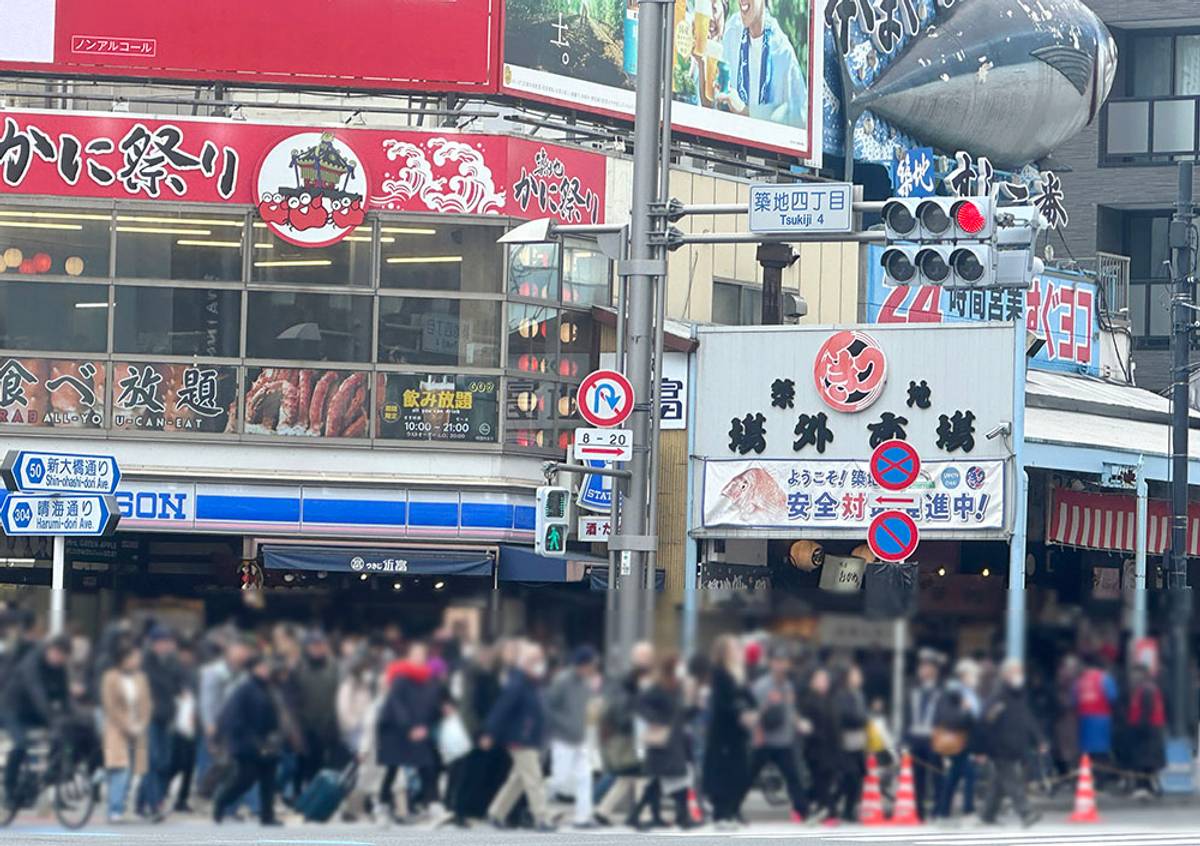
Tsukiji outer market
Maguroya Kurogin
This shop cuts fresh hon-maguro (bluefin tuna) to order, preparing it as sushi or sashimi. The appeal lies in savoring the distinctive qualities of different cuts, from otoro to akami. The generous portion sizes make sharing an excellent option.
Tsukiji Yamachō
A tamagoyaki shop where they hand-crack carefully selected eggs and cook each piece with dedication. Their sweet, broth-rich egg omelet appeals to children and adults alike. Kushi-tama, tamagoyaki in convenient skewer form at an affordable price, is perfect for eating while walking. They also offer Aji Kurabe, a set pairing regular tamagoyaki with varieties containing crab meat, shrimp, and conger eel.
Kaki Goya Tsukiji Shokudō
This spot lets you grill and eat seafood in a BBQ-style. They source the finest oysters from across Japan, selecting varieties at peak season and serving them at peak freshness. Their specialty, Gangan-yaki, involves steaming scallops, oysters, clams, and other shellfish in their shells inside a can. The concentrated flavor and bold presentation have made it a crowd favorite.
Pan Kōbō Le Pain
Among the many food stalls and enticing aromas of the Tsukiji area, this bakery stands out with its freshly baked bread and freshly ground coffee. Their anko (red bean paste) croissant is the number-one seller, with a wide variety of croissants available. Other popular items include red bean donuts, maple pecan pastries, and curry bread, all delicious and reasonably priced.
Tsukiji Donburi Ichiba
This restaurant prepares seafood bowls using fresh fish sourced from the market. Their tuna cheek steak bowl, limited to twenty servings daily, often sells out quickly. Many generous bowls feature abundant toppings, offering a breakfast experience true to Tsukiji tradition.
Tsukiji Hongan-ji Cafe Tsumugi
Located near the Tsukiji outer market, this café at Tsukiji Hongan-ji temple serves their popular 18-Dish Breakfast. Inspired by the 18th vow, known as the Primary Vow, among the 48 vows of Amida Buddha, this meal features eighteen items: rice porridge, miso soup, and sixteen small side dishes. Carefully prepared Japanese dishes including grilled fish, simmered vegetables, and pickles are served in a balanced arrangement. The café also offers the Temple Breakfast, tea-soaked rice, set meals, and sweets including a Japanese Afternoon Tea, parfaits, and sweet red bean soup.
Toritō Torisoba Stand
In the Tsukiji Uogashi food court, you’ll find a noodle specialist run by a poultry wholesaler that has operated in Tsukiji since 1907. Their Chinese noodles feature a rich, flavorful broth made with special chicken stock, hearty yet light enough for a morning meal. The menu also includes fried chicken set meals, egg-on-rice bowls, and grilled chicken skewers, making this the go-to spot for quality poultry.
Popular During New Year’s Shopping
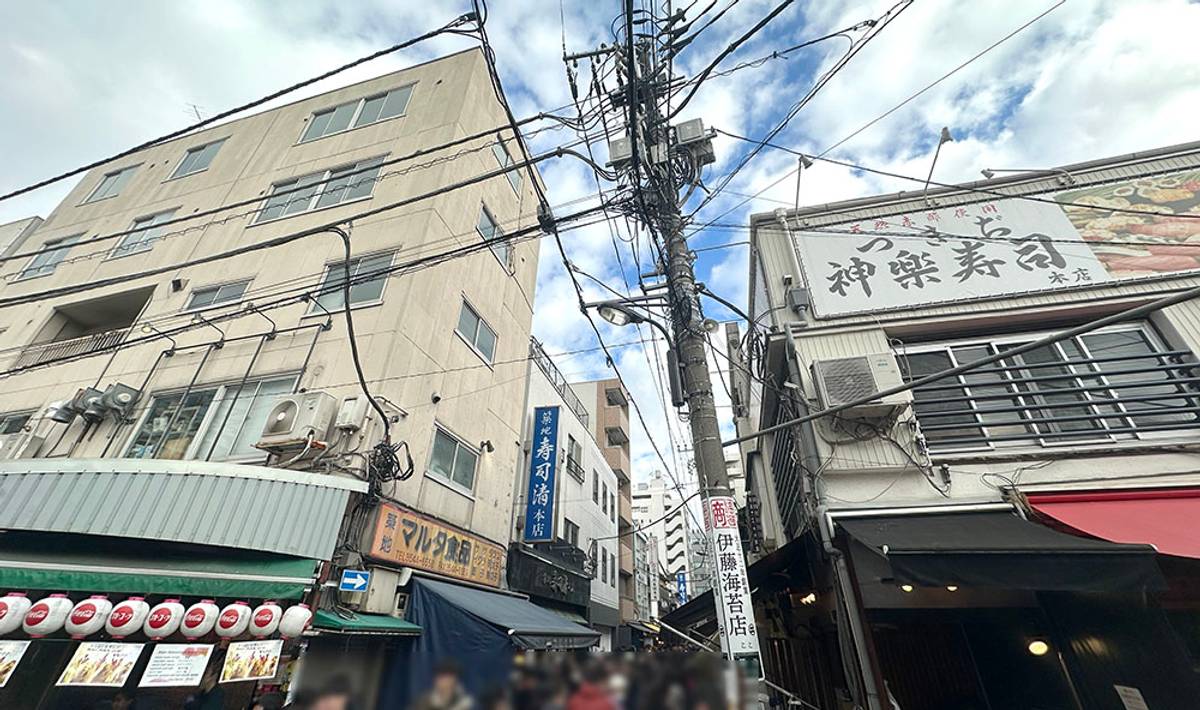
Tsukiji outer market at year’s end
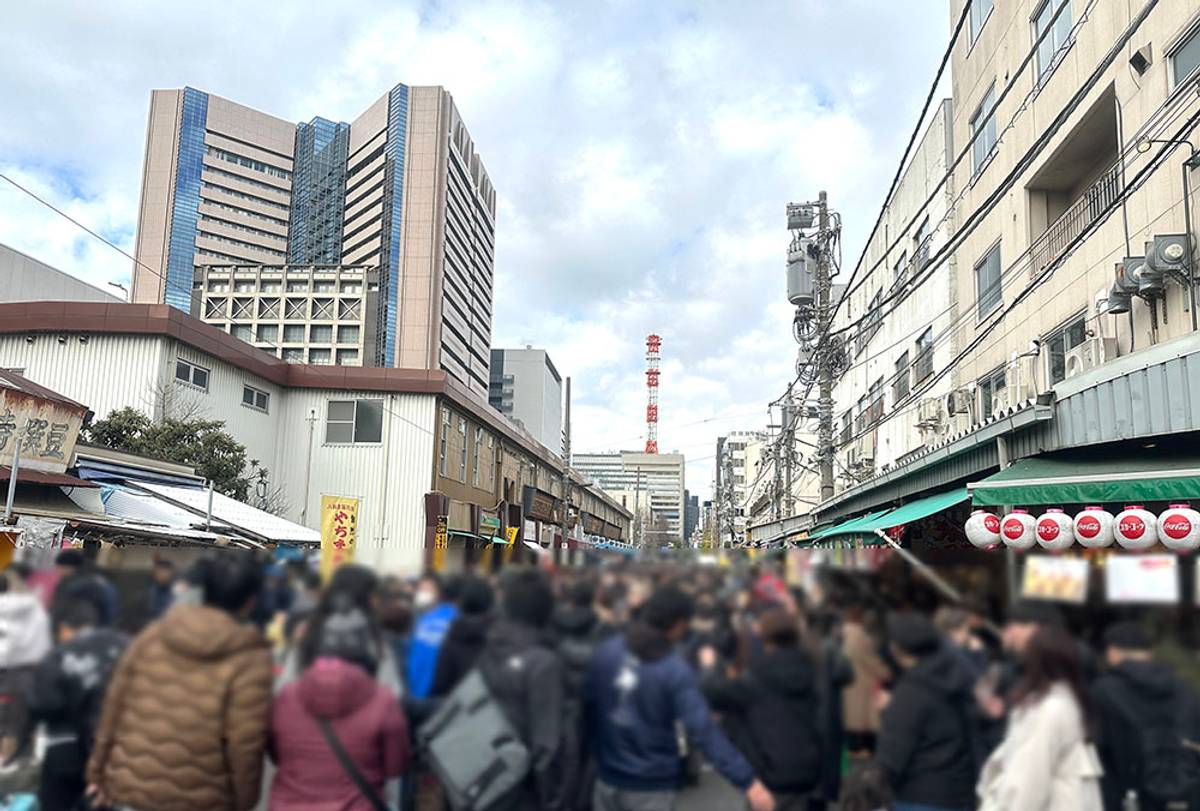
Tsukiji outer market at year’s end
As families and relatives gather to share festive meals during the year-end and New Year’s holidays, Tsukiji and Toyosu draw large crowds. Year-end markets display ingredients for osechi (traditional Japanese New Year’s cuisine), including kombu seaweed, dashi stock, shrimp, kazunoko (herring roe), and kuri kinton (candied chestnuts with sweet potato). Demand also rises for premium seafood like crab and tuna. After the break spanning New Year’s Eve through the first three days of January, tuna and other seafood won at the "first auction" of the year sometimes appear in shop displays. Year-end sales, mochi-pounding events, and lucky bag promotions are common, offering visitors a chance to experience Japanese culture and seasonal traditions firsthand.
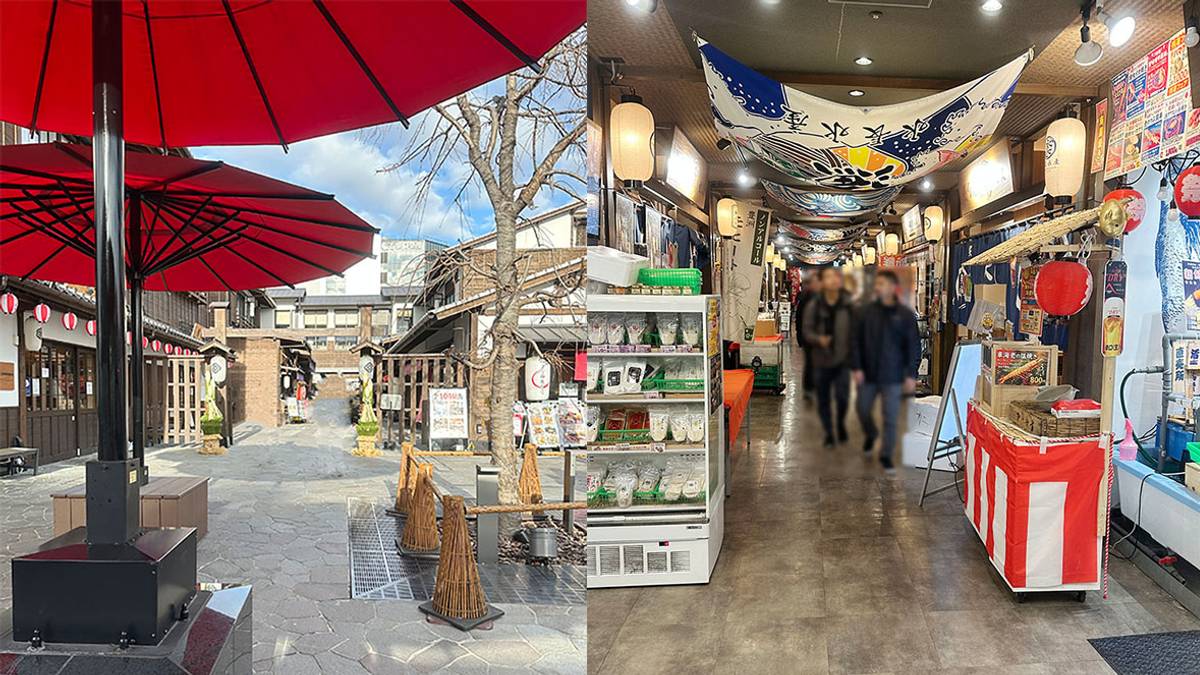
Senkyaku Banrai at Toyosu during year-end
Published Last Updated
Related Articles
Explore more articles on similar topics and deepen your knowledge of Japan.