Where to Watch Kabuki in Tokyo: A Guide to Theaters and English Support
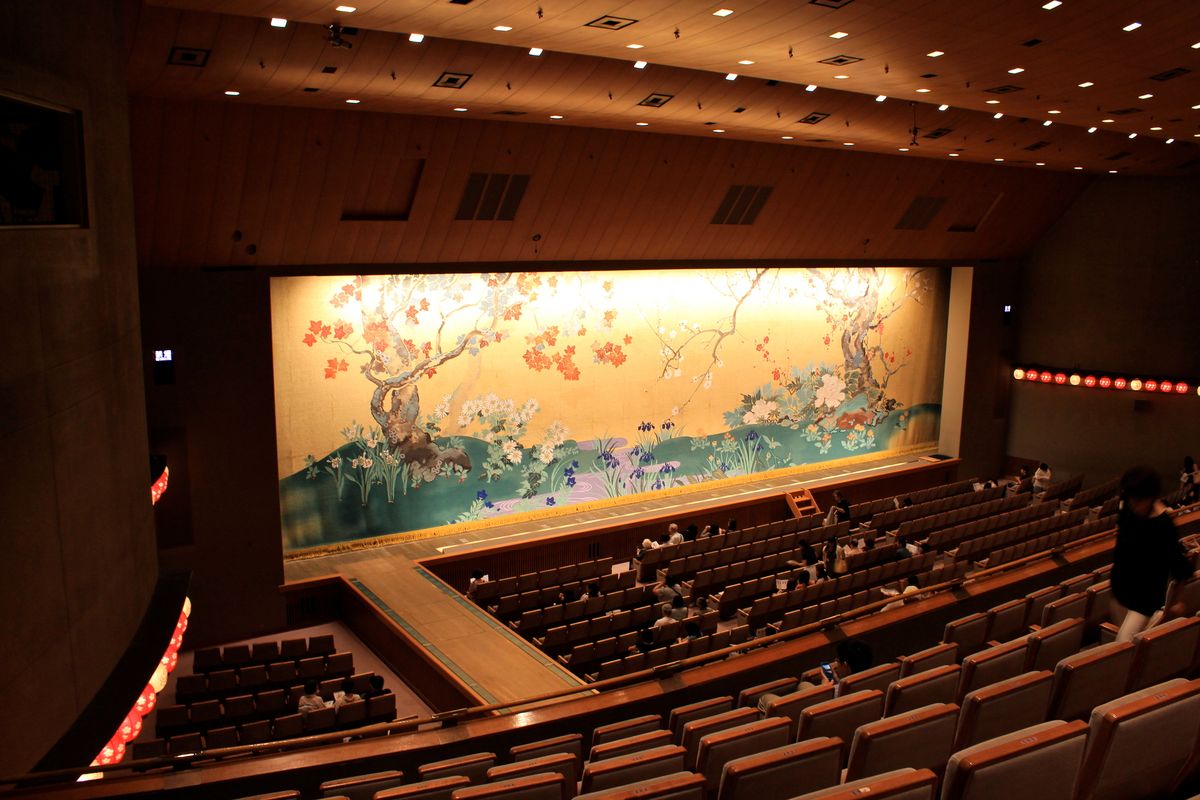
To enjoy Kabuki in Tokyo, there are various options centered around the Kabuki-za, including historic theaters and touring performances. Below, we introduce theaters and Kabuki events where you can see performances in Tokyo, as well as areas where you can enjoy Japanese culture, including the streetscapes and surrounding environments.
English and Chinese Support
These theaters have supporting subtitle guides in English and Chinese.
Kabuki-za
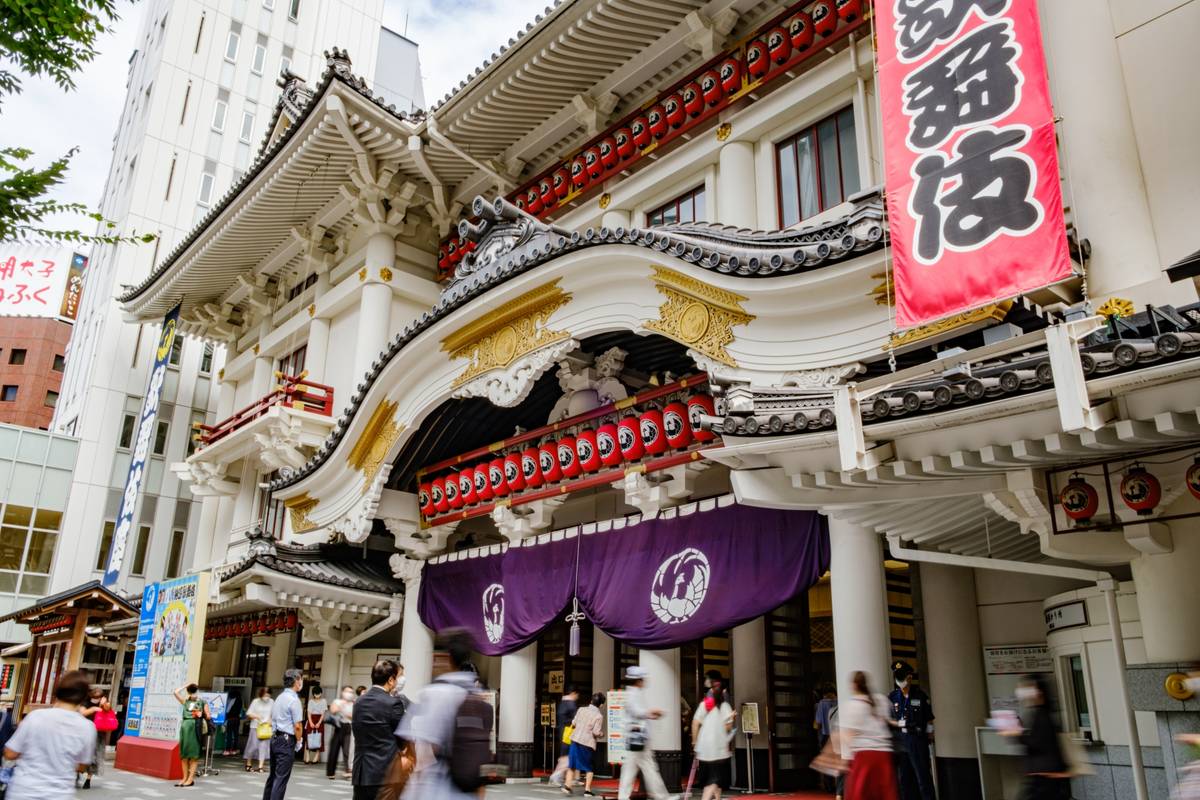
Kabukiza Theatre
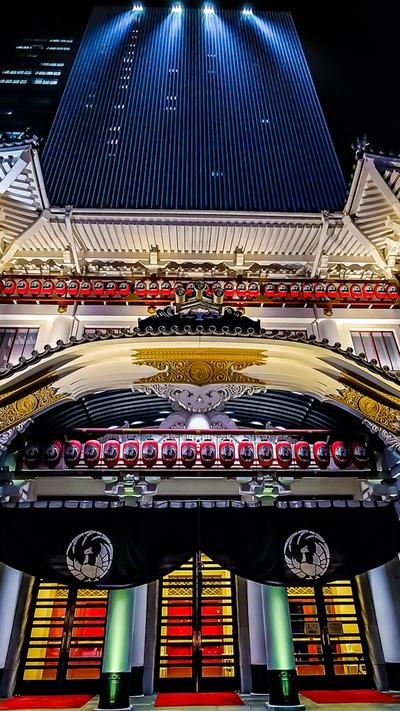
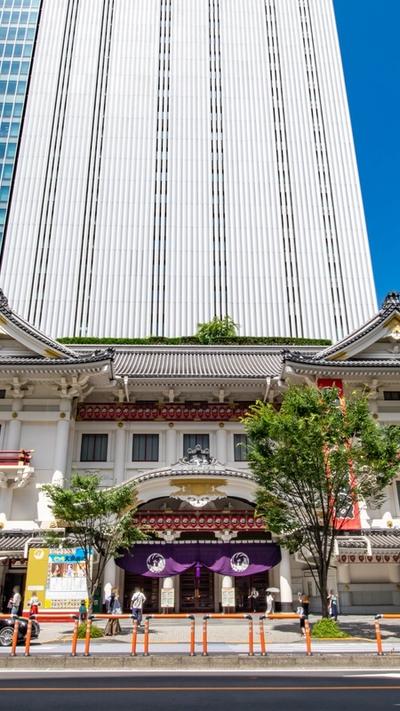
First is the world-famous Kabuki-za. Located in Higashi-Ginza (east of Ginza), it not only stages various programs but also features extensive souvenir shops and stores selling bento boxes to eat during intermissions. It is highly recommended for those who want to fully experience the culture and atmosphere of Kabuki beyond just watching the performance.
While a typical morning or evening show consists of about three programs each, if you are short on time or only wish to see one specific play, you can purchase "Single Act Seats" (Hitomaku-mi) at an affordable price. These are sold online or at the theater box office on the day of or the day before the performance; please check the Shochiku official website for purchase details.
Tablet based subtitle guides in English and Chinese are available, allowing you to view subtitles in sync with the stage. (Payment is cash only on the day of the performance).
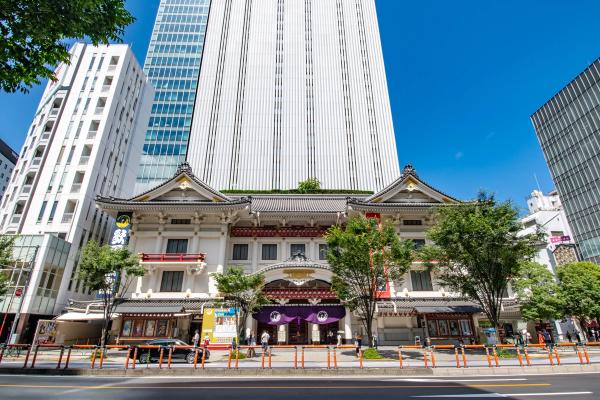
English Support (Audio Guide)
Asakusa Public Hall
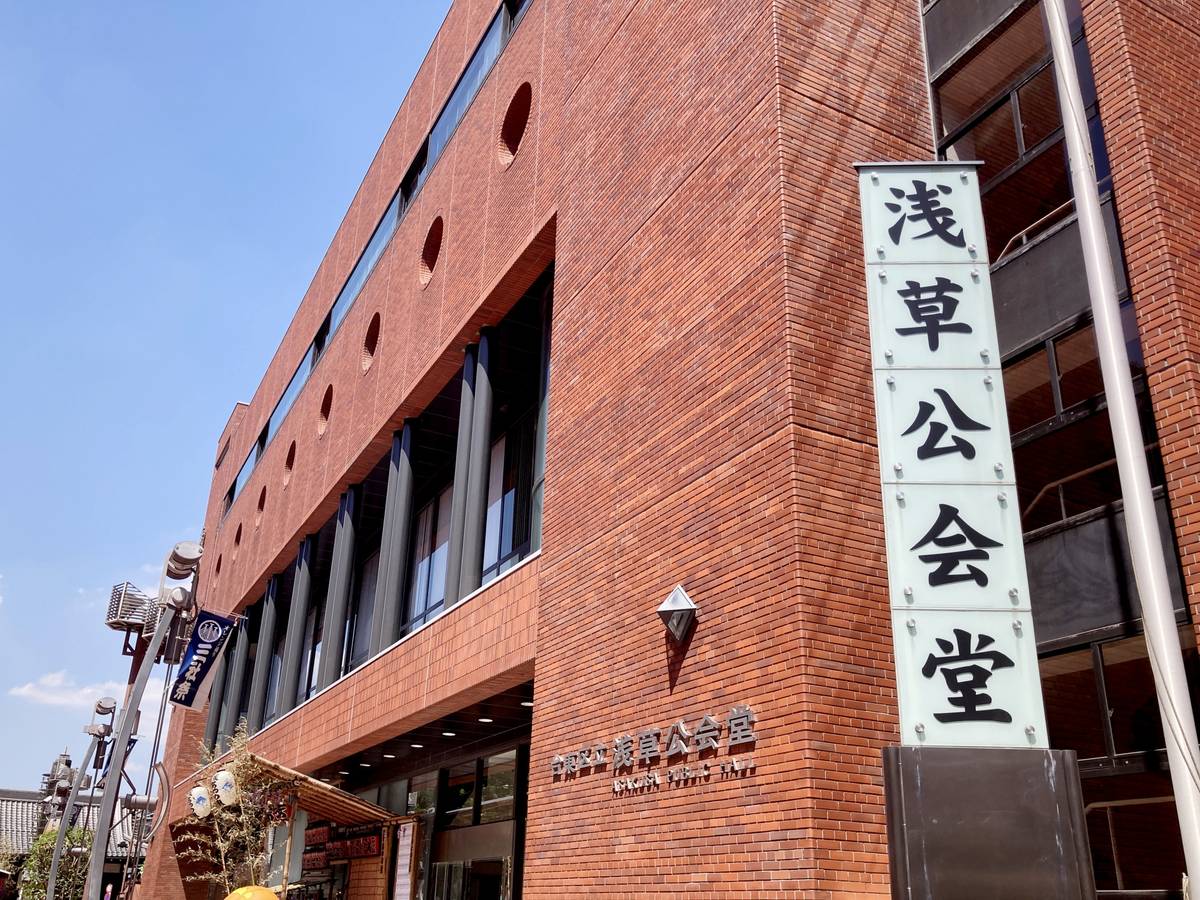
Asakusa Public Hall / Photo AC
This hall is located just a short walk from famous Asakusa tourist spots like Senso-ji Temple and the Kaminarimon Gate. Many performances here are deeply rooted in the spirit of Asakusa, such as the New Year Kabuki Performances in January, as well as traditional Japanese instrument groups, dance performances, and Rakugo (comic storytelling) events with strong local ties.
English earphone guides (for a fee) are available for rental depending on the performance. Additionally, you can purchase tickets that include an English guide and souvenirs online through platforms like Klook.
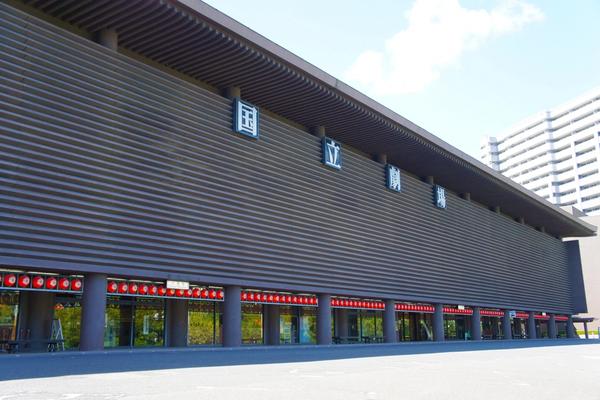
National Theatre
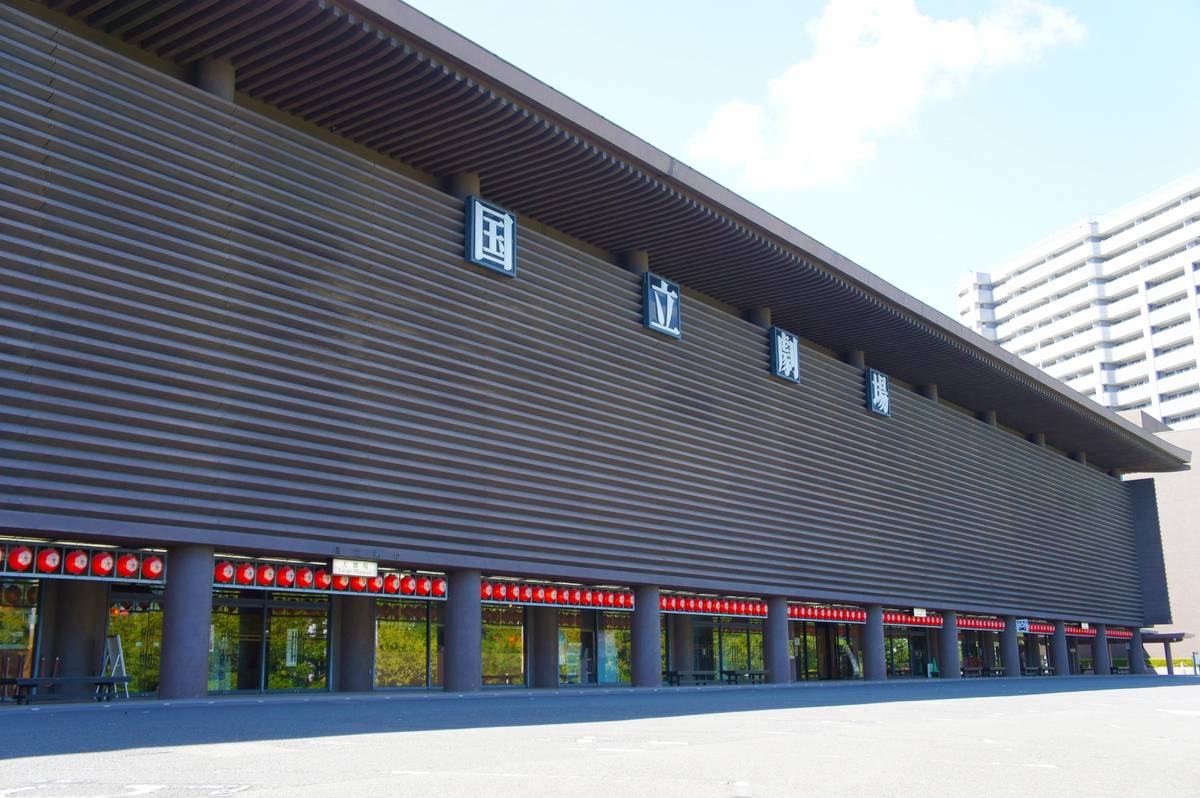
National Theatre / Photo AC
The theater closed at the end of October 2023 for a large-scale reconstruction project. Currently, hosted performances and Kabuki appreciation classes are being held at venues such as the National Bunraku Theatre, the New National Theatre, Arakawa City Hall (Sunpearl Arakawa), and Koto City Kokaido.
Generally, English earphone guides (for a fee) are available for rental during Kabuki performances.
New National Theatre
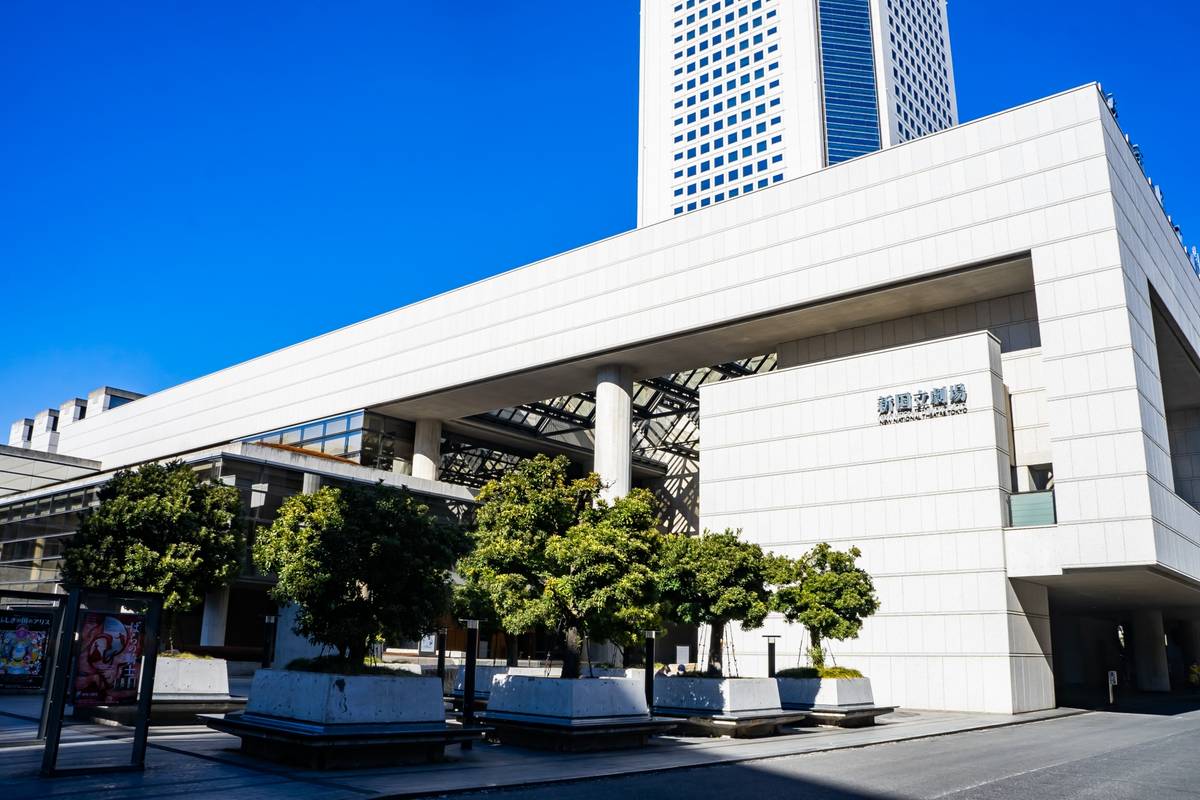
New National Theatre / Photo AC
Performances are mainly held in the Playhouse. The New National Theatre is located in Hatsudai and houses an opera house and multiple theaters within its complex. Its accessibility—within walking distance of Shinjuku—is also a major draw.
English earphone guides (for a fee) are available for rental depending on the performance.
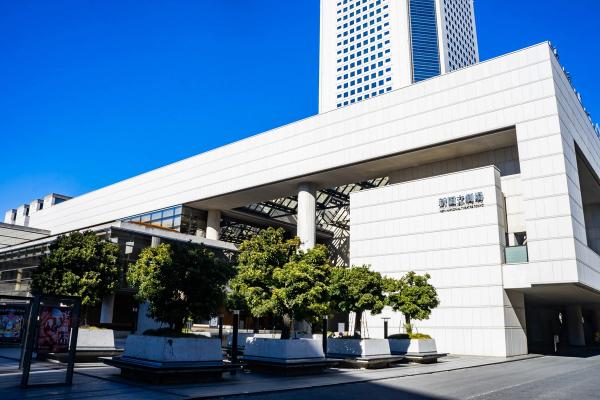
No English Audio Guide
These theaters do not offer English audio guides and are suited for advanced viewers. If you have been studying Japanese and feel confident in your skills, you might want to take on the challenge.
Shinbashi Enbujo Theatre
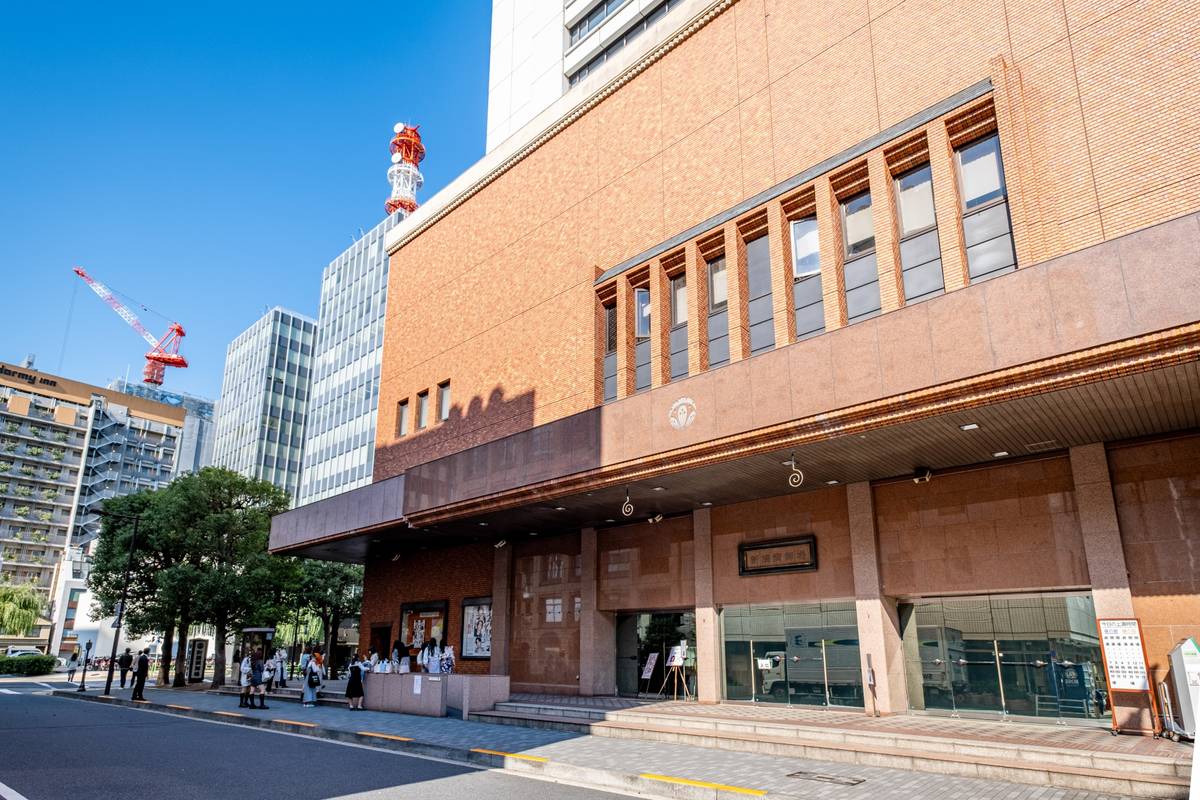
Shinbashi Enbujo Theatre / Photo AC
Located near the Kabuki-za and very close to Tsukiji Shijo Station. While it often hosts "popular theater" (Taishu Engeki) performances, it features a Hanamichi (runway) and other facilities that allow for traditional Kabuki-style staging.
There are no English audio guides or subtitle services; however, an English synopsis of the plays is usually included at the end of the Japanese program sold at the venue.
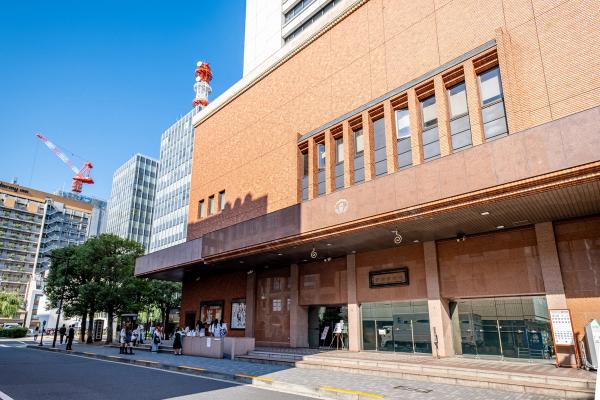
Meijiza Theater
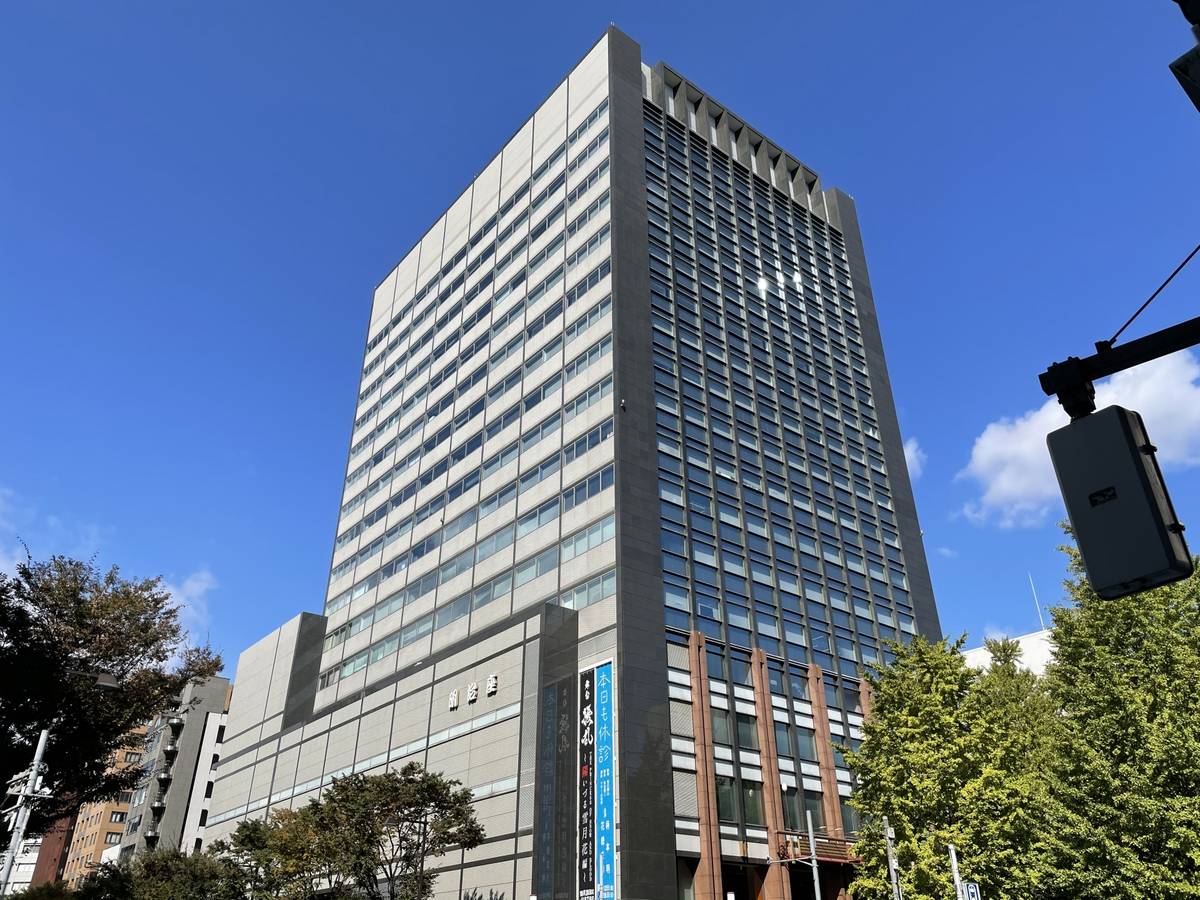
Meijiza Theater / Photo AC
Opened in 1873, this theater is located in the Ningyocho/Nihonbashi-Hamacho area. Currently, it hosts a variety of shows, including period dramas (Jidaigeki), musical galas, and stage plays. The colorful Nobori (banners) featuring the actors' names displayed outside the theater during a run are a Meijiza specialty. Furthermore, you can enjoy meals and desserts themed after the current production at the in-house restaurant and lounge.
Recommended: Audio Guide Official Website
By checking the "Foreign Language Support" section on the official website of the company that provides earphone guides (audio guides with commentary), you can see the schedule for performances with English support for the next 1–2 months. You can check information for general traditional performing arts, including Kabuki, Bunraku, Noh, and Kyogen.
Bonus: Discover KABUKI - Kabuki Appreciation Program for International Visitors -
Kabuki and Bunraku attract high levels of popularity and interest among aspects of Japanese culture. Therefore, the Japan Arts Council regularly organizes performances designed to make popular plays accessible and easy to enjoy.
Performances with English audio guides and subtitles are mainly held in the summer, and ticket sales usually start around May on the National Theatre website.
Note for the 2025 Performance: Includes English and Japanese earphone guides, English subtitles, and programs available in six languages: English, Japanese, Chinese (Simplified/Traditional), Korean, French, and Spanish.
While it may be difficult to time your trip exactly with these events, please check for them if you have the opportunity.
- External resources
Kabukiza Theatre
Shochiku
National Theatre
New National Theatre
Published Last Updated
Related Articles
Explore more articles on similar topics and deepen your knowledge of Japan.