Cherry Blossoms and Hanami: Japan’s Iconic Spring Tradition
Introducing sakura (cherry blossoms) varieties, hanami tips, and how sakura is portrayed in Japanese literature and anime.
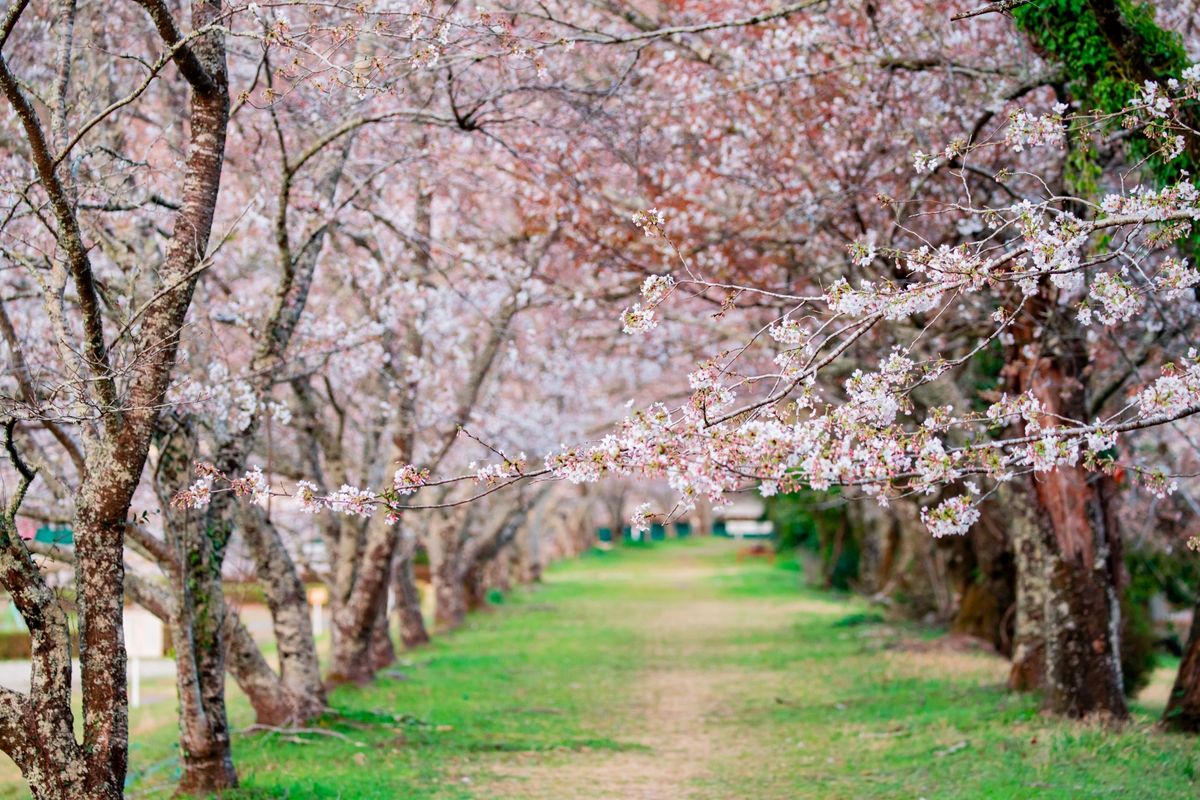
One of Japan's most celebrated cultural practices is hanami, or cherry blossom (sakura) viewing. While Japan maintains various celebrations throughout the year that honor the changing seasons, hanami specifically refers to the practice of enjoying cherry blossoms, which typically reach full bloom between March and May.
One of Japan’s Most Iconic Flowers
Though not officially designated by law, cherry blossoms (sakura) and chrysanthemums are considered Japan's national flowers. Both appear on currency, coins, and postage stamps, making them flowers deeply woven into everyday life. The chrysanthemum serves as the imperial family crest and carries a significance tied more to the imperial household than to Japan as a whole.
Cherry blossoms come in many varieties. Japan is home to roughly ten wild species, over two hundred hybrid and cultivated varieties, and more than eight hundred named cultivars. Historically, Japan has developed numerous varieties, and many ancient cherry trees over one thousand years old still stand throughout the country.
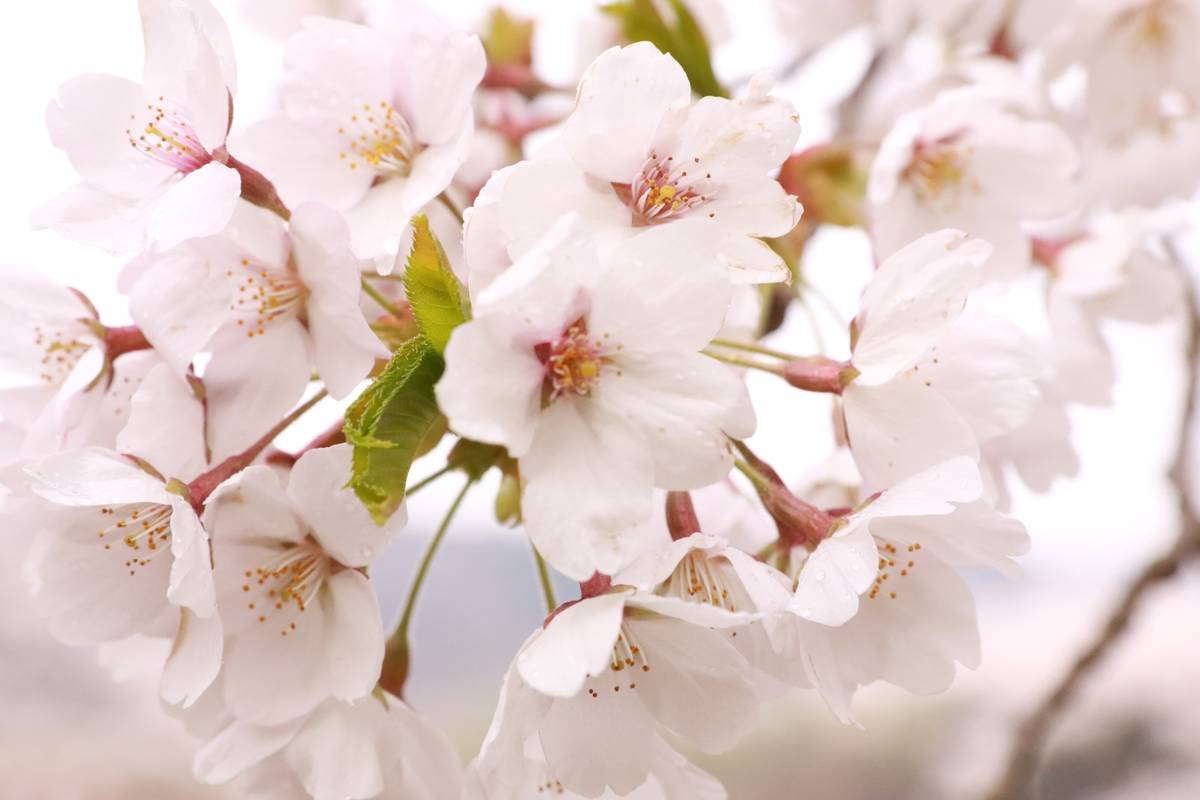
Cherry blossoms. Somei Yoshino is the most well-known cherry blossom variety in Honshū.
Beyond their splendor at full bloom, cherry blossoms are beloved for another quality: their brief flowering period of about two weeks, and the striking beauty of petals falling like snow. Many Japanese view this ephemeral nature as a reflection of life's fleeting quality, making the cherry blossom a symbol of the Japanese spirit. Samurai, who departed for battle prepared to die honorably and accepted death with composure, adopted the cherry blossom as their emblem, valuing the beauty found in a graceful end.
Japan has a saying: Hana wa sakuragi, hito wa bushi (Among flowers, the cherry blossom; among people, the samurai.) This phrase celebrates both the elegance of falling petals and the dignity found in how one departs.
Bloom Forecasts Themselves Become Events
Each year, as March approaches and cherry blossoms prepare to bloom, weather forecasting companies begin releasing cherry blossom bloom and peak bloom forecasts starting in January. With predictions issued regularly for different regions from Hokkaido to Kyushu, people can plan their hanami outings well in advance. The anticipation builds considerable excitement among many Japanese people, and before long, convenience stores, supermarkets, and hundred-yen shops fill their shelves with hanami-related goods.
Understanding Cherry Blossom Blooming
Bloom is officially declared when five or more buds on the specimen tree used for observation have opened. The most famous and widespread variety, Somei Yoshino, blooms earliest in Kyushu, then progressively northward through the Kansai region, Kanto, Tohoku, and finally Hokkaido. Okinawa centers on the Kanhizakura, a variety that produces deep pink flowers and reaches peak bloom in January.
Telling Apart Cherry Blossoms, Plum Blossoms, and Peach Blossoms
As spring arrives, not only cherry blossoms but also plum and peach blossoms bloom. Plum flowers appear first, followed by peach, then cherry. All three belong to the Rosaceae family and typically display white to pink petals with five petals each, making them easy to confuse. Here are some ways to tell them apart.
Plum Blossoms (Starting Late January)
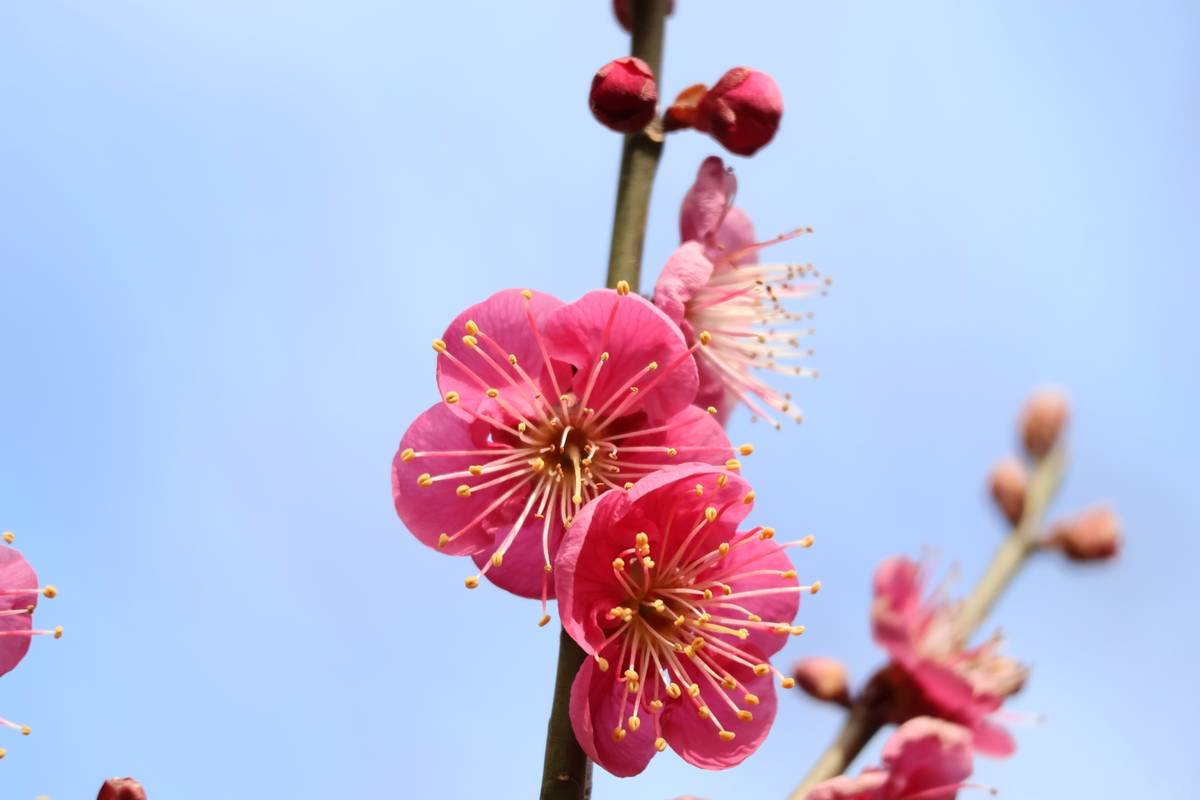
Plum blossoms. The rounded petals and sweet, tart fragrance are their distinguishing features.
Plum blossoms range from white to crimson, and the white varieties are most easily mistaken for cherry blossoms. The petal tips are rounded, and many varieties form nearly circular shapes. The flowers lack a flower stalk and bloom densely packed along branches. The trunk is a blackened brown, and with space between blooms, the overall impression is modest and refined. They emit a sweet and slightly tart fragrance, so when you notice this fresh scent drifting through early spring, a plum tree is likely nearby.
Peach Blossoms (Early March)
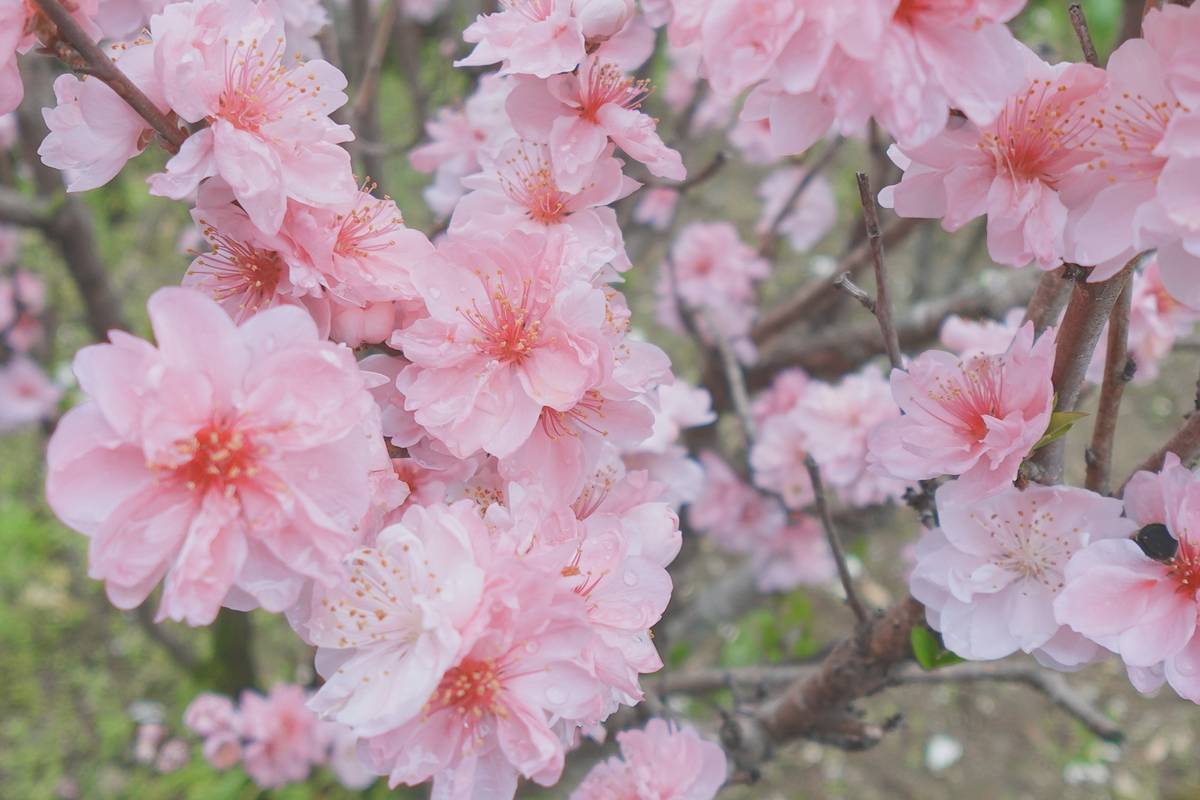
Peach blossoms. The petals have pointed tips, and flowers cluster densely along the branches.
These typically come in deeper pink shades, with pointed petal tips. The flower stalk is short, flowers cling close to branches, and leaf buds produce flowers on both sides, creating a denser clustering than plum blossoms. The trunk is whitish with distinctive spot patterns.
Cherry Blossoms (Late March)
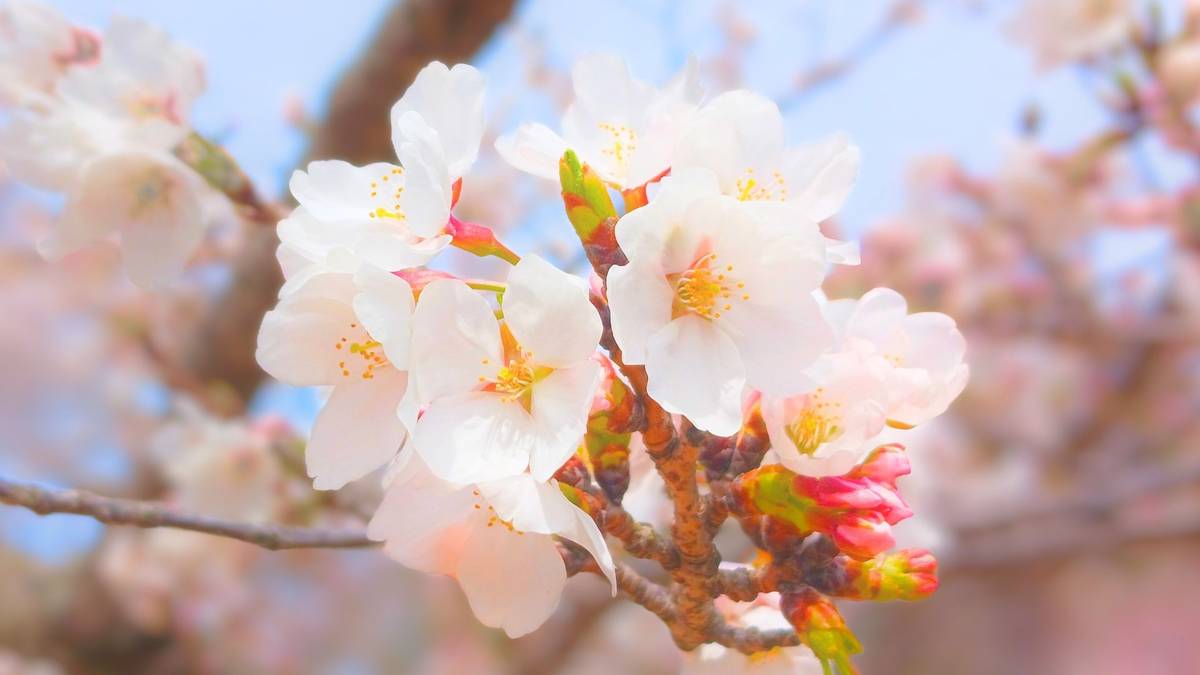
Cherry blossoms. The petal tips are split, and many flowers bloom from each cluster.
Depending on the variety, the petal tips are distinctly split. With longer flower stalks and buds clustered in bunches, the flowers gather densely together beautifully, creating an impression of petals spilling from the branches. The trunk displays reddish-brown to purple-brown bark with a striped pattern.
The History and Origins of Hanami
Hanami traces its origins back to the Nara period (710-794). It began as an aristocratic pursuit, centered on appreciating plum blossoms brought from China. However, during the Heian period, when Emperor Saga developed a fondness for cherry blossoms and began requesting annual tributes of cherry trees from shrines, the practice grew fashionable among nobility. Gradually, hanami became synonymous with cherry blossoms. It evolved into a formal imperial tradition, and nobles began planting cherry trees in their palace gardens.
Hanami culture continued spreading. During the Kamakura and Muromachi periods, the samurai class embraced it; in the Edo period, commoners also started to enjoy hanami. By the Meiji era, as feudal estates were demolished, many cultivated cherry varieties faced extinction. However, volunteer efforts to transplant and preserve these varieties spread nationwide, ensuring that today cherry blossoms are able to be enjoyed throughout the country as a beloved spring tradition.
Modern Hanami Centers on Dining and Drinks Beneath the Blossoms
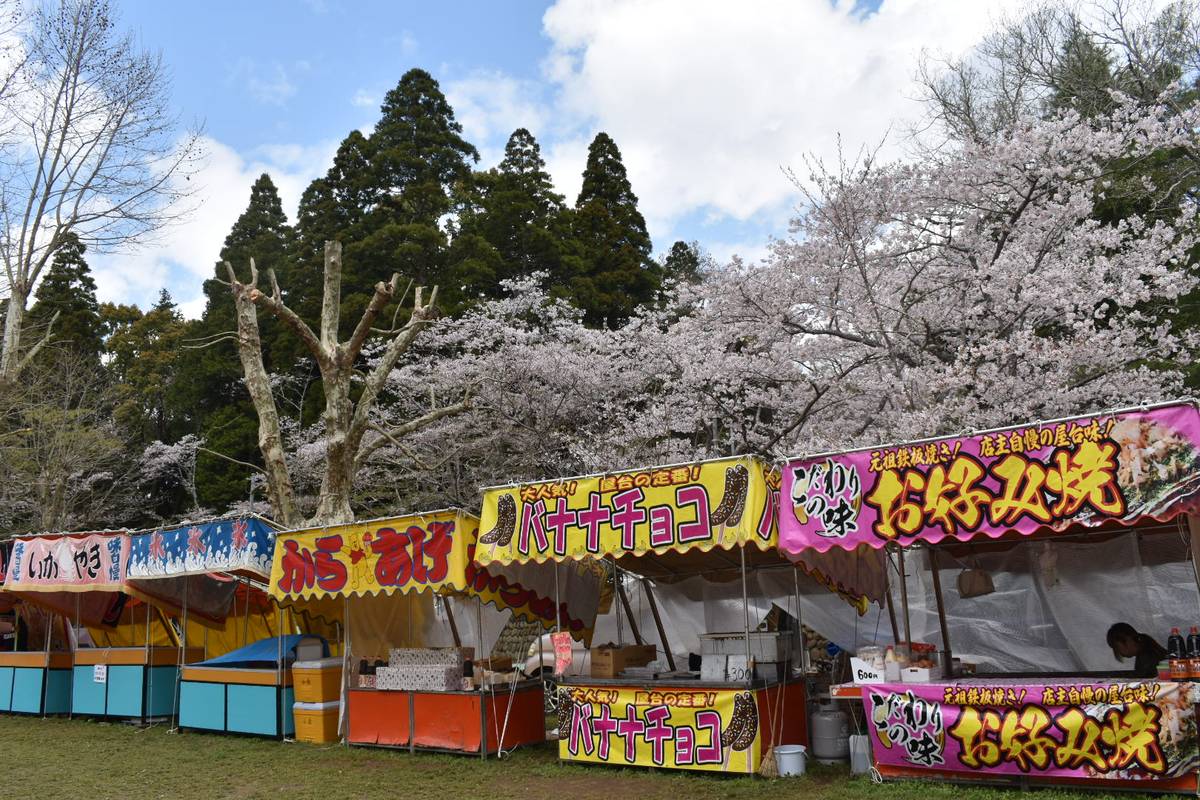
From March through May, cherry blossom festivals are held across Japan. You'll often find food stalls selling light bites like takoyaki and crepes.
From March through May each year, cherry blossom festivals take place throughout the country. Held in parks where cherry trees are planted and along tree-lined avenues, these festivals feature illuminated cherry trees strung with lanterns and rows of food stalls. In riverside areas, people sometimes watch cherry blossoms from traditional boats or cruise ships.
Chochin That Illuminate the Night Blossoms
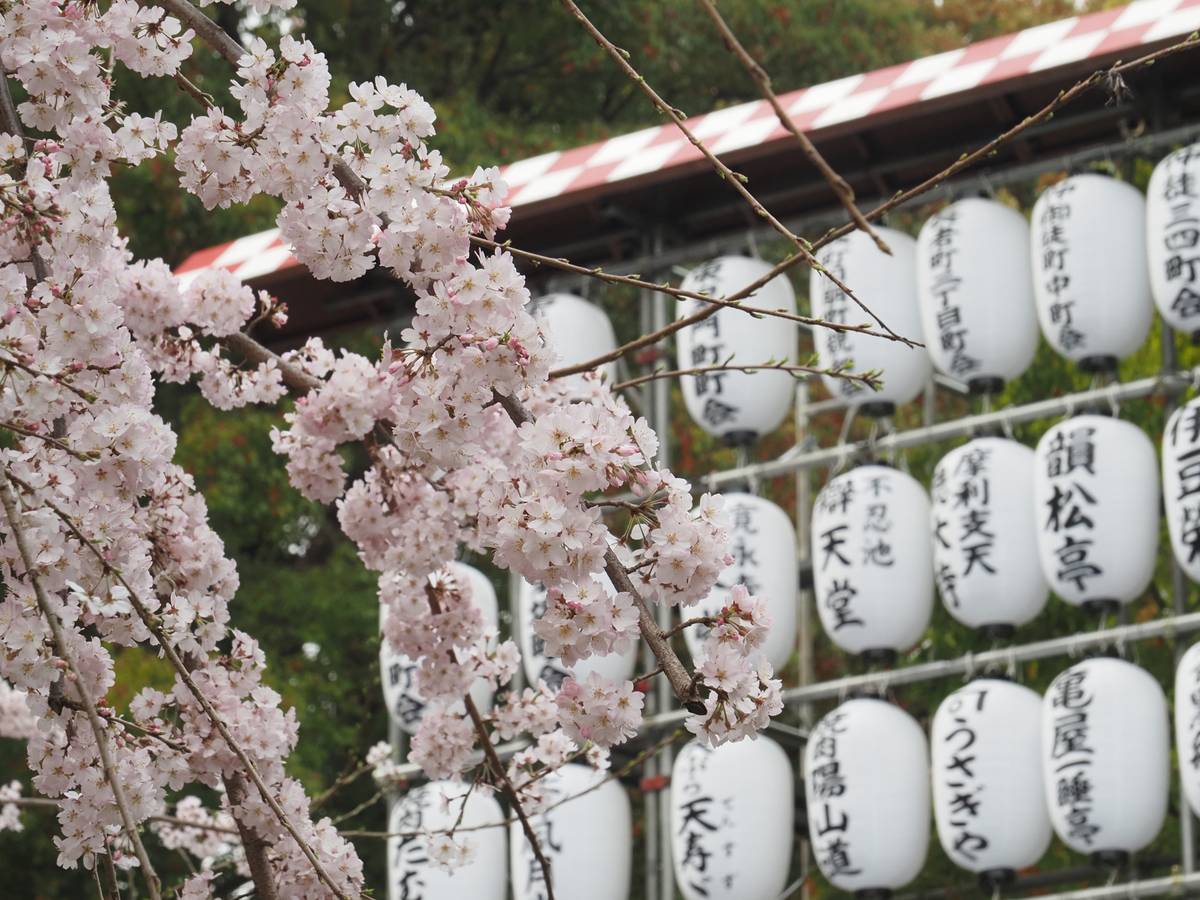
Lanterns. In recent years, some festivals offer the option to include personal messages alongside company or individual names.
At cherry blossom festivals and Japanese festivals more broadly, chochin (traditional Japanese lanterns made of paper and bamboo) bearing company names, personal names, or messages hang in rows. At temples and shrines, they serve as offerings to the deities; at events, they indicate sponsorship. By providing sponsorship details and a donation, you can have a custom chochin made and displayed.
No Hanami Without Hanami Dango
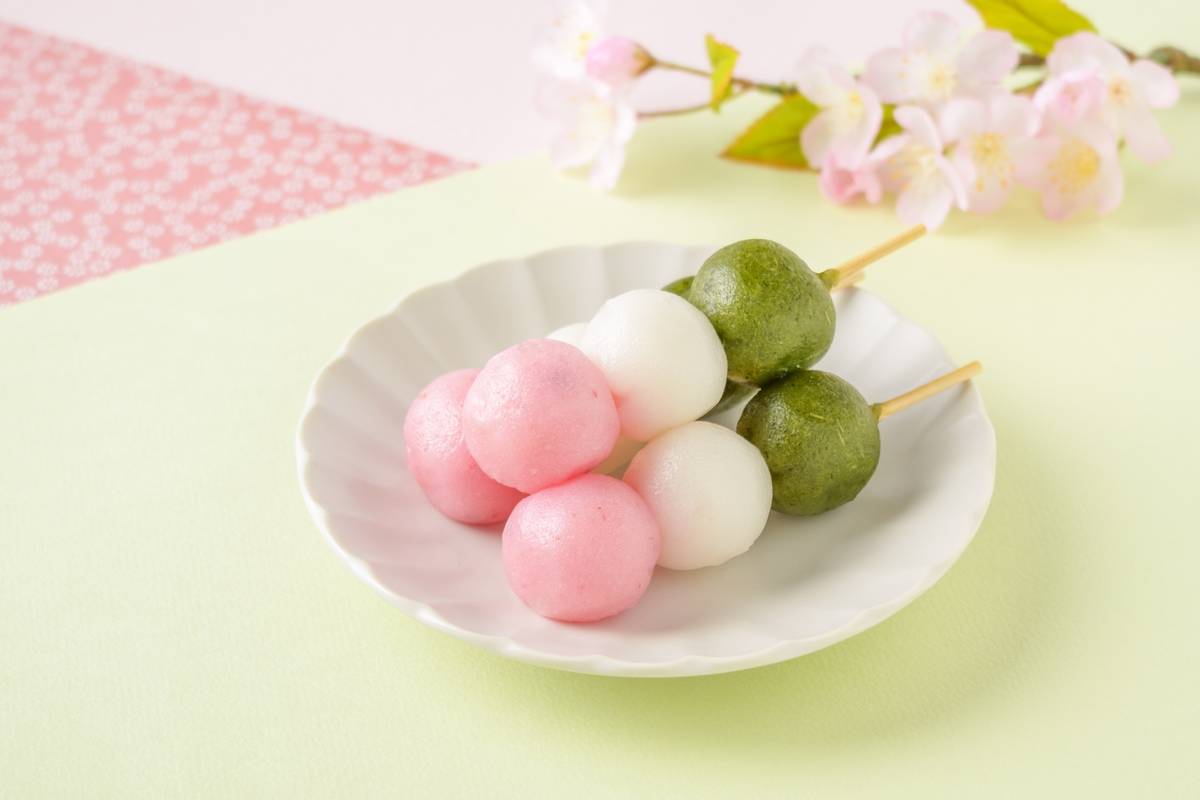
Hanami dango (tri-color dango). With their cute pink, white, and green appearance, these affordable traditional sweets are available at supermarkets and other stores.
The quintessential food eaten under the cherry blossoms is hanami dango, three rounded sweet dumplings in cherry pink, white, and green skewered on a stick. The pink represents cherry blossoms and the vitality of spring, white symbolizes lingering winter snow, and green represents mugwort, evoking the approach of summer.
Convenient Hanami Essentials
Here are items ranging from must-haves to convenient for a successful hanami outing.
Garbage Bags
While some cherry blossom festival parks provide trash receptacles, bring a garbage bag so you can take your trash with you.
A Sheet and Weights
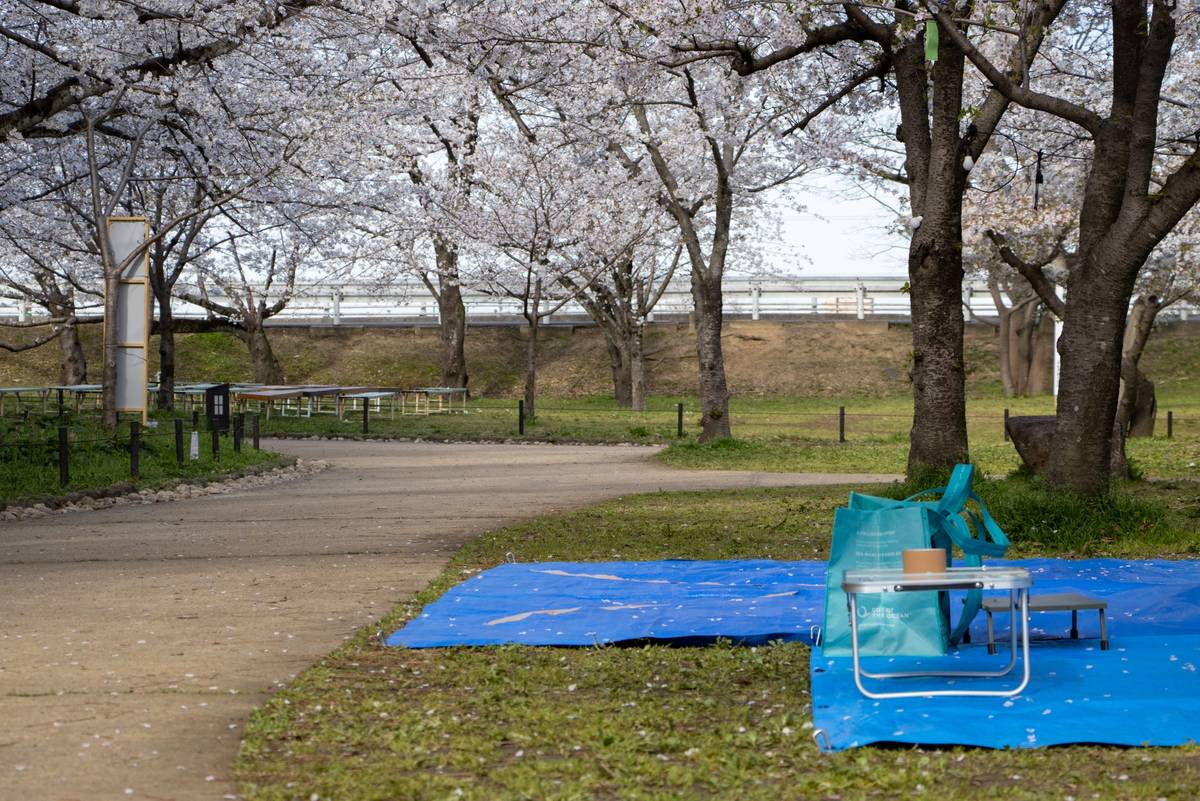
Picnic sheets. For large group hanami, a waterproof tarp known in Japan as a 'blue sheet' is indispensable.
Hanami typically happens in parks or along riverbeds where benches may be scarce. Mornings and days following rain leave the ground wet or muddy, so a waterproof sheet is nice to have. Larger sheets are found mainly at home improvement stores or online, but smaller versions for one or two people are available at hundred-yen shops. In Japan, these are sold as "leisure sheets," and since spring is the hanami and sports day season, stores usually feature dedicated sections for these.
On windy days, sheets can blow away, so weights help. You can improvise with a full bag or other heavy items.
In popular hanami spots, desirable locations and spacious areas fill up early, creating familiar scenes of people claiming spots with sheets before sunrise. Some wake in the cold pre-dawn hours specifically for this task, sometimes becoming news stories.
Dishes and Utensils
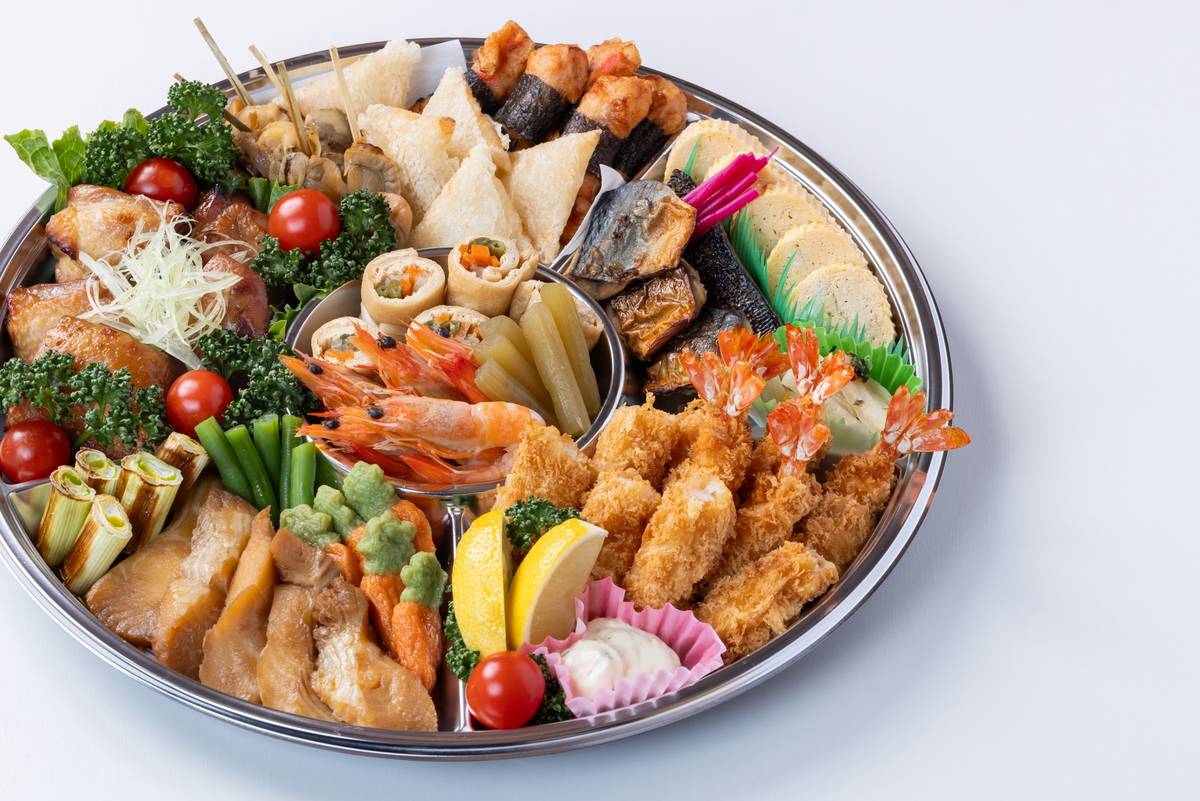
In Japan, a spread of assorted dishes and finger foods is called an 'oedoburu' (hors d'oeuvre). They are served at parties and banquets.
Depending on your hanami style, if you bring food to share or order large platters, sushi assortments, or pizza, having dishes and utensils to divide them is very convenient. Hundred-yen shops sell disposable paper plates, cups, chopsticks, and forks.
Wet Wipes
Water stations and restrooms allow hand washing, but wet wipes are also indispensable. Available at hundred-yen shops, they come in varieties with and without alcohol, and with or without antibacterial properties, so you can choose based on preference.
Cold and Sun Protection Gear
On overcast days or during evening hours, temperatures can drop. Bring lightweight jackets or shawls for warmth. Conversely, some days feel almost like early summer with intense sun and heat. A parasol, sunglasses, and sunscreen would be good to have.
Useful Extras
Tripods and Selfie Sticks
Photography equipment helps capture memories. Cherry trees become prone to sickness if damaged, so be careful during photography sessions.
Tabletop Games and Toys
When large groups gather, portable games like playing cards or UNO make outings more fun. Shogi, Go, and chess played beneath the cherry blossoms have a poetic appeal. You can also enjoy activities like bubbles and badminton. Just be mindful not to disturb those around you.
Never Break Branches or Cut Cherry Trees
Cherry trees are incredibly delicate, and once cut or broken, decay spreads from that point, often killing the entire tree. Even if branches are within reach in parks, casually snapping them off is unacceptable. Areas may designate cherry trees as protected property, making damaging the trees criminal offenses of property destruction or theft. Beyond legal concerns, cherry trees have long been regarded as mystical, revered in nature worship, giving rise to the folk belief that cutting cherry trees brings bad fortune.
Cherry Blossoms as Subjects in Literature and Music
Cherry blossoms serve as spring's symbol across numerous cultural works: classical poetry, haiku, novels, music, kabuki, Noh theater, manga, and film.
Beautiful Yet Haunting as a Motif
The short story Under the Cherry Trees (Sakura no Ki no Shita ni wa) by Meiji-era literary figure Kajii Motojiro opens with a jarring line: "Corpses lie buried beneath the cherry blossoms!" The protagonist imagines that the cherry tree's radiant beauty stems from nutrients absorbed by corpses buried at its roots, reflecting on the connection between life and death. This story is believed to be the origin of the urban legend about dead bodies buried beneath cherry trees.
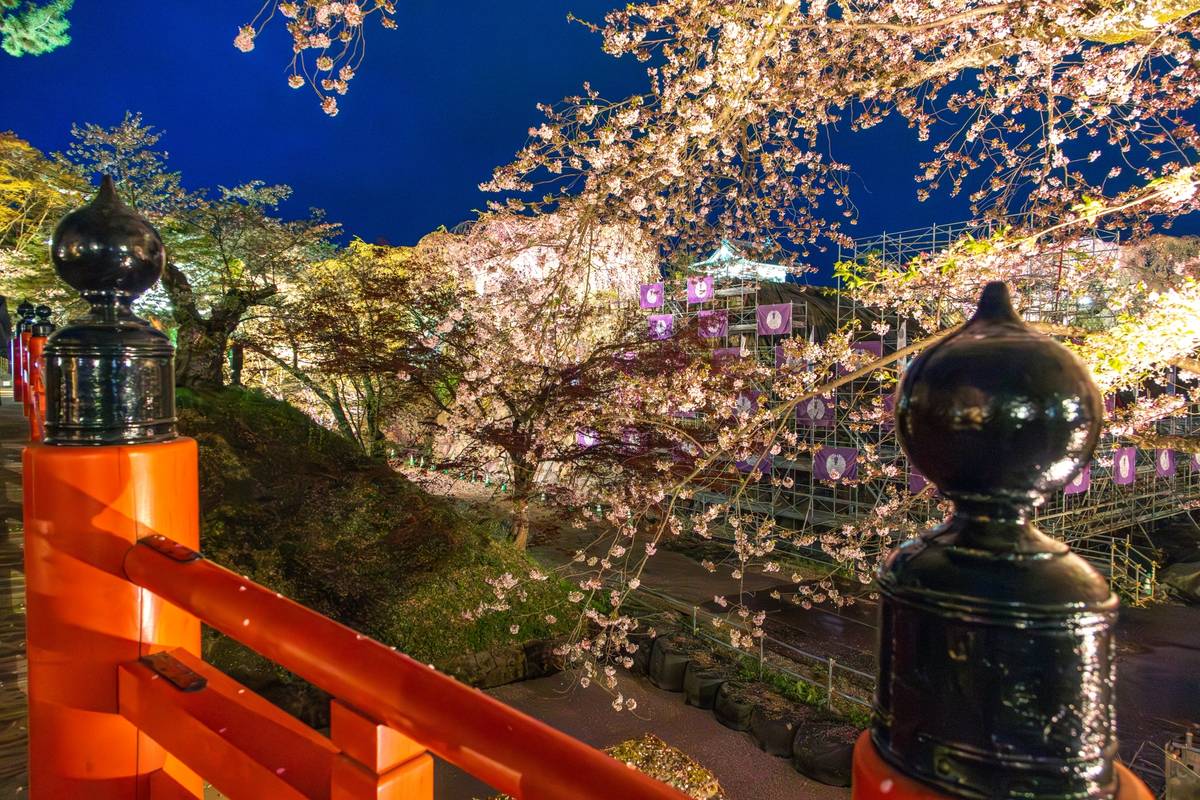
Hanami under the open sky is popular, but illuminated cherry blossoms at night also draw large crowds with their dreamlike atmosphere.
Sakaguchi Ango, a novelist and critic who was active from the Meiji through Showa periods, also penned In the Forest, Under Cherries in Full Bloom (Sakura no Mori no Mankai no Shita), depicting the dreamlike beauty and loneliness of cherry blossoms. The story follows a bandit who fears only the cherry forest despite controlling other territory, and his wife, a beautiful and cruel woman. The work spawned adaptations across film, television drama, theater, and manga, along with numerous derivative works inspired by its themes.
While cherry blossoms signal spring's arrival through their beauty, their swift dispersal by wind and rain, along with how pale pink flowers seem to faintly materialize at dusk, often link them to ghosts and death.
Youth's Beauty and Life's Transience Expressed Through Cherry Blossoms
Makoto Shinkai's 2007 animated film and its novelization, 5 Centimeters per Second, takes its title from the falling speed of cherry blossom petals. The story follows two people who drift apart after graduation, their separation as gentle and quiet as descending petals, beautiful yet melancholic.
The fleeting impression of cherry blossoms makes death a frequent theme in works featuring them. Yoru Sumino's I Want to Eat Your Pancreas starts with the protagonist discovering the heroine Sakura's secret diary about her illness. Despite its startling title, it derives from folklore suggesting that eating the organ matching an illness's location can cure it, and that eating someone's organ allows their soul to live on within that person. Depicting pure affection, it has become a beloved tearjerker romance.
Cherry Blossoms and Hanami in Manga and Anime
Cherry blossoms function as a spring motif, appearing in illustrations and episodes set in March or April, during graduation and entrance ceremonies. Their combination of splendor and transience, the liveliness of hanami gatherings, and the eerie atmosphere mentioned earlier makes them appear across diverse creative fields.
When featured characters are adults, including hanami scenes easily facilitates alcohol-related episodes.
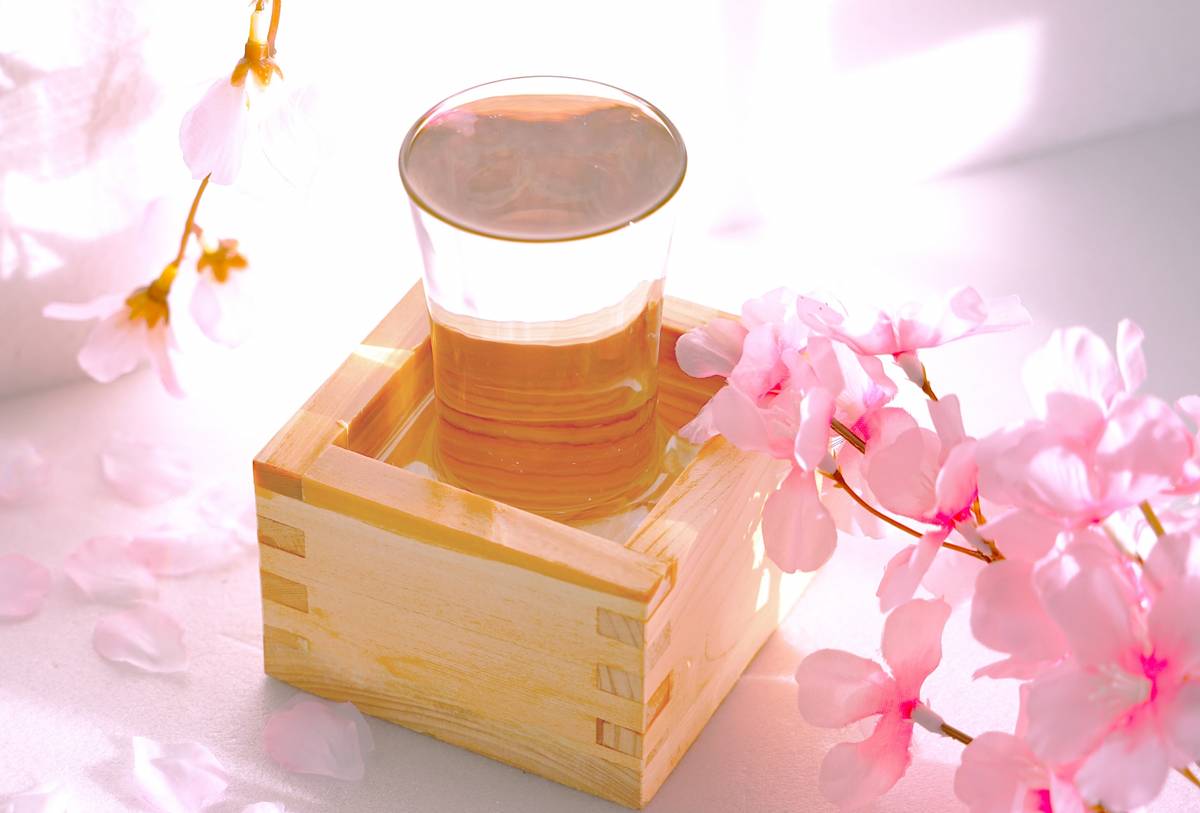
Cherry blossoms and sake served in a masu. At hanami, beer, chūhai, and sake are all popular drinks.
The image of cherry blossoms scattering sometimes is associated with a character and their demeanor, giving rise to the expression “might get swept away by the sakura” (sakura ni sarawareso). It doesn’t imply a physical abduction, but rather evokes the idea of being spirited away or vanishing as if one’s very existence had been a dream. This imagery is tied to the ethereal beauty and fleeting nature of cherry blossoms, as well as the eeriness and madness often depicted in literary works.
This ethereal quality appears predominantly in works aimed at women, particularly BL (boys' love) fiction. Characters who embody this image include pale, delicate-looking figures; those with troubling backstories or foreboding elements suggesting imminent disappearance; the sickly; and those likely to exit the narrative.
Manga, Anime and Characters Inspired by Cherry Blossoms and Hanami
Cardcaptor Sakura
A shojo manga by CLAMP follows protagonist Sakura Kinomoto as she breaks a seal on a magical book and collects magical cards created by a sorcerer. Though a magical girl series, its distinguishing feature is that her battle costumes are handmade by her best friend, varying to match each card's attributes and the season. There are also many color illustrations featuring cherry blossom–colored outfits and sakura-themed designs inspired by the protagonist’s name.
Your Lie in April
The story begins when a boy named Kosei Arima, once called a prodigy pianist but who quit after his mother's death, meets violinist Kaori Miyazono beneath fully blooming cherry trees. The narrative centers on their growth through music, with cherry blossoms appearing memorably at the beginning and ending.
Hanasaku Iroha
Set in Ishikawa Prefecture, the anime follows high school girls working in a hot spring town, portraying their jobs, youth, and everyday lives. After her mother abandons her, protagonist Ohana moves in with her grandmother and works as a live-in trainee nakai (attendant) at a ryokan (hotspring inn) while attending school. Beginning in the cherry blossom season, the story delves deeply into the protagonist’s growth as a nakai and the intricate human relationships within the ryokan.
Published Last Updated
Related Articles
Explore more articles on similar topics and deepen your knowledge of Japan.