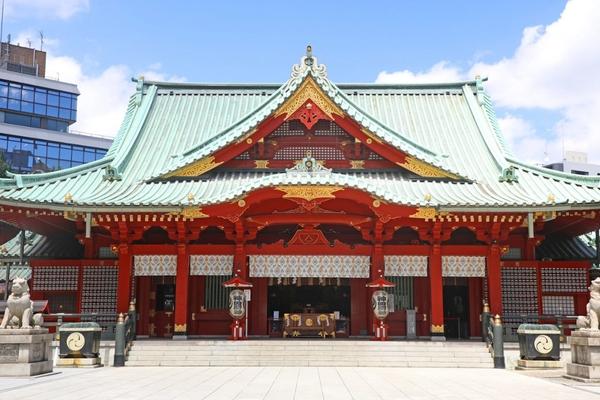
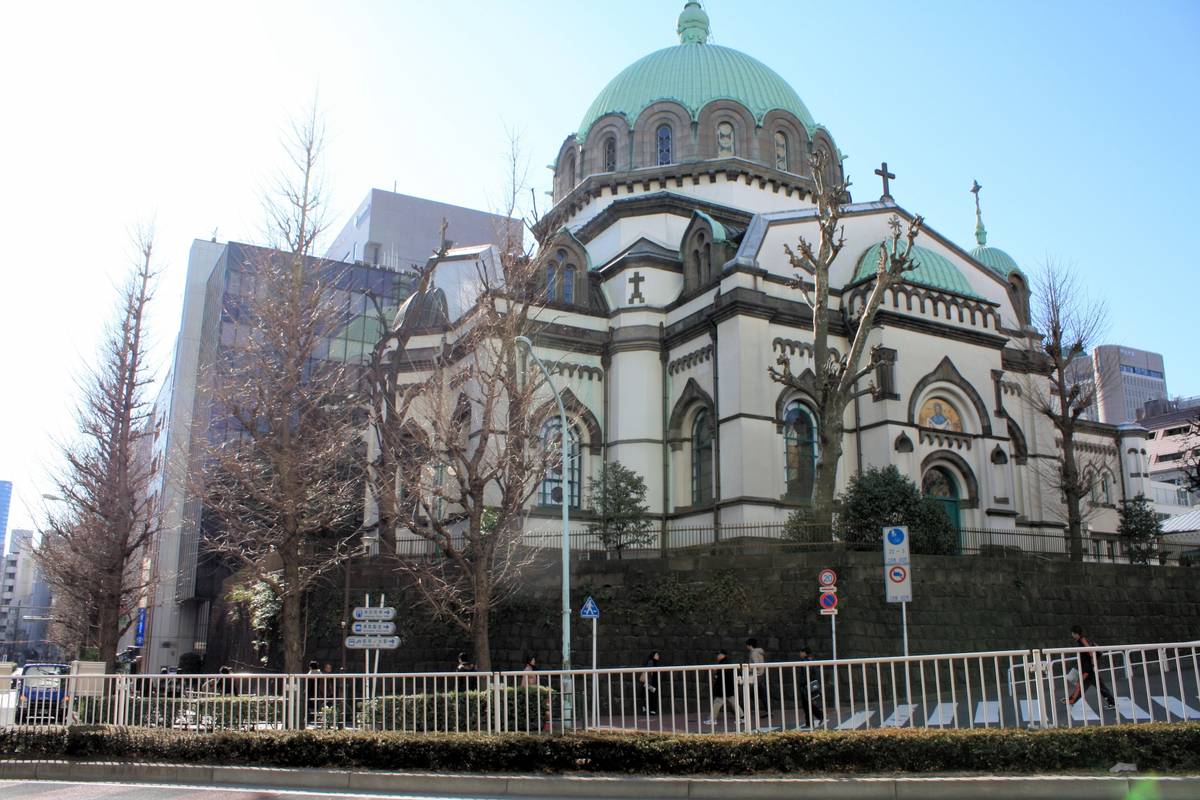
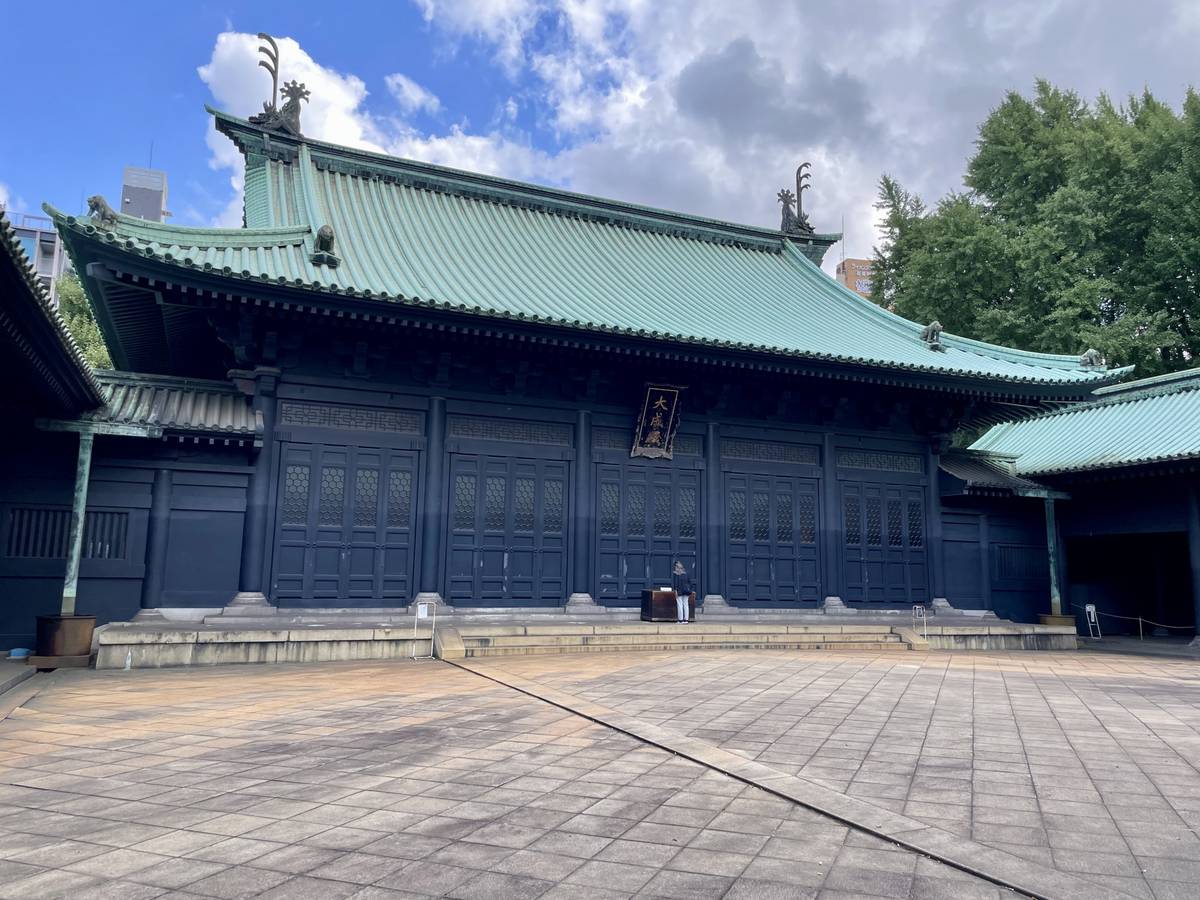
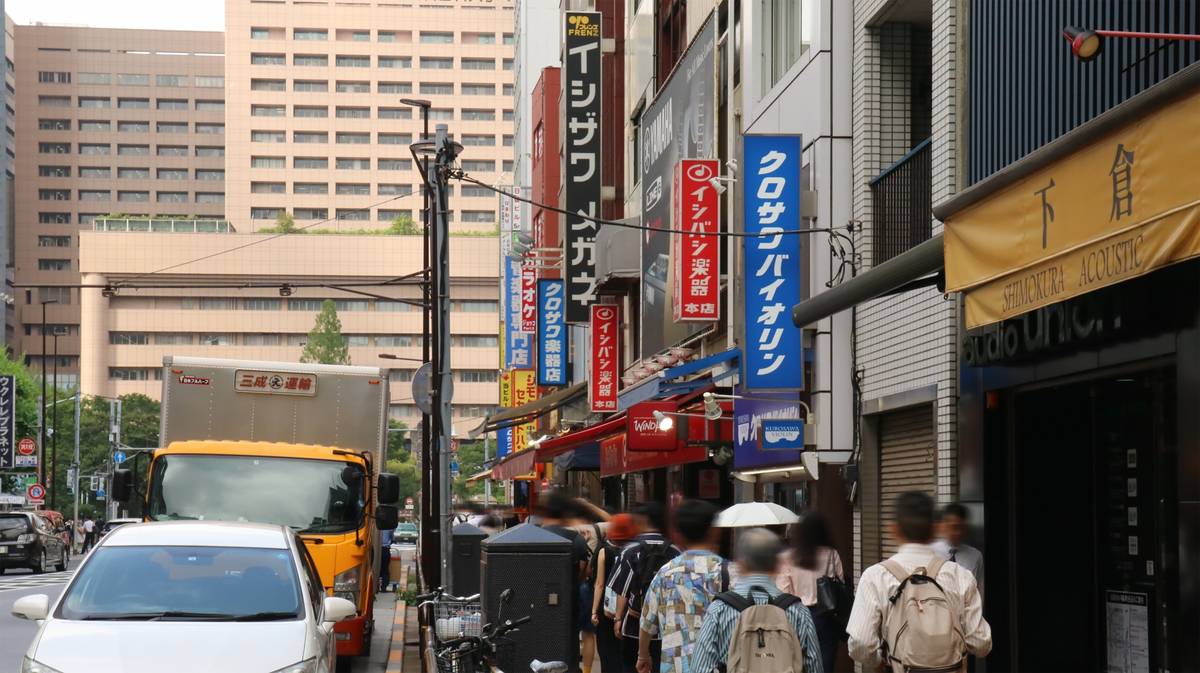
Kanda lies in the northeastern part of Chiyoda Ward, a district where the old Edo street grid still survives in the gaps between modern office buildings. Place names like Kaji-chō, the blacksmiths' quarter, and Konya-chō, the indigo dyers' quarter, preserve the memory of Edo neighborhoods where artisans lived and worked together. Within walking distance stand three religious buildings of strikingly different character. Kanda Myōjin, the tutelary shrine of old Edo, sits in Sotokanda. Nikolai Cathedral rises over Kanda Suruga-dai. Yushima Seidō stands just across the Kanda River. The musical instrument shops along Meidai-dōri, the sports stores on Yasukuni-dōri, and the more than four hundred curry restaurants all extend the same Edo-era logic of grouping a single trade in one neighborhood. During Kanda Festival years, processions of mikoshi weave through the gaps between office towers.
Kanda occupies the northeastern part of Chiyoda Ward, in the area that was once Kanda Ward as its own administrative district. In 1947, the old Kanda Ward and Kōjimachi Ward merged to form present-day Chiyoda Ward, and the name 'Kanda' has remained as a prefix on most of the local place names. Names like Kaji-chō, Konya-chō, and Iwamoto-chō trace back to Edo, when craftspeople of the same trade were grouped together into a single neighborhood.
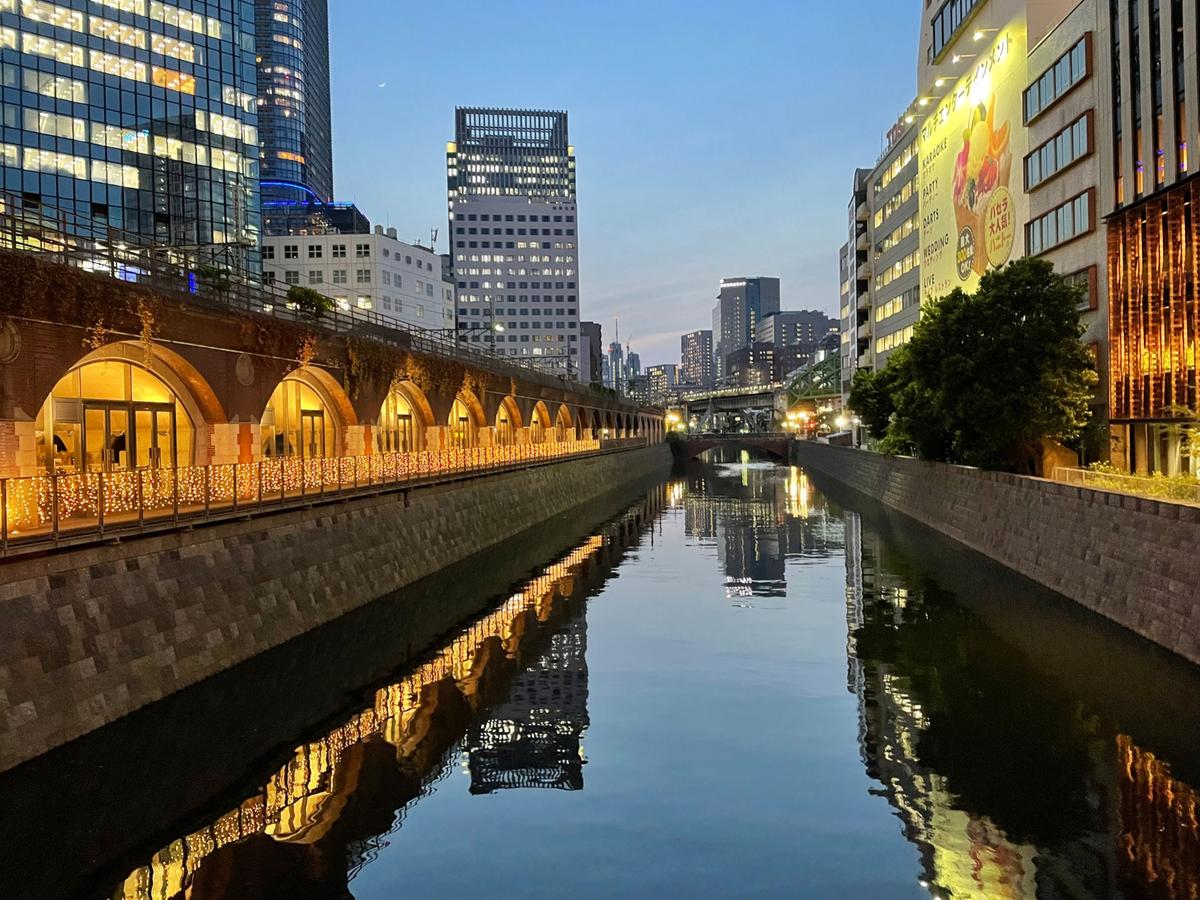
Chiyoda Ward as a whole has the largest gap between daytime and nighttime population in Japan, with around 820,000 people during the day dropping to roughly 47,000 at night. Kanda is no different, with offices and shops packed tightly together and a streetscape that changes character between weekdays and weekends. The Kanda River, flowing along the northern edge, was once an artery for the daily life and commerce of Edo, and its opposite bank opens into the educational neighborhoods of Yushima and Hongō.
JR Kanda Station is served by the Yamanote, Keihin-Tōhoku, and Chūō lines, with the Tokyo Metro Ginza Line stopping there as well. Kanda's main attractions are spread across several stations, so it pays to choose your station based on where you are headed.
Kanda Myōjin Shrine is about a five-minute walk from either Ochanomizu Station or Suehirochō Station. Nikolai Cathedral sits right outside Ochanomizu Station, where its green-patinated dome serves as an unmistakable landmark. Yushima Seidō, on the far bank of the Kanda River, is roughly two minutes on foot from Ochanomizu Station across Hijiribashi Bridge. From Ochanomizu, you can also walk straight into the music store district along Meidai-dōri. The sports equipment district runs along Yasukuni-dōri and is most easily reached from Ogawamachi Station or Jimbōchō Station. Since each area is within walking distance of the others, combining the Marunouchi, Chiyoda, and Ginza lines makes it possible to tour the whole district in a single day.
Loading map...
Get to Know
About Kanda
Kanda Myōjin Shrine and the Kanda Festival
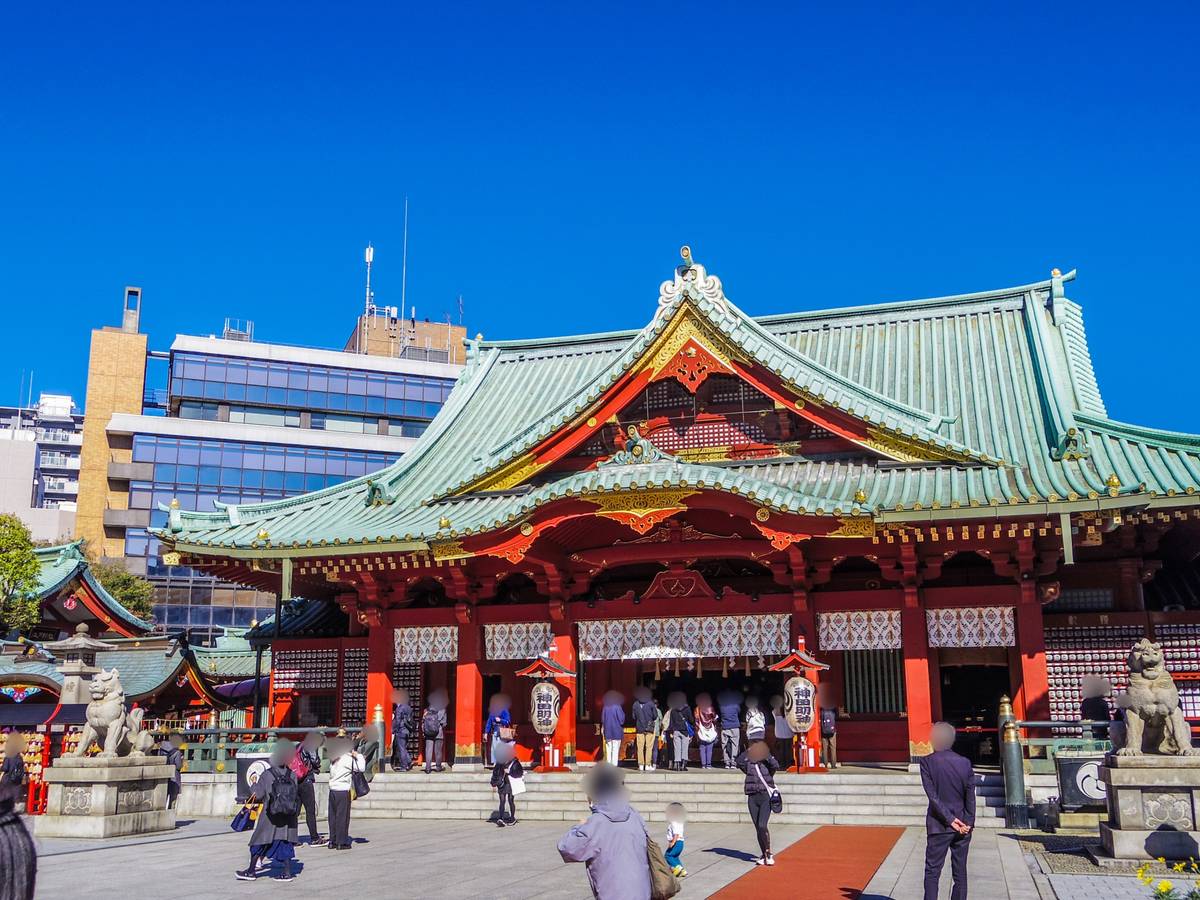
Kanda Myōjin Shrine is said to have been founded in 730 (Tenpyō 2). It originally stood in Shibasaki Village in Toshima District of Musashi Province, around present-day Ōtemachi and the Masakado Mound. The shrine was relocated in 1616 to its current site in Sotokanda, set at the northeastern gate of Edo Castle to ward off evil. Throughout the Edo period, it was revered by the shogunate and ordinary townspeople alike as the tutelary shrine of Edo. Three deities are enshrined here. Ōnamuchi-no-Mikoto is the kami of love and matchmaking, Sukunahikona-no-Mikoto the kami of business prosperity, and Taira-no-Masakado-no-Mikoto the kami of protection from misfortune.
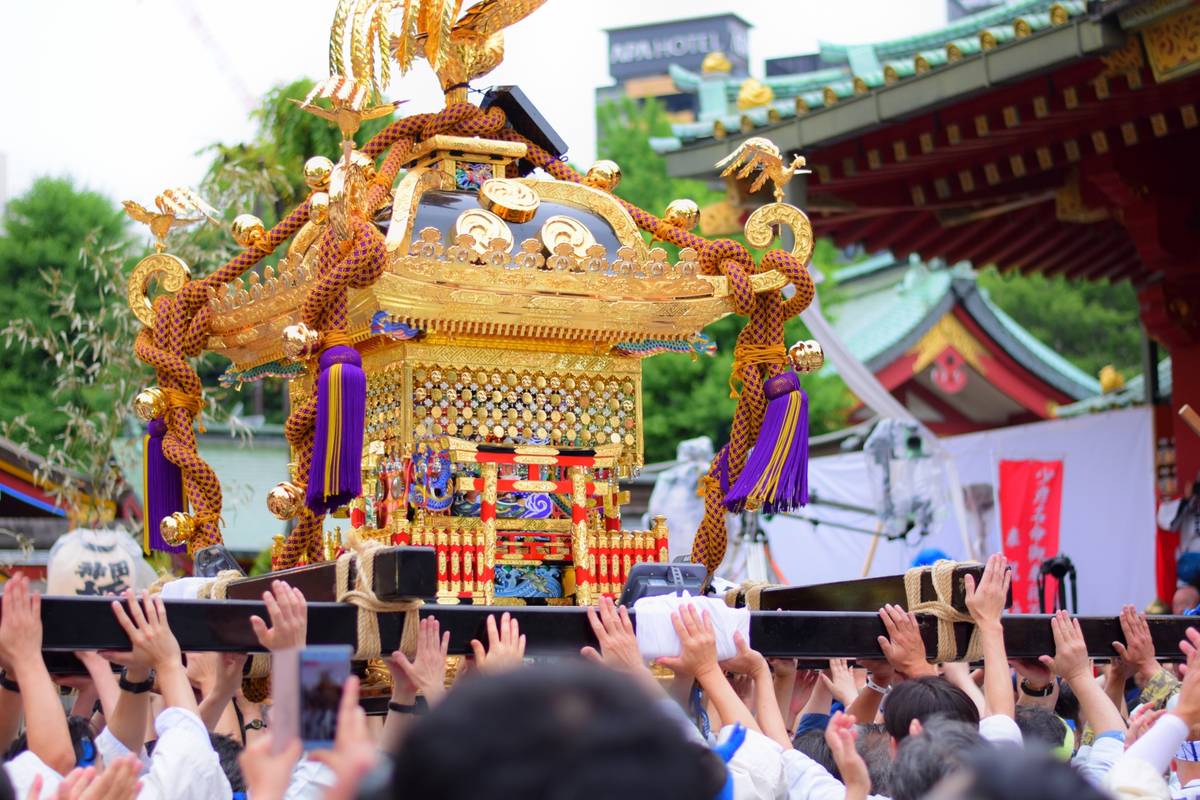
The Kanda Festival is held every other year in May, in odd-numbered years, and stands alongside Kyoto's Gion Matsuri and Osaka's Tenjin Matsuri as one of Japan's three great festivals. In a hon-matsuri (main festival) year, processions of mikoshi and floats weave between office buildings and cross the surrounding business district. Because Kanda Myōjin is also the tutelary shrine of the Akihabara electronics quarter, the shrine office sells charms for IT and information security, and engineers can be spotted picking them up to safeguard their data and accounts.
The shrine has also become known as a setting in the anime Love Live! (broadcast in 2013 and 2014). One of the main characters, Tōjō Nozomi, works part-time as a miko (shrine maiden) in the story, and the grounds of Kanda Myōjin appear repeatedly in the background. The stone steps of Otoko-zaka and the amulet counter that featured in the show still draw fans, both from Japan and abroad.
Nikolai Cathedral, rising over Kanda Suruga-dai, is the popular name for the Holy Resurrection Cathedral, completed in 1891. The Russian architect Mikhail Shchurupov drew up the original design, and Josiah Conder, the British architect who had come to Japan as a foreign government adviser, took charge of the working drawings and on-site construction. It was the first full-scale Byzantine-style church in Japan. Built of brick, the structure traces a Greek cross when viewed from above, with an octagonal dome at its center finished in a striking green patina. The dome rises 35 meters tall. As you climb the slope from Ochanomizu, it slips suddenly into view between the surrounding office buildings.
The cathedral suffered serious damage in the Great Kantō Earthquake of 1923 and was later restored under the direction of architect Okada Shin'ichirō. In 1962, it was designated an Important Cultural Property of Japan. Today it still serves as the central cathedral of the Japanese Orthodox Church, holding regular services, and the interior can be visited during designated hours.
Yushima Seidō
Yushima Seidō is a Confucian temple sitting on the far bank of the Kanda River, in the Yushima district of Bunkyo Ward. About a two-minute walk from Ochanomizu Station via Hijiribashi Bridge, it slots easily into a Kanda walking route. It traces its origins to 1690 (Genroku 3), when the fifth Tokugawa shogun, Tsunayoshi, moved the Shinobugaoka Seidō, the Confucian shrine linked to Hayashi Razan, to this site in Yushima and built the Taisei-den hall. In 1797 it became the Shōheizaka Gakumonjo, a Confucian academy run directly by the shogunate, and is now regarded as the birthplace of school education in modern Japan.
The bridge that crosses the river is called Hijiribashi, the 'sacred bridge,' for its role linking two seidō, or sacred halls. One is Nikolai Cathedral on the Kanda Suruga-dai side. The other is Yushima Seidō across the river. In the temple grounds stands the world's largest statue of Confucius, 4.57 meters tall, donated from Taiwan in 1975. Around exam season, the grounds fill with students praying for academic success.
The Ochanomizu Music Stores and Kanda Sports District
A street lined with musical instrument stores
Step out of the Ocha-no-mizubashi exit at Ochanomizu Station and the windows of music stores stretch along Meidai-dōri. About fifty shops cluster here, including Ishibashi Gakki, Shimokura Gakki, and Kurosawa Gakki, making the street something of a holy land for guitar lovers. On weekends, students and office workers carrying guitar cases over their shoulders fill the shops to try out instruments.
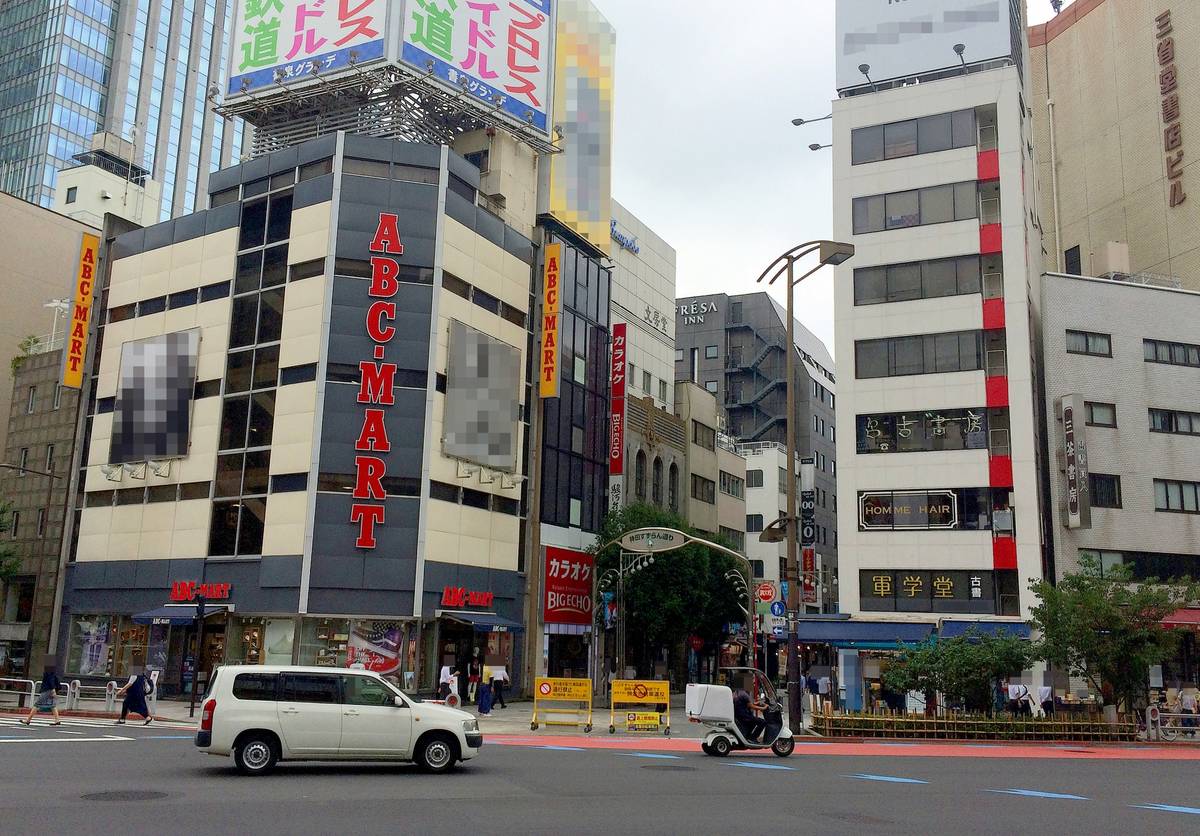
An intersection in the middle of the sports store district
Along Yasukuni-dōri, between Surugadai-shita and the Ogawamachi intersection, sports equipment specialists are densely packed. Major chains such as Victoria, Mizuno, and Ishii Sports have stores here, with particularly strong selections of ski and snowboard gear. Just before the season opens, the stores fill with shoppers gearing up for trips to ski resorts in Jōetsu and Shinshū, a familiar winter scene in Kanda. Both the music district and the sports district inherit Edo-era city planning, in which trades were grouped into a single neighborhood, an arrangement that has carried straight through into today's specialty stores.
Kanda-Jimbōchō, the City of Curry
More than four hundred curry restaurants are clustered in the Kanda area, making it Japan's largest curry hub. The neighboring book town of Jimbōchō is home to many publishing houses and editors, and the demand from office workers wanting a quick lunch helped shape the local food culture.
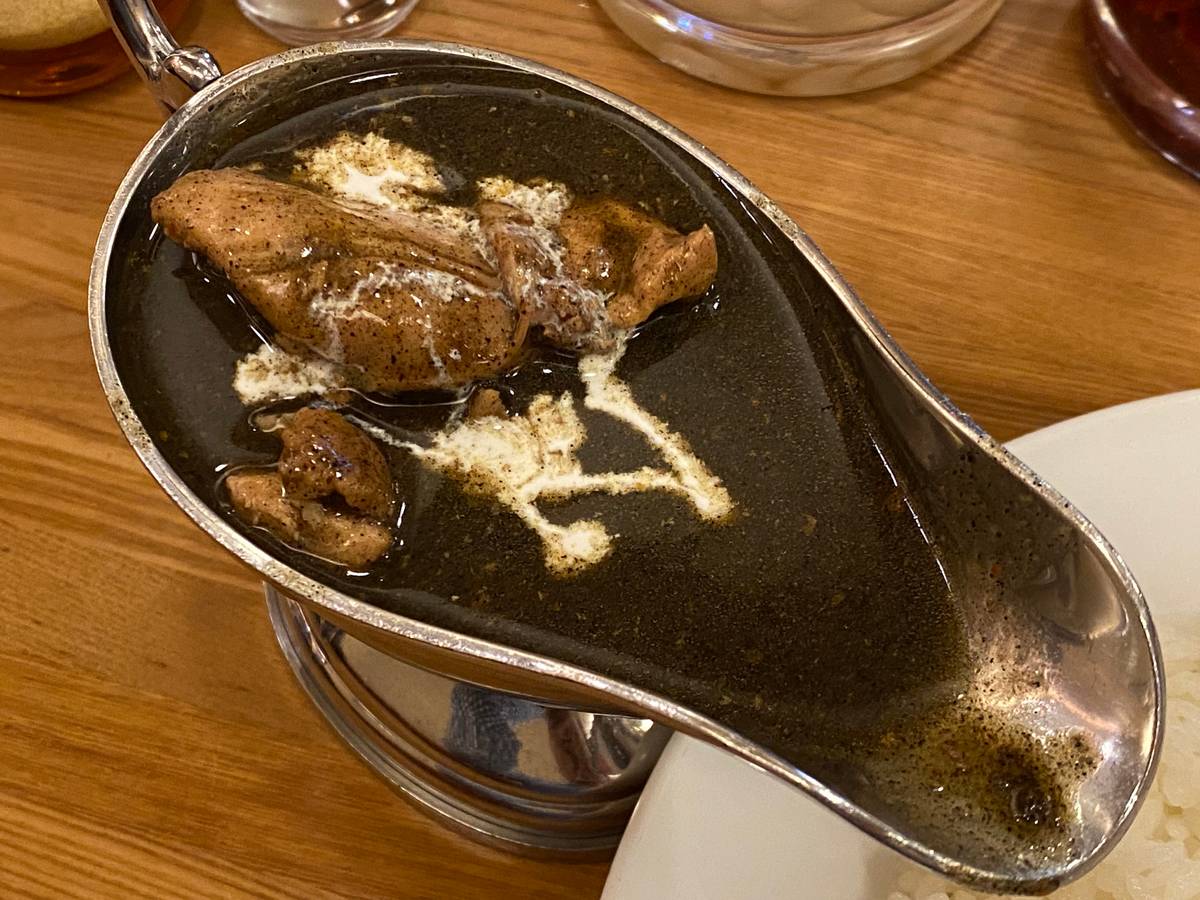
A plate of curry at Kyōeidō in Kanda-Jimbōchō
Kyōeidō, founded in 1923 (Taishō 13), still serves the Sumatra-style curry that the explorer Itō Yūjirō brought back from Sumatra. The deep-brown roux releases an intense aroma of spices, and a queue often forms in front of the shop before it opens.
The Kanda Curry Grand Prix began in 2011 as a curry festival, and the final round is now held each autumn at venues such as Ogawa Hiroba. The 2024 edition was the twelfth, with shops competing one bowl at a time. With long-established places and newer specialists all within walking distance, the area is well suited to both casual eating tours and serious comparison shopping.
A Pilgrimage Site for the Chainsaw Man Reze Arc Film
Within the Kanda area, there are locations that appear in the theatrical Reze Arc film of Chainsaw Man, the popular anime adapted from the hit manga.
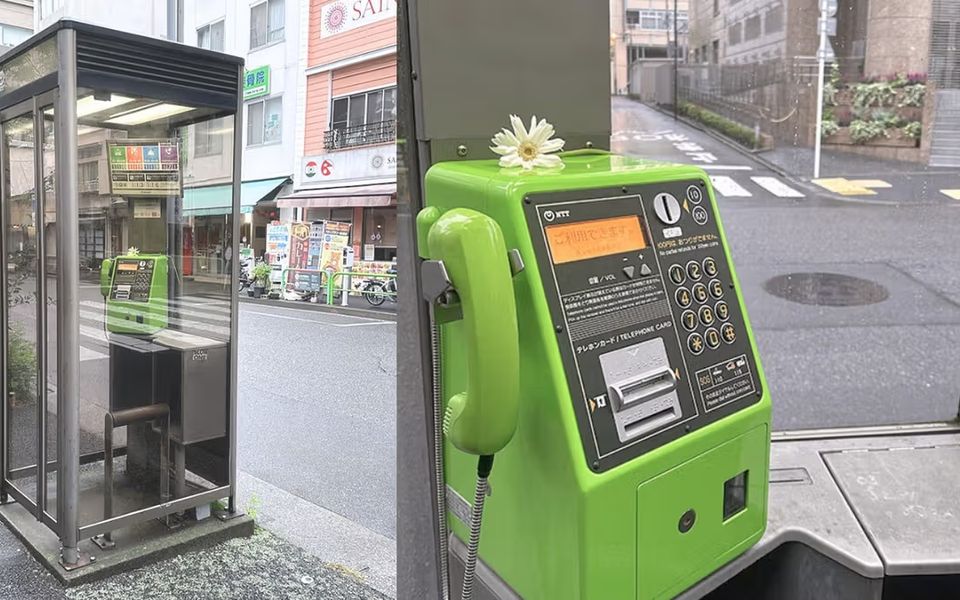
The staircase Reze runs up, the streets she walks along, and a café whose ambience matches a particular scene from the film. The real-world settings here track the movie's backdrops with striking precision, and the area has become well known among fans as a pilgrimage spot.