Your First Doujinshi Convention: A Guide to Participation and Etiquette
A practical guide for first-time visitors to a doujinshi convention in Japan. Learn the culture and unwritten rules of these fan events, what to pack from your wallet to hot- and cold-weather gear, and how to approach the circles distributing their work.

This will be a practical guide for first-time visitors to a doujinshi convention in Japan. Learn the culture and rules of these fan events, what to bring and staying comfortable in the weather and how to interact with the circles and creators.
What to Know Before You Go to a Doujinshi Convention

Tokyo Big Sight often hosts large doujinshi fairs such as Comiket
Doujinshi conventions began as places where fans of manga and anime brought together the things they made out of love for a series or a character, from original stories to critical essays, and traded them with one another. Because it grew out of fans sharing with fans, creative works are typically described as being distributed rather than sold. Doujinshi, in case the word is new to you, are self-published fan works, usually comics or illustration books made by fans rather than a company.
You might reasonably think that money changes hands, so why not just call it selling. And in truth, some of the most popular circles do make a living from their doujinshi. These are the "wall circles," placed along the edges of the hall where the long queues for their tables are easier to manage, and a few of them sell in the thousands. A circle, by the way, is the creator or small group behind the work, the same term English-speaking fandoms already use.
Even so, doujin activity runs on the principle of being non-commercial at heart. Many companies, especially the makers of mobile and social games, publish their own guidelines for how fans may use their characters.
The Culture Changes by Event and by Genre
"Doujinshi convention" is a broad label, and individual genres carry their own rules on top of it.
A large share of fan work aimed at women, for instance, is "coupling" (CP) work built around "boys' love" (BL), stories that pair male characters together romantically.
Fans who love BL are known as fujoshi, and they have built a distinct community within the wider world of otaku. Among them there is an unwritten rule to keep their activity out of sight of the original creators, the studios, and casual fans.
Game genres are another case, since companies often publish guidelines and following them is the baseline. When the subject is real racehorses, real warships, or historical figures, fans are also expected to be considerate toward the people connected to them.
How to Take Part in a Doujinshi Convention
Joining as a Circle or Cosplayer
If you want to distribute your own work or come in cosplay, you need to apply or buy a ticket in advance. Applications for most events open several months before the date.
For an event like Comiket, joining as a circle is difficult from overseas. The organizers state plainly that circle participants need to be able to read Japanese, that the application forms and manuals are Japanese only, and that you need a mailing address inside Japan and the ability to take phone calls in Japanese. Comiket uses a lottery system for some applicants, and registration for popular franchise-specific Only Events can fill up well before the deadline. As a result, participating as a doujin circle or cosplayer does not automatically guarantee a spot at an event.
Joining as a General Visitor
For a first visit from abroad, coming as a general visitor is the realistic way in. Admission depends on who is running the event, whether a company or an individual. Comiket now requires every attendee to have a ticket or a wristband, and there is no free entry as of 2026. Visitors from overseas can buy an electronic ticket through eplus, which has an English-language option. At events run by Akaboo and other organizers, you can also buy a ticket that gets you in earlier in the day. Some smaller events still let you in for free if you are not in a hurry to enter.
Whatever the event, the organizer's website or social media will list how to join, what to watch out for, and the day's circle list, which doubles as a map of the hall. Reading it beforehand makes the day go smoothly.
What to Bring to a Doujin Event
This section covers what to bring as a general visitor.
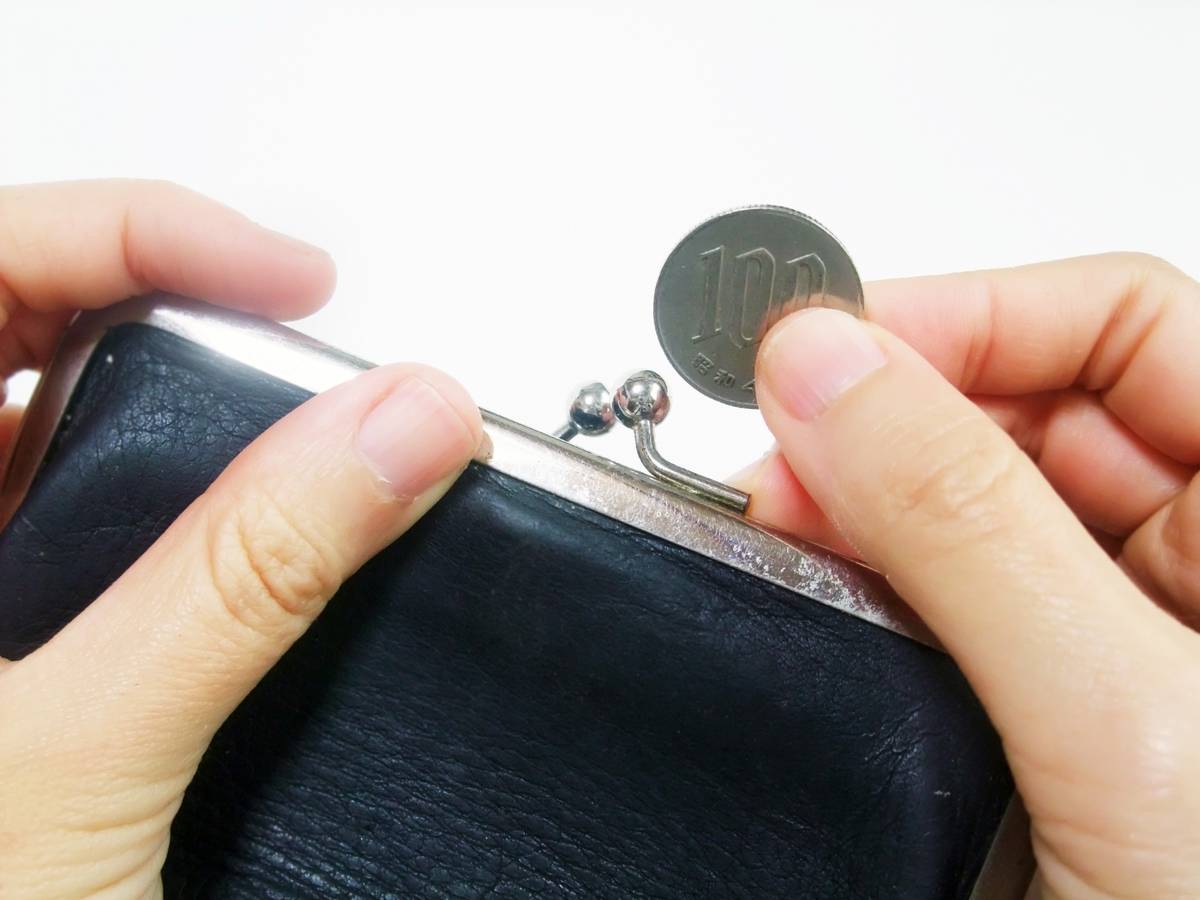
It helps to carry plenty of ¥100 and ¥500 coins and ¥1,000 notes
Your Wallet
In the morning and around midday especially, it helps to have plenty of ¥100 coins, ¥500 coins, and ¥1,000 bills.
Circles are almost always run by individuals, and as a rule they do not take cashless payments and do not offer currency exchanges. Most of what they distribute costs somewhere between a few hundred yen and a thousand yen. Some circles are short on change in the morning, so bring more coins than you think you need.
There are ATMs inside and near most venues, though they tend to draw queues, and because events are usually held on weekends, service fees can be an issue.
ID (Your Passport)
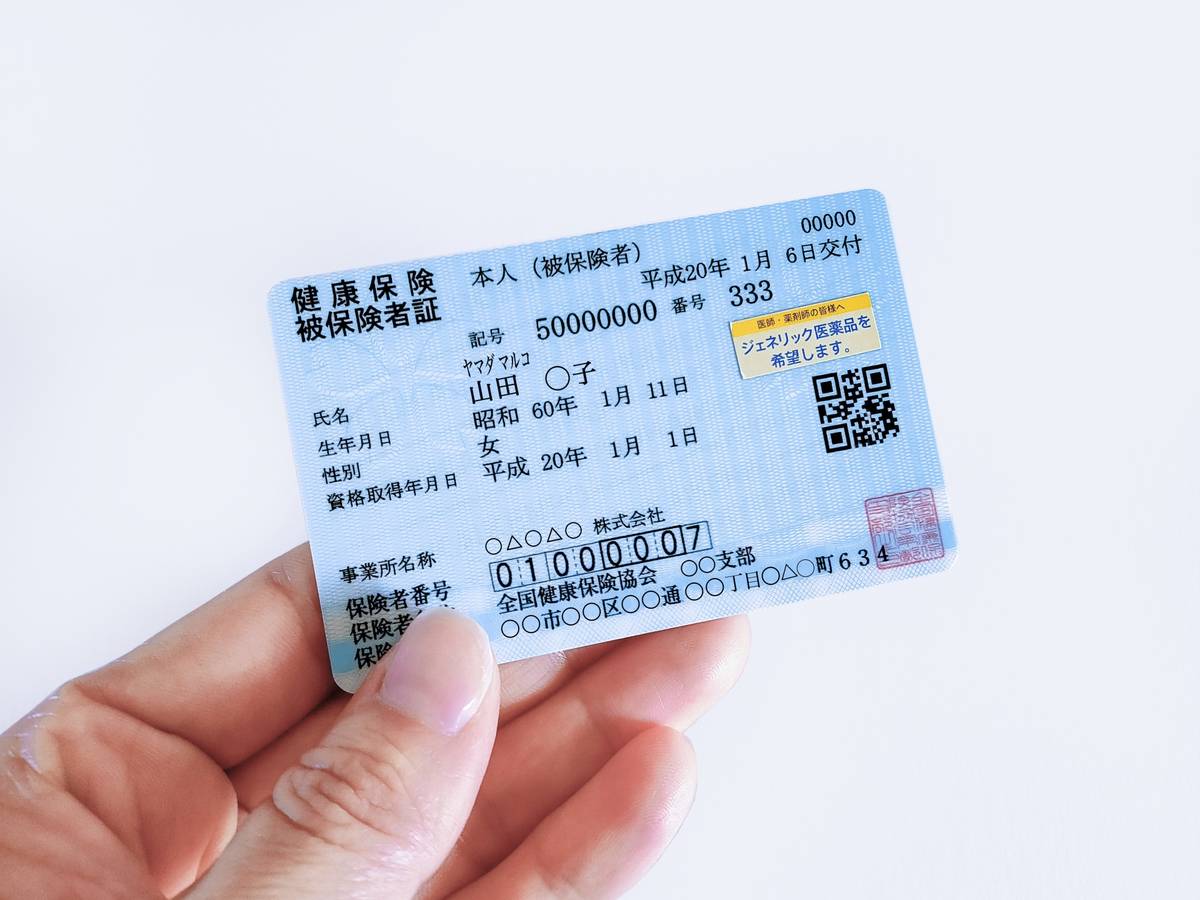
On a Japanese ID, everything except the photo and date of birth can be masked
At a doujin convention, the reason you may need ID is age verification. Adult manga and novels cannot be distributed to anyone under 18, so you may be asked to show ID at the table, and a passport works for this. If you live in Japan and use a Japanese ID card instead, you can mask everything except your photo and date of birth with a cover or tape.
The Circle List and Something to Write With
A wide hall holds a huge number of circles, so going table by table is all but impossible. Using the circle catalog, online or in booklet form, list the hall and space number of the circles you are aiming for.
Checking each one off your list after you visit it keeps you from that sinking "I forgot to go to that circle" moment.
A Bag for the Doujinshi You Pick Up
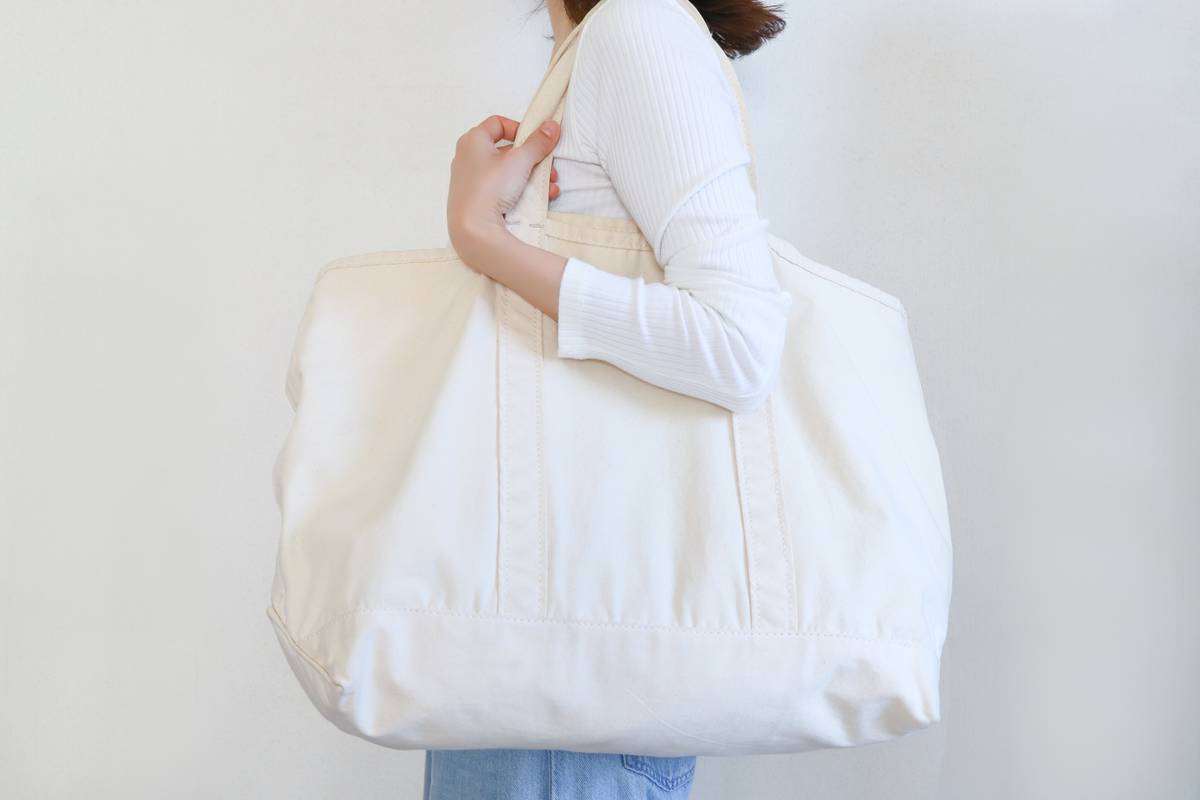
Paper bags or very thin fabric can tear, so take care
A backpack slows you down every time you need to get something out, so a tote bag works better. It also helps to carry a small cross-body pouch, sold in Japan as a "sacoche," for your wallet, your phone, and anything like a drink that could soak your books.
Decorating your bag with merch is fine, but leave off anything that could injure someone in a narrow aisle or scratch a circle's goods or display.
Something to Drink
Venues usually have vending machines or a convenience store nearby, but buying it at a supermarket beforehand costs less. The women's restrooms tend to draw long lines, so go easy on how much you drink, and take breaks as you go so you can enjoy the event.
Gear for Heat and Cold
At summer and winter events, the gap in temperature inside and outside the hall leaves some people feeling unwell. A little preparation goes a long way toward actually enjoying yourself.
Waiting lines for entry, and the queues for wall circles sometimes form outdoors, so summer brings a real risk of heatstroke. Bring a drink, salt candies or tablets, and if you need them a paper fan, a battery-powered handheld fan, or a cooling towel.
A parasol helps too, though when the crowd gets too dense, parasols can be banned for safety. A hat or a light cover-up is a safer bet.
Winter has its own issues. When the venue sits by the water, as Tokyo Big Sight does, a strong wind makes it feel colder than the thermometer says. A scarf and gloves go without saying, and hand warmers and a small blanket keep you comfortable.
Nice Extras to Have
None of these are must-haves, but they prove useful when you need them.
A Small Folding Stool
If you line up before the doors open, the waiting queue forms somewhere like a parking lot, and a stool is welcome there. It is no use in the lines inside, though, where you wait your turn at a circle's table. This is an item for the days when you have the determination to stand outside for hours for something you really want, and the space in your bag to carry it.
Clear Files, Zip Cases, or a Document Folder
Some circles deal in postcards or stickers rather than doujinshi. Others hand out a "Paper," a one-page or few-page bonus of illustration, comic, or column-style writing that comes with a doujinshi. A clear file keeps these from creasing or tearing inside your bag.
A Sketchbook

A favorite artist might draw your favorite character for you
Some circles take sketchbook requests, known in Japanese as sukebu. You hand over your sketchbook during opening hours, ask for a character, and the artist draws an original illustration for you.
It is done purely out of kindness, so overly detailed requests, or asking for several characters, are a no-go. Requesting a drawing without buying anything the circle distributes is also poor manners.
Popular circles may already be handling several sketches, so write down your name and a social media handle or email address. Once it is drawn, always go back to collect it, and thank the artist as you receive it.
A Power Bank
Most circles post news of a sellout or a short break away from the table on X (formerly Twitter). And if you have friends you talk with regularly, posting that you are at the event can lead to spontaneous meetups.
Events drain a battery faster than you would expect. Some venues and nearby convenience stores rent out power banks, but carrying your own is the safer bet.
Wet Wipes
Venues sell light meals and snacks. As mentioned, the women's restrooms get very crowded, so wet wipes for your hands and mouth come in handy.
Body Wipes
At summer events in particular, these help with sweat, odor, and the heat. There is no space to change your shirt after you sweat through it, so it is worth having as a courtesy to those around you.
Everyday Medicine, Bandages, and a Mask

You can buy these at a nearby drugstore, but medicine you are used to is reassuring
Since venues are a special occasion, you may end up feeling unwell or pick up a scrape. Be ready to deal with a stomachache, a headache, or a blister. Depending on the season, pollen, and dust could bother you so a mask can come in handy, as well.
If You Want to Connect With Followers From Social Media and Creative Sites
If you are planning to meet creators or people you know online, these are worth preparing.
Business Cards or a Name Tag
Circles are dealing with a great many people, and with music and announcements filling the hall, a spoken hello alone often is not enough for someone to place who you are.
A name tag or card with the icon, handle, and ID you use on social media makes talking easier. If you would rather stay quiet and simply pick up doujinshi and goods without introducing yourself, there is no need to prepare one.
A Small Gift
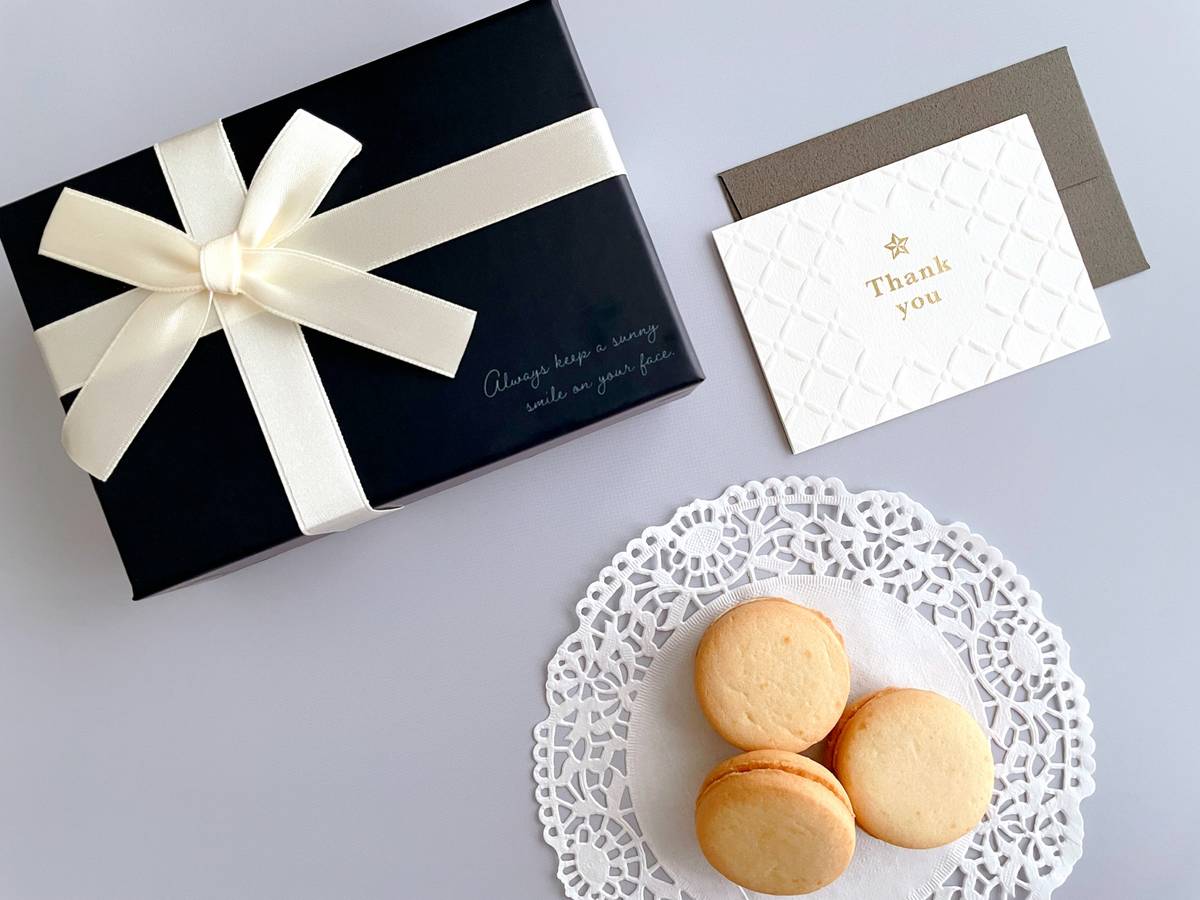
When unsure what to give, a small gift at an affordable price and size works well
In women-oriented genres especially, visitors who know each other often exchange small gifts.
For a circle, that might be a letter with your thoughts on their work, a hot eye mask or bath salts to ease the fatigue of drawing, or sweets and tea. Between general visitors, sweets and tea are the usual choice.
Sweets should have a visible expiry date and sealed packaging. Picture something in the range of a few hundred yen, the kind of small gift a shop sells.
Some people have allergies, and some decline gifts altogether. If yours is not accepted, take it in stride rather than feeling put out that you went through the trouble.
Gifts to Be Careful About
Anything hard to handle is a no. That means things that are too expensive, too heavy or too large, perishable, needing refrigeration or freezing, or breakable. Cash and gift vouchers are also best avoided, since they are likely to leave the circle unsure how to react.
You might think to make illustrations or stickers of your favorite genre so you have something to give anyone, but as a rule the only people who may distribute their own illustrations or stickers at the venue are those who paid the circle participation fee.
A circle pays that fee to earn the space and the right to distribute its work. A general visitor handing out or trading illustrations, goods, or books is often not allowed even when no money changes hands, so this is important to note.
And even when your gift is sweets or a business card, announcing your location and intent to give them out can be treated as an act of distribution, so if you want to meet up with fellow visitors, arrange a separate place for it.
Rules and Etiquette Worth Knowing at a Doujin Event
Doujin events come with their own basic rules and community manners.
No Overnight Camping
Many circles take part on their own and often distribute only a small number of copies. That is still no reason to line up overnight. Disturbing the neighbors can get a venue closed to future events. Comiket also falls in seasons of harsh heat and cold, which takes a toll on your health. Japanese summers have grown brutally hot in recent years, and lack of sleep or heatstroke can turn life-threatening.
Not a Shop, Not a Customer
The big difference from a company-run event like a comic con is that a doujinshi convention is made by everyone taking part. There are circles distributing doujinshi and goods, and general visitors who pay to obtain them, but the circles are not shops.
They are individual creators or teams making doujinshi and goods as a hobby. Almost none have the funding or time to respond the way a company would.
Pushing demands on them, like requesting additional prints when they sell out, complaining about the price, or criticising their service is prohibited.
That said, the circle is not above you either. You are equals, fans among fans. In the rare case that a circle treats you unfairly or you get caught up in trouble, ask the event staff in the hall for help.
Whether a circle can handle English or another language also varies from one to the next.
Having a translation app ready is reassuring, but at a large event the crowd can weaken your signal, so it helps to note down a few basic Japanese phrases. "Kore o kudasai" means "I'll take this one." "Ikura desu ka" means "How much is it?" And "Arigatō gozaimasu" means "Thank you."
Ask Before You Take Photos

Some events ban photography entirely, so check carefully before you go
Photographing a circle's space, the area where each circle lays out its work, or a cosplayer without permission is not okay. There is the matter of portrait rights, and some otaku hide their activity from family and friends. Comiket's own English catalog puts it directly. Always ask before photographing individual people, cosplayers and circles included, because individual permission is required by Japanese law. Even in the cosplay areas, permission has to be obtained one person at a time.
Some events also ban photos that capture other attendees as a matter of their rules. Taking pictures without asking and posting them to social media is very likely to lead to trouble.
Making the Most of Your First Event
With your bag packed and the etiquette down, your first doujinshi convention should be a day you can simply enjoy. Knowing the culture behind it makes what you see in the hall all the more interesting.
The story of how doujinshi conventions began, the history of Comiket, and the different kinds of events running today are covered in this companion article.

Otaku culture terms that came up in this guide, such as otaku and fujoshi, have their own entries in our glossary. They could make handy pre-event reading.
FAQ
Published Last Updated
Related Articles
Explore more articles on similar topics and deepen your knowledge of Japan.





Related Terms
Otaku(オタク)
Otaku (オタク) is a fan with deep passion for Japanese pop culture such as anime and manga. In the Engl...
Fujoshi(腐女子)
In English-speaking anime and manga fandom, "fujoshi" broadly refers to female fans who enjoy Boys' ...
Doujin(同人)
Doujin (同人) is a word for people who share the same interests or aspirations, and for the groups the...