Cape Irago
伊良湖岬
About Cape Irago
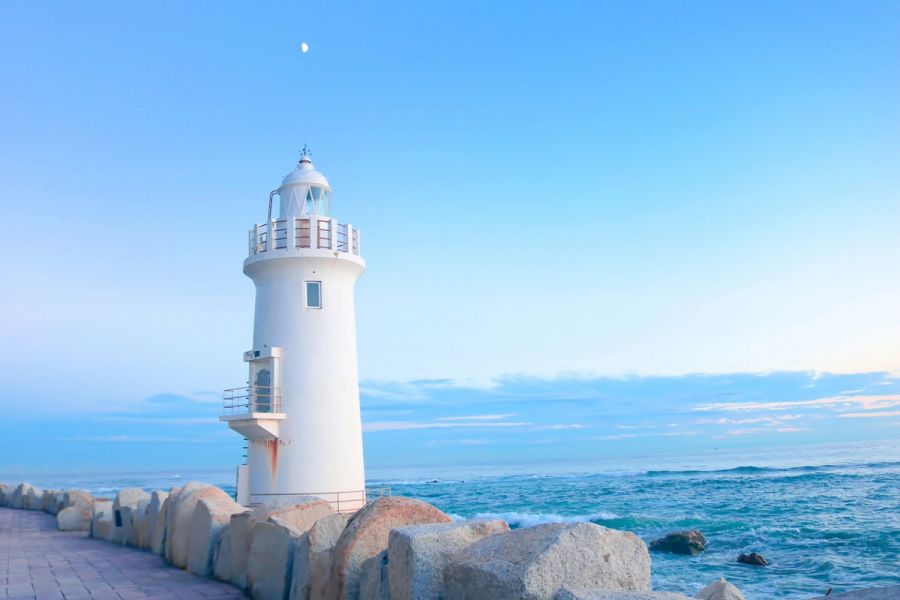
The southwestern corner of the Atsumi Peninsula, where it curves out toward the Pacific, is Cape Irago. Mikawa Bay lies to the north, the Enshū Sea to the east, and Ise Bay opens to the west, and on a clear day, Kamijima Island in Toba, Mie Prefecture, is plainly visible. A walking path runs the full circuit of the cape, linking the white lighthouse, the long sandy beach, and the sea-carved stone arches. All of them are reachable on foot.
The White Lighthouse, First Lit in 1929
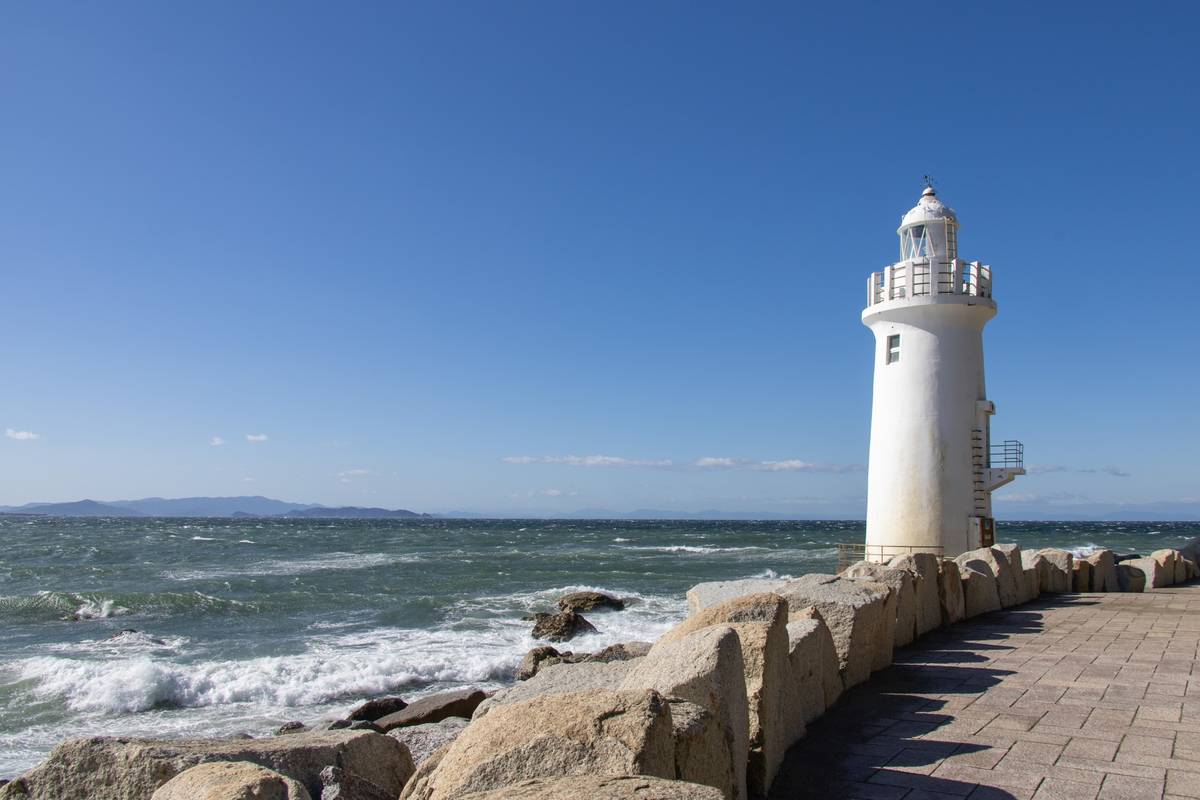
Cape Irago Lighthouse first cast its beam in 1929. The white tower, about fifteen meters tall, still watches over ships crossing the Enshū Sea, and is counted among Japan's 50 Selected Lighthouses. A narrow path along the cliffs leads right to its base. Look back, and the curve of Koijigahama beach stretches behind you. Ahead, the blue of Ise Bay opens out. Follow the silhouettes of distant ships, and you will notice the small shape of Kamijima Island floating across the water.
Koijigahama Beach and the Wave-Carved Hii no Sekimon
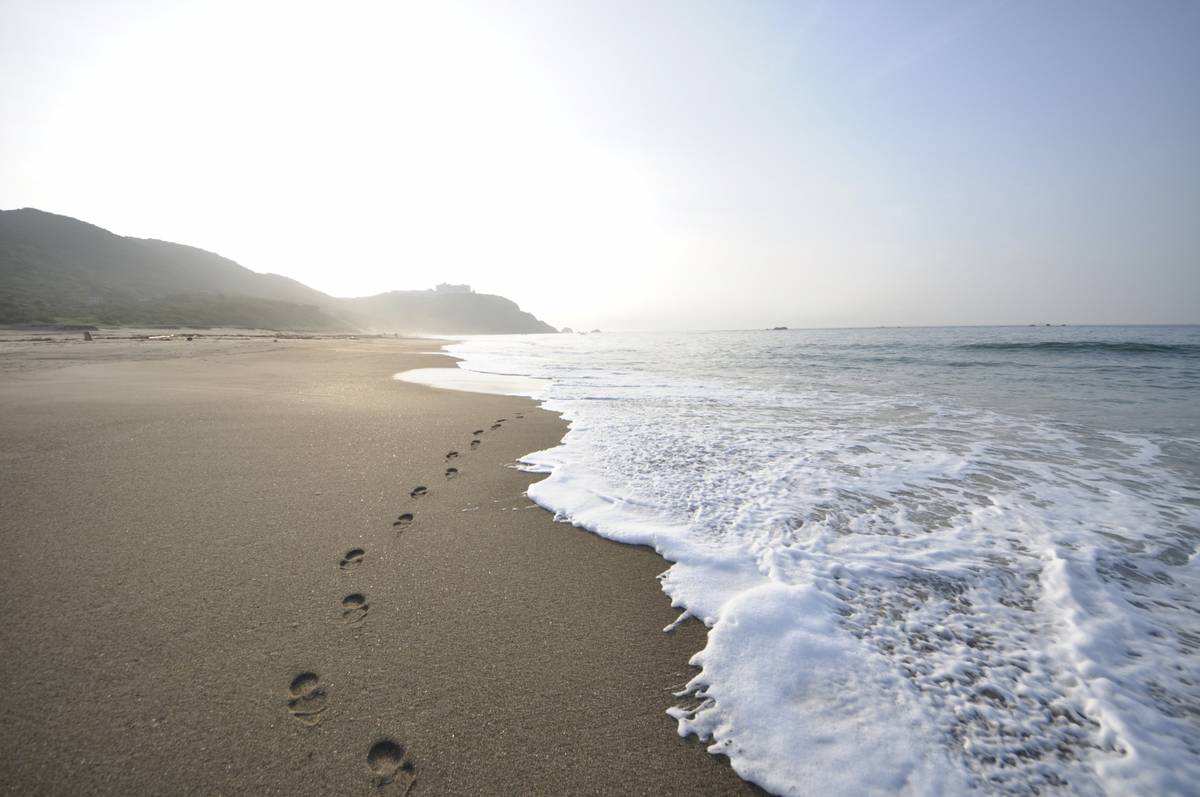
Just east of the lighthouse, white sand curves along the shore for about a kilometer. This is Koijigahama. The name appears in waka poems from the Edo period, and in 1996 the beach was chosen as one of Japan's 100 Best Beaches (Nihon no Nagisa Hyakusen). Walk to the eastern end of the sand, and you will see two great rocks rising from the sea. Together they are known as Hii no Sekimon, the inshore gate (Kishi no Sekimon) and the offshore gate (Oki no Sekimon).
The rocks are made of chert, a hard sedimentary stone roughly two hundred million years old. Over the centuries, waves bored through the formation and opened a cave-like hole at its center. From mid-December to early January, the sun rises through that opening on a handful of mornings. The beach has also been used as a filming location for the NHK historical drama Dōsuru Ieyasu, where the scene of Honda Tadakatsu and Matsudaira Motoyasu meeting for the first time in the story was filmed.
A Coconut, and the Poem It Inspired
In the summer of 1898, the folklorist Yanagita Kunio, then still a university student, left Tokyo and spent about a month and a half on Koijigahama. One day, walking along the surf, he picked up a coconut that had drifted in from a southern island. He told the story to his close friend, the poet Shimazaki Tōson, and two years later, in 1900, Tōson turned the episode into a poem called Yashi no Mi (The Coconut).
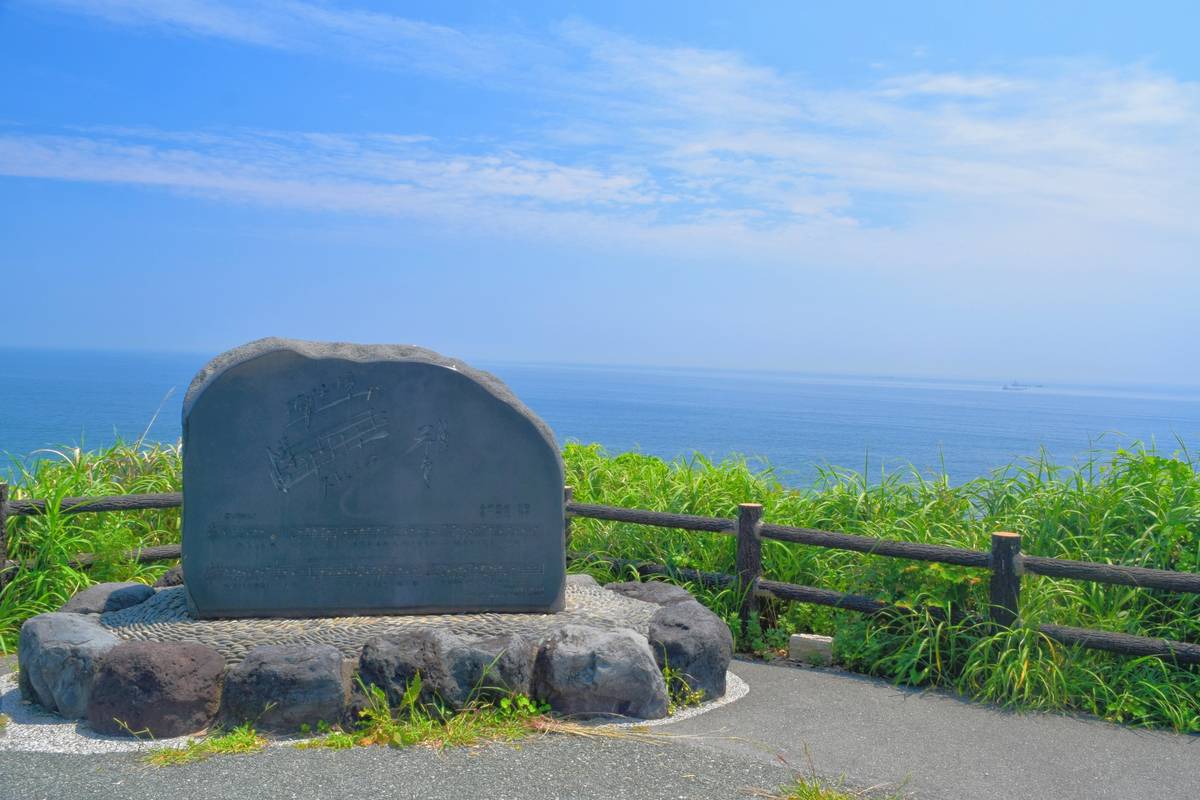
In 1936, the composer Ōnaka Toraji set Tōson's poem to music, and the song spread across the country by radio. The starting point of a Shōwa-era song still loved today was this beach. At the eastern end of Koijigahama stands the Yashi no Mi Kinenhi, the Coconut Memorial, with a stanza from the poem carved into the stone.
The Ferry to Toba, and Spring on the Peninsula
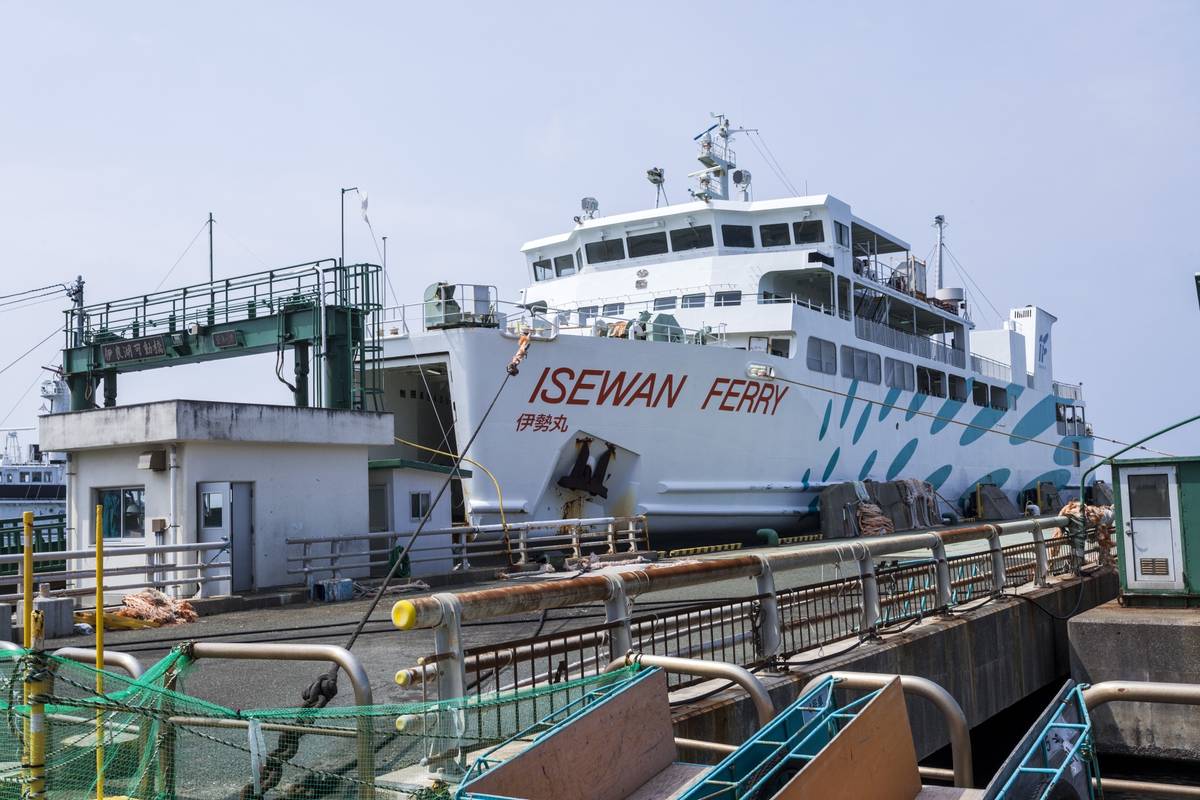
Right next to the cape, Irago Port is the home dock of the Ise-wan Ferry, which crosses Ise Bay to the port of Toba in Mie Prefecture. The trip takes about fifty-five minutes each way, and once you step off the boat at Toba Station, you can continue to Ise Jingū Shrine or the Toba Aquarium. The route is shorter than the overland approach, and travelers have long used it as the sea passage into Ise-Shima.
The Atsumi Peninsula has one of the milder climates in mainland Japan, and from mid-February through mid-March it comes into its flower season. At Irago Nanohana Garden, just before the cape, yellow rape blossoms cover the field in a single sheet. Around the same time, the banks of the Memmeden River, which runs through the middle of the peninsula, come alive with kawazuzakura cherry blossoms. While northern Japan is still under snow, the peninsula is already in the full bloom of spring.
Local Ōasari Clams and the Seaside Table
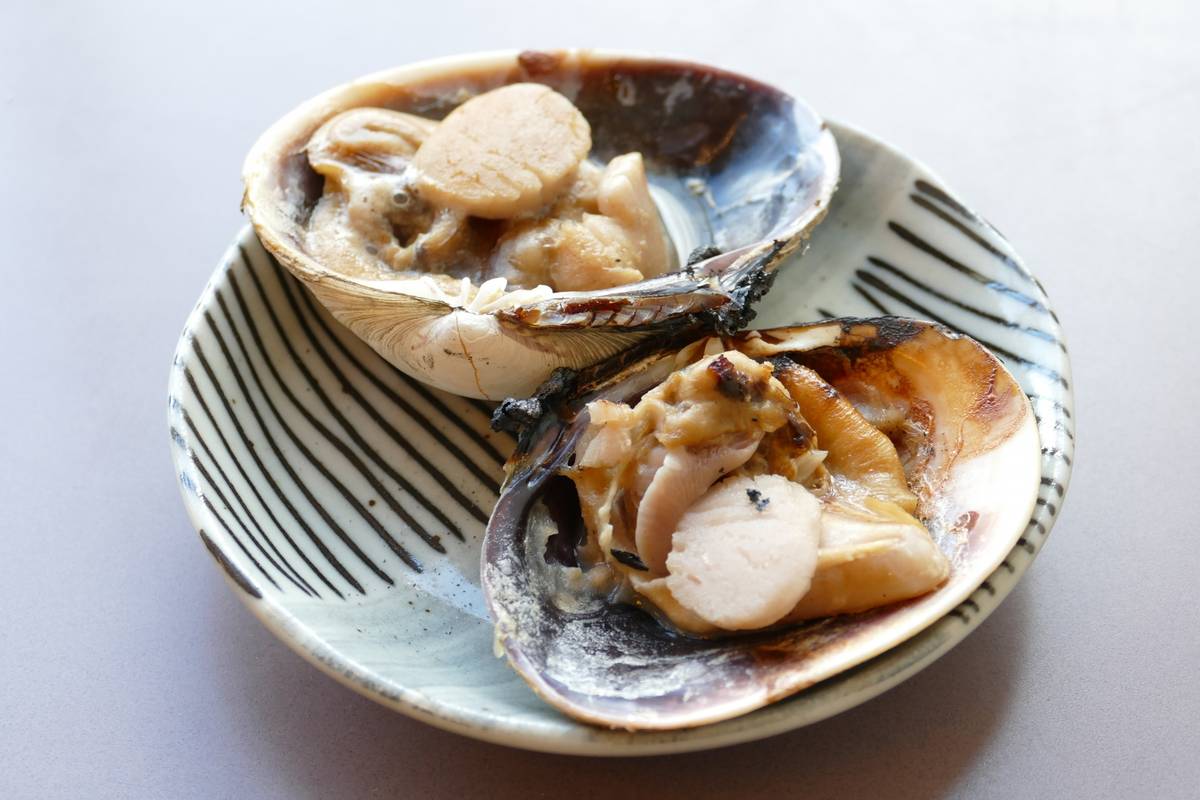
Around the cape, a bivalve called ōasari is well known as a local specialty. Its formal name is uchimurasaki gai. The shell measures about ten centimeters across, and when it is grilled over a direct flame, the meat plumps up and releases the scent of the sea.
Restaurants serving rock oysters and live-fish dishes can also be found near Irago Port, and at some of them you can watch fishing boats returning to harbor through the window while you eat the day's catch.
〒441-3624 Cape Irago, Miyashita Iragocho, Tahara, Aichi
Loading map...
Last Updated: