Meiji Jingu
明治神宮
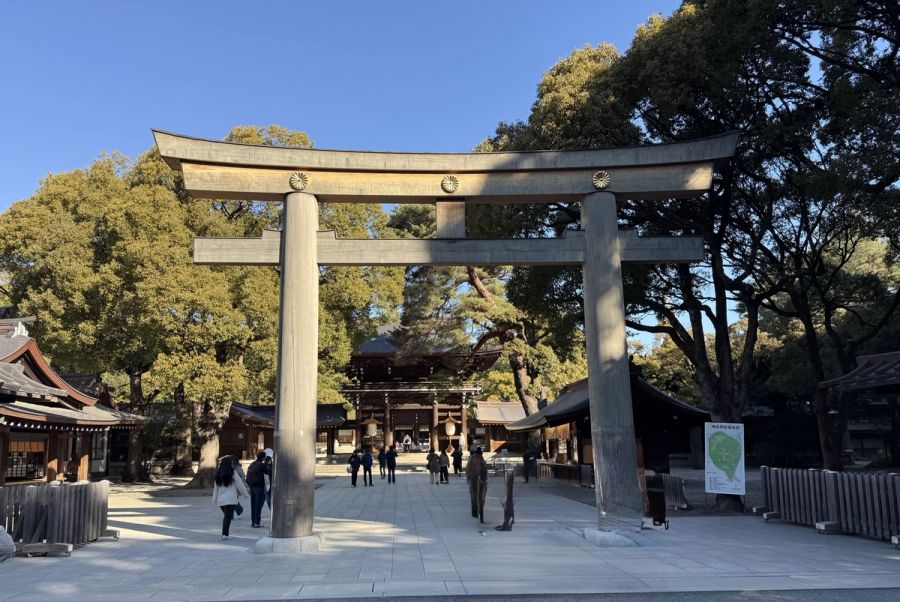
About Meiji Jingu
One step from Harajuku Station and the city's bustle fades into a sprawling forest. Meiji Jingu enshrines Emperor Meiji, the 122nd emperor who led Japan's modernization, and his consort Empress Shoken. Founded in 1920, the shrine covers approximately 700,000 square meters, making it by far the largest of the five shrines on the Tokyo Gosha Meguri pilgrimage route.
A Century-Old Forest and the Grand Torii
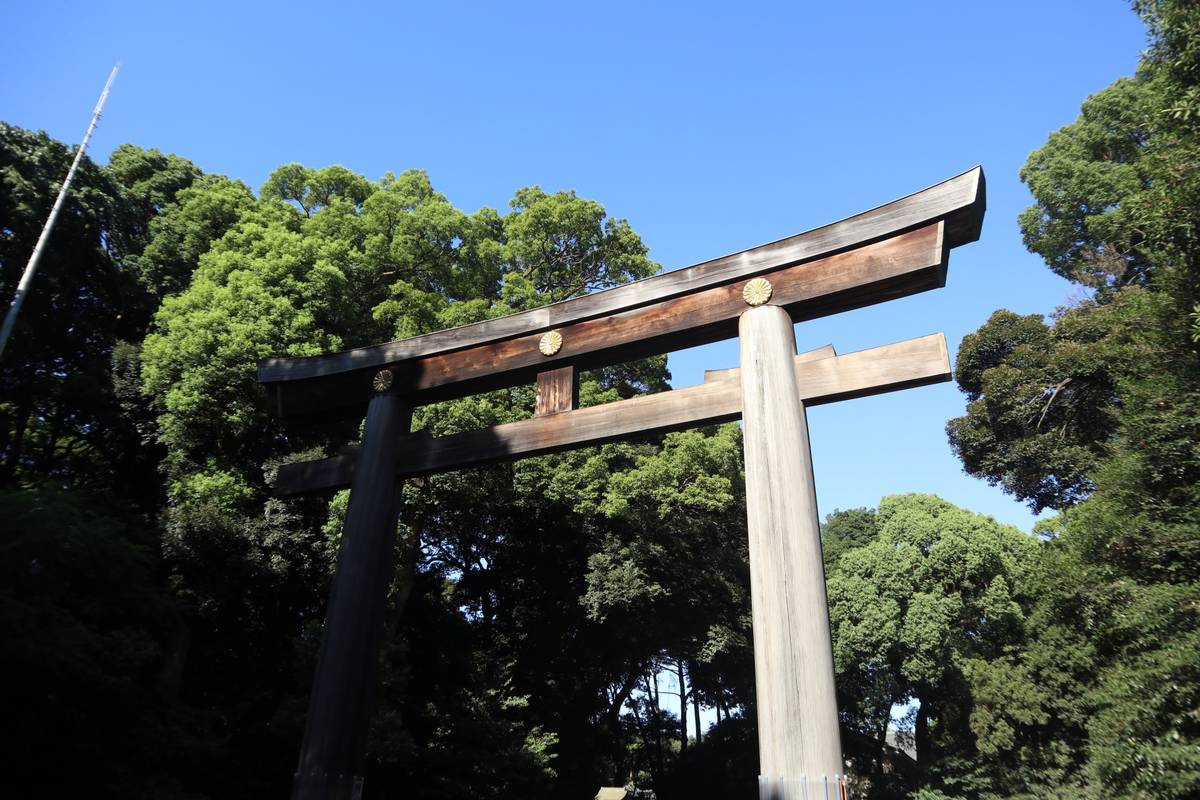
The forest surrounding Meiji Jingu was, in fact, entirely planted by hand. When the shrine was founded in 1920, approximately 100,000 trees were donated from across the country, and some 110,000 volunteers took part in its construction. Designed by forestry experts, this man-made woodland has undergone over a century of natural selection, evolving into a thriving ecosystem of 234 species and around 36,000 trees, home to some 3,000 species of living organisms.
The grand torii at the entrance to the approach stands 12 meters tall and 17.1 meters wide. Crafted from a 1,500-year-old Japanese cypress, it is one of the largest wooden torii gates in Japan.
The Inner Garden and the Museum
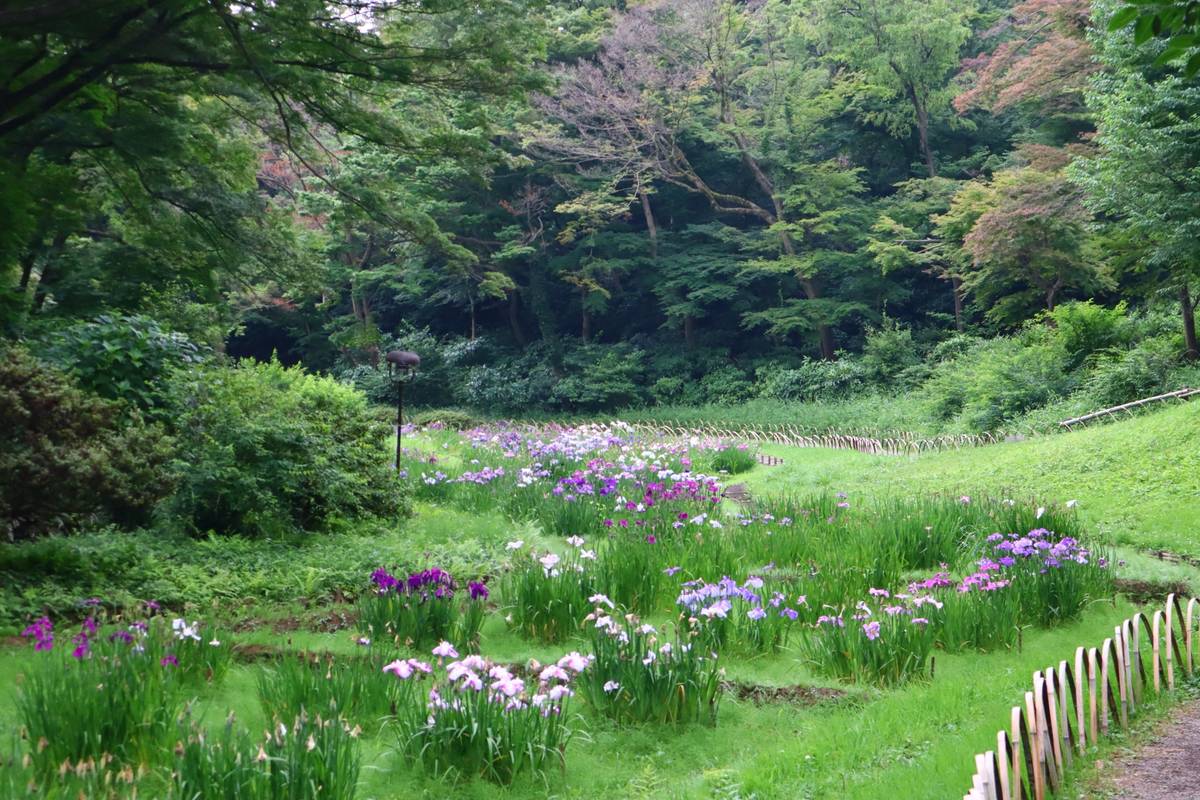
Tucked deep within the shrine grounds, the inner garden traces its origins to the estate garden of a daimyo, a feudal lord, during the Edo period. In June, approximately 150 varieties and 1,500 clusters of irises come into full bloom. Another highlight is Kiyomasa no Ido, a natural spring well said to have been dug by the Sengoku-era warrior Kato Kiyomasa.
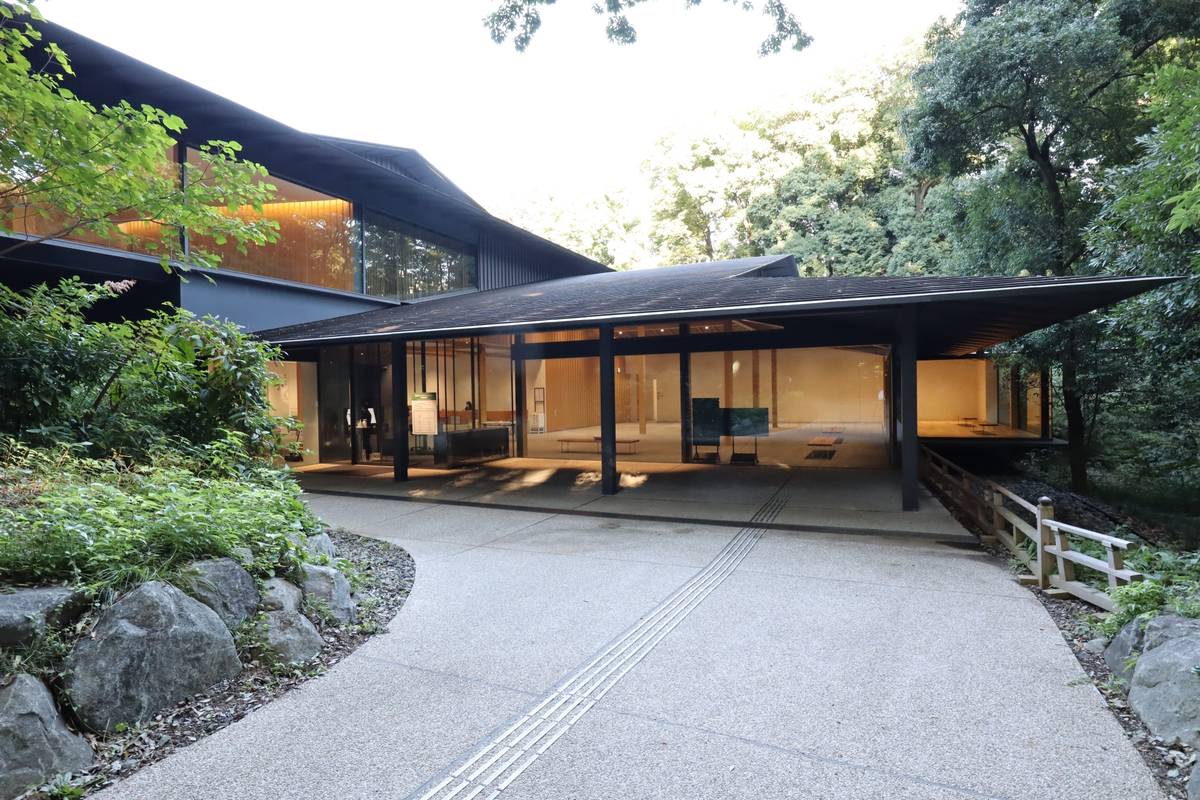
The Meiji Jingu Museum, which opened in 2019, is a work of modern architecture designed by the internationally acclaimed architect Kuma Kengo. It houses artifacts connected to Emperor Meiji and Empress Shoken, offering a window into the history of the imperial family in modern Japan. The main sanctuary was destroyed in air raids in 1945 but was rebuilt in 1958. History and the present coexist here.
The Autumn Grand Festival and Hatsumode
The Autumn Grand Festival, held in early November, is Meiji Jingu's largest annual event. The main ceremony on November 3 falls on Emperor Meiji's birthday and features yabusame, mounted archery performed on horseback, as well as demonstrations of traditional Japanese martial arts, sacred gagaku court dances, and Nō, Japan's classical masked theater.
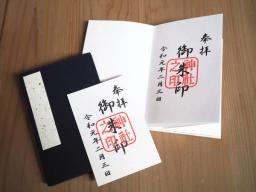
During the New Year period, approximately 3 million people visit for hatsumode, the Japanese tradition of making the first shrine visit of the year. This is the highest number of any shrine in Japan. Goshuin, calligraphic seal stamps given as a memento of one's visit, are available in one standard design for 500 yen.
〒151-8557 1-1 Yoyogikamizonochō, Shibuya, Tokyo
Loading map...
Stories about this place
Discover stories and insights about Meiji Jingu
Last Updated: