Exploring Shrines in Tokyo Offering Unique Goshuin
As the trend of collecting goshuin (shrine and temple stamps) continues to grow, more and more people are eager to start their own collections. For those who want to collect goshuin featuring their favorite themes or designs, we’ll introduce some recommended shrines, temples, and seasonal events to visit in this article.
What is a Goshuin?
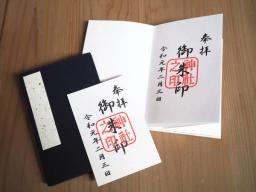
A goshuin is a stamp you can receive when visiting a shrine or temple in Japan, featuring a combination of beautiful calligraphy and red seals.
Note: It is proper etiquette to receive a goshuin only after paying your respects at the shrine or temple. Selling goshuin or goshuin-cho (stamp books) is absolutely unacceptable. Please keep them as a record of your visit, a cherished memory of your travels, or a heartfelt gift for someone important to you.
For more details about goshuin and proper etiquette when visiting shrines and temples, please refer to the guide below.
Shrines in Tokyo
As the central hub of Japan, Tokyo offers excellent transportation access, making it a very convenient city for sightseeing.
When people think of shrines and temples, many may picture places like Kyoto. However, Tokyo is also home to a wide variety of shrines and temples, both large and small, including many that are designated as Important Cultural Properties. Many of them are surrounded by beautiful nature, offering peaceful spaces where you can take a break and forget the noise of the city.
Shitaya Shrine: Taito City, Ueno
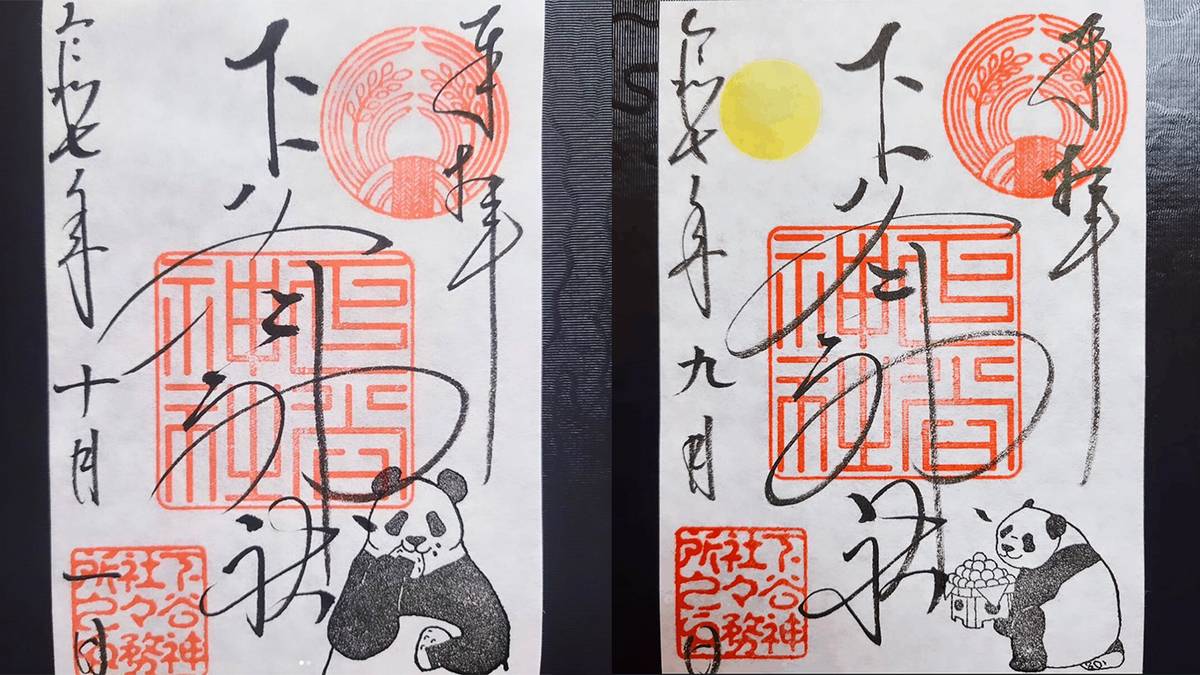
This shrine offers monthly goshuin, with the main shrine featuring seasonal motifs and pandas, while its auxiliary shrine, Ryuei Inari Shrine, provides designs that change with the seasons. Cute goshuin featuring pandas enjoying fireworks or viewing the moon are especially popular, fitting perfectly with the area’s connection to Ueno Zoo.
Hikawa Shrine: Suginami City, Koenji
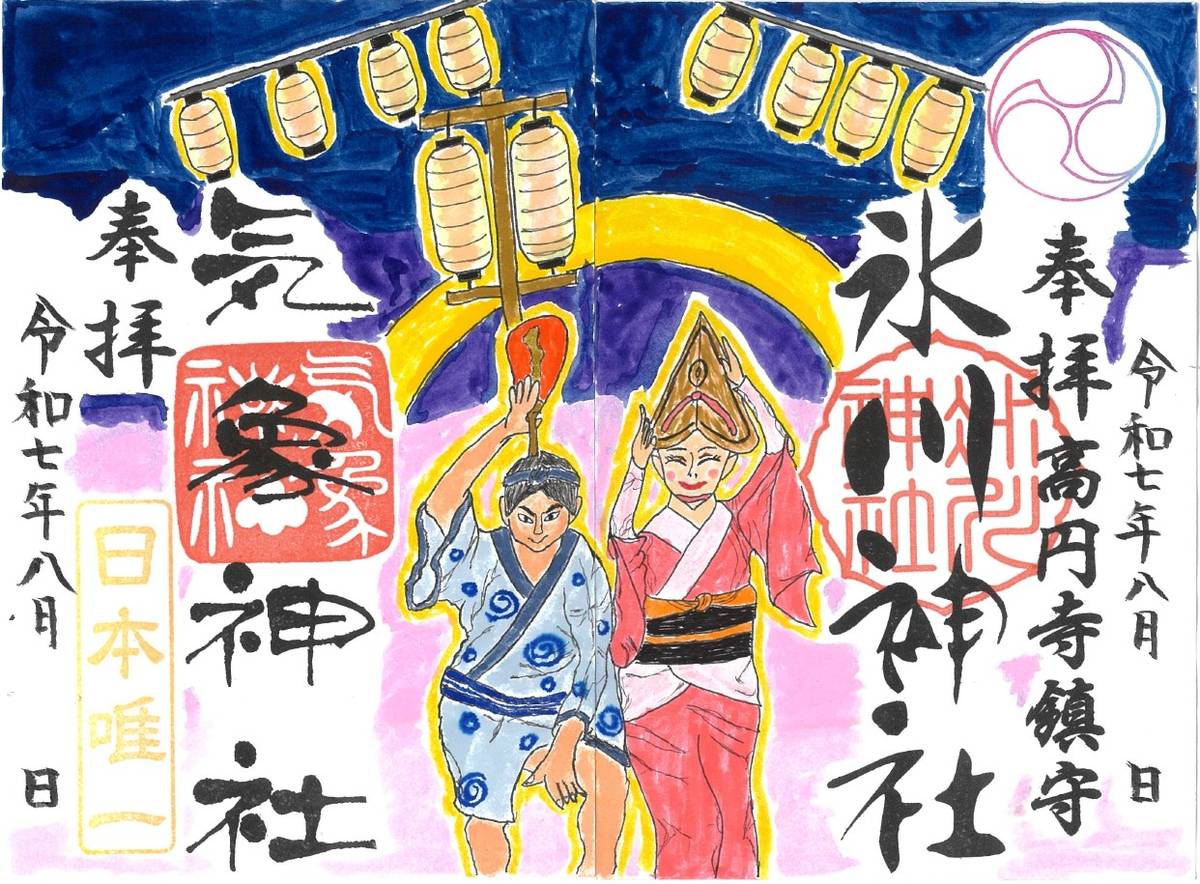
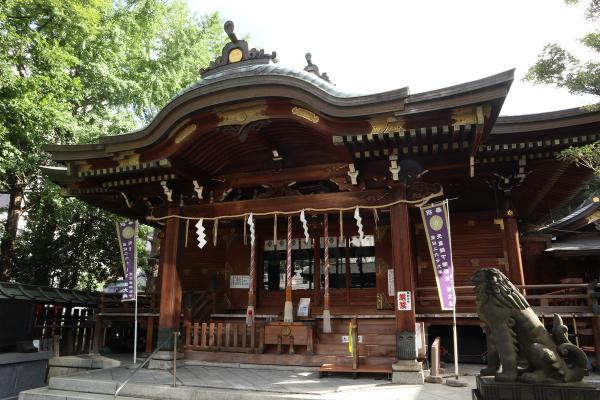
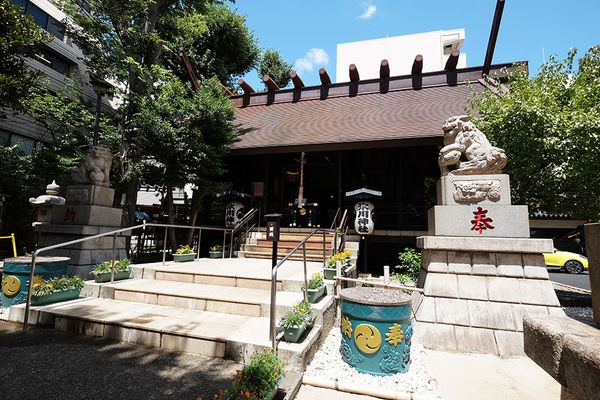
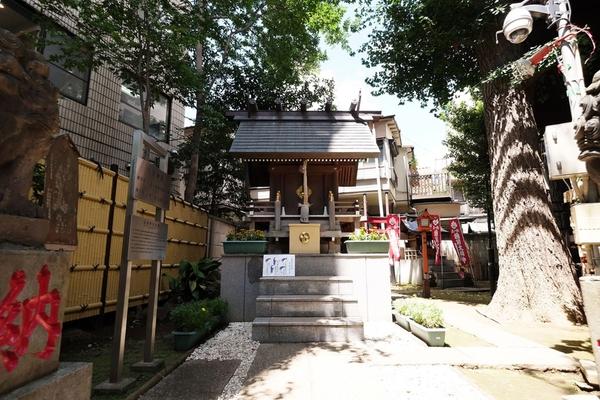
This shrine is accompanied by Japan's only Weather Shrine (Kisho Shrine) as an auxiliary shrine, where blessings like prayers for good weather are offered.
Both Hikawa Shrine and Kisho Shrine offer goshuin with monthly designs, each created using hand-carved eraser stamps. The handmade touch gives them a warm and charming feel.
Asagaya Shinmeigu: Suginami City, Asagaya
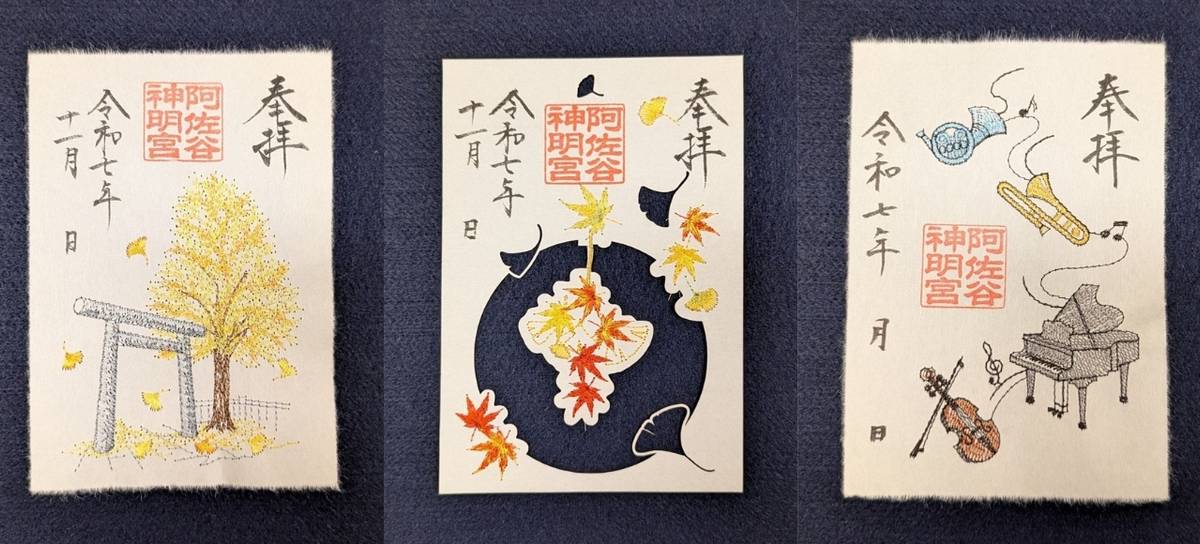
In addition to limited-time goshuin that are released almost every month, visitors can receive a special goshuin called “Yamato Gasane” during the annual grand festival.
Made by adding embroidery to Mino washi, a traditional Japanese handcrafted paper, and then stamping it. It is a delicate and elegant goshuin with a refined aesthetic.
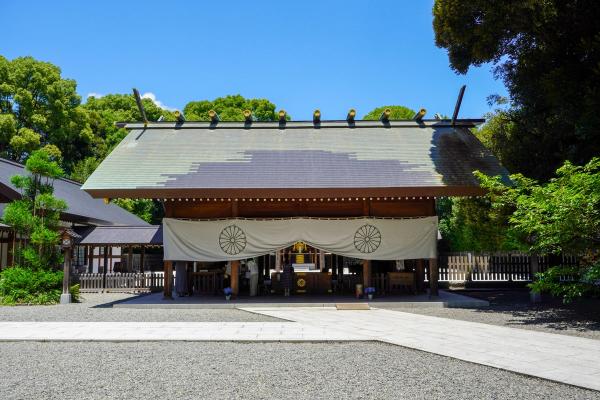
Hino Yasaka Shrine: Hino City
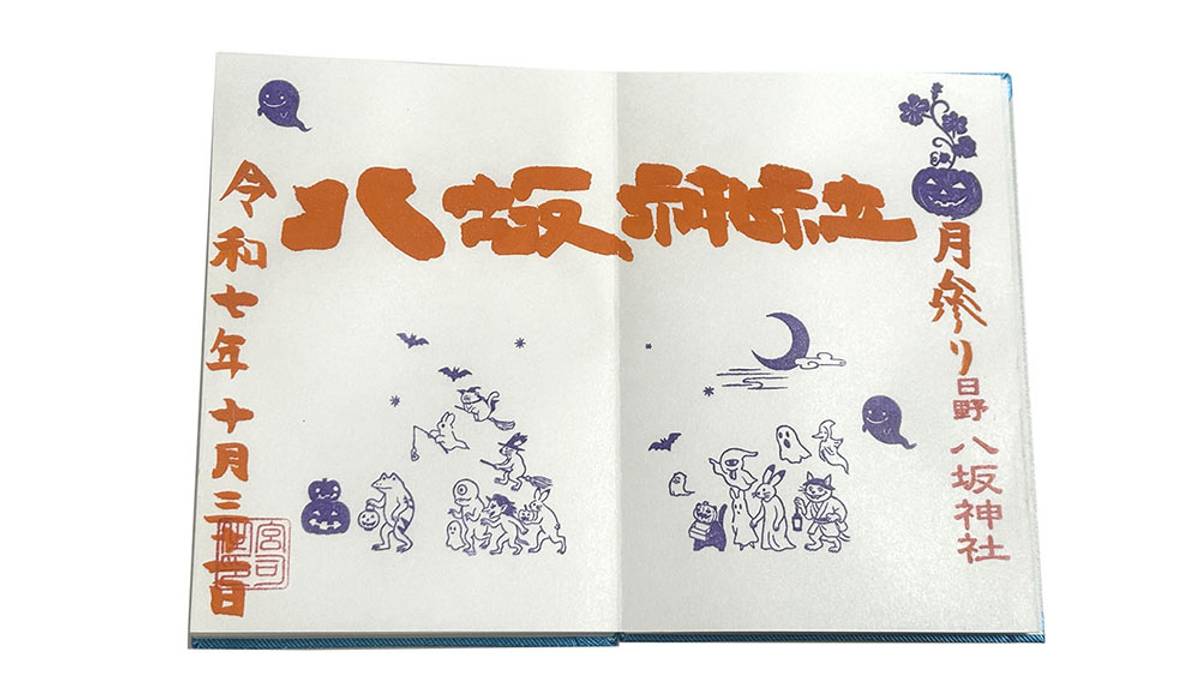
期間限定ハロウィンの御朱印 / 日野八坂神社 / Photo by Japaniche
Known as a shrine connected to the Shinsengumi, it features themed designs every May in celebration of the Hino Shinsengumi Festival. They also offer original goshuin-cho (goshuin stamp books) with Shinsengumi motifs, making it an irresistible destination for fans of the Shinsengumi.
The monthly goshuin feature charming and distinctive designs, such as cute cats and miko (shrine maidens). With so many varieties available, visitors can enjoy choosing a design that suits their personal taste.
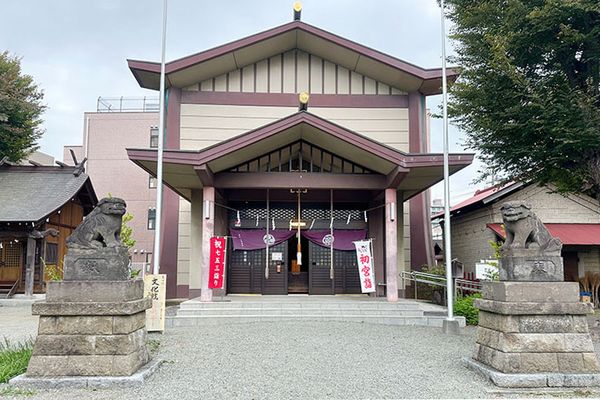
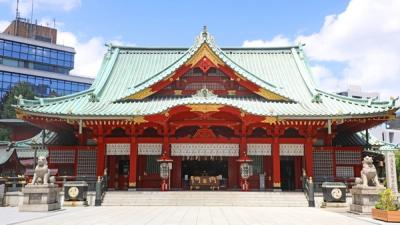
Kanda Myojin: Ochanomizu, Akihabara
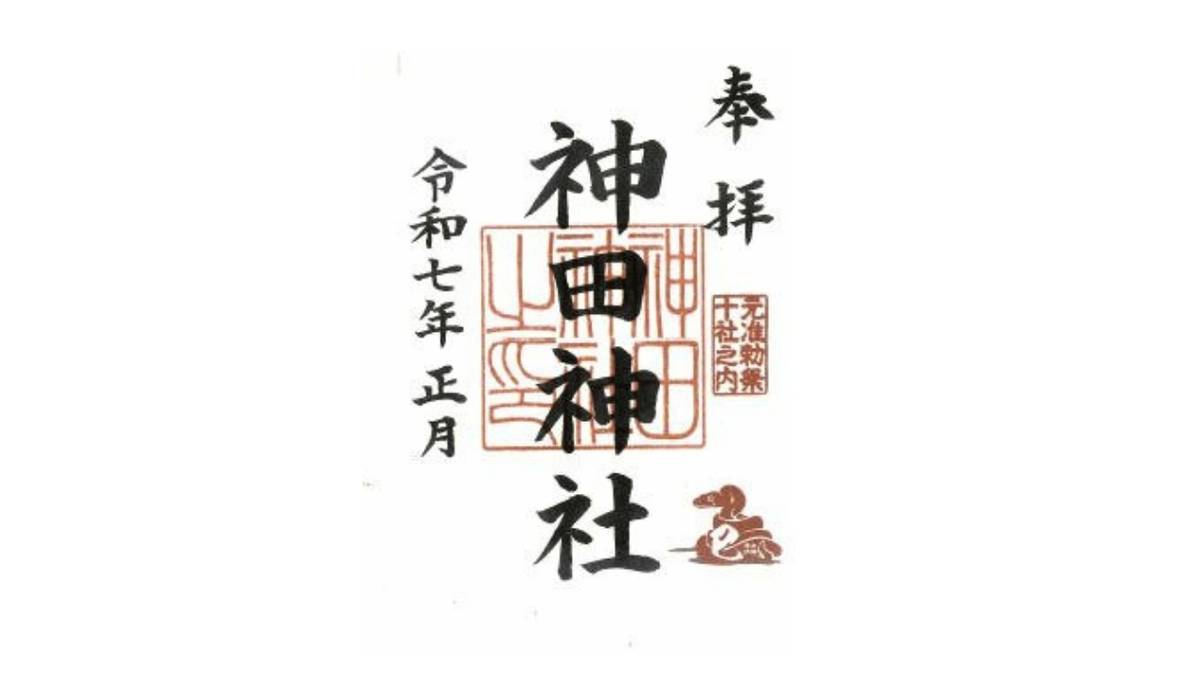
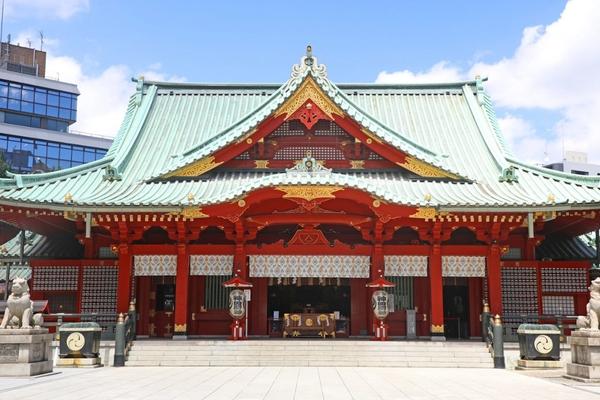
Located just a short distance from Akihabara, Kanda Myojin (Shrine) has become a pilgrimage site for fans of numerous manga and anime. The delicate, beautifully designed limited-edition goshuin can be checked on the shrine’s official Instagram.
In the past, they've collaborated with works such as the Love Live! series, The Apothecary Diaries, Initial D, and more. During these events, the shrine has issued themed goshuin-cho, goshuin, amulets, and other items.
Takagi Shrine: Hikifune, Oshiage
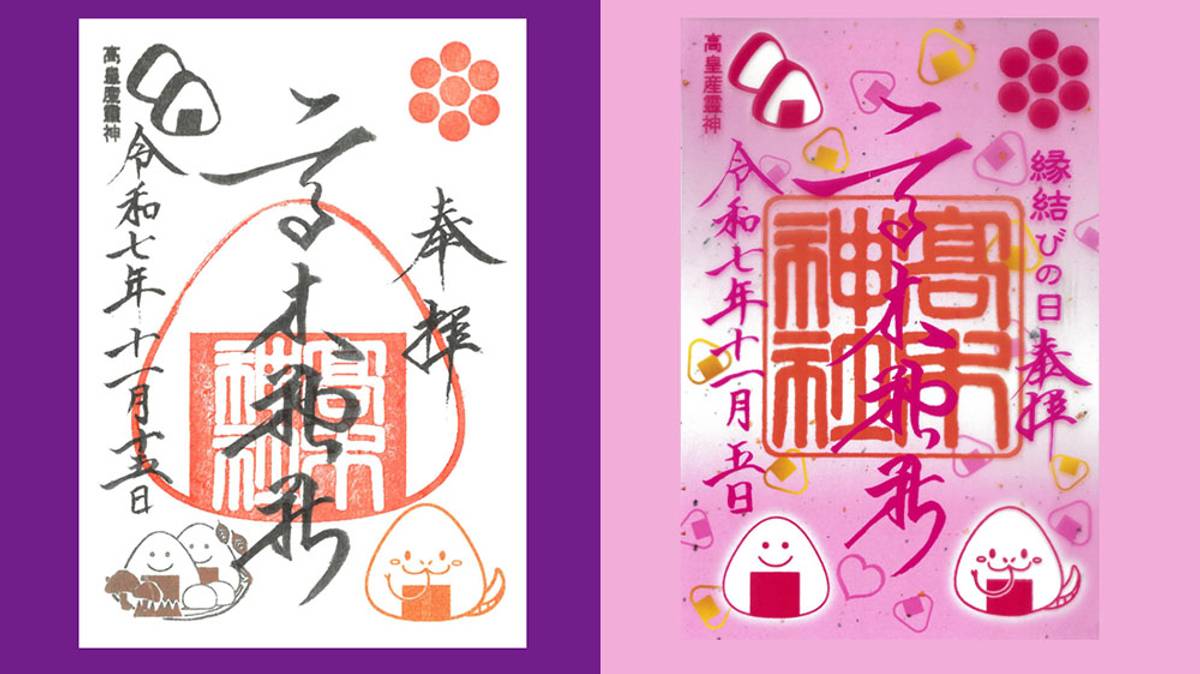
Takagi Shrine is known for bringing good fortune in business. Its goshuin feature adorable rice ball (omusubi) motifs inspired by the enshrined deity.
The shrine also collaborates with Teasing Master Takagi-san, and have not only goshuin but also omamori (amulets), ema (votive plaques), and goshuin-cho available, too.
Themed Goshuin Collections
Tokyo Five Shrine Pilgrimage
Tokyo Five Shrine Pilgrimage
Loading map...


This refers specifically to highly prestigious shrines such as Yasukuni Shrine in Kudanshita, Tokyo Daijingu in Iidabashi, Meiji Jingu in Harajuku, Hie Shrine in Akasaka, and Okunitama Shrine in Fuchu. Except for Okunitama Shrine, the others are located relatively close to one another, making them easy to visit on a single trip.
Tokyo Ten Shrine Pilgrimage
Tokyo Ten Shrine Pilgrimage
Loading map...


This refers to ten representative shrines of Tokyo: Nezu Shrine in Todaimae, Hakusan Shrine in Hon-Komagome, Ōji Shrine in Ōji, Kameido Tenjin Shrine in Kameido, Kinshichō, Tomioka Hachimangū in Monzen-Nakachō, Kanda Shrine in Shin-Ochanomizu, Akasaka Hikawa Shrine in Akasaka, Hie Shrine in Tameike-Sannō, Shiba Daijingu in Daimon, and Shinagawa Shrine in Shinbamba. There is even a special goshuin-cho designed specifically for completing this Ten Shrine Pilgrimage.
There is no set order or time limit for visiting the shrines, so you can enjoy the pilgrimage at your own pace. With good planning and transportation research, it is possible to collect all the goshuin in one or two days. However, each shrine has its own rich history and many points of interest on the grounds, so we recommend allowing plenty of time in your schedule.
Tokyo Fuku Meguri (Good Fortune Pilgrimage)
Tokyo Good Fortune Pilgrimage
This one-way route runs south from Asakusa in Taito City down to Hebikubo in Shinagawa City, largely following the Toei Asakusa subway line. The advantages are minimal transfers and no need to double back. That said, the final stop, Kamishinmei Tenso Shrine (also known as Hebikubo Shrine), closes its amulet counter at 17:00. If you anticipate a late start or want to take your time at each shrine, consider doing the route in reverse, starting at Hebikubo Shrine and ending at Asakusa Shrine. Asakusa Shrine is open 24 hours and its amulet counter stays open relatively late, so any delays toward the end of the day are easier to recover from.
Loading map...

The starting point of the route. Visiting around 9:00 AM, before the crowds build up at neighboring Senso-ji Temple, makes for a calmer experience.

A 7-minute walk from Kuramae Station on the Toei Asakusa Line. This quiet shrine in a residential neighborhood is known for its sengan mikoshi, a large portable shrine paraded during festivals.

A short walk from Nihonbashi or Mitsukoshimae Station. Surrounded by office towers, this shrine is also known as Mebuki Inari and is popular for prayers related to financial and career success.

Walkable from Higashi-Ginza Station, or just steps from Tsukijishijo Station. Right next to the Tsukiji Outer Market, this is the natural stop to pair with lunch.

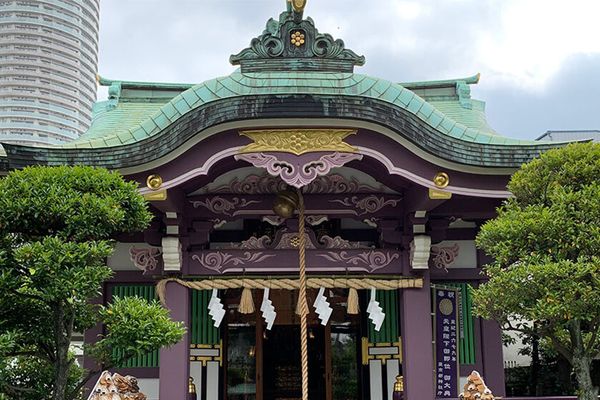
A few minutes' walk from Shinbashi Station. This small shrine tucked into an alley behind office buildings is known for its colorful monthly-changing goshuin (shrine stamps).

A 5-minute walk from Sengakuji Station. From here, the route heads further south into Shinagawa City.

A short walk from Togoshi Station. With benches and a coffee stand on the grounds, and the Togoshi Ginza shopping street nearby, this is an easy place to take a break.

The end of the route. A short walk from Nakanobu Station, with the amulet counter open until 17:00. The shrine is also known for its coin-washing ritual (zeniarai).
This pilgrimage involves visiting eight shrines located along the Toei Asakusa Line and collecting goshuin in a special original goshuin-cho designed for the route.
The eight shrines include Asakusa Shrine in Asakusa, Torigoe Shrine in Kuramae, Fukutoku Shrine in Nihonbashi, Namiyoke Shrine in Higashi-Ginza, Karasumori Shrine in Shimbashi, Takanawa Shrine in Sengakuji, Togoshi Hachiman Shrine in Togoshi, and Kamishinmei Tenso Shrine (Jakuzukano Shrine) in Nakanobu. Since they are all located along the Toei Asakusa Line, it is even possible to visit them all in a single day.
You can also choose your destinations based on the blessings you’re seeking, such as matchmaking, improving your financial luck, or academic success, and enjoy collecting goshuin that way. Rather than simply receiving goshuin, consider taking the opportunity to learn about the deities and Buddhas enshrined there, as well as the history and legends connected to each place. And if time allows, consider receiving a prayer or ritual blessing to fully immerse yourself in Japanese culture.
Published Last Updated