Shitaya Shrine
下谷神社
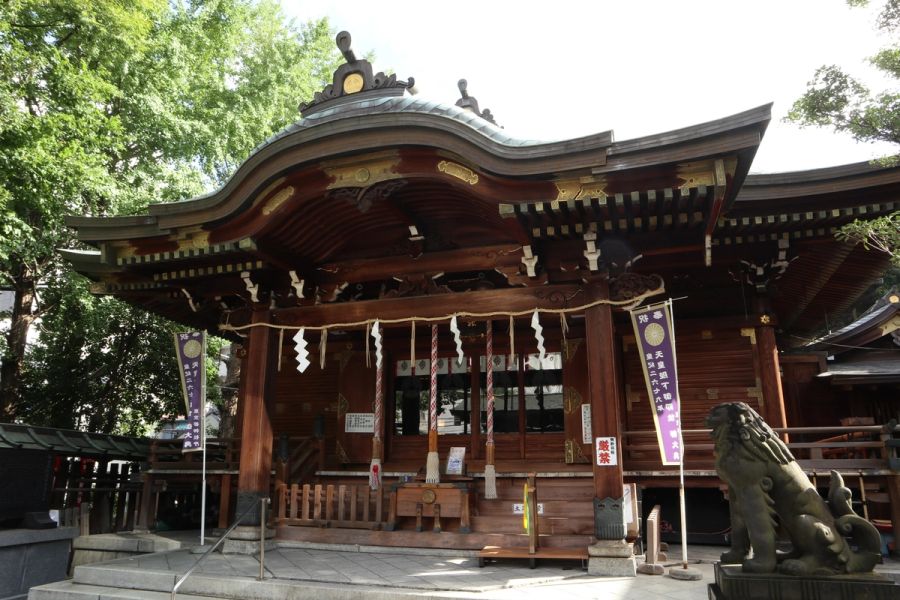
About Shitaya Shrine
This shrine was founded during the Nara period and is the oldest Inari shrine in Tokyo. The name of Inaricho Station on the Tokyo Metro Ginza Line originates from the shrine’s former name.
Origin of Shitaya Shrine
It is said that in the 2nd year of Tenpyo (730), during the reign of Emperor Shomu, the Inagi (administrators) of Kyoda (present-day Arakawa Ward) enshrined the divine virtues of Ootoshinokami and Yamato Takeru no Mikoto.
This is the site where the first yose (traditional Japanese vaudeville or comedy performance) was held in Kansei 10 (1798). Within the shrine grounds stands a stone monument inscribed with “Birthplace of Yose.”
Deities Enshrined
The shrine enshrines Ootoshinokami, the child of Susanoo no Mikoto. Ootoshinokami is known as the god of grains and is believed to bring prosperity in business and safety in the home.
It also enshrines Prince Yamato Takeru no Mikoto, the son of Emperor Keikō, Japan’s 12th emperor, and a legendary hero in Japanese mythology.
History of Shitaya Shrine
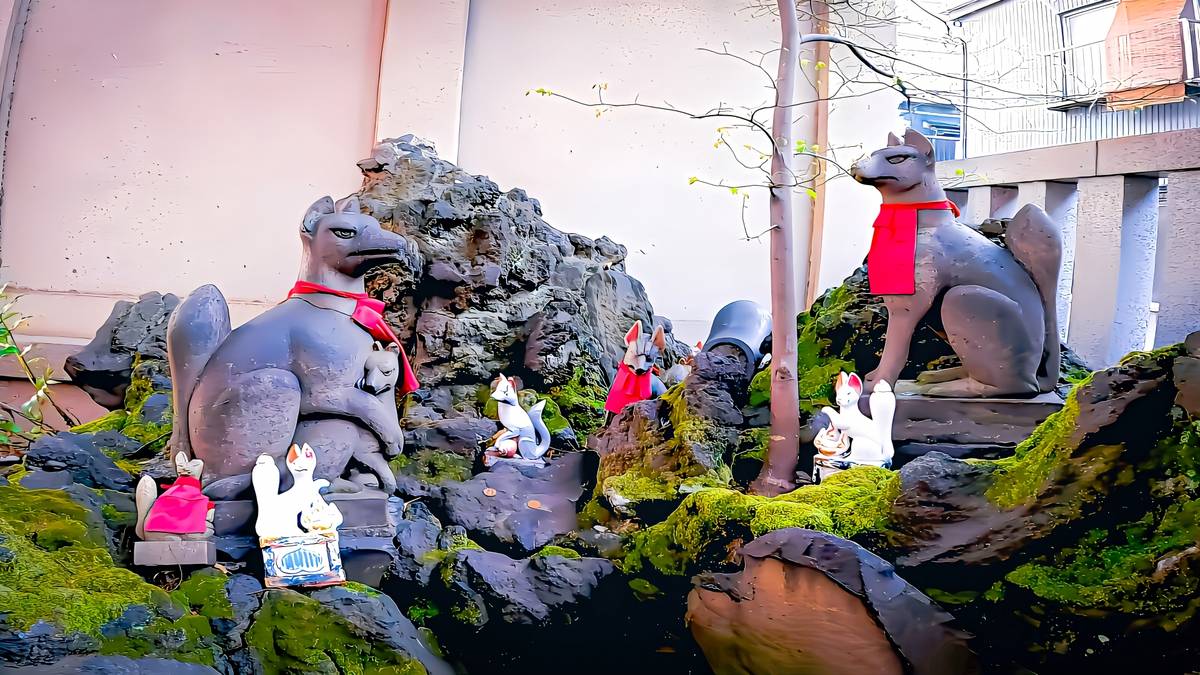
Inari Statures / Photo AC
After its founding, the shrine was relocated several times and was finally moved to its current location in Showa 3 (1928). In Meiji 5, the name was changed from "Shitaya Inari Sha" to "Shitaya Shrine."
During the Edo period, a five-day yose performance was held here by the first Sanseidō Karaku, making the site beloved as one of the birthplaces of Japanese entertainment.
Despite the ravages of war, the sacred objects, treasures, and shrine buildings remained unscathed, preserving their solemn grandeur.
Shitaya Shrine: A Power Spot for the Performing Arts and Water
Because it is known as the birthplace of yose, Shitaya Shrine is said to be a power spot for the performing arts and water. On extremely hot days, a dry mist system operates within the grounds, allowing visitors to feel refreshed while also experiencing a sense of spiritual purification.
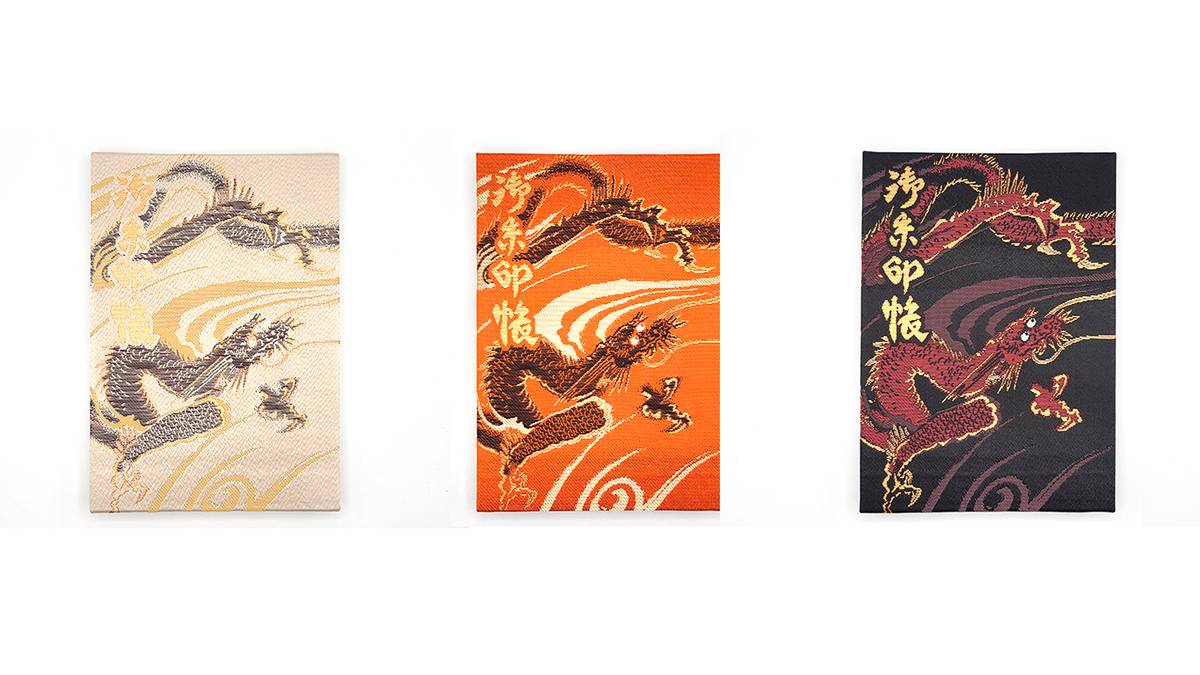
Goshuin Book Featuring an Elegant and Traditional Dragon Motif.
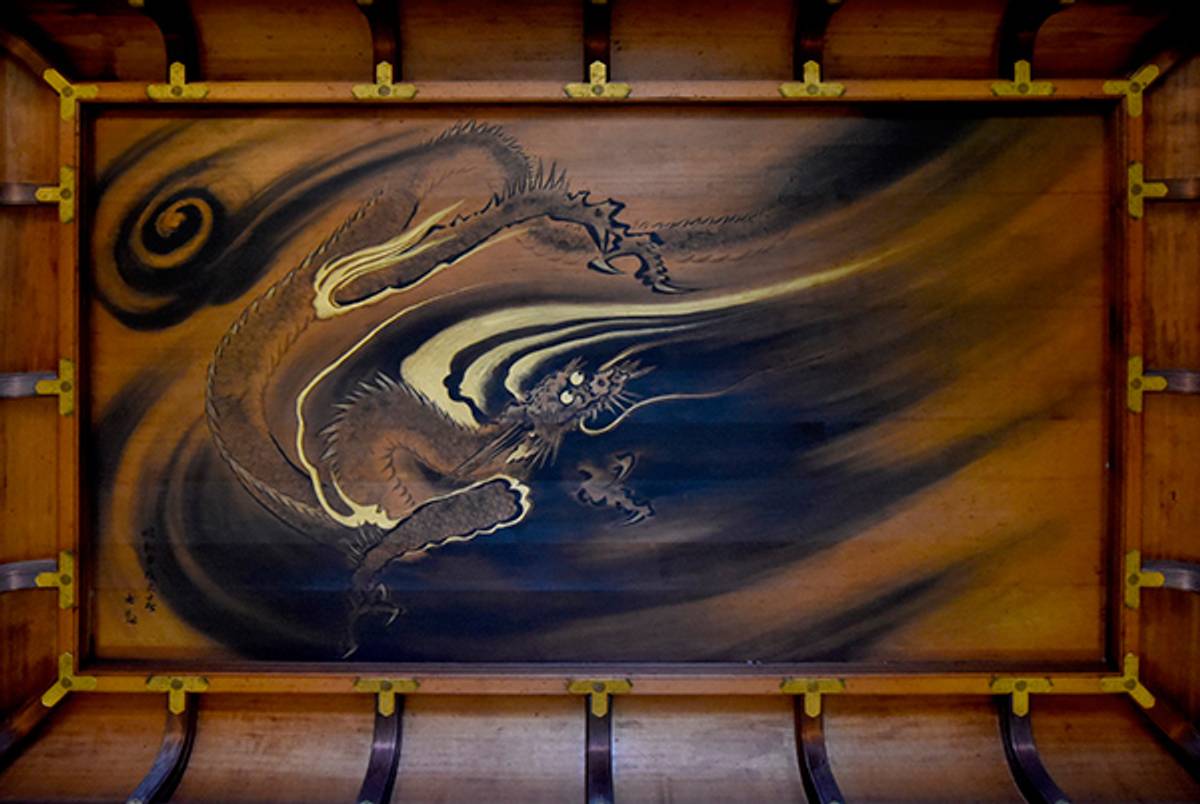
The ceiling painting of the shrine hall was created by Yokoyama Taikan, a master of modern Japanese painting. It was painted when the shrine was relocated after the original building was lost in the Great Kantō Earthquake. The dragon, both dynamic and graceful, is truly captivating, and Taikan’s dragon design is also featured on the shrine’s goshuincho (shrine stamp book).
The Perfect Souvenir: The Panda Goshuin
Ueno is well known for its adorable giant pandas at Ueno Zoo, located just a short walk from the station. Because of this, panda-themed goods can be found throughout the station and nearby shops. Shitaya Shrine’s monthly goshuin also features charming pandas enjoying seasonal events and motifs, making each design a delightful reflection of the time of year.
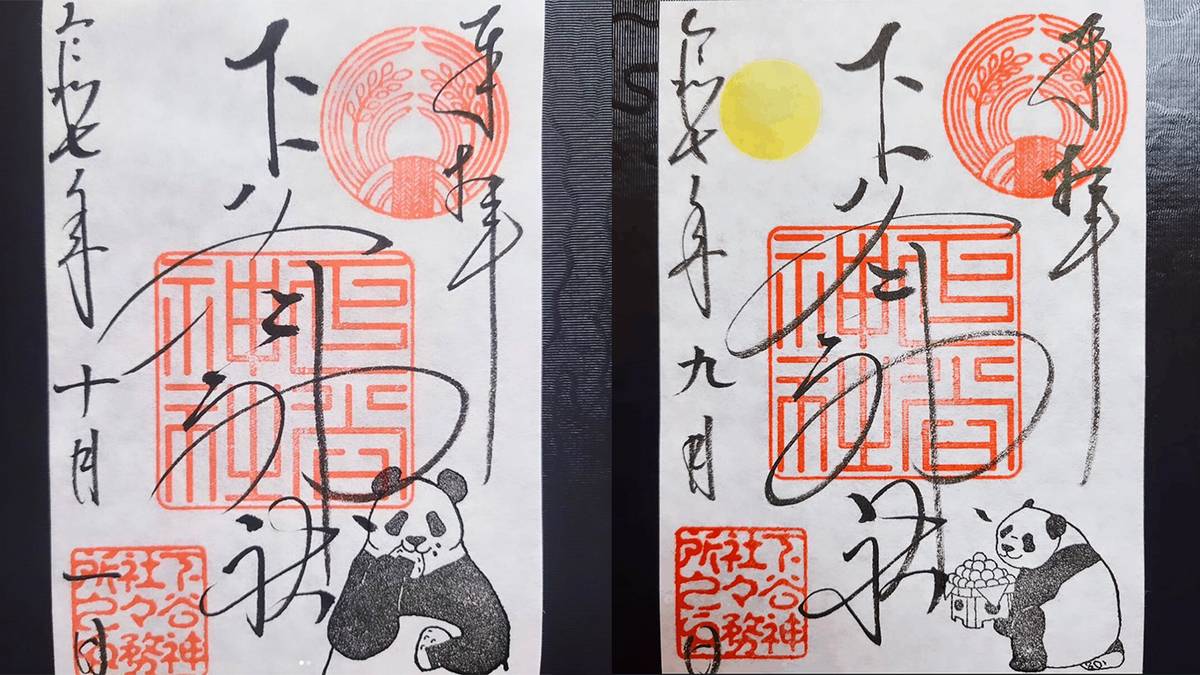
*You can check the limited-edition designs and distribution periods on the official website's announcements. (Japanese)
Masaoka Shiki’s Haiku Monument and Annual Events
In addition to the monument marking the birthplace of yose, there is also a monument with a haiku by the famous poet Masaoka Shiki. It is one of eleven haiku monuments in Taitō City inscribed with verses composed by Shiki in the area. This particular monument features a poem related to the origin of yose.
The shrine also hosts numerous annual events, including the Shitaya Shrine Grand Festival and the Inari Festival, both of which have a history of over a thousand years. These traditional celebrations attract not only local residents but also visitors from all over Japan, making the shrine a lively center of community and culture.
〒110-0015 3-chōme-29-8 Higashiueno, Taito City, Tokyo
Loading map...
Stories about this place
Discover stories and insights about Shitaya Shrine
Last Updated: