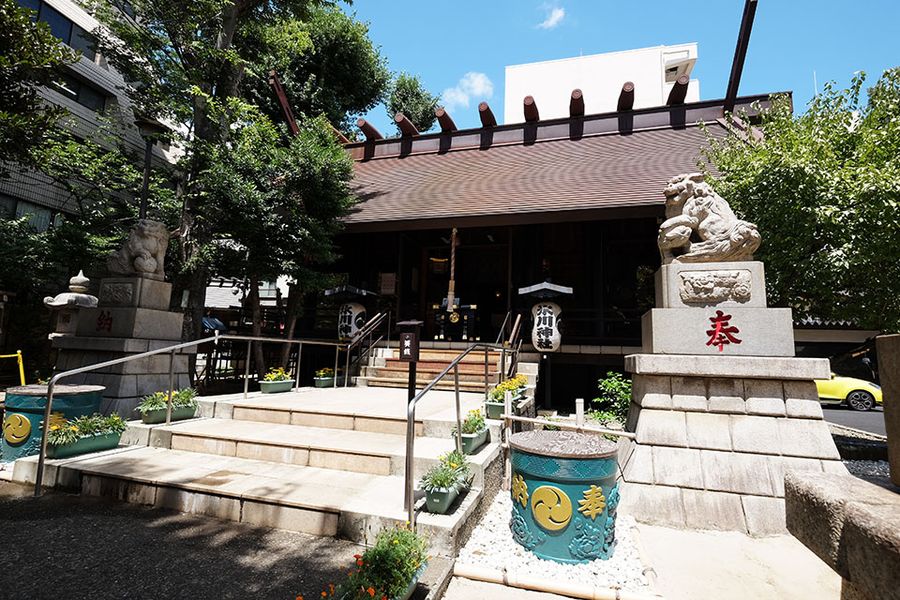
About Koenji Hikawa Shrine
Hikawa Shrine is a Shinto shrine located in Koenji, Tokyo. Founded during the Kamakura period, it has long been a part of the local community, sharing the spirit of Shinto with many people. Conveniently situated just a three-minute walk from Koenji Station, it offers excellent access while maintaining a serene and refreshing atmosphere that makes every visit a peaceful experience.
Origin of Hikawa Shrine
It is said that the shrine hall was built by soldiers who settled in Koenji Village and later became farmers after Minamoto no Yoritomo carried out his campaign to subdue the Oshu region.
It was founded in Koenji after receiving a divine message instructing that a shrine be established here, originating from the main Hikawa Shrine in Takahana in former Musashi Province (present-day Saitama Prefecture). Because it was closely connected to the daily lives of local farmers, it has long been revered as a deity of agriculture.
Enshrined Deity
The enshrined deity is Susanoo-no-Mikoto, famous for the legend of Yamata no Orochi.
Among the many deities that appear in Japanese mythology, Susanoo is especially known for his numerous legends and is considered to embody many aspects: a god of war, a patron of poetry and scholarship, a deity of fertility, and even a god of the underworld.
Because his blessings cover such a wide range, such as good relationships, protection from misfortune, family safety, business prosperity, and more, many shrines throughout Japan worship him as their principal deity.
History of Hikawa Shrine
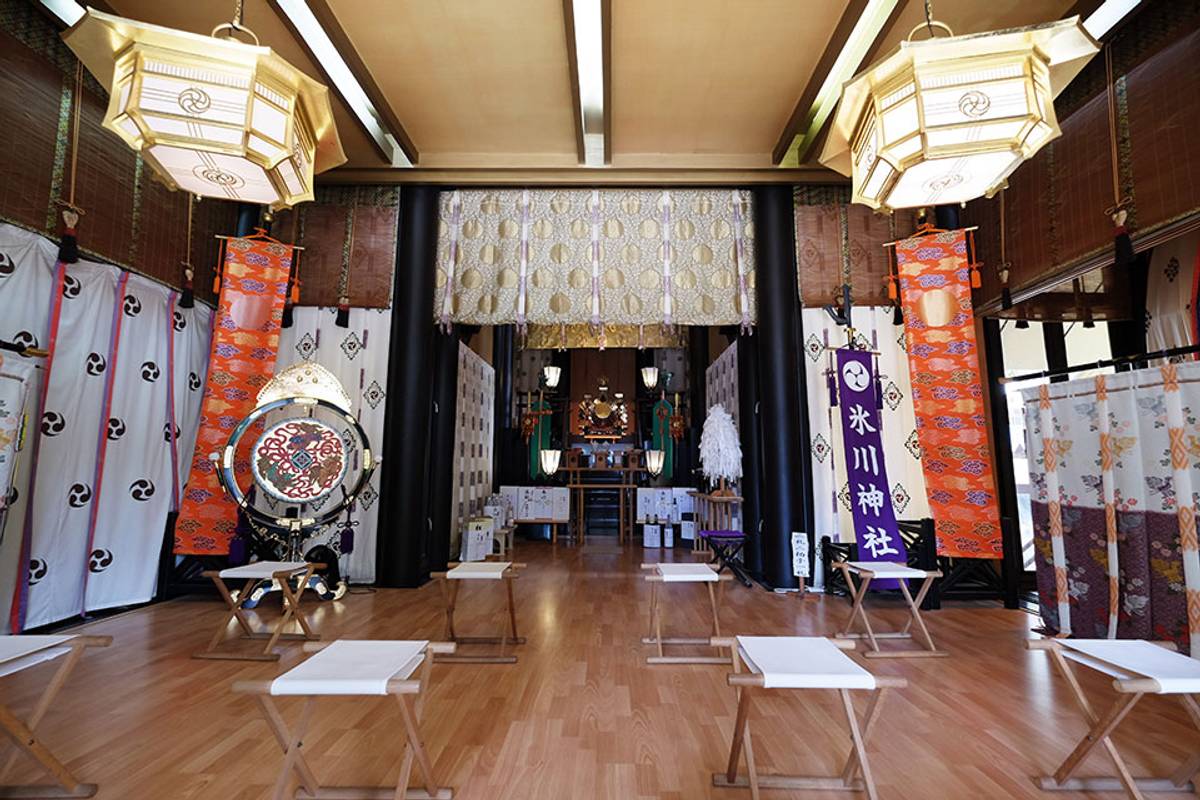
Although many old records were lost in past fires and the shrine’s exact origins are unclear, it is said to have been founded around the same time as Koenji Temple of the Soto sect, and has long been revered as a guardian deity of the local community.
In the Meiji era, it was officially designated as a village shrine, recognizing its role as a community-based place of worship. After World War II, it was formally recognized as a religious institution, a status it retains today.
Highlights of Hikawa Shrine
Depending on the season, there are beautiful floral water basins that reflect the time of year. Within the grounds, you can also find a stone statue of Mike-san, the calico cat that once lived at Hikawa Shrine.
Although it’s close to Koenji Station, the shrine grounds are lush with greenery and offer a calm, peaceful atmosphere. It is also home to Japan’s only Weather Shrine, attracting many visitors.
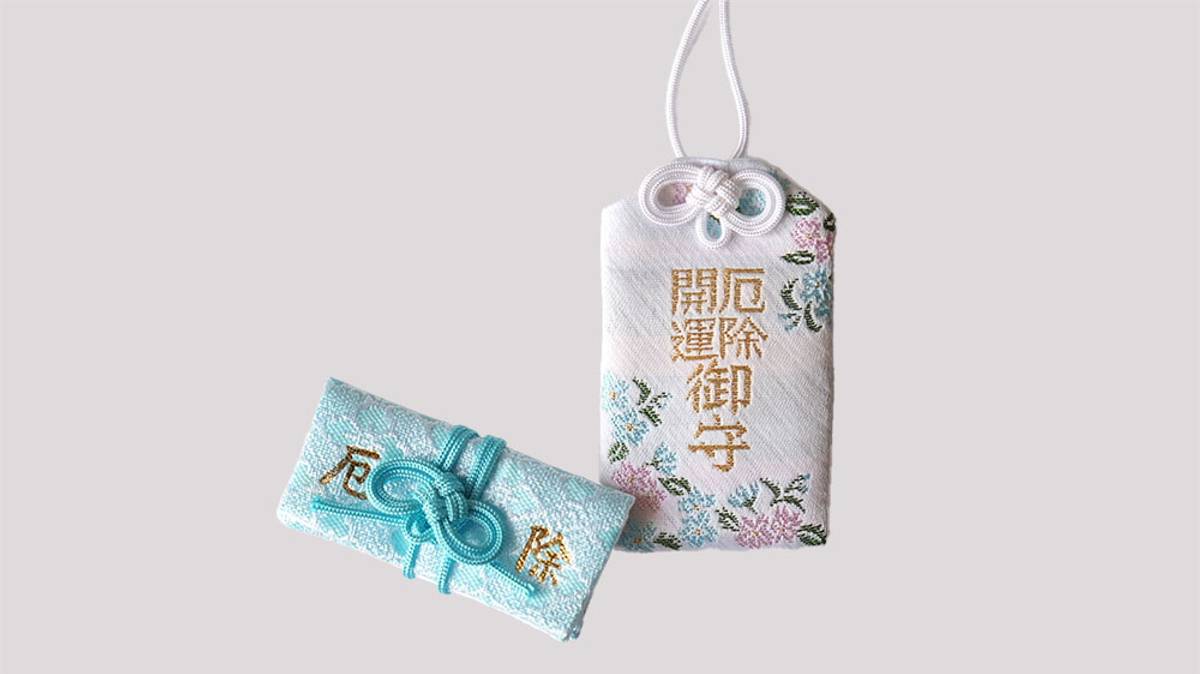
At the shrine office (juyosho), you can receive various amulets (omamori) such as the Hikawa Shrine Omamori, Yakuyoke (warding off misfortune) amulet, and Enmusubi (matchmaking) amulet.
The goshuin (shrine stamps) designs change monthly, and some are cleverly created so that the stamps from Hikawa Shrine and the Weather Shrine form a complete design when paired together. Many visitors look forward to the warm, hand-drawn illustrations that appear each month.
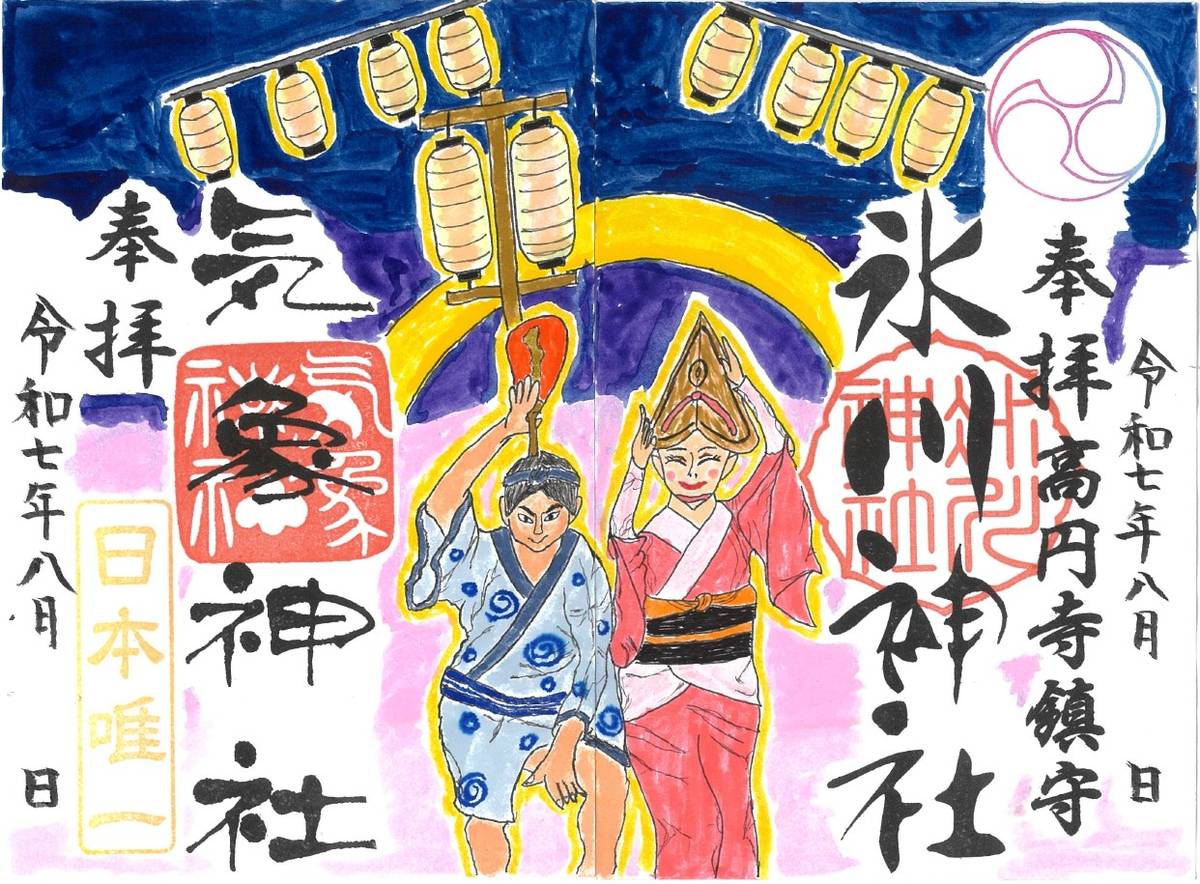
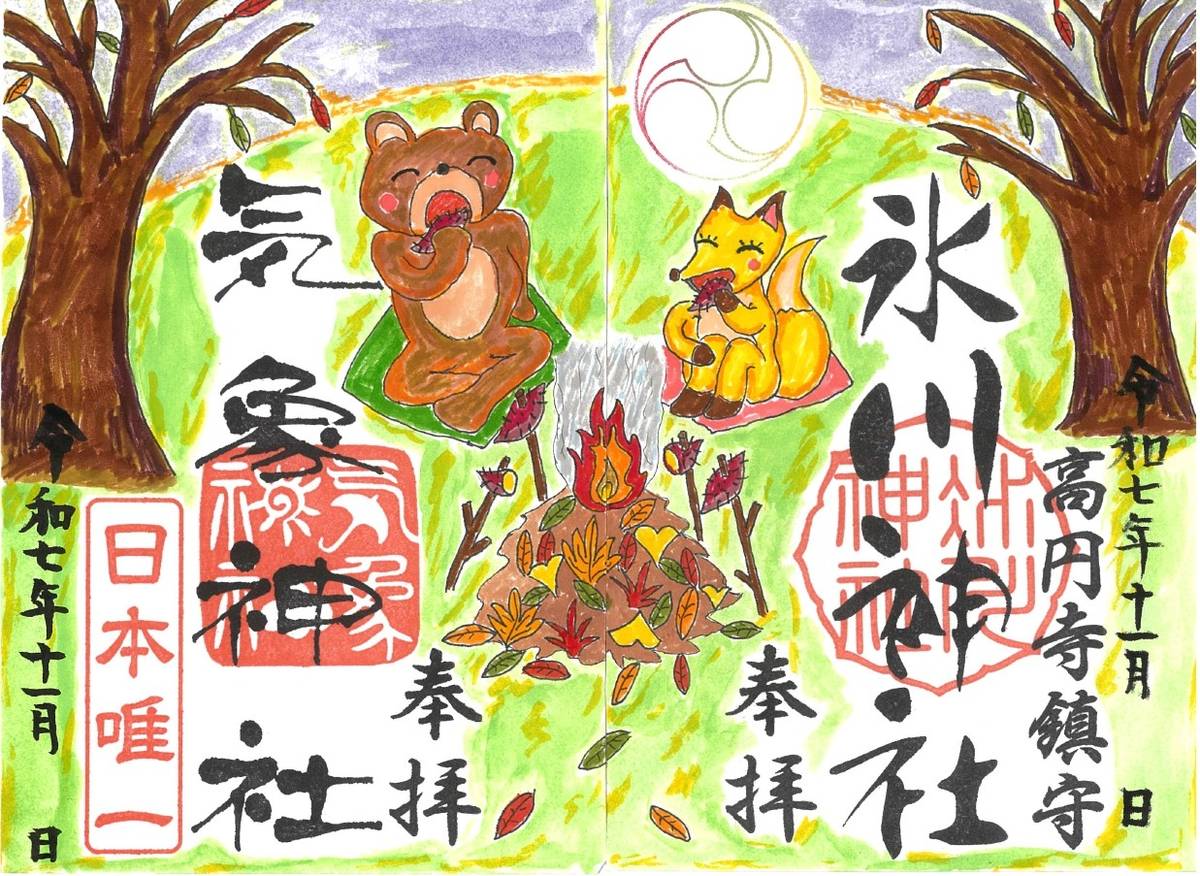
You can check the latest goshuin designs on the official website (in Japanese) for both Koenji Hikawa Shrine and the Weather Shrine.
The designs change from month to month, and there are also limited-edition commemorative versions, making them a wonderful and memorable keepsake from your trip.
Reitaisai (Annual Festival)
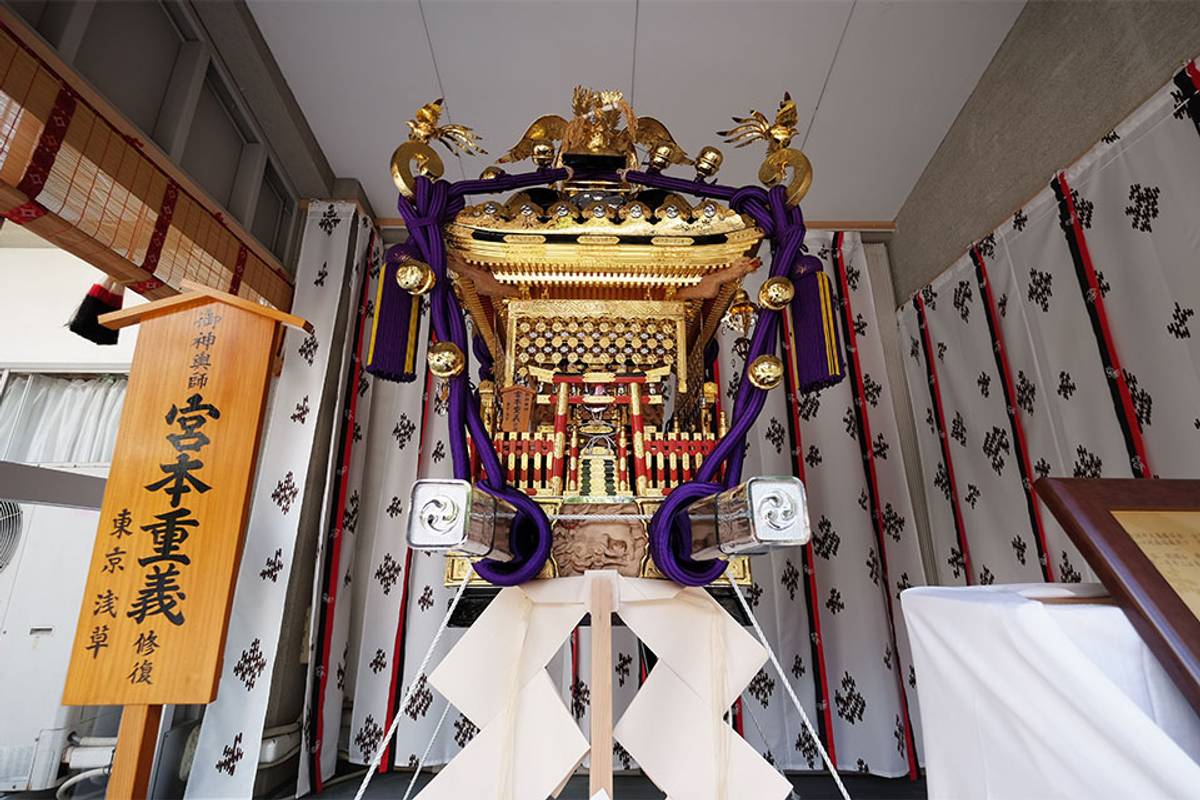
In addition to events such as the New Year’s Festival, the Hinamatsuri mochi-pounding event, and the Nagoshi no Oharae summer purification ritual, the Reitaisai (annual grand festival) held on the last Sunday of August is one of the shrine’s most important celebrations. The Tokyo Koenji Awa Odori originally began as a dance offered to Hikawa Shrine, and it has since grown into a festival that involves the entire community.
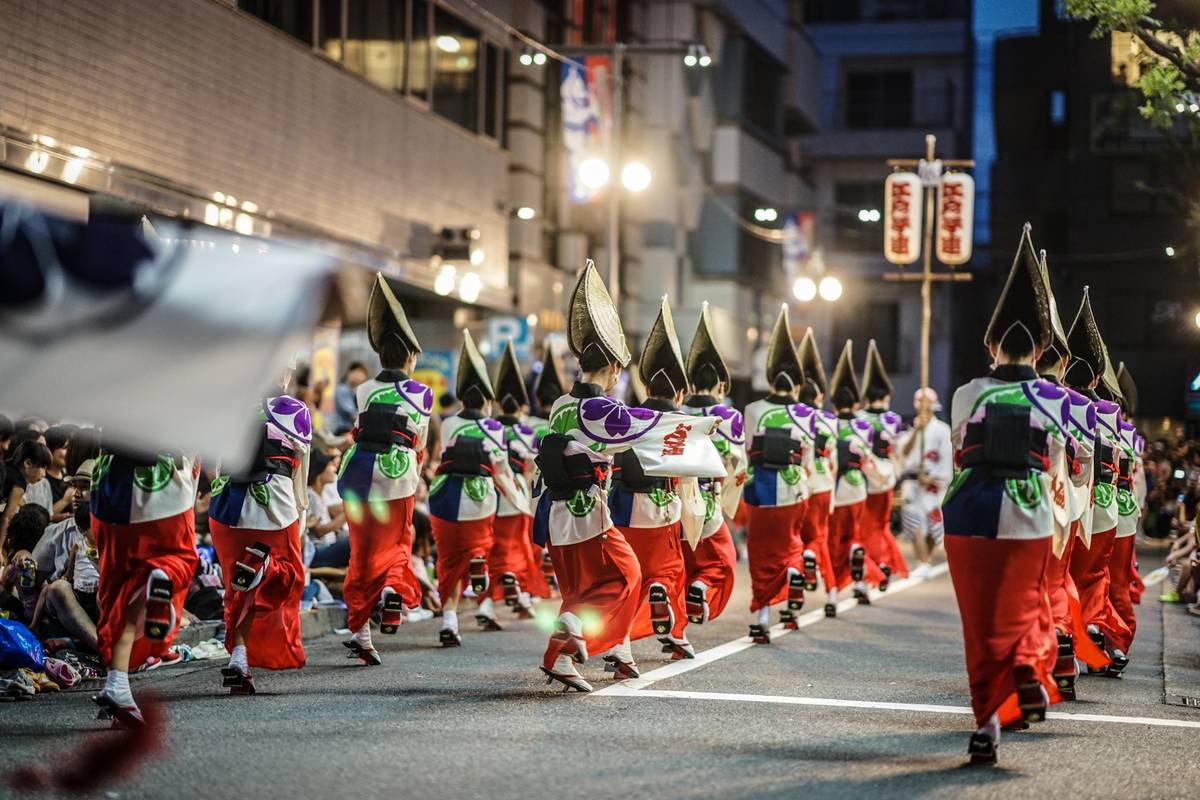
Image of Koenji Awa Odori / Photo AC
The shrine is also actively engaged in new initiatives, such as hosting events and workshops that contribute to the local community. As Japanese lifestyles change and people’s relationships with religion diversify, the shrine continues to be cherished as a welcoming and familiar presence.
〒166-0003 Tokyo, Suginami City, Kōenjiminami, 4-chōme−44−19 氷川神社
Loading map...
Stories about this place
Discover stories and insights about Koenji Hikawa Shrine
Last Updated: