Hino
日野市
Things to Do in and Around Hino
Hino City is located in the Tama area of Tokyo and is a city rich in water and greenery, with the Tama River and Asakawa River flowing through it. It features places like the Takahata Fudoson Temple and Tama Zoological Park, where you can gain new knowledge surrounded by nature. It is an area where you can enjoy leisurely sightseeing while still being in Tokyo.
Where is Hino?
Hino City is located in the Tama region of Tokyo, approximately 35 km west of central Tokyo. It borders Kunitachi City and Tachikawa City to the north, Tama City and Hachioji City to the east, Machida City to the south, and Hachioji City to the west.
The southern part of the city is covered by the Tama Hills, while the northern part features the Hino Plateau. Additionally, the Tama River flows east to west along the northern side of the city, and the Asakawa River flows from south to north through the central part of the city, joining the Tama River, creating a landscape rich in water and greenery.


Getting Around
Hino City is located in the Tama area of Tokyo and is served by the JR Chuo Line and the Tama Monorail. The main stations are Hino Station, Toyoda Station, and Takahatafudo Station. It is accessible from Shinjuku in about 30 minutes by the Chuo Line Special Rapid Service.
For Keio Line users, transferring at Takahatafudo Station is convenient. The city has a well-developed bus network, making it easy to reach tourist spots such as Tama Zoological Park and Takahata Fudoson.
Loading map...
About Hino
Hino City is a nature-rich area where the Tama River and Asakawa River converge. This unique ecosystem created by the waterfront environment is a precious spot where you can experience abundant nature, even though it is located about 40 minutes from the city center. In spring, you can enjoy the breathtaking scenery of cherry blossom trees and river views, attracting many photography enthusiasts.
An Industrial City Supporting Japan's Automobile Industry
Hino City is known for being home to the headquarters and factories of Hino Motors. Hino Motors is a leading manufacturer of trucks and buses in Japan and has significantly contributed to the city's economy and development. Factory tours are available, offering a valuable opportunity to experience the site of Japanese manufacturing.
Takahata Fudoson Kongoji Temple
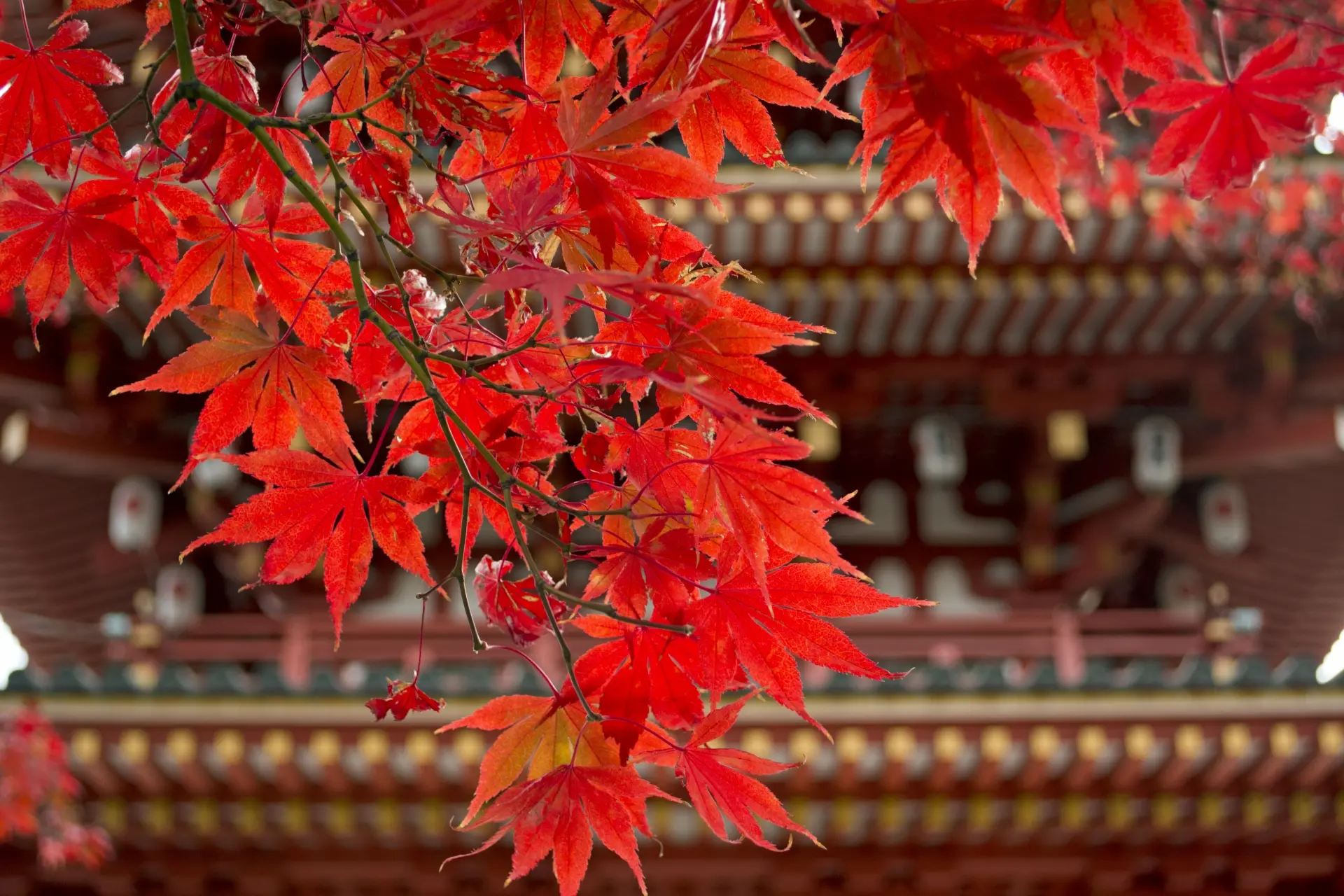
Takahata Fudoson Kongoji Temple, a renowned temple of the Chisan sect of Shingon Buddhism, has been a place of worship for a long time as one of the three great Fudo temples in the Kanto region. With a history of about 1,200 years, it preserves many buildings and statues designated as important cultural properties of the country. On the 28th of each month, the temple is bustling with worshippers, and the autumn foliage within the precincts is particularly beautiful, making it a symbol of the autumn season.
Hino-juku and Hino's Ferry
During the Edo period, Hino-juku thrived as a post town on the Koshu Highway, and its remnants remain today. The "Hino's Ferry," which once spanned the Tama River, played an important role as a transportation hub. Currently, you can learn about the past at the Hino-juku Exchange Center, and many tourists enjoy historical walks.
The Hometown of the Shinsengumi
Hino City is known as the birthplace of Hijikata Toshizo, the vice-commander of the Shinsengumi. At the Hijikata Toshizo Museum, you can learn about the life of the samurai who lived through the turbulent period at the end of the Edo era through valuable relics and materials.
The "Hino Shinsengumi Festival," held every May, features a parade of citizens dressed in the uniforms of the Shinsengumi, making it a major event that attracts many tourists.
Rich Agricultural Products
Hino City, while close to the city center, is also an area where agriculture is thriving. "Hino-produced vegetables" are particularly valued for their freshness and high quality, and you can purchase freshly harvested seasonal vegetables at local direct sales outlets. Additionally, agricultural experience events held throughout the city provide valuable opportunities to teach urban children the importance of food.
Hino
Discover stories and insights about Hino