Okunitama Shrine
大國魂神社
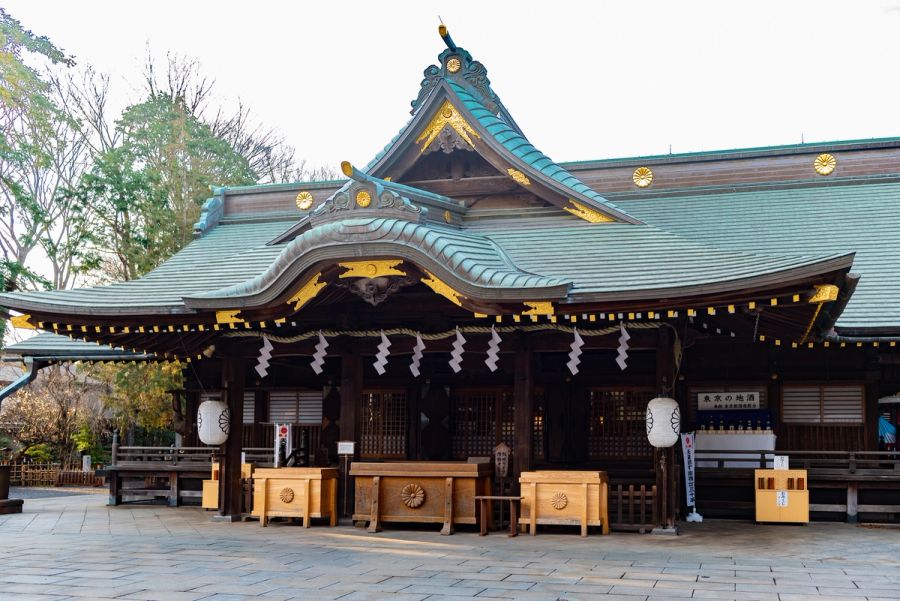
About Okunitama Shrine
Ōkunitama Shrine stands in Fuchū, away from the busy heart of central Tokyo. With a founding traditionally dated to 111 CE, it is the oldest of the Tokyo Gosha, the five great shrines of Tokyo. For over 1,900 years, it has served as the guardian shrine of the former Musashi Province, an ancient administrative region spanning what is now Tokyo, Saitama Prefecture, and parts of Kanagawa Prefecture. Its spacious grounds and long approach road carry a sense of deep, unhurried time quite unlike the shrines of central Tokyo.
The Sōja of Musashi Province
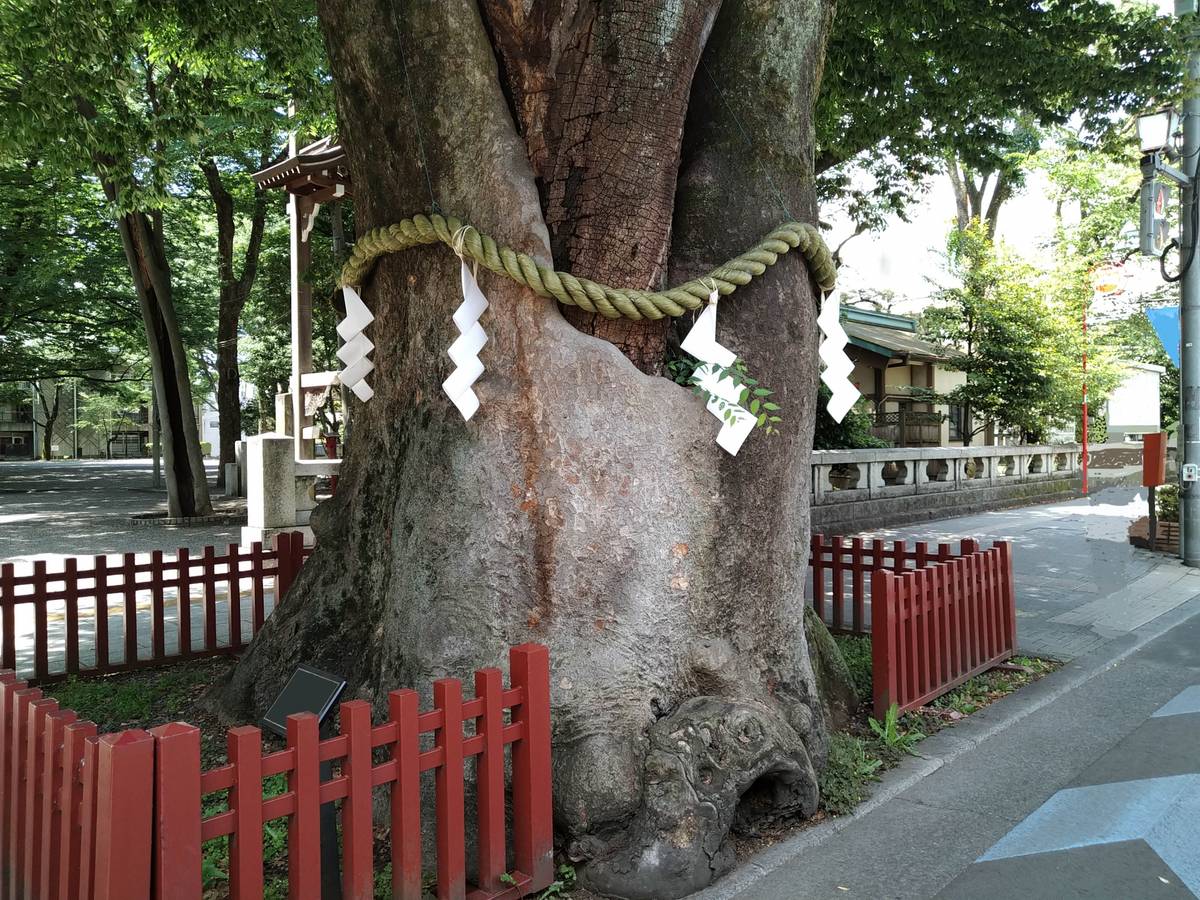
What sets Ōkunitama Shrine apart is its role as the sōja of Musashi Province. A sōja is a shrine where the principal deities of a province’s major shrines are enshrined together in one place. Because it houses the deities of six important shrines within Musashi, it has long been known as Rokusho-no-Miya. A single visit here was considered equivalent to paying respects to all the major gods of the province, making it the spiritual anchor of the region.
The principal deity, Ōkunitama-no-Ōkami, is revered as a god of nation-building and is said to have watched over the prosperity of this land.
The Zelkova Avenue and Its Seasonal Beauty
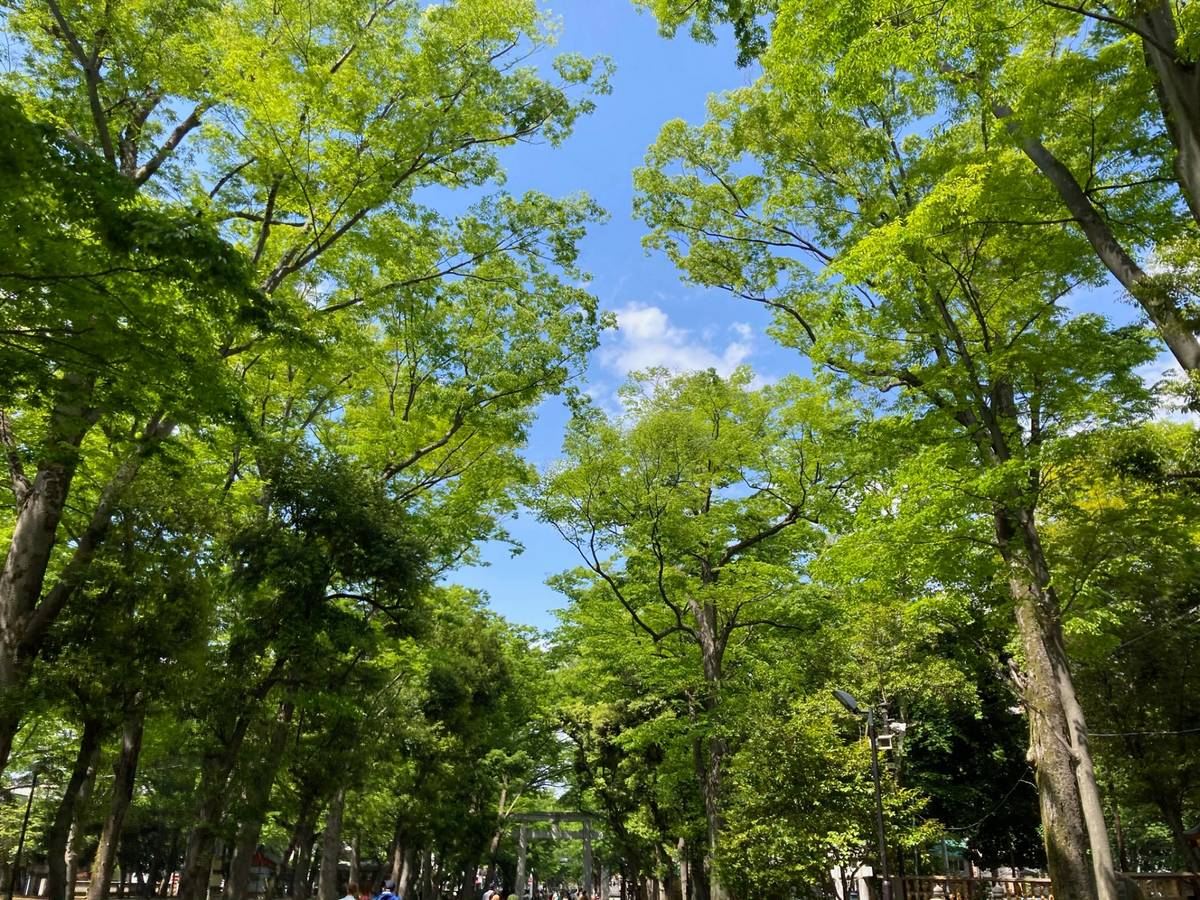
The roughly 600-meter zelkova-lined avenue leading to the shrine is designated a National Natural Monument. Some 150 zelkova trees stand in a row, forming a spectacular sight. Tradition holds that the Kamakura-period warrior Minamoto no Yoritomo planted these trees. The canopy turns a lush green with the new leaves of spring and deepens to crimson in autumn. A walk along this avenue offers a chance to feel the passage of seasons and over 800 years of history in a single stroll.
The Kurayami Festival
Held annually from April 30 to May 6, the Kurayami Matsuri is the shrine’s grandest event. The name, meaning “Darkness Festival,” comes from the old practice of carrying mikoshi, portable shrines bearing the deities, through the streets with all lights extinguished. Around 800,000 visitors attend over the festival period, making it one of the largest in Tokyo. Designated a Tokyo Metropolitan Intangible Folk Cultural Property, the Kurayami Matsuri keeps alive a tradition of communal celebration stretching back centuries.
〒183-0023 3-chōme-1 Miyamachi, Fuchu, Tokyo
Loading map...
Stories about this place
Discover stories and insights about Okunitama Shrine
Last Updated: