Fuchu
府中市
Things to Do in and Around Fuchu
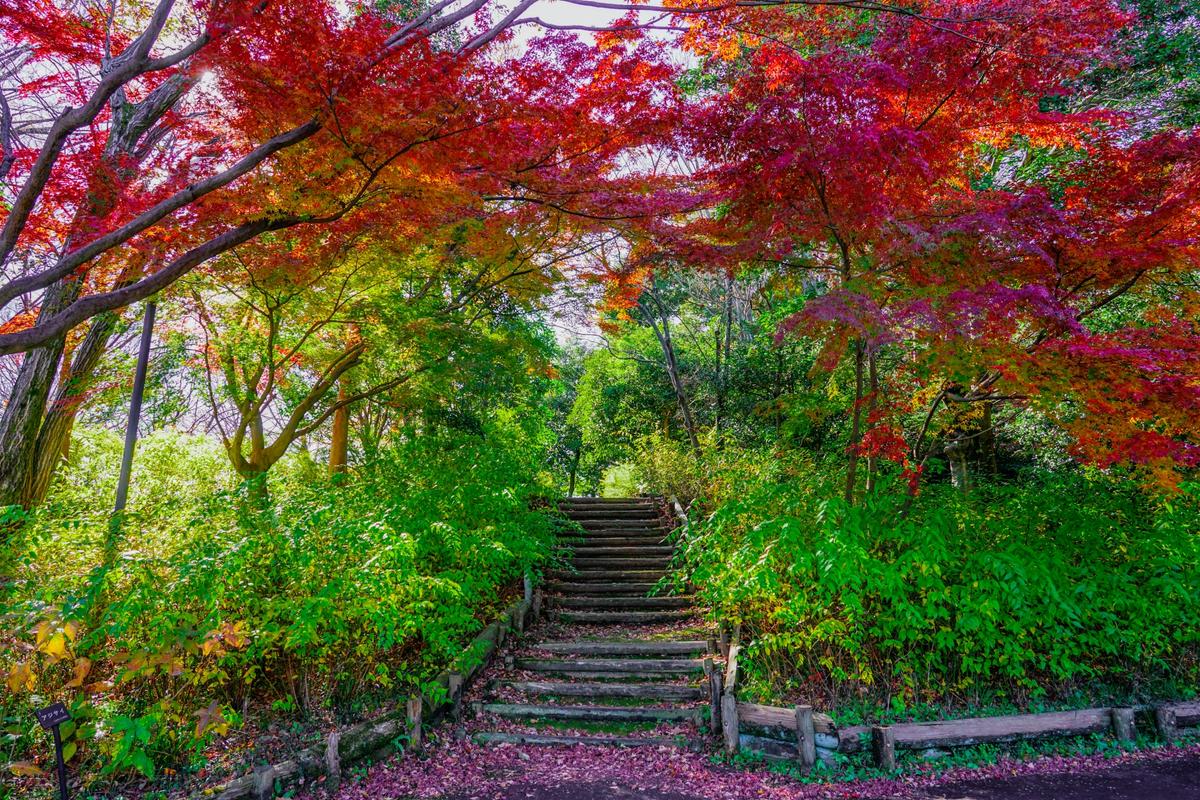
Fuchū is a city in the heart of Tokyo's Tama region, where over 1,900 years of history remain deeply woven into the landscape. The ruins of Musashi Province's administrative capital, a zelkova avenue with trees nearly 400 years old, and Ōkunitama Shrine, famous for the Kurayami Festival, one of the Kanto region's three strangest festivals. Tokyo Racecourse, where Japan's most prestigious horse races are decided, also calls this city home. Just 20 minutes by train from Shinjuku, Fuchū reveals a different face of Tokyo.
Places to visit in Fuchu
Where is Fuchu?
Fuchū lies in the central part of Tokyo's Tama region, about 30 kilometers west of Shinjuku. Bordered by the Tama River and Kawasaki to the south, Tachikawa to the north, and Chōfu to the east, it sits at a transportation crossroads of the Tama region. With a population of approximately 260,000, the city has served as a center for the area since ancient times.


Getting Around
Keiō Line Fuchū Station is about 20 minutes from Shinjuku on the Express train. Ōkunitama Shrine and the Baba Daimon Keyaki Namiki are just a five-minute walk from the station, and the main attractions around the shrine are easily accessible on foot. The Kyōdo-no-Mori Museum is about a 20-minute walk from JR Fuchū-Honmachi Station or about 6 minutes by bus from Bubaigawara Station. Both the JR Nambu Line and Musashino Line stop at Fuchū-Honmachi Station, so there are multiple routes into the area.
Loading map...
About Fuchu
More than 1,900 years ago, Musashi Province's administrative capital was established here. Traces of that history remain throughout the city today, and the zelkova trees lining the approach to the shrine change with the seasons, welcoming visitors year after year. Just 20 minutes by train from central Tokyo, this is where the city's historical depth becomes distinctly tangible.
Ōkunitama Shrine and the Zelkova Avenue
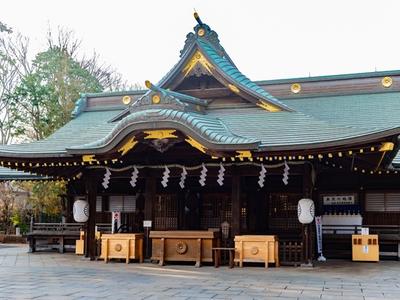
Ōkunitama Shrine is said to have been founded during the reign of Emperor Keikō and stands as one of Tokyo's Five Shrines, serving as a provincial shrine that houses the deities of all shrines scattered throughout Musashi Province. The Kurayami Festival, held each year from April 30 to May 6, ranks among the Kanto region's three strangest festivals. The festival earned its name from the practice of putting out all artificial lights during the portable shrine procession. On the evening of May 5, eight mikoshi are carried through the streets accompanied by the resonant sound of great drums. About 500 stalls line the streets, and the festival night is when Fuchū thrums with its greatest energy of the year.
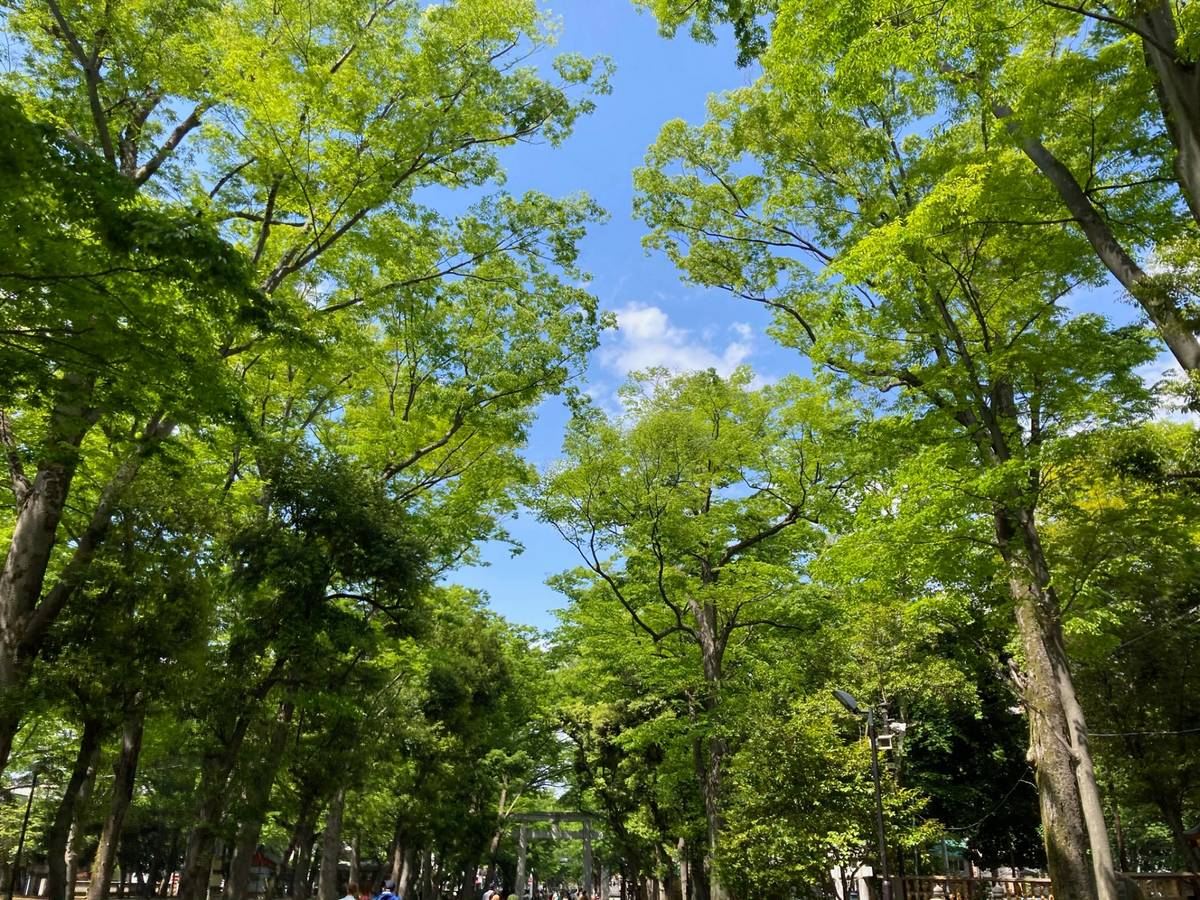
The Baba Daimon Keyaki Namiki, which forms the approach to the shrine, stretches approximately 500 meters and is lined with over 120 zelkova trees. The oldest tree is nearly 400 years old. According to tradition, Minamoto no Yoriyoshi and his son Minamoto no Yoshiie donated 1,000 zelkova saplings in 1062 to give thanks for victory in the Earlier Nine Years' War, and later Tokugawa Ieyasu also contributed saplings. This zelkova avenue is the only such tree-lined path in Japan to receive designation as a Natural Monument.
Tokyo Racecourse
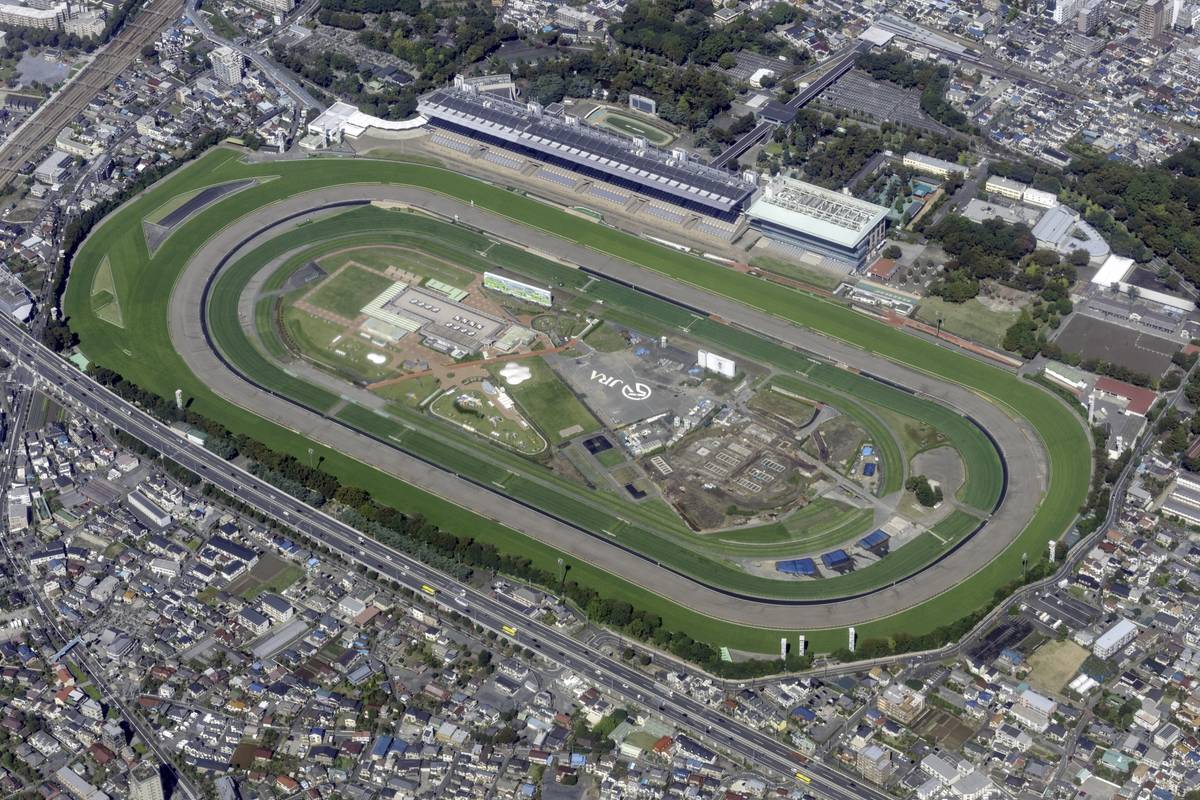
Tokyo Racecourse, which opened in 1933, is the venue for Japan's premier GI races, including the Japanese Derby and the Japan Cup. With a capacity of 223,000 and 13,750 seats, the racecourse draws fans from across the country on race days, their cheers echoing across the turf. On non-race days, portions of the grounds are open to the public as a park, where families relax on the grass.
Kyōdo-no-Mori Museum
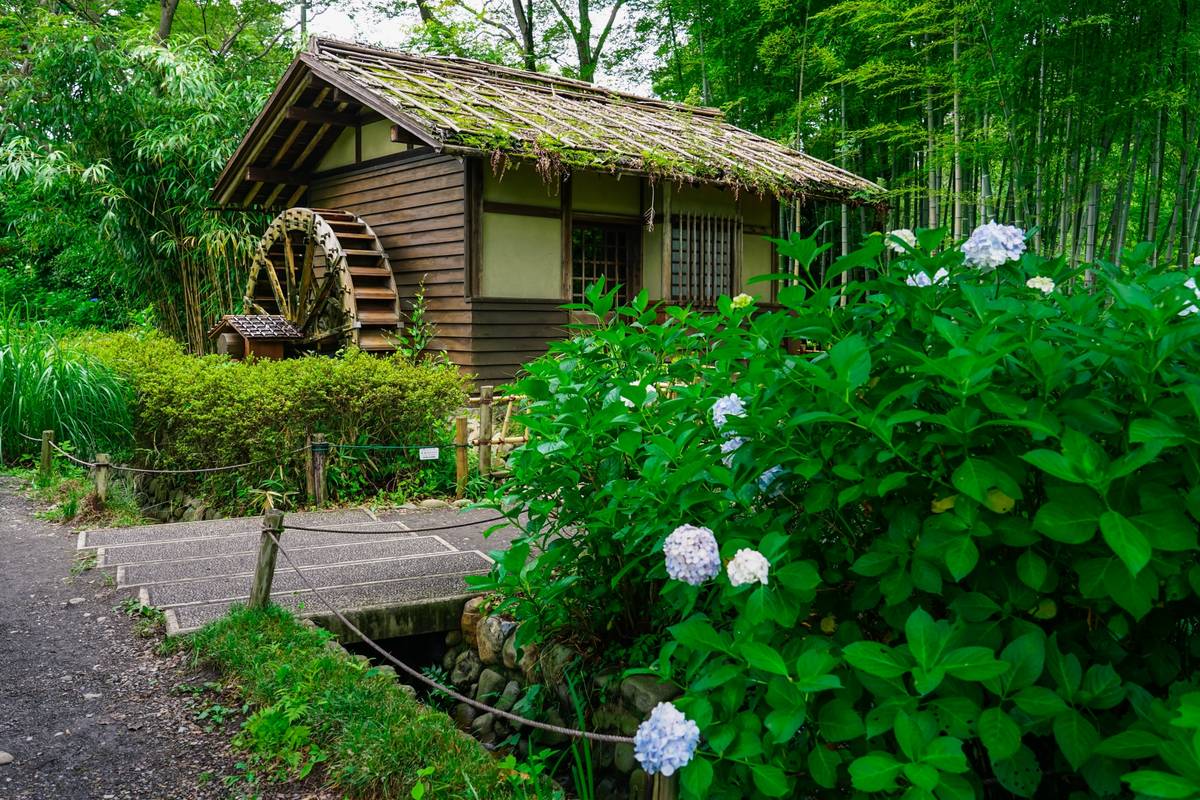
Kyōdo-no-Mori Museum sits on a sprawling 14-hectare grounds where 10 historic structures spanning the Edo period through the Shōwa era have been relocated and restored. Visitors can step inside these buildings, which include Tokyo Metropolitan Cultural Properties, and experience the daily life of those eras up close. The planetarium, renovated in 2018, projects one hundred million stars, and general admission is just 300 yen with the planetarium show at 600 yen.
The plum garden on the grounds is planted with about 60 varieties and 1,100 plum trees, with peak bloom occurring from mid-February to early March. The fragrance of these early-spring blossoms fills the garden, announcing the season before it fully arrives.
The Tama River and Green Pathways
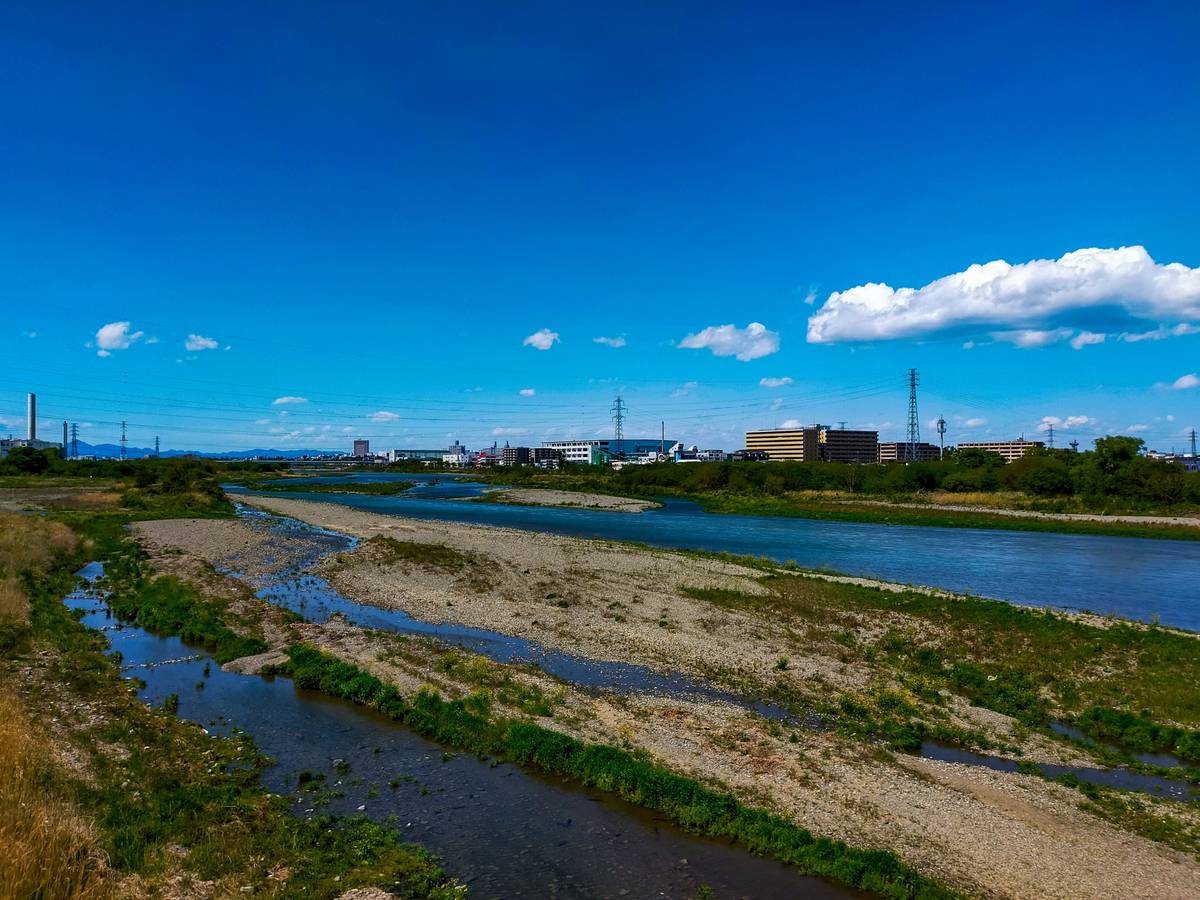
Along the Tama River, which flows south of Fuchū, a cycling route stretches for approximately 60 kilometers. With few traffic signals, it offers a comfortable course where riders can take in cherry blossoms in spring and autumn leaves in fall.
Near the center of Fuchū, Fuchū-no-Mori Park is a peaceful retreat surrounded by about 3,500 trees, including sawara cypress and zelkova. In the Japanese garden, cherry blossoms and autumn foliage are reflected on the water’s surface, while the cherry tree avenue known as the Flower Promenade serves as a symbol of the park.