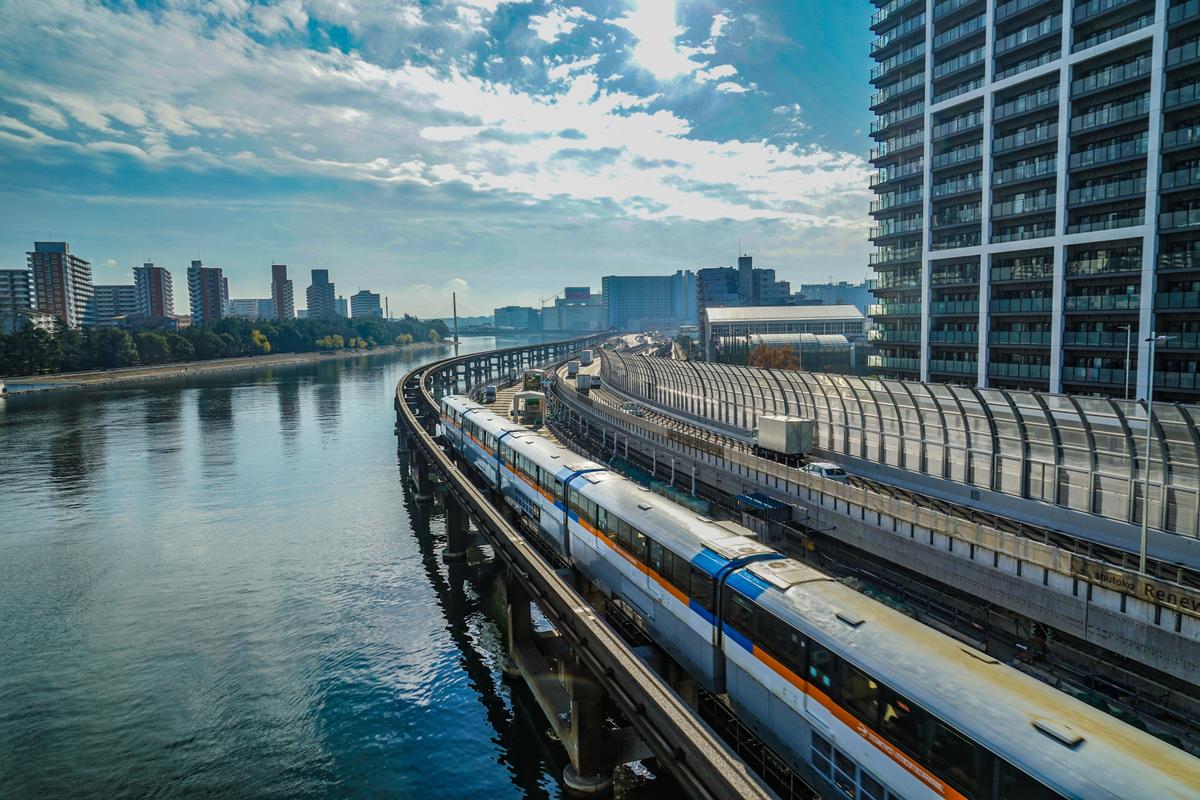
Shinagawa
品川区
Things to Do in and Around Shinagawa
Shinagawa-juku once thrived as the first post station on the Tōkaidō during the Edo period. That history remains underfoot, while waterfront redevelopment and distinctive shopping streets now shape the neighborhood. The character shifts from the bayshore to the residential uplands, and each visit offers something different, whether a historical walk, art-filled afternoon, or street food trail.
Places to visit in Shinagawa
Where is Shinagawa?
Shinagawa Ward sits in the southern part of Tokyo's 23 special wards, bordered by Minato, Meguro, and Ōta wards. It covers 22.84 square kilometers with a population of roughly 410,000. The waterfront area along Tokyo Bay and the residential inland neighborhoods around Musashi-Koyama and Togoshi feel like two different worlds. Fourteen train lines and 40 stations make it easy to reach any part of central Tokyo.


Getting Around
Shinagawa Station is well-known as a Shinkansen stop, but it actually sits in Minato Ward, not Shinagawa Ward. The Keikyū Line makes it just 16 minutes from Haneda Airport to Shinagawa Station, which is why many international visitors arrive here first. Within Shinagawa Ward itself, stations include Ōimachi, Ōsaki, Gotanda, Meguro, Musashi-Koyama, and Togoshi-Ginza, served by JR, Tōkyū, Keikyū, Rinkai, and Tokyo Metro lines. Switching between them gets you to Shibuya and Shinjuku in one direction or Tōkyō and Ueno in the other, making the area a convenient place to stay while exploring the city.
Loading map...
About Shinagawa
From lanes steeped in post-station history to canal-side art districts and one of Tokyo's longest shopping streets, Shinagawa Ward transforms with each walking route you choose.
The Old Tōkaidō and Shinagawa-juku
In 1601, the Edo shogunate established Shinagawa-juku as the first of the fifty-three post stations along the Tōkaidō. Sitting at Edo's southern entrance, the station bustled with daimyō processions on sankin-kōtai journeys and countless travelers, and teahouses and inns filled the roadside with a lively commercial atmosphere.
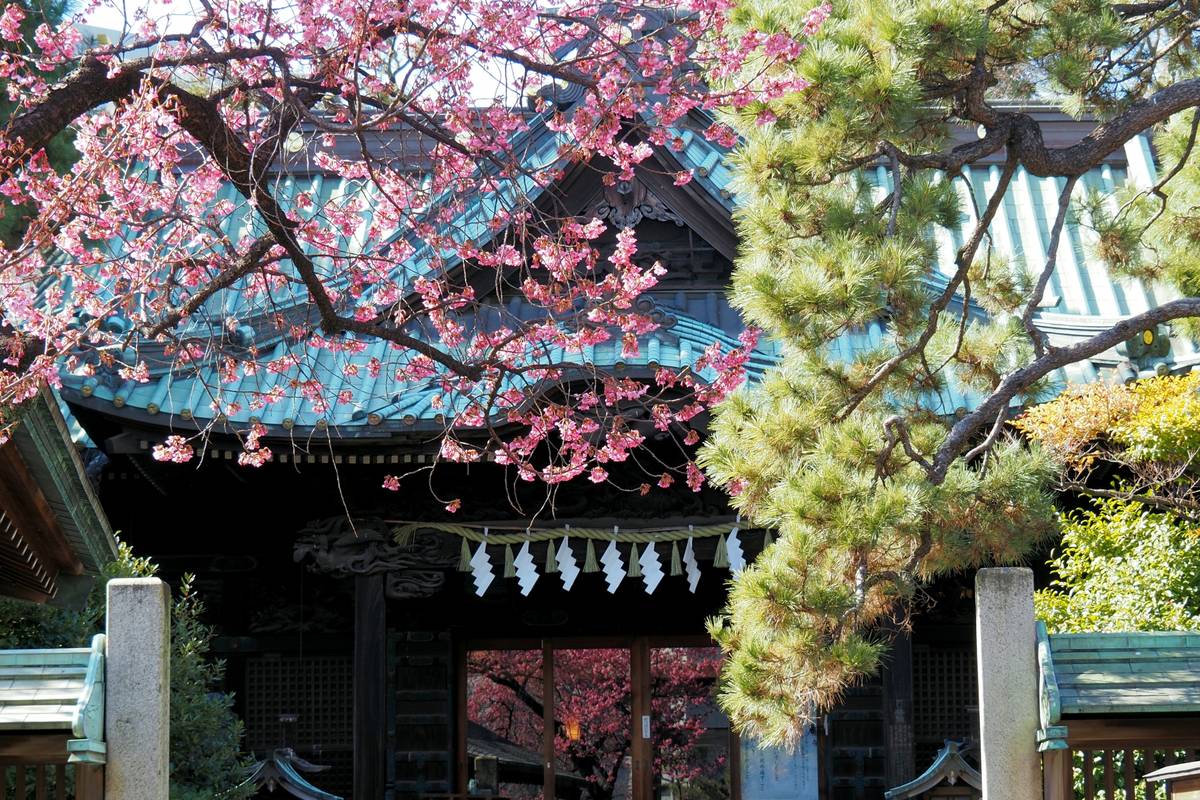
Ebara Shrine
Walking the old Tōkaidō today, you encounter historic shrines and temples one after another, including Shinagawa Shrine and Ebara Shrine. Shinagawa Shrine was founded in 1187; from its grounds at the top of a steep stone staircase, you can look out toward where the sea once stretched. In places, the original post-station layout remains visible in the street's width and curves. With a map in hand, exploration becomes a series of small discoveries.
Shinagawa originally prospered as a port on Edo Bay. During the Edo period, nori seaweed farming thrived here, and the harvest was sold in Edo markets under the name "Asakusa nori." This dual heritage of maritime port and overland trading post laid the foundation for modern Shinagawa Ward.
Togoshi Ginza Shopping Street
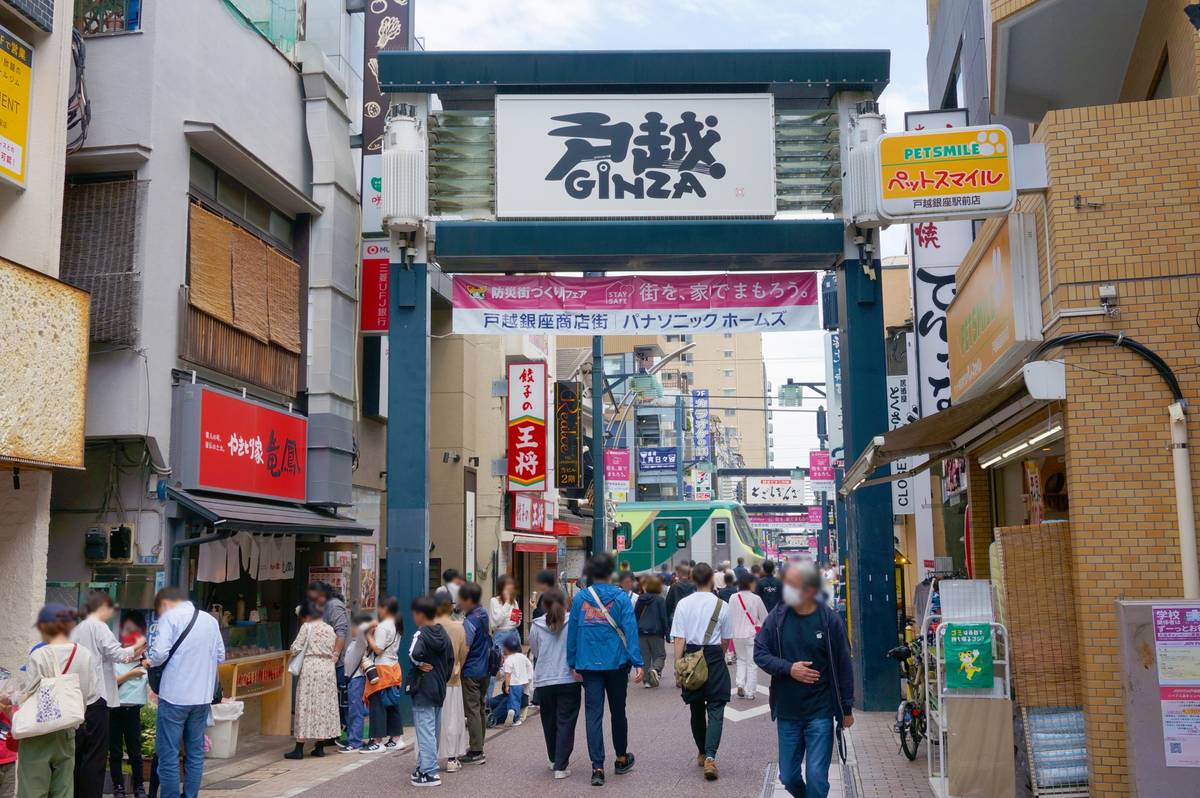
Stretching roughly 1.3 kilometers with some 400 shops, Togoshi Ginza is renowned as Tokyo's longest shopping street. Its name has an intriguing origin: after the Great Kantō Earthquake, residents salvaged bricks from Ginza's streets to rebuild their own thoroughfare, and the name "Togoshi Ginza" stuck. It stands as the original among more than 300 shopping streets across Japan that bear the "Ginza" name.
Butchers, fishmongers, greengrocers, prepared-food vendors, and variety shops crowd both sides of this open-air street. Shopping while strolling under the open sky is the quintessential downtown Tokyo experience. More than 10,000 people pass through on weekdays alone, and weekend crowds swell further still.
The street's signature snack is the croquette. Several vendors sell freshly fried croquettes, and there is always someone walking by with one in hand. At just tens to a little over one hundred yen apiece, they make for an easy, affordable stop.
Tennōzu Isle
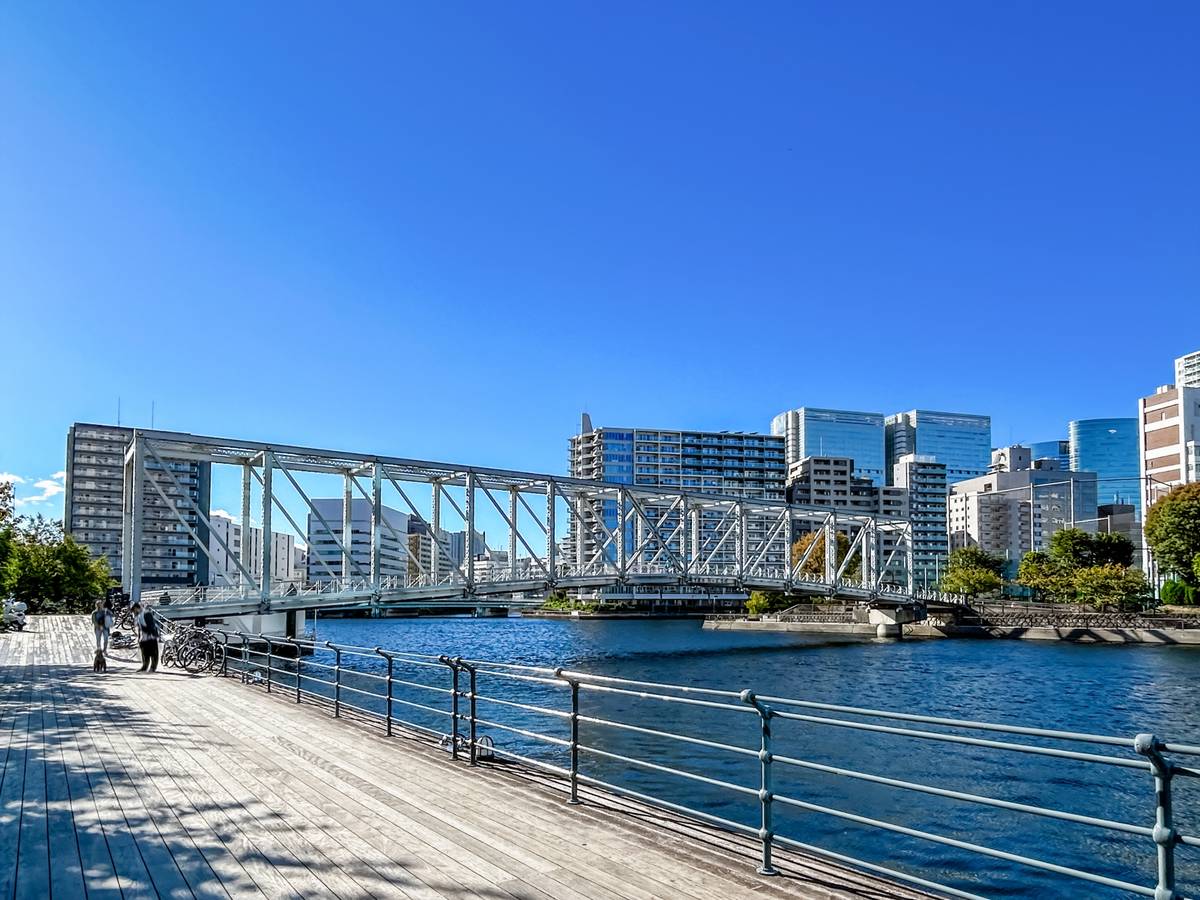
Surrounded by canals, this 22-hectare redevelopment area was once a warehouse district. Development began in 1985, and the neighborhood has since transformed into a mix of cultural venues and office buildings.
The 746-seat Ginga Theatre hosts regular performances of theater and concerts, while TERRADA ART COMPLEX houses multiple galleries. Walking the waterfront boardwalk, large-scale murals painted on building facades catch your eye one after another. The entire area feels like an open-air gallery.
Cafés and restaurants sit along the waterside, some with terrace seating overlooking the canal. On a fine day, strolling the boardwalk and dropping into galleries that catch your interest is a quintessential Tennōzu afternoon.
Cherry Blossoms Along the Meguro River
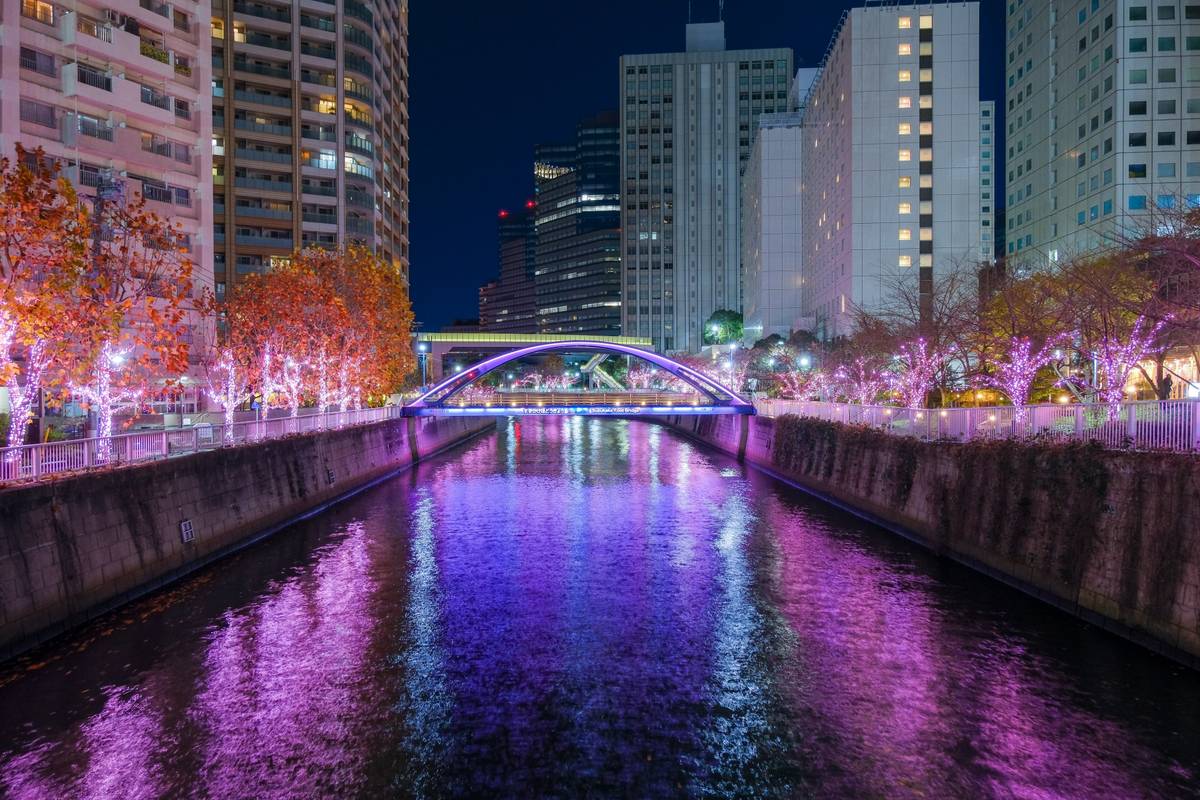
The Meguro River is one of spring Tokyo's signature cherry blossom viewing spots. Along the roughly 3-kilometer stretch within Shinagawa Ward, some 600 trees extend their branches from both banks. Peak bloom runs from late March through early April.
At full bloom, branches bend so low they nearly touch the water, forming a soft pink tunnel over the river. After dark, illumination transforms the scene entirely: blossoms shimmer and sway in their reflection on the water's surface. During the bloom period, crowds fill the riverside promenade, with the stretch from Gotanda to Ōsaki drawing particularly heavy foot traffic.