Kamishinmei Tenso Shrine
上神明天祖神社
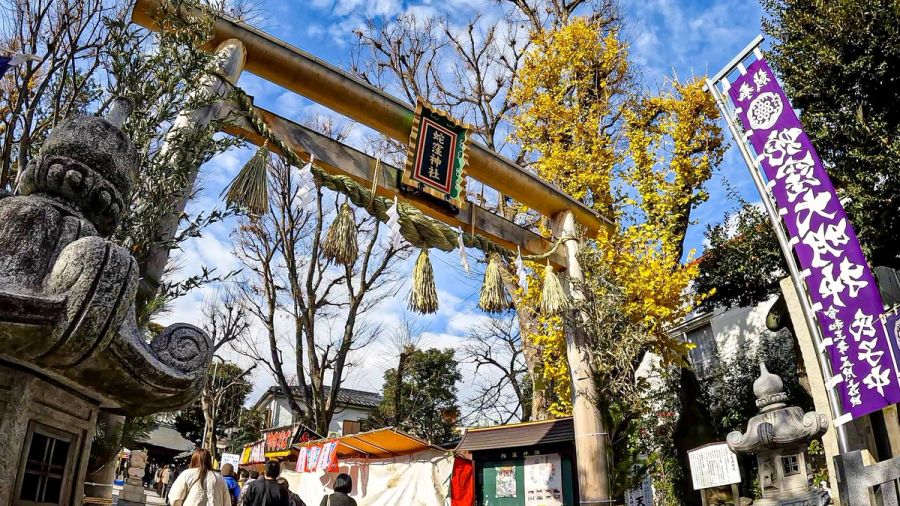
About Kamishinmei Tenso Shrine
Located in Tokyo's Shinagawa Ward, this shrine is also widely known by its older nickname, Hebikubo Jinja, meaning "Snake Hollow Shrine."
Where white snake and dragon god beliefs meet
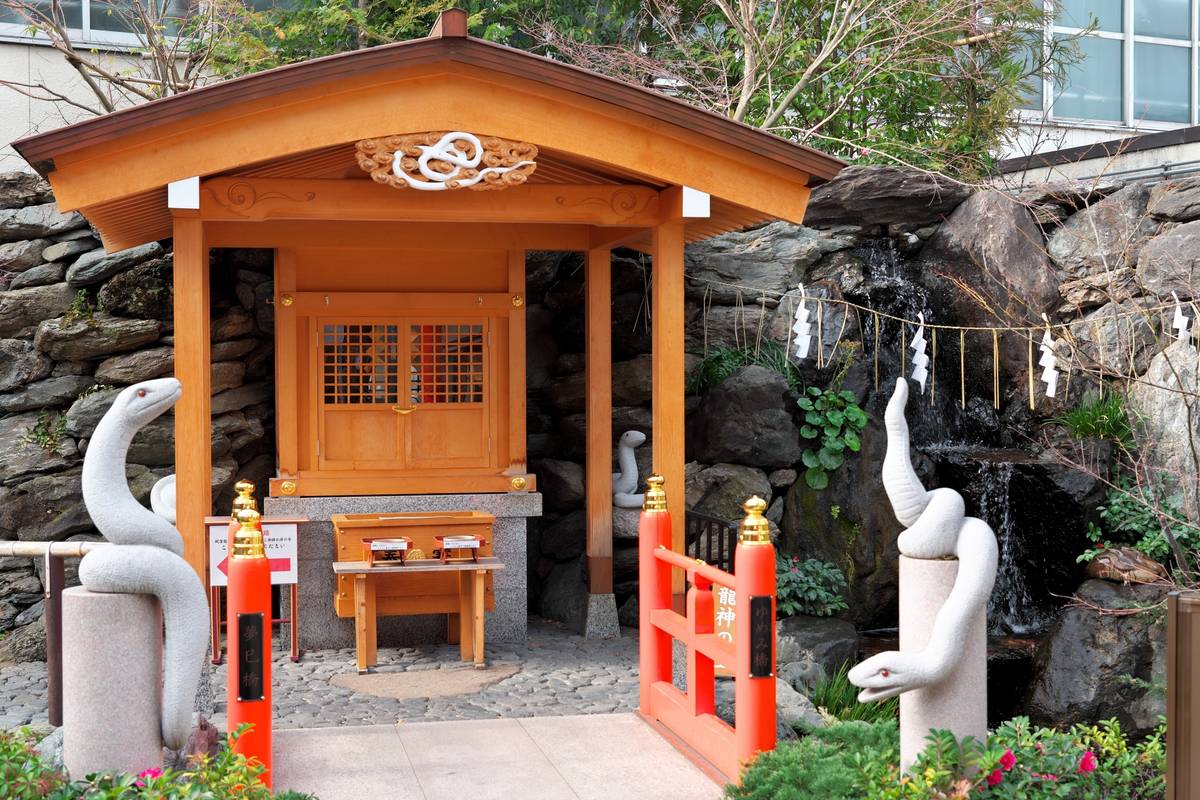
Kami-Shinmei Tenso Shrine, also affectionately known as 'the White Snake of Tokyo.'
Although the details are unclear, the shrine is believed to have been founded around 1323, during the Kamakura period.
One story says it was built around 1322 by the head priest of the nearby Gonshō-ji Temple, in gratitude after he prayed for rain during a severe drought that struck the area and successfully averted disaster. Another tradition holds that it was established by a wealthy local farming family of the time.
According to legend, the eighth in a line of sacred white snake messengers transforms into a white dragon. Because of this, the shrine is one of the rare places in Japan that enshrines both white snakes and the dragon god together.
A popular power spot for wealth and career success
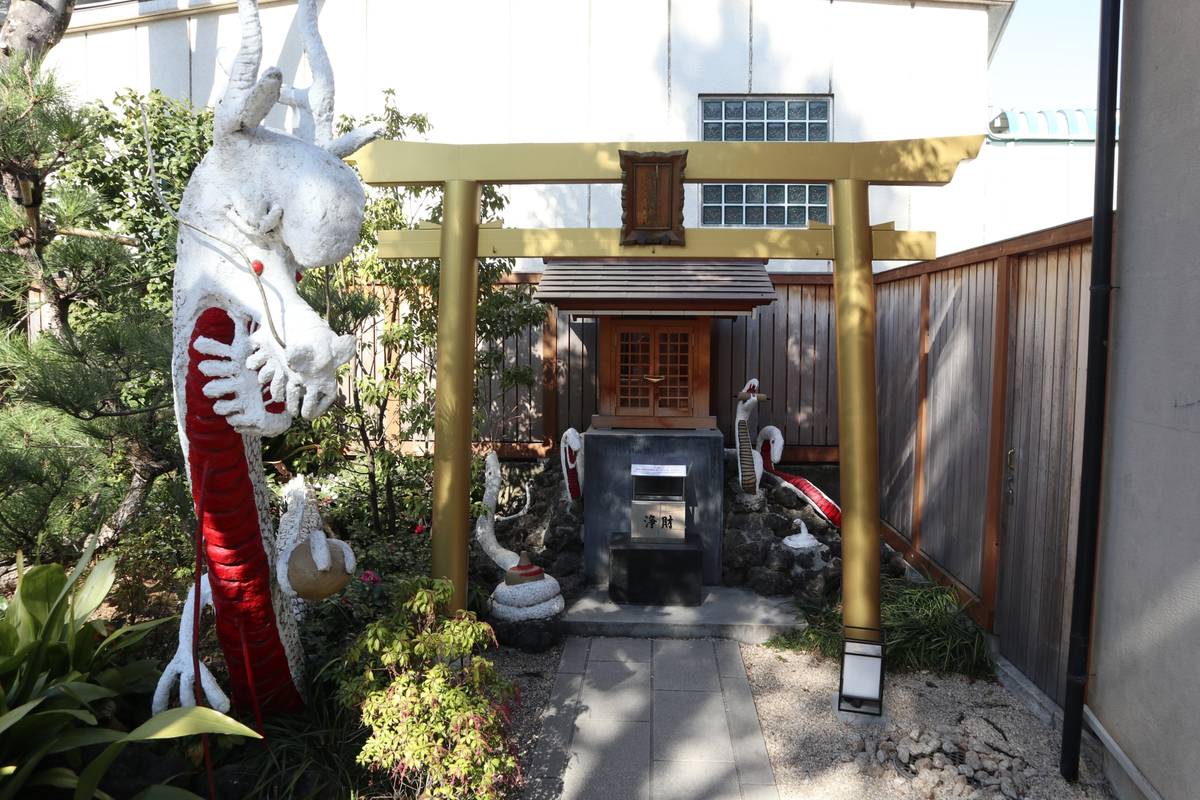
Seven white snakes and an eight-meter white dragon. The hand-crafted, distinctly characterful statues are one of the shrine's charms.
White snakes have long been considered symbols of wealth and prosperity in Japan. At the shrine's Hakuja Shimizu, or White Snake Spring, visitors take part in zeniarai, the ritual of washing coins for luck with money. The story goes that if you tuck the cleansed coins back into your wallet, they will draw in their companions, meaning more money to come.
The white snake is also said to bring blessings in love and marriage, drawing couples seeking good relationships, and to aid recovery from illness, a meaning tied to the way snakes shed their skin. There is also a play on words at work. The Japanese word for snake, mi, sounds the same as the word for self, and the image of a snake becoming a dragon evokes the phrase mi ga tatsu, meaning to rise up in the world. This is the source of the shrine's reputation for career success.
In the traditional Japanese calendar of auspicious and inauspicious days, Mi no Hi, the Day of the Snake, falls once every twelve days, and the rarer Tsuchinoto-Mi no Hi comes once every sixty days. Both are considered especially favorable for prayers to the snake deity, and special ceremonies are held on these days.
〒142-0043 4-chōme-4-12 Futaba, Shinagawa City, Tokyo
Loading map...
Stories about this place
Discover stories and insights about Kamishinmei Tenso Shrine
Last Updated: