Bunkyo
文京区
Things to Do in and Around Bunkyo
Bunkyo's name means "literary capital," and the ward earns it. Japan's most prestigious university, the publishers of its best-known manga, and the former homes of novelists like Natsume Soseki and Mori Ogai all sit within its borders. Yet this is also where Tokyo comes to play: the Tokyo Dome hosts baseball's most famous team, and two of the city's finest Edo-period gardens offer some of its calmest walks. Few wards pack this much contrast into such quiet streets.
Places to visit in Bunkyo
Where is Bunkyo?
Bunkyo is one of Tokyo's 23 wards, sitting just north of the city center. It borders Chiyoda Ward and the Imperial Palace area to the south, Shinjuku Ward to the west, and Taito Ward, home of Ueno, to the east. Mostly residential and hilly, it has no single downtown; its highlights are scattered among university campuses and quiet slopes.


Getting Around
Bunkyo has no major JR hub, but the subway covers it well. For Tokyo Dome, use Suidobashi Station on the JR Chuo-Sobu Line or Korakuen Station on the Marunouchi and Namboku lines. Hongo-sanchome Station (Marunouchi and Oedo lines) is the stop for the University of Tokyo, and Nezu and Sendagi stations on the Chiyoda Line serve the old literary quarter. From Tokyo Station, most spots are 15 to 25 minutes away by subway.
Loading map...
About Bunkyo
Bunkyo suits unhurried sightseeing. A campus walk in the morning, a garden in the afternoon and a baseball game at night fit comfortably into a single day.
The University of Tokyo and the Akamon
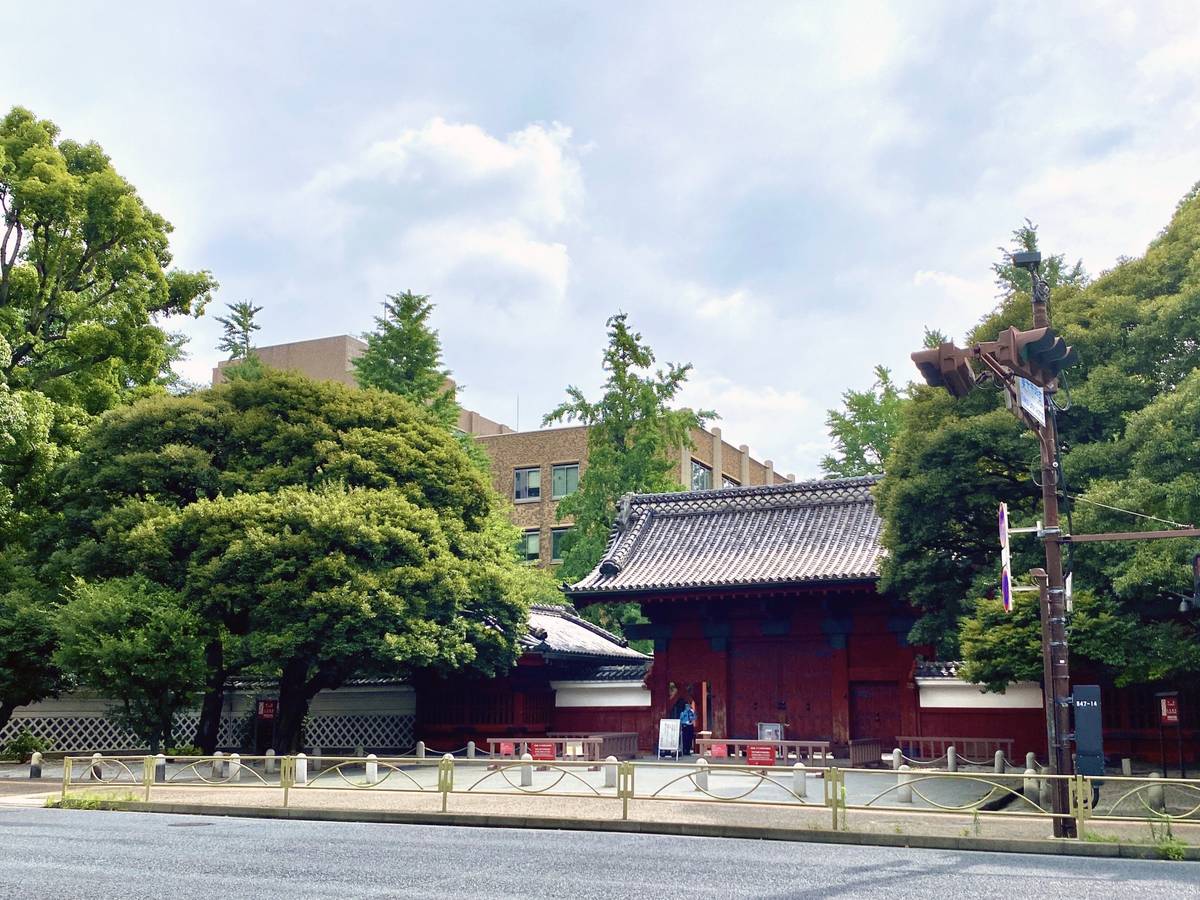
The Akamon before the current restoration work, University of Tokyo
The Hongo campus of the University of Tokyo, Japan's oldest national university, is open to anyone who wants to walk through it. Its symbol is the Akamon, the red gate built in 1827 when a daughter of the shogun married into the Maeda family, the lords of Kaga, whose Edo residence stood on this land. The gate has been closed to pedestrians since February 2021 because of its low earthquake resistance. Restoration work began in November 2025 and is scheduled to finish in September 2027, and until then the gate is fully enclosed and cannot be seen.
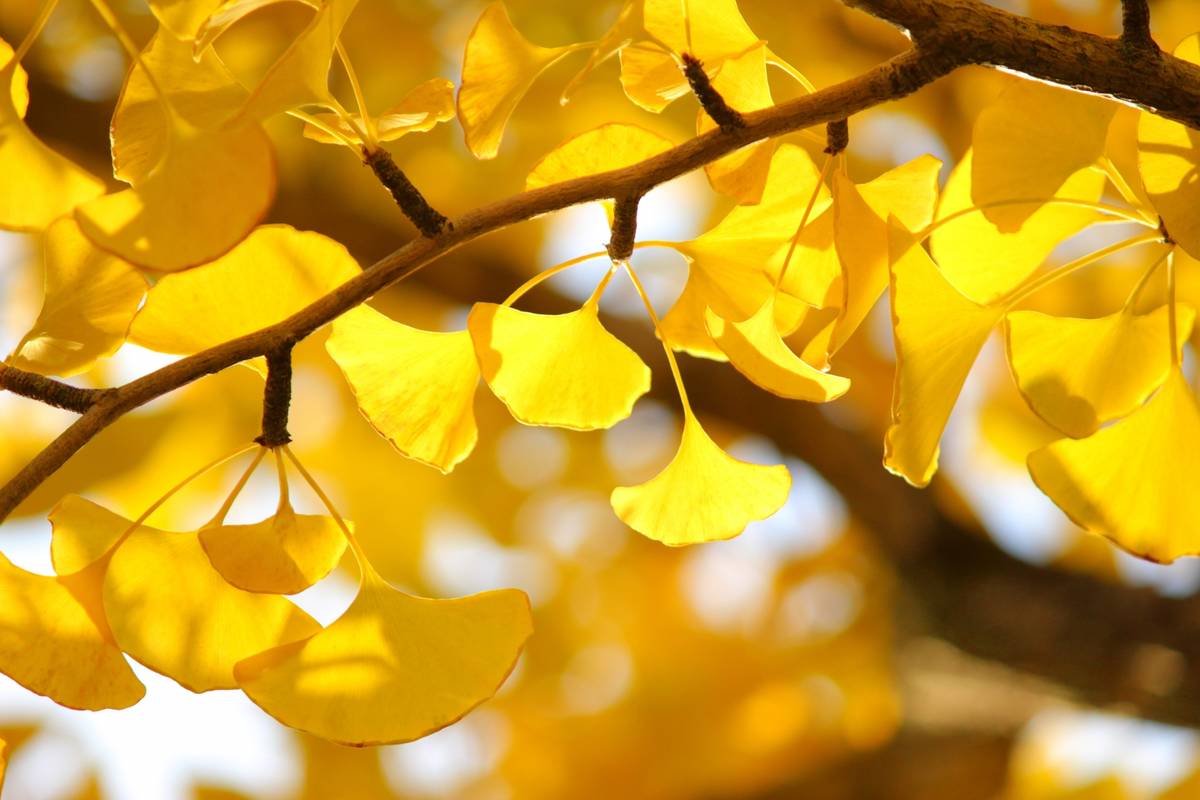
Ginkgo leaves
The ginkgo avenue on the campus turns gold in late November, and Sanshiro Pond sits in a wooded hollow at the centre of the grounds. The pond's nickname comes from Sanshiro, the Natsume Soseki novel set on this campus.
Two Edo-Period Gardens
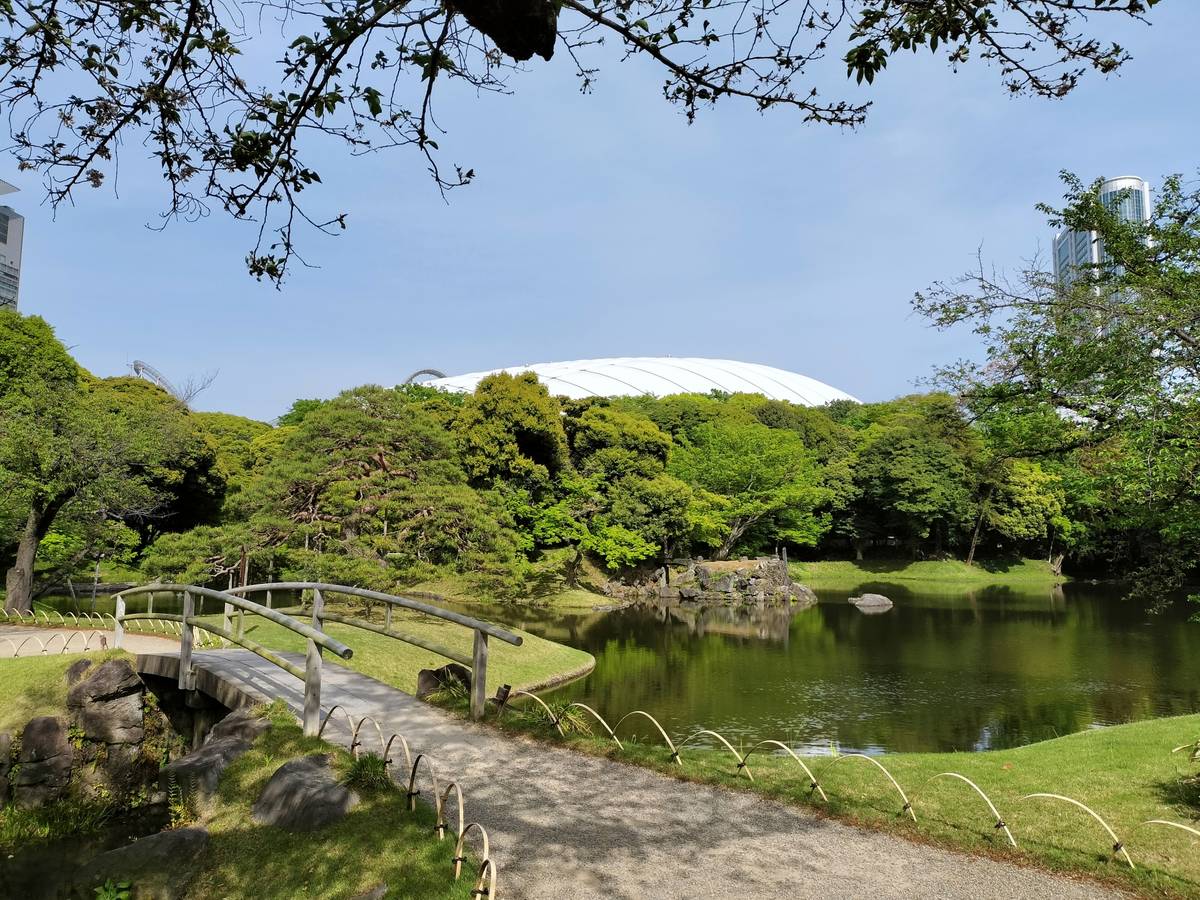
Koishikawa Korakuen
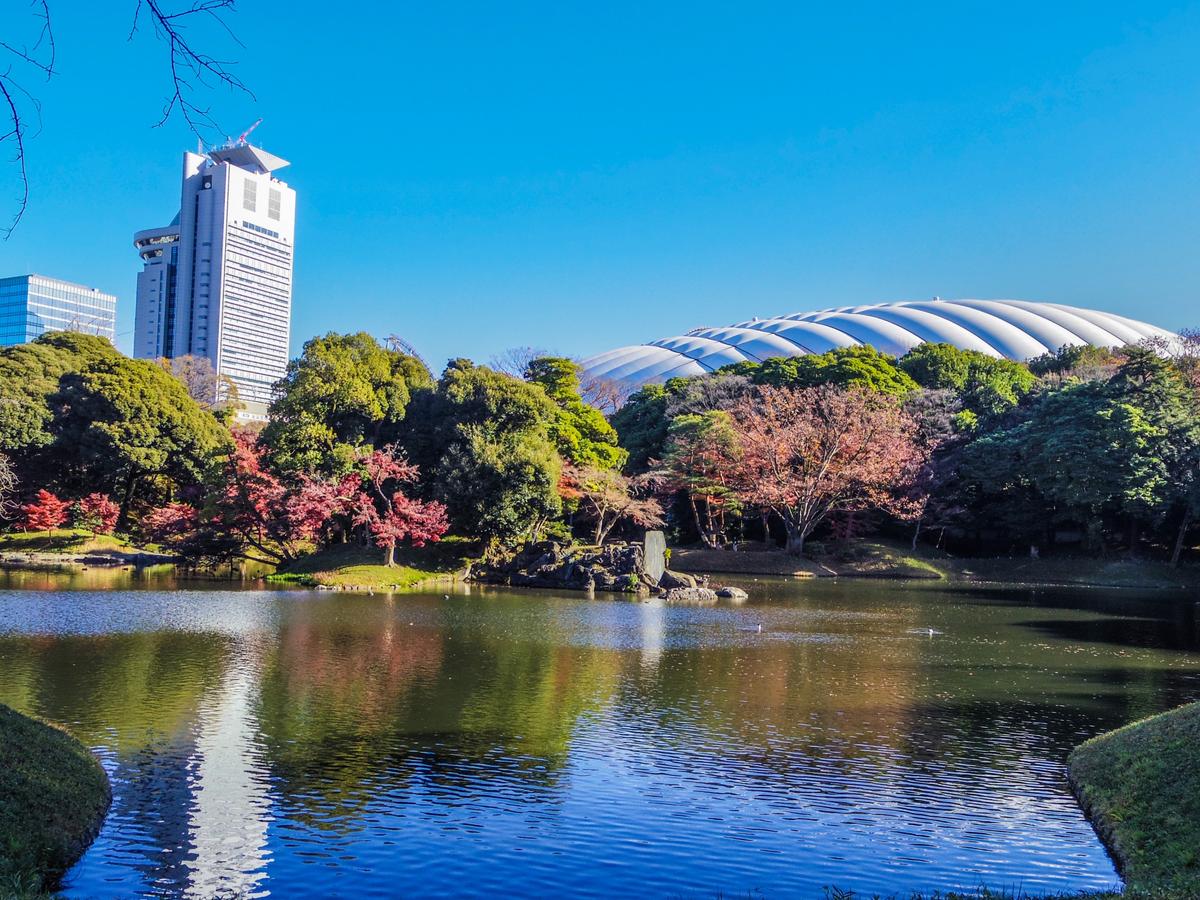
Bunkyo has two of the finest Japanese gardens in Tokyo. Koishikawa Korakuen, begun in 1629, is among the oldest in the city. The Mito branch of the Tokugawa family laid it out, working famous scenery from Japan and China into the grounds in miniature.
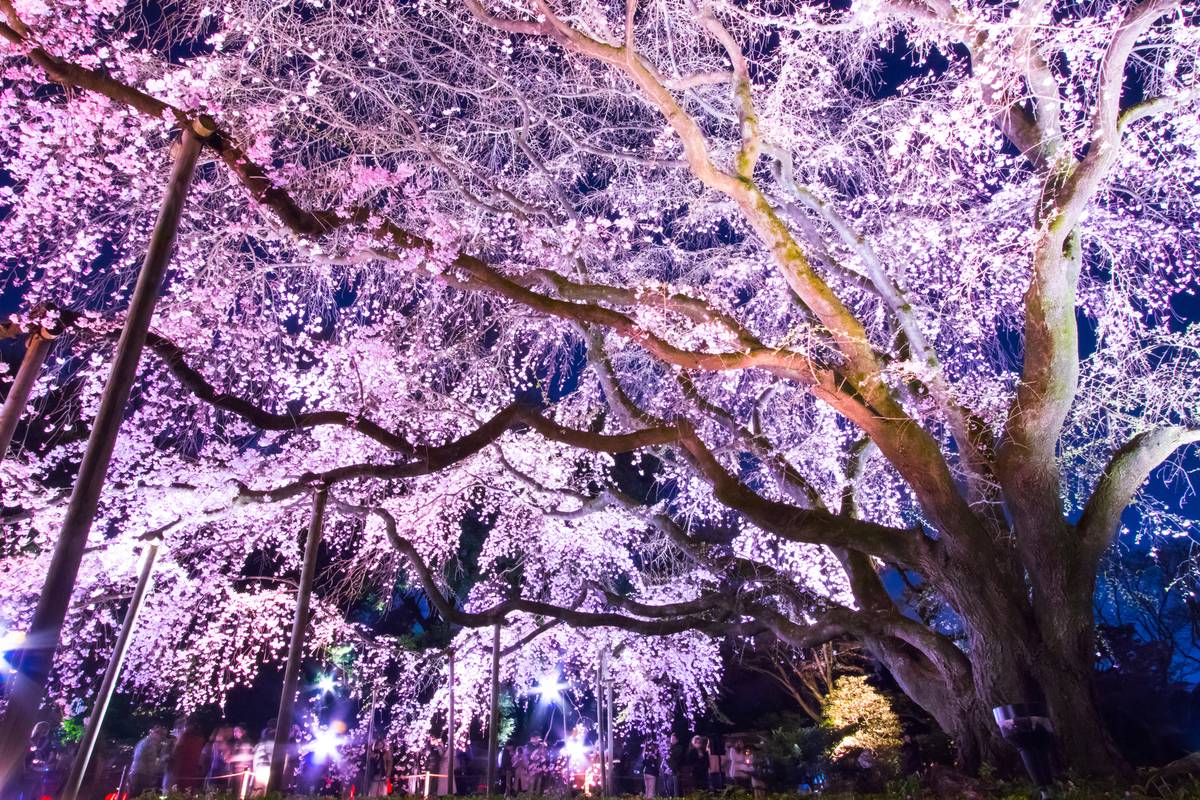
Rikugien, completed in 1702, is a strolling garden built around scenes from waka poetry. Its huge weeping cherry, lit up on spring evenings, is the draw every March. The evening viewing is a separately ticketed event that ordinary daytime admission does not cover, and booking online in advance is worth it, since same-day tickets cost more and the gate gets busy.
Tokyo Dome City
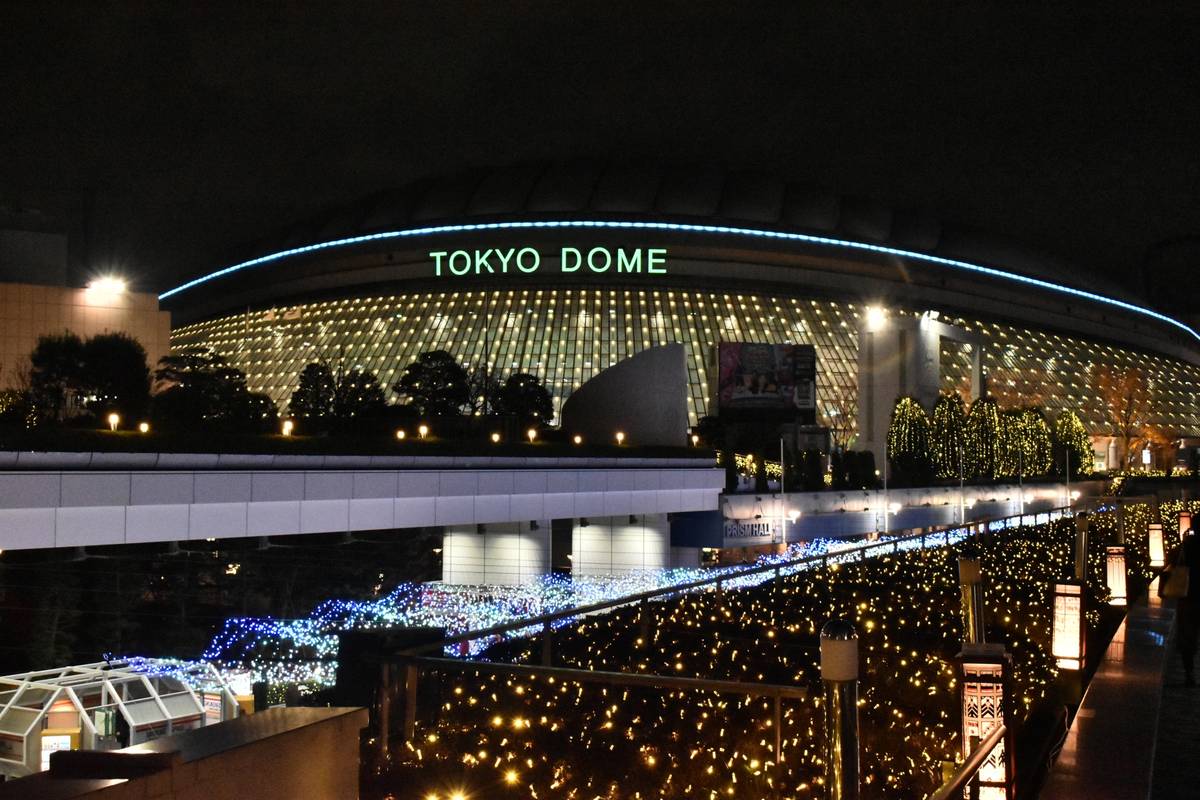
The white-roofed Tokyo Dome is home to the Yomiuri Giants, Japan's best-known baseball team, and doubles as a venue for large concerts.
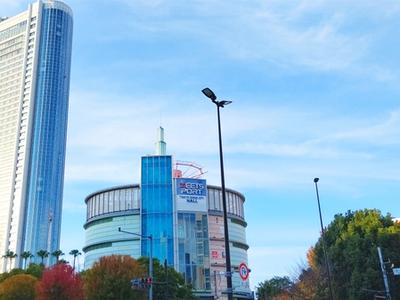
Tokyo Dome City spreads out around it. The Thunder Dolphin roller coaster threads between the buildings and through the open centre of the Big O, a hubless Ferris wheel. Spa LaQua, in the same complex, draws its water from a hot spring deep underground. A night game, with the crowd singing its way through the fight songs, is the easiest way to experience Japanese baseball culture.
Nezu Shrine and the Novelists' Backstreets
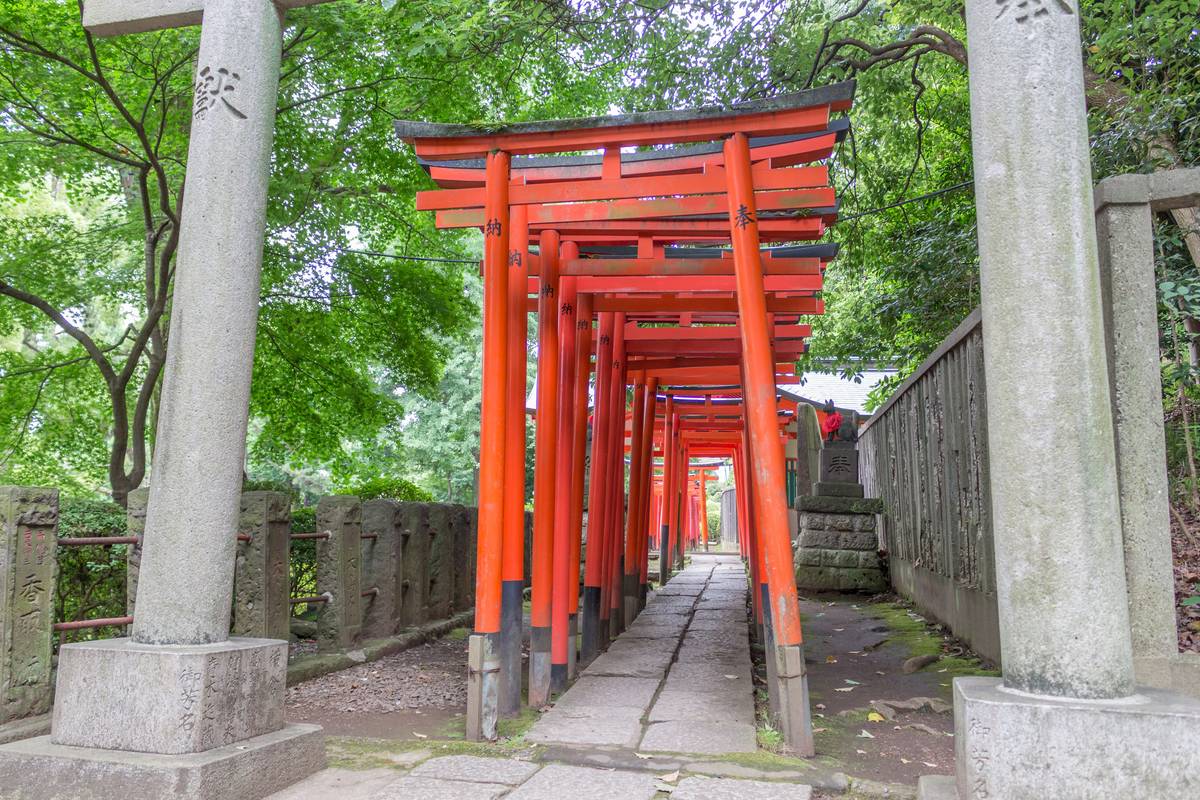
Nezu Shrine
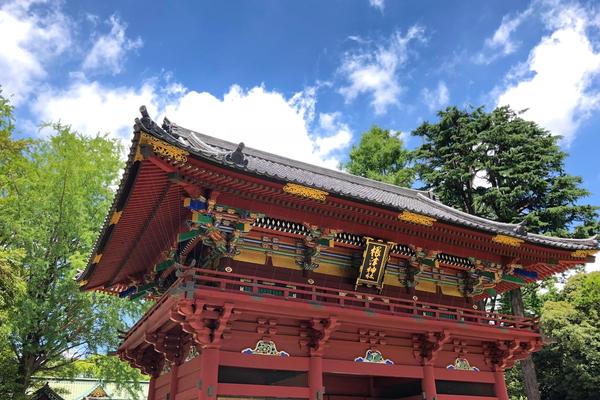
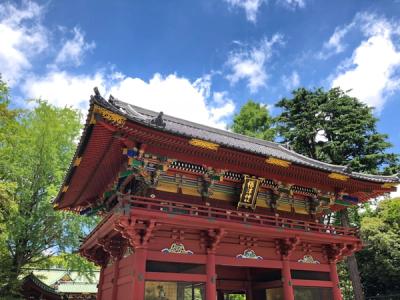
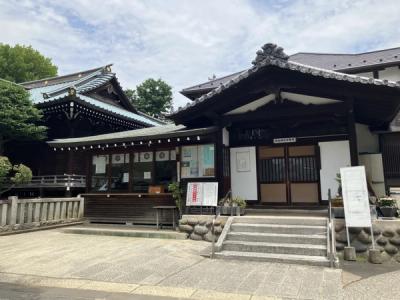
Nezu Shrine stands in the northeast of the ward and is one of the oldest in Tokyo. A tunnel of small vermilion torii runs up one side, and every April around 3,000 azaleas in roughly 100 varieties cover the slope behind the shrine. The azalea garden charges its own admission during the festival.
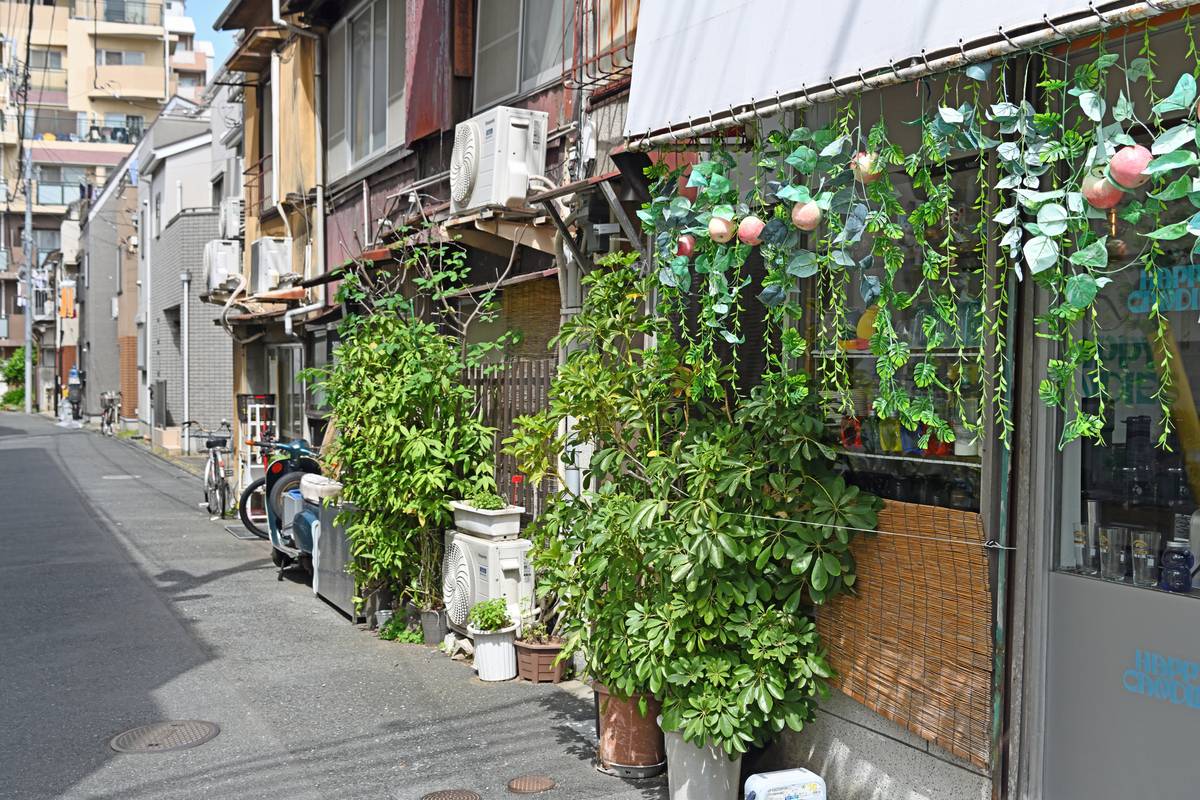
An old house in Yanesen
The lanes around Nezu and Sendagi belong to the retro district known as Yanesen, where Mori Ogai and Natsume Soseki both once lived. Low wooden houses and family-run shops survive here in numbers now rare in central Tokyo.