Hakusan Shrine
白山神社
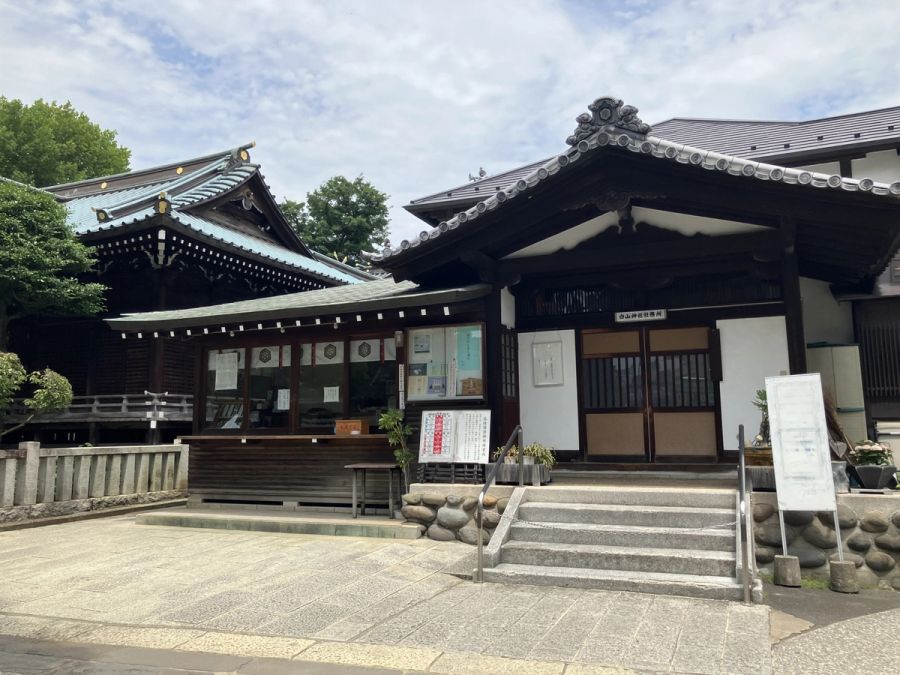
About Hakusan Shrine
Hakusan Shrine sits quietly in a residential neighborhood of Bunkyo, Tokyo, carrying over a thousand years of history since its founding in 948. It counts among the Tokyo Ten Shrines, a group of ten historically important Shinto shrines in the city, and enshrines Kukuri-hime, a deity of connections and relationships. Each early summer, roughly three thousand hydrangea plants transform the grounds into a seasonal destination that draws visitors from across the city. The shrine also holds deep reverence as a guardian of dental health.
Hakusan Faith and a Thousand Years of History
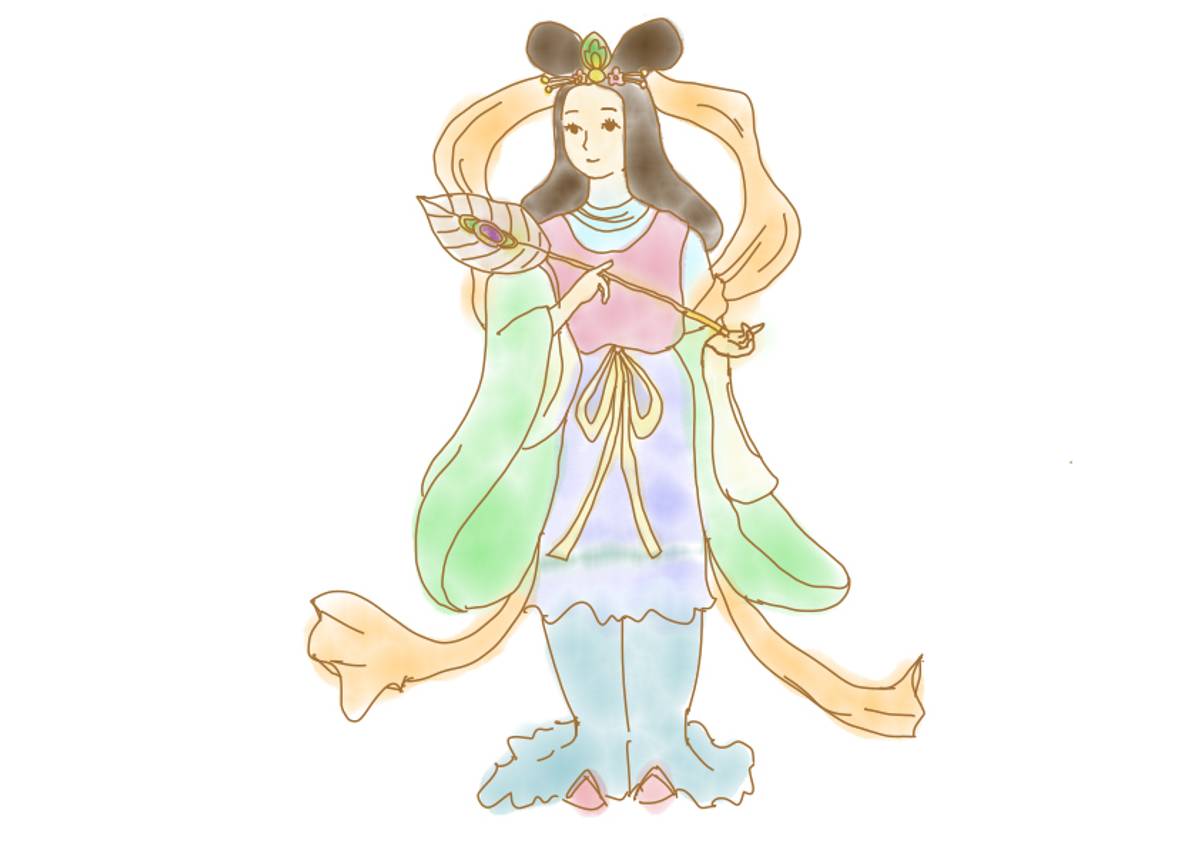
In 948, Hakusan Shrine was established by receiving the deity from Hakusan Hime Shrine in Kaga Province, present-day Ishikawa Prefecture. The enshrined deity is Kukuri-hime, whose name echoes the Japanese word for “binding.” She has long been venerated as a deity who ties together the bonds between people.
Hakusan faith spread throughout Japan, and today some 2,700 Hakusan shrines stand across the country. This shrine in Bunkyo is one of them. During the Edo period, shōgun Tokugawa Hidetada ordered its relocation, and in 1655 it moved to its present site when the land was claimed for the residence of Tokugawa Tsunayoshi, then lord of Tatebayashi Domain and later the fifth shōgun. Through Tsunayoshi’s connection, the shrine came under the protection of the shōgun’s household, and its prestige grew over generations.
Three Thousand Hydrangeas in Early Summer
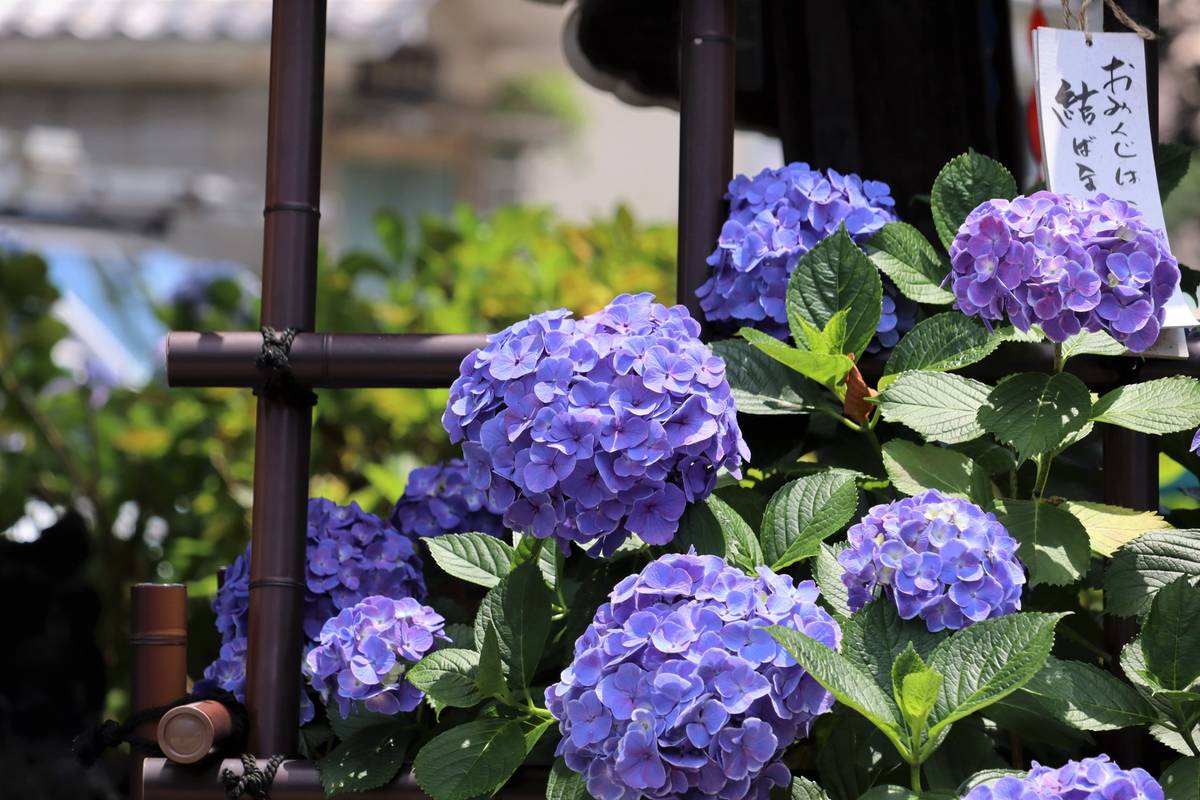
The Bunkyo Hydrangea Festival, held in mid-June each year, has reached its forty-first year as an annual tradition. Roughly three thousand hydrangea plants bloom across the shrine grounds and into the adjacent Hakusan Park, wrapping the area in a splendor that feels far removed from central Tokyo.
Open only during the festival, the fuji-zuka on the shrine grounds draws particular interest. A fuji-zuka is a small hill built in the Edo period to recreate Mount Fuji in miniature. The one at Hakusan Shrine stands about five meters tall, with a Sengen shrine at its peak dedicated to the deity of Mount Fuji. Normally off-limits, it opens during the festival so visitors can climb up and look out over the hydrangea-ringed grounds. Admission is free.
The Guardian of Teeth
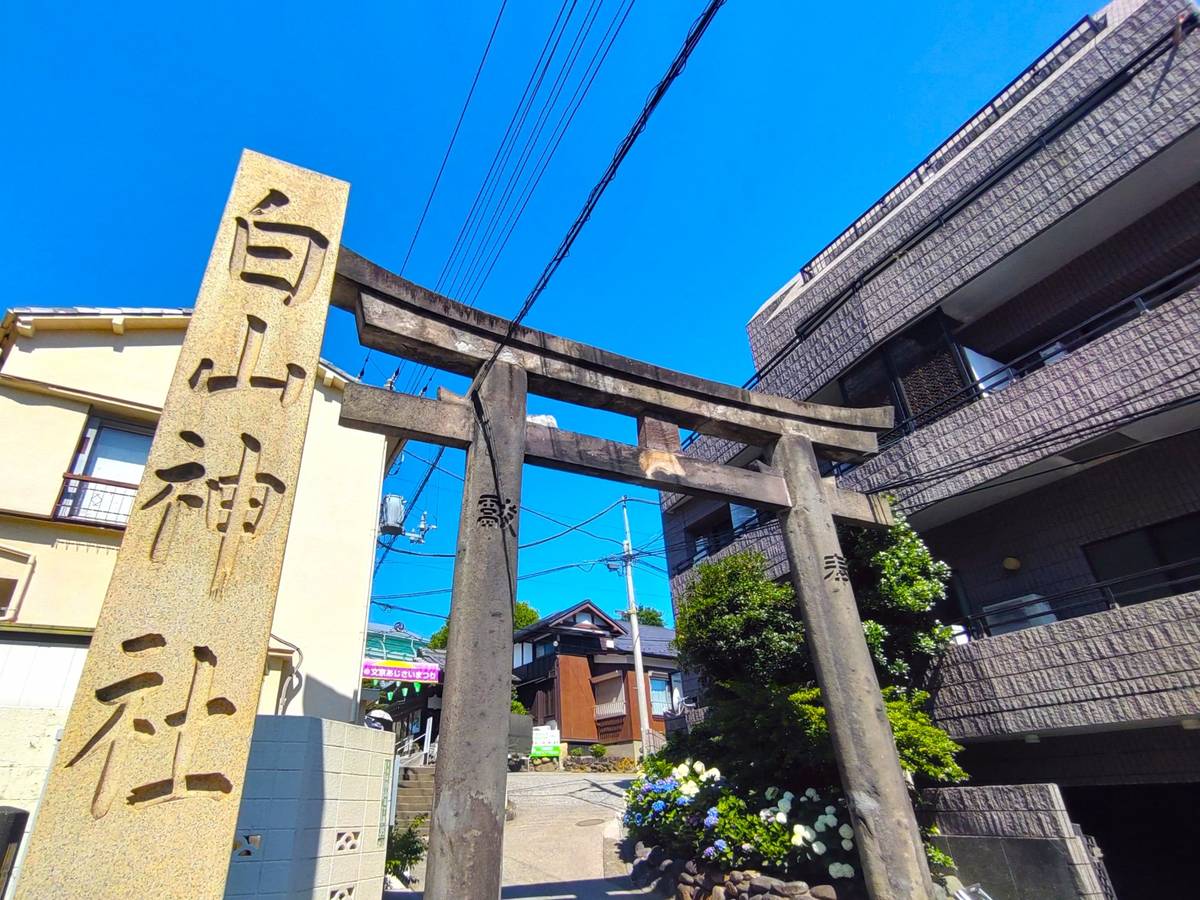
Hakusan Shrine also carries another role as a guardian of dental health. An old legend tells of an emperor in the mid-Edo period who suffered from severe toothache and found relief after using sacred chopsticks and salt from the shrine. Until the Meiji period, visitors who came to pray for relief from tooth troubles received fusa-yōji, traditional wooden brushes for cleaning teeth.
This belief lives on in a different form today. On Sundays during the hydrangea festival, the shrine holds a toothbrush memorial ceremony where visitors bring worn toothbrushes to be ritually offered, and the first hundred people receive a new toothbrush free of charge. An ancient prayer for dental wellbeing, woven naturally into the rhythms of modern life.
〒112-0001 5-chōme-31-26 Hakusan, Bunkyo City, Tokyo
Loading map...
Stories about this place
Discover stories and insights about Hakusan Shrine
Last Updated: