Tochigi
栃木県
Start here
What to know about Tochigi
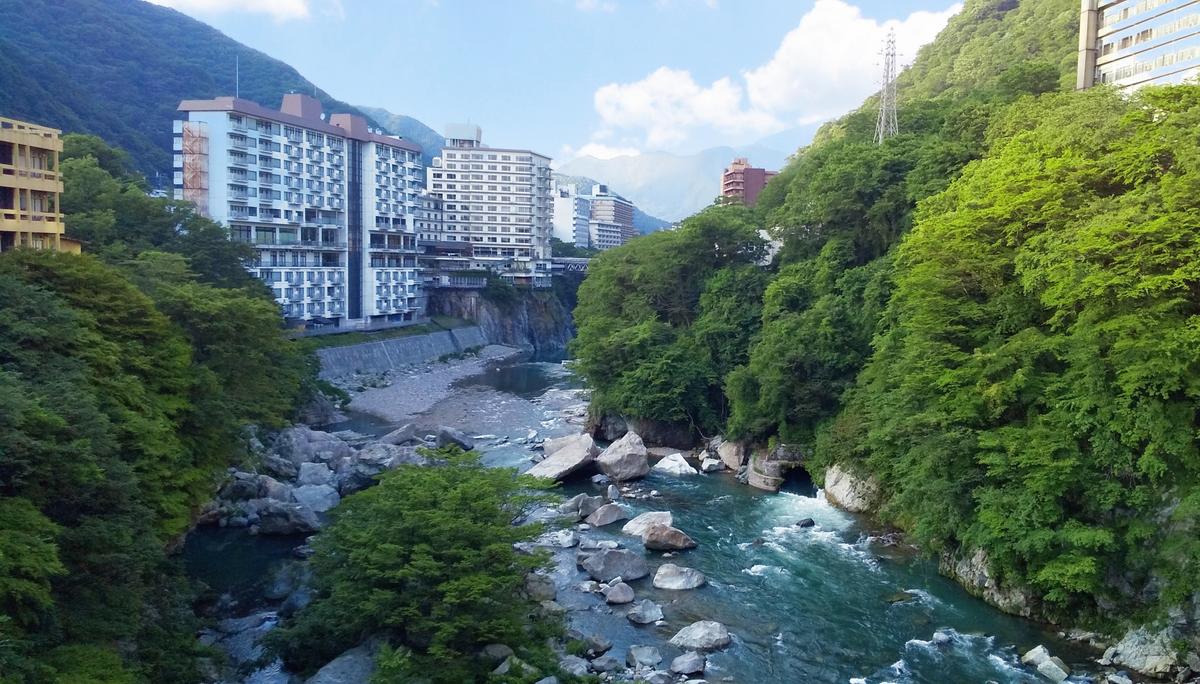
Nikkō's World Heritage shrine-and-temple complex, the lakes and waterfalls of Oku-Nikkō alive with color through every season, and a fantastical underground quarry carved deep beneath the surface. Though close enough to Tokyo for a day trip, Tochigi never stops surprising visitors with its depth of nature and history. Sitting at the northern edge of the Kantō Plain, the prefecture's varied terrain — from mountain ranges to open flatlands — gives rise to a remarkably diverse array of attractions.
Shrines and Temples of Nikkō
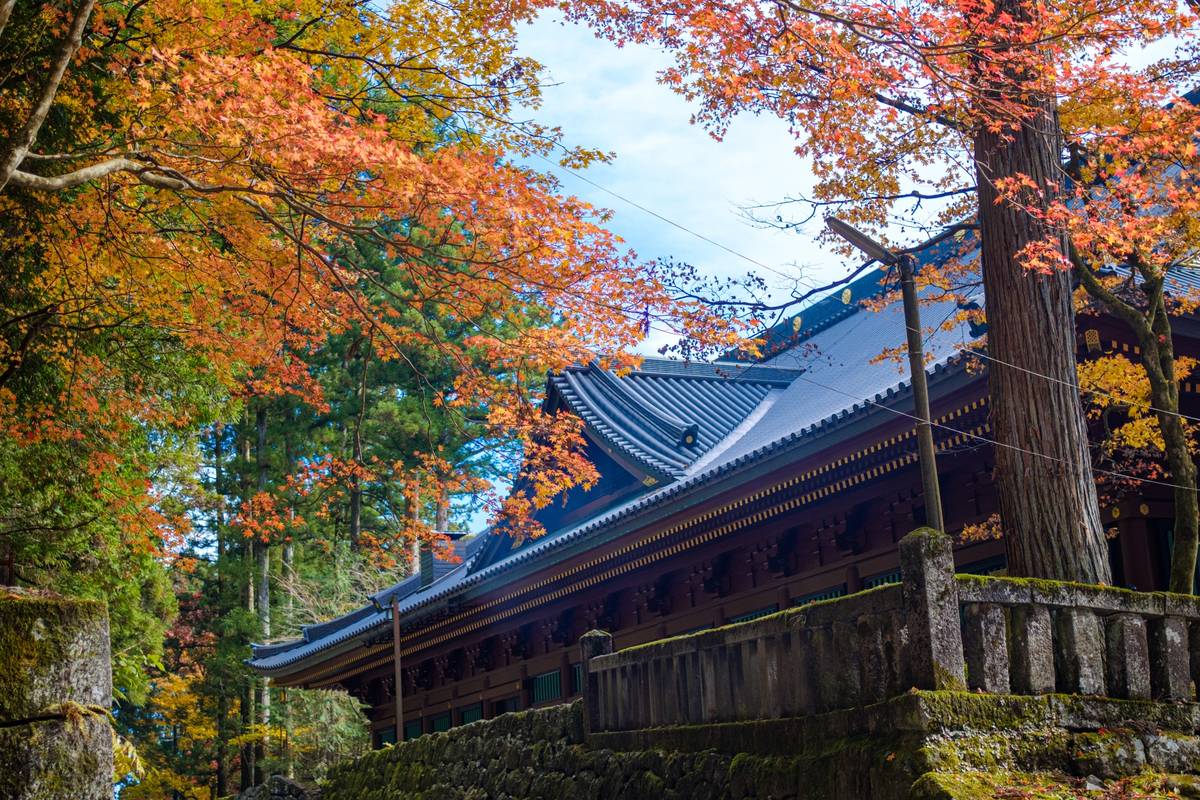
Toshogu / Photo AC
The Shrines and Temples of Nikkō, inscribed as a UNESCO World Heritage Site in 1999, comprise two shrines and one temple: Tōshōgū, Futarasan-jinja, and Rinnō-ji. Tōshōgū stands out among them — founded in 1617 as the mausoleum of Tokugawa Ieyasu, it was lavishly expanded under the third shōgun Iemitsu into the dazzling complex seen today. The precinct holds 8 National Treasures and 34 Important Cultural Properties, and the carvings covering the surfaces of these buildings are said to number more than 5,000. Each sculpture — from the Sleeping Cat to the Three Wise Monkeys — carries its own lesson or story, and simply wandering from one detail to the next can easily fill several hours.
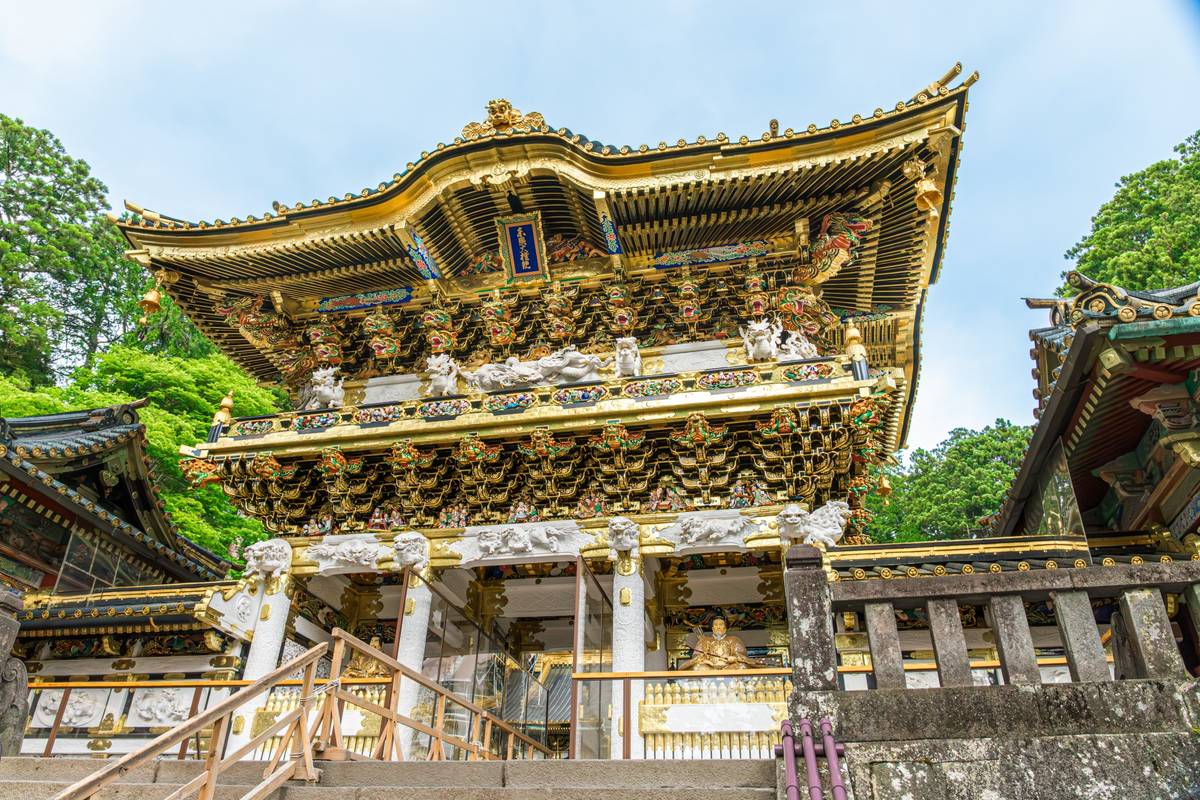
Yomei-mon / Photo AC
The Yōmei-mon gate is adorned with 508 carvings, so exquisite that visitors have been known to gaze until nightfall — earning it the name Higurashi-no-mon, the Gate Where One Loses Track of the Day. A major restoration completed in 2017, the first in roughly 40 years, brought back the vivid polychrome colors of its original appearance. The approach lined with towering cedar trees is another highlight: the Nikkō Sugi-namiki, stretching approximately 35.41 kilometers and encompassing some 12,000 cedar trees, holds the Guinness record as the world's longest tree-lined avenue.
Nature of Oku-Nikkō
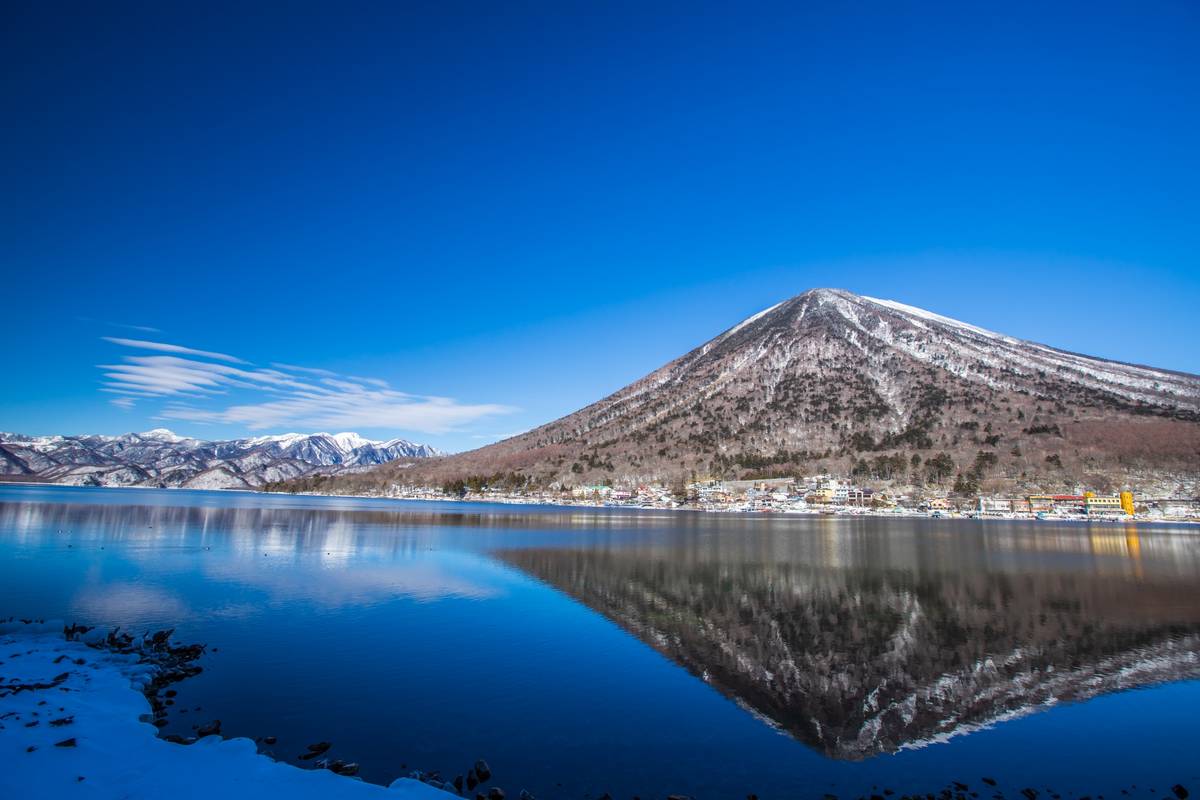
Lake Chuzenji / Photo AC
Heading west from Tōshōgū and climbing the Iroha-zaka switchback road, you reach Lake Chūzenji, sitting at an elevation of roughly 1,269 meters. With a circumference of about 25 kilometers, the lake was formed around 20,000 years ago when lava flows from Mount Nantai dammed a river. From the Meiji era through the early Shōwa period, it served as an international summer retreat where foreign embassies maintained lakeside villas. The former Italian Embassy Villa Memorial Park, still standing on the shore, offers a close look at the elegant architecture of that era.
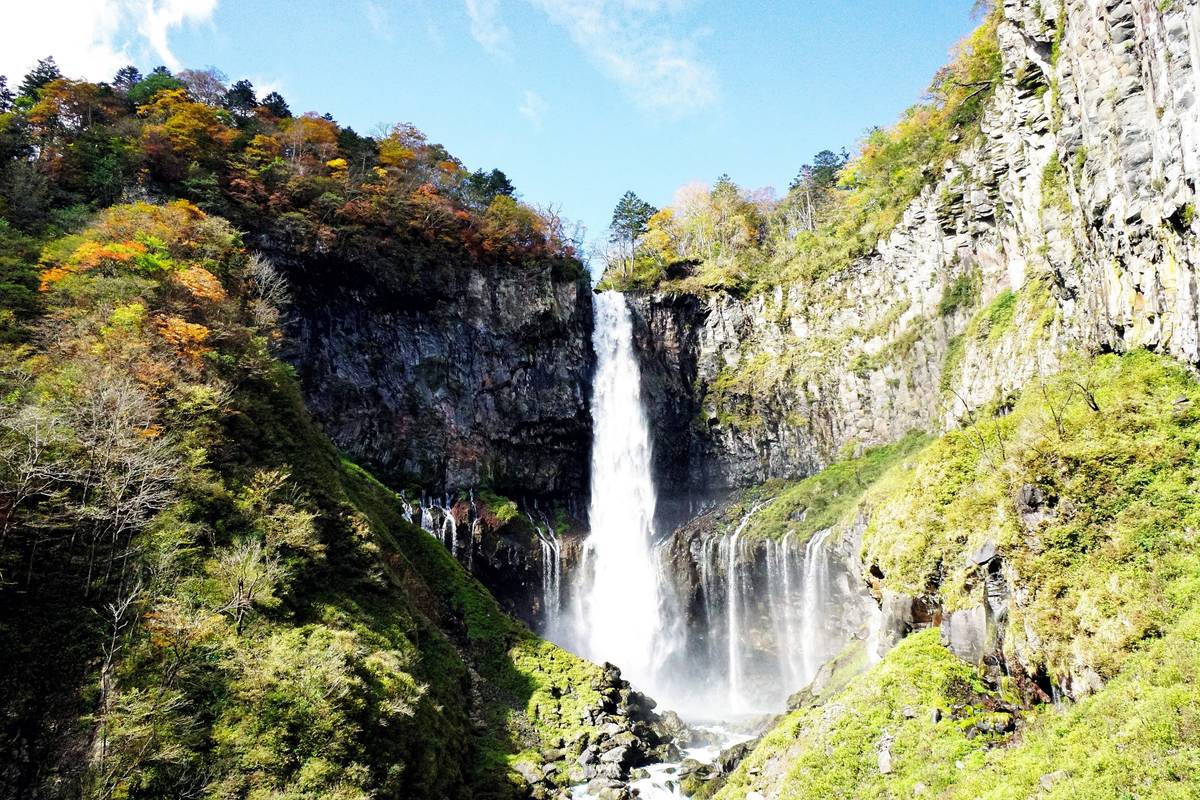
Kegon Falls / Photo AC
Plunging 97 meters from the eastern edge of Lake Chūzenji is Kegon Falls, counted among Japan's three most celebrated waterfalls. An elevator descends to an observation deck where the sheer force of the water column before your eyes is overwhelming. In autumn, the foliage painting the 48 curves of Iroha-zaka is spectacular, and the Akechidaira observation point on the second Iroha-zaka offers a sweeping vista of both Lake Chūzenji and Kegon Falls at once. In winter, parts of the falls freeze over, and the slender streams known as the Jūni-taki transform into sculpted pillars of ice. This ever-changing face across the seasons may be Oku-Nikkō's greatest appeal.
Ōya History Museum
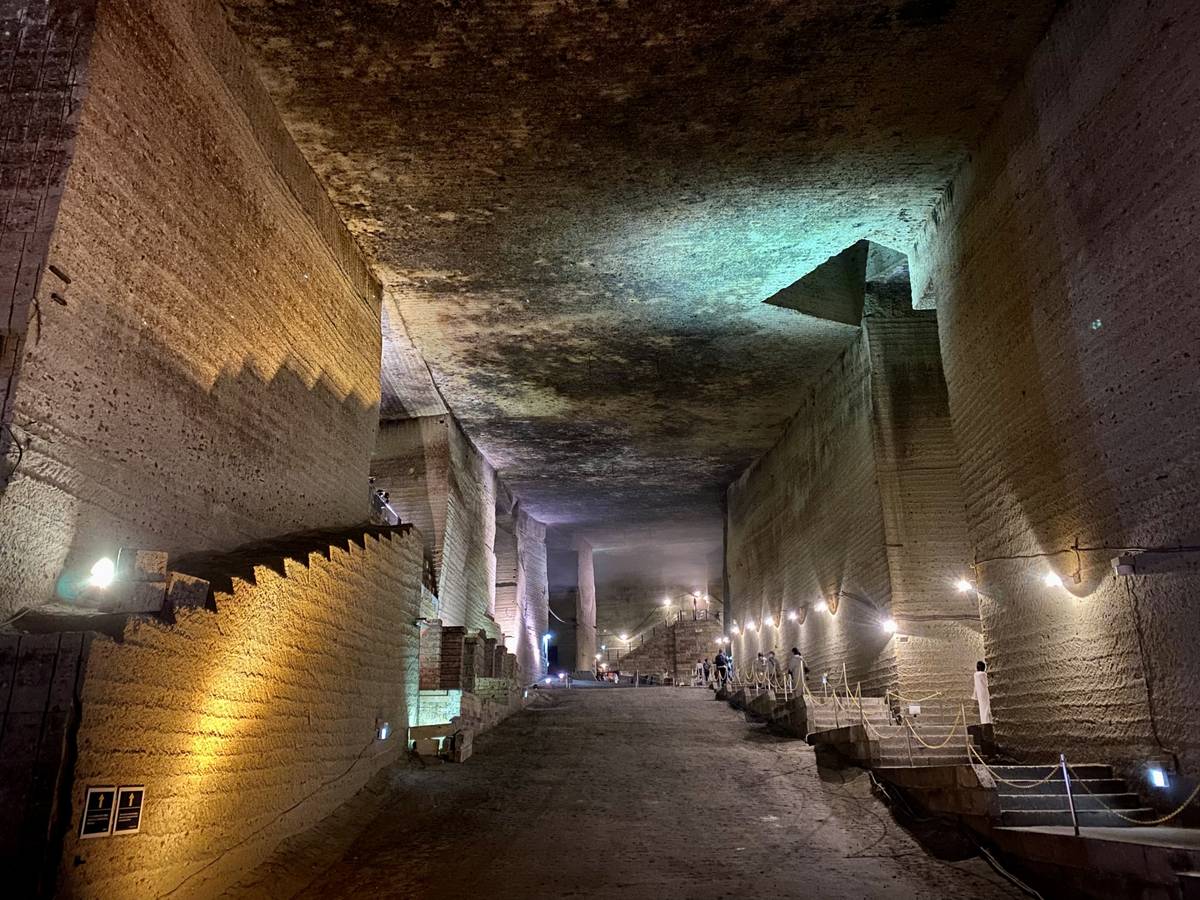
Photo AC
Located in the northwestern part of Utsunomiya City, the Ōya History Museum opens up the underground quarry where Ōya stone was mined. This lightweight, easily worked tuff has been used as a building material since ancient times and is perhaps best known for its use in Frank Lloyd Wright's Imperial Hotel in Tokyo.
Extending roughly 30 meters underground and spanning some 20,000 square meters, the former quarry feels like a subterranean cathedral. The shift from hand-hewn extraction to machine-cut methods is etched directly into the quarry walls, tracing the work of generations of stone cutters. The cavern maintains a constant temperature of about 8 degrees Celsius year-round — cool even in midsummer — so bringing a light jacket is a good idea.
In recent years, this atmospheric space has evolved beyond a historical site — hosting concerts, serving as a film location, and even functioning as a wedding venue. The broader Ōya area also offers the Ōya Kannon, a relief of the Bodhisattva carved some 27 meters high into a rock face, and a striking landscape of rock formations shaped by nature. Where the history of a stone-quarrying town meets its present, this is a destination unique to Tochigi.
Ashikaga Flower Park
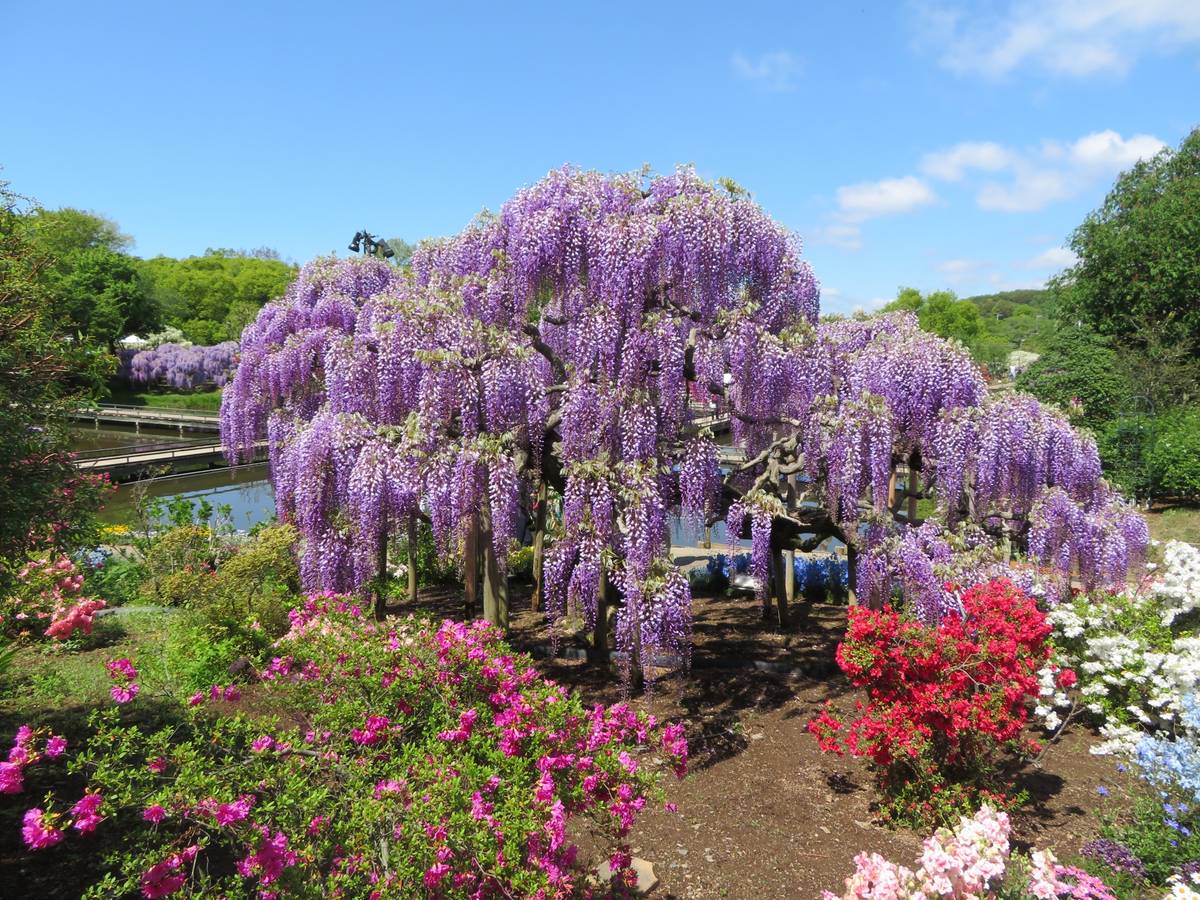
Ashikaga Flower Park, in the city of Ashikaga, is a floral theme park famed worldwide for its great wisteria trellises. In 2014 it was chosen as the only site in Japan on CNN's list of 10 Dream Destinations, drawing a surge of international visitors.
The park's centerpiece is a great wisteria tree over 160 years old, its trellis covering roughly 1,000 square meters. From late April through May, cascades of pale purple blossoms hang in layered curtains. Beyond this signature tree, the park also features a white wisteria tunnel and yellow wisteria, each variety reaching peak bloom at slightly different times, so visitors can enjoy wisteria flowers over a full month from mid-April to mid-May.
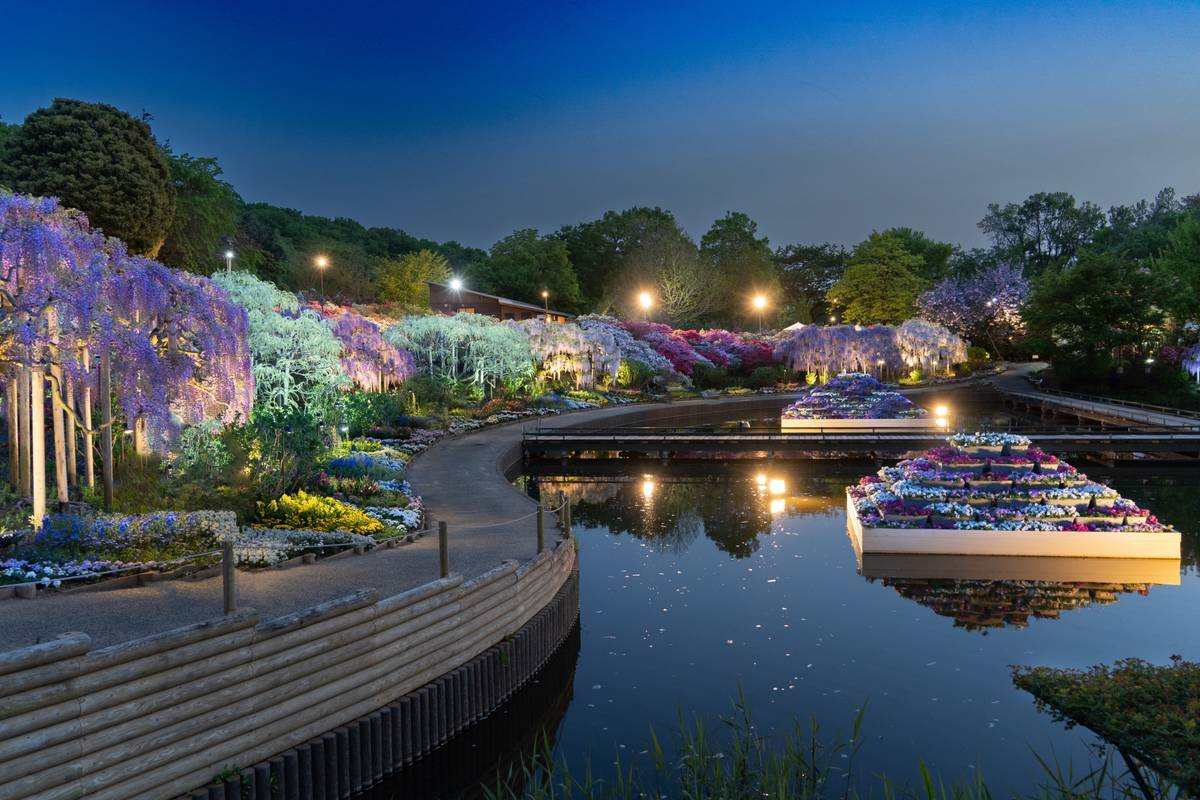
In winter, the park hosts the Garden of Illuminated Flowers (Hikari no Hana no Niwa), one of the largest light displays in the country. More than five million LEDs transform the grounds, and the wisteria trellises reborn as cascades of light create a fantastical world quite different from their springtime beauty. A garden with two peak seasons — one of flowers, one of light — is a rare thing indeed.
Where to go
Places to visit in Tochigi
Curated spots and experiences across Tochigi.

Nature
1 place


Location
Where is Tochigi?
Tochigi Prefecture sits in the northern part of the Kantō region, with Utsunomiya as its capital city. As of October 2024, the prefecture has a population of approximately 1.9 million and is known as the northernmost landlocked prefecture in the Kantō region.
The Nikkō and Nasu mountain ranges stretch across the northwest, with Mount Nikkō-Shirane rising to 2,578 meters as the highest peak in the Kantō region. The Kinugawa and Nakagawa rivers flow southward through the prefecture from these mountains, opening into the vast flatlands at the northern edge of the Kantō Plain. Covering roughly 6,408 square kilometers, Tochigi is the second-largest prefecture in the Kantō region after Gunma. It has no coastline, making it one of Japan’s landlocked prefectures.
The inland climate brings pronounced seasonal extremes. In summer, daytime temperatures frequently exceed 35 degrees Celsius, though mornings and evenings cool down noticeably, creating a wide daily temperature range. Winter brings dry northwesterly winds that keep the plains sunny but extremely dry. The northern mountains receive heavy snowfall, and areas like Nikkō and the Nasu Highlands serve as ski resorts. Tochigi is also famous for its thunderstorms — fierce afternoon squalls are so common in summer that Utsunomiya has earned the nickname Raitō, the City of Thunder.
Loading map...
Access
Getting to Tochigi
Tochigi Prefecture has no airport, so travelers flying in will use either Narita Airport or Haneda Airport. Direct buses run from Narita Airport to Utsunomiya in about two and a half hours, while from Haneda the most common route is to transfer at Tokyo Station and continue by Shinkansen.
Rail is the most convenient way to reach Tochigi. The Tōhoku Shinkansen takes roughly 50 minutes from Tokyo Station to Utsunomiya Station, or about 70 minutes to Nasushiobara Station. From the Osaka area, take the Tōkaidō Shinkansen to Tokyo Station and transfer to the Tōhoku Shinkansen for a total journey of around three and a half hours. The JR Utsunomiya Line offers a budget-friendly alternative, connecting Ueno or Ōmiya stations in Tokyo to Utsunomiya in about one hour and 40 minutes to two hours — slower than the Shinkansen, but easier on the wallet.
Utsunomiya Station serves as the main transportation hub within the prefecture. For getting around the city, the LRT light rail system nicknamed Lightline, which opened in 2023, provides a convenient link to the eastern districts. To reach Nikkō and Kinugawa Onsen, Tōbu Railway is the go-to option: limited express trains on the Tōbu Nikkō Line run directly from Asakusa or Shinjuku stations in Tokyo in about two hours. The JR Nikkō Line also connects Utsunomiya Station to Nikkō Station in around 40 minutes.
That said, destinations like the Nasu Highlands, Mashiko, and Motegi have limited public transit service, so a taxi is the practical choice. In winter, snow and icy roads are common in the northern mountain areas, making snow tires or chains a must. Mountain roads like the Nikkō Iroha-zaka switchbacks demand extra caution in winter driving conditions, though the main arterial roads are generally well maintained and cleared of snow.
Local pride
Specialty Products
Tochigi Prefecture sits in the northern reaches of the Kantō Plain, where fertile soil and abundant water sources have sustained a strong agricultural tradition. Fruit cultivation thrives here above all else — the prefecture has held the top spot in Japan’s strawberry production for over half a century. Double-cropping of rice and wheat is common across the lowlands, and the region grows nearly all of Japan’s kanpyō (dried gourd strips), made from bottle gourd harvested in its fields. In the highlands around Nasu and Nikkō, the cool climate supports dairy farming and beef cattle ranching. The southern part of the prefecture has long maintained traditions in ceramics and textile weaving, with craft cultures spanning everyday wares to fine art. Blessed with clear streams and high-quality rice, Tochigi also carries a deep history of sake brewing.
Food
Crafts & Others
Through the ages
History of Tochigi
The area now known as Tochigi Prefecture was once called Shimotsuke Province. Between the fourth and fifth centuries, numerous large burial mounds were constructed throughout the region, a testament to the power of influential clans such as the Shimotsukeno. During the Nara period, the provincial capital was established near present-day Tochigi City, and Shimotsuke Yakushi-ji Temple served as one of the ordination platforms for eastern Japan. At the time, only three places in the entire country could officially ordain Buddhist monks, and this temple was one of them.
In the Heian period, Fujiwara no Hidesato suppressed the rebellion of Taira no Masakado, bringing the warriors of eastern Japan to the attention of the imperial court. Rewarded with the post of ōryōshi (military governor) of Shimotsuke Province, his descendants branched into prominent Kantō families including the Oyama and Yūki clans. During the Kamakura period, the Utsunomiya clan served as provincial governors, and Utsunomiya Yoritsuna, renowned as a poet, is said to have influenced the compilation of the Hyakunin Isshu anthology. The clan left its mark not only in warfare but in the world of letters as well.
The Sengoku and Edo Periods
In the Sengoku period, Shimotsuke Province became a fiercely contested battleground, with the Nasu clan in the north, the Utsunomiya clan at the center, and the Oyama clan in the south all vying for control. Caught between the larger forces of the Uesugi, Hōjō, and Takeda as a strategic linchpin of northern Kantō, the Utsunomiya clan tenaciously held onto their domain. Their long reign came to an end, however, when Toyotomi Hideyoshi stripped them of their lands.
The defining moment for Tochigi during the Edo period was the construction of Nikkō Tōshōgū. In 1617, the remains of Tokugawa Ieyasu were transferred from Kunō-zan to Nikkō, and under the third shōgun Iemitsu, the shrine’s lavishly ornate halls were completed. Over 500 carvings adorn the Yōmei-mon gate, and iconic works such as the Sleeping Cat and the Three Wise Monkeys survive to this day. Nikkō became a sacred site of shōgunal pilgrimage, spurring the development of the Nikkō Kaidō and Reiheishi Kaidō highways connecting it to Edo. The post towns of Imaichi and Kanuma, which flourished along these routes, still retain traces of that era.
Tochigi in the Modern Era
When the abolition of the feudal domain system was carried out in 1871, the region was initially divided into two prefectures: Utsunomiya and Tochigi. They merged in 1873, and while the prefectural capital was briefly located in the town of Tochigi, it moved to Utsunomiya in 1884. The origin of the name Tochigi is debated. One theory traces it to groves of tochi (Japanese horse chestnut) trees in the area, while another holds that it derives from the ten chigi (ornamental roof beams) atop Shinmei-gū shrine, the words ten chigi eventually transforming into Tochigi.
In terms of modern industry, the Ashio Copper Mine loomed large. Mining had continued since the Edo period, and during the Meiji era it became the largest copper mine in Japan, fueling the nation’s modernization. At the same time, toxic runoff from the mine devastated communities along the Watarase River. Tanaka Shōzō’s unprecedented act of directly petitioning the Meiji Emperor about the crisis is remembered as the starting point of Japan’s environmental pollution awareness.
Continue exploring
Discover other areas and hidden gems across Kanto Region.