Ashikaga
足利市
Things to Do in and Around Ashikaga
Ashikaga City is a historic city located in the southwestern part of Tochigi Prefecture. It is known as the place where the Ashikaga clan flourished from the Kamakura period to the Muromachi period. Notable attractions include the national treasure Bannaji Temple and the wisteria trellises at Ashikaga Flower Park, where historical buildings and nature harmonize beautifully. It is an ideal destination for a short trip from Tokyo, as it is conveniently located for a day visit.
Where is Ashikaga?
Ashikaga City is located in the southwestern part of Tochigi Prefecture, spreading across the northern edge of the Kanto Plain. It borders Gunma Prefecture to the south, Sano City to the west, Tochigi City to the north, and both Sano and Tochigi Cities to the east. The Watarase River flows through the center of the city, and it is divided into several distinctive areas, such as the Keno district in the south, which houses the Ashikaga Health and Welfare Center, and the area surrounding Ashikaga School in the north.


Getting Around
To get to Ashikaga City, it takes about 50 minutes from Tokyo on the Tohoku Shinkansen to Utsunomiya Station, and then about 40 minutes on the JR Ryomo Line to Ashikaga Station.
Within the city, there are local buses operating, but the "Menmen-go" Ashikaga City Sightseeing Tour Bus is convenient for visiting major tourist spots.
Loading map...
About Ashikaga
Ashikaga City is a historic city located in the southwestern part of Tochigi Prefecture. It is known as the place where the Ashikaga clan established their shogunate from the Kamakura to the Muromachi period. Here are some unique features and attractions of the area.
Ashikaga School - Japan's Oldest School
In Ashikaga City, there is the "Ashikaga School," considered Japan's oldest school. Established during the Muromachi period, this academic institution produced many scholars and monks as the highest seat of learning at the time.
The buildings that convey the learning environment of the past, along with precious books designated as national treasures, are indispensable cultural heritage in telling the history of education in Japan.
Tradition as a Textile Town
Ashikaga City has a long history as a production area for silk textiles known as "Ashikaga Meisen." The weaving techniques that have continued since the Edo period are still passed down today, with textile halls and workshops remaining in the city.
The vividly colored textiles created using traditional techniques convey the splendor of Japanese traditional crafts.
Ashikaga Flower Park - A Wisteria Paradise
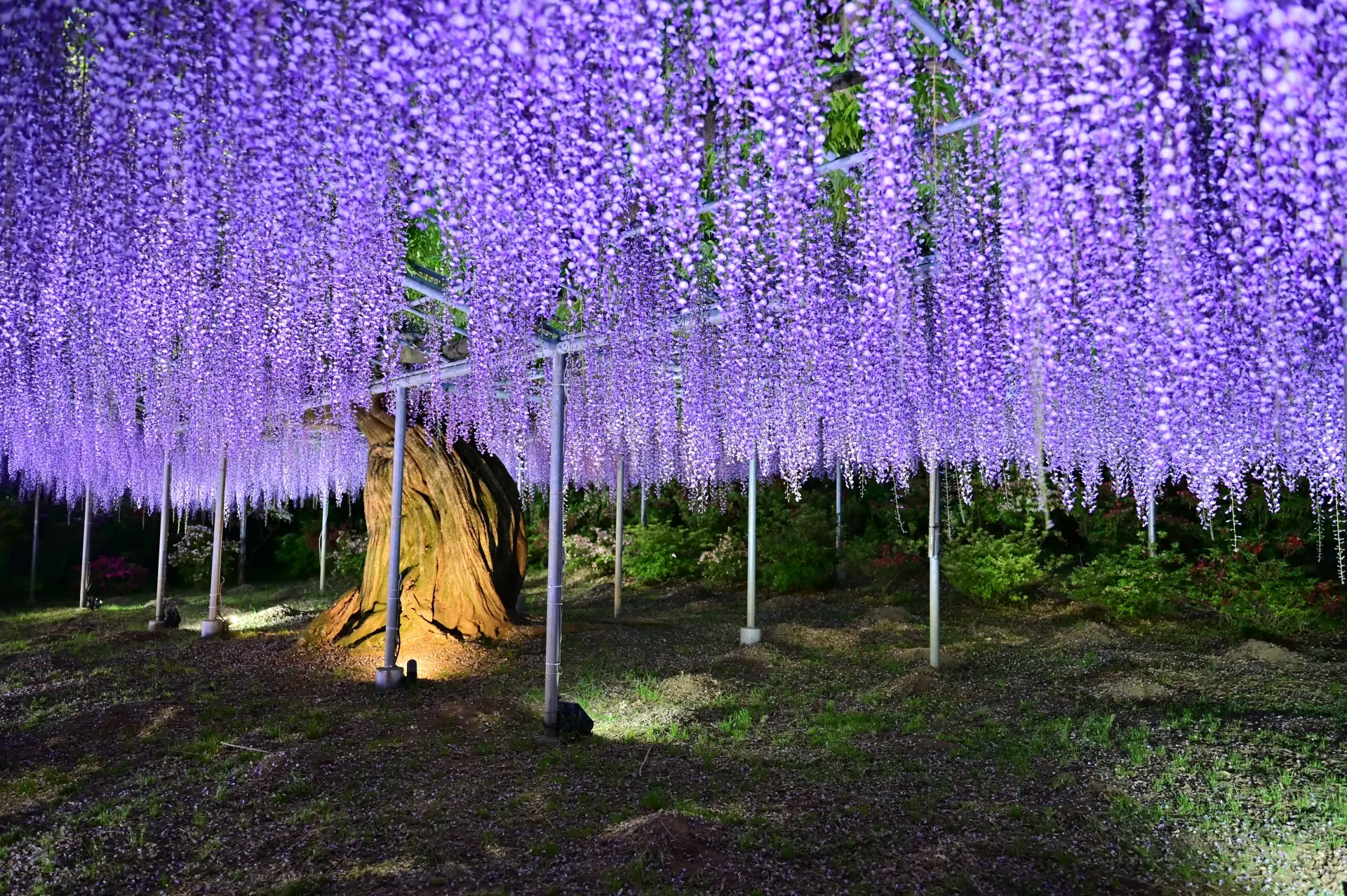
Japanese Wisteria / Photo AC
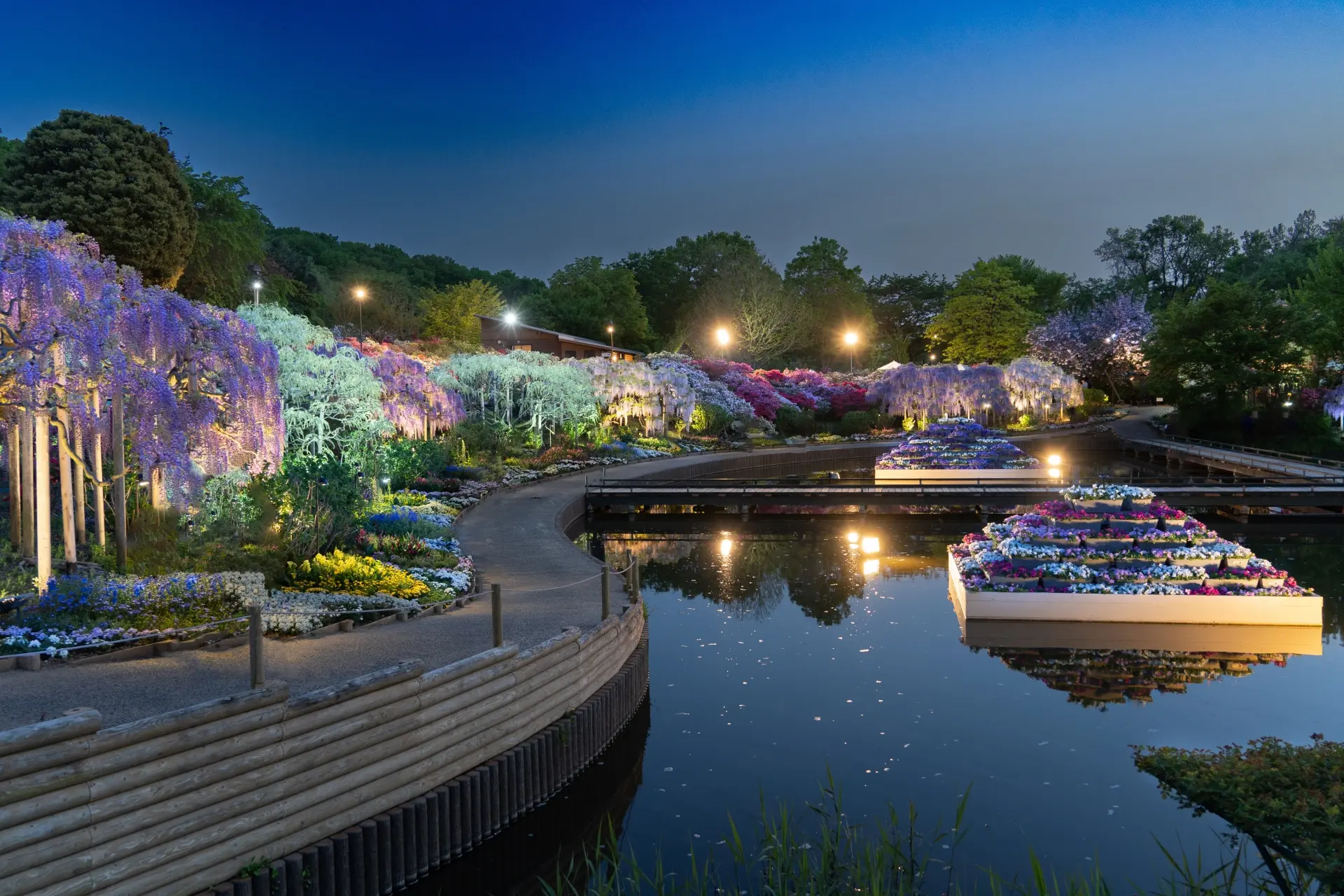
In spring, the Ashikaga Flower Park is adorned with a great wisteria over 150 years old. The "Wisteria Story" light-up event creates a fantastical tunnel of wisteria flowers floating in the night sky, attracting many tourists from both Japan and abroad.
The scenery, selected as one of CNN's "10 Dream Destinations in the World," is a must-see Japanese spring spectacle.
Bannaji Temple - The Temple of the Ashikaga Clan
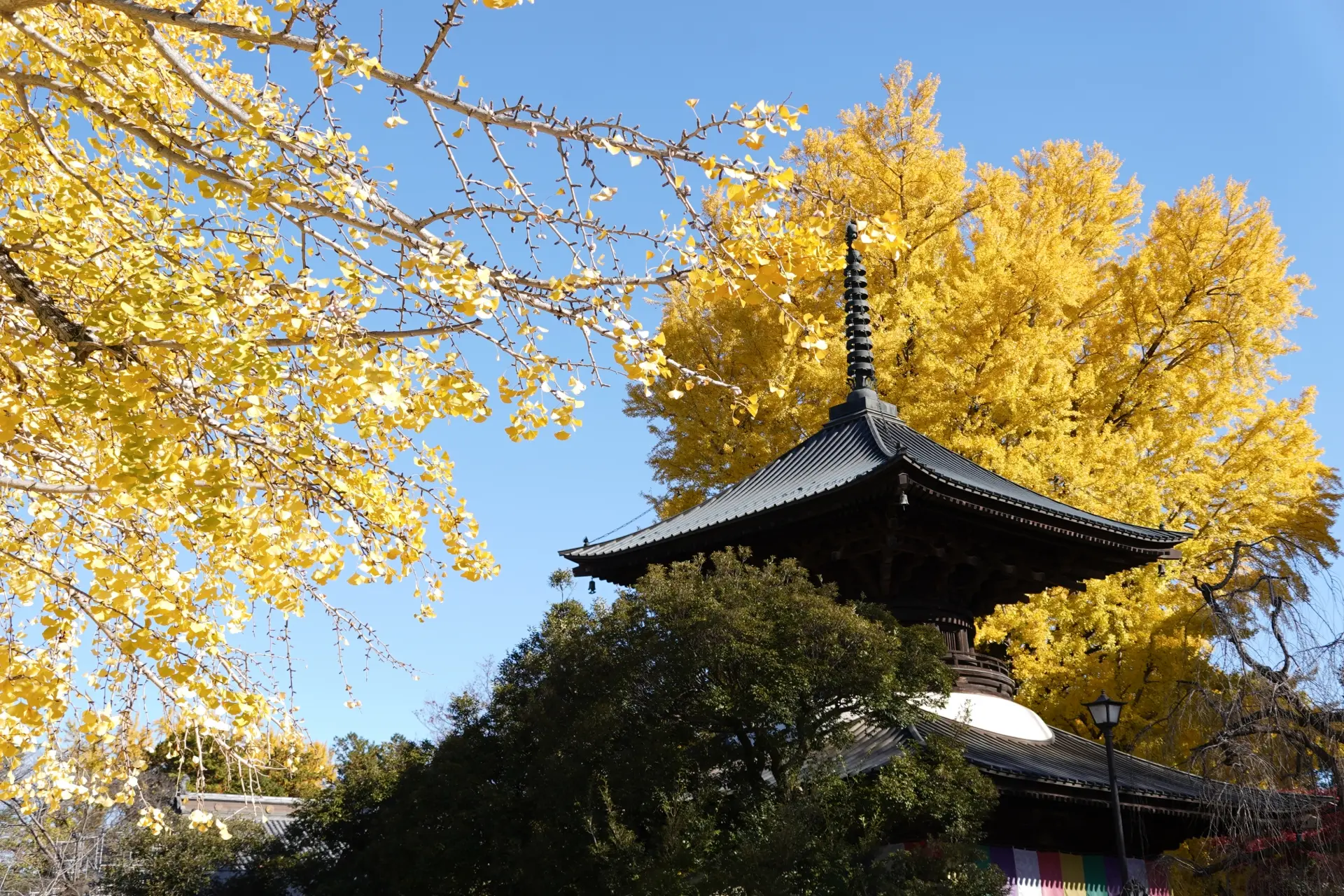
Located in the city center, Bannaji Temple is a historic temple established as the family temple of the Ashikaga clan. Designated as a national historic site, its main hall is known as the oldest wooden structure in Tochigi Prefecture. Surrounded by nature in every season, the temple grounds offer a tranquil space where time flows quietly.
The Nature and Culture of the Watarase River
The Watarase River, which flows through Ashikaga City, has been closely connected to the lives of its citizens since ancient times. Walking paths are maintained along the river, allowing visitors to enjoy a stroll while feeling the changing seasons.
Additionally, many literary works themed around this river exist, making it a precious natural environment that conveys the original landscape of Japan to the present day.
Ashikaga
Discover stories and insights about Ashikaga