Sagamihara
相模原市
Things to Do in and Around Sagamihara
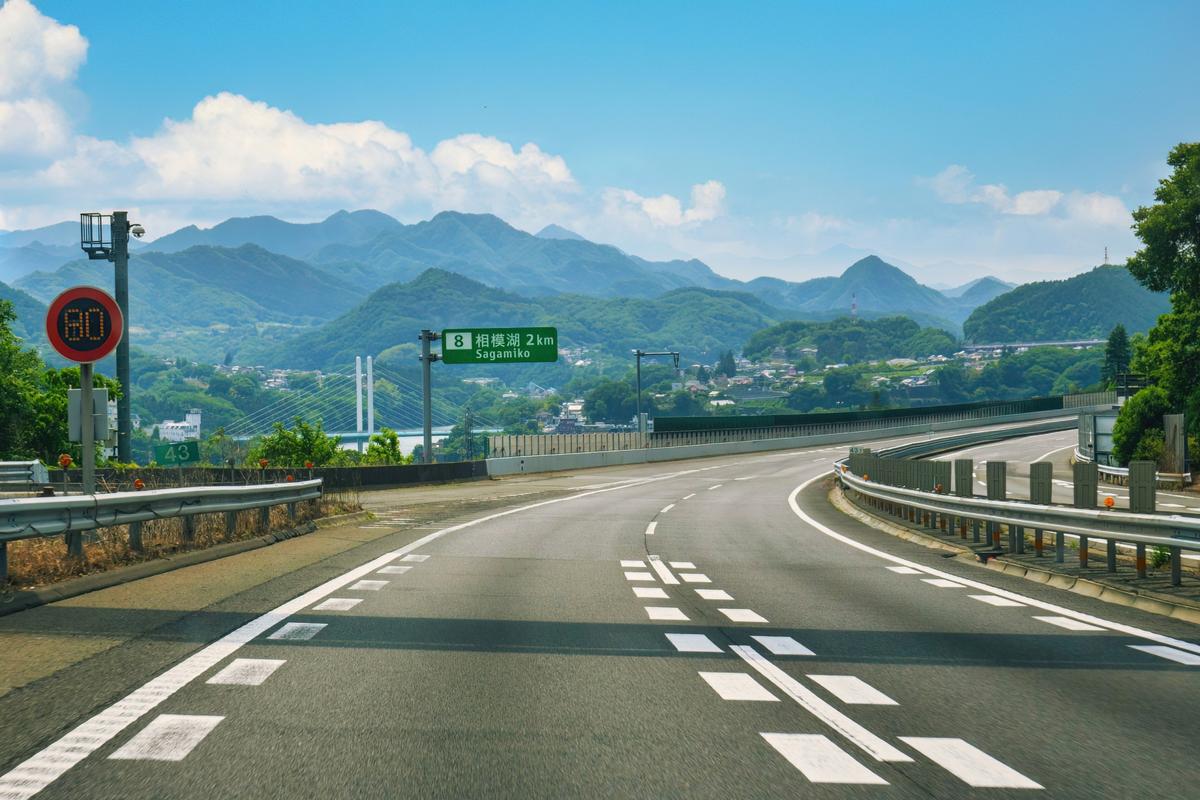
Sagamihara is a designated city in northern Kanagawa Prefecture. Though located just 40 kilometers from central Tokyo, the western part of Midori Ward features dam lakes like Lake Sagami and Lake Tsukui, along with mountains extending into the Tanzawa range—a unique landscape where nature and urban areas exist side by side. With a population of approximately 720,000, the city consists of three wards: Midori, Chuo, and Minami.
Places to visit in Sagamihara
Where is Sagamihara?
Sagamihara is located in northern Kanagawa Prefecture, bordering the Tokyo cities of Machida and Hachioji. It became a designated city in 2010 and was reorganized into three wards: Midori, Chuo, and Minami. Midori Ward is a vast area that includes part of the former Tsukui District, with mountainous regions like Lake Sagami, Lake Tsukui, and Fujino occupying most of the ward. Chuo and Minami wards, on the other hand, cover the flat areas from the city center to the south. These wards are home to residential areas and commercial facilities, and as Kanagawa’s third-largest designated city after Yokohama and Kawasaki, approximately 720,000 people live here.
Geographically, the Sagami River flows north to south through the center of the city, with two dam lakes—Lake Sagami and Lake Tsukui—located in western Midori Ward. The northwestern section is a mountainous area at the eastern edge of the Tanzawa range, with peaks ranging from 500 to 800 meters in elevation. The urban areas sit on relatively flat terrain at elevations of 50 to 150 meters. The Pacific climate brings hot, humid summers and dry, sunny winters. Snow may occasionally fall in the mountainous areas of Midori Ward during winter.


Getting Around
From Shinjuku, Hashimoto Station is approximately 40 minutes via the Keiō Sagamihara Line, while Sagamiko Station is about one hour via the JR Chuo Main Line. Hashimoto Station is a terminal where three lines converge—the JR Yokohama Line, JR Sagami Line, and Keiō Sagamihara Line—and is also the planned site of a Kanagawa Prefecture station (tentative name) for the Linear Chuo Shinkansen. For stations along the JR Yokohama Line, such as Sagamihara Station or Fuchinobe Station, it’s convenient to transfer via Odakyu Machida Station. All of these destinations are within an hour from central Tokyo, making them easily accessible for day trips.
Local transportation within the city relies primarily on buses. The urban areas of Chuo and Minami wards have relatively good train and bus coverage, but a car is convenient when visiting the western or mountainous parts of Midori Ward. Tourist spots around Lake Sagami, Lake Tsukui, and the Fujino area are scattered, so renting a car will make it easier to get around.
Loading map...
About Sagamihara
Sagamihara is an area where urban development and nature exist in close proximity, with unexpected facets like a hub for space science and an artistic community. From leisure activities on dam lakes to cutting-edge space research facilities and mountain-rooted art culture, the city offers a wide range of experiences.
Lake Sagami and Lake Tsukui
Two dam lakes, Lake Sagami and Lake Tsukui, spread across western Midori Ward. Lake Sagami is a man-made lake formed in 1947 by the Sagami Dam, with a perimeter of approximately 12 kilometers. The lakeside is dotted with sightseeing boat docks, campgrounds, and hot spring facilities, and has long been a popular waterside leisure spot easily accessible from the Tokyo metropolitan area. Visitors can enjoy boating, fishing, and lakeside walks, and in autumn the autumn foliage creates a colorful reflection on the water.
Lake Tsukui was formed by the Shiroyama Dam, completed in 1965, and is located downstream from Lake Sagami. To the north of the lake are the ruins of Tsukui Castle, a mountain fortress from the Warring States period, and from the site of the main keep, a panoramic view of Lake Tsukui and the Tanzawa mountains unfolds. Cherry blossoms bloom along the lakeside in spring, and a fireworks festival is held on the lake in summer, with seasonal events held throughout the year. Both lakes are about an hour from central Tokyo, making them perfect for day trips into nature.
JAXA Sagamihara Campus
The JAXA Sagamihara Campus in Chuo Ward is a facility at the forefront of space science research. Known as the mission control center for the asteroid explorer spacecraft Hayabusa and Hayabusa2, the Space Science Exploration Hall on the premises displays full-scale models and the return capsule from these missions. Research in lunar and planetary exploration, solar system science, and space engineering is conducted here, and part of the facility is open to the public for free.
On the annual special open house day, research buildings and testing facilities normally closed to the public are opened, and lectures by researchers and experimental demonstrations are held. The content appeals to a wide audience, from space-loving children to adults with specialized knowledge, and the ease of access—no reservation required and free admission—is another attraction. This is a must-visit spot when you come to Sagamihara.
Art in the Fujino Area
The area around JR Fujino Station on the Chuo Main Line in the northernmost part of Midori Ward is known as an artistic community. Artists began moving here in the 1980s, and many continue their creative work to this day. Outdoor sculptures are scattered along Route 20 from the station, and one of the pleasures of the area is strolling while viewing art pieces. Artists working in ceramics, woodworking, glass craft, and other media have established studios here, and some open their workshops to the public on weekends.
Fujino Art House is a public facility where visitors can experience hands-on creation in ceramics, woodworking, glass craft, and more, and even beginners can easily enjoy creating. The grounds also include a gallery and cafe, where you can spend a relaxing time engaging with the work of local artists. Surrounded by nature with cherry blossoms in spring and autumn leaves in fall, a creative experience awaits.
Mt. Jinba and the Ridge Trail
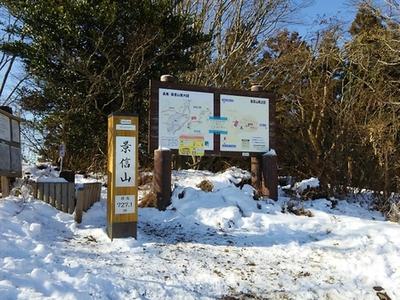
Mt. Jinba, at an elevation of 857 meters, is located at the northwestern edge of Midori Ward on the border with Tokyo, and a white horse statue stands as a symbol on the summit. The ridge trail from Mt. Takao through Mt. Kagenobu to Mt. Jinba is one of the most popular hiking routes in the Kanto region, and on weekends many hikers visit this mountain, which serves as the trail’s endpoint. From the summit, a 360-degree panorama unfolds, with views of Mt. Fuji, the Tanzawa range, Okutama, Mt. Tsukuba, and even the Tokyo Skytree, and on clear days you can also see the peaks of the Southern Alps.
There are multiple trailheads, but from the Sagamihara side, you can take a bus from Fujino Station to Wada bus stop and reach the summit in about an hour and a half. Even those without much stamina will find the hike relatively manageable, and several teahouses line the summit area, so you can rest while enjoying the scenery. The fresh greenery of spring and the autumn foliage are especially beautiful, and you can savor the mountain scenery as it changes with the seasons.