Ichikawa
市川市
Things to Do in and Around Ichikawa
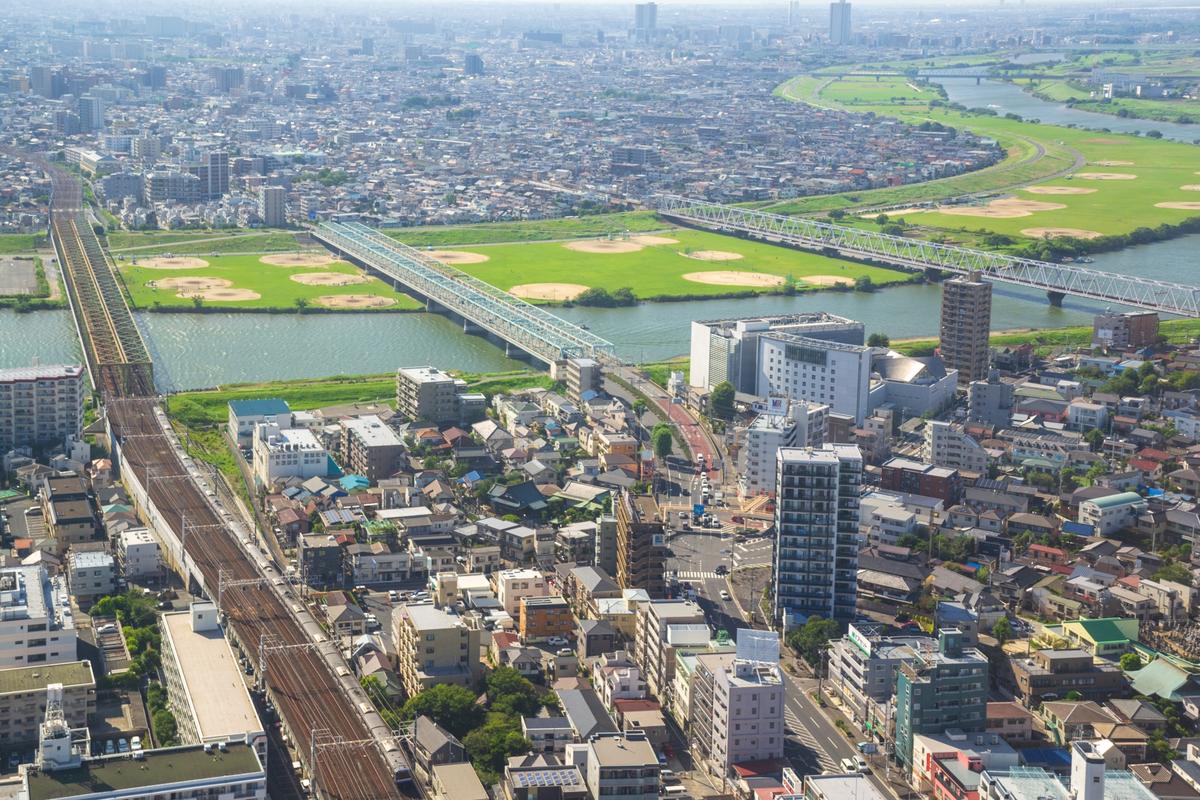
Ichikawa is a city in western Chiba Prefecture, just across the Edogawa River from Tokyo. With JR Sōbu Line express trains reaching Tokyo Station in around 20 minutes, it has drawn cultural figures as a residential retreat since the Meiji period. The city is also the setting for the legend of Tekona, immortalized in the Man’yōshū poetry anthology, and home to Hokekyōji Temple, which holds designated national treasures, giving Ichikawa a historical depth reaching back to the Nara period.
Places to visit in Ichikawa
Where is Ichikawa?
Located in western Chiba Prefecture, within roughly 20 kilometers of central Tokyo, Ichikawa sits across the Edogawa River from Tokyo’s Edogawa Ward, with Matsudo to the north and Funabashi to the east. The southern area faces Tokyo Bay, while the northern plains are dotted with pear orchards, giving the compact city a surprisingly varied landscape. With an area of 57 square kilometers and a population of approximately 498,000, it is one of Chiba Prefecture’s most densely populated areas.


Getting Around
Ichikawa has excellent transport links to Tokyo. From Ichikawa Station on the JR Sōbu Line express, Tokyo Station is about 20 minutes away. Multiple railway lines run through the city, including the Tokyo Metro Tōzai Line (Gyōtoku and Myōden stations), the Toei Shinjuku Line (terminating at Motoyawata Station), and the Keisei Main Line (Keisei-Yawata and Keisei-Nakayama stations), making it easy to choose a route based on your destination. Access from Narita Airport is also convenient via JR and Keisei lines, so the city is easily reachable for international visitors. Local buses are available for getting around within the city.
Loading map...
About Ichikawa
Temples housing national treasures, ancient ginkgo trees over 1,200 years old, and legends passed down since the Man’yō era. Despite sitting right next to Tokyo, Ichikawa is an area where layers of history overlap at every turn. Parks filled with cherry blossoms and roses, neighborhoods beloved by modern writers and poets—there is always a reason to return in a different season.
Nakayama Hokekyōji Temple
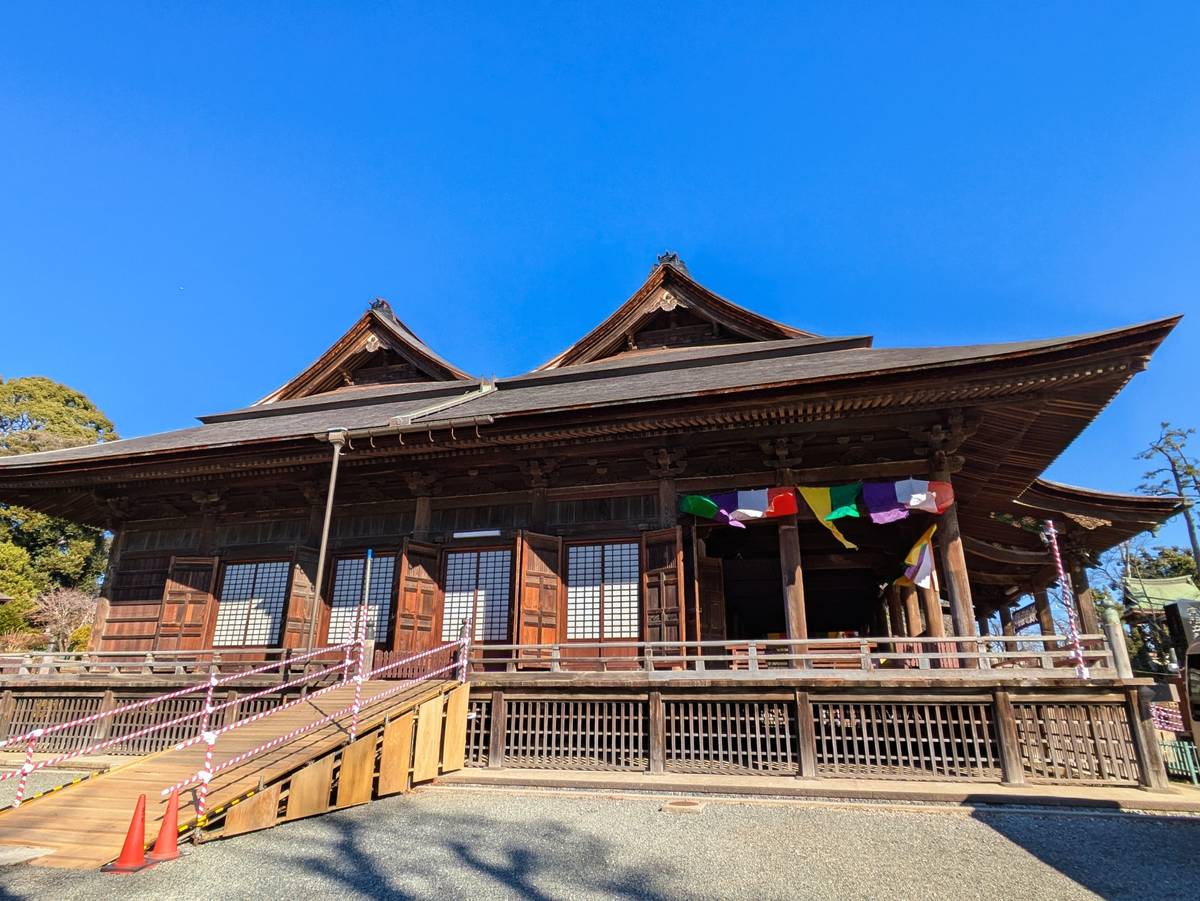
Founded in 1260 during the Bun’ō era, this is the head temple of the Nichiren Buddhist sect. Nichiren Buddhism was established by the monk Nichiren during the Kamakura period, and this temple stands at the very origin of that history. Two works in Nichiren’s own hand, the Kanjin Honzon Shō and Risshō Ankoku Ron, are designated national treasures and remain invaluable both to the sect and to Japan’s cultural heritage. The Hokkedō, designated an Important Cultural Property, is the oldest hall in Nichiren Buddhism, and the five-story pagoda, four-legged gate, and the distinctive Soshidō with its rare twin-roofed design are equally impressive. The temple is a five-minute walk from Keisei Nakayama Station, or about ten minutes from JR Shimosa-Nakayama Station.
Katsushika Hachiman Shrine
This shrine was founded around 889 to 898 during the Kanpyō era, by imperial decree of Emperor Uda. As the guardian shrine of Shimosa Province, the historical name for the area centered on northern Chiba Prefecture, it has attracted reverence across the centuries. Minamoto no Yoritomo rebuilt its main hall, and Tokugawa Ieyasu donated 52 koku of rice revenue. The ginkgo tree in the grounds, estimated at over 1,200 years old, blazes golden each autumn and stops visitors in their tracks. Just a five-minute walk from Motoyawata Station, it is an easy stop during a neighborhood stroll.
Mama-san Guhōji Temple and the Legend of Tekona
An ancient temple said to have been founded in 737 during the Tenpyō era by the monk Gyōki. During the Nara period, Gyōki traveled the country building bridges and irrigation channels, earning deep respect from the common people. What brought him to this spot was the legend of a woman named Tekona.
Long before the Nara period, Tekona lived in Mama and was courted by many men. Unwilling to become the cause of conflict, she is said to have drowned herself. Her story was preserved in the Man’yōshū, Japan’s oldest poetry anthology, and became so famous that it reached the imperial capital. Gyōki founded the temple to console her spirit, and in 822, the monk Kōbō Daishi (Kūkai) is said to have visited and expanded it into a seven-building complex. The Tekona Reijindō, built in 1501, stands as a small, quiet sanctuary dedicated to her memory.
Satomi Park and the Footprints of Writers
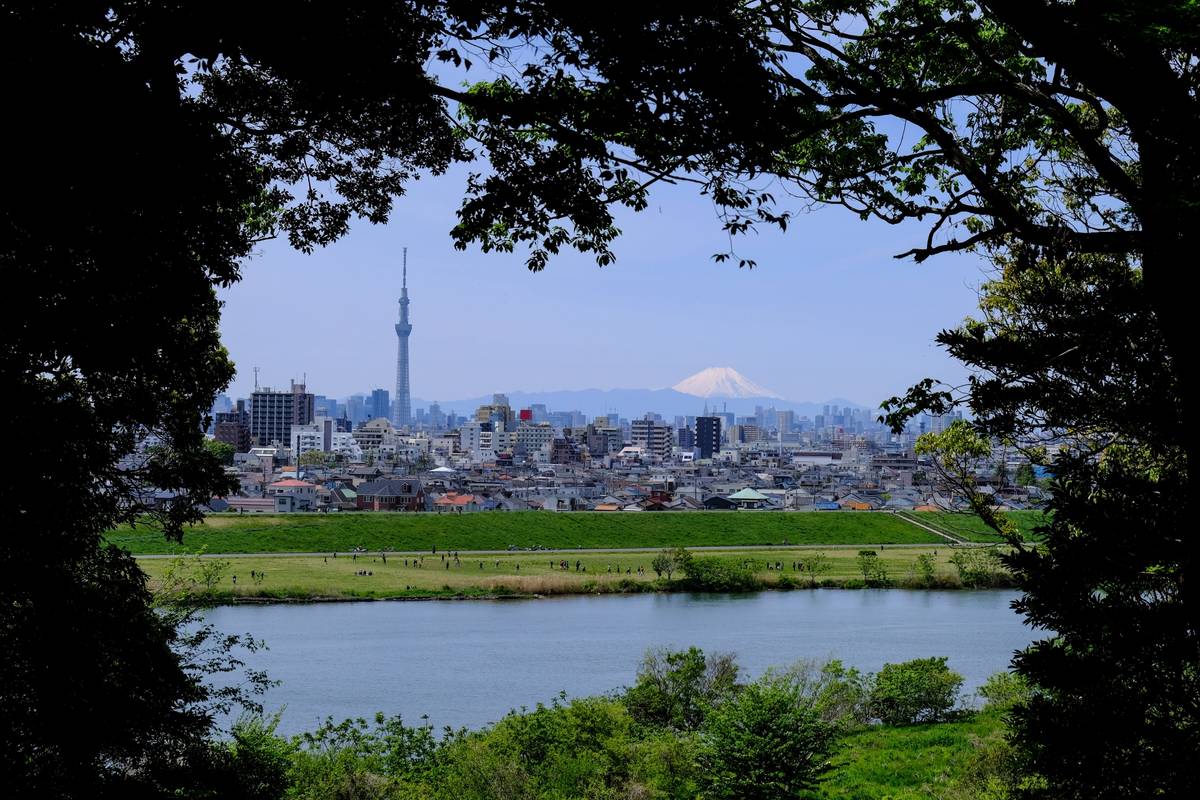
Spread across a hilltop overlooking the Edogawa River, this 8.2-hectare park comes alive in spring when around 200 cherry trees, including Somei Yoshino and sato-zakura varieties, draw crowds of blossom viewers. From early summer through autumn, 700 bushes of 112 rose varieties bloom in succession, offering a different scene with each season. The grounds also hold historical remains such as the Kōfudai Castle ruins and the Akedo ancient burial mound, and the former residence of poet Hakushū Kitahara, Shien Sōsha, has been relocated and preserved here.
Hakushū moved to Ichikawa in 1916, the fifth year of the Taishō era. The opening of the Sōbu Railway in the Meiji period and the Keisei Electric Railway in the Taishō era made it easy to travel to and from Tokyo, and Ichikawa gradually became a residential area favored by cultural figures. Writers such as Kafū Nagai and Rohan Kōda also made their homes here, and Hakushū created works including Katsushika Kanginshū, Suzume no Tamago, and the children’s song Karatachi no Hana while living in Ichikawa. Today, the Ichikawa Literary Walking Trail offers two routes, the Literary Path and the Man’yō Path, allowing visitors to retrace the footsteps of these writers as they explore the city.
Ichikawa Zoological and Botanical Garden
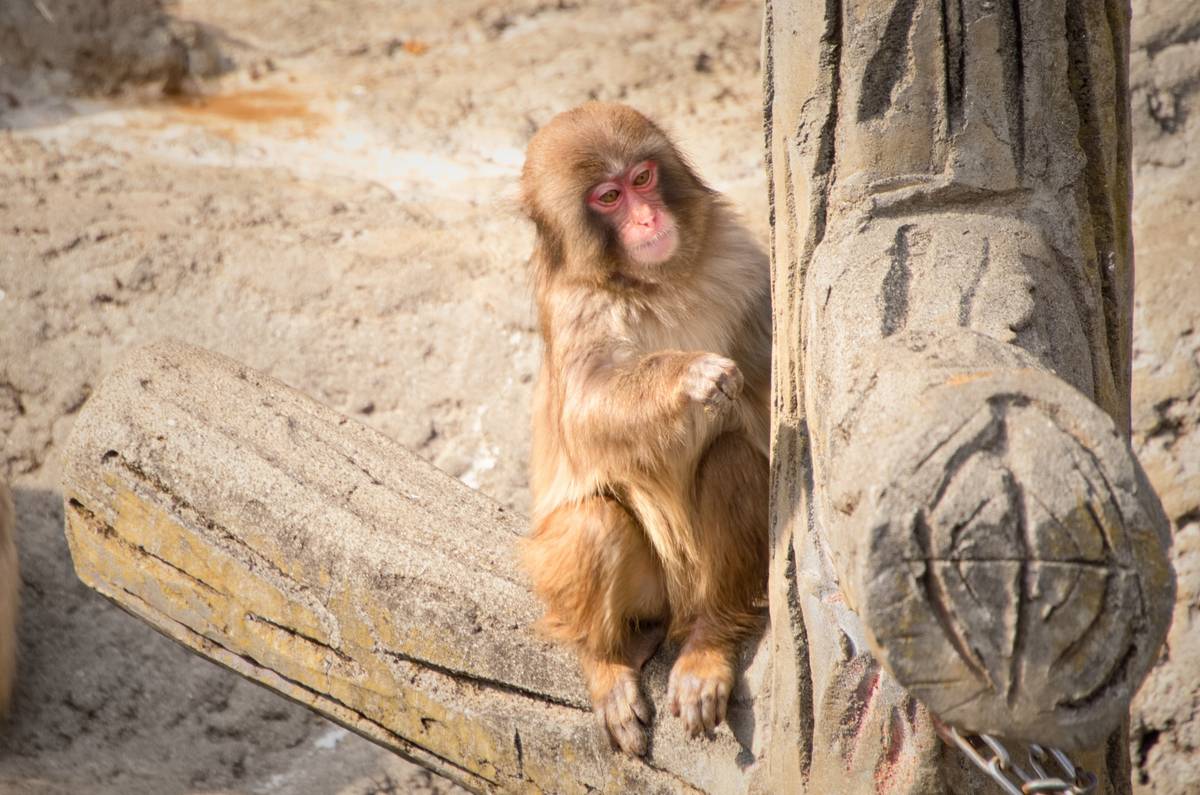
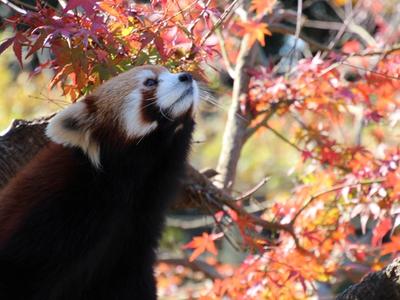
Spanning approximately 60,000 square meters, about 1.3 times the size of Tokyo Dome, this zoo and botanical garden is home to the largest population of red pandas in the Kantō region, along with over 40 species including orangutans, capybaras, and meerkats.
Recently, a young Japanese macaque named Panchi-kun became a social media sensation, turning him from a local favorite into a globally recognized personality.

The petting area lets visitors interact with guinea pigs, goats, and micro pigs up close, making it a hit with both children and adults. Admission is affordable at 440 yen for adults, 110 yen for children, and free for preschoolers.
Chiba’s Oldest Pear-Growing District
Ichikawa is considered the birthplace of pear cultivation in Chiba Prefecture. Today, with 208 hectares under cultivation, it remains the prefecture’s second-largest producer. Along National Route 464, farmers’ direct sales shops cluster together on Ōmachi Pear Street, bustling with visitors seeking freshly harvested fruit in season. The chance to enjoy produce straight from the source, all just a short trip from Tokyo, is part of what makes Ichikawa special.
Ichikawa
Discover stories and insights about Ichikawa