Fujinomiya
富士宮市
Things to Do in and Around Fujinomiya
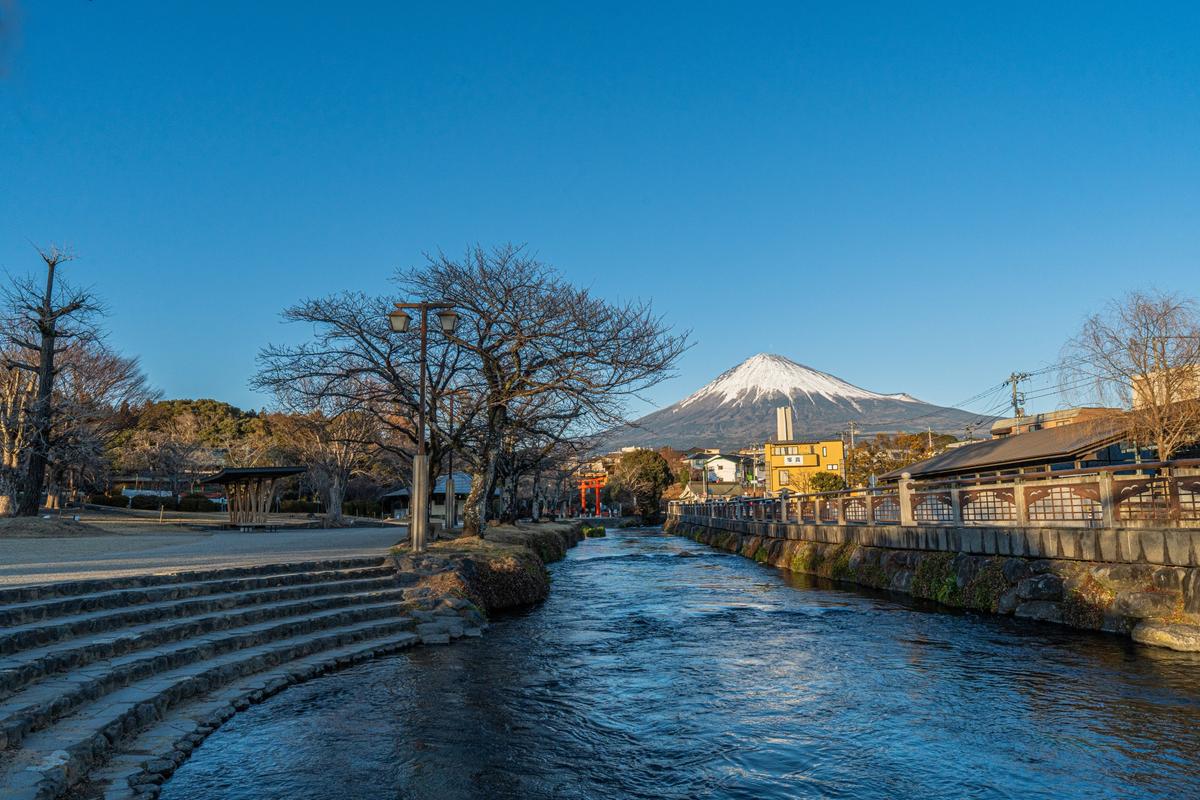
Fujinomiya stretches across the southwestern foot of Mount Fuji and has stood at the heart of Mount Fuji worship for more than a thousand years. Fujisan Hongū Sengen Taisha, the head shrine of more than 1,300 Sengen shrines across Japan, is enshrined here, and the city contains six components of the Mount Fuji World Heritage site. Spring water flowing from the mountain feeds Shiraito Falls, Wakutama Pond, and many other water-related sights throughout the area.
At the same time, this is a place where local everyday foods like Fujinomiya yakisoba have grown into a distinct culture of their own. Dairy farms across the Asagiri Plateau, the Diamond Fuji seen from Lake Tanuki, the Fujinomiya climbing route up Mount Fuji. Faith, nature, and daily life come together in landscapes that give Fujinomiya its character.
Places to visit in Fujinomiya
Where is Fujinomiya?
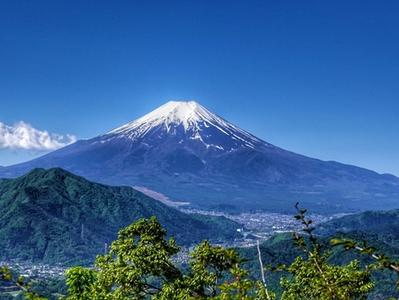
Fujinomiya sits in eastern Shizuoka Prefecture, on the southwestern foot of Mount Fuji. The city covers 389.08 square kilometers and has a population of around 129,000. It grew historically as the temple town serving Fujisan Hongū Sengen Taisha, and the northern part of the city opens onto the highlands of the Asagiri Plateau.


Getting Around
From Tokyo, take the Tōkaidō Shinkansen Kodama to Mishima Station in about an hour, then transfer to the Tōkaidō Line and the Minobu Line to reach Fujinomiya Station. By car, the Tōmei Expressway leads to the Fuji IC in roughly an hour and twenty minutes, and the city center is another fifteen minutes from there. From the Shizuoka side, the Tōkaidō Line reaches Fuji Station in about thirty-five minutes, and the Minobu Line continues on to Fujinomiya Station in about twenty minutes more.
Local buses run from Fujinomiya Station to the main sights, including Sengen Taisha, Shiraito Falls, and the Asagiri Plateau. The city covers a wide area, so it is worth checking bus schedules in advance if you plan to head out as far as the Asagiri Plateau or Lake Tanuki.
Loading map...
About Fujinomiya
Mount Fuji worship, the gift of spring water, and the taste of local home cooking. Walking through Fujinomiya makes it clear how much this single mountain has given to everything around it. A visit takes you from the approach to Sengen Taisha up to the pastures of the Asagiri Plateau, climbing through a city that ranges widely in elevation.
Fujisan Hongū Sengen Taisha and Wakutama Pond
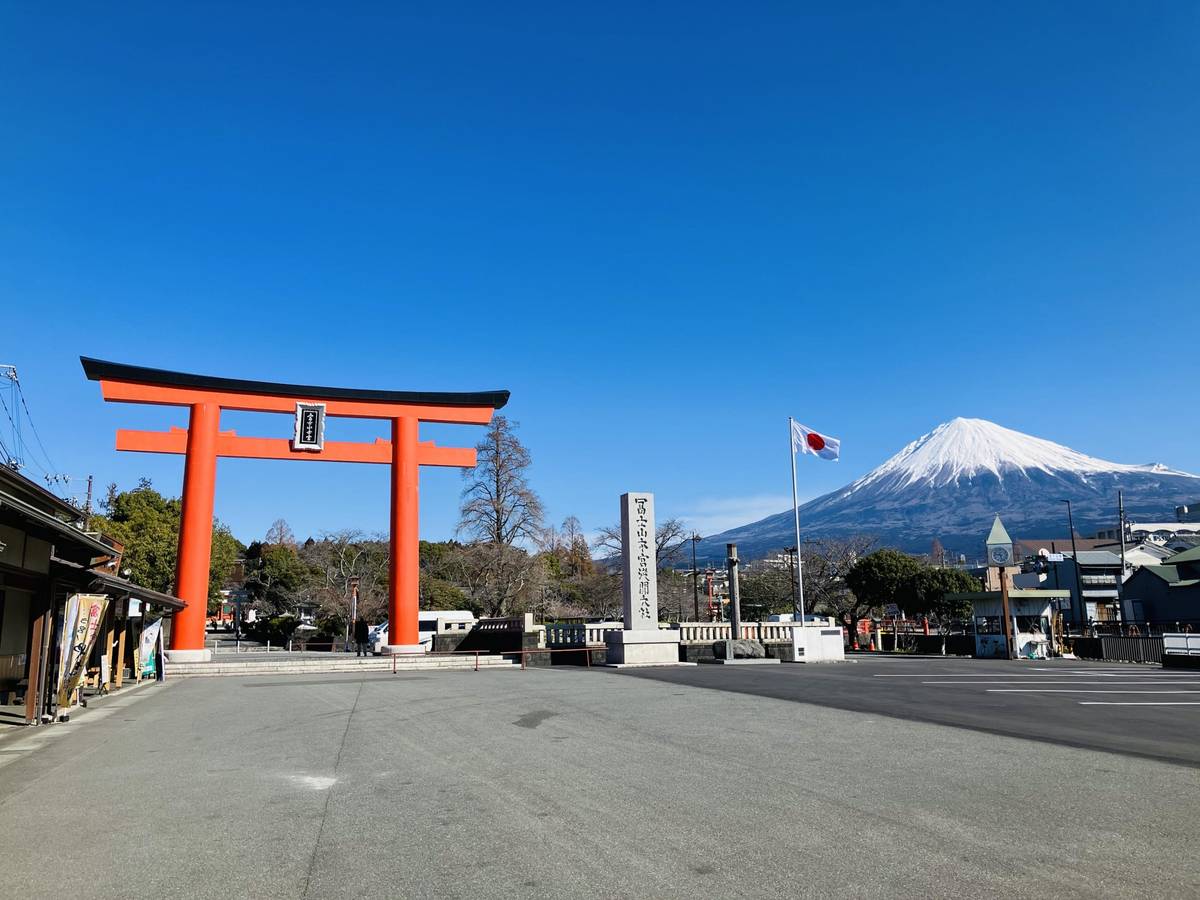
Fujisan Hongū Sengen Taisha is the head shrine of more than 1,300 Sengen shrines across Japan. The deity enshrined here is Konohana-no-Sakuyabime-no-Mikoto, regarded as the goddess of Mount Fuji. Sakanoue no Tamuramaro relocated the shrine to this site in the first year of Daidō (806), and it has remained the center of Mount Fuji worship for more than a thousand years.
The main hall is a two-story Sengen-zukuri structure designated an Important Cultural Property of Japan. The roof is shingled with cypress bark and the pillars are coated in vermilion lacquer. The architecture is restrained, and yet it draws the eye.
Wakutama Pond, set within the shrine grounds, is where the underground waters of Mount Fuji rise to the surface. The water stays at about 13°C year-round, and you can stand at the edge and watch it bubble up from the bottom of the pond without pause. Climbers heading up Mount Fuji once purified themselves here before setting out. The pond is a Special Natural Monument of Japan and one of the components of the Mount Fuji World Heritage site.
Shiraito Falls and the Spring Water of Mount Fuji
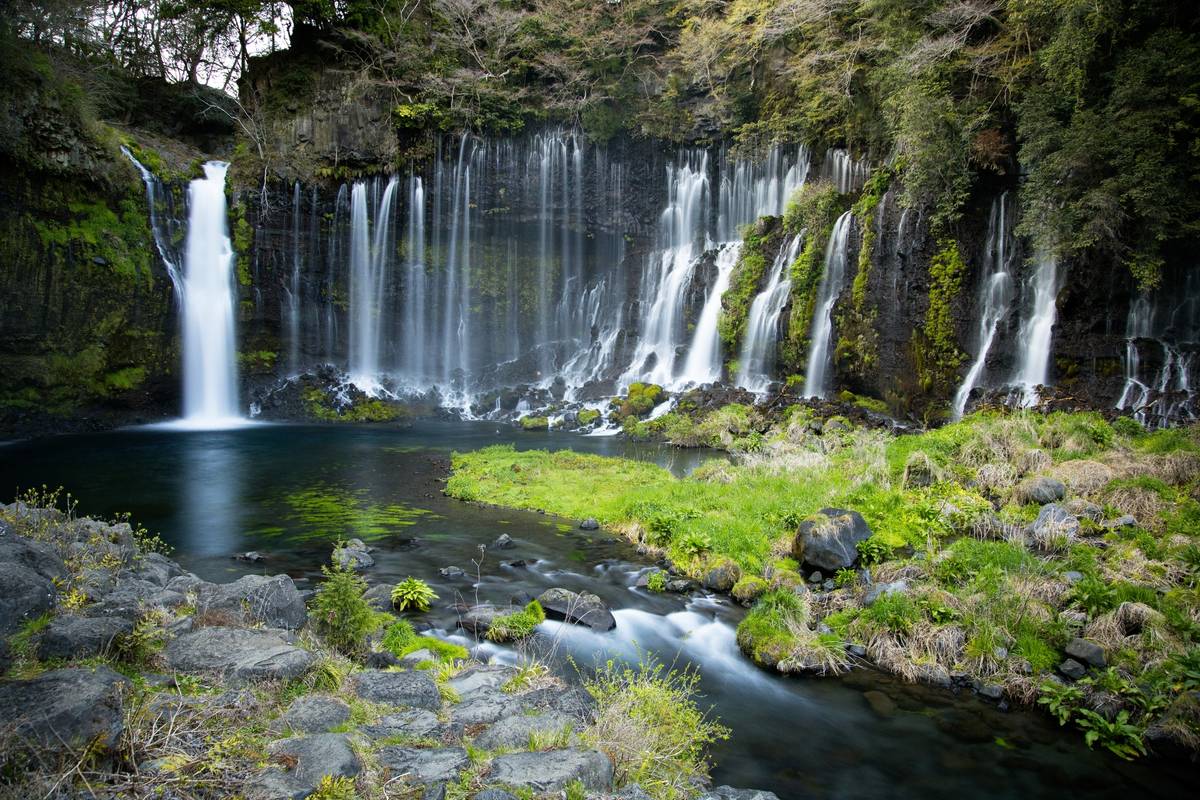
About 20 meters high and 150 meters wide. Shiraito Falls is known for the way countless slender streams pour out together from the seam between two lava layers. The name, meaning white silk threads, comes from how the water looks like strands of silk hanging down. What flows here is not river water but melted snow and rainfall that has soaked into Mount Fuji and emerged through the ground below.
Shiraito Falls is designated both a Place of Scenic Beauty and a Natural Monument of Japan, and is included as a component of the Mount Fuji World Heritage site. Right next to it stands Otodome Falls, a powerful single drop of about 25 meters. Seeing the two waterfalls in succession, you may find yourself struck by how differently the same mountain water can present itself.
Fujinomiya Yakisoba and the Pleasures of Local Food
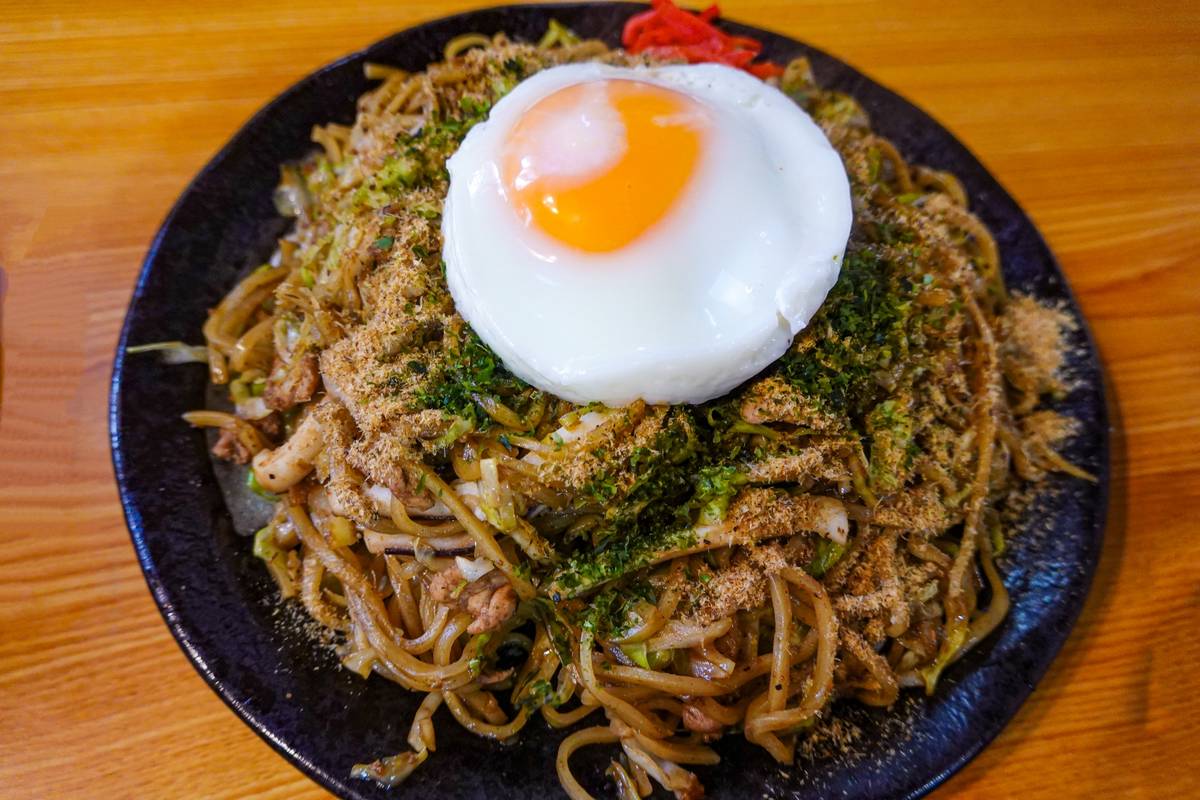
Fujinomiya yakisoba uses noodles made by a distinctive method, steamed and then cooled, which gives them a low moisture content and a firm chewy bite. The dish is finished with crispy lard cracklings called nikukasu and a powder of dried ground sardines. Nikukasu is the residue left after rendering pork fat, fried until crisp. A single plate carries layers of toasty aroma and savory depth.
The dish won back-to-back titles at the first B-1 Grand Prix in 2006 and the second in 2007, but for locals it has been an everyday meal since the Shōwa era. Dropping into different shops around town and comparing the small variations from one cook to the next is part of the experience.
Asagiri Plateau and Views of Mount Fuji
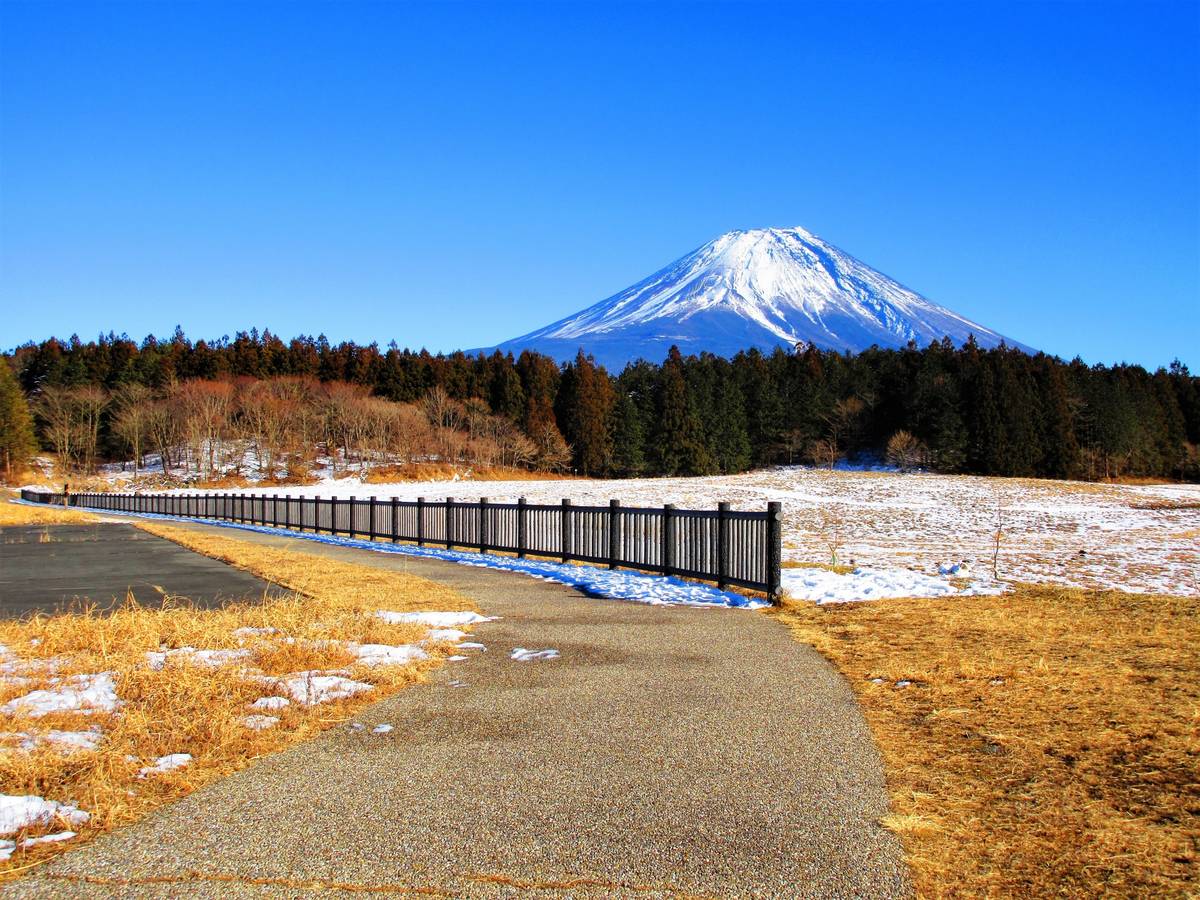
The Asagiri Plateau spreads across the northern part of Fujinomiya at elevations of around 700 to 1,000 meters. The name asagiri means morning mist, and the plateau lives up to it. Fog rolls in easily here, and at dawn it is not unusual for the whole landscape to be wrapped in white. When the mist lifts, a pastoral scene emerges, with black-and-white Holstein cows grazing across the fields.
Dairy farming thrives in the area, producing fresh milk, cheese, and ice cream. Places like Makaino Farm and Fuji Milk Land let visitors taste these highland products on the spot. On clear days, you can take in the entire mountain from foot to summit with nothing in the way. Nowhere else in Fujinomiya offers a view this open.