Niigata
新潟市
Things to Do in and Around Niigata
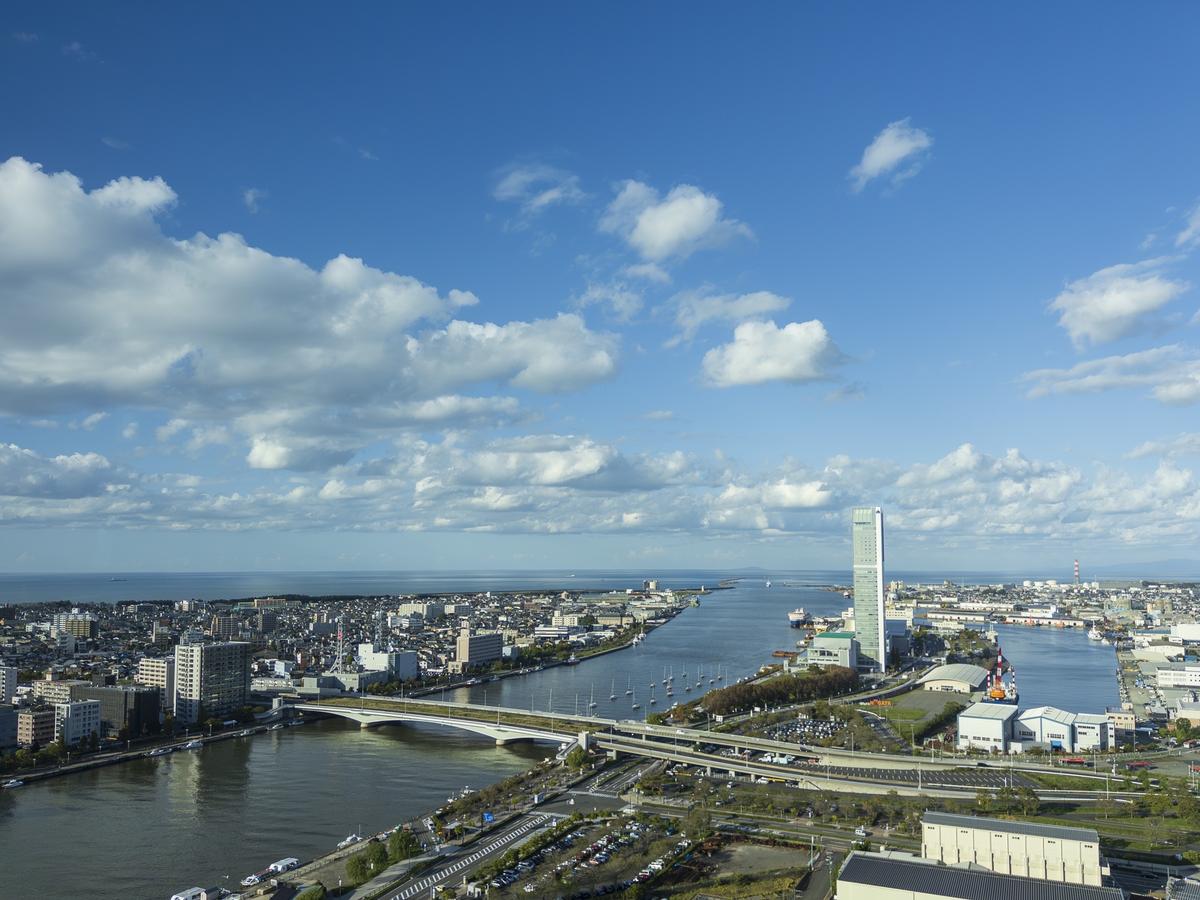
Niigata City spreads across the mouth of the Shinano River and stands as the largest city on the Sea of Japan coast of Honshu, serving as the capital of Niigata Prefecture. In 1869, it was designated one of Japan’s five treaty ports alongside Yokohama and Kobe, and traces of that cosmopolitan port-town heritage still linger throughout the city. Sitting at the heart of the vast Echigo Plain, Niigata is renowned as one of Japan’s foremost rice-producing regions, and the sake culture born from that rice runs deep in everyday life here. From the fading elegance of Furumachi’s geisha quarter to the view along the Shinano River spanned by the nationally designated Bandai Bridge, this is a city that reveals a new face with every block you walk.
Places to visit in Niigata
Where is Niigata?
Niigata City lies in the Kaetsu area of Niigata Prefecture, where the Shinano River meets the Sea of Japan. The Shinano, Japan’s longest river, flows through the city center before emptying into the sea, and the Echigo Plain formed along its basin ranks among the country’s most productive rice-growing regions. The city is divided into eight administrative wards and holds designated-city status with a population of roughly 770,000.
Niigata sits about 250 kilometers from Tokyo in a straight line and is just around two hours away by the Jōetsu Shinkansen, making it surprisingly accessible. Even so, the wet winds blowing off the Sea of Japan bring snow in winter, giving the area a distinctly Sea of Japan-side climate. After months of overcast skies, the arrival of spring feels all the more vivid. When cherry blossoms line the Shinano River and the surrounding rice paddies turn green, the city enters its most radiant season.


Getting Around
From Tokyo, the Jōetsu Shinkansen reaches Niigata Station in as little as one hour and forty minutes, with most trips taking around two hours. From the Osaka area, you can transfer via the Tōkaidō Shinkansen through Tokyo, or fly from Itami Airport to Niigata Airport in about one hour. A limousine bus connects Niigata Airport to Niigata Station in roughly 25 minutes.
Buses are the main way to get around the city. Frequent services run from the Bandai Exit of Niigata Station toward Bandai City and the Furumachi district, and most major sightseeing areas are comfortably covered by bus. The Shinano River waterfront and the Bandai area are compact enough to explore on foot, so walking is the best way to take in the city center. If you plan to venture out to places like the Marinepia Nihonkai aquarium in the suburbs, checking bus schedules ahead of time is a good idea.
Loading map...
About Niigata
A history shaped by its role as a port town, waterfront scenery sculpted by the Shinano River, and the lingering refinement of Furumachi’s geisha quarter. In Niigata City, the food culture of a rice-growing heartland and the cosmopolitan character of a treaty port overlap in a way found nowhere else. Rather than rushing between marquee attractions, this may be a city best appreciated at a slower pace, walking along the river and soaking in the atmosphere.
Bandai Bridge and the Shinano River Waterfront
Bandai Bridge, widely regarded as the symbol of Niigata City, is a series of continuous arches spanning the Shinano River. The current bridge was completed in 1929 and is designated a nationally Important Cultural Property. Stretching roughly 307 meters with six granite arches in succession, it cuts a striking figure in daylight, but the view is especially memorable at dusk, when the sky over the Sea of Japan turns deep orange.
The area around the bridge is part of the Yasuragi Levee, a landscaped promenade along the Shinano River that draws crowds for its cherry blossoms in spring and its fireworks during the Niigata Festival in summer. On the opposite bank, the observation deck at Toki Messe offers panoramic views from about 125 meters above ground, taking in the mouth of the Shinano River, the open Sea of Japan, and on clear days, Sado Island in the distance.
Furumachi and the Legacy of the Geisha Quarter
Cross Bandai Bridge and you arrive in Furumachi, the historic heart of Niigata dating back to the Edo period. It was once counted among Japan’s three great geisha districts alongside Gion in Kyoto and Shinbashi in Tokyo, and at its peak several hundred geisha were active here. A number of geisha still carry on this tradition today, performing at banquets in traditional restaurants and at public events held several times a year, where visitors can experience Niigata’s classical performing arts firsthand.
Walking through the Furumachi area, you will come across the Former Saito Villa. Built during the Taishō era by the wealthy merchant Saito family, this modern Japanese-style residence and its strolling garden are together designated a nationally Important Cultural Property. The garden viewed from the tatami rooms shifts with the seasons, and the autumn foliage and winter snow scenes are particularly striking. The quiet grandeur of this estate speaks volumes about just how prosperous this port town once was.
Tracing the History of a Port Town
Niigata Port was chosen in 1869 as one of five treaty ports under the new Meiji government. Along with Yokohama, Kobe, Nagasaki, and Hakodate, it opened to foreign trade as the only such port on the Sea of Japan coast. Flourishing through commerce with Russia and mainland China, that prosperity gave rise to the geisha culture and the lavish merchant estates introduced earlier.
Adjacent to the port, Minatopia serves as the Niigata City History Museum, telling the story of this port town’s journey. The grounds include Meiji-era structures such as the former Niigata Customs House, and the buildings themselves form part of the exhibition. Themes like river transport on the Shinano, trade via the Kitamae-bune merchant ships, and the transformation of the city after the port opened are presented through models and historical artifacts in a compact, well-organized space. Visiting here before exploring the rest of the city gives you a sense of the layers beneath the surface and will change the way you see Niigata.
Exploring Niigata’s Food Culture
In Niigata City, a rice-producing heartland, the pleasures of rice-related cuisine are endless. Several sake breweries are scattered across the city, including Imayotsukasa Sake Brewery, and some offer tours and tastings. The humid Sea of Japan climate, high-quality water, and locally grown rice produce sake known for its tanrei karakuchi style, a clean, dry, and delicate character.
When it comes to eating, be sure to try tare katsudon, a dish that originated in Niigata City. Thinly sliced pork is breaded, deep-fried, dipped in a sweet-savory shōyu-based sauce, and served over rice. It has a lighter touch than the better-known sauce katsudon and a flavor all its own. Another local specialty worth seeking out is Italian, a Niigata City original that might catch you off guard with its appearance: thick yakisoba noodles topped with tomato sauce. A beloved everyday food found at food courts and snack stands, it has been a local favorite for generations.