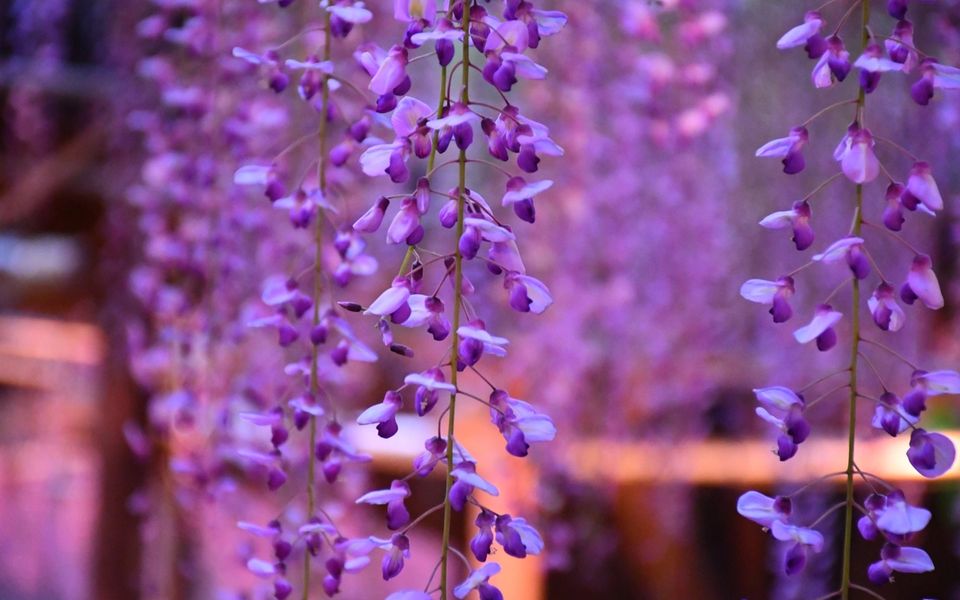
Demon Slayer Real Life Locations Guide: Visit the Places Connected to the Characters
Demon Slayer: Kimetsu no Yaiba is a manga by Koyoharu Gotouge that was serialized in Weekly Shōnen Jump from 2016 to 2020. It was adapted into an anime in…
宝満宮竈門神社
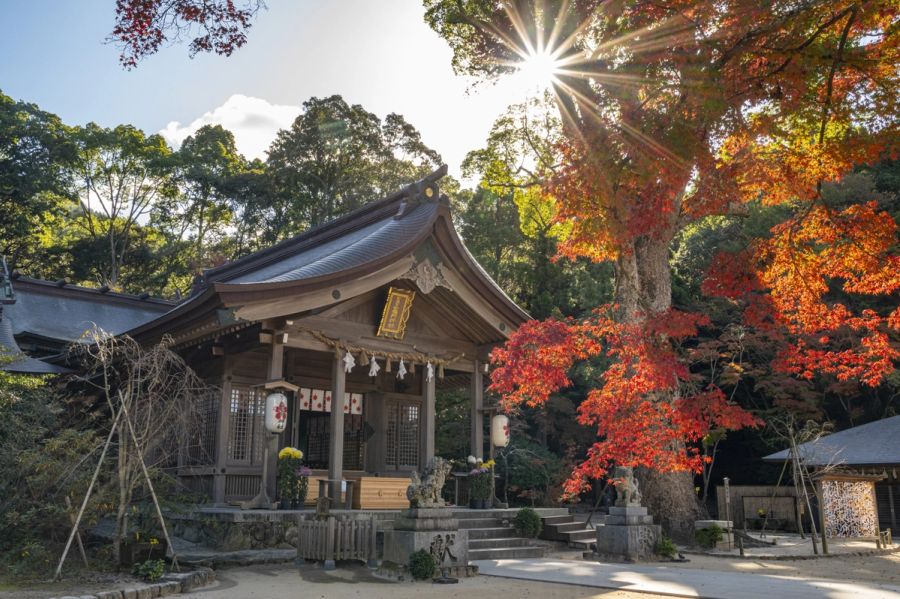
This shrine in Dazaifu City, Fukuoka Prefecture, has been revered since ancient times as a place of prayer for matchmaking, protection from bad directions (hoyoke), and warding off misfortune (yakuyoke). With a history spanning over 1,350 years since its founding, Homangu Kamado Shrine has long been cherished by locals and visitors alike. It sits close to Dazaifu Tenmangu, the famous shrine dedicated to the god of learning, making it easy to visit both in a single trip.
The shrine is believed to have been founded during the Heian period, and it drew widespread devotion as a site where Shinto and Buddhist practices existed side by side, a tradition known as shinbutsu shugo. During the Kamakura period, it became a training ground for Shugendo, a form of mountain asceticism blending elements of Buddhism and Taoism. After a period of decline, the shrine was revived as a training hall for yamabushi, or mountain ascetic practitioners. The Meiji-era policy of shinbutsu bunri stripped away its Buddhist elements, but Shugendo training continues at the site to this day.
The shrine stands on the sacred slopes of Mt. Homan, surrounded by lush nature, and is well known as a spot for cherry blossoms in spring and autumn foliage. The grounds also hold the Saikachi Tree, said to have been planted by Empress Jingu as a prayer for reunion with loved ones, and an observation deck offering sweeping views over Dazaifu City.
The shrine shares the name Kamado with the series' protagonist Kamado Tanjiro. It was originally founded as protection against the demon gate (kimon-yoke), and Shugendo practitioners here wear the same checkered pattern (ichimatsu) as Tanjiro's haori jacket. These connections have led fans to speculate that the shrine may have inspired Demon Slayer (Kimetsu no Yaiba). Many fans visit to draw characters from the series on ema, the wooden votive tablets offered at the shrine.
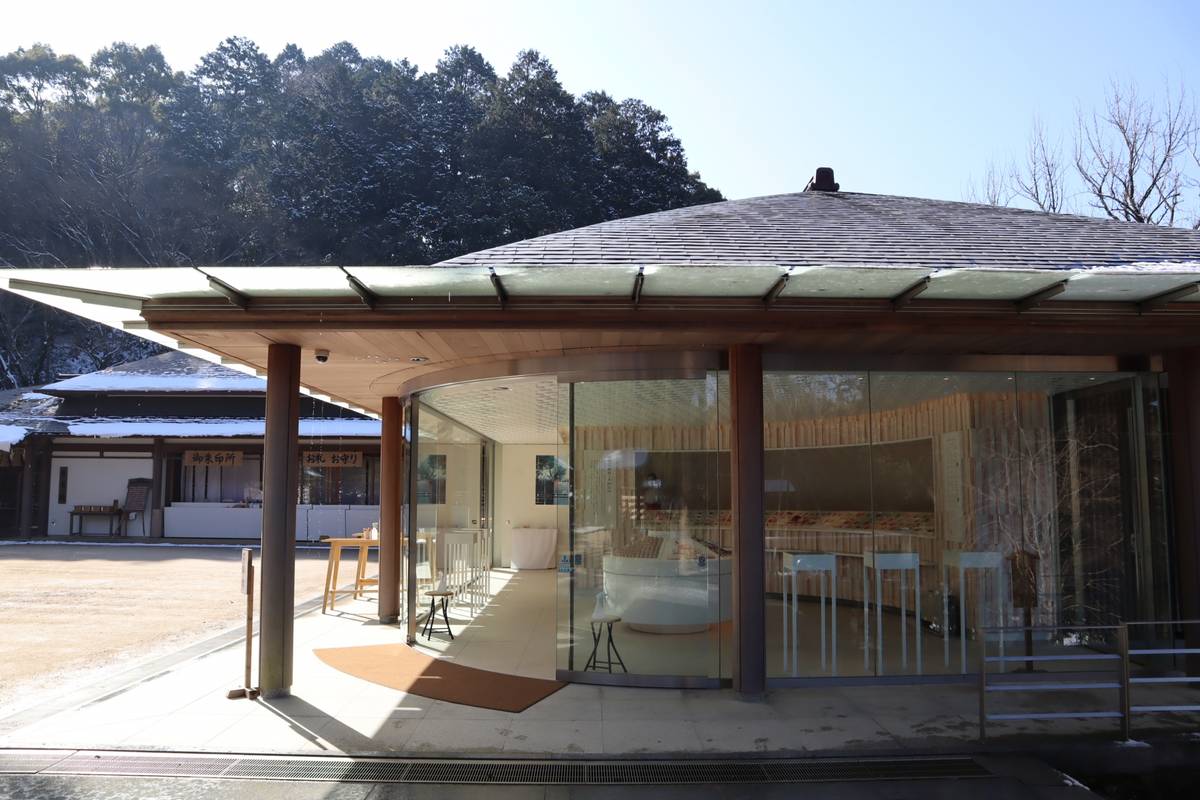
The juyosho, where visitors can receive ema, omamori (protective charms), and goshuin (shrine seals), has a clean, soft atmosphere with a white and pale pink color scheme. There is no Demon Slayer merchandise, but the omamori here are popular both as personal keepsakes and souvenirs thanks to their accessory-like elegance. Paired with the cherry blossoms and azaleas that bloom around the grounds, the shrine has earned a reputation as a photogenic destination.
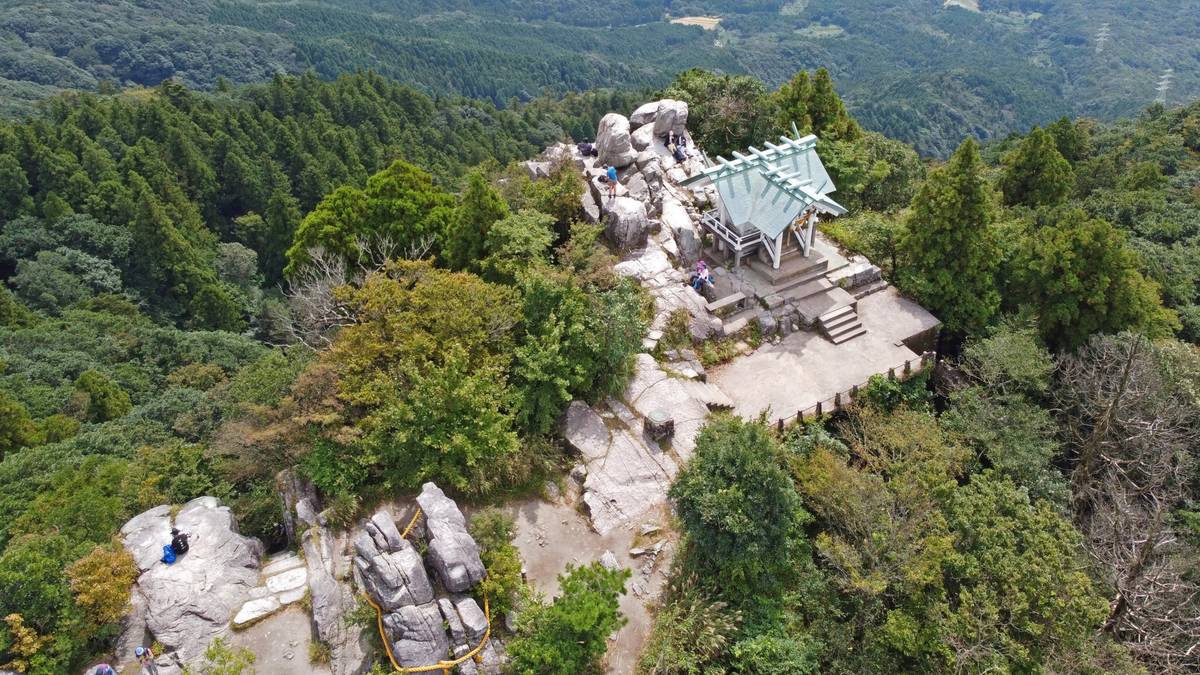
Homangu Kamado Shrine serves as the starting point for the main trail up Mt. Homan. The route is well maintained, but rocky sections and steep inclines make proper hiking gear and preparation essential. Near the summit, the Heavenly Torii has become a favorite photo spot for the way it appears to extend into the sky, and the view is especially breathtaking at dusk or when a sea of clouds rolls in. On a clear day, the peak offers a sweeping panorama that stretches all the way to the Ariake Sea.
〒818-0115 883 Uchiyama, Dazaifu, Fukuoka
Loading map...
The anime, manga, and games that feature Houmangu Kamado Shrine in real life.
Demon Slayer: Kimetsu no Yaiba is a manga by Koyoharu Gotouge that was serialized in Weekly Shōnen Jump from 2016 to 2020. It was adapted into an anime in…
Last Updated:
New articles and updates, delivered occasionally.
No spam. Unsubscribe anytime.