Yasukuni Shrine
靖国神社
About Yasukuni Shrine
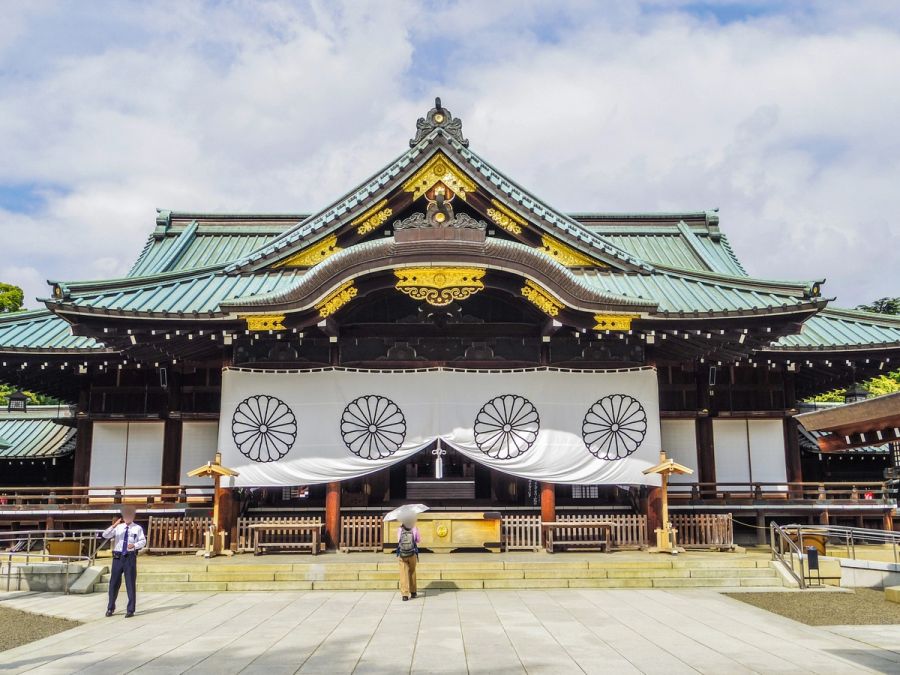
Yasukuni Shrine was built in Tokyo's Kudan district in 1869 as a place to enshrine the souls of those who gave their lives for the nation in war. In Shinto, Japan's indigenous faith, there is a tradition of enshrining and pacifying the spirits of the deceased as deities. Yasukuni is specifically dedicated to those who died in service of their country. It is also one of the five shrines on the Tokyo Gosha Meguri, a pilgrimage route connecting five of Tokyo's most prestigious shrines.
The name "Yasukuni" means "peaceful nation." It was chosen by Emperor Meiji from a passage in a Chinese classic text.
History and the Enshrined
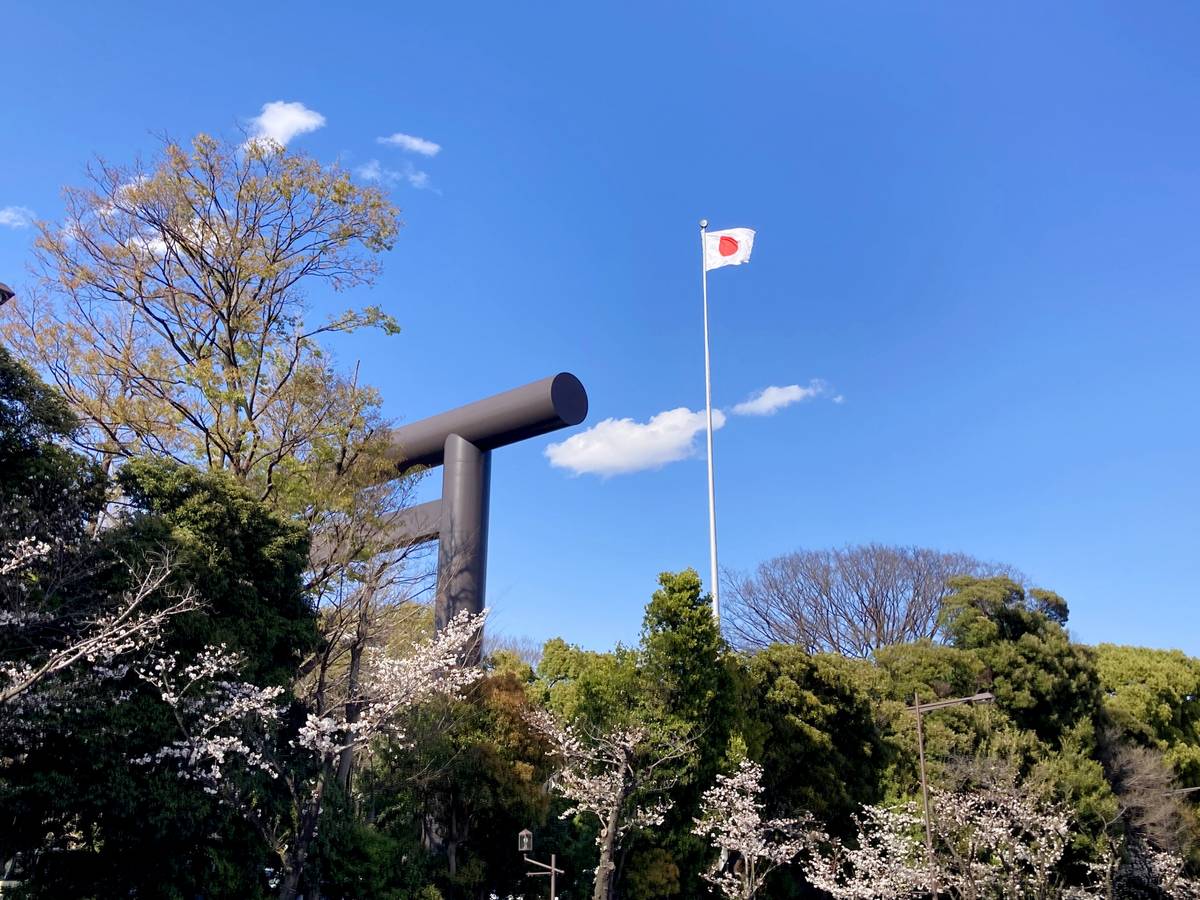
The shrine's origins trace back to the aftermath of the Boshin War, a civil war that broke out in 1868. The Meiji government established it under the name Tōkyō Shōkonsha as a memorial for approximately 3,600 soldiers who had fought and died for the new government. It was renamed Yasukuni Shrine in 1879. In the decades that followed, those who fell in the Sino-Japanese War, the Russo-Japanese War, and the Second World War were enshrined here. Today, approximately 2,466,000 souls are honored at the shrine.
Yasukuni is one of the select shrines where the Emperor personally offers prayers. Among those enshrined are individuals held responsible for war crimes during the Second World War, a matter that continues to be debated both within Japan and internationally.
Yūshūkan
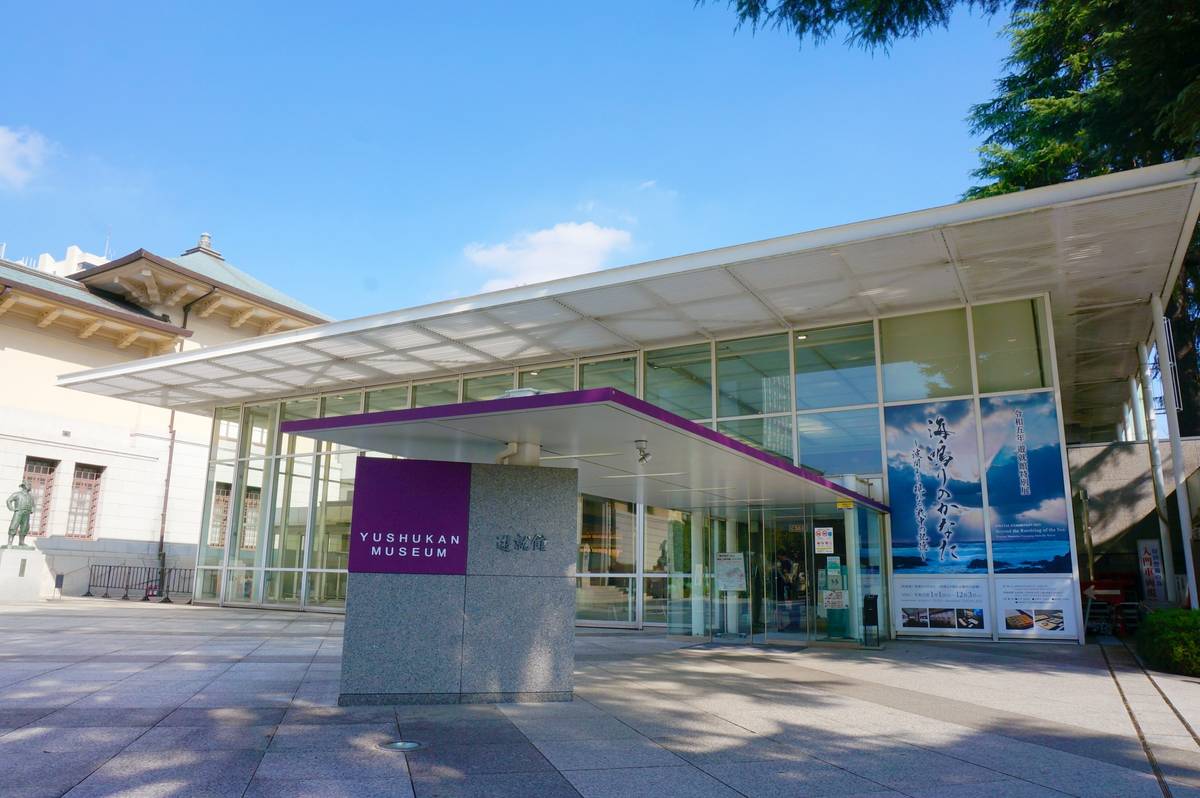
The Yūshūkan, a history museum located within the shrine grounds, first opened its doors in 1882. Of its approximately 100,000 items, around 3,000 are on permanent display.
Step inside and the first thing to catch your eye is an actual Zero Fighter, the carrier-based aircraft that became synonymous with the Second World War. Other exhibits include the Kaiten, a human-guided torpedo used as a suicide weapon. The full-scale artifacts throughout the museum convey a weight and scale that no textbook can match. Admission is free, and the museum is open from 9:00 to 16:30.
The Cherry Blossom Sample Tree and Mitama Matsuri
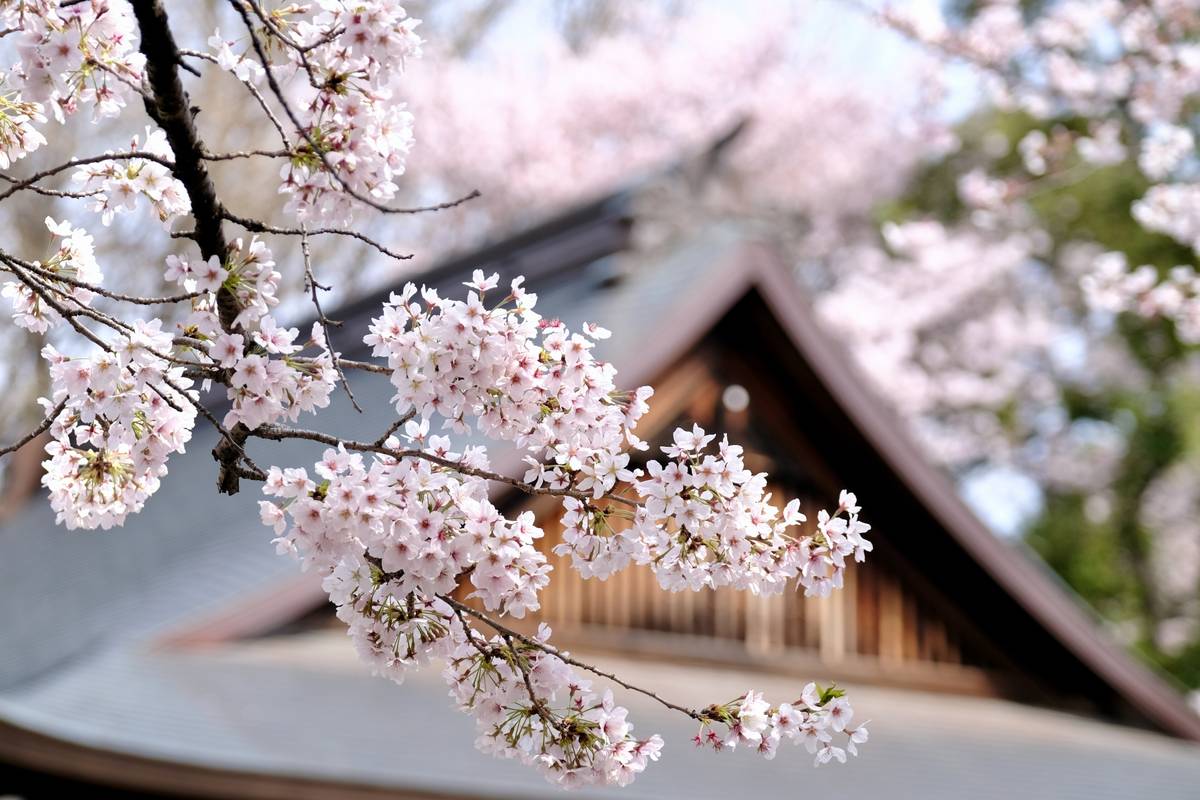
Yasukuni Shrine is home to the sample tree that the Japan Meteorological Agency uses to officially declare the arrival of cherry blossom season in Tokyo. Each spring, when news reports announce that cherry blossoms have bloomed in the capital, it is this very tree being observed. From late March to early April, around 500 cherry trees across the grounds burst into bloom together.
Summer's highlight is the Mitama Matsuri, held from July 13 to 16. This festival, dedicated to comforting the souls of the fallen, illuminates the shrine grounds with over 30,000 lanterns. Traditional performing arts from across Japan are offered in dedication, alongside bon odori folk dancing and Aomori's Nebuta, a festival from the Tōhoku region where enormous paper-covered floats parade through the streets. Over 300,000 visitors attend each year, making it one of Tokyo's largest summer festivals.
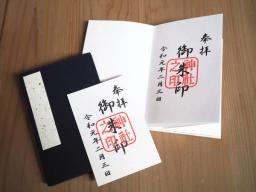
The customary way to pray is to bow twice, clap twice, and bow once more. Goshuin, calligraphic seal stamps given as a memento of one's visit, are also popular here, with four varieties available including embroidered designs that change with the seasons.
〒102-0073 3-chōme-1-1 Kudankita, Chiyoda City, Tokyo
Loading map...
Stories about this place
Discover stories and insights about Yasukuni Shrine
Last Updated: