Tokyo Daijingu
東京大神宮
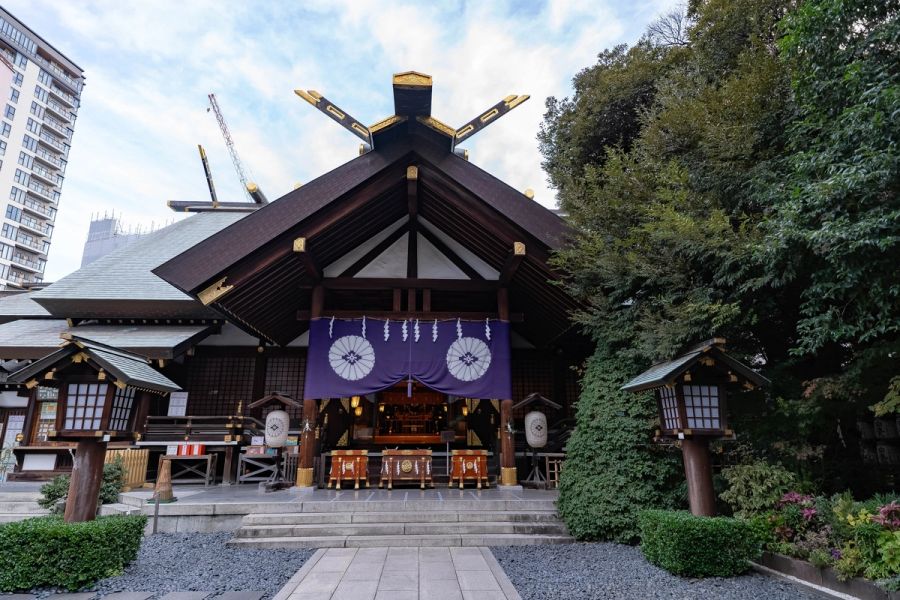
About Tokyo Daijingu
Tokyo Daijingu was founded in 1880 as a yōhaiden, a place of worship from afar, for Ise Jingū, the most sacred shrine in Japan. A yōhaiden allowed people to offer prayers to a distant shrine without making the journey themselves. For the people of Tokyo who could not travel all the way to Ise, it became a familiar place to pay their respects. The shrine is also widely known for its blessings in romantic matchmaking and is one of the five shrines on the Tokyo Gosha Meguri pilgrimage route.
From Yūrakuchō to Iidabashi
The shrine was originally called Hibiya Daijingū. It was built on the former estate of Ōkuma Shigenobu, a prominent Meiji-era statesman, in the Yūrakuchō district. In 1923, the Great Kantō Earthquake devastated the area, and the shrine relocated to its current site in Iidabashi in 1928. It was later renamed Tokyo Daijingu in 1946.
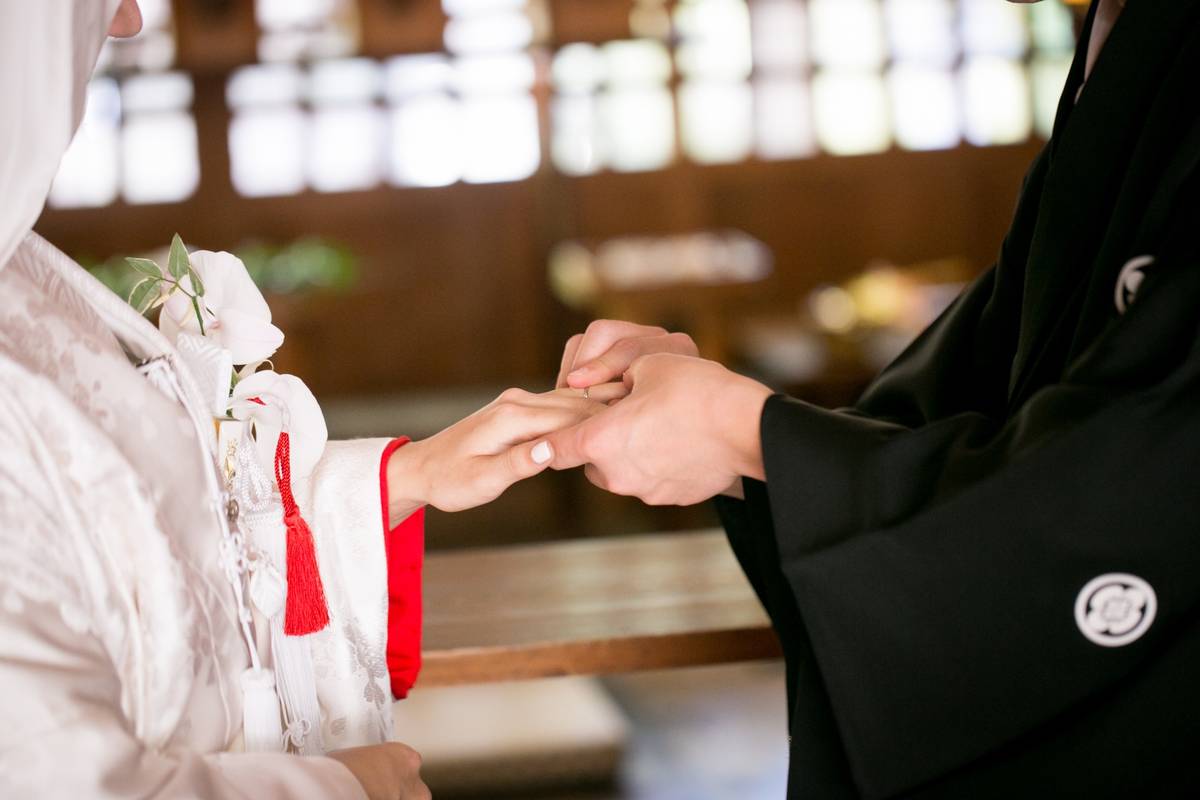
This shrine left a lasting mark on Japanese wedding culture. In 1900, it became the first shrine to hold a Shinto wedding ceremony open to the general public, in celebration of the Crown Prince's marriage. A Shinto wedding follows the sacred rituals of Japan's indigenous faith. The tradition lives on, with couples continuing to mark life's milestones here each year.
A Shrine for Romantic Blessings
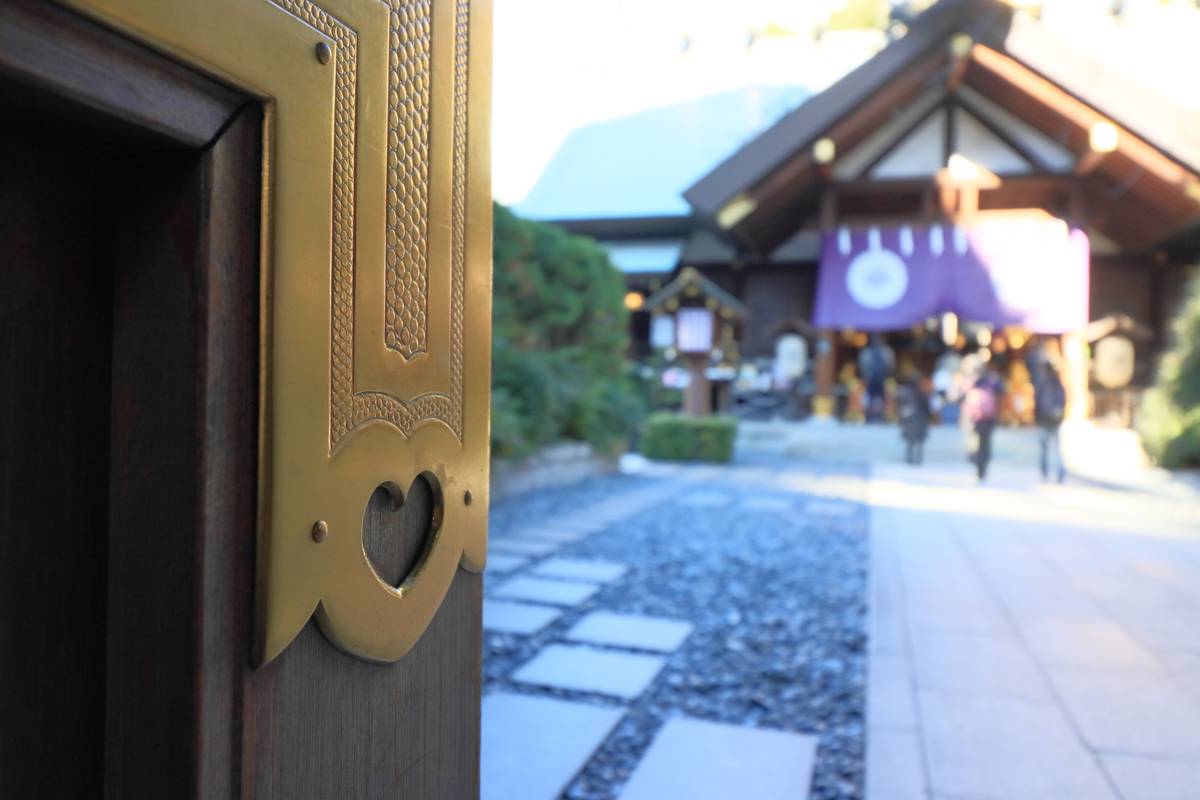
Heart-shaped decorations adorn the shrine gate and prayer hall. Known as inome, this traditional motif has been used since the Nara period as a charm to ward off fire and evil spirits. Because it resembles a heart, it has come to be embraced as a symbol of romance.
Enmusubi, praying for good relationships and romantic fulfillment, is what Tokyo Daijingu is best known for. The shrine offers more than 40 types of omamori, small protective charms received at shrines. Among the most popular are lily-of-the-valley love charms and koi-mikuji, fortune slips specifically for romance.
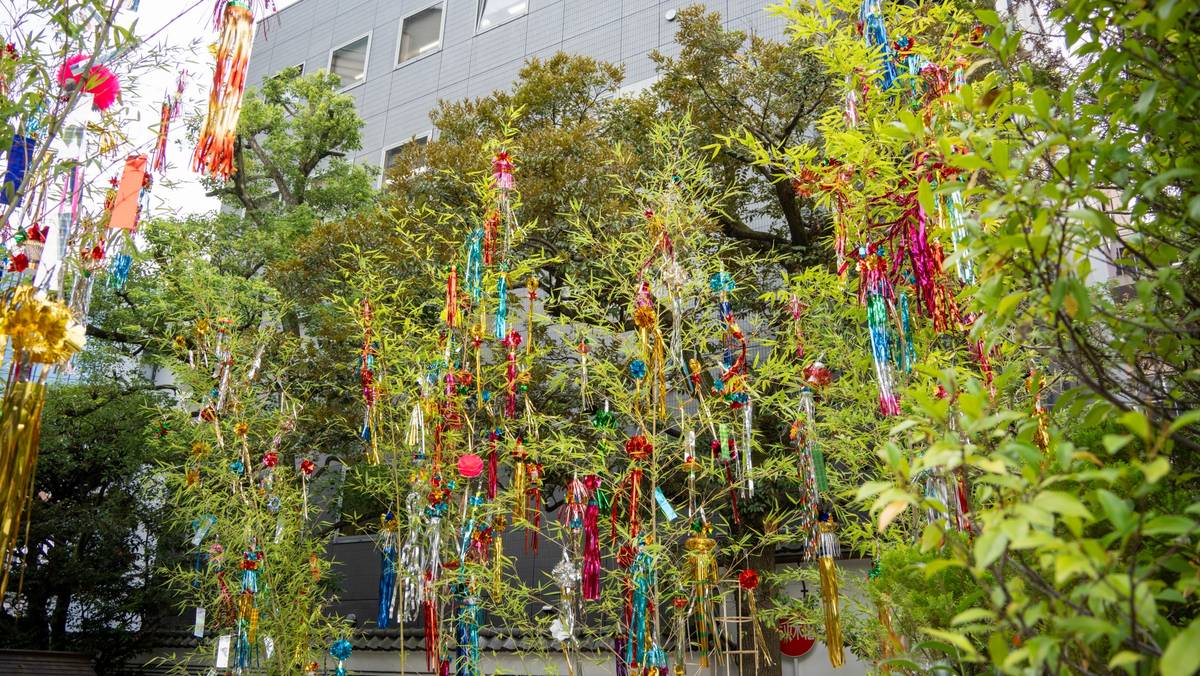
Every July, the shrine holds its Tanabata Prayer Festival. Tanabata is a Japanese summer tradition rooted in the legend of two star-crossed lovers, Orihime and Hikoboshi, where people write wishes on small strips of paper and hang them on bamboo branches. The approach to the shrine is beautifully lit up for the occasion, and seasonal omamori are available for a limited time. The shrine also offers goshuin, calligraphic seal stamps given as a memento of one's visit, with original goshuin books available as well.
Hanachōzu
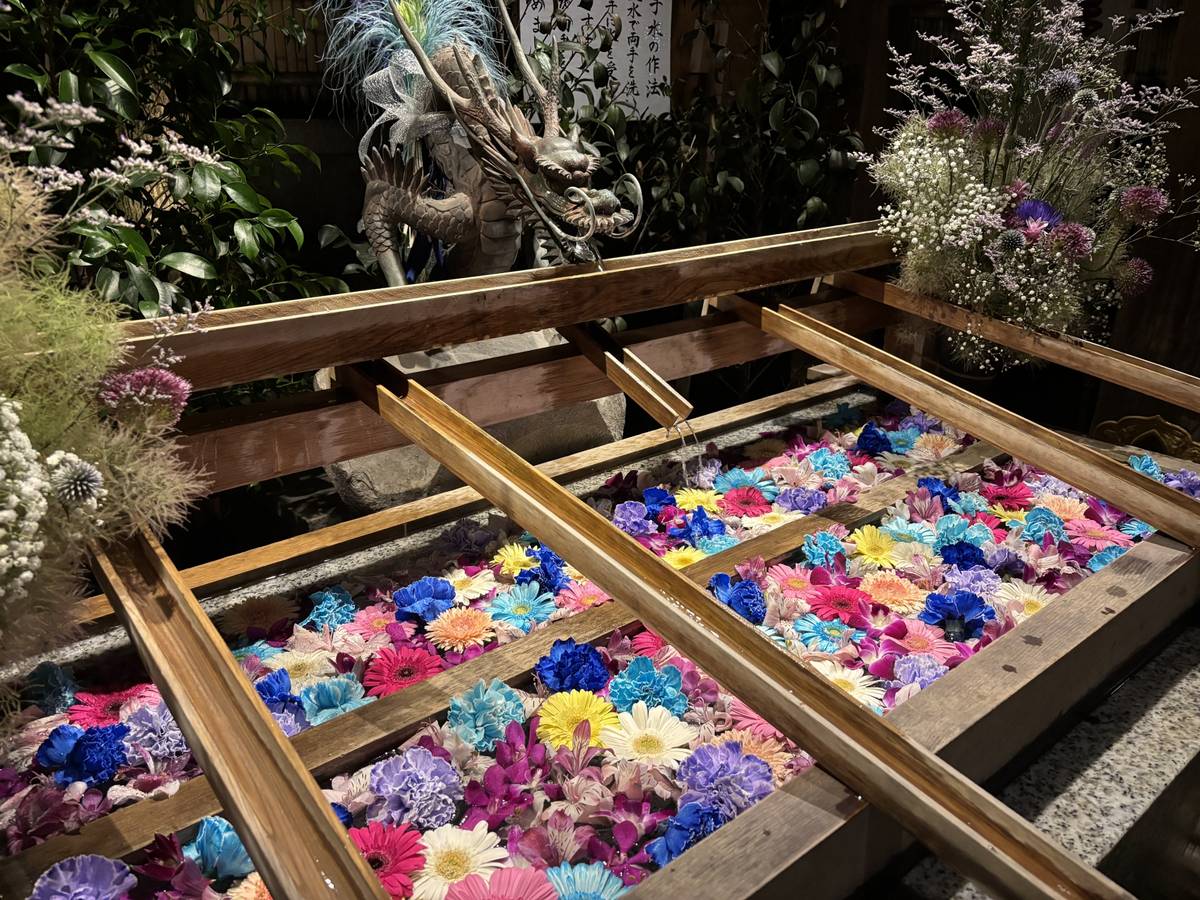
A temizuya is a water basin at a shrine where visitors purify their hands and mouth before praying. At Tokyo Daijingu, this basin is adorned with seasonal flowers in a practice known as hanachōzu, creating a colorful display of blossoms floating on the water's surface that has become a popular photo spot. The flowers change with the seasons, from roses and gerberas in spring to hydrangeas and sunflowers in summer, offering a different scene with every visit.
Its Place in the Tokyo Gosha Meguri
Tokyo Daijingu is located a short distance from Yasukuni Shrine, making it a natural part of the Tokyo Gosha Meguri pilgrimage route. Each of the five shrines has its own distinct history and character. What sets Tokyo Daijingu apart is its unique origin as a yōhaiden for Ise Jingū. It enshrines Amaterasu Ōmikami, the sun goddess, and Toyouke no Ōmikami, the goddess of food, the principal deities of Ise Jingū, offering visitors a way to pay respects to the gods of Ise without leaving Tokyo.
〒102-0071 2-chōme-4-1 Fujimi, Chiyoda City, Tokyo
Loading map...
Stories about this place
Discover stories and insights about Tokyo Daijingu
Last Updated: