Hie Shrine
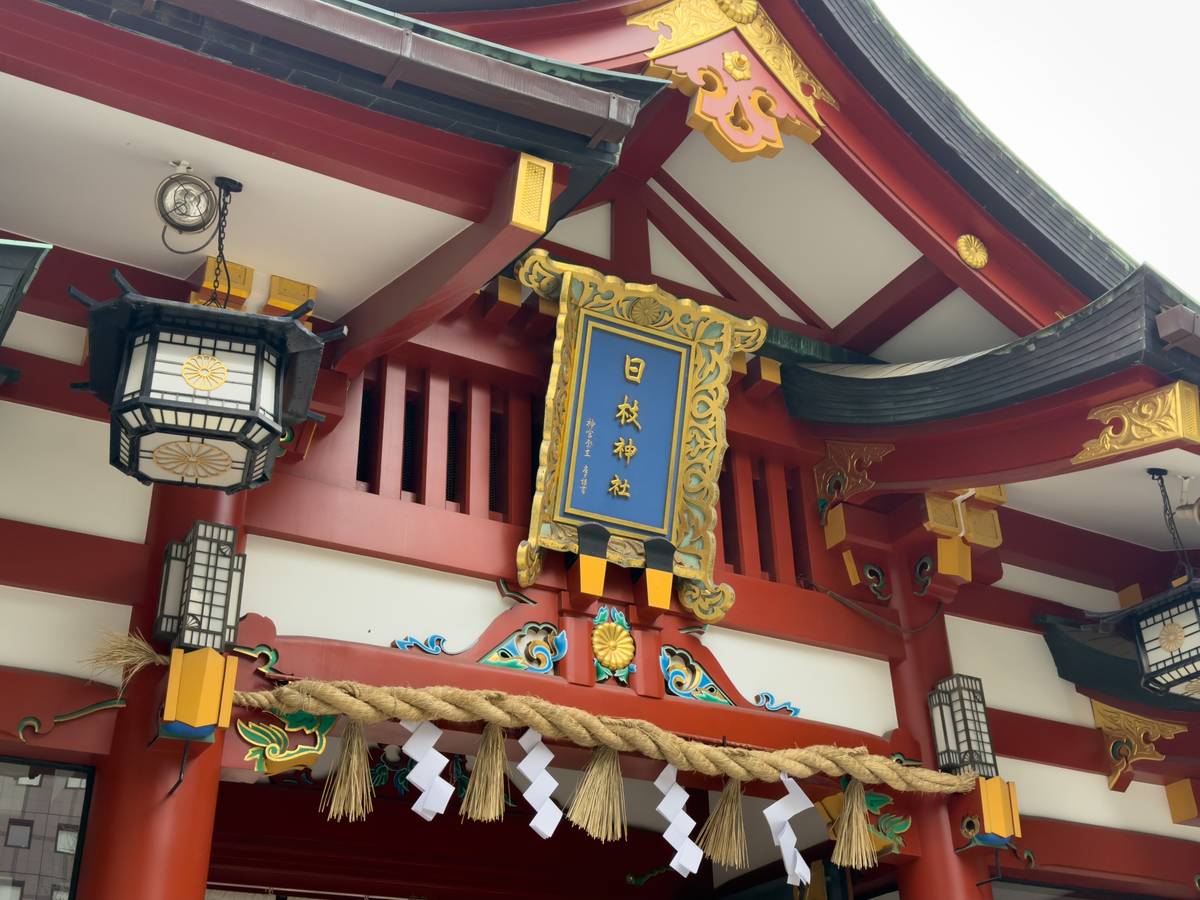
日枝神社
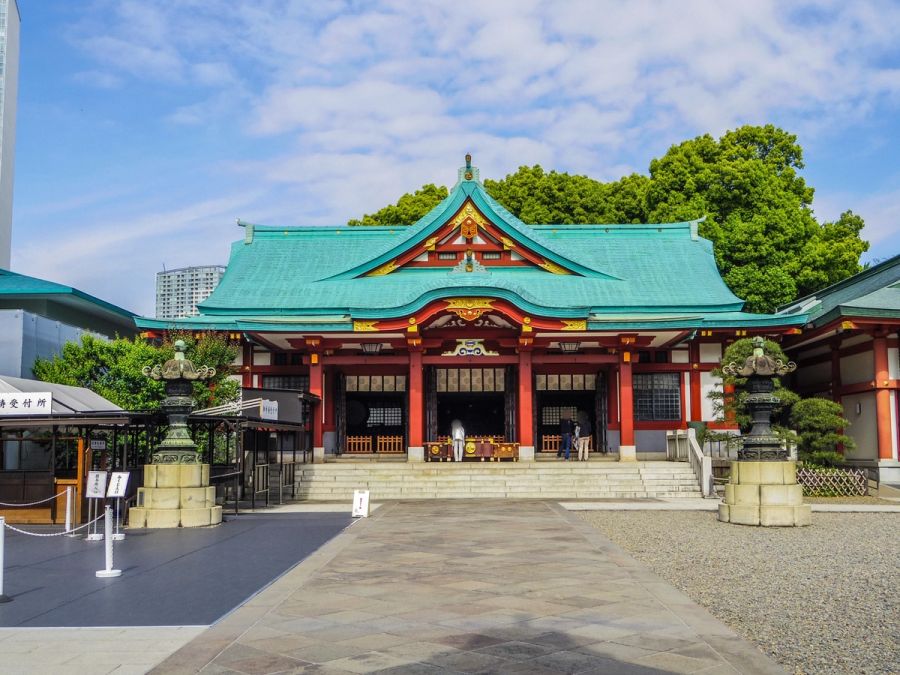
About Hie Shrine
Nagatachō is home to Japan's National Diet Building and the Prime Minister's residence. Nestled in this political heart of the capital, a shrine stands wrapped in deep greenery and silence. Hie Shrine has served as the guardian deity of Edo Castle for over 500 years and is one of the five shrines on the Tokyo Gosha Meguri pilgrimage route.
Guardian of Edo Castle
In the 15th century, the Muromachi-period warrior Ōta Dōkan is said to have invited the deity of Sannō from Kawagoe to serve as the protector of Edo Castle. The Sannō faith traces its origins to Hiyoshi Taisha, a shrine at the base of Mount Hiei on the border of Shiga and Kyoto. Under the patronage of the Tokugawa clan, who established the Edo shogunate, Hie Shrine grew into the revered guardian of both Edo Castle and its surrounding castle town. Its principal deity, Ōyamakui no Kami, is a god who presides over the workings of the mountains. Samurai and townspeople alike are said to have come here to pray.
The Sannō Matsuri, Once Called the Tenka Matsuri
Held in June of even-numbered years, the Sannō Matsuri is one of Edo's three great festivals. During the Edo period, it was known as the Tenka Matsuri, a festival grand enough for the shōgun himself to observe. The highlight is the Shinkōsai procession, a roughly 500-meter parade through the heart of the city. Dashi, elaborately decorated festival floats, and mikoshi, portable shrines carried on the shoulders of bearers, wind their way through modern office towers, a vivid reminder that Edo's festival culture lives on.
Sacred Monkeys and Shrine Highlights
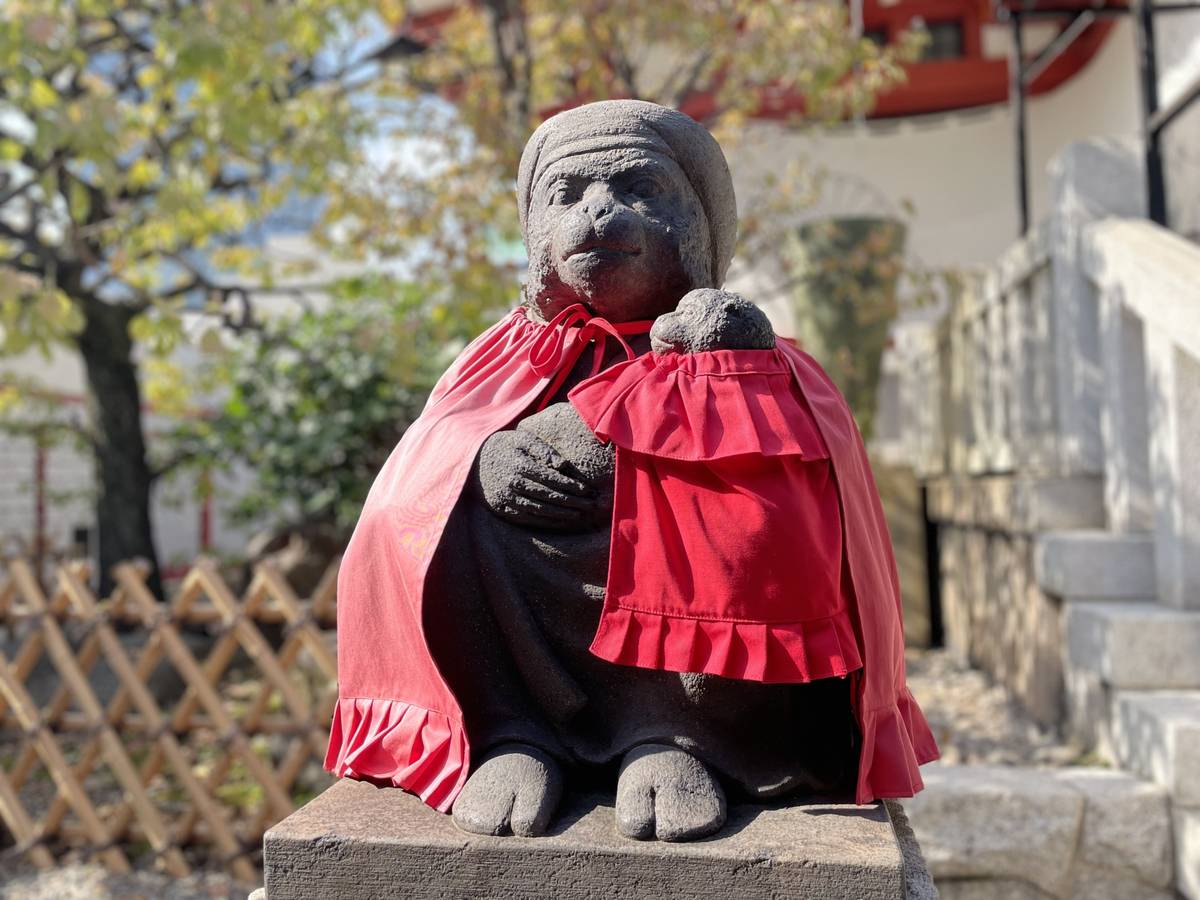
In the Sannō faith, monkeys are regarded as divine messengers. In Japanese, the word for monkey, saru, sounds like the words for "warding off evil" and "surpassing," making the animal a symbol of good fortune since ancient times. A pair of monkey statues, one male and one female, sits within the grounds, and monkey-shaped omamori are a favorite among visitors.
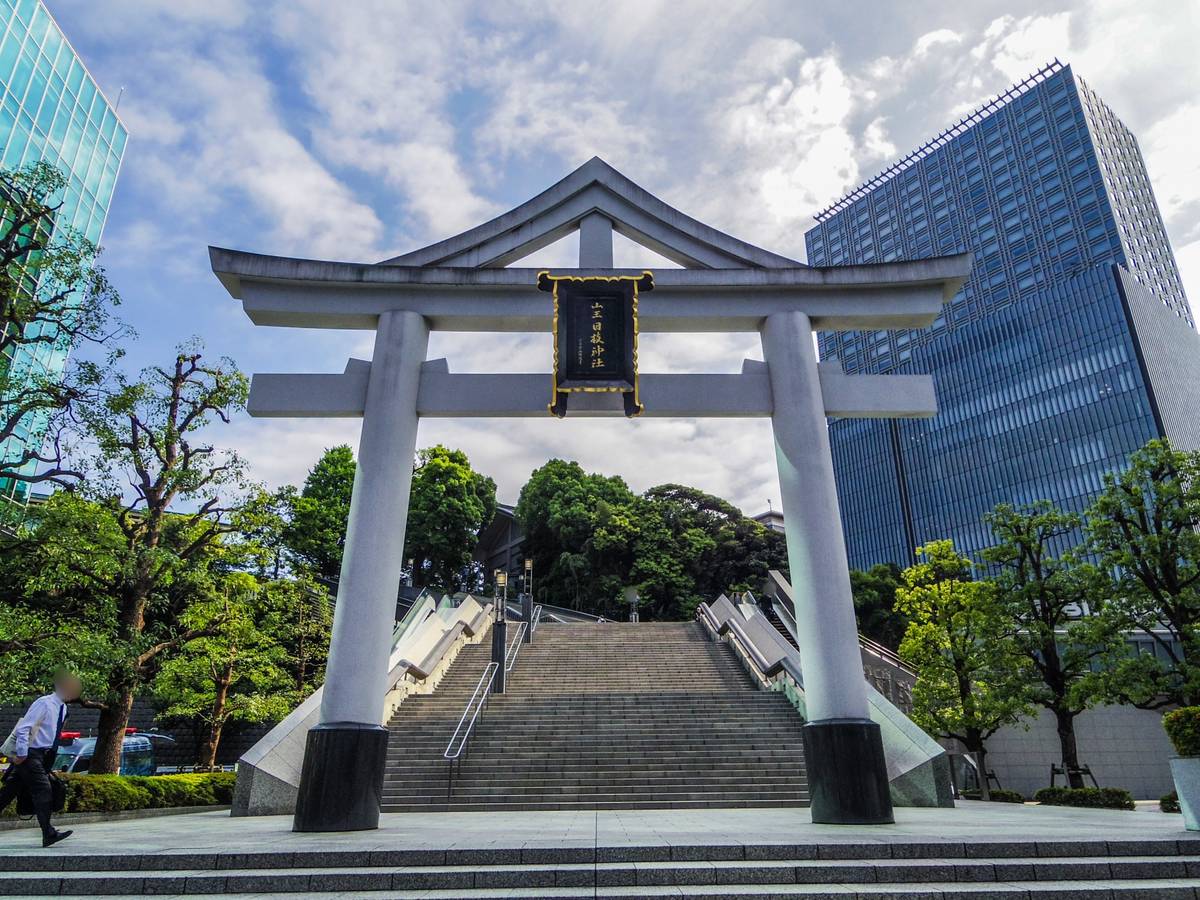
The Sannō Torii at the shrine entrance is distinctive for the triangular ornament perched atop the gate, a design emblematic of the Sannō faith. An escalator-equipped approach leads up to the main hall on the hilltop, and the Inari sandō, a path lined with rows of vermilion torii gates, is another highlight worth seeing.
〒100-0014 2-chōme-10-5 Nagatachō, Chiyoda City, Tokyo
Loading map...
Stories about this place
Discover stories and insights about Hie Shrine
Last Updated: