Kochi
高知県
Start here
What to know about Kochi
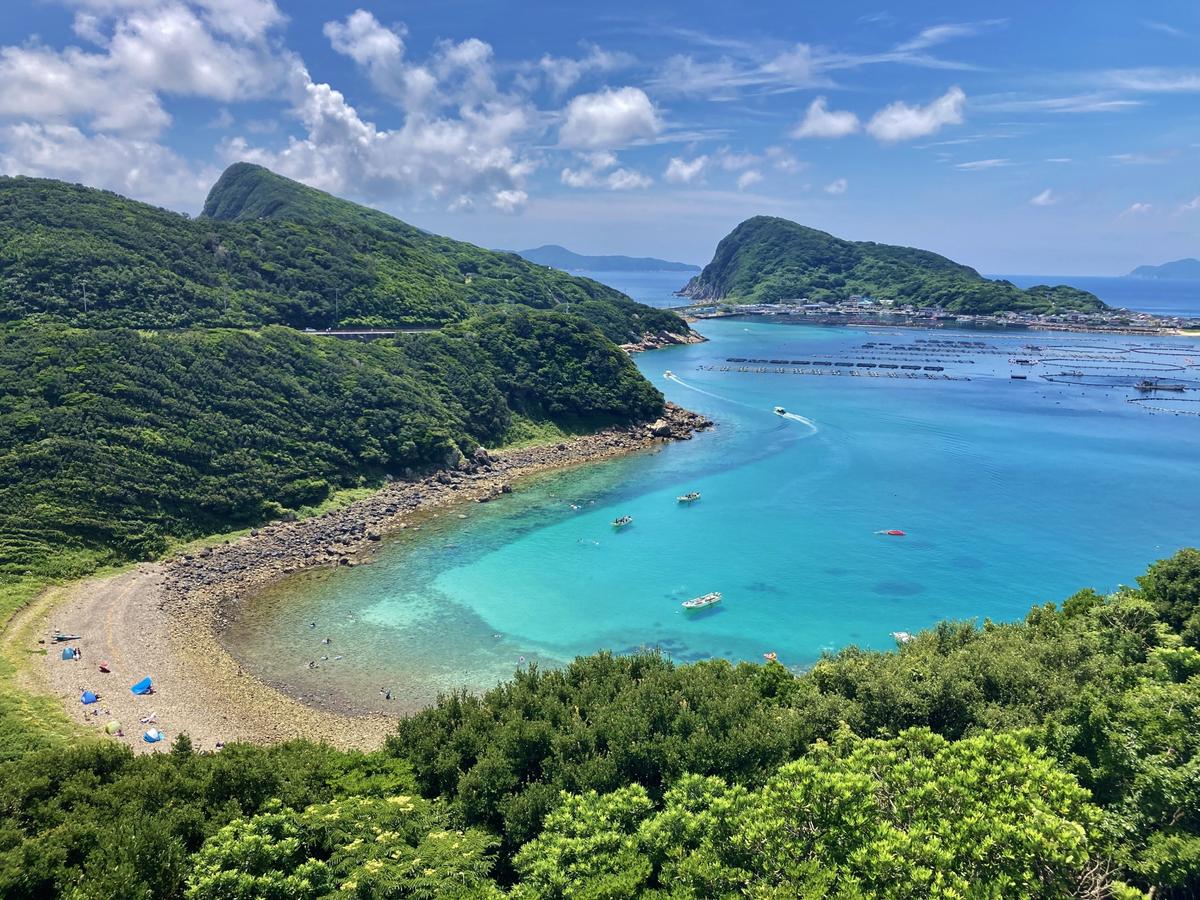
Two pristine rivers, a castle with its original keep still standing, and a street market spanning over three centuries. In Kōchi Prefecture, the openheartedness born of a land facing the Pacific and a culture grounded in history breathe together.
Shimanto River
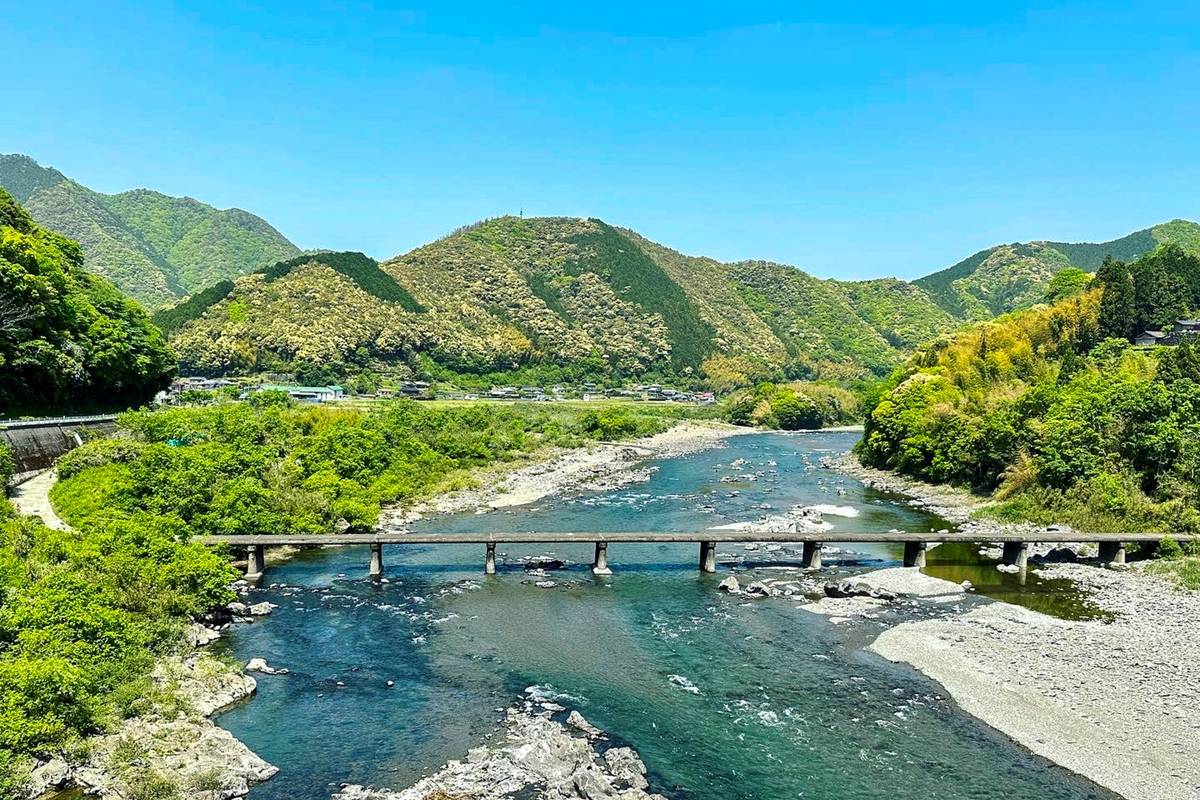
At 196 kilometers, Shikoku's longest river, the Shimanto is known as Japan's last pristine stream. Guardrail-less sinking bridges span the water's surface, designed to submerge completely during high water. Crossing one of these bridges, you hear only the sound of crystal-clear water flowing beneath your feet. Paddling downstream by canoe, you drift slowly across waters that mirror the surrounding mountains and sky. Spring greenery and autumn color painting the riverbanks anew with each season speak to the Shimanto's enduring appeal.
Kōchi Castle
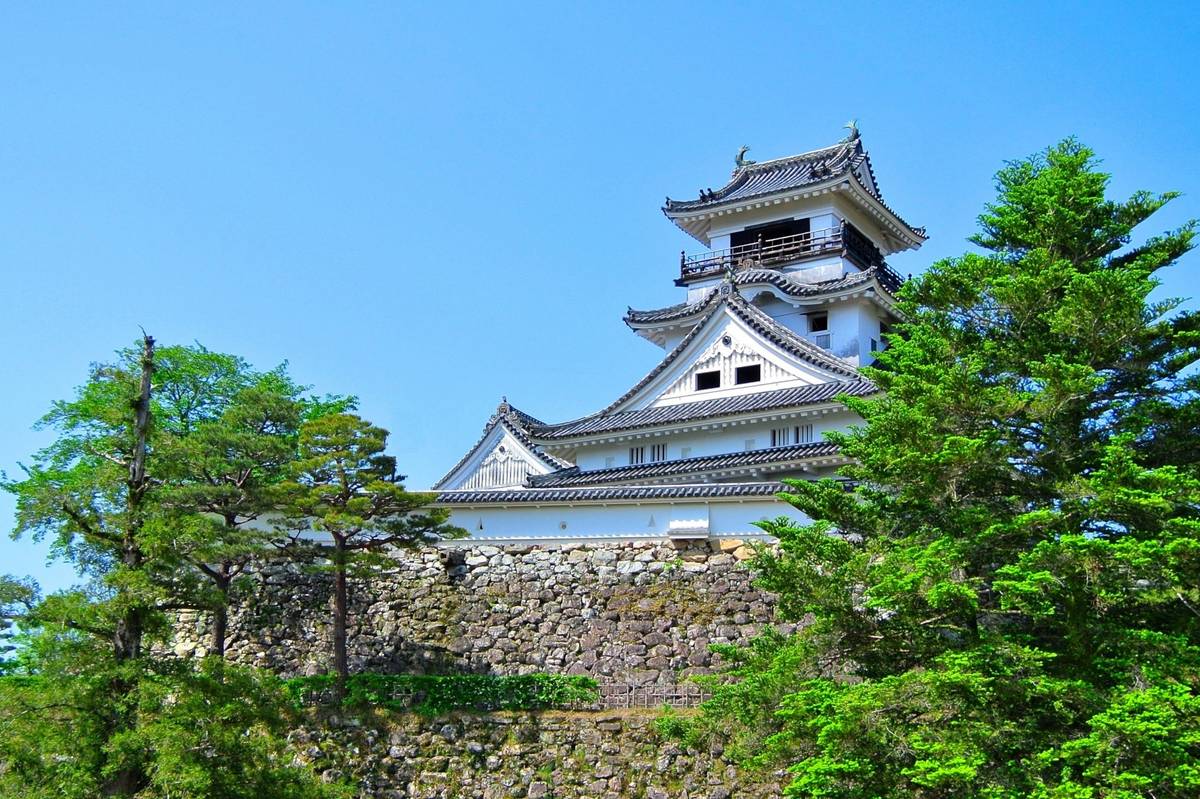
From the topmost floor of the keep, you gaze across Kōchi's cityscape and beyond to the Pacific spreading to the horizon. Built by Yamanouchi Kazutoyo in 1601, Kōchi Castle preserves numerous structures in their original form, including the keep and the honmaru palace. Throughout Japan, only here does a keep stand alongside a honmaru palace in their original state. The 400 years of time inscribed in wooden beams and pillars convey the history of Tosa Domain unmediated.
Niyodo River (Niyodo Blue)
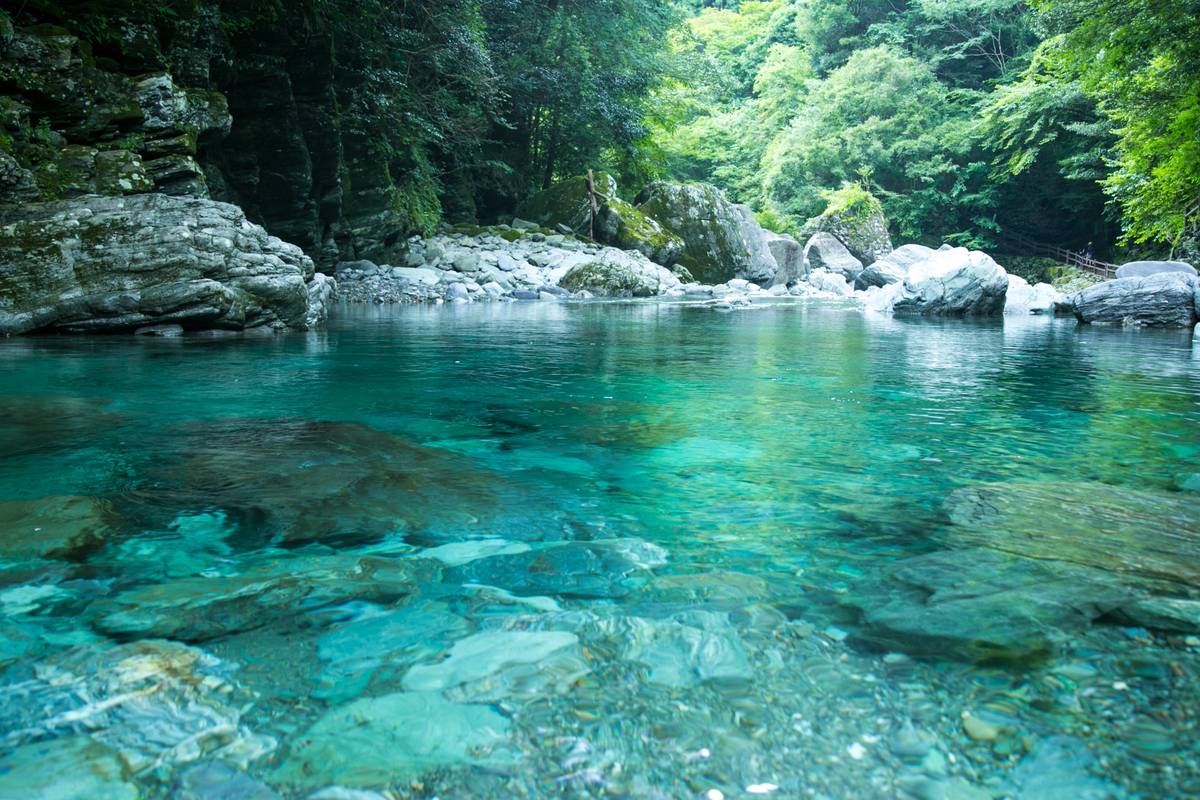
The Niyodo River has been selected as Japan's clearest water countless times. Looking down into the Niko Pool in the upper reaches, the water runs so transparent that you can see to the bottom of the falls' basin, shifting between blue and green depending on the angle of light. This mystical hue became known as Niyodo Blue, drawing photography enthusiasts from across the nation. In spring's new growth, blue water and green foliage merge; in autumn, the contrast with falling leaves is striking.
Sunday Market
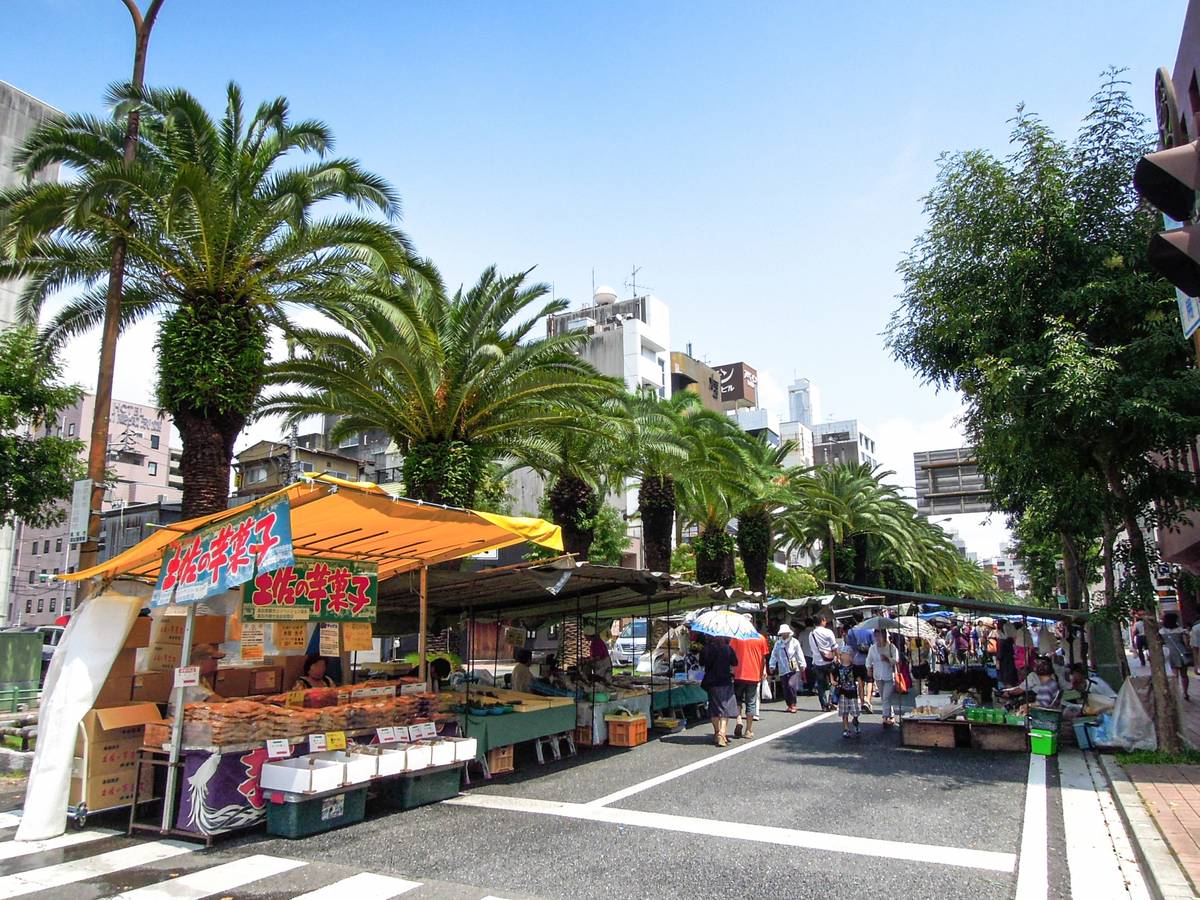
Beginning in 1690, the Sunday Market has continued as a street marketplace without interruption for over 300 years. Each Sunday morning, approximately 300 stalls line the avenue extending eastward from Ōte Gate before Kōchi Castle. Fresh vegetables and fruit, handmade country sushi, blades and bamboo crafts are all arrayed in remarkable variety. The sight of vendors and customers exchanging words as they select goods reflects the very fabric of Kōchi's daily life.
Location
Where is Kochi?
Kōchi Prefecture sits in the southern part of Shikoku, with its prefectural capital in Kōchi City and a population of around 640,000. Mountains cover 89 percent of the prefecture, the highest ratio in Japan, and forests make up approximately 84 percent of its land, with verdant peaks dominating most of the terrain. The landscape tapers eastward and westward in a fan shape, with Cape Muroto jutting into the Pacific in the east and Cape Ashizuri in the west, with Tosa Bay nestled between them.
The southern coast faces the Pacific Ocean, while the north shares borders with Tokushima and Ehime prefectures along the Shikoku Mountains. The region is characterized by a warm, humid climate influenced by the Kuroshio Current, with annual rainfall of 3,213 millimeters, the highest in Japan. At the same time, annual sunshine hours reach 2,034 hours, placing it among the nation's sunniest regions. Though known as a typhoon corridor, winters bring mild temperatures to the plains with little snow and extended periods of clear skies.
This distinctive climate of warmth and abundant rainfall has profoundly shaped the prefecture's industries and way of life. The land blessed with water and sunlight has long supported both agriculture and fishing, sectors that remain foundational to Kōchi's economy today.
Loading map...
Access
Getting to Kochi
By air, Kōchi Ryōma Airport is approximately 90 minutes from Haneda and roughly 45 minutes from Itami. A shuttle bus connects the airport to Kōchi Station in approximately 25 minutes, departing at roughly 20-minute intervals.
By rail, take the Shinkansen from Shin-Osaka to Okayama in about 45 minutes, then the Limited Express Nanpū from Okayama to Kōchi in approximately 2 hours 30 minutes. Express coaches also run the route, reaching Kōchi Station from Umeda in Osaka in about 4 hours 50 minutes.
For movement within the prefecture, buses and streetcars operated by Tosaden Kōtsū are convenient. Streetcars connect major sightseeing destinations within Kōchi City, and sightseeing shuttle buses also operate. From August through October, typhoon season can cause delays in transportation services, so checking conditions in advance is advisable if traveling during this period.
Local pride
Specialty Products
Kōchi's industries center on activities that maximize the prefecture's warm climate and plentiful rainfall. Agriculture thrives through year-round greenhouse cultivation, producing vegetables and citrus fruits that rank among the nation's highest in output. With rich fishing grounds in the Pacific where the Kuroshio Current flows, the fishing industry has long sustained both the tables and the economy of Kōchi residents. Traditional washi papermaking using clear streams and free-forging blade craftsmanship continue to be passed down, with the work of skilled artisans alive to this day.
Food
Crafts & Others
Through the ages
History of Kochi
In ancient times, this region was known as Tosa Province, administered under the ritsuryō system. During the Sengoku period, Chōsokabe Motochika unified Tosa. After the Battle of Sekigahara, in 1601, Yamanouchi Kazutoyo entered as daimyō of Tosa with a domain of 240,000 koku, establishing Kōchi Castle. This ushered in an era of Tosa Domain rule spanning roughly 270 years, during which a distinctive culture and economy developed around the castle town.
The late Tokugawa period brought forth from Tosa a figure named Sakamoto Ryōma. After leaving his clan, he worked tirelessly to broker the Satsuma-Chōshū Alliance, established the Kaientai naval organization, and devoted himself to advancing the proposal for imperial restoration. In his brief 31 years, Ryōma set the course of Japan's history. Following the abolition of the han system and establishment of Kōchi Prefecture, the region's spirit remained unchanged. Aligned with the phrase "Liberty springs from the mountains of Tosa," it became the center of the Freedom and People's Rights Movement, with theorists such as Ueki Emori disseminating democratic thought across the nation.
Continue exploring
Discover other areas and hidden gems across Shikoku Region.