Chuo
中央区
Things to Do in and Around Chuo
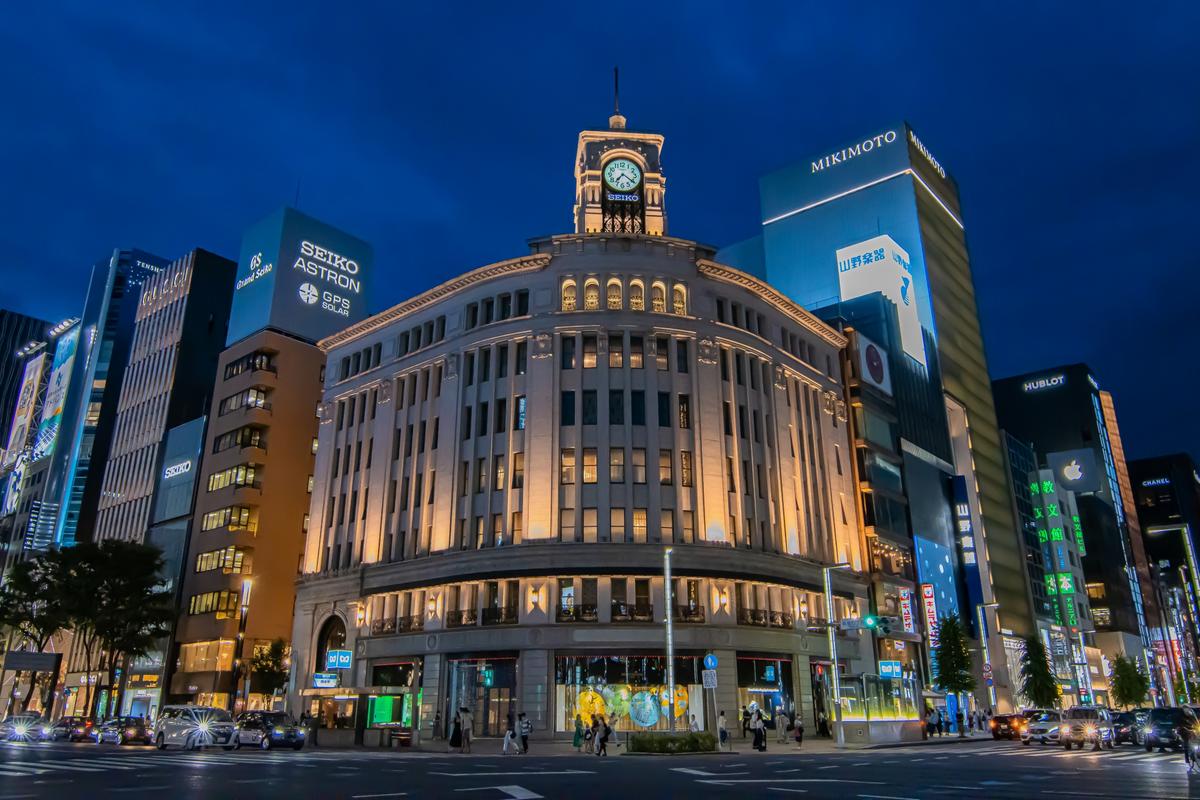
Located at the heart of Tokyo, Chuo Ward brings together the history that flows from the Edo period and the vibrancy of today. From high-end brand boutiques in Ginza to long-established department stores in Nihonbashi, from street food in Tsukiji to monjayaki in Tsukishima, the ward packs in some of Japan's most iconic destinations. Despite being the second smallest of Tokyo's 23 wards by area, it reveals a different face with each visit. Just a short walk from Tokyo Station, its location is another major draw.
Where is Chuo?
Situated in the heart of Tokyo's 23 wards, Chuo is bordered by Chiyoda Ward to the west and Minato Ward to the south, with Sumida Ward, home to the celebrated Skytree, to the east. Across the Sumida River lies Asakusa, within easy walking distance. Neighborhoods like Ginza, Nihonbashi, Tsukiji, Tsukishima, Ningyōchō, and Yaesu each have their own character, yet all preserve the history of commerce and culture from their Edo-period origins.


Getting Around
Tokyo Station, where multiple JR lines and the Tōkaidō Shinkansen converge, serves as a central hub. Ginza Station connects the Ginza, Marunouchi, and Hibiya Metro lines, while Nihonbashi Station offers access to the Ginza and Tōzai Metro lines as well as the Toei Asakusa Line. Getting around the ward is convenient thanks to Toei buses and the community-based Edo Bus, and water buses operate from stops along the Sumida River. Taking a boat to view the cityscape from the water is a uniquely rewarding way to experience this area.
Loading map...
About Chuo
Where the bustle of Edo overlaps with the glamour of the modern day, Chuo Ward brings together diverse expressions of Japanese culture, from major commercial hubs to the craft of artisanal food. As you move between historic buildings and contemporary facilities, you naturally begin to see how Tokyo itself has transformed.
Ginza, the face of Japan since Edo
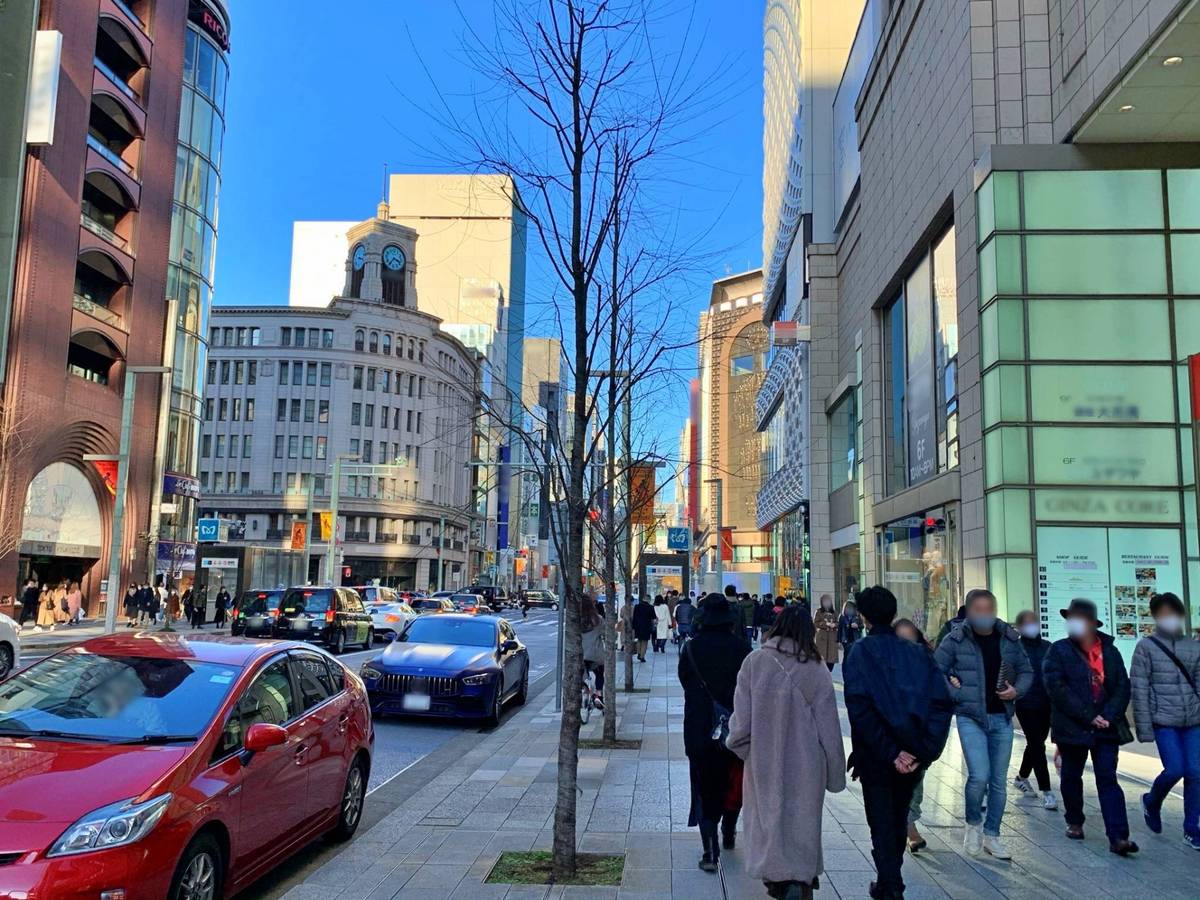
The name Ginza derives from the Edo period, when a government mint that produced silver coins was located here. During the Meiji era, the neighborhood was rebuilt in brick, becoming a symbol of Japan's modernization.
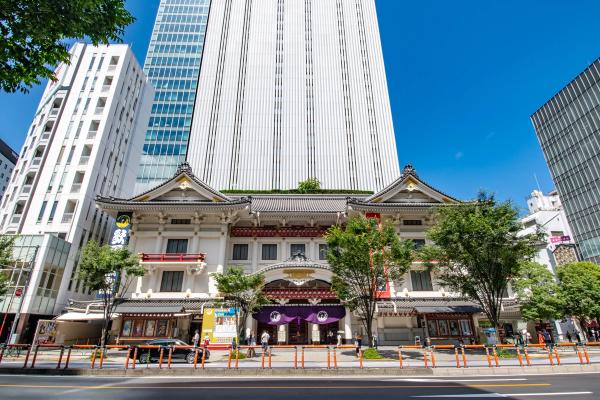
Today, major global brand stores and department stores line the streets alongside galleries, while the Kabuki-za, home to Japan's classical Kabuki theater, also makes its home in this area.
On weekends, Chūō-dōri becomes a pedestrian mall where shoppers weave between one another, their bags in hand. As dusk falls, neon lights flicker to life across the buildings in a sudden glow.
Nihonbashi, where five great roads began
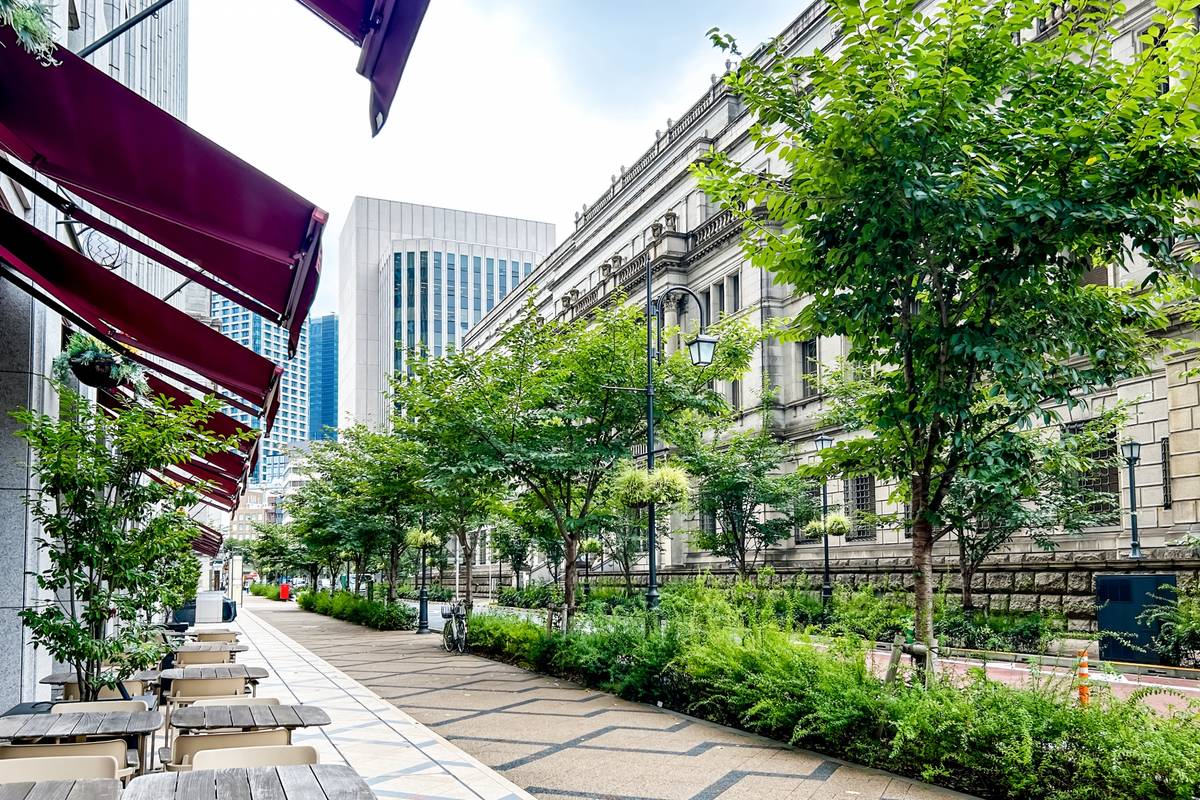
In the Edo period, all five major highways, beginning with the Tōkaidō, had Nihonbashi as their starting point. This bridge is designated a national important cultural property and remains a symbol of Chuo Ward today. The Mitsukoshi department store, established as Echigo-ya in 1673, and Takashimaya, born in Kyoto in 1831, are among the historic department stores clustered in this area.
Step down a side street and you will find specialty shops selling Japanese paper and blades, quietly conducting business as they have for generations, where the spirit of Edo-period merchants seems to linger in the air.
Tsukiji, a neighborhood defined by food
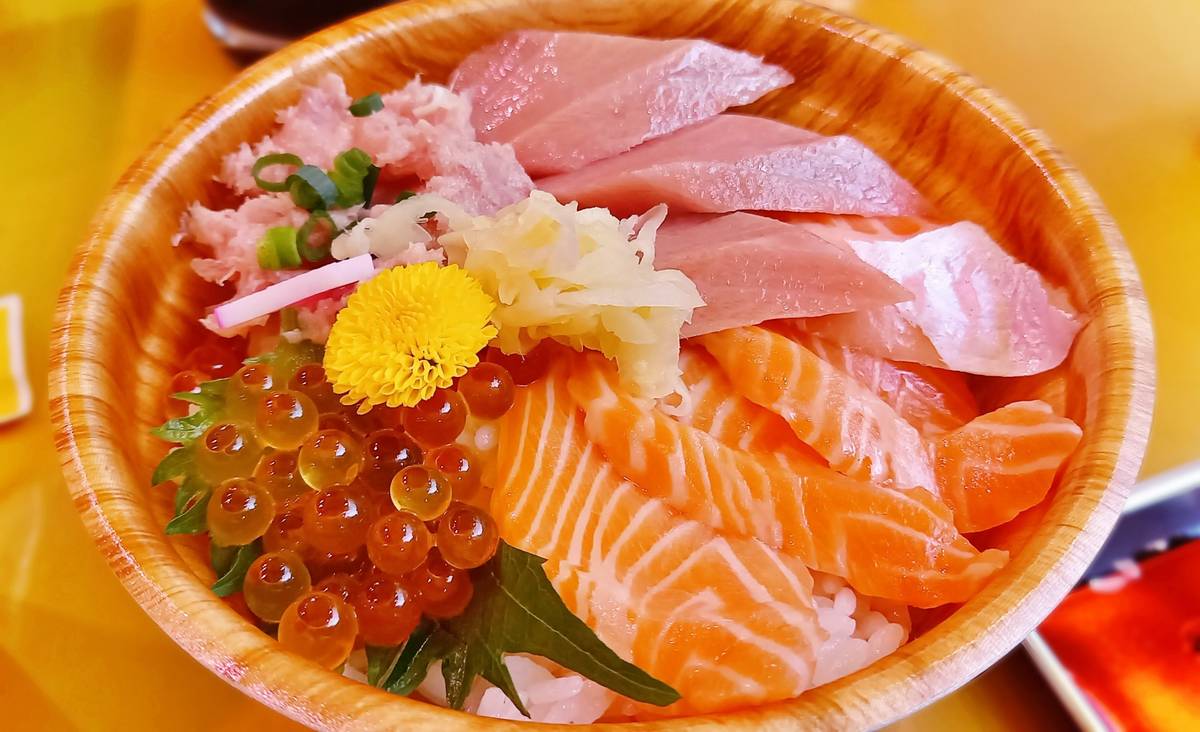
Opened in 1935, the Tsukiji market was once the world's largest fish market, sustaining Japan's dinner tables for generations. Though it relocated to Toyosu in October 2018, the Tsukiji Outer Market remains active today. With around 400 shops packed tightly together, the temptation of fresh seafood, sushi, tamagoyaki, tempura, and other treats to eat as you walk never lets up.
From early morning, tourists and local regulars mingle together, their voices raised in spirited calls. The scene is a perfect fit for Tokyo's kitchen, the nickname this neighborhood has long earned.
Tsukishima, monjayaki country
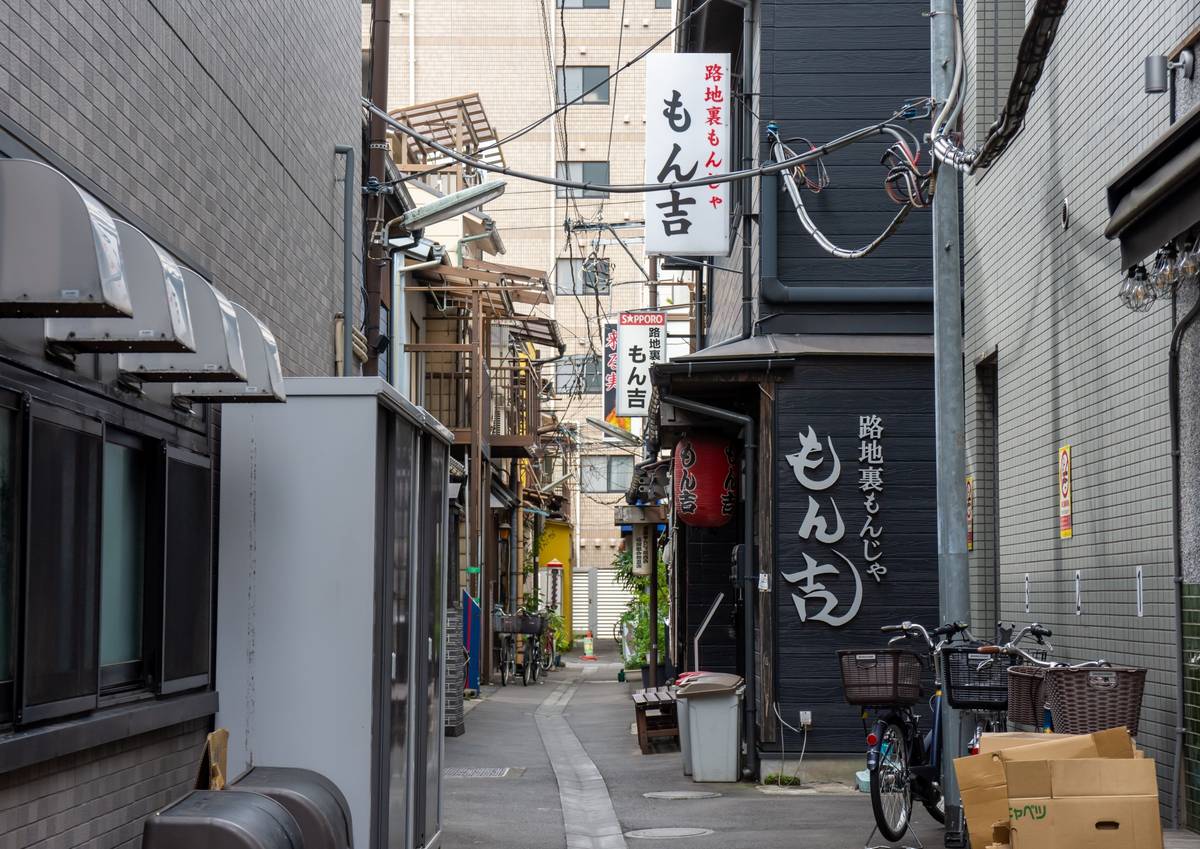
Tsukishima Monja Street brings together around 50 restaurants. Monjayaki is a dish born in Tokyo's old downtown, known as Shitamachi. Flour is mixed with water to make a batter, combined with ingredients, and cooked on a hot iron griddle right in front of you. The custom is to scrape it up bit by bit with a small spatula, and the cooking process itself is part of what makes the meal enjoyable.
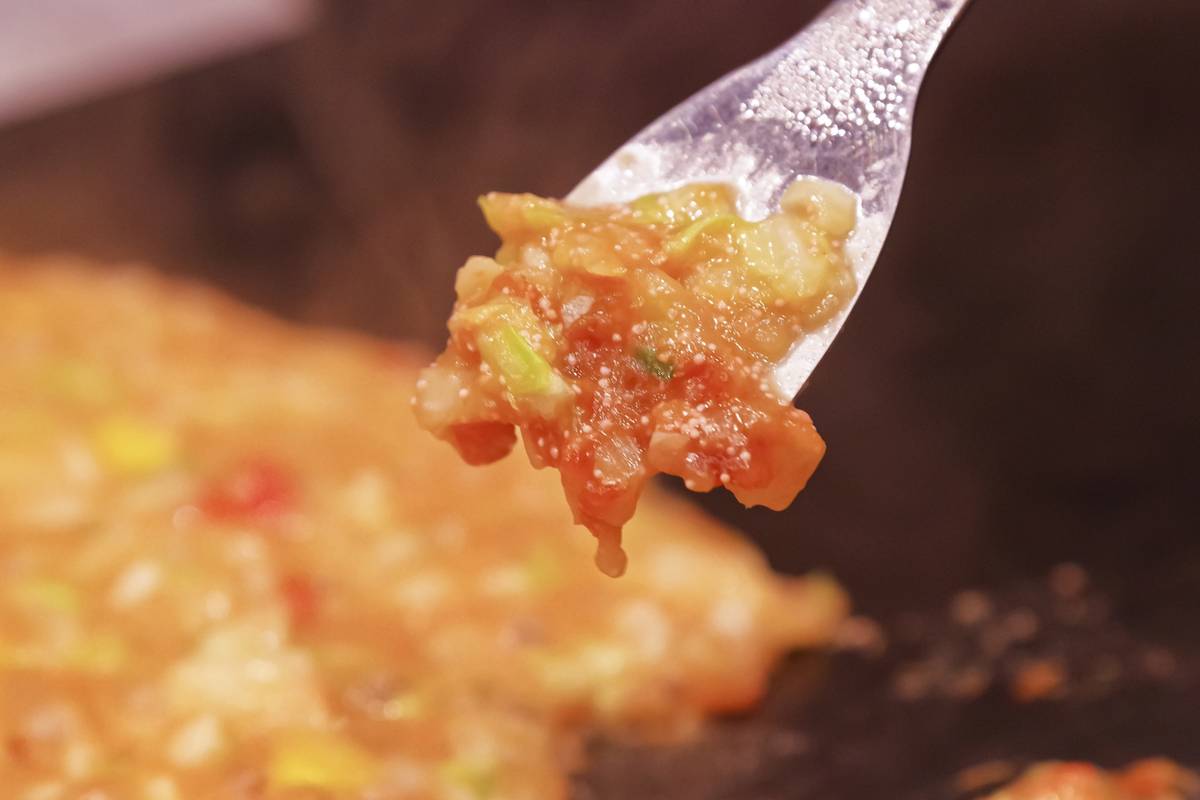
Just next door, Tsukuda is the birthplace of tsukudani, small fish simmered in soy sauce and sugar into a sweet and savory condiment. Several old shops continue to make it as they always have. Walking down streets lined with Shōwa-era storefronts, you may find time seems to move at a gentler pace amid the rapid redevelopment sweeping across Tokyo.
Ningyōchō, a neighborhood of theater
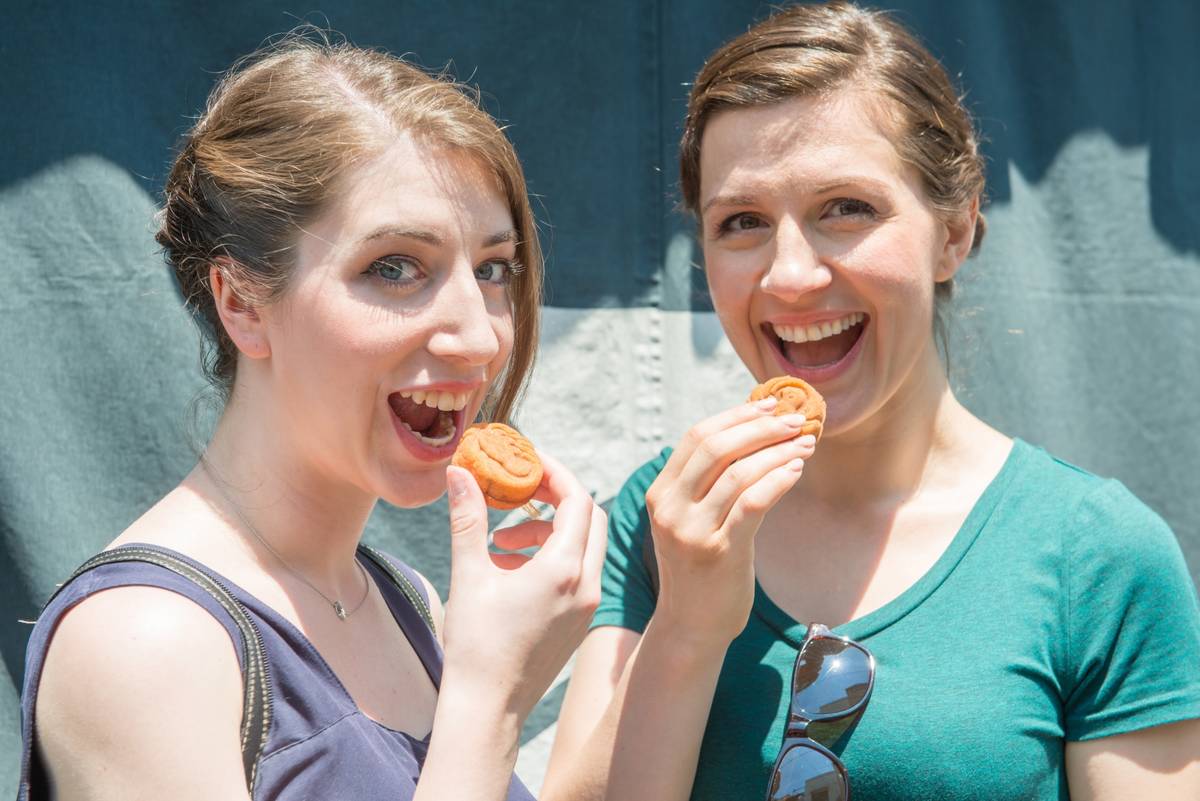
Ningyōchō takes its name from the Edo period, when Kabuki theaters and ningyō jōruri stages, where classical drama was performed with puppets, were concentrated in this area. Amazake Yokochō, a narrow street, gets its name from the sweet rice drink called amazake that vendors once sold here. Even today, established shops selling Japanese sweets and tempura line the street.
By day it fills with shoppers, and by night with people out for a drink. The sight of new establishments operating side by side with shops that have endured for decades is something unique to this neighborhood.