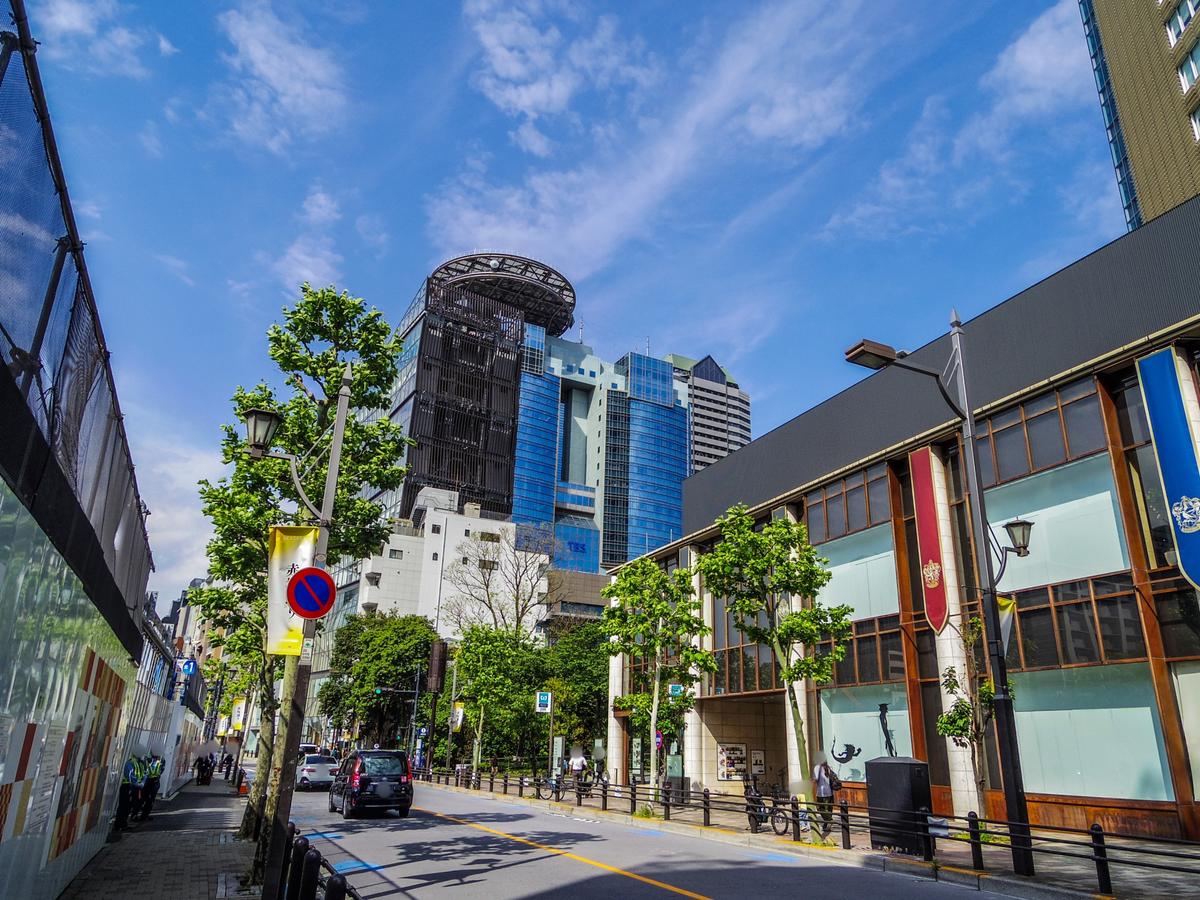
Akasaka
赤坂
Things to Do in and Around Akasaka
In the Edo period, the grand mansions of feudal lords lined these streets, eventually giving way to a flourishing geisha district. Today, the Neo-Baroque architecture of the State Guest House Akasaka Palace stands among the trees, while the neighboring Hie Shrine continues to host the Sannō Festival, one of Edo's three great festivals. The opening of Akasaka Sacas in 2008 brought new dimensions of commerce and entertainment to the area. With layers of history and contemporary energy intertwined, Akasaka is one of Minato Ward's most distinctive neighborhoods.
Places to visit in Akasaka
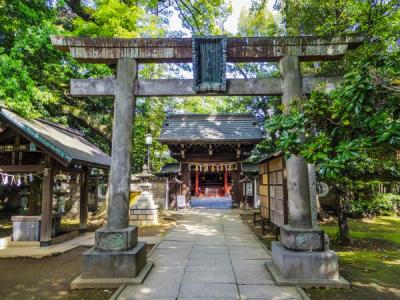
Where is Akasaka?
Akasaka sits in the northeastern part of Minato Ward, adjacent to Nagatacho, where the National Diet Building stands, and the embassy-lined neighborhoods of Roppongi and Azabu. Akasaka Station, Akasaka-Mitsuke Station, and Tameike-Sannō Station all lie within walking distance, connecting to the Chiyoda, Ginza, Marunouchi, and Namboku lines for convenient access across central Tokyo.


Getting Around
Three subway stations are within walking distance, connecting Akasaka to the Chiyoda, Ginza, Marunouchi, and Namboku lines. From Tokyo Station, the Marunouchi Line reaches Akasaka-Mitsuke in roughly 10 minutes. From Shinjuku, the same line takes about 15 minutes. With multiple access routes, Akasaka pairs easily with nearby neighborhoods like Roppongi and Nagatacho for a broader exploration.
Loading map...
About Akasaka
From the era when mitsuke defensive gates guarded Edo Castle here, through the Meiji and Shōwa periods when Akasaka flourished as a geisha quarter, the neighborhood has never stopped evolving. Step out of Akasaka-Mitsuke Station and noren, the fabric curtains hung at restaurant entrances, peek out between office buildings. Walk a little further and the white walls of the State Guest House emerge through the trees.
Akasaka Palace (State Guest House)
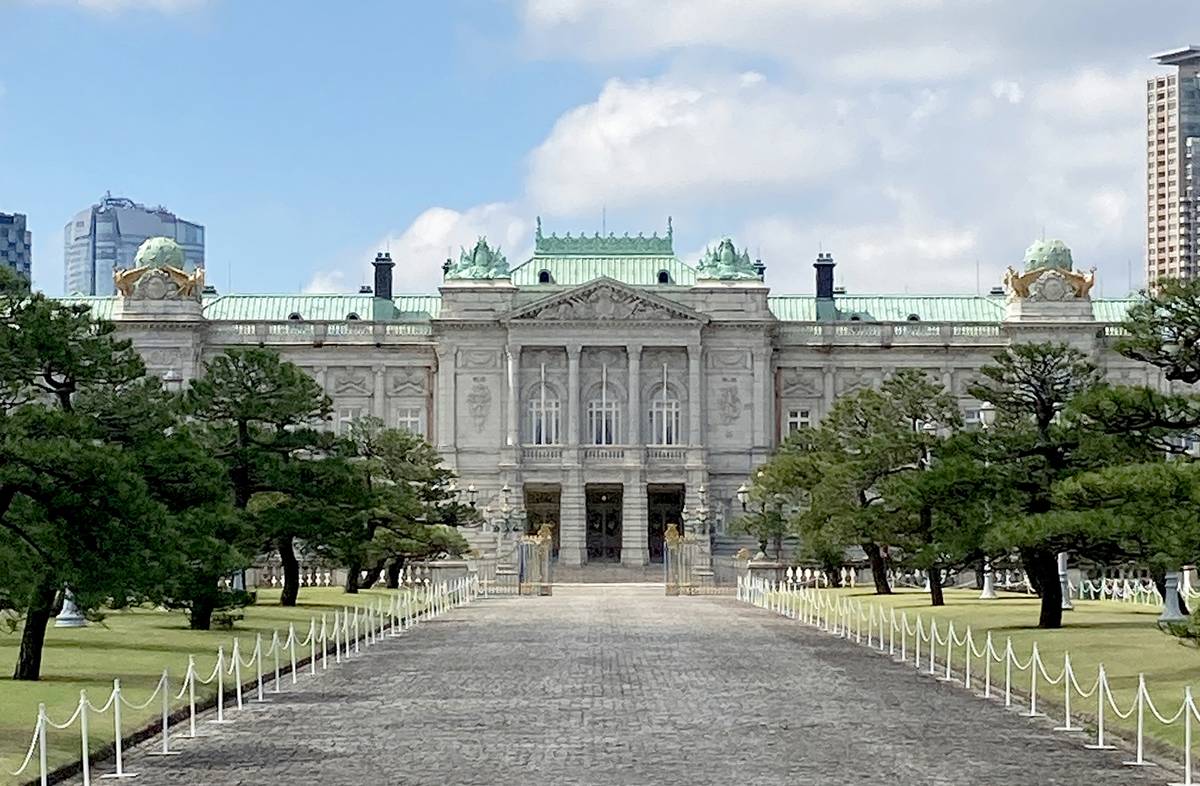
Perched on a hilltop in Motoakasaka, the State Guest House welcomes foreign dignitaries. Its Neo-Baroque facade, unified in white and soft tones, evokes the grandeur of a European palace. The grounds were once occupied by powerful daimyō, including the Kii branch of the Tokugawa family. The current building began as the Crown Prince's residence, constructed during the Meiji era.
Public tours started in 2009, and the building was designated a National Treasure in 2016. Small groups of fewer than 20 can enter without advance reservation. The gardens alone cost 300 yen, the main hall with gardens is 1,500 yen, and including the Japanese-style annex brings the total to 2,000 yen. Visitors can stroll past the main garden's fountain and beneath grand ceilings adorned with painted art, exploring spaces that ordinarily serve as stages for diplomatic ceremonies.
The Geisha District Legacy and Akasaka's Food Culture
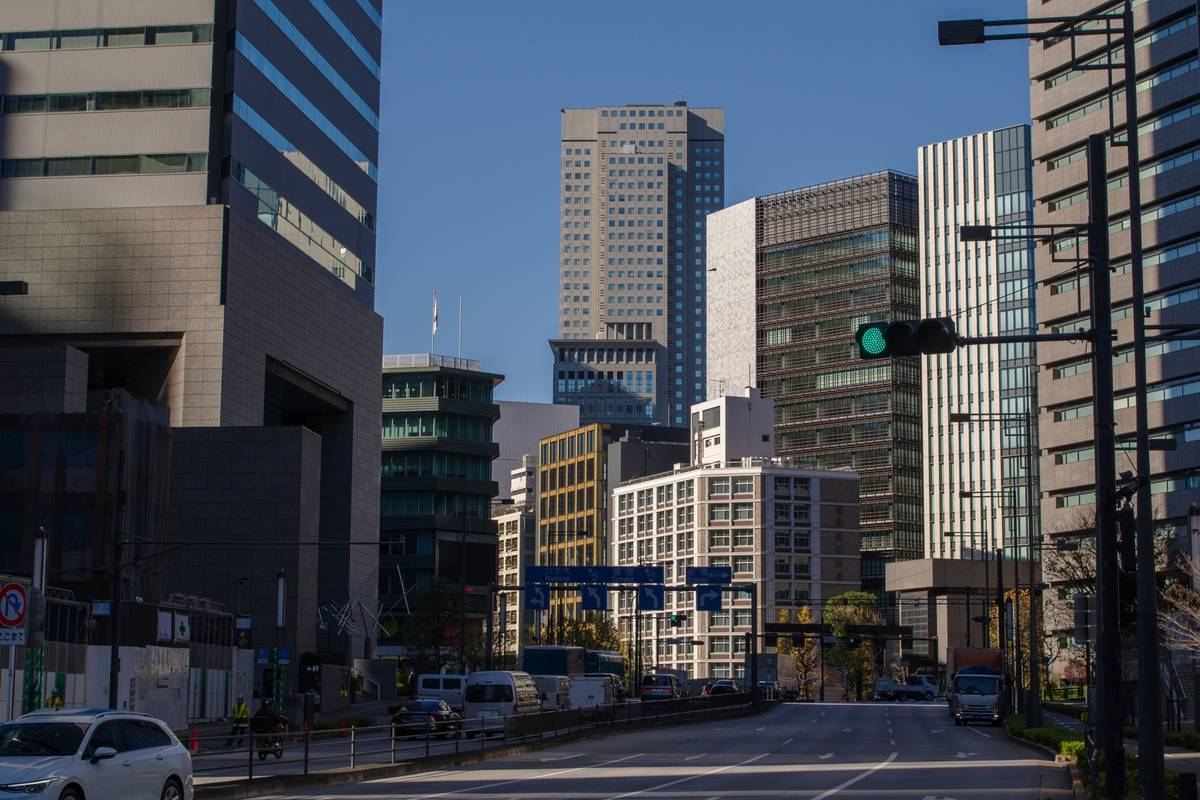
In the Edo period, a large pond called Tameike spread across what is now the Tameike-Sannō Station area. Teahouses began to cluster along its shores, planting the roots of Akasaka's geisha quarter. From the late Edo through the Meiji and Shōwa periods, the number of geisha grew steadily. At its peak around 1970, there were over 70 geisha houses and more than 400 geisha.
Today, roughly 17 geisha actively perform. Though scaled back, shamisen (a three-stringed traditional instrument) music and classical dance continue in private dining rooms. The food culture refined over generations still runs through the surrounding restaurants, from kaiseki (traditional multi-course dining) establishments and sushi bars to intimate side-street izakayas. Whether seeking out a venerable kaiseki restaurant frequented by politicians and industrialists or a modest spot to unwind after work, visitors will find no shortage of options.
Akasaka Sacas and a Changing Neighborhood
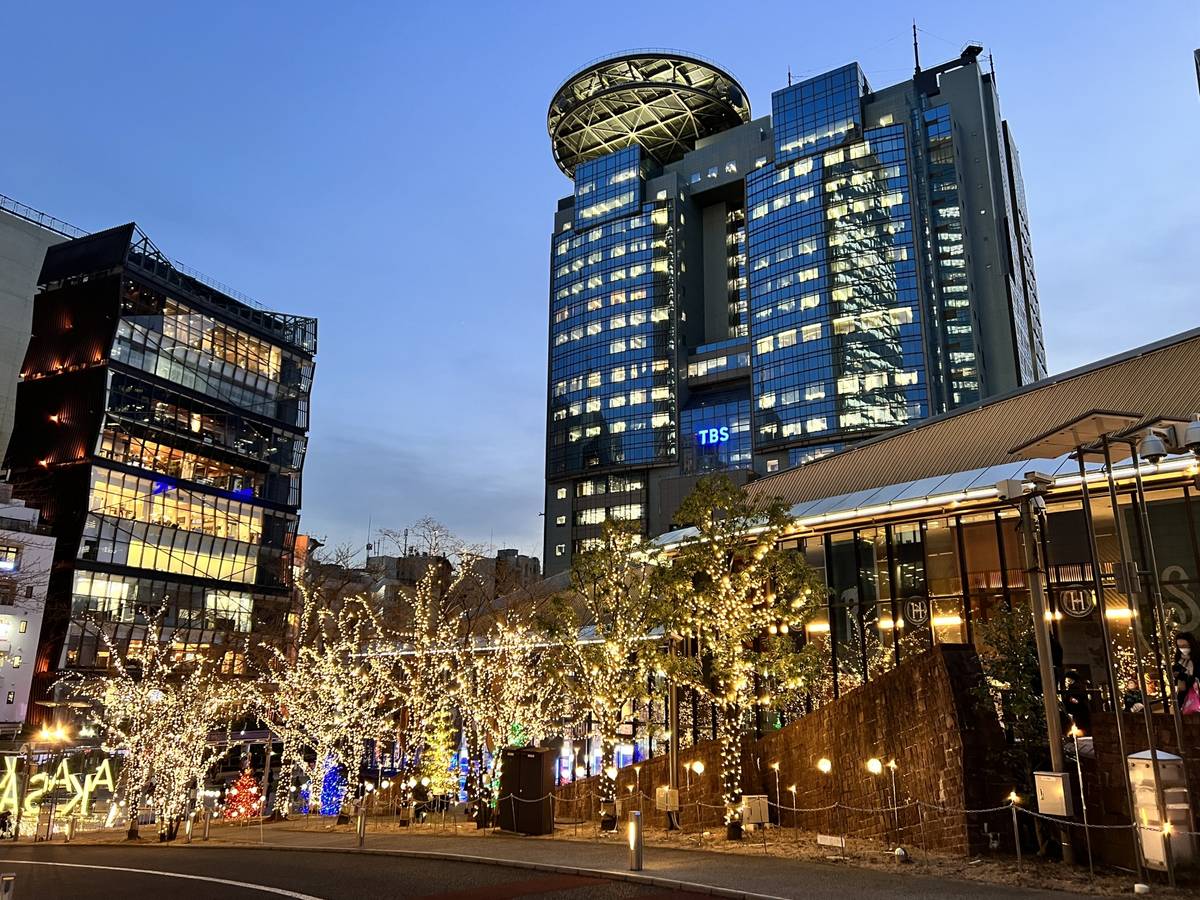
In 2008, as TBS Broadcasting Center relocated, Akasaka Sacas opened its doors. This mixed-use complex weaves together retail, live venues, and theaters, drawing new streams of people through the neighborhood. Each spring, rows of cherry blossoms on the grounds are illuminated, and Sacas has become a beloved spot for hanami, the springtime tradition of enjoying cherry blossoms.
Yet within steps of these modern facilities, traces of the Edo period still surface. A samurai mansion gate, rebuilt in 1862 as the front entrance to the upper residence of Okazaki domain lord Honda Tadatami, stands as a designated Important Cultural Property. Its nagaya-mon (long-gate) form was a style reserved for daimyō holding estates of 50,000 koku or above, placing them among the wealthier feudal lords. A rare survivor of that era, the gate remains quietly tucked between office towers.