Fujikawaguchiko
富士河口湖町
Things to Do in and Around Fujikawaguchiko
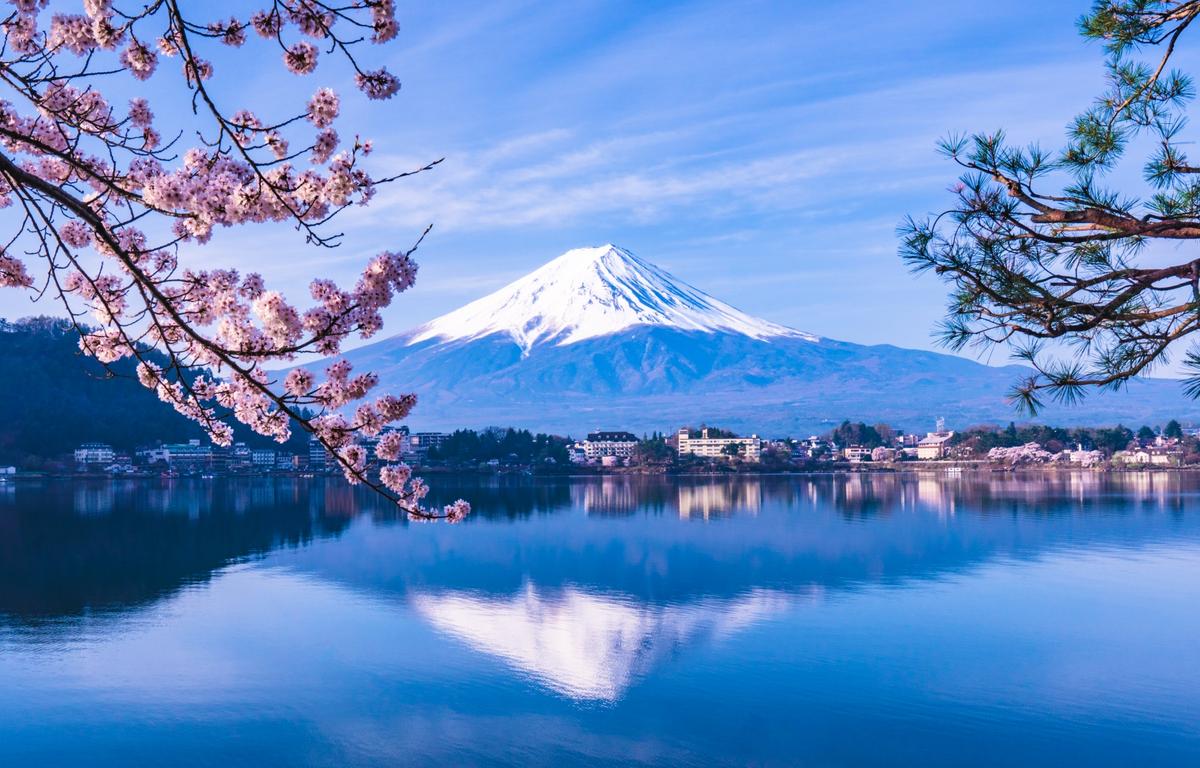
At the base of Mt. Fuji lies Fujikawaguchiko Town, home to four of the five lakes known as the Fuji Five Lakes. Lake Kawaguchiko reflects spectacular views of Mt. Fuji, the Aokigahara forest holds ancient lava caves born from volcanic eruptions, and Lake Motosuko's scenery graces Japan's thousand-yen bill. At an elevation of approximately 860 meters, this cool retreat feels like another world despite being just two hours from Tokyo, drawing visitors from across Japan and around the globe.
Places to visit in Fujikawaguchiko
Where is Fujikawaguchiko?
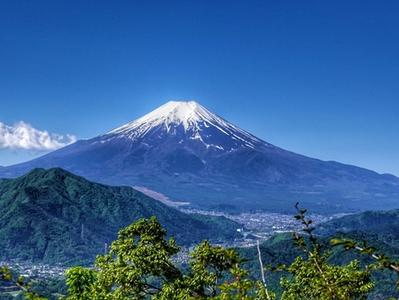
Fujikawaguchiko Town sits in Minamitsuru District, Yamanashi Prefecture. The lakes of Kawaguchiko, Saiko, Shōjiko, and Motosuko all fall within the town's boundaries, creating a landscape shaped by water and mountains. The town covers 158.51 square kilometers. Kawaguchiko Station, the town's main gateway, sits at an elevation of approximately 860 meters, offering pleasantly cool summers. When Mt. Fuji was inscribed as a UNESCO World Cultural Heritage site in 2013, Lake Kawaguchiko was designated as one of its component assets.


Getting Around
Two convenient routes connect the town to Tokyo's Shinjuku district. The JR Chūō Main Line's Fuji Kaiyū express train reaches Kawaguchiko Station in one hour and 53 minutes, with fares of 4,200 yen one way. Highway buses depart from Busta Shinjuku, arriving in approximately one hour and 45 minutes for 2,300 to 2,600 yen, with 40 buses running daily. Within town, three loop-bus services circle Lake Kawaguchiko, Lake Saiko, and the Narusawa, Shōjiko, and Motosuko areas, running at 15 to 30-minute intervals. Several buses feature multilingual audio guidance, making it possible to visit major attractions using public transportation alone.
Loading map...
About Fujikawaguchiko
Views of Mt. Fuji, caves carved by volcanic forces, and the mountain's reflection mirrored across still waters. The town of Fujikawaguchiko sits at the northern base of Mt. Fuji and encompasses three of the Fuji Five Lakes: Kawaguchiko, Saiko, and Motosuko. The area draws visitors year-round with seasonal shifts in color and light, from lavender fields in early summer to fiery autumn foliage and crisp winter panoramas.
Lake Kawaguchiko
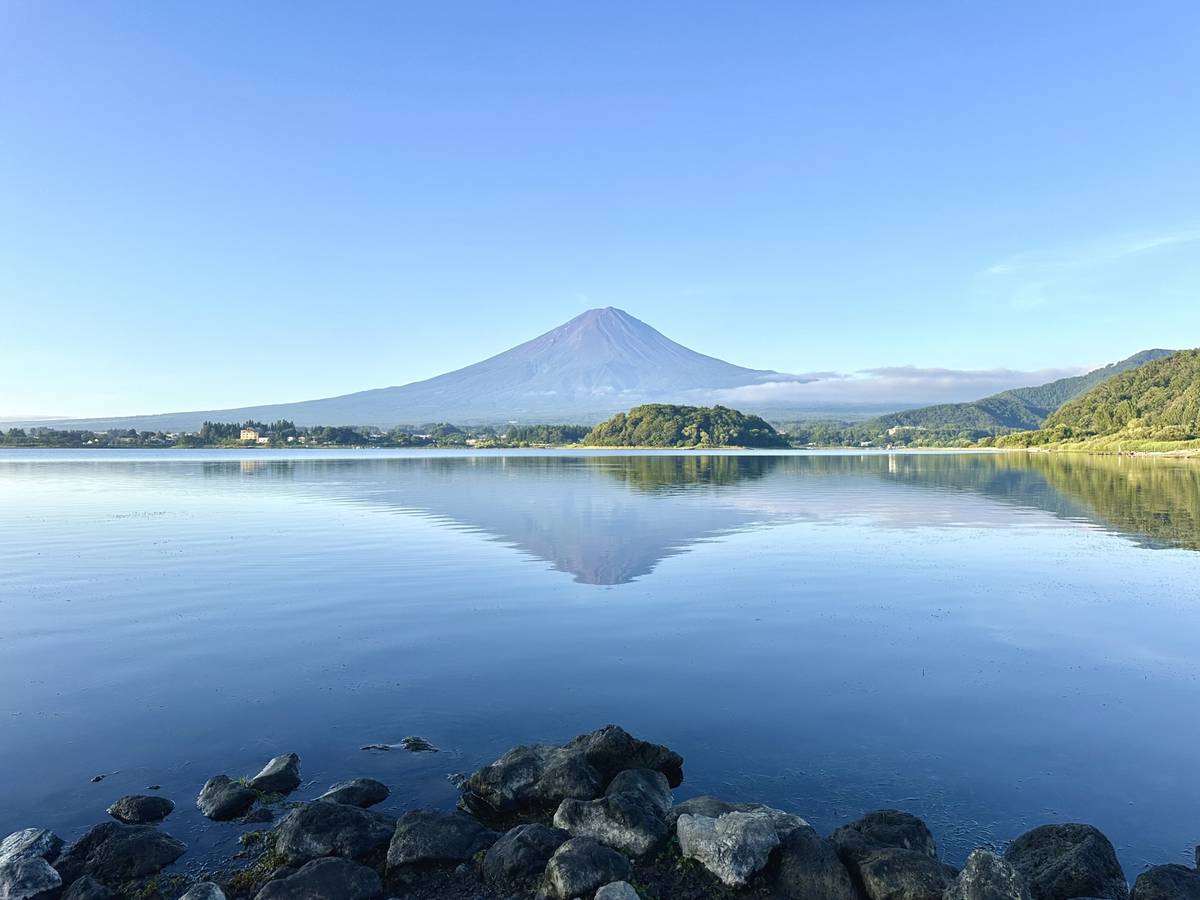
Lake Kawaguchiko, the largest of the Fuji Five Lakes by shoreline length, earned its place as a component asset of the Mt. Fuji World Heritage site. On windless mornings, Mt. Fuji's reflection appears perfectly mirrored on the water's surface, a phenomenon known as sakasa fuji (inverted Fuji). The Mt. Fuji Panorama Ropeway carries visitors to the summit of Mt. Tenjō in about three minutes, reaching an elevation of 1,075 meters and offering expansive views with Lake Kawaguchiko below and Mt. Fuji ahead.
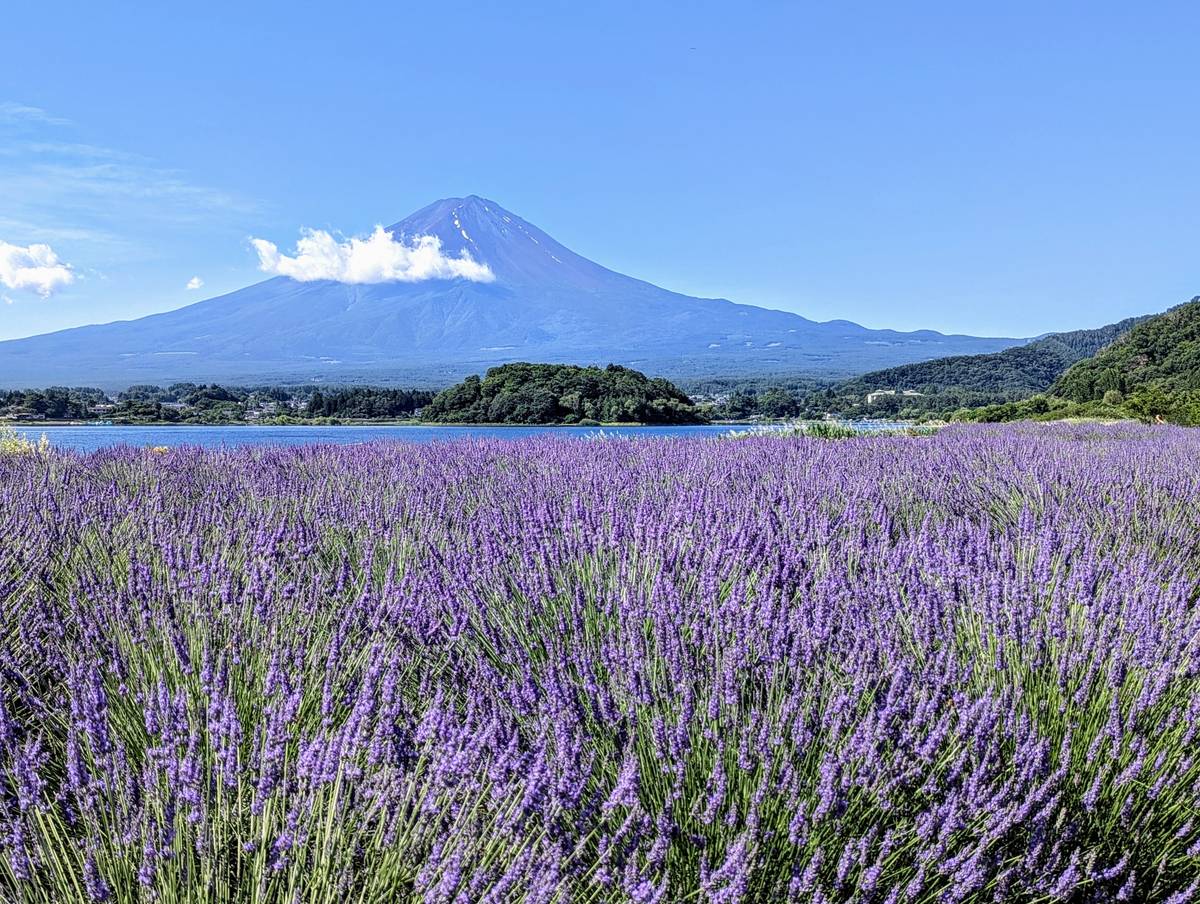
From late June through mid-July, the Lavender Festival transforms the northern shore's Ōishi Park into a sea of purple blooms, framing Mt. Fuji beyond the flowers. Autumn brings its own magic, with November as the peak season. Along Momiji Road on the northern shore, roughly 100 large trees blaze with color, and nighttime illumination reveals a dreamlike quality entirely different from daytime views.
Fugaku Wind Cave and Narusawa Ice Cave
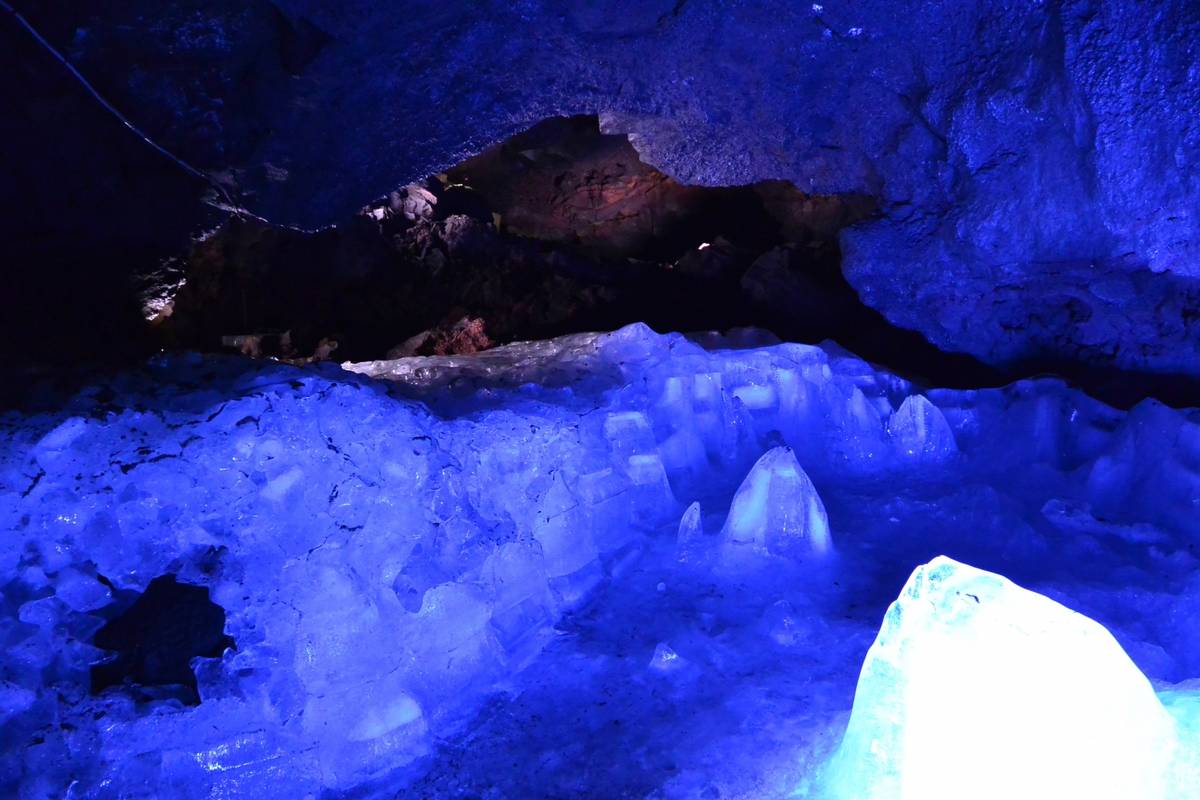
In 864, the Jōgan eruption unleashed Mt. Fuji's tremendous power. As the resulting lava flows cooled and solidified, they created two remarkable caverns within the Aokigahara forest. Fugaku Wind Cave and Narusawa Ice Cave are both designated as Natural Monuments by the Japanese government, a classification that protects sites of significant geological or scientific value.
Fugaku Wind Cave stretches 201 meters in total length. The interior maintains an average temperature of 3°C, and the walls display layered shelves of basalt formed as the lava cooled. Basalt's sound-absorbing properties create an almost uncanny silence within the cave, where voices barely echo. Narusawa Ice Cave extends 153 meters, descending to a maximum depth of 21 meters underground. Its natural ice formations, visible year-round but peaking in April, narrow passageways, and steep stairs combine to offer an authentic caving adventure.
Lake Motosuko and the Thousand-Yen Bill
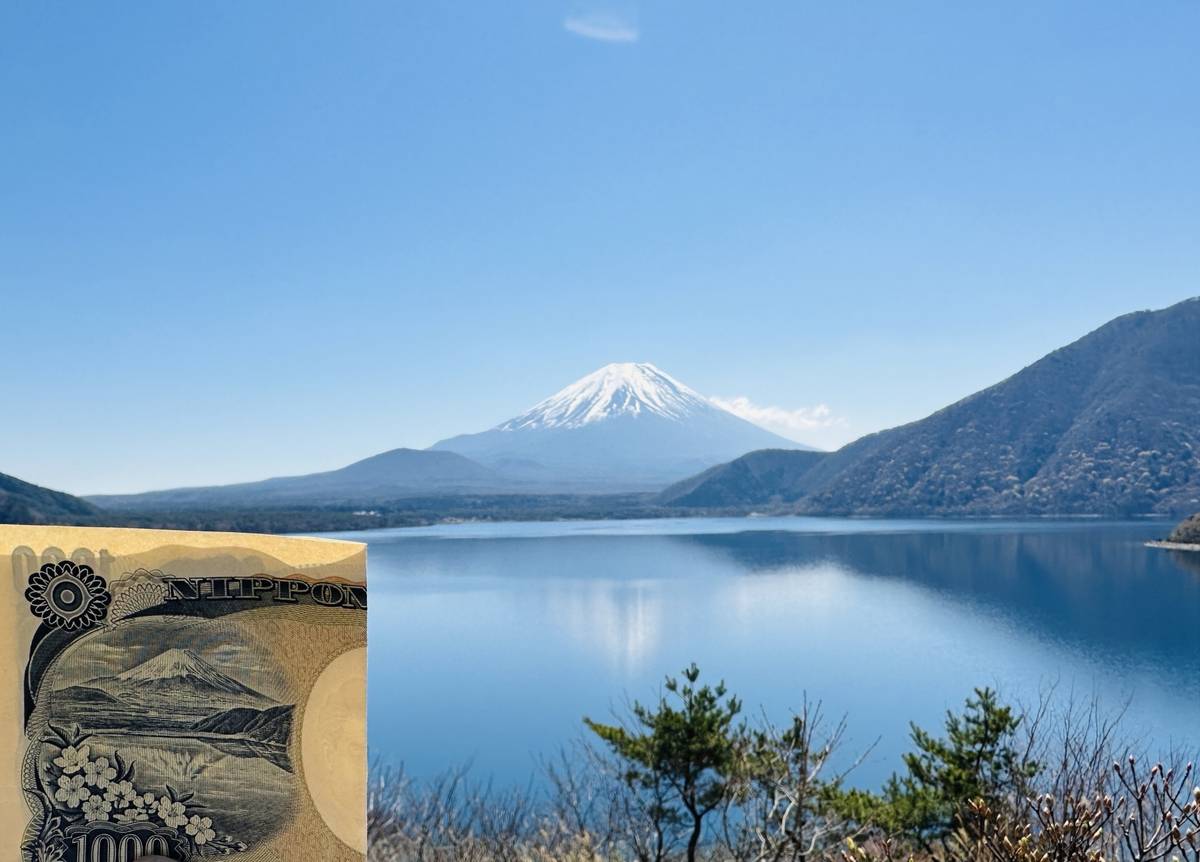
Lake Motosuko holds the distinction of being the most transparent of the Fuji Five Lakes, but it harbors a surprising connection to everyday Japanese life. A 1935 photograph titled "Spring by the Lake" by photographer Okada Kōyō became the basis for the image of Mt. Fuji printed on Japan's thousand-yen banknote. The same composition previously appeared on the old five-thousand-yen note as well.
The photograph was taken from Nakanokura Pass, on the northwestern shore of Lake Motosuko. From the lakeside, a roughly 30-minute mountain trail leads to the vantage point where that familiar composition materializes before your eyes. On windless days, Mt. Fuji reflects perfectly in the lake's surface, and the scene feels as though the banknote's illustration has come to life.