Gifu
岐阜県
Start here
What to know about Gifu
In the northern Hida region, gasshō-zukuri farmhouses and castle towns nestle among the mountains, while in the southern Mino area, clear rivers and centuries-old craft traditions keep the culture alive. Gifu Prefecture is home to the World Heritage village of Shirakawa-gō, a cormorant fishing tradition stretching back more than 1,300 years, and Gero Onsen, one of Japan’s most celebrated hot springs. Across the prefecture, scenes that evoke the timeless Japanese countryside await.
Shirakawa-gō
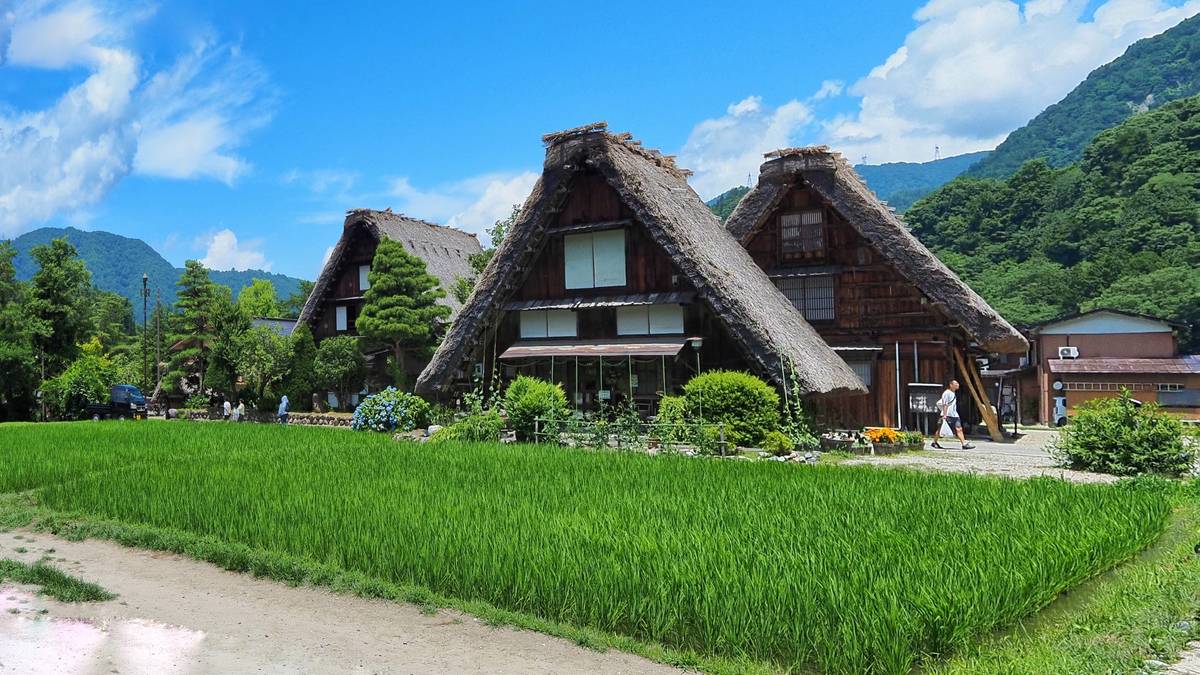
Shirakawa-gō sits deep in a mountain valley in the Hida region and was inscribed as a UNESCO World Cultural Heritage Site in 1995 alongside Gokayama in Toyama Prefecture. The Ogimachi settlement preserves around 60 gasshō-zukuri farmhouses, distinctive for their steeply pitched thatched roofs. It remains a living village where residents go about their daily lives. The sight of thatched-roof homes standing among rice paddies and vegetable fields captures an enduring image of rural Japan that continues to draw visitors from around the world.
The panoramic view from the observation deck transforms with each season. Summer brings lush green reflected in flooded rice paddies, autumn wraps the village in vivid foliage, and winter, when the settlement lies buried in snow, is especially striking. During the winter evening illuminations, the snow-capped gasshō-zukuri houses glow against the darkness, making it the most popular time of year to visit. Within the village, several gasshō-zukuri houses are open for interior tours, and restaurants serve local cuisine, offering a chance not just to admire the architecture from outside but to experience the ingenuity of the way of life within.
Hida Takayama
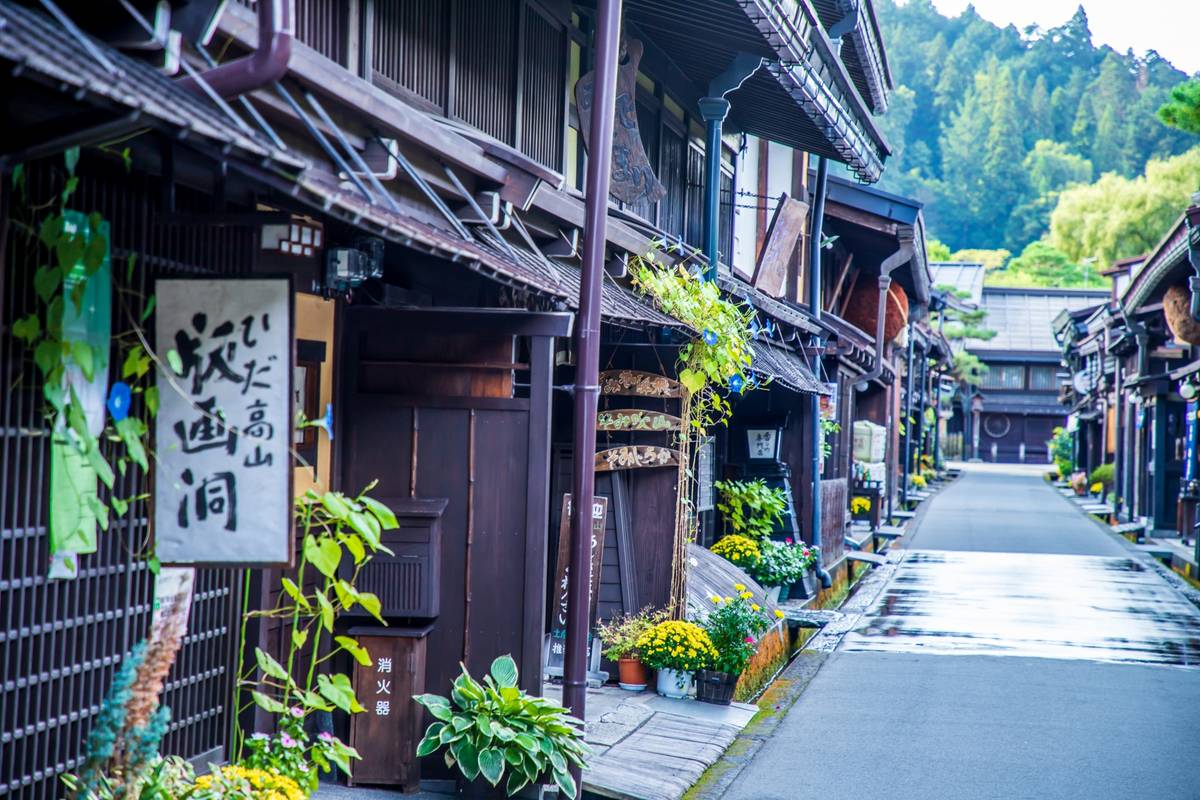
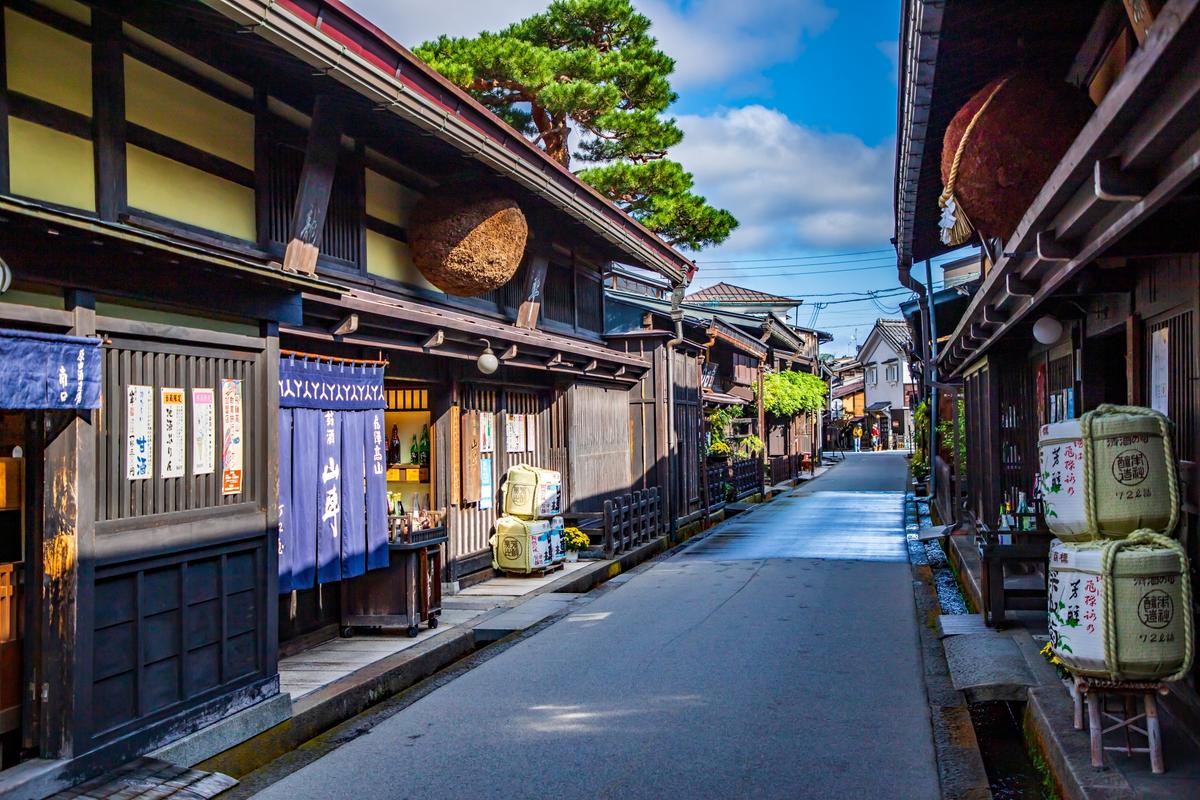
Often called the “Little Kyoto of Hida,” Takayama retains much of the character of its Edo-period castle town. Along Sanmachi-dōri and the surrounding old streets, lattice-fronted merchant houses and sake breweries stand side by side, and the scent of soy sauce and miso drifts through the air. The morning markets are one of Takayama’s most iconic scenes, held every day at two locations along the Miyagawa River and in front of the Takayama Jinya, where local produce, pickled vegetables, and folk crafts are spread out for sale.
Twice a year, in spring and autumn, the Takayama Festival fills the town with pageantry. Counted among Japan’s three most beautiful festivals, it features elaborately decorated floats topped with intricate karakuri mechanical puppets parading through the streets. At night, paper lanterns illuminate the floats, creating an atmosphere of dreamlike beauty. The Takayama Festival floats are also inscribed on the UNESCO Intangible Cultural Heritage list, and even outside of the festival season, the actual floats can be viewed up close at the Takayama Festival Float Exhibition Hall.
Cormorant Fishing on the Nagara River
Every year from May through October, the tradition of ukai, cormorant fishing, takes place on the Nagara River as it flows through Gifu City. Fishermen known as ushō stand on boats lit by blazing bonfires, guiding trained cormorants to catch sweetfish. This fishing method has a history spanning more than 1,300 years. Remarkably, the ushō of the Nagara River hold the official title of Kunai-chō Shikibu-shoku Ushō, making them national civil servants under the Imperial Household Agency, a status unique in Japan.
Watching ukai from a viewing boat on the river is a powerful experience, with the bonfire flames reflected on the water’s surface and the calls of the ushō ringing through the night. Oda Nobunaga is said to have been fond of this tradition, using it to entertain his guests. Charlie Chaplin visited twice to watch the cormorant fishing and reportedly praised it as “wonderful.” A living tradition with ancient roots, ukai continues to unfold on the river every summer.
Gero Onsen
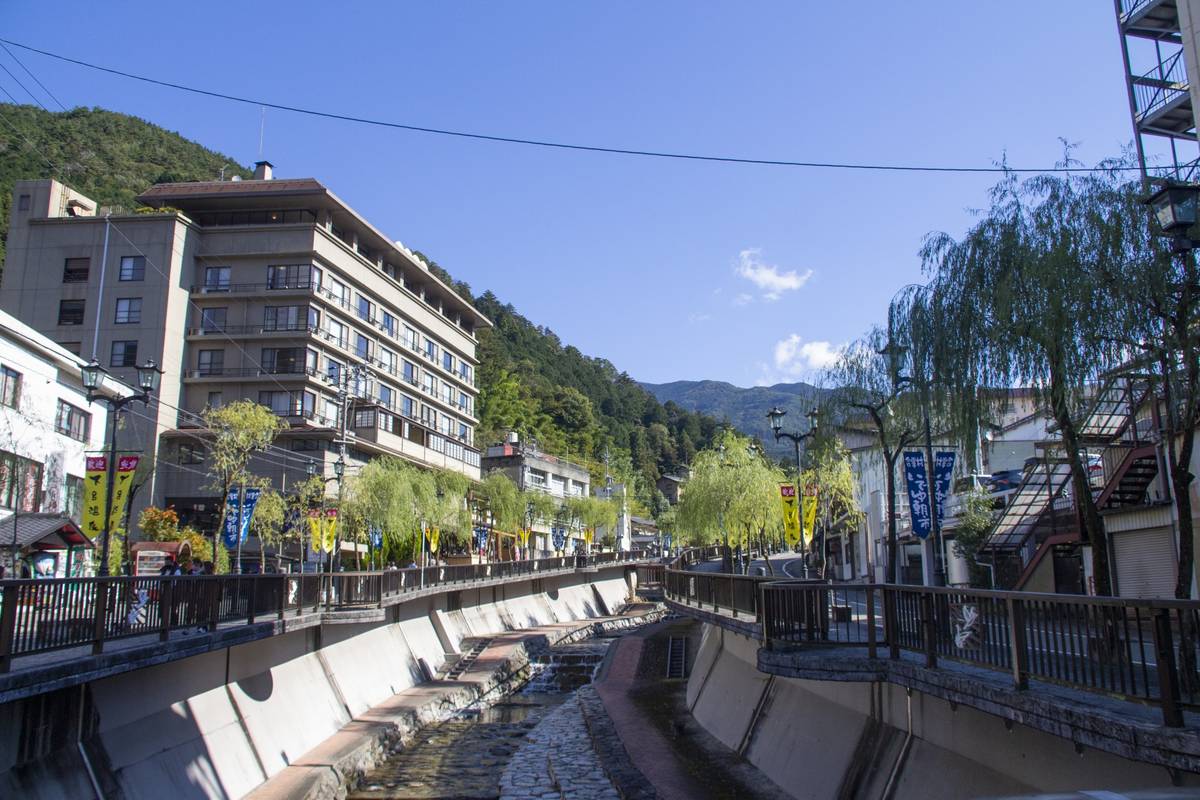
Stretching along the Hida River, the hot spring town of Gero Onsen is regarded as one of Japan’s Three Great Hot Springs, alongside Arima Onsen in Hyōgo Prefecture and Kusatsu Onsen in Gunma Prefecture. Its history is said to reach back to the Heian period, and it gained wider fame when the Muromachi-era Gozan monk Banri Shūku wrote of it as one of the three finest hot springs in the land.
The water is an alkaline simple spring with a silky smooth feel, earning Gero Onsen the nickname “the hot spring of beautiful skin.” Beyond the ryokan and hotels, the town offers easily accessible foot baths and day-use bathing facilities. Visitors can enjoy a stroll along the murmuring Hida River or take in the view of the hot spring town from Onsen-ji Temple. Located midway between Nagoya and Takayama on the JR Takayama Line, Gero Onsen is a convenient stop on any journey through the Hida region.
Location
Where is Gifu?
Gifu Prefecture is a landlocked prefecture in the Chūbu region, situated near the center of Honshū. The prefectural capital is Gifu City, and the population stood at approximately 1.97 million as of the October 2020 national census. Seventh-largest in Japan by area, the prefecture divides into two distinct regions: the Hida area in the north and the Mino area in the south. Hida is a mountainous zone where peaks rise above 3,000 meters, while Mino occupies part of the Nōbi Plain, where the three Kiso Rivers flow together: the Kiso River, the Nagara River, and the Ibi River.
The climate varies dramatically between north and south. Hida is influenced by air currents from the Sea of Japan side, bringing heavy snowfall in winter. The mountain areas around Shirakawa Village and Takayama are officially designated as heavy snow zones. Mino, by contrast, has a Pacific-side climate with hot, humid summers. The city of Tajimi recorded a national high of 40.9°C in 2007, making it one of the regions best known for intense summer heat.
Loading map...
Access
Getting to Gifu
Gifu Prefecture does not have its own airport, but Chūbu Centrair International Airport near Nagoya serves as the nearest gateway. From Centrair, connecting via the Meitetsu railway and JR lines brings you to JR Gifu Station in about one hour.
By rail, the Tōkaidō Shinkansen stops at Gifu-Hashima Station in the southern part of the prefecture, roughly two hours from Tokyo and about ten minutes from Nagoya. Gifu-Hashima Station is located away from the city center, however, so a more common route is to transfer at Nagoya Station to the JR Tōkaidō Main Line and ride to JR Gifu Station, a journey of about 20 minutes by rapid train. For the Hida region, the limited express "Hida" on the JR Takayama Line runs from Nagoya to Takayama in approximately two hours and 30 minutes.
Highway buses operate between Gifu City or Takayama and major cities including Nagoya, Tokyo, and Osaka. For Shirakawa-gō, local buses from Takayama or direct highway buses from Nagoya are the most convenient options.
Getting around the prefecture generally involves a combination of trains and local buses. In the Hida region, bus services can be infrequent, so checking timetables in advance is a good idea. Central Takayama is compact enough to explore on foot, with the old townscape and morning markets all within walking distance. Shirakawa-gō is about 50 minutes by bus from Takayama. Gero Onsen can be reached via the JR Takayama Line in roughly one hour and 30 minutes from Nagoya, or about 45 minutes from Takayama.
Winter brings heavy snowfall to the Hida region. The Takayama Line can experience schedule disruptions due to snow, so building extra time into your itinerary is wise when traveling to Hida in winter. The winter illumination at Shirakawa-gō is very popular, but it operates on a full reservation system, so arrangements for both access and viewing need to be made well in advance.
Local pride
Specialty Products
Gifu Prefecture is blessed with mountains and rivers. In the northern Hida area, premium beef cattle are raised and highland vegetables are cultivated in the cool mountain climate. The prefecture's rivers, above all the Nagara River celebrated for its clear waters, are prime fishing grounds for sweetfish. In the southern Mino area, fruit cultivation thrives, with persimmons and chestnuts among the leading crops. The region ranks among the top producers of Fuyu persimmons nationwide.
The prefecture also has deep roots in craftsmanship. Mino ware accounts for more than half of Japan's ceramic tableware production, and the city of Seki has been renowned worldwide as a major center for bladed tools since the Kamakura period. Mino washi, a traditional handmade paper, is inscribed on the UNESCO Intangible Cultural Heritage list. In the Hida area, woodcraft traditions such as Shunkei lacquerware and ichii ittōbori wood carving continue to be passed down to this day.
Food
Crafts & Others
Through the ages
History of Gifu
The lands that make up present-day Gifu were historically divided into two provinces: Mino and Hida. Mino, situated along the Tōsandō highway, was a crossroads for people and goods, and held such strategic importance that it was said "whoever controls Mino controls the realm." Hida was known for its fine timber, and records from the Nara period show that master carpenters from Hida, known as Hida no Takumi, were called to the capital to build temples and shrines.
During the Sengoku period, this region became the stage for the unification of Japan. In 1567, Oda Nobunaga captured Inabayama Castle and renamed the surrounding area "Gifu," drawing on a Chinese historical allusion. It was here in Gifu that he adopted the seal reading Tenka Fubu, declaring his ambition to unite the nation by military force. In 1600, the Battle of Sekigahara unfolded in Mino Province, ending in victory for the Eastern Army led by Tokugawa Ieyasu. One of the great turning points in Japanese history was born within the borders of this prefecture.
Following the Meiji-era abolition of the feudal domains, the various han of Mino Province were merged with Hida Province, and the present-day Gifu Prefecture was established in 1876. In the modern era, Mino developed a strong manufacturing base in ceramics and cutlery, centered on Mino ware and the blades of Seki. In Hida, abundant forest resources supported a thriving woodworking industry, while hydroelectric power development from the Taishō period onward became a pillar of the regional economy.
Plan your trip
Official Resources
Continue exploring
Discover other areas and hidden gems across Chubu Region.