What is Otaku? Exploring The Meaning of The Term & History of Otaku Culture in Japan

Ayana Sasaki
From Yokohama

The term “Otaku”, once used mainly in Japan, has now spread overseas and is recognized around the world. In this article, we will explore the meaning and definition of the word, along with how the perception of it has changed over time within Japanese society.
What is an Otaku?
Otaku is a Japanese word used to describe people who have deep knowledge of, and strong enthusiasm for, a particular hobby or field. Today, it is most commonly associated with individuals who immerse themselves in subcultures such as anime, manga, and video games. However, the nuance and scope of the term have shifted over time, evolving alongside changes in society and pop culture.
Definition of Otaku
Generally speaking, an otaku can be defined as someone who possesses exceptional knowledge and passion for a specific field (particularly within subcultures) and who devotes a significant amount of time and money to that interest.
While this definition may sound a bit formal, it essentially refers to people who, for example, memorize detailed character backgrounds from anime or manga, have extensive knowledge of train models and timetables, or keep track of every performance given by their favorite idols. These individuals are often considered otaku.
In short, it refers to someone who loves something and devotes themselves to it. Back in the 1980s, the term tended to imply a high level of expertise or deep knowledge. Today, however, many people consider even those whose enthusiasm falls within the realm of an ordinary hobby to fit the definition of an otaku.
Origin of Otaku
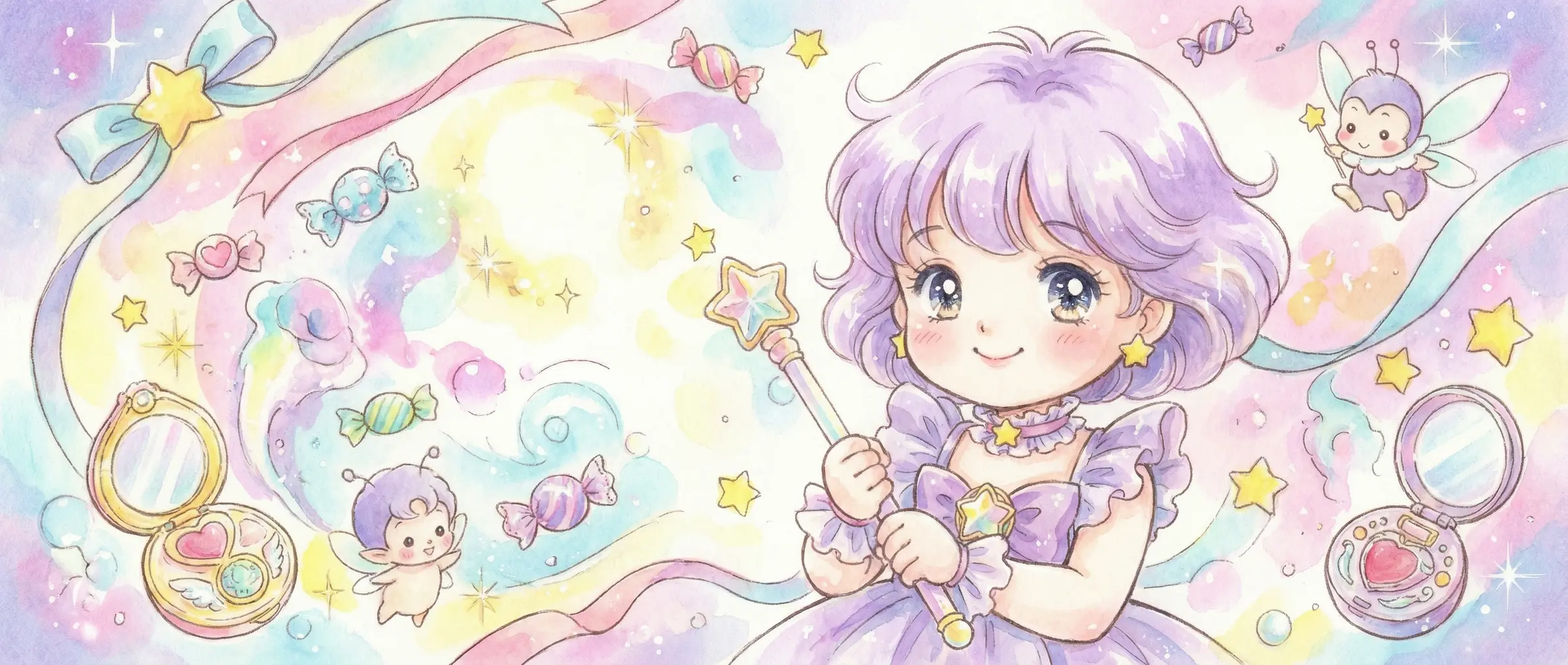
The origin of the word “Otaku” dates back to the early 1980s. It is said to have first been used by anime critic Akio Nakamori in his 1983 column “A Study of Otaku” published in the magazine Manga Burikko. The term itself comes from “otaku” (お宅), a second-person expression meaning “you” which anime fans at the time often used when addressing each other.
At the time, anime fans tended to avoid directly addressing one another and instead preferred polite expressions such as, “Have you seen this anime, otaku?” (“otaku” here functioning as a formal “you”). This distinctive style of communication ultimately led to the creation of the term “Otaku” as a label for such enthusiasts.
Nakamori originally used this term in a critical way, depicting young people who were so absorbed in anime and manga that they seemed to lack social awareness. Ironically, however, the word was gradually embraced by the very individuals it referred to, eventually becoming part of their own identity.
How the Perception of Otaku Differs Overseas
Pexels
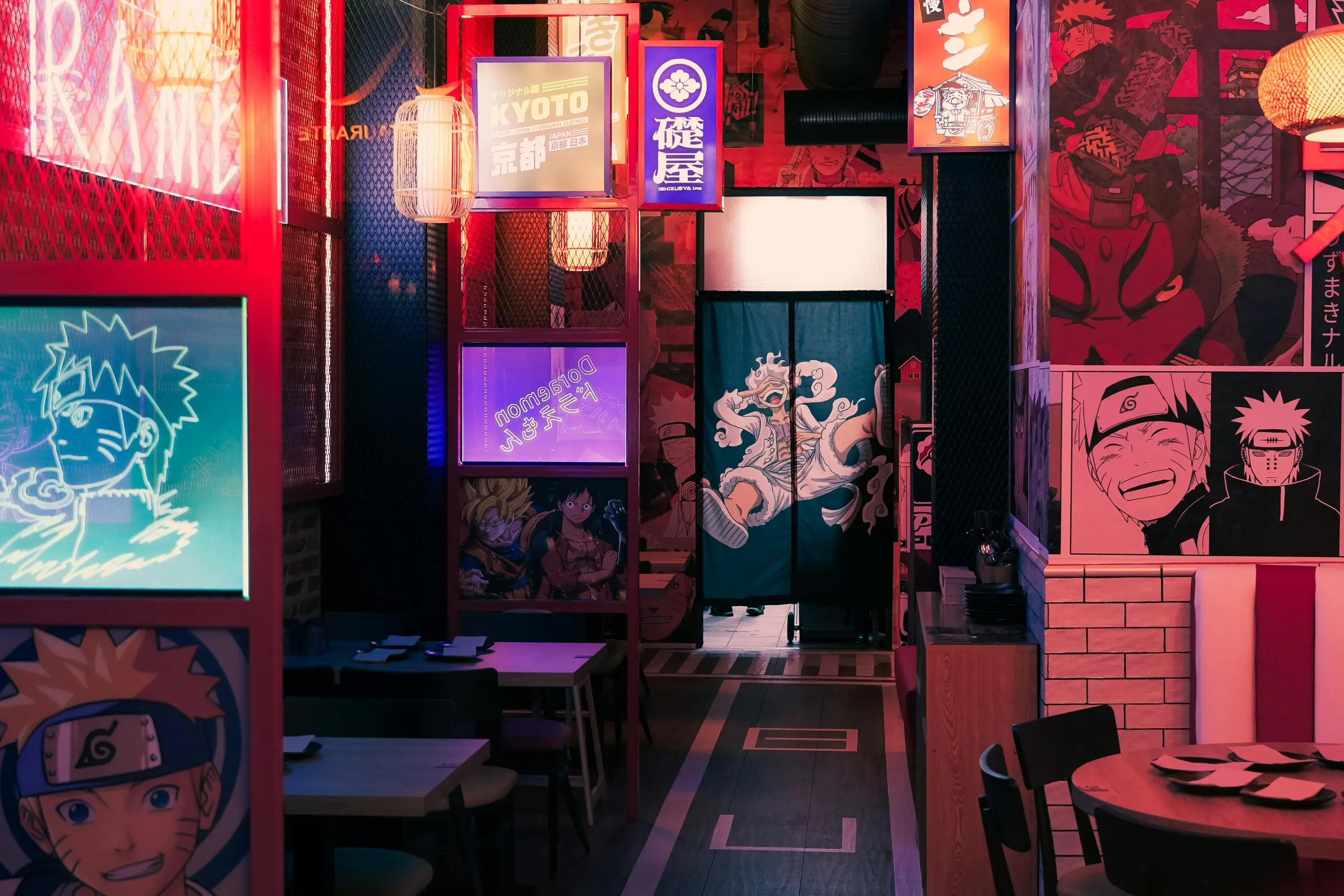
Overseas, Otaku has become firmly established as a term referring mainly to fans of Japanese anime and manga.
For many readers of this article, the word likely brings to mind people who are passionate about Japanese subcultures, i.e. Anime Otaku or Manga Otaku. In other words, it is commonly used as a general term for fans deeply immersed in anime and manga.
In contrast, the meaning of Otaku in modern Japan extends much more broadly.
- Train Otaku (people knowledgeable about trains and railways)
- Camera Otaku (people knowledgeable about cameras and photography)
- Idol Otaku (people who passionately support specific idols or groups)
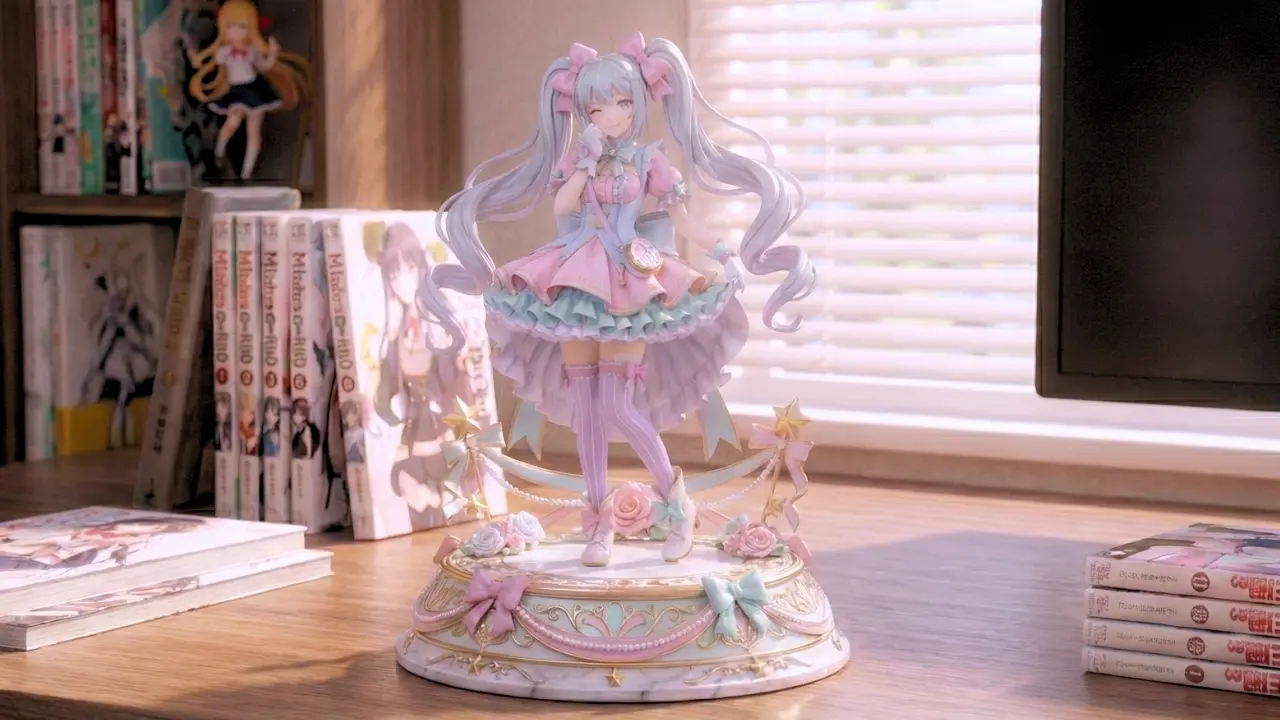
- Figure Otaku (people who enjoy collecting figures)
- Military Otaku (people knowledgeable about military technology and history)
As shown above, in Japan it is common to express passionate enthusiasts of various hobbies or specialized fields using the form [something] Otaku. While the concept of Otaku overseas tends to remain limited mainly to pop culture, in Japan it is used in a far wider range of contexts.
History of Otaku Culture
Otaku culture in Japan began to take shape in the late 1970s and throughout the 1980s. At first, the term carried a relatively neutral meaning, referring simply to people who possessed specialized knowledge in a particular field.
As fan communities for anime, manga, and science fiction literature grew, the term gradually spread as well. In the early days, some otaku were even respected for their depth of knowledge. Possessing highly specialized information, they were recognized as “the knowledgeable ones” among people who shared the same interests.
The Shift Toward a More Derogatory Connotation (1990s–2000s)

Photo AC
The Tsutomu Miyazaki incident in 1989 had a major impact on the public image of otaku. Because the perpetrator possessed a large number of anime and tokusatsu videos, the media heavily emphasized the term “Otaku” in negative coverage. As a result, a harmful stereotype formed portraying otaku as people who lacked social skills and exhibited dangerous tendencies, despite this perception being completely misleading.
From the 1990s through the 2000s, the term increasingly carried strong derogatory connotations.
- Media portrayals that effectively insinuated “otaku = latent criminals.”
- Self-deprecating usage among otaku themselves (e.g., saying “Well, I’m an otaku…” as a form of self-deprecation)
- An exclusionary mindset saying if you don’t like “moe” (cute characters/things), then you’re not an otaku.
- The underground image that surrounded the internet during that era also contributed to this perception.
These various factors contributed to the development of a negative image surrounding otaku. During this period, many young people tried to conceal their interests in everyday life, taking care not to reveal that they were otaku within their usual social circles. It was not uncommon for them to hide this part of their identity entirely.
Exceptions in Anime
Due to the above, the idea that “people who like anime and manga = otaku = gloomy and antisocial” became a common stereotype. However, Studio Ghibli works were notable exceptions. They were already widely accepted by the general public at the time, creating an atmosphere in which openly expressing love for them was not considered embarrassing. Expressing your love for works such as Nausicaä of the Valley of the Wind or Princess Mononoke was perfectly socially acceptable.
In addition, nationally popular children’s series such as Doraemon, Crayon Shin-chan, and Detective Conan did not evoke an “otaku-like” impression either.
Otaku Culture Becomes More Mainstream

Animate in Ikebukuro City / Photo AC
By the 2010s, otaku culture had gradually gained social acceptance. Several factors contributed to this shift.
- The generation that grew up watching anime became parents themselves, making anime a normal part of family life.
- Massive hits such as Your Name. and Demon Slayer.
- The spread of the internet allowed interests to became more varied and niche
- Social media helped communities become more diverse and open.
- For younger generations, anime and manga were no longer seen as something “special,” but simply as everyday entertainment.
In modern Japan, the word has gradually lost the strong negative nuances it once carried. For younger generations, being an otaku is no longer a reason for stigma; instead, it is increasingly accepted as a form of individuality and self-expression.
Pioneered by the popular term “oshi-katsu” (the act of enthusiastically supporting one’s favorite character, idol, or creator), passionately engaging in a specific hobby is no longer unusual in today’s society. Otaku culture has also gained international recognition as a form of Japanese soft power, increasingly drawing attention from the government as part of the Cool Japan initiative.
A Time When Even Celebrities Proudly Call Themselves Otaku
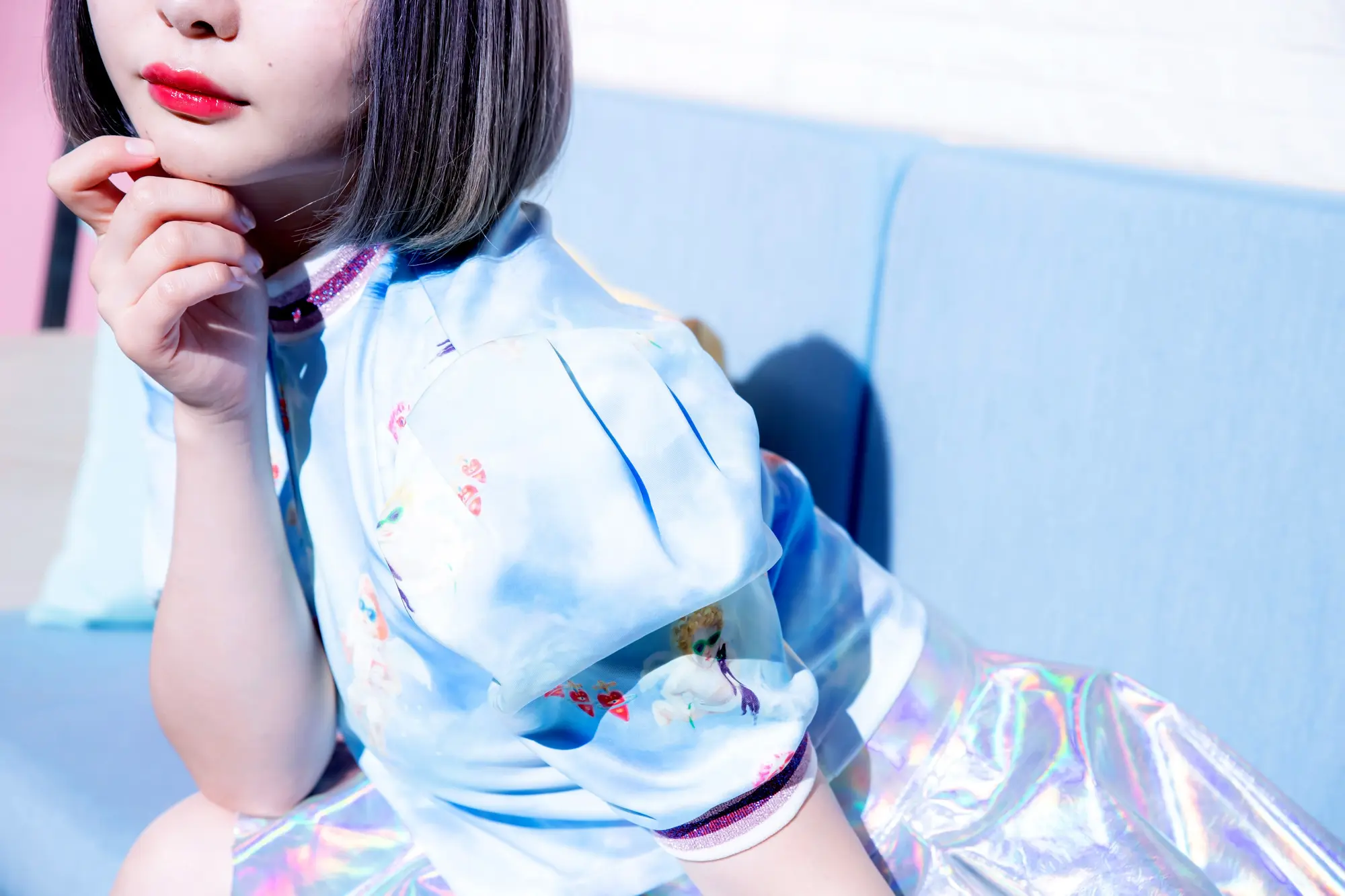
Jirai-kei Girl Wearing Glasses / Photo AC
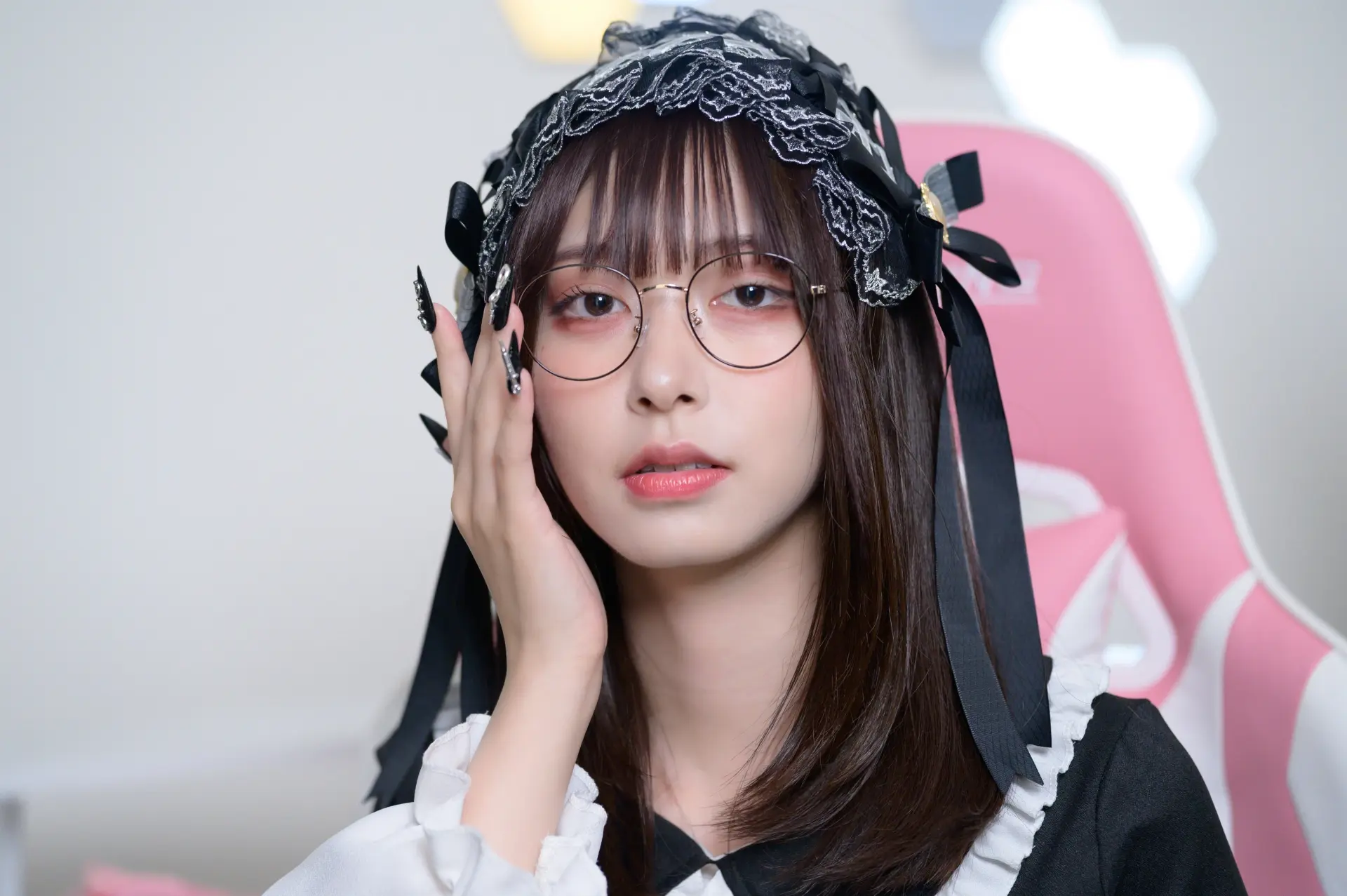
Today, it is no longer unusual for celebrities and influencers to openly share their otaku hobbies. What was once considered something to hide has now become accepted, even appreciated, as a unique aspect of one’s personality and charm.
There are now many examples of members of popular idol groups expressing their love for anime, or well-known actors proudly declaring themselves huge fans of tokusatsu heroes. Their passionate posts on social media about their oshi (favorite characters or idols) often resonate with followers, creating a stronger sense of familiarity and relatability.
A Shift That Breaks the Old Image of Otaku
What is particularly noteworthy is that people whose professions or appearances were once considered far removed from the stereotypical image of an otaku, like announcers and fashion models, are now enjoying cosplay and participating in anime-related events. For instance, it is not uncommon to see TV announcers showcasing cosplay on variety shows, or celebrities openly sharing that they attend Comic Market in their private lives.
These changes not only symbolize the mainstreaming of Otaku culture, but also reflect a broader social shift toward separating one’s hobbies from their profession or outward appearance. The old stereotype that “otaku lack social skills” is breaking down, and these shared interests are now functioning instead as a valuable tool for communication and connection.
The influence of celebrities is significant, and by embracing otaku culture in a positive light, they help promote a healthy value system among younger generations - one in which people feel free to openly express what they love.
The Global Spread of Otaku Culture
People Doing Cosplay / Pexels
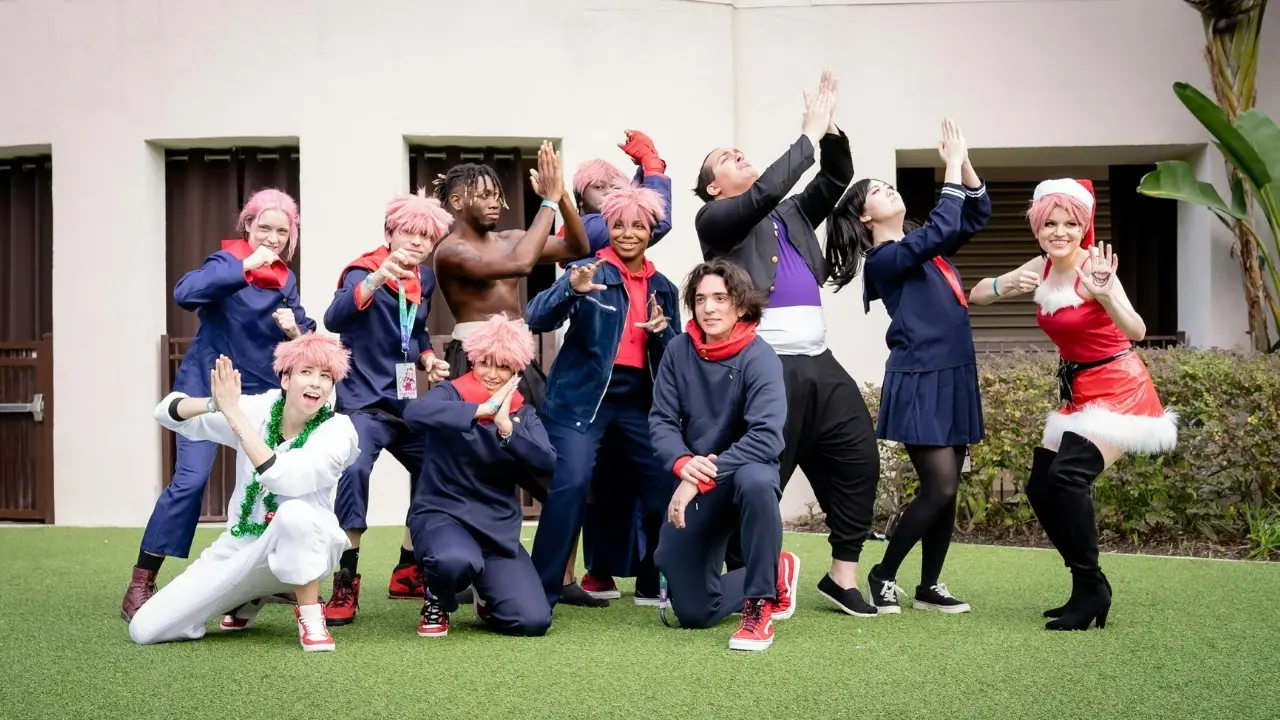
Otaku culture that originated in Japan has now spread across borders and taken root around the world. A concept that was once misunderstood even within Japan is now gaining international recognition.
Japanese pop culture like anime, manga, video games, and cosplay now brings fans together at conventions and events worldwide. Major international conventions like Japan Expo in Paris, Anime Expo in the United States, and DoKomi in Germany attract tens of thousands of attendees each year.
For many overseas fans, being an otaku goes beyond simply having a hobby; it can become an important part of their identity. In many cases, this passion even inspires people to start learning Japanese or to plan a trip to Japan.
Flexibility in Overseas Perspectives
What is interesting is that the term Otaku was embraced with a positive nuance overseas much earlier than in Japan. In many countries, it is used in a way that closely reflects its original meaning - referring to enthusiastic fans with deep knowledge of Japanese anime and related media, without carrying much of the derogatory connotation once found in Japan.
While It is true that the awareness of the term is still somewhat limited overseas, there are far fewer people who associate it with the kind of extreme negative image that many in Japan held during the 1990s.
How Otaku Culture Connects Japan and the World
People Doing Cosplay / Pexels
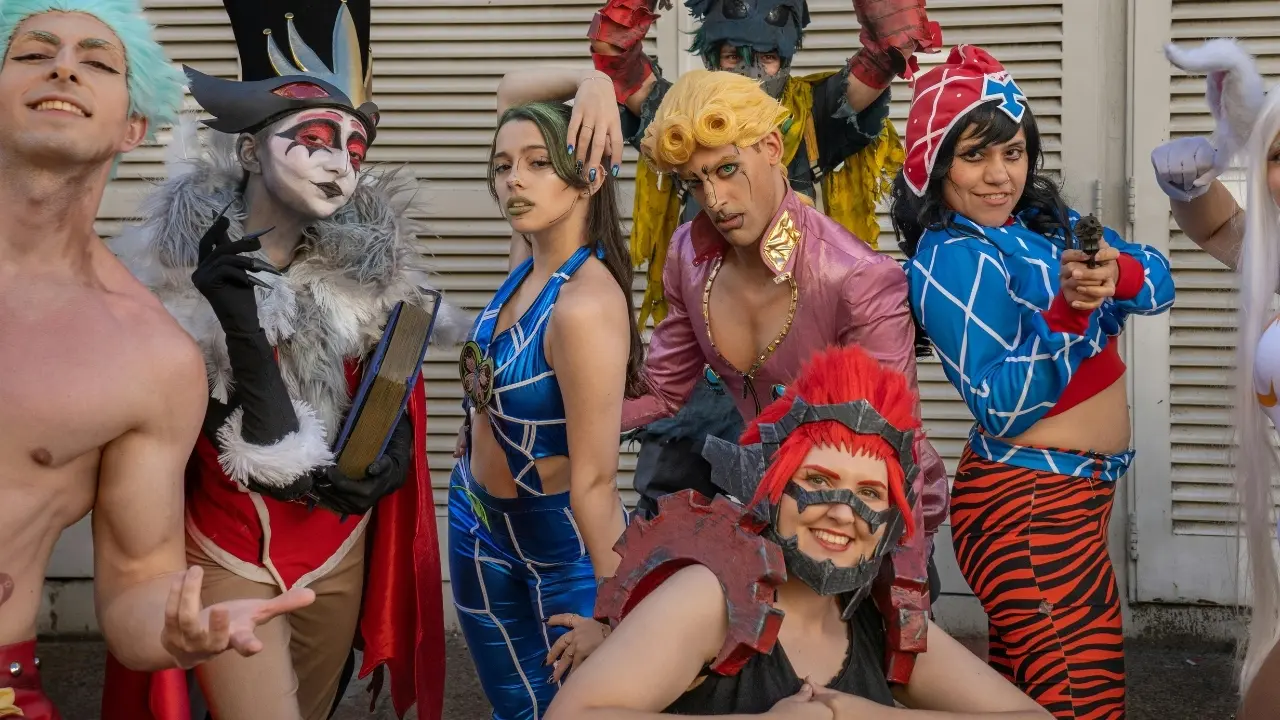
With the spread of the internet and social media, otaku around the world can now connect beyond language and cultural barriers. The joy of discussing a shared oshi or exchanging interpretations of beloved works is something fans everywhere can relate to.
Moreover, many foreign tourists visiting Japan now make pilgrimages to otaku cultural hubs such as Akihabara, Nakano, and Ikebukuro. This form of “otaku tourism” has become an important part of Japan’s tourism industry. In this way, a culture that was once pushed to the margins of society has now grown into a bridge for international exchange.
The meaning and perception of the word otaku will no doubt continue to evolve over time. However, the core value it represents: loving something wholeheartedly, is universal and will remain something that people around the world can share and understand.