What Is a Japanese Figure Sculptor? Famous Creators and How to Become One
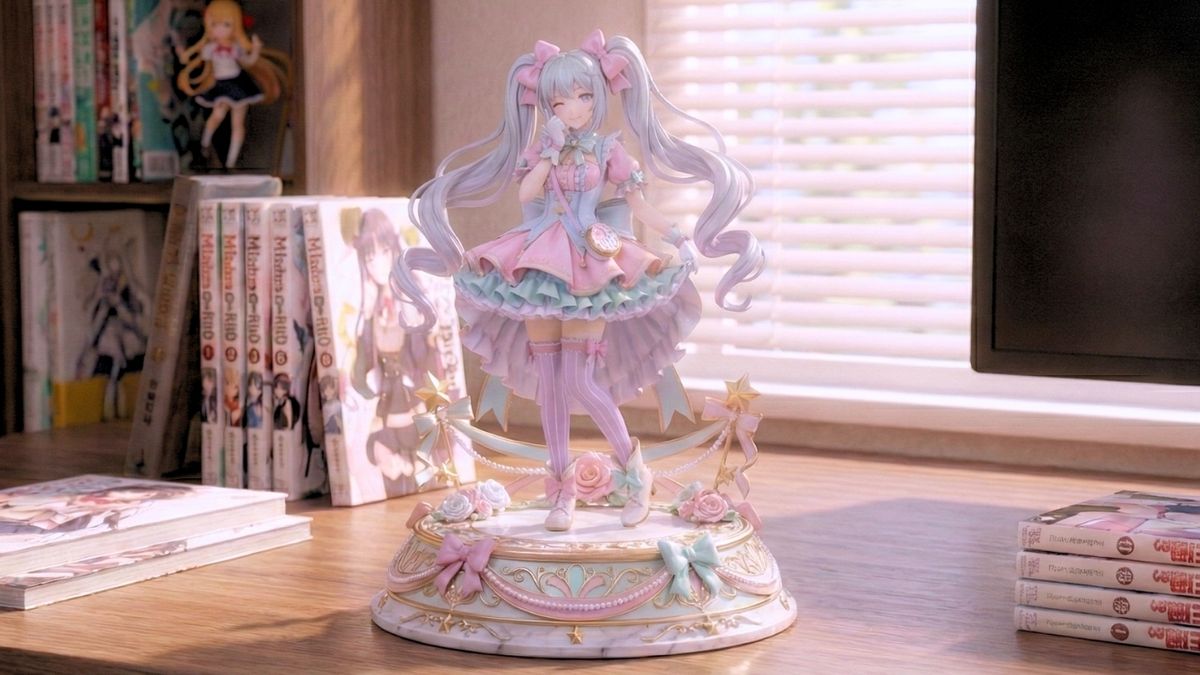
Before anime and game characters reach our hands as three-dimensional figures, many craftspeople are involved in the process. Among them, "sculptors" play a crucial role in transforming two-dimensional characters into three-dimensional forms.
What is a "Figure Sculptor" in Japan?
A sculptor is a specialist who creates the "prototype" for commercially sold figures. Molds are made based on their prototypes, which then proceed to mass production.
Coloring is usually done in a separate process, so the sculptor's work is specialized in creating the base. However, some people work as sculptors while also applying colors themselves to create one-of-a-kind pieces. Such artistic activities are highly valued by collectors.
The sculptor's job requires delicateness and skill, demanding techniques to transform the two-dimensional aesthetics into three dimensions without losing character details, from facial expressions to the folds of clothing.
Examples of Famous Figure Sculptors
The number of figures released in Japan is extremely high, and proportionally, various sculptors are active in the field.
Here, we'll introduce star sculptors whose names appear prominently as "Prototype by: 〇〇" on packages and product detail pages.
Yoshiki Fujimoto
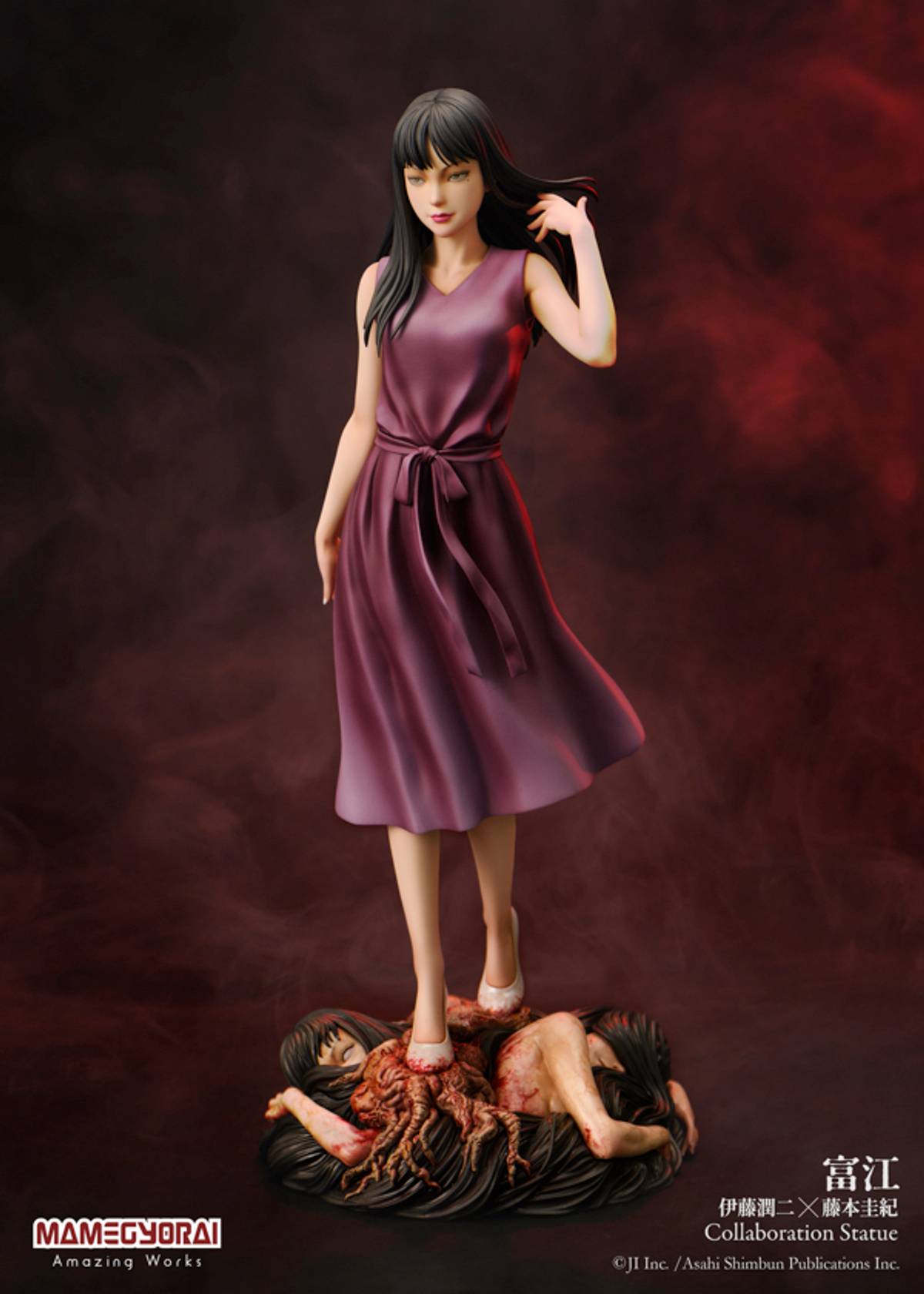
One of the top creators leading Japan's figure industry. He has worked on popular works such as "Tomie," "The Witcher," and legendary Japanese tokusatsu works like "Ultraman."
What's particularly noteworthy is the vivid expressions of the characters and the smooth body lines that convey the texture of skin. The unique worldview expressed in his original works can be said to be one of a kind.
Sakurako Iwanaga - Shokubutsu Shojo En

She is one of the most artistically acclaimed sculptors in the modern bishoujo figure world. She has gained legendary recognition especially for her "Hatsune Miku" sculptures, and the figures she creates transcend the framework of character merchandise, exuding a serene atmosphere akin to artwork.
Her characteristics include delicate, thin fingertips, melancholic expressions, and hair expressions that seem to defy gravity. She works under the name "Shokubutsu Shojo En (Botanical Girl Garden)," and her original works are also extremely popular.
Grizzly Panda
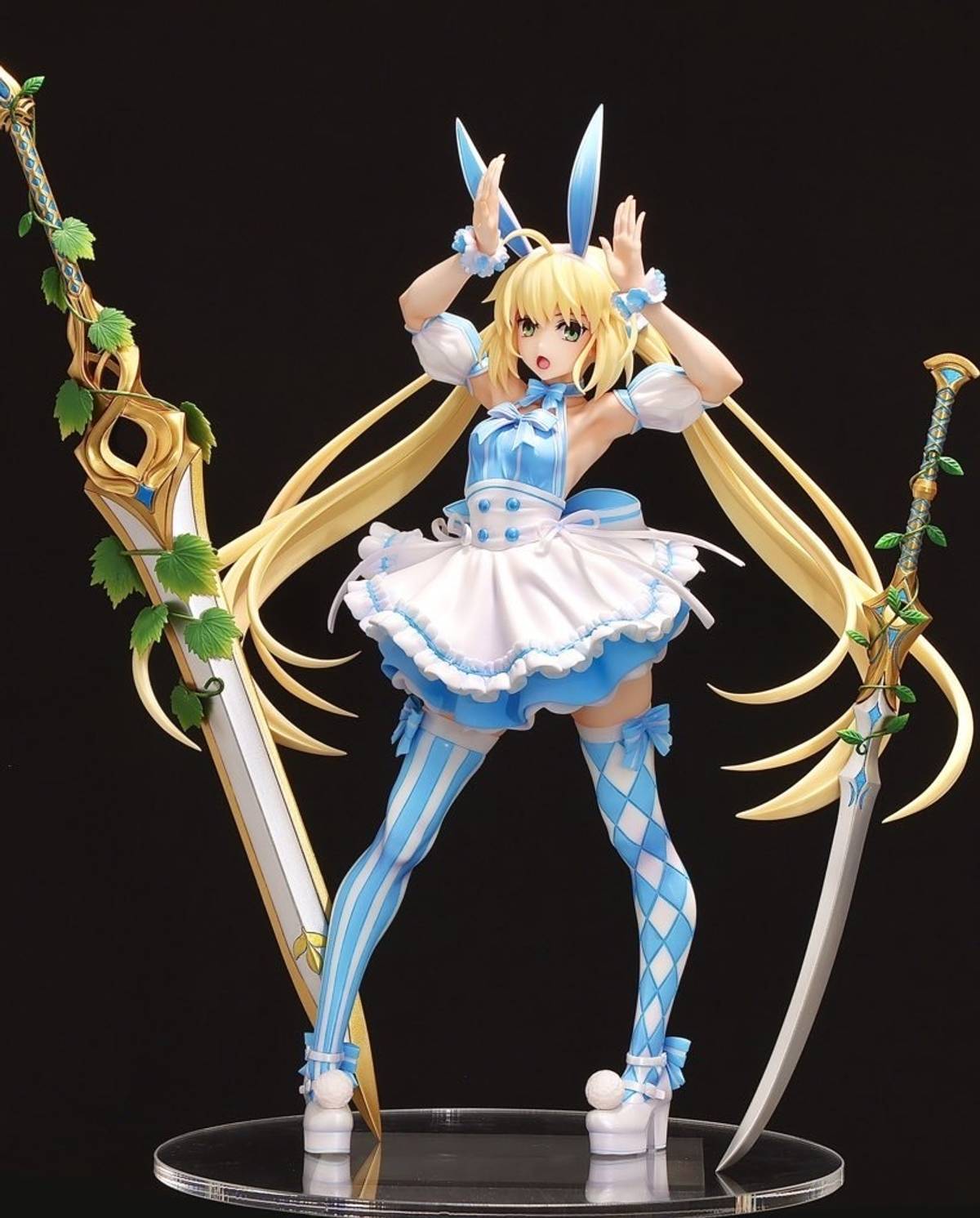
Fate/Grand Order - Artoria Caster (Swimsuit Ver.) Garage Kit / GRIZZRYPANDA Booth
He is a sculptor who has taken the industry by storm with overwhelming speed and quality by being one of the first to adopt 3D digital sculpting (such as ZBrush). He is always popular at the doujin event Wonder Festival.
He is genius at faithfully reproducing anime styles while adding the "visual appeal" unique to figures. His characteristics include glossy skin textures and stylized proportions that emphasizes cuteness.
Takamaki Busujima - Busujimax
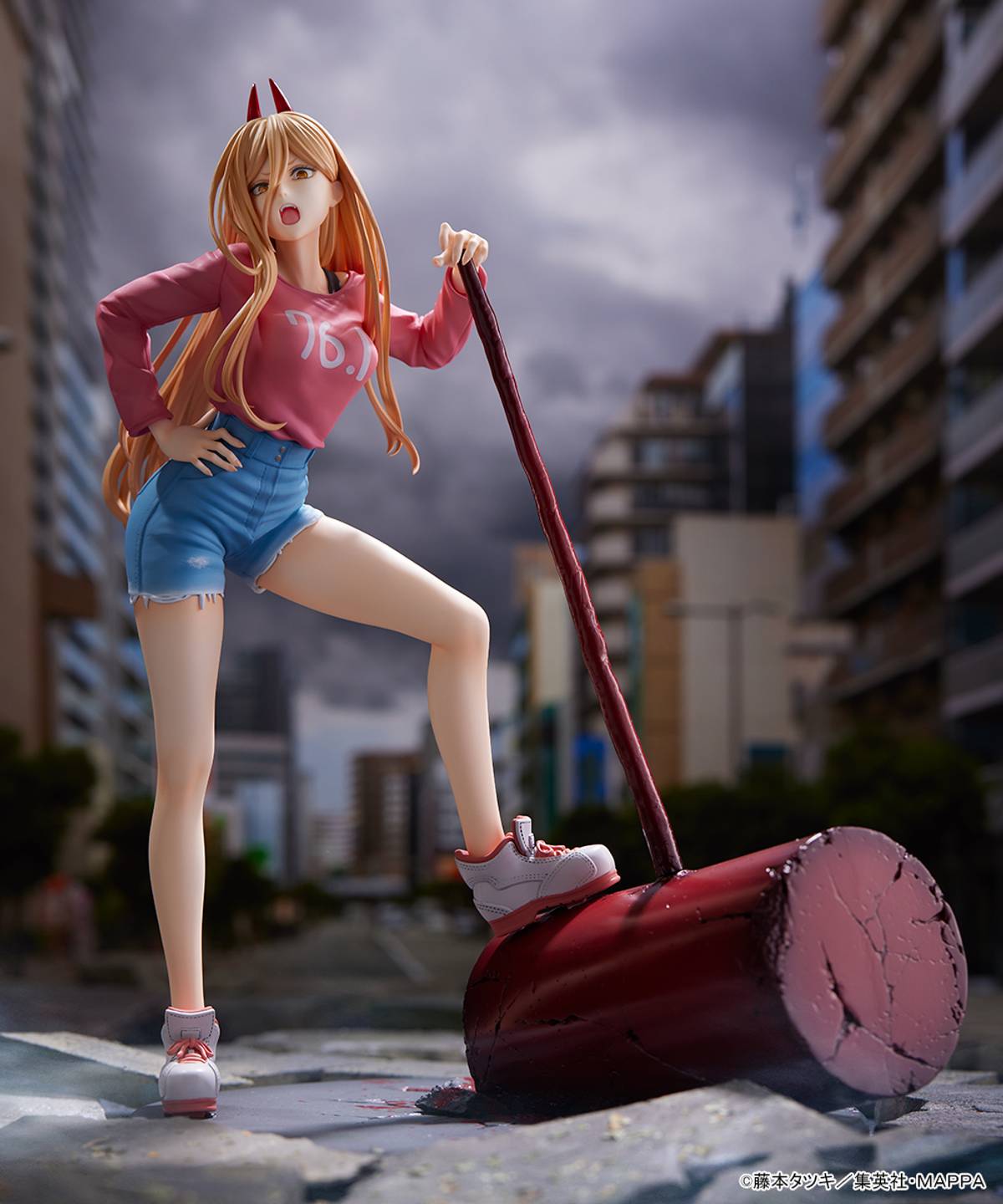
When it comes to sculpting that conveys not just cuteness, but also the "cool battle scenes" and "characters' willpower," this is the person. He has gained tremendous support especially for figures from the "Fate" series, fighting games, and battle anime.
His work has convincing body expressions, including muscle flow and weight distribution. His poses are bold, and his sculptures are known for looking good from any angle with "sharp, well-defined forms". No one surpasses him when it comes to male characters or dignified female characters.
How are Figure Prototypes Made?
There are two main approaches to creating figure prototypes: "analog" and "digital". Each has its characteristics and is divided according to production purpose and artist preference.
Analog Production
Analog production is a method of creating shapes by hand using actual materials such as clay or resin.
There are cases where molds are taken from these for mass production, and cases where they are completed as one-of-a-kind works, but to make a living with the latter requires an exceptional sense of style and public recognition.
- Intuitive work where you can feel the texture while creating
- Direct expression utilizing the texture of materials
- Requires technique and time for corrections
Main Materials Used
- Epoxy putty (high strength after hardening, suitable for detailed expressions)
- Oil clay (convenient for rough creation as it can be reshaped repeatedly)
- Polyputty (lightweight and easy to handle, easy to sand after drying)
Many sculptors first create a rough framework with wire or aluminum foil, then layer clay on top to build the form. Details are carefully sculpted using specialized tools.
Digital Production
In recent years, digital production using 3D modeling software has become mainstream in commercial figure production. If you want to work as a sculptor employed by a company, this is an essential skill.
- Easy to save and share as data
- Easy to modify and duplicate
- Can be output with 3D printers
- Suitable for commercial figures intended for mass production
Examples of Commonly Used Software
Here are examples of software commonly used in production environments.
- ZBrush
A digital sculpting software that could be called the industry standard. It features user-friendly operability that allows creating 3D models with a feeling like kneading clay, making it accessible to those transitioning from analog. It excels particularly in expressing the organic shapes of figures. - Blender
An open-source 3DCG software. Despite being free, it is highly functional and allows consistent work from modeling to texture setting and rendering. In recent years, its functions have been significantly enhanced, and its adoption in professional settings is increasing. - Maya
A 3D graphics software widely used in the animation and game industries. It allows precise modeling and is adopted by major figure manufacturers. There are also free licenses for students, making it easy to learn.
In digital production, the typical workflow is to output completed data with a 3D printer and create molds for mass production based on that. With technological evolution, detailed expressions that were previously difficult have become possible.
How Figure Sculptors Work
The ways sculptors work are diverse, and one of the attractions is being able to choose according to your skills and inclinations. Choose based on your aptitude and the type of creator you want to become.
Freelance
Freelance sculptors have the freedom to choose work at their own pace, but they need to make efforts to acquire work themselves. Also, despite being "free," since the main clients are companies, there is a degree of constraint and responsibility.
To work as a freelancer, it's important to share works on social media and portfolio sites. It's also important to create opportunities for people to see your works directly by participating in doujin events and figure exhibitions. Above all, you must make your work known.
Advantages
- Higher possibility of choosing to create works or characters you like
- Can decide how to use your time
- Can diversify income sources by dealing with multiple clients
Disadvantages
- Income tends to be unstable
- Need to handle tasks other than production, such as sales activities and contract negotiations
- Need to set up your own work environment
Company Employee
This is a form of working as an employee of a production company, and major figure manufacturers in Japan regularly recruit sculptors. In interviews, it's common to be given prototype creation tasks for characters or to submit portfolios of self-made works.
Some companies have training programs where you start as an assistant and gradually increase the number of works you handle on your own. One advantage of being a company employee is that you can learn not only techniques but also the production flow in a team.
There's also a path to become independent as a freelancer after acquiring necessary skills by working for a company.
Advantages
- Stable income and benefits
- Opportunities to be involved in large-scale projects
- Can receive direct guidance from senior sculptors
- Can concentrate on production without worrying about sales or negotiations
Disadvantages
- May have to handle works that are not to your liking
- Need to follow deadlines and company policies
- May need to adapt your style to the company's style
How to Become a Figure Sculptor in Japan
There is no single path to becoming a figure sculptor. It's important to hone your skills in a way that suits you.
Produce Works as a Self-Taught Artist
Many sculptors start as a hobby, hone their skills, and transition to becoming professionals. It's an approach of growing through creating works, rather than aiming for perfection from the start.
The flow of developing skills through self-learning is as follows:
- Start with characters you like (helps maintain motivation)
- Utilize reference books and online courses
- Study the works and creation processes of other sculptors
- Regularly publish works to get feedback
For beginners, resin clay or lightweight clay is easy to handle as materials. For digital, it's recommended to start with free software like Blender.
Attending Vocational School
For those who want to learn systematically, there's also the option of vocational schools. At a vocational school, you can learn things like:
- Basic sculpting techniques (sketching, three-dimensional composition, etc.)
- How to use 3D modeling software
- Characteristics of materials and proper handling
- Current state of the industry and portfolio creation for employment
In Japan, there are several schools that offer specialized courses for aspiring figure sculptors. Typically two-year programs, a major advantage is being able to receive direct instruction from instructors who are active in actual production environments.
Graduating from a vocational school can also be advantageous for employment at figure manufacturers. Some schools have collaborative projects with companies, allowing you to gain practical experience while still in school.
While vocational schools are a sure way to acquire skills, they require investment in tuition and time. Those who want to learn at their own pace or who want to acquire skills while already working in another profession might consider online courses or self-learning. Recently, there has been an increase in high-quality sculpting courses and 3D modeling materials, allowing you to progress with learning at your own pace.
Language Barrier
In Japan, it's standard to use Japanese in higher education and specialized education. For those who cannot speak Japanese, the option of attending a vocational school can be a very high hurdle.
Another approach is to learn sculpting know-how in your own country, apply it to anime character figure creation in your own way, and be active on the internet.
How Do Figure Sculptors Promote Themselves?
Once you start activities as a figure sculptor, it's important to have many people see your work and appeal how skilled you are.
Participating in Events
Doujin events and figure-specific exhibitions are held as venues for presenting works. For example, in Japan:
- Wonder Festival (the world's largest figure exhibition and sale held twice a year)
- Design Festa (a comprehensive art event where creators from various genres gather)
- Zoukei Tenkaichi Budoukai (a contest-style event specialized in sculpted works)
Such events not only allow many people to see your works but also provide opportunities to meet like-minded companions and be scouted by manufacturers.
Overseas, there might be fewer events specialized in anime figures, but there should be opportunities at events for sculpting or anime.
Sharing on Social Media
For sculptors specializing in two-dimensional characters, social media is an important venue for presenting works. It can be an opportunity to find buyers regardless of nationality, and increase chances of catching the eye of figure manufacturers.
Examples of Effective Social Media Use
- Regular posting including the creation process
- Valuing interaction with followers, such as replying to comments
- Understanding the characteristics of each platform and posting accordingly (different approaches are effective for Instagram and Twitter)
Precautions for Creating Figures of Anime Works
When publishing derivative works, understanding of copyright is essential. When expanding commercially beyond the scope of personal hobby, permission from rights holders may be necessary. Some works have derivative work guidelines, so it's recommended to check them.
Legal interpretations of copyright differ by country, but the mainstream rules in Japan are as follows:
- Create within the scope of personal hobby (commercial activities such as mass production or selling at prices disproportionate to the cost are not allowed)
- Clearly state that it is unofficial
- Do not directly copy products released by official sources
It's very difficult to draw the line of what is and isn't acceptable, but basically, "if the rights holder says no, it's a no." While it may not always lead to legal measures, companies that could potentially become business partners tend to emphasize morality, so derivative works should not be commercially expanded on a large scale.
Is Learning Japanese Essential?
The necessity of Japanese language skills when working as a figure sculptor varies depending on the situation.
If your goal is just to acquire technical skills, Japanese is not necessarily essential. Many 3D modeling software support English, and online learning resources about them are abundant.
However, if you want to work for a figure manufacturer in Japan or work as a freelancer with many opportunities to directly interact with Japanese clients, having Japanese language skills for basic communication would be a significant advantage. Especially in commercial figure production environments, discussions about the subtle nuances and expressions of characters are typically conducted in Japanese.
On the other hand, if you have exceptional sculpting skills, that is a perfect weapon that transcends language barriers. By looking at the works of various creators, learning, and continuing to create, the day may come when you can work as a global figure sculptor.
Published Last Updated
Related Articles
Explore more articles on similar topics and deepen your knowledge of Japan.